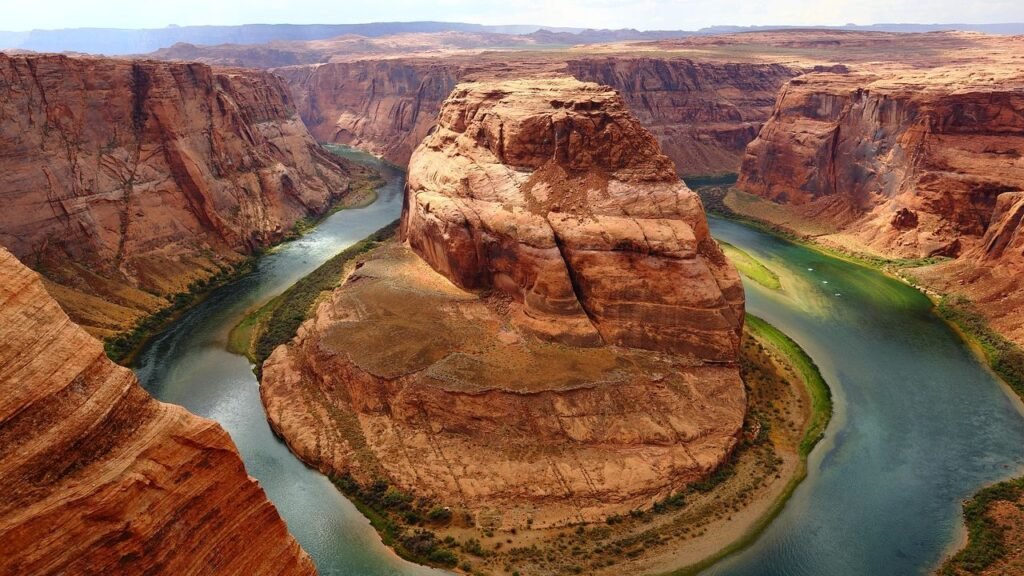

Have you ever stood at the edge of something so magnificent that words felt inadequate? The United States is home to landscapes that make you question reality itself, places where nature has spent millions of years perfecting its craft. From cascading waterfalls that thunder with raw power to canyons carved by ancient rivers, these natural spectacles leave visitors speechless.
You might think you know what to expect from photos or documentaries. Yet experiencing these wonders firsthand is something entirely different. There’s something humbling about witnessing geology in action, feeling the spray of waterfalls on your face, or standing beneath rock formations that dwarf everything around them. Ready to discover which natural treasures should be at the top of your travel list?
The Grand Canyon: A Mile-Deep Masterpiece
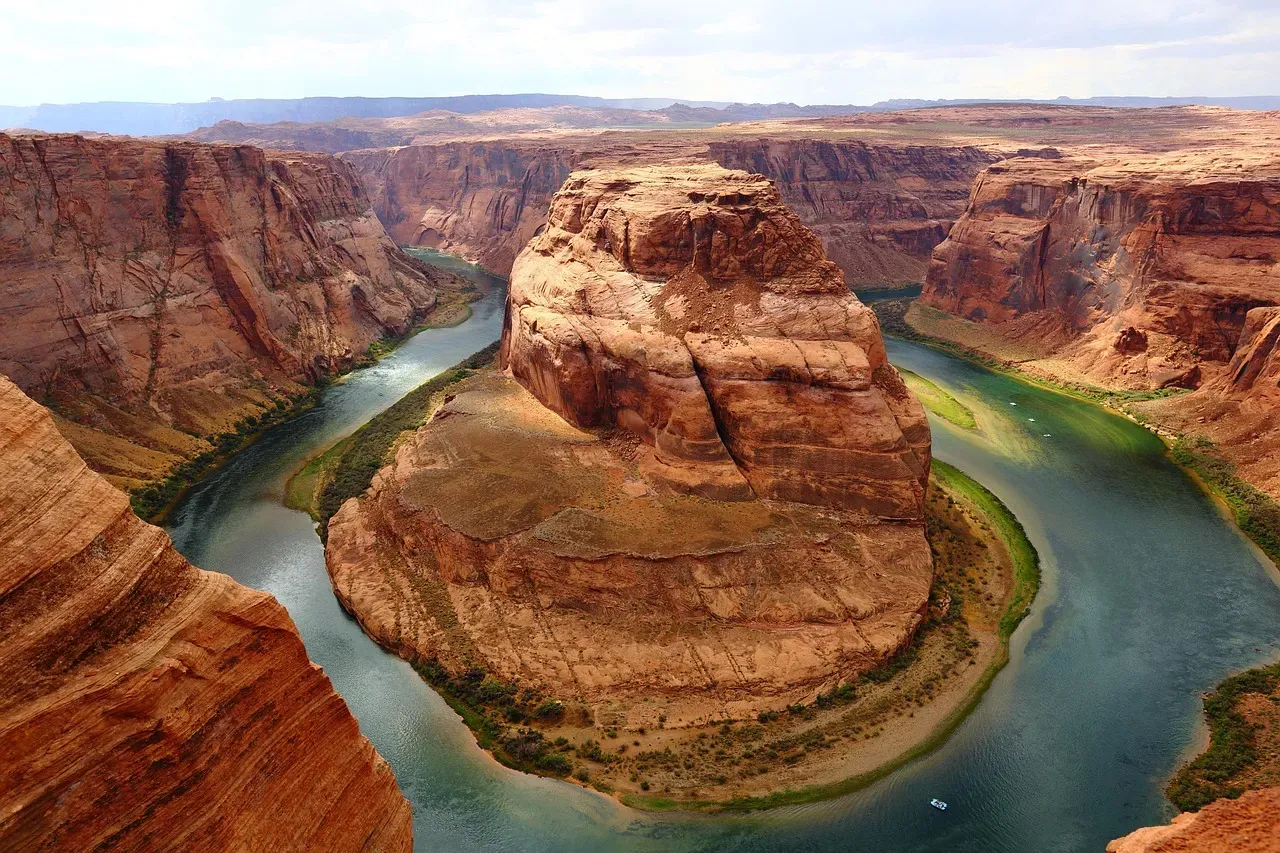
Carved by the mighty Colorado River over millions of years, the Grand Canyon stretches 277 miles in length and over a mile deep, revealing dramatic layers of red rock and offering panoramic vistas that change with the light. When you stand at the rim and peer down into this massive chasm, your brain struggles to comprehend the scale. Grand Canyon receives close to 5 million visitors each year, yet somehow the vastness of this place makes it feel like you’re discovering it for the first time.
Grand Canyon National Park’s South Rim is the most popular visitor area, with plenty of places to eat, shop and stay the night in area hotels or campsites. If you’re looking for solitude and a more remote experience, you’ll find the North Rim is open from May to October and offers a unique and uncrowded way to explore the Grand Canyon. Honestly, whether you’re hiking down into the canyon or simply watching the colors shift at sunset, this geological marvel delivers an experience that photographs simply can’t capture.
Yellowstone National Park: Where The Earth Breathes Fire
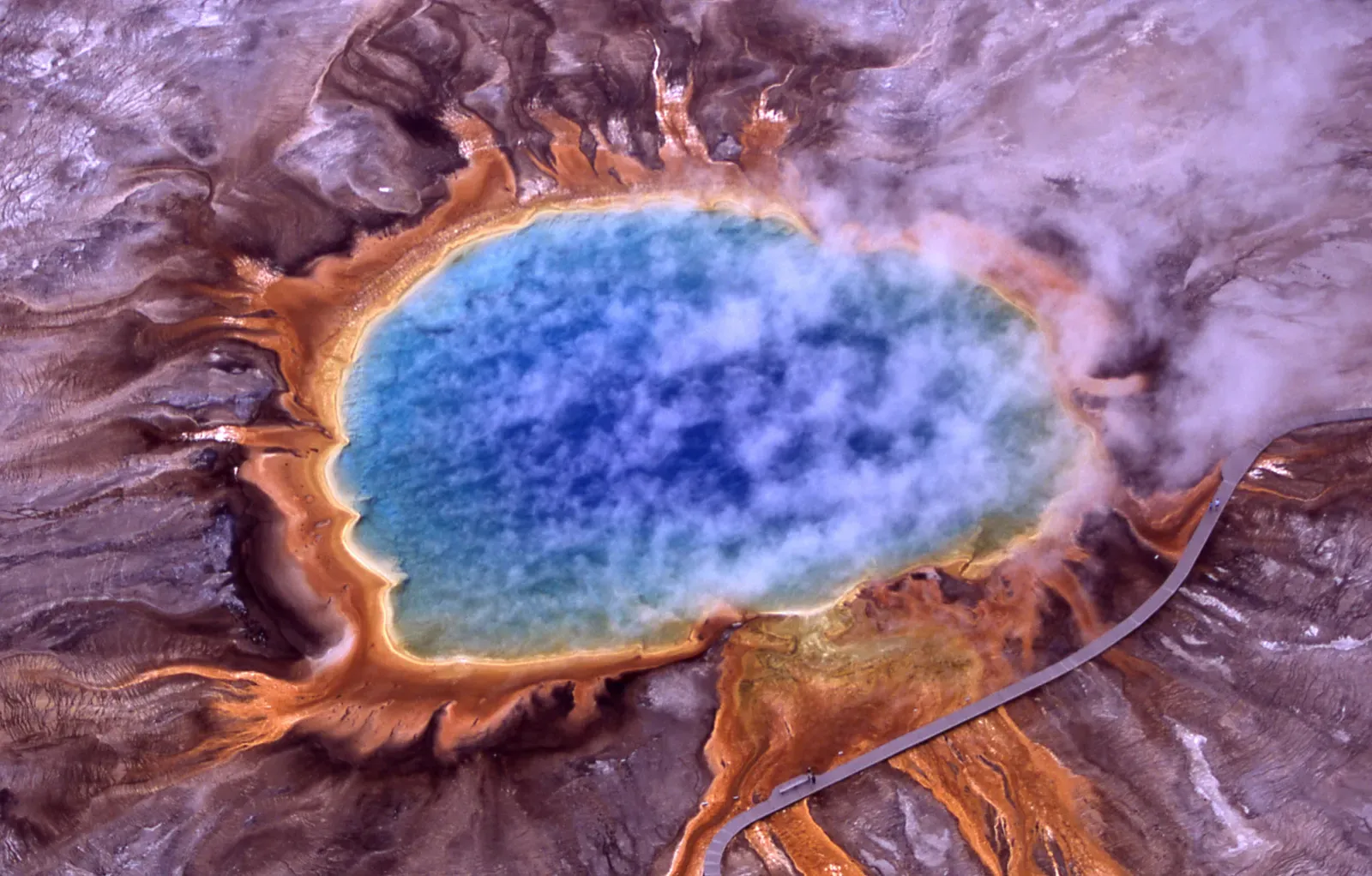
Yellowstone isn’t just a park. It’s a living, breathing testament to the volcanic forces bubbling beneath our feet. Yellowstone National Park contains more than 10,000 thermal features, including the world’s greatest concentration of geysers, hot springs, mudpots, and steamvents. Walking through the geyser basins feels like stepping onto another planet, where the ground steams and bubbles, and the air smells faintly of sulfur.
In fact, more than half of the world’s geysers are inside Yellowstone National Park. Old Faithful remains the star attraction, erupting with remarkable predictability. The park also showcases the stunning Grand Prismatic Spring, whose rainbow colors are created by heat-loving microorganisms thriving in the scalding water. Beyond the thermal features, you’ll encounter bison roaming freely, wolves hunting in packs, and grizzly bears ruling their territory. It’s wild America in its most authentic form.
Niagara Falls: The Thundering Beauty At The Border
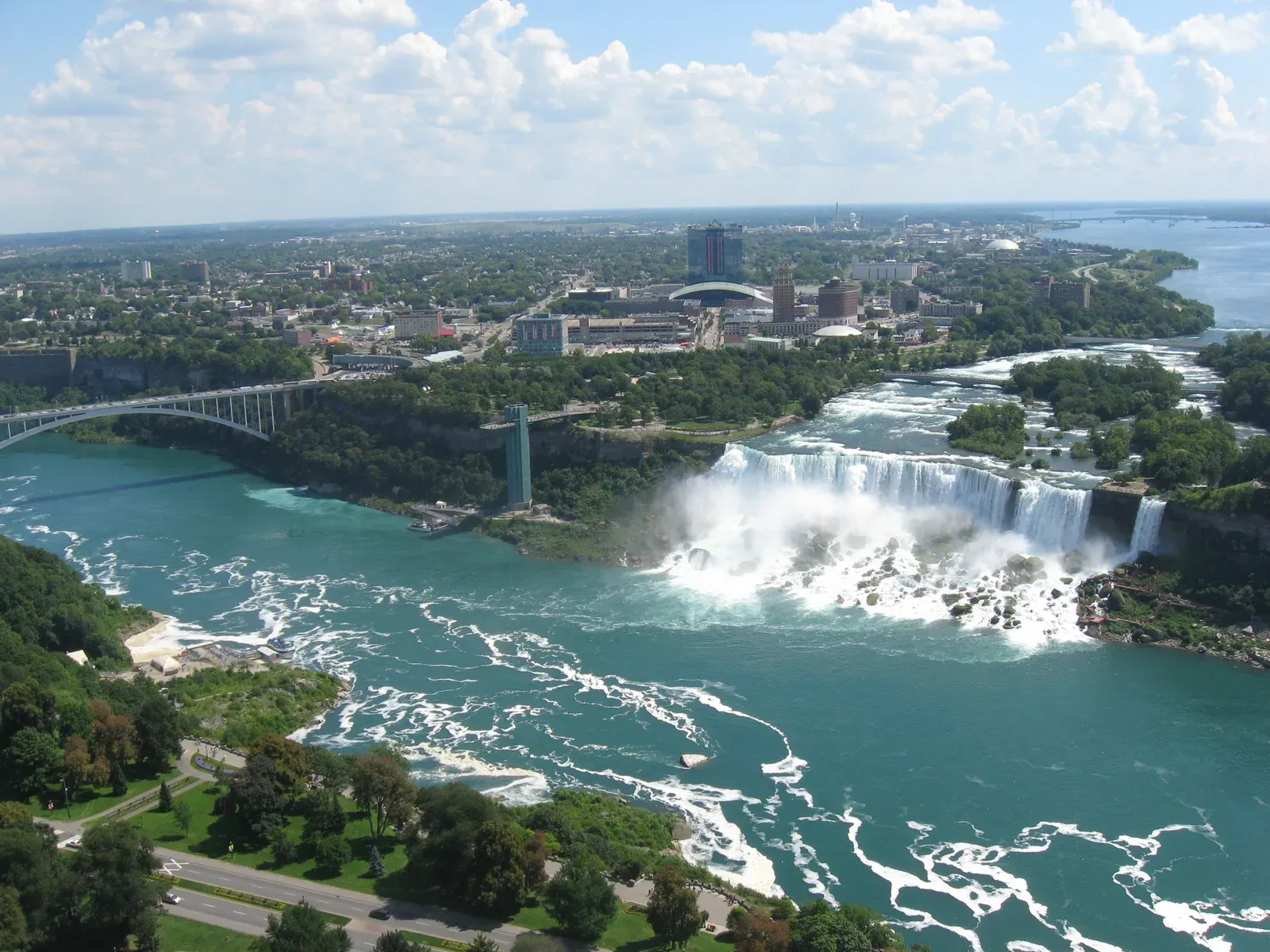
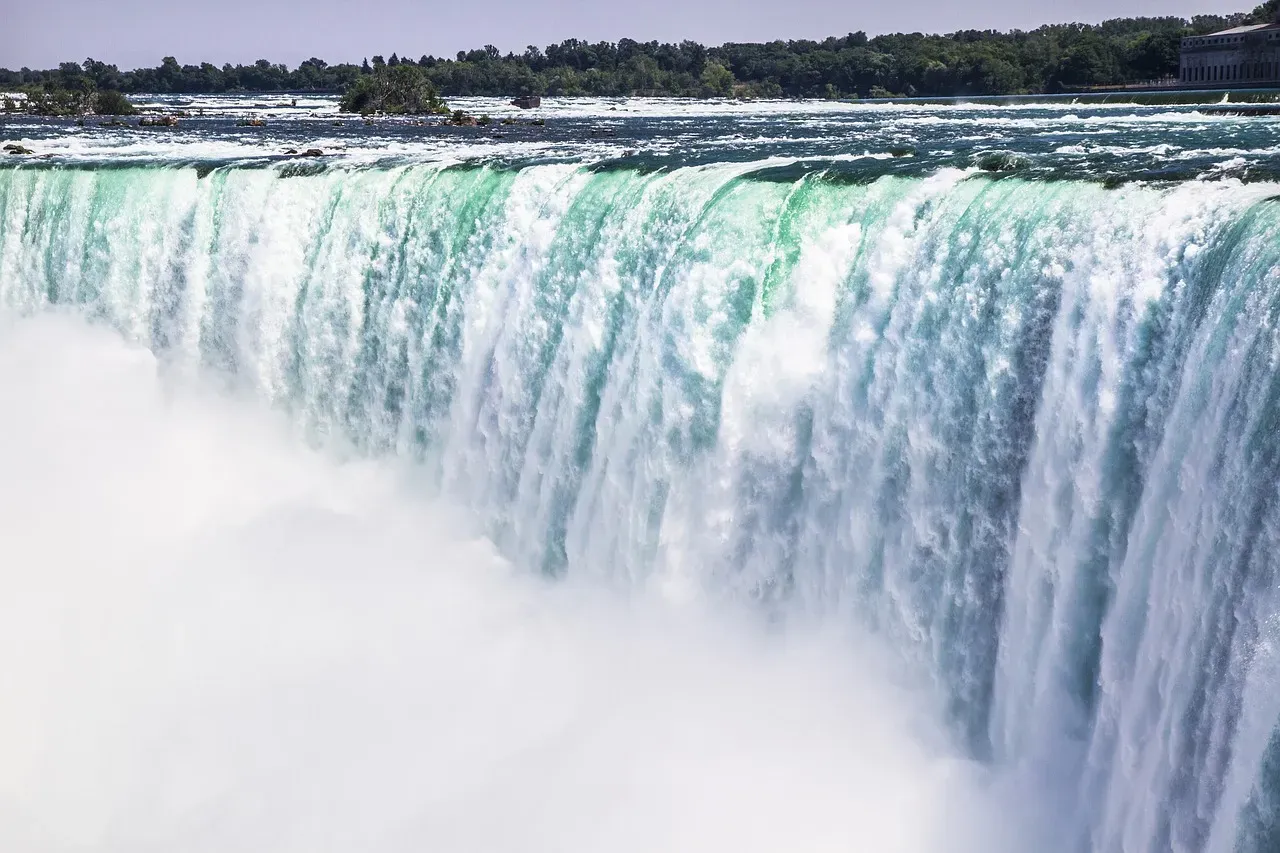
Niagara Falls, a natural wonder on the US-Canada border, is a mesmerizing display of three waterfalls – Horseshoe Falls, American Falls, and Bridal Veil Falls. The sheer volume of water crashing down is staggering, creating a constant mist that rises like steam. They aren’t ‘s tallest waterfalls, but these powerful cascades have one of the largest water flows on the planet.
In 2024, Niagara Falls welcomed around 13 million visitors, making it one of the most visited natural attractions in North America. You can get up close on boat tours that bring you right into the spray zone, or view the falls from observation decks where the roar becomes a physical sensation. The American side offers closer natural access to the falls themselves, giving you that intimate connection with the raw power of water. There’s something almost hypnotic about watching millions of gallons plunge over the edge every minute.
Antelope Canyon: Nature’s Sculpted Masterpiece
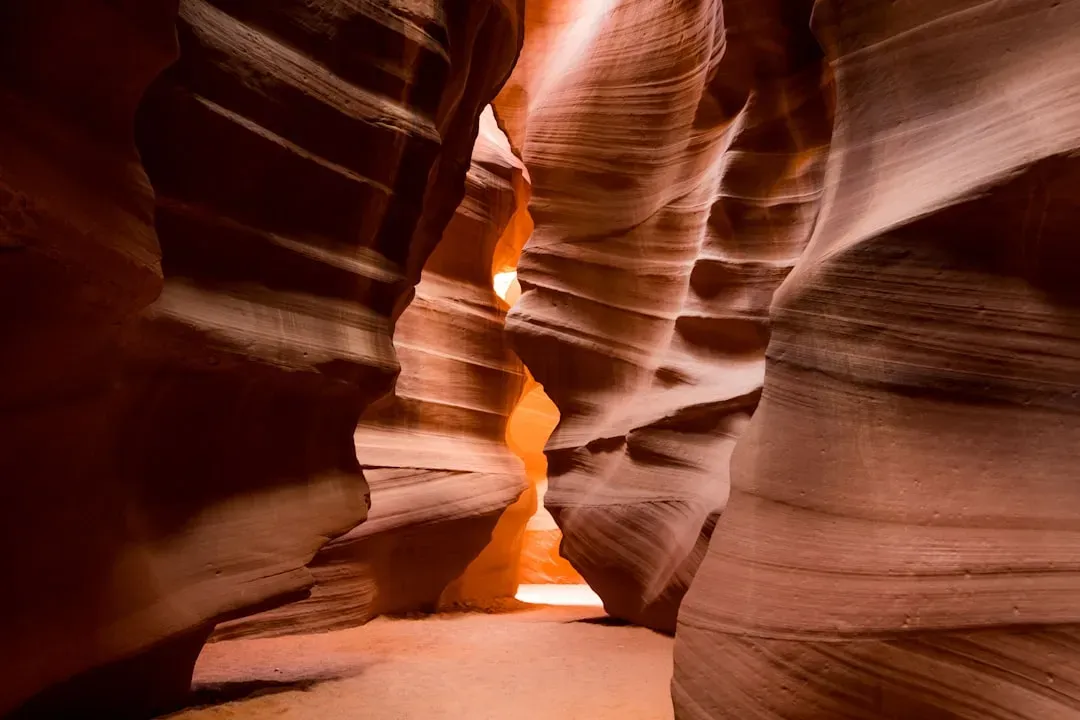
Hidden in the Arizona desert lies a slot canyon so surreal, it looks like a painting come to life. Antelope Canyon was formed by the erosion of Navajo Sandstone due to flash flooding and other sub-aerial processes over thousands of years. Rainwater, especially during monsoon season, runs into the extensive basin above the slot canyon sections, picking up speed and sand as it rushes into the narrow passageways. Over time the passageways eroded away, deepening the corridors and smoothing hard edges to form characteristic “flowing” shapes.
The light beams that filter down through the narrow openings above create an ethereal atmosphere that photographers obsess over. They are accessible by Navajo guided tour only, which helps preserve this sacred site while educating visitors about its cultural significance to the Navajo people. Walking through the narrow corridors feels like entering a cathedral sculpted by water and time, where every turn reveals new patterns and colors swirling across the sandstone walls. The interplay of shadow and light transforms throughout the day, meaning no two visits are ever quite the same.
Yosemite National Park: Granite Giants And Cascading Waters
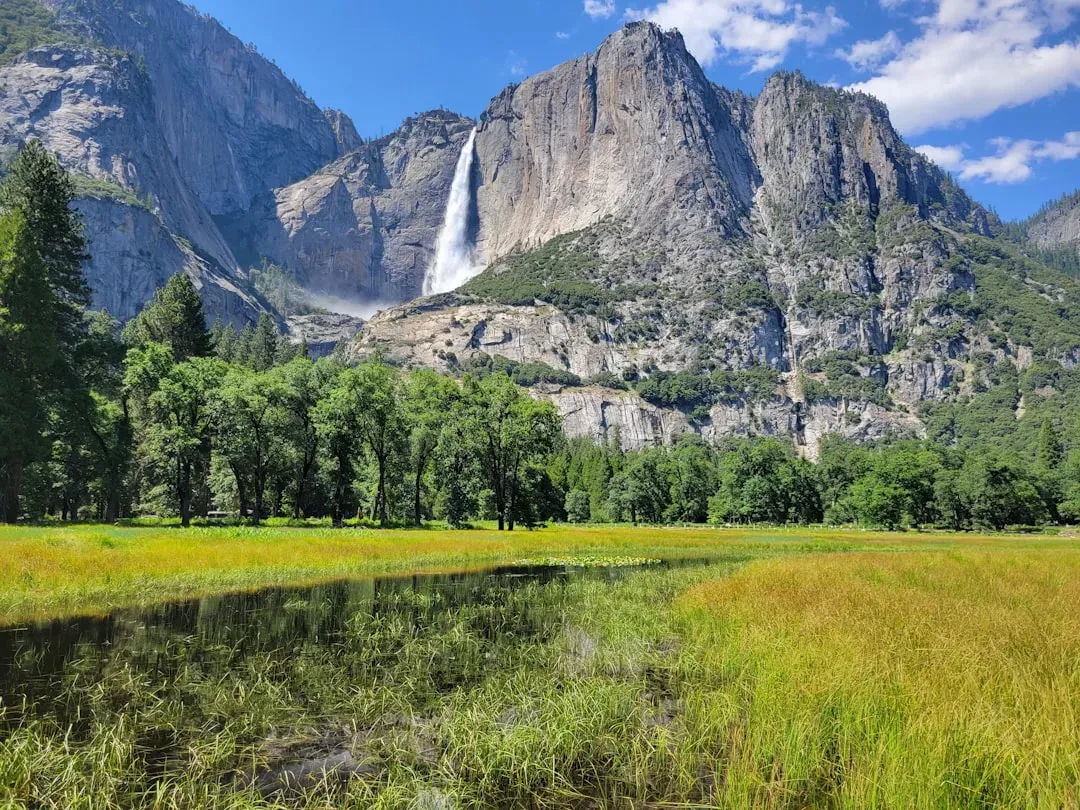
Famous conservationist and wilderness writer John Muir called Yosemite nature’s temple. Gazing up at towering granite monoliths such as El Capitan and at Yosemite Falls, North America’s highest waterfall, you’ll know exactly what he meant. The valley floor offers stunning views of these massive rock formations that rise thousands of feet into the sky, making you feel delightfully small.
Declared a UNESCO World Heritage Site for its unique geological features carved by glaciers, Yosemite also sustains a variety of rare wildlife inhabiting California’s craggy Sierra Nevada mountain range. Spring brings waterfalls roaring to life with snowmelt, while autumn paints the valley in golden hues. Rock climbers from around the world come to test themselves on El Capitan’s sheer face, a vertical challenge that can take days to complete. Whether you’re an adventurer seeking backcountry trails or simply want to soak in the views from Glacier Point, Yosemite delivers moments of wonder that stay with you long after you leave.
Conclusion
These five natural wonders represent just a fraction of the extraordinary landscapes you’ll find across America. Each offers something unique, from the geological timescale of the Grand Canyon to the geothermal activity of Yellowstone, from the thundering power of Niagara Falls to the delicate artistry of Antelope Canyon and the granite grandeur of Yosemite. These places remind us that nature is the greatest architect, sculptor, and artist we’ll ever encounter.
Visiting these sites isn’t just about ticking boxes on a bucket list. It’s about experiencing moments that shift your perspective, standing in places that have existed long before us and will continue long after. They’re windows into deep time, reminders of the powerful forces that shaped our planet. Which one will you visit first?