
You’ve probably heard of bison thundering across the plains, and you’re likely familiar with bald eagles soaring through wide blue skies. These iconic creatures dominate North American wildlife conversations for good reason. Still, tucked away in remote corners of this vast continent, there’s an entire world of remarkable animals that most people have never even heard of.
These aren’t your everyday wildlife sightings. I’m talking about creatures with names that sound almost mythical, species so specialized to their habitats that they’re practically invisible to casual observers. From venomous lizards lurking in southwestern deserts to tiny ferrets that were once declared extinct, North America holds secrets that would surprise even seasoned nature enthusiasts. Let’s dive into five extraordinary native species that deserve their moment in the spotlight.
The Black-Footed Ferret: North America’s Ghost of the Grasslands
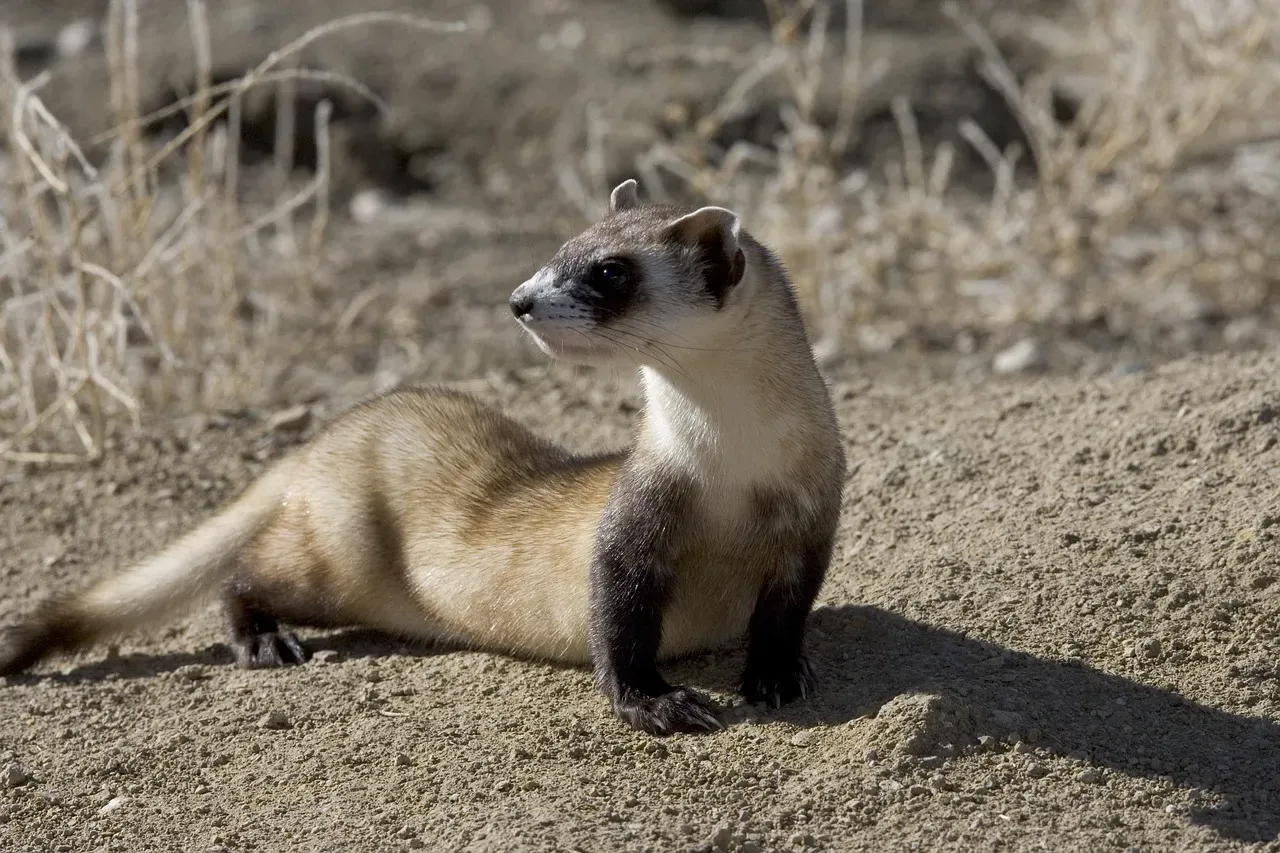
These animals are the only ferret species unique to North America, and they have one of the most dramatic comeback stories in conservation history. Picture a creature so rare that it was actually declared extinct in the 1980s. Once they considered extinct. But they reintroduced by captive breeding programs. Today, they’re slowly rebuilding their numbers, though they remain critically endangered.
Black-footed ferrets live in great plains and mountain basins of South Western United States, Canada, and Northern Mexico. They have long, slender body which can grow up to 24 inches. An adult ferret weighs up to 2.5 pounds. What makes these little hunters truly fascinating is their absolute dependence on prairie dogs. They also live in abandoned prairie dog burrows. This is convenient because they eat prairie dogs. Prairie dogs are the main element in their diet. They’re nocturnal specialists, spending nearly all their time underground.
The Gila Monster: A Venomous Marvel of the Desert
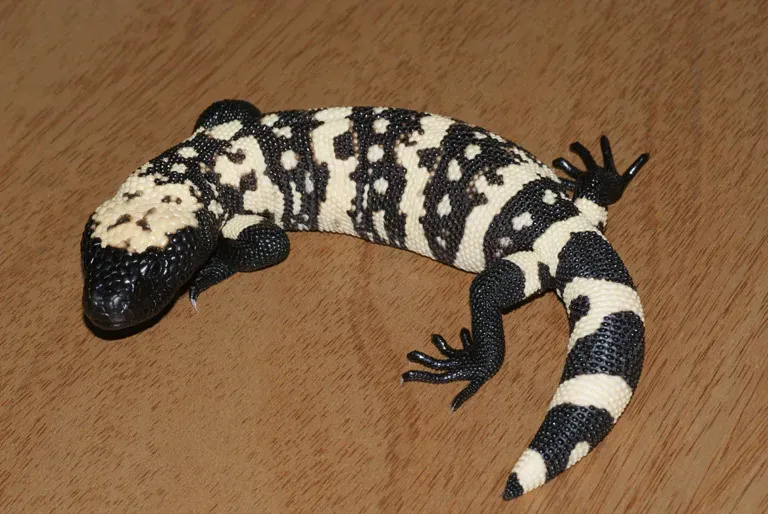
Let’s be real, when most Americans think of venomous creatures, they picture snakes or maybe scorpions. Few realize we have venomous lizards right here. Gila monster is the largest lizard native to the United States. They measure around 20 inches in length and up to 1.8 kg in weight. This lizard is also one of two venomous lizards of North America. Named after the Gila River Basin, these chunky reptiles look like living beadwork.
They inhabit in deserts Semi-desert areas of the Southwestern United States and Mexico. The body of Gila monster is covered with pink, black and yellow colored beadlike, scales. Here’s the thing about their venom though. Their bite is extremely painful, even to humans. But their bite is not fatal to adult humans. These slow-moving reptiles spend the vast majority of their lives underground, emerging only occasionally to hunt. You’d have to be pretty unlucky, or pretty careless, to actually get bitten by one.
The Pronghorn: America’s Speed Demon
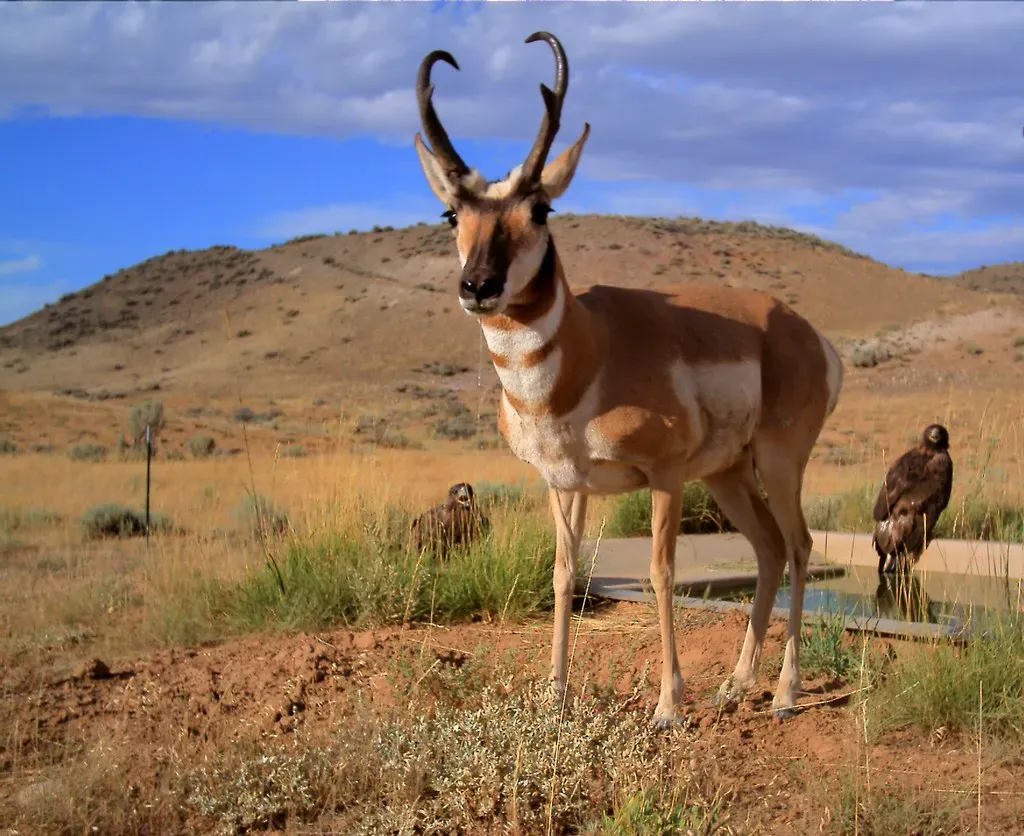
Despite the antelope-like appearance, pronghorn does not belong to antelope family. Instead, it’s a unique animal of North America. It’s hard to say for sure, but this creature might be one of the continent’s most underappreciated mammals. Sure, it looks like an antelope with its graceful build and distinctive horns, yet it represents an entirely separate family of animals found nowhere else on Earth.
The pronghorn’s claim to fame is pure speed. Pronghorn are the second-fastest land animals in the world, only second to cheetahs (though, pronghorns can run for longer). And they are the fastest land animal in North America. They can sustain incredible speeds that would leave most predators gasping in the dust. The eyeballs of pronghorns measure 1.4 inches in diameter. Not just large eyes, pronghorns also have great vision. They can spot movement up to 4 miles away. Those enormous eyes help them detect threats across the open plains where they make their home.
The Luna Moth: A Fleeting Forest Jewel
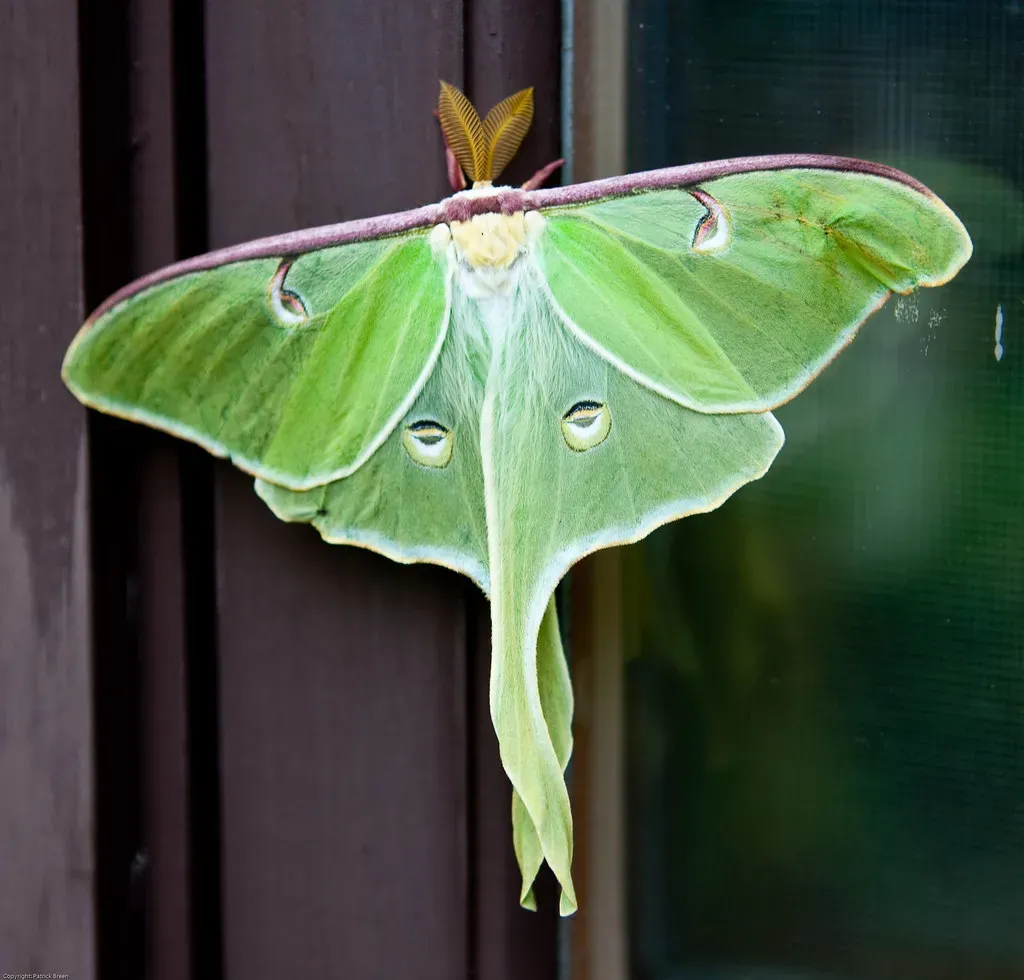
Luna moth is a strikingly beautiful moth found only in North America. They inhabit in deciduous woodlands of United States, Southern Canada, and Northern Mexico. It’s a large moth with a wingspan of 4.5 inches. Honestly, if you’ve never seen one in person, you’re missing out on one of nature’s most stunning creations. The most attractive characteristic of Luna moths is its broad, bright green colored wings. Both fore and hind wings of Luna moths feature beautiful eyespots. Each hind wings of this moth also have a long green tail.
What makes these ethereal insects truly remarkable is their bizarre life cycle. Luna moths particularly odd amongst moths is that the adults do not have mouths and don’t eat upon emerging from their cocoon. Adult Luna moths only live for about a week, given that they don’t have mouths. Their entire adult existence is devoted solely to reproduction. They emerge, mate, lay eggs, and die within days. It’s nature being weird and wonderful in equal measure.
The Ringtail: The Cat That Isn’t Really a Cat
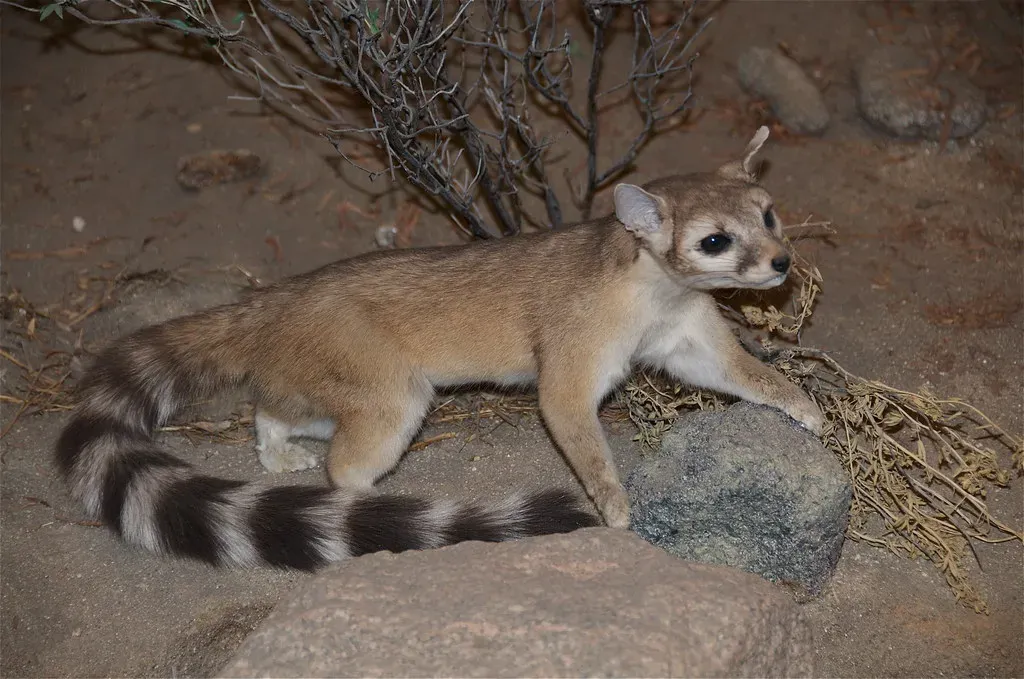
The ringtail (Bassariscus astutus) is a species in the raccoon family. Its range spans all the way from Louisiana and Arkansas to California and southern Oregon in the US and as far south as Oaxaca in Mexico. The state mammal of Arizona, the ringtail is known by many names – such as the ring-tailed cat, miner’s cat, civet cat, and cacomistle. Despite all those cat-related nicknames, this nocturnal creature is actually related to raccoons.
The ringtail has dark brown to black fur with pale underparts. Its face is similar in shape to a fox’s, and it has long whiskers and black fur around its eyes. Its tail is its most recognisable feature – it’s about the same length as its body and is ‘ringed’ by black and white stripes. These agile climbers were once kept as pets by miners in the Old West because they controlled rodent populations. Today, they remain elusive and rarely seen, preferring rocky terrain and avoiding human contact whenever possible.
Conclusion
North America’s wildlife extends far beyond the famous faces we see in documentaries. These five creatures represent just a fraction of the continent’s hidden biological treasures. From ferrets rising from the brink of extinction to moths that live without eating, nature continues to surprise us with its creativity and resilience.
The next time you’re exploring America’s wild spaces, keep your eyes open for these lesser-known residents. They might not have the celebrity status of grizzly bears or wolves, yet their stories are equally compelling. What do you think – have you ever encountered any of these remarkable animals in the wild? Their survival often depends on our awareness and protection.