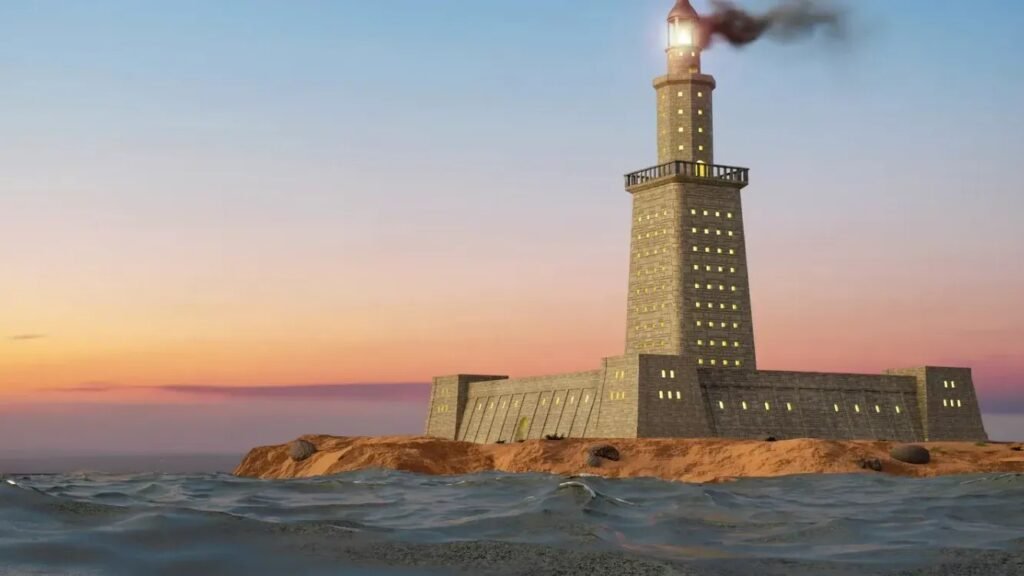

If you think the Great Pyramid is the only ancient monument that could blow your mind, you’re in for a shock. Hidden beneath modern cities, swallowed by the sea, or erased by time, there were other wonders so ambitious, they make even the pyramids look almost modest. The twist? Most of them are gone, and what we have left are fragments, ancient texts, and baffled archaeologists trying to piece together stories from dust and broken stone.
What fascinates me most about these lost wonders is how human they feel. The pyramids are about eternity; these others are about drama: power plays, love, ego, fear, and survival. They were built to impress, intimidate, and outlast enemies and rivals. In a way, they’re like the ancient world’s version of billionaires building rockets and mega-yachts – only with more mythology, more risk, and no safety standards. Let’s dig into five lost wonders that truly rival the pyramids in ambition and awe, even if they exist now only in ruins and memory.
The Hanging Gardens of Babylon: A Vanished Mountain of Green
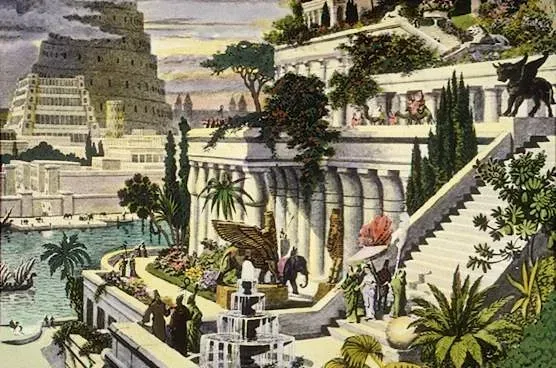
Imagine walking through a blistering Mesopotamian city and suddenly stepping into a shaded, dripping world of trees, fragrant flowers, and cool stone terraces stacked like a green mountain. That’s how ancient writers described the Hanging Gardens of Babylon, one of the most famous lost wonders of all. They spoke of vaulted terraces, engineered irrigation systems lifting water high into the air, and plants cascading over walls in a place where the landscape outside was mostly dry and flat.
The wildest part is that archaeologists still haven’t definitively found them. Some think the gardens were never actually in Babylon at all but in Nineveh to the north, misattributed over time. Others argue they may have been more symbolic or exaggerated than literal. Still, engineering a multi-level garden in a desert climate, centuries before modern pumps, would have required genius-level hydrology and construction. If it really existed as described, it would have been every bit as impressive as a pyramid – only full of life instead of stone and silence.
The Colossus of Rhodes: A Bronze Giant at the Edge of the Sea
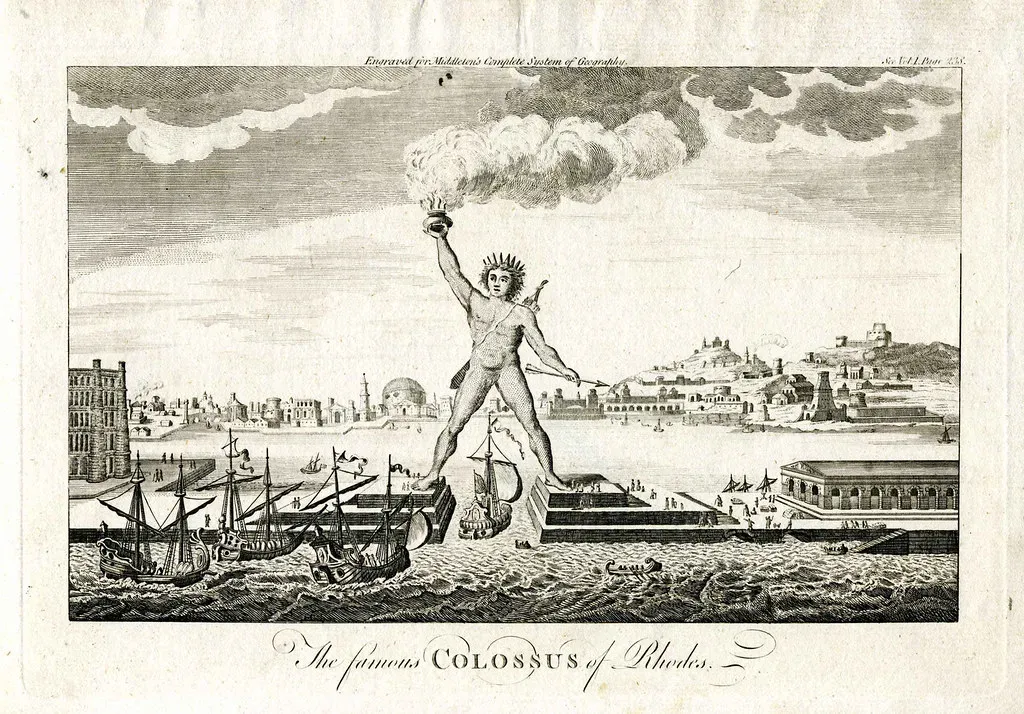
Picture approaching the harbor of an island city and seeing, towering above you, a bronze figure as tall as a modern skyscraper lobby, shining in the sun. The Colossus of Rhodes was reportedly about the height of a modern 10- to 12-story building, cast in bronze and iron, built to celebrate the island’s victory over a siege. For people used to small temples and modest statues, this was like suddenly seeing a metal giant materialize out of the waves.
The statue stood for only about half a century before an earthquake snapped it at the knees. Ancient accounts say that even as a collapsed ruin, lying along the ground, it was overwhelming – each finger of the statue was described as bigger than a person. Engineers still puzzle over how they managed to cast and assemble such a massive structure without cranes and modern scaffolding. In terms of sheer spectacle and technical audacity, the Colossus might have been the closest thing the ancient world had to a giant robot, minus the moving parts.
The Temple of Artemis at Ephesus: A Cathedral of Marble and Light
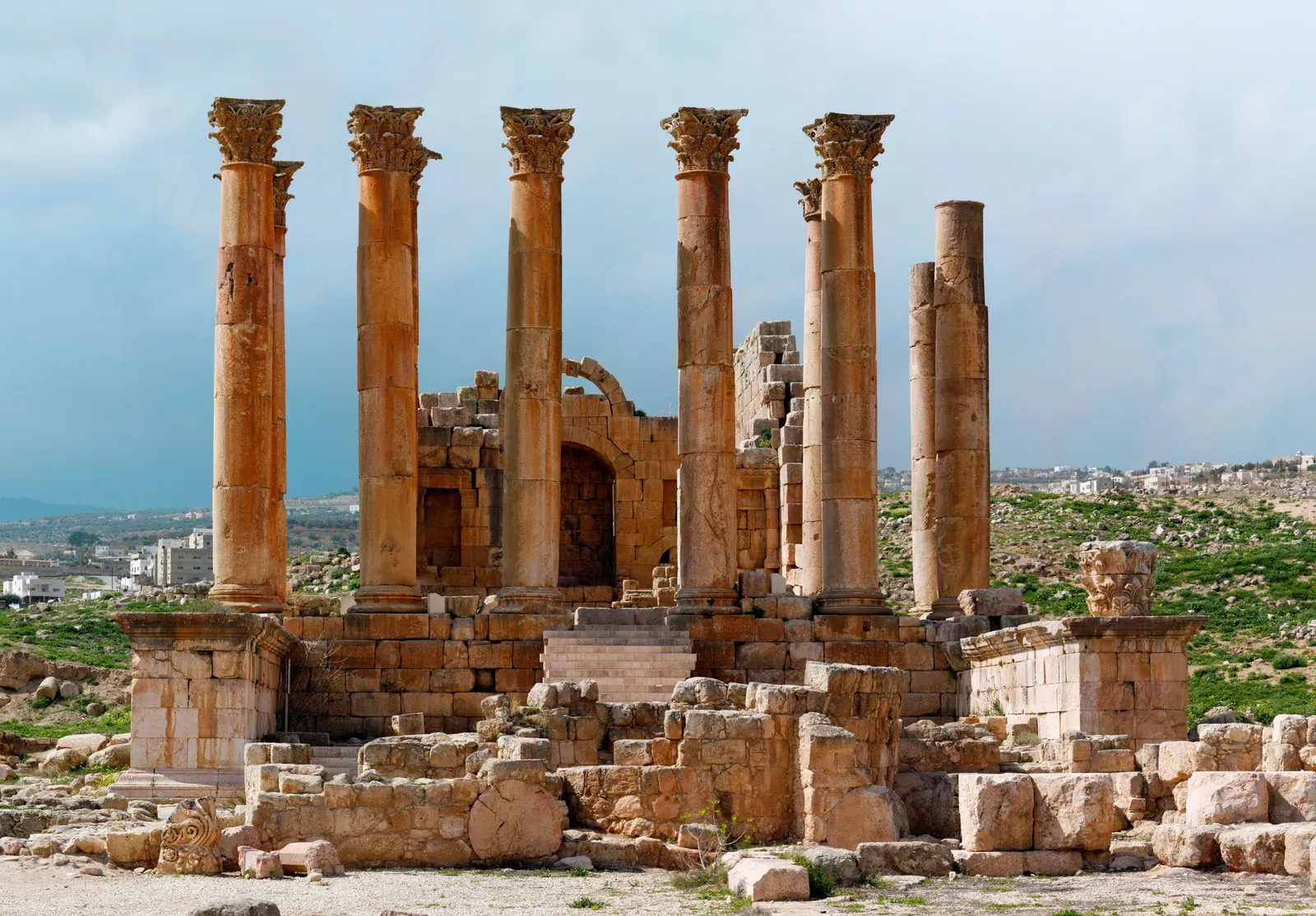
Where the pyramids are brutal and stark, the Temple of Artemis at Ephesus was all about elegance and scale combined. Think of a forest of marble columns, more than a hundred in total, each soaring like a tree trunk, surrounding a richly decorated sanctuary. The temple was rebuilt multiple times over centuries, but at its height it was larger than many modern churches and was considered one of the most beautiful buildings ever constructed. Travelers would come from far away just to stand there and feel small.
The temple wasn’t just religious; it was also economic and political. It served as a kind of bank, marketplace, and symbol of civic pride all rolled into one. Its sculptures and friezes, carved by some of the best artists of the time, told stories of gods, warriors, and mythic beasts. Repeatedly damaged by floods, arson, and wars, it was gradually dismantled and recycled as building material. Today, only a single reconstructed column stands on the site, and it feels almost absurd that something once rivaling the pyramids in fame could be reduced to one lonely pillar rising from a marsh.
The Mausoleum at Halicarnassus: A Palace for the Dead
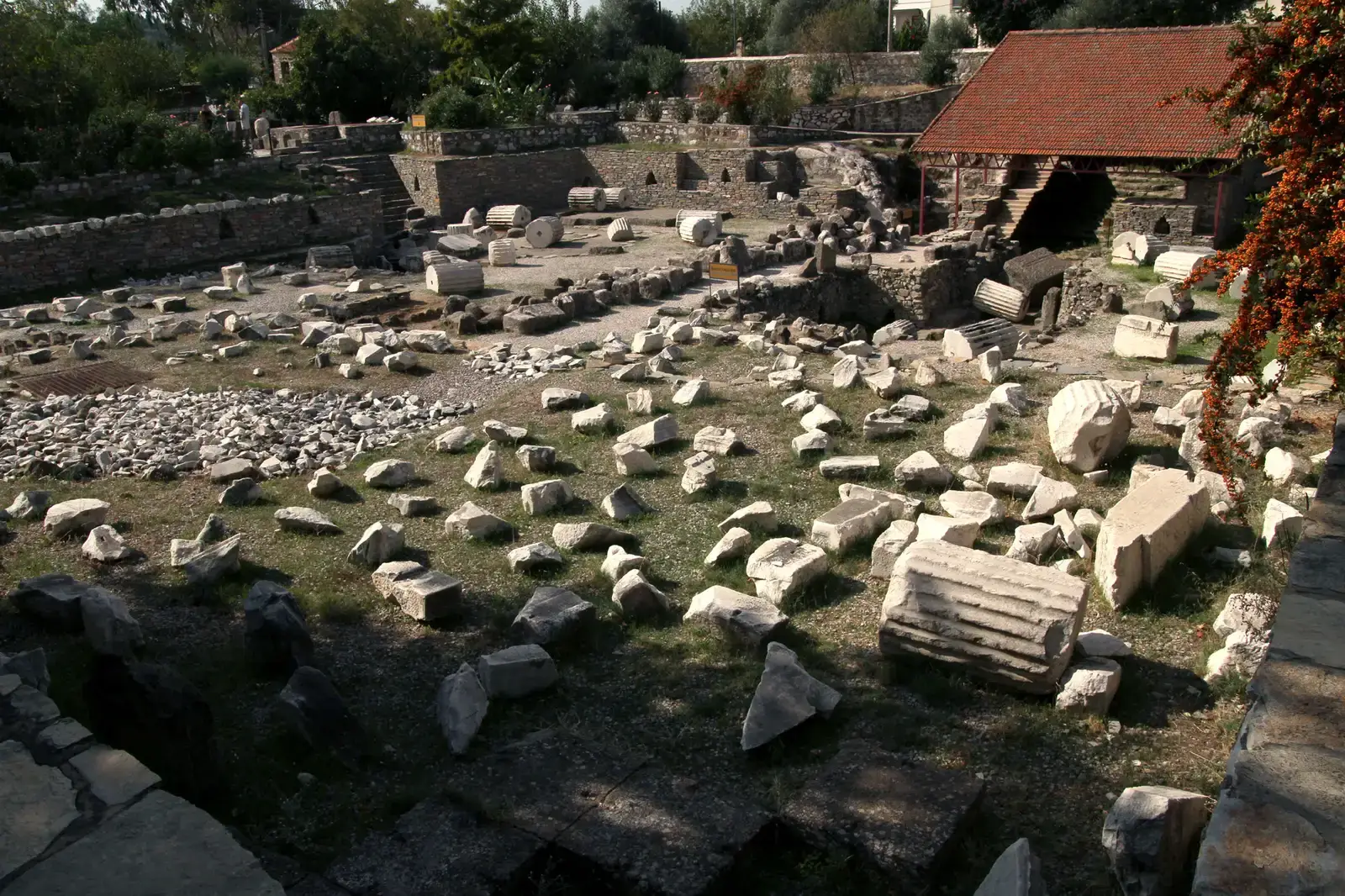
While the pyramids are monumental tombs, the Mausoleum at Halicarnassus was like a hybrid between a palace, a temple, and an art gallery built for one man and his queen. It was the monumental tomb of Mausolus, a ruler in what’s now southwestern Turkey, and it was so distinctive that his name became the word we still use today: mausoleum. The building combined Greek, Egyptian, and Near Eastern design elements, with stepped levels, sculpted friezes, and a towering structure capped with a four-horse chariot statue.
What made it rival the pyramids was not just its size but its artistry. Some of the finest sculptors of the ancient Greek world worked on it, turning a burial monument into an artistic statement about power and legacy. Earthquakes eventually tore it apart, and many of its stones ended up reused in a nearby castle. A few surviving sculpted reliefs and statues sit today in museums, and they feel almost like postcards from a building that once tried to defy death through beauty rather than sheer mass. In its own way, it was as much an attempt at immortality as the pyramids, just carved in marble instead of piled in limestone.
The Lighthouse of Alexandria: A Beacon That Ruled the Sea
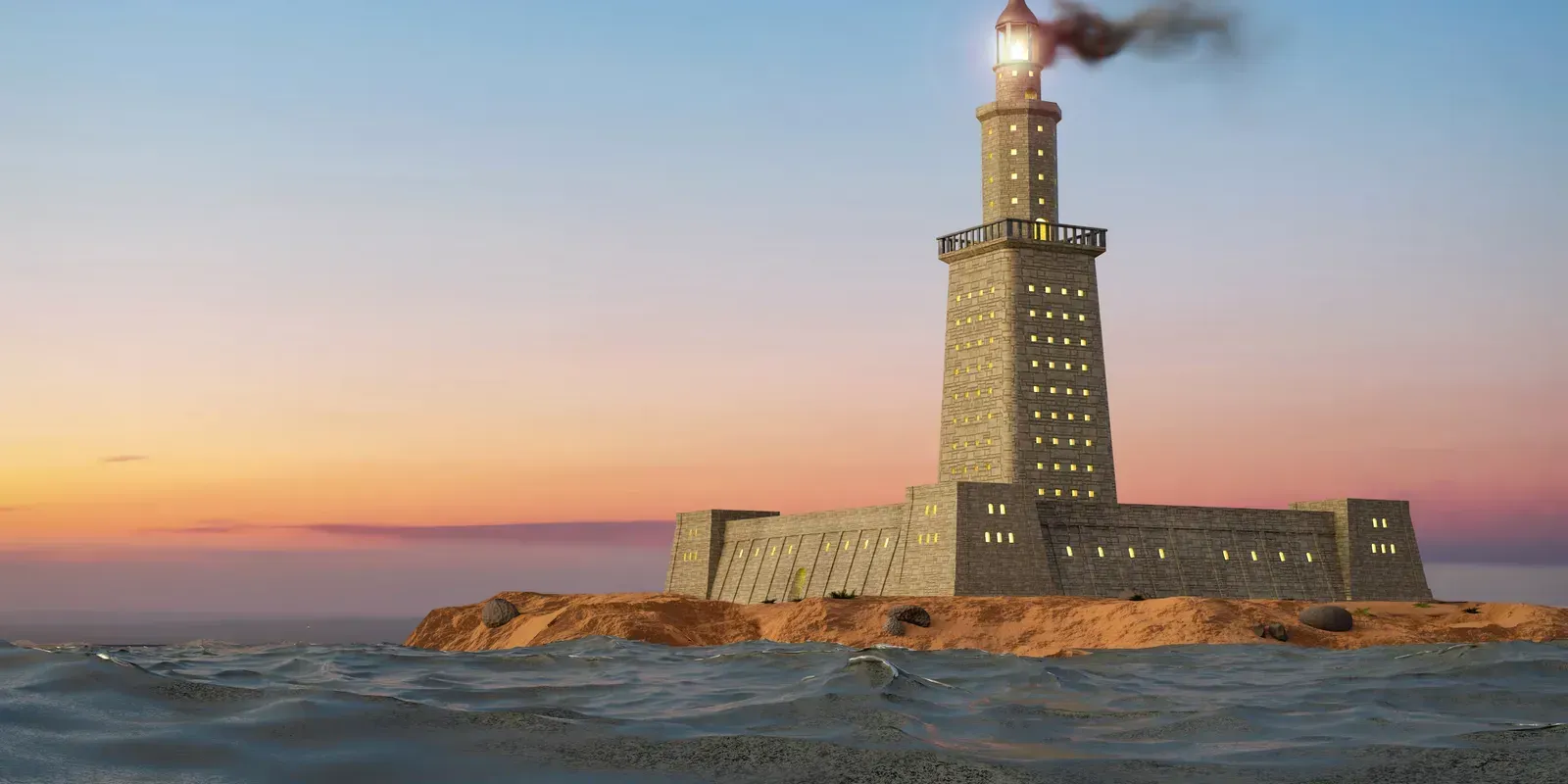
If the pyramids were built to guide souls to the afterlife, the Lighthouse of Alexandria was built to guide ships to a very real and dangerous coastline. Rising high above the island of Pharos, just off the Egyptian shore, it was one of the tallest structures in the ancient world. Some estimates suggest it may have reached heights rivaling a modern 30- to 40-story building, with a fire or reflective system at the top to project light far out into the Mediterranean night.
The lighthouse wasn’t just practical; it was political and symbolic. It announced the power of Alexandria, a city that saw itself as the brain of the Hellenistic world, full of scholars, merchants, and ships from everywhere. Over centuries, earthquakes battered the structure until it finally collapsed, its stones later repurposed into medieval fortifications. Divers have found massive architectural blocks and statues off the coast, like underwater shadows of the tower. Compared to the pyramids, the Lighthouse of Alexandria feels more modern in spirit: a fusion of science, trade, and architecture, built not to honor the dead but to protect the living.
Conclusion: Greatness That Refuses to Completely Disappear
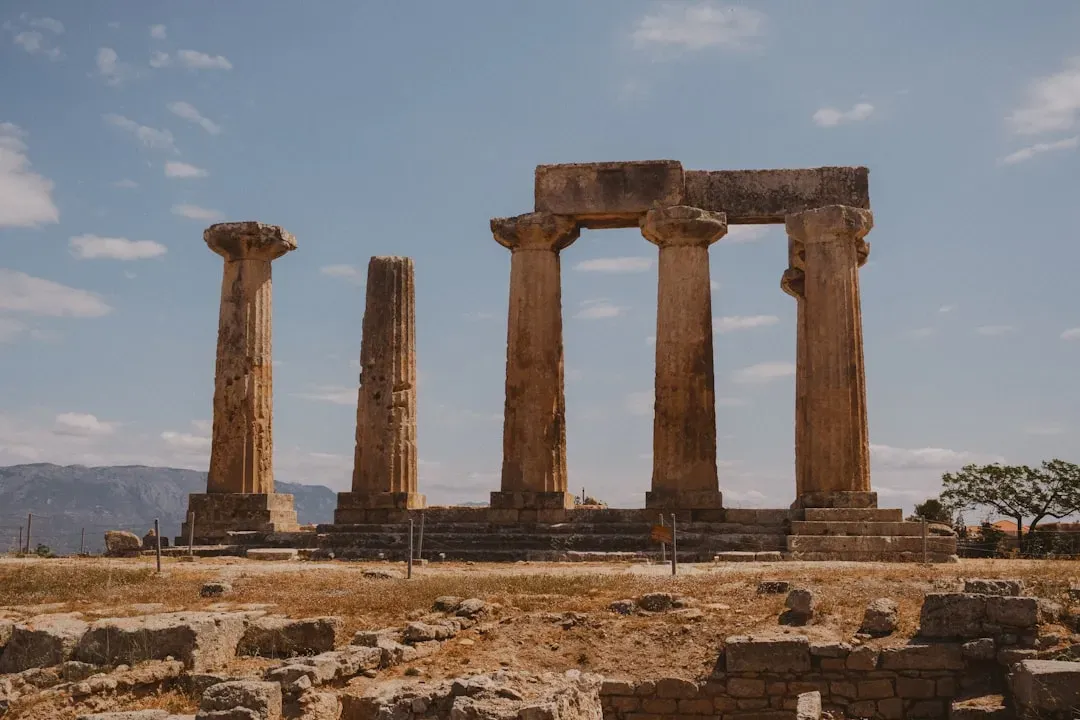
These five lost wonders remind us that the pyramids, impressive as they are, were part of a much bigger story of ancient ambition. Different cultures tried different ways to leave a mark: hanging gardens in a desert, a bronze giant knocking on the sky, marble temples that glowed in torchlight, palaces for the dead wrapped in sculpture, and a lighthouse that turned technology into a monument. What unites them is the same restless human drive to say, loudly and permanently, that we were here.
Most of these wonders are now rubble, faint outlines on old maps, or scattered stones on museum shelves, but they still shape how we imagine the past. In a thousand years, people may look back at our skyscrapers and stadiums the way we look at these ruins: as clues to what we cared about, feared, and worshipped. Maybe that’s the real rival to the pyramids – not a single monument, but the stubborn human refusal to build small when we dream big. Which of these vanished marvels would you visit first, if you could step back in time for just one day?