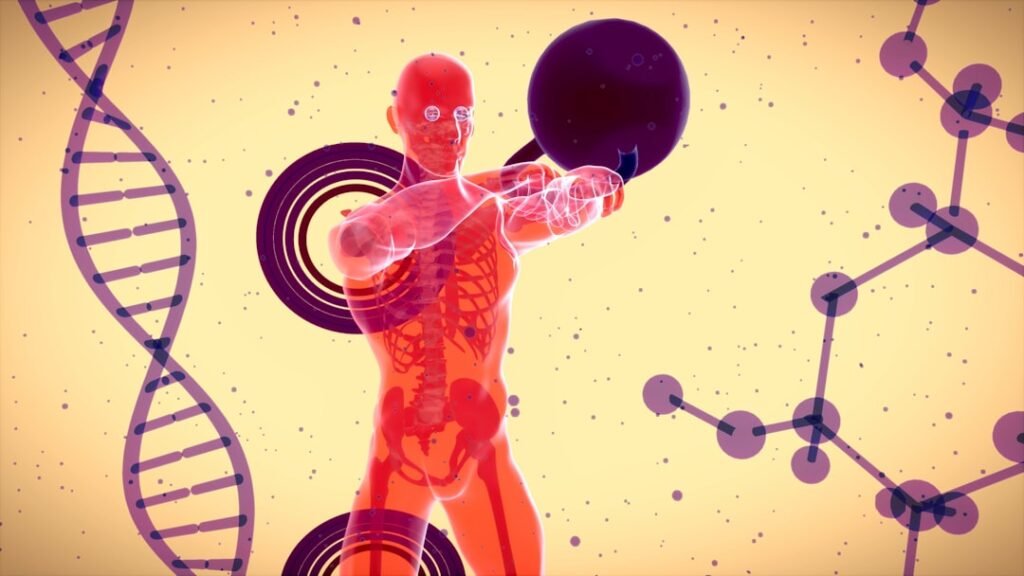

Right now, as you read this, a war is being waged inside your body. Bacteria, viruses, fungi, and countless other microscopic invaders are probing your defenses, looking for a way in. Most of the time, you don’t even notice. You wake up, drink your coffee, go about your day, completely unaware of the biological battle happening at the cellular level.
That’s not an accident. Your body has been engineered, through millions of years of evolution, into a staggeringly sophisticated defense machine. Honestly, when you start learning how all of it works, it’s hard not to be a little awestruck. From the surface of your skin down to the tiniest white blood cell, defenses are running constantly, without you ever lifting a finger. Let’s dive in.
1. Your Skin: The Fortress Wall You Never Think About

Most people don’t think of their skin as part of the immune system. It’s just, well, skin. But here’s the thing: the skin is an essential organ to the human body, protecting it from external aggressions and pathogens. It’s your body’s largest organ, and it works around the clock to keep everything dangerous on the outside.
The primary barrier to the entrance of microorganisms into the body is the skin. Not only is the skin covered with a layer of dead, keratinized epithelium that is too dry for bacteria to grow in, but as these cells are continuously sloughed off from the skin, they carry bacteria and other pathogens with them. Think of it like constantly resurfacing a road to prevent cracks where enemies could get in.
Over the years, the skin was proven to have a crucial immunological role, not only being a passive protective barrier but a network of effector cells and molecular mediators that constitute a highly sophisticated compound known as the “skin immune system.” There’s also a chemical dimension to this. Lysozyme found in tears, sweat, and saliva acts as a vital antimicrobial agent to destroy pathogens. Your own sweat, believe it or not, is quietly assassinating bacteria on your skin’s surface right now.
2. The Mucous Membranes: Your Body’s Sticky Trap

I know, “mucus” isn’t exactly a glamorous topic. But stay with me, because this stuff is genuinely remarkable. The immune system includes mucous membranes, which are the moist, inner linings of some organs and body cavities. They make mucus and other substances which can trap and fight germs. Think of mucus like flypaper stretched across every internal entry point in your body.
Mucous membranes possess unique structural and immunological features that enable them to defend against pathogens while maintaining normal physiological functions. The mucosal epithelium is composed of specialized cells that secrete mucus, a viscous substance that acts as a physical barrier, trapping and preventing pathogens from reaching underlying tissues. Mucosal surfaces also contain cilia, which move in coordinated patterns to propel mucus and trapped pathogens out of the body. It’s an elegant conveyor belt system, sweeping threats right back out the door before they cause harm.
Hairs inside the nasal cavity, as well as cerumen (earwax), also trap pathogens and environmental pollutants. Some acidic fluids, such as gastric juice, urine, and vaginal secretions, destroy pathogens by creating low pH conditions. Even that annoying runny nose you get when you’re sick? Your body producing extra mucus to flush out the enemy. It’s not weakness. It’s strategy.
3. White Blood Cells: Your Internal Army on Patrol
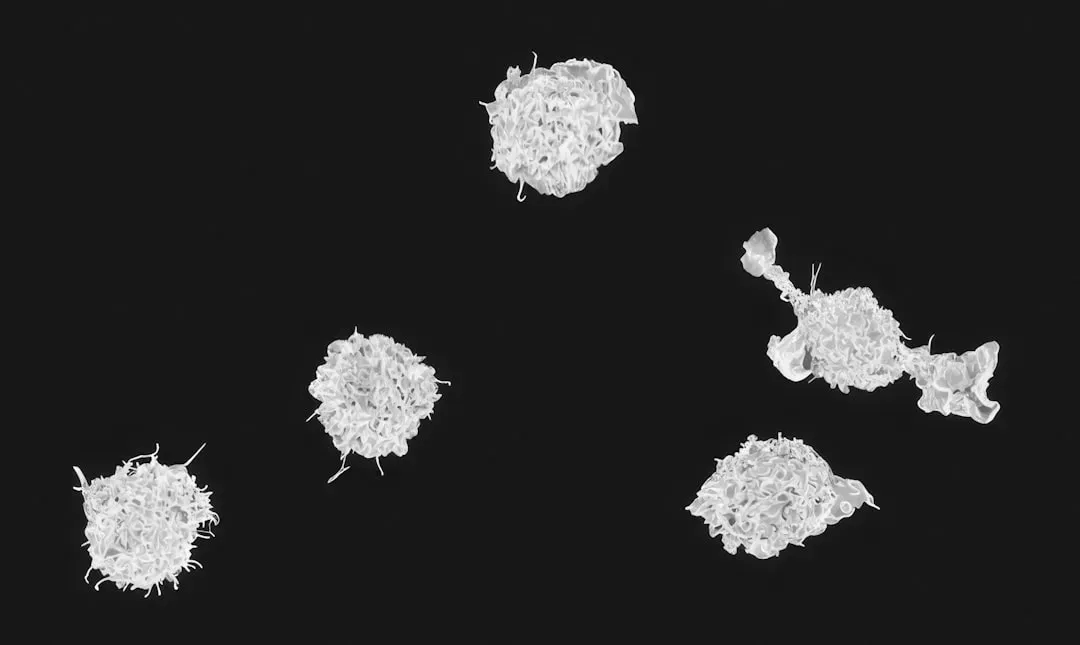
White blood cells are the key players in your immune system. They are made in your bone marrow and are part of the lymphatic system. White blood cells move through blood and tissue throughout your body, looking for foreign invaders such as bacteria, viruses, parasites and fungi. Imagine billions of tiny soldiers endlessly patrolling every highway and back road of your body, every single second of the day.
Bacteria or viruses that enter the body can be stopped right away by phagocytes, also known as scavenger cells. These special white blood cells enclose germs and “digest” them, making them harmless. The remains of the germs move to the surface of the phagocytes, where they can be detected by the adaptive immune system. That last part is crucial. It’s not just about killing the immediate threat. Your body is also learning from every attack, building intelligence for future battles.
If, for example, an area of skin becomes infected, immune system cells spring into action, either by moving to the area or by being activated locally. Certain cells of the immune system release substances to make the blood vessels wider and more “leaky,” causing the area around the infection to swell, become warm and turn red, which are visible signs of inflammation. That redness and swelling you see on a cut? That’s not a failure. It’s your army mobilizing at speed.
4. Fever: Your Body’s Built-In Pressure Cooker

Here’s something that surprises a lot of people. When you get a fever, your instinct is to fight it, suppress it, get back to normal as fast as possible. But that fever isn’t betraying you. It’s fighting for you. Fever, the regulated increase in body temperature, is part of the evolved systemic reaction to infection known as the acute phase response. The heat of fever augments the performance of immune cells, induces stress on pathogens and infected cells directly, and combines with other stressors to provide a nonspecific immune defense.
Fever works by causing more damage to pathogens and infected cells than it does to healthy cells in the body. It’s a calculated, precise gamble. Your body is essentially turning up the heat inside its own house, betting it can survive the temperature better than the invader can. Fevers can create a hostile environment and inhibit the growth of infectious agents such as invading bacteria and viruses which are adapted to normal human body temperature.
Recent research has made this even more fascinating. New research shows feverish temperatures make it more difficult for viruses to hijack your cells. Meanwhile, fever has been evolutionarily conserved across the animal kingdom for 550 million years, which tells you something powerful. It has stuck around for an incredibly long time because it works.
5. Immunological Memory: Your Body’s Long-Term Intelligence System
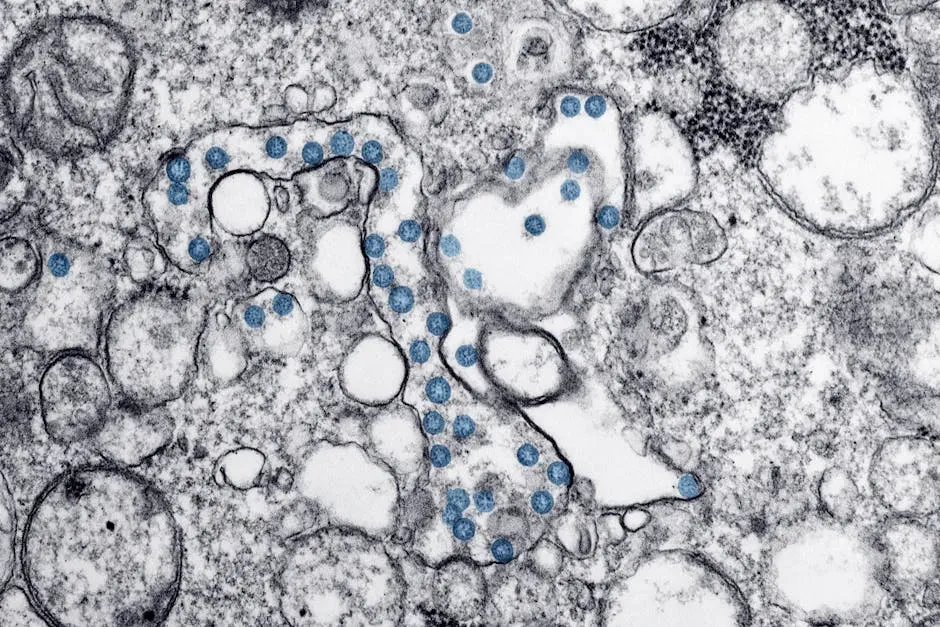
This is honestly the most astonishing part of the whole system. Your immune system doesn’t just fight threats. It remembers them. The immune system keeps a record of every microbe it has ever defeated, in types of white blood cells known as memory cells. This means it can recognize and destroy the microbe quickly if it enters the body again, before it can multiply and make you feel sick.
During the first encounter with a pathogen, naïve T cells differentiate to effector T cells, which are able to mount an efficient and immediate immune response against the pathogen. Some effector T cells directly kill infected cells, while others, known as helper T cells, help immune cells mount a response, including stimulating B cells to secrete antibodies against pathogens and generate memory B cells. The whole system is incredibly coordinated, like a military force with specialists, generals, and intelligence officers all working in unison.
Perhaps the most important consequence of an adaptive immune response is the establishment of a state of immunological memory. Immunological memory is the ability of the immune system to respond more rapidly and effectively to pathogens that have been encountered previously, and reflects the preexistence of a clonally expanded population of antigen-specific lymphocytes. Think of it like your body keeps a filing cabinet with a profile on every enemy it has ever beaten. And those files? Adaptive immunity can provide long-lasting protection, sometimes for a person’s entire lifetime.
Conclusion: The Most Sophisticated System You’re Probably Taking for Granted
Your body is doing something extraordinary every single day. Without any conscious effort on your part, your skin stands guard, your mucus traps and expels invaders, your white blood cells hunt and destroy threats, your fever turns up the heat to create a hostile environment for pathogens, and your immune memory files away every battle for future reference.
The truth is, we often only start appreciating our immune system when it begins to falter. As long as your immune system is running smoothly, you don’t notice that it’s there. It’s only when it stops working properly that you get ill. That invisibility is, in a strange way, the greatest testament to how well it functions.
You can actively support these systems too. Not getting enough sleep can prevent your immune system from working as it should. Regular, moderate exercise helps circulate cells that attack viruses and bacteria, and lowers stress hormones which can make you more susceptible to illness. Small, consistent choices really do matter. Your body is working hard for you every second of every day. The least you can do is give it a fighting chance. Did you ever imagine your body was this incredible?