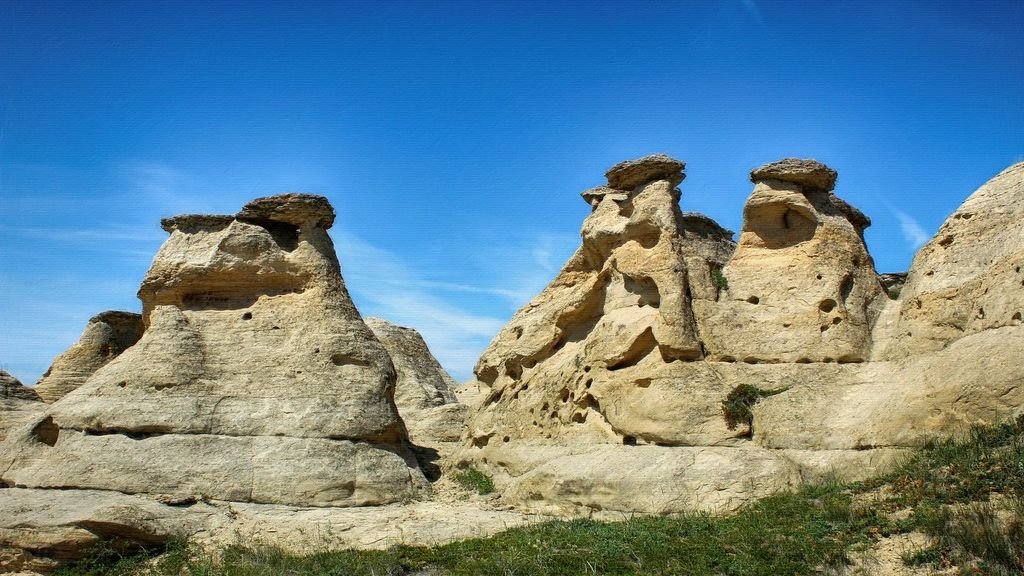

Have you ever stopped to consider that beneath your feet, Earth is constantly moving, shifting, and transforming? We tend to think of our planet as solid and unchanging, a stable foundation for our daily lives. Yet nothing could be further from the truth. The ground beneath us is anything but static.
Right now, continents are drifting apart, mountains are climbing higher into the sky, and deep within the planet’s interior, molten rock churns with unstoppable force. These aren’t ancient stories from geology textbooks. They’re happening as you read this, shaping the world in real time. Let’s dive into five spectacular geological wonders that offer undeniable proof our planet is alive and constantly reinventing itself.
The Mid-Atlantic Ridge: Where Continents Drift Apart
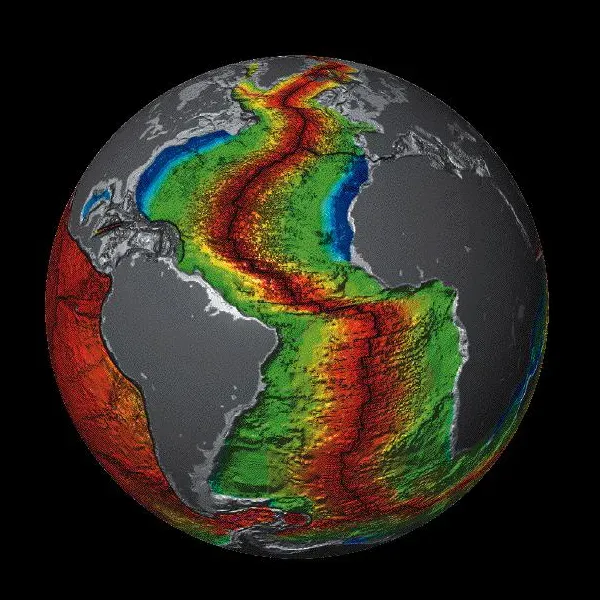
At the bottom of the Atlantic Ocean lies the Mid-Atlantic Ridge, where the North American and Eurasian tectonic plates are moving in opposite directions. Along this underwater mountain range, hot magma swells upward and becomes part of both plates. This process is called seafloor spreading, and it’s remarkably active.
The two continents are moving away from each other at roughly about one inch per year. I know that doesn’t sound like much, but over millions of years, this slow creep has opened an entire ocean. These underwater ridges are interconnected, forming a continuous volcanic mountain range nearly 60,000 kilometers long – the longest in the world. Most of this volcanic activity happens unseen beneath the waves, yet it produces roughly three quarters of all lava erupted on Earth each year. Iceland sits directly atop this rift, giving us a rare glimpse of the process happening above sea level.
Yellowstone’s Geysers and Hot Springs: A Window Into Earth’s Fiery Heart
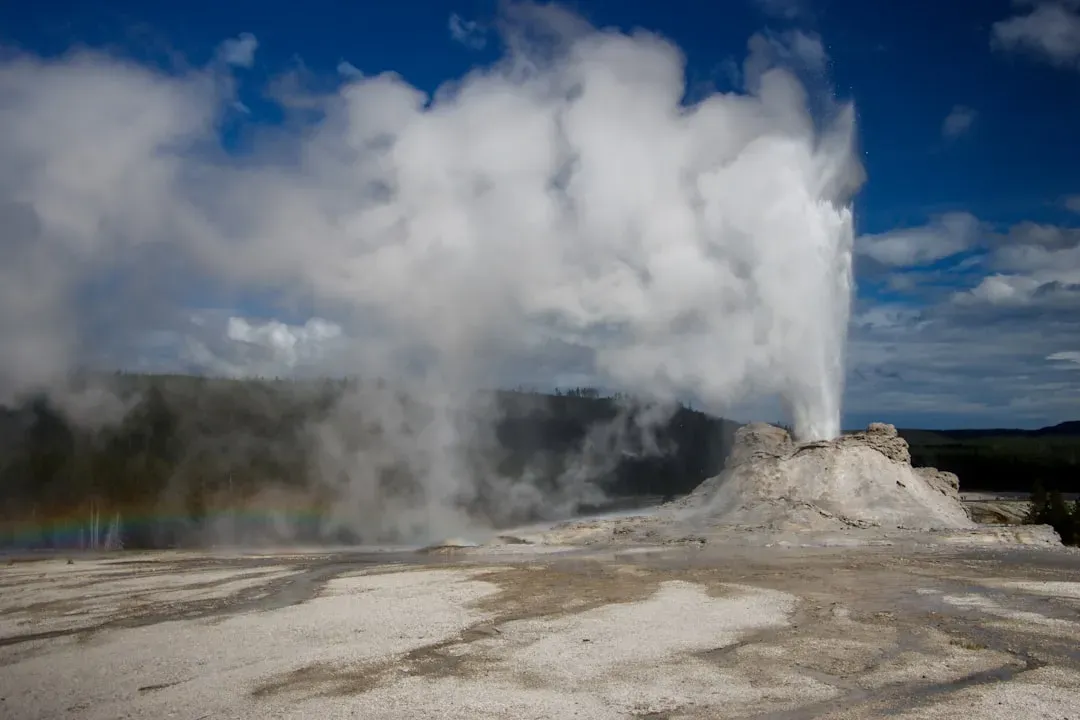
Visit Yellowstone National Park and you’ll witness one of nature’s most spectacular displays of geothermal energy. The Yellowstone Supervolcano sits over a hot spot in the middle of the North American plate. The Yellowstone hot spot fuels the geysers, hot springs and other geologic activity at Yellowstone National Park, Wyoming. The heat here isn’t coming from plate boundaries but from a mantle plume deep within Earth.
Yellowstone boasts more than 500 active geysers and thousands of hot springs. The most famous, Old Faithful, erupts with remarkable regularity, shooting boiling water high into the air. The same heat that melts rock into lava heats the water beneath the surface. If the water makes its way to the surface, it may emerge as either a hot spring or a geyser. What makes this place so extraordinary is that you’re essentially standing on top of a massive magma chamber. The entire park is a reminder that beneath the seemingly peaceful landscape, Earth’s internal furnace never stops burning.
The East African Rift: A Continent Splitting in Two
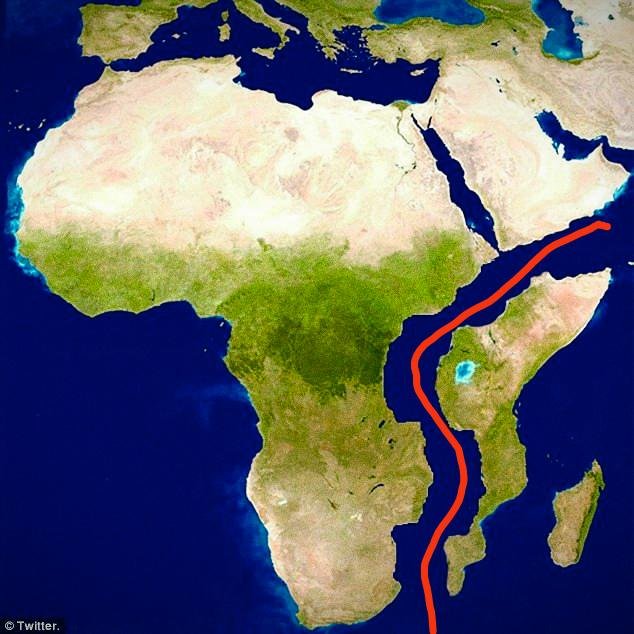
Here’s something truly mind-bending to think about. The East African Rift is a developing divergent tectonic plate boundary where the African plate is in the process of splitting into two tectonic plates, called the Somali plate and the Nubian plate, at a rate of roughly about one third of an inch per year. Africa is literally tearing itself apart right before our eyes.
Geologists believe that as the tectonic plates continue to move apart, the rift valley might evolve into a mid-ocean ridge system where new oceanic crust is created. This process, if it persists for approximately 50 million years, could see the Somali Plate fully separating from the Nubian Plate, leading to the formation of a new ocean. Eventually, the Indian Ocean could flood into this vast depression, creating a whole new sea. The rift in Ethiopia and Kenya may split to create a Somali plate in the next 1 million to 5 million years. This isn’t science fiction. It’s geology in action, demonstrating that our planet’s face continues to change dramatically over time.
The Himalayas: Mountains Still Growing Taller
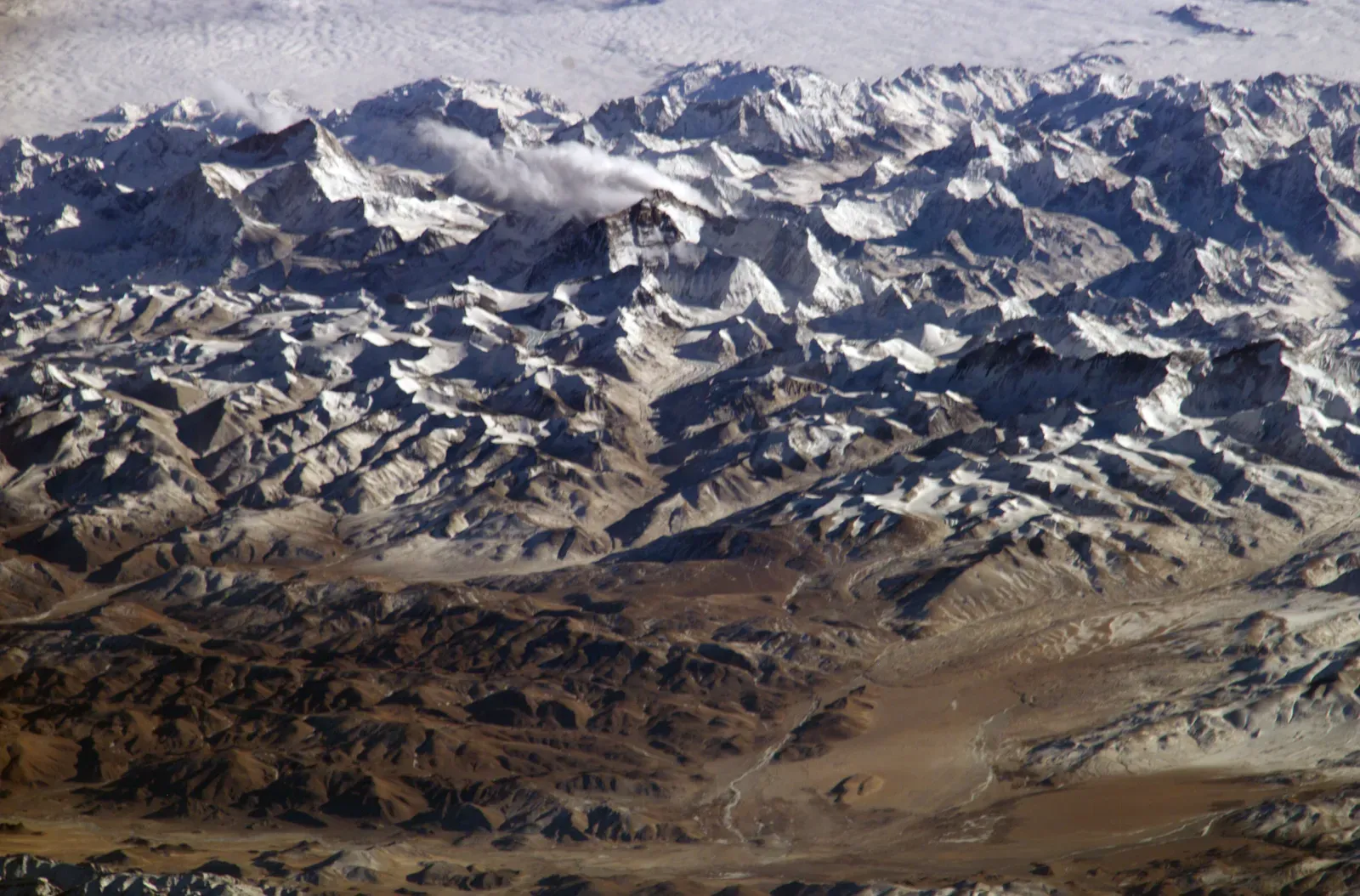
The Himalayas began to form between 40 and 50 million years ago, when two large landmasses, India and Eurasia, driven by plate movement, collided. Because both these continental landmasses have about the same rock density, one plate could not be subducted under the other. Instead, the collision crumpled the landscape like a massive car crash in ultra-slow motion.
What’s remarkable is that this collision hasn’t stopped. The Himalayas continue to rise more than 1 cm a year – a growth rate that could produce 10 km of uplift in a million years. Mount Everest, already the tallest peak on Earth, is still getting taller. As India rams underneath Eurasia, it doesn’t always slide smoothly. When the land compresses, pressure builds until it hits a breaking point. The blocks of earth can then suddenly shift, rattling the ground in the jolt of an earthquake. The region experiences frequent seismic activity as a result. These mountains stand as towering monuments to the unstoppable forces of plate tectonics, constantly reshaping our world.
Iceland’s Volcanic Activity: Fire and Ice on a Spreading Ridge
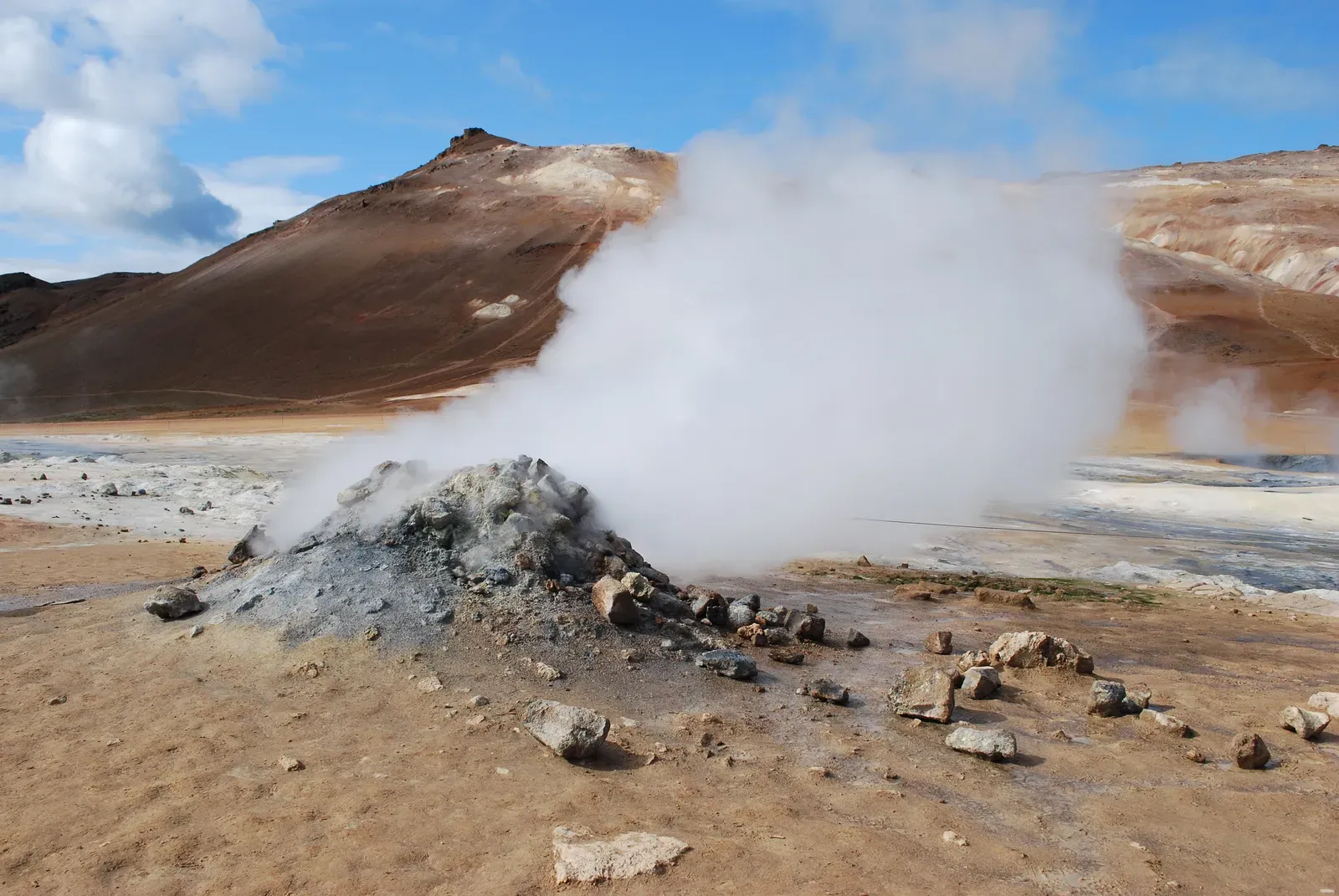
Iceland sits astride the Mid-Atlantic Ridge, where the North American and Eurasian tectonic plates pull apart. This unique position is the explanation of why Iceland is so geologically active, with frequent volcanic eruptions and seismic activity that continually reshape its landscape. The island is essentially being torn in half, with new land forming in the gap as magma rises from below.
As the plates separate, magma rises to create new crust and fuel Iceland’s volcanoes. This same tectonic activity powers Iceland’s geothermal energy, visible in hot springs and geysers, which provide renewable heating, electricity, and major tourist appeal. The most famous geyser, Strokkur, erupts every 5 to 10 minutes, shooting water up to 30 meters high. The landscape here is otherworldly, a place where you can walk between two continents and watch the Earth literally building itself. Iceland proves that our planet remains geologically young, vigorous, and full of surprises.
Conclusion
These five geological wonders offer compelling evidence that Earth is anything but a dead rock floating through space. Continents continue their ancient wanderings, mountains push skyward, and volcanic forces reshape coastlines with each passing millennium. The processes that formed our planet billions of years ago haven’t stopped – they’ve simply slowed to a pace we rarely notice in our brief human lifetimes.
Yet when you stand at the edge of a rift valley or feel the ground tremble from plate movements, you realize the truth. Our world is dynamic, restless, and constantly evolving. It makes you wonder what Earth might look like millions of years from now, doesn’t it? What new oceans will form, what mountains will rise, and how will the continents rearrange themselves? The story of our living planet is far from over.
Hi, I’m Andrew, and I come from India. Experienced content specialist with a passion for writing. My forte includes health and wellness, Travel, Animals, and Nature. A nature nomad, I am obsessed with mountains and love high-altitude trekking. I have been on several Himalayan treks in India including the Everest Base Camp in Nepal, a profound experience.