
Earth is not a quiet, stable rock floating through space. It’s a restless, grinding, cracking, melting, rebuilding machine that has been remodeling itself for billions of years. The ground under your feet looks solid, but it rides on slow-motion chaos that decides where cities rise, where disasters strike, and even how our climate changes.
When I first learned that entire mountain ranges could vanish over time, worn down to dust and carried away by rivers, it completely rewired how I saw the world. These big, dramatic geological features we take for granted are not just scenery; they’re active players in our future. Let’s dig into five of the most powerful forces shaping our planet right now – and quietly steering what comes next.
1. Tectonic Plate Boundaries: The Planet’s Invisible Engine
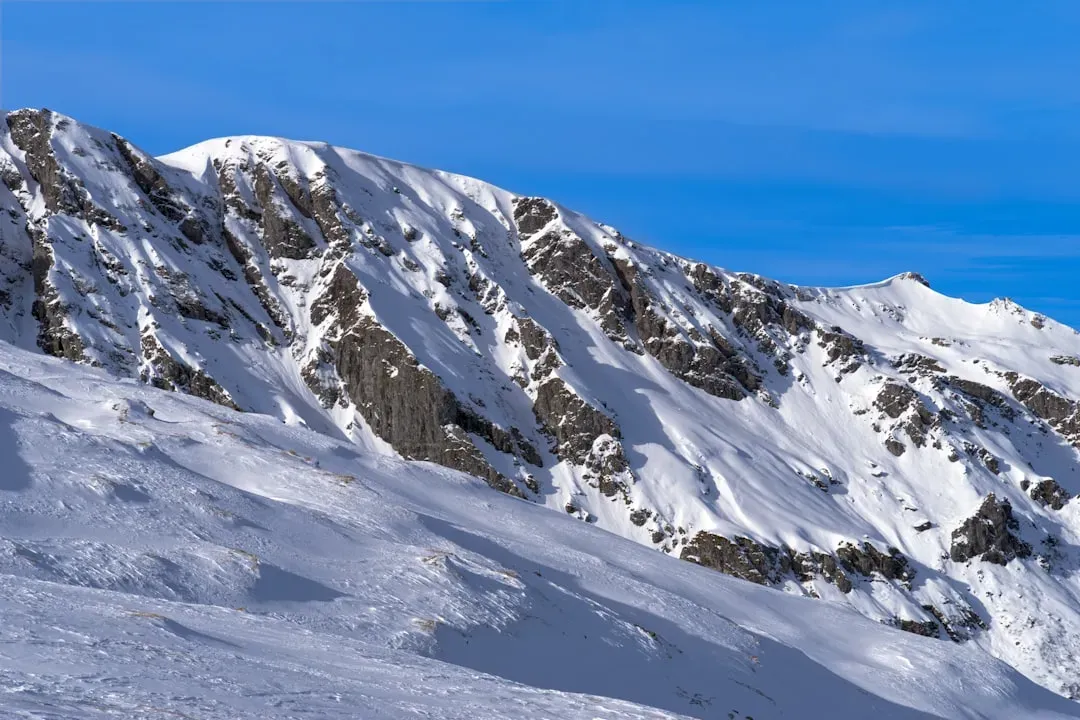
What looks like a single solid planet is actually patched together like a cracked eggshell, broken into massive slabs called tectonic plates that constantly shift, grind, and collide. These boundaries are where continents are stitched together, ripped apart, and sometimes swallowed back into the deep Earth. Almost all of the world’s strongest earthquakes and many volcanic eruptions cluster along these edges, which means billions of people live directly on the planet’s fault lines, whether they realize it or not.
The movement of plates also shapes the long game of our climate and life itself. When continents smash into each other, they build mountain ranges that change wind patterns and rainfall for entire regions. When plates sink back into the mantle, they drag water and carbon deep inside the Earth, helping regulate atmospheric carbon dioxide over millions of years. Looking forward, plate motion will slowly rearrange the map we’re used to – cities that are coastal today may be far inland in tens of millions of years, and familiar ocean basins will shrink or disappear as new ones open.
2. Subduction Zones and Megathrust Quakes: Where Oceans Go to Die
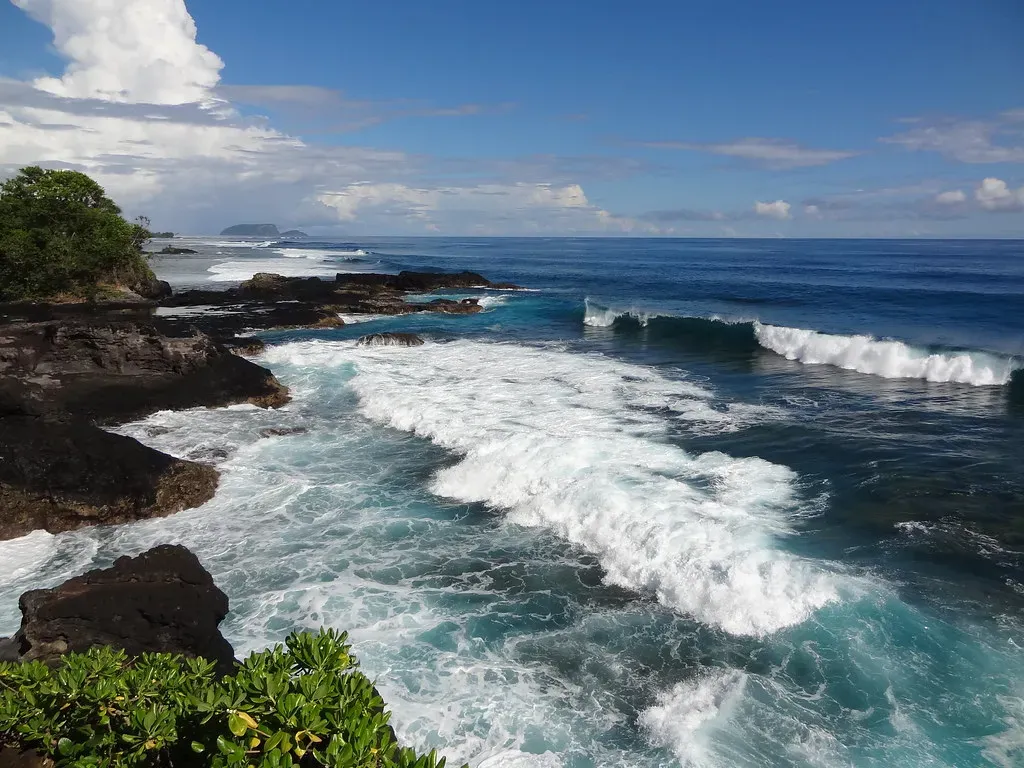
Subduction zones are places where one tectonic plate dives beneath another, sliding into the mantle like a conveyor belt disappearing under a machine. They’re some of the most dramatic and dangerous structures on Earth, responsible for the largest earthquakes ever recorded and tsunamis that can cross entire ocean basins. Regions like the Pacific “Ring of Fire” are lined with these zones, putting huge populations in places such as Japan, Chile, and parts of North America at constant risk from events that can unfold in minutes but reshape lives for generations.
At the same time, subduction zones are factories for new continental crust and towering volcanic arcs. The water and sediments dragged down with the sinking plate trigger melting, feeding chains of volcanoes that rise above the surface and add new land over time. They also lock and release enormous amounts of stress, meaning that understanding how they behave is critical for future hazard planning and coastal development. As sea levels rise with a warming climate, low-lying coasts near subduction zones will face a double threat: gradual flooding from above and sudden tsunamis from below.
3. Mid-Ocean Ridges: The Planet’s Underwater Assembly Lines
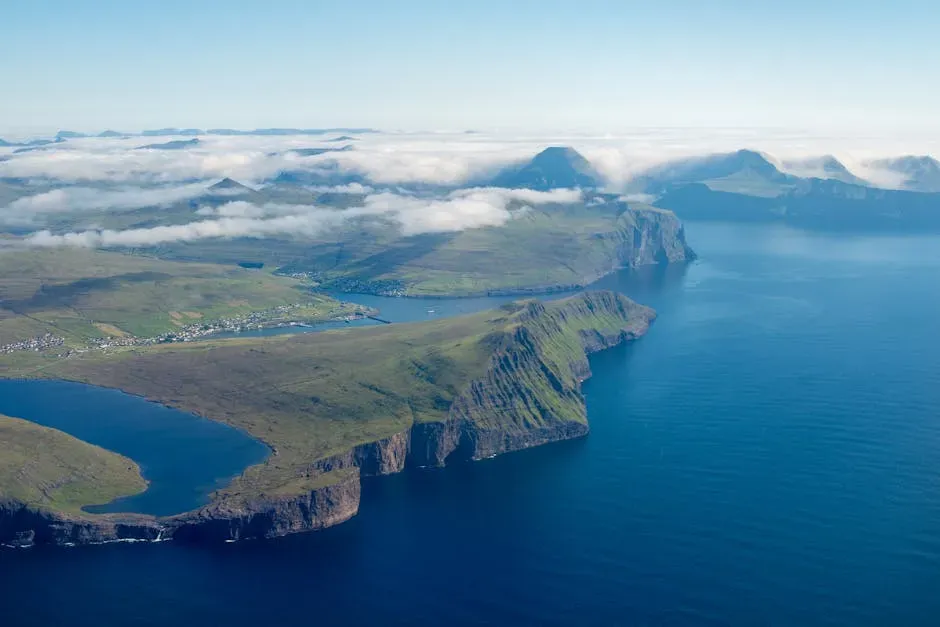
Hidden beneath the oceans lies a continuous chain of underwater mountains longer than all the major mountain ranges on land combined: the mid-ocean ridges. Here, tectonic plates are pulled apart and molten rock wells up to fill the gap, creating fresh ocean crust in a process that never really stops. It’s strange to think that the floor of the Atlantic Ocean is, geologically speaking, relatively young compared to ancient continental rocks you might walk across in places like Canada or Australia.
These ridges don’t just build ocean floors; they also help steer global chemistry and climate. As hot new crust interacts with seawater, it exchanges heat and minerals, influencing ocean circulation and the chemistry that marine life depends on. Hydrothermal vents along these ridges support entire ecosystems powered not by sunlight but by chemical energy, hinting at how life might exist on other worlds. Over longer timescales, the rate at which mid-ocean ridges create new crust can subtly change sea level and even how continents are arranged, which in turn alters weather patterns and ocean currents that we rely on today.
4. Mountain-Building Ranges: Earth’s Climate Sculptors
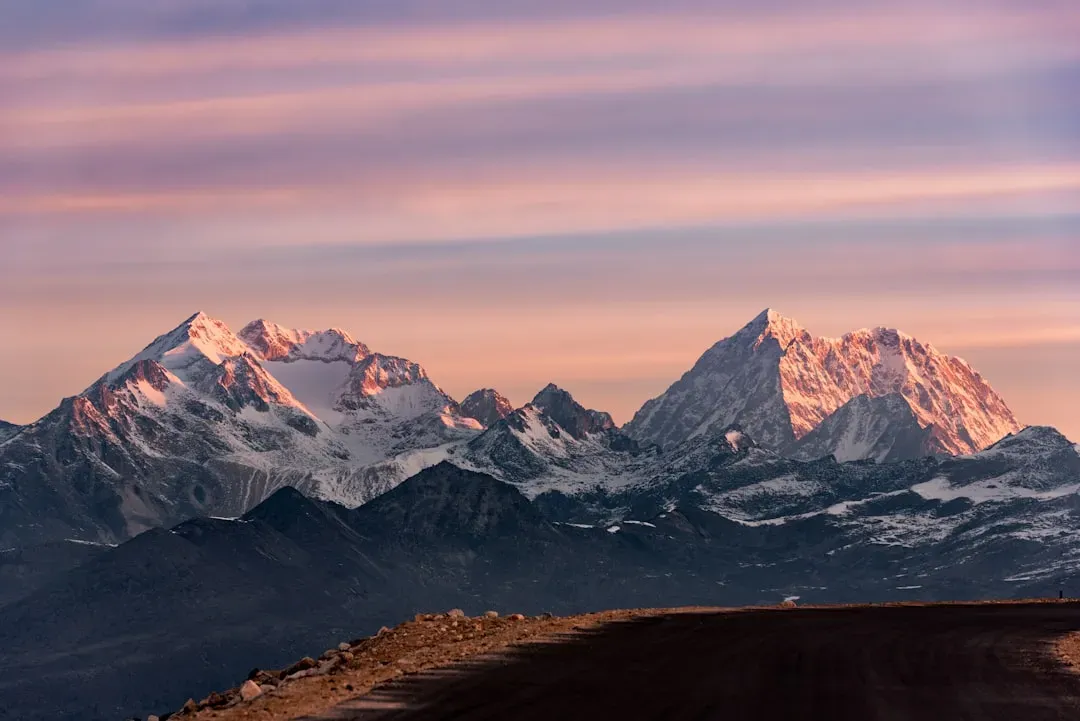
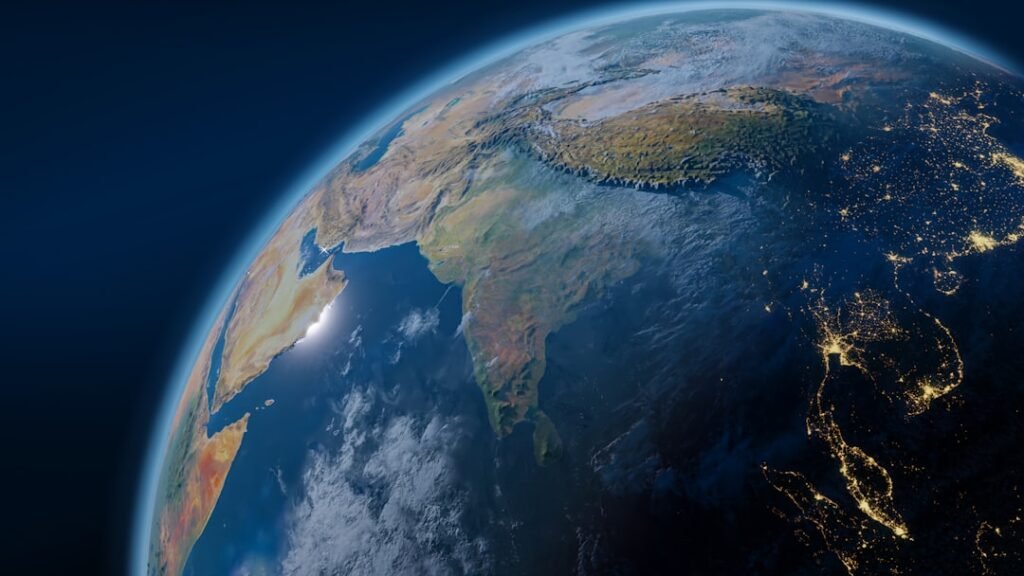
Mountains might look like permanent monuments, but they’re really snapshots in a long, dramatic battle between uplift and erosion. They rise when plates collide or when hot material pushes upward from the mantle, and they crumble as glaciers, rivers, wind, and gravity grind them back down. The Himalayas, for example, are still being pushed higher as India continues slowly ramming into Eurasia, while rain and ice relentlessly carve deep valleys and carry the debris into distant oceans.
These towering ranges are much more than scenic backdrops; they’re powerful climate tools. High peaks deflect air masses, creating wet and dry sides that decide where forests grow and where deserts spread. As freshly exposed rock weathers and breaks down, it pulls carbon dioxide from the atmosphere and eventually locks it into sediments, acting as a natural long-term thermostat for the planet. In the coming centuries, as human-driven climate change accelerates glacier loss in mountain regions, the water supplies of hundreds of millions of people will be at stake, along with increased landslides and floods from newly unstable slopes.
5. Supervolcanoes and Large Igneous Provinces: Rare But Planet-Changing
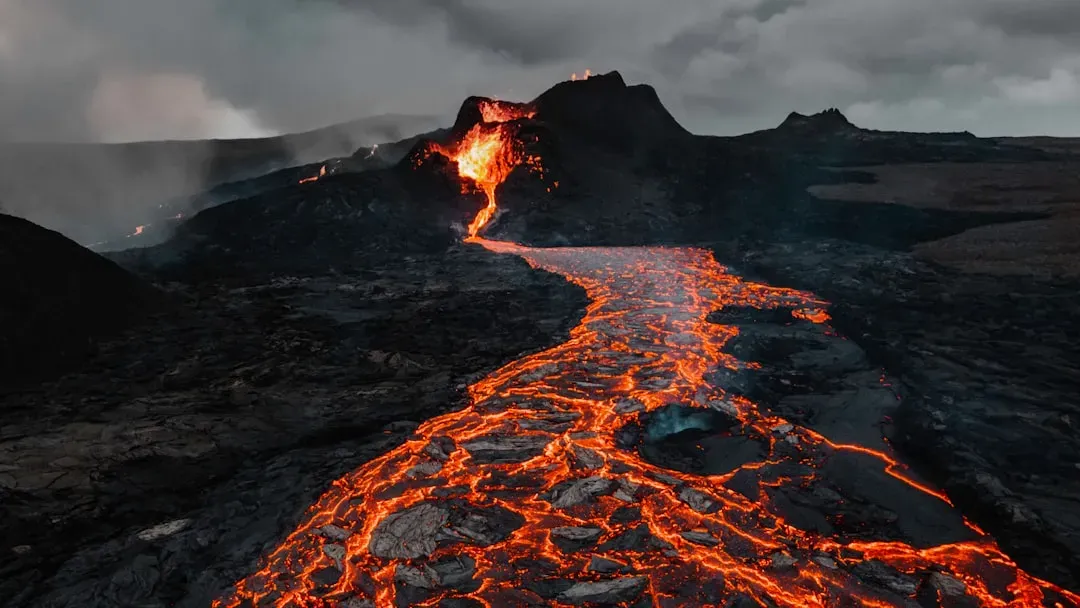
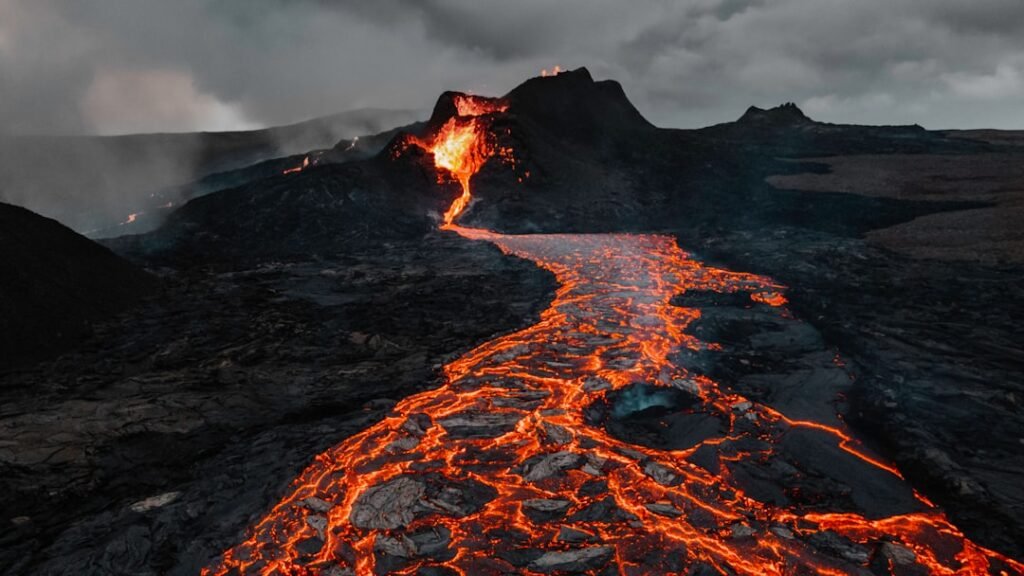
Most volcanoes are local hazards, dangerous but limited in reach. Supervolcanoes and massive volcanic outpourings known as large igneous provinces are in a different league: they’re rare, but when they erupt, they can tip the balance for the entire planet. Some past events have flooded regions the size of countries with lava and released so much gas and ash that they disrupted climate on a global scale. There’s evidence that a few of these enormous eruptions in deep time lined up with major environmental crises and mass extinctions.
Today, places like Yellowstone in the United States or large volcanic provinces preserved in ancient rocks remind us that Earth can shift gears dramatically, even if those gears move on timescales far beyond a human lifetime. While the chance of a truly global-scale eruption in any given century is low, the consequences would be so severe that scientists track these systems carefully, using ground deformation, gas emissions, and seismic activity to read subtle changes underground. Understanding these massive volcanic episodes also helps us grasp how quickly climate can be pushed out of balance – a sobering comparison as we pump greenhouse gases into the atmosphere much faster than most natural processes ever did.
Conclusion: Living on a Restless World
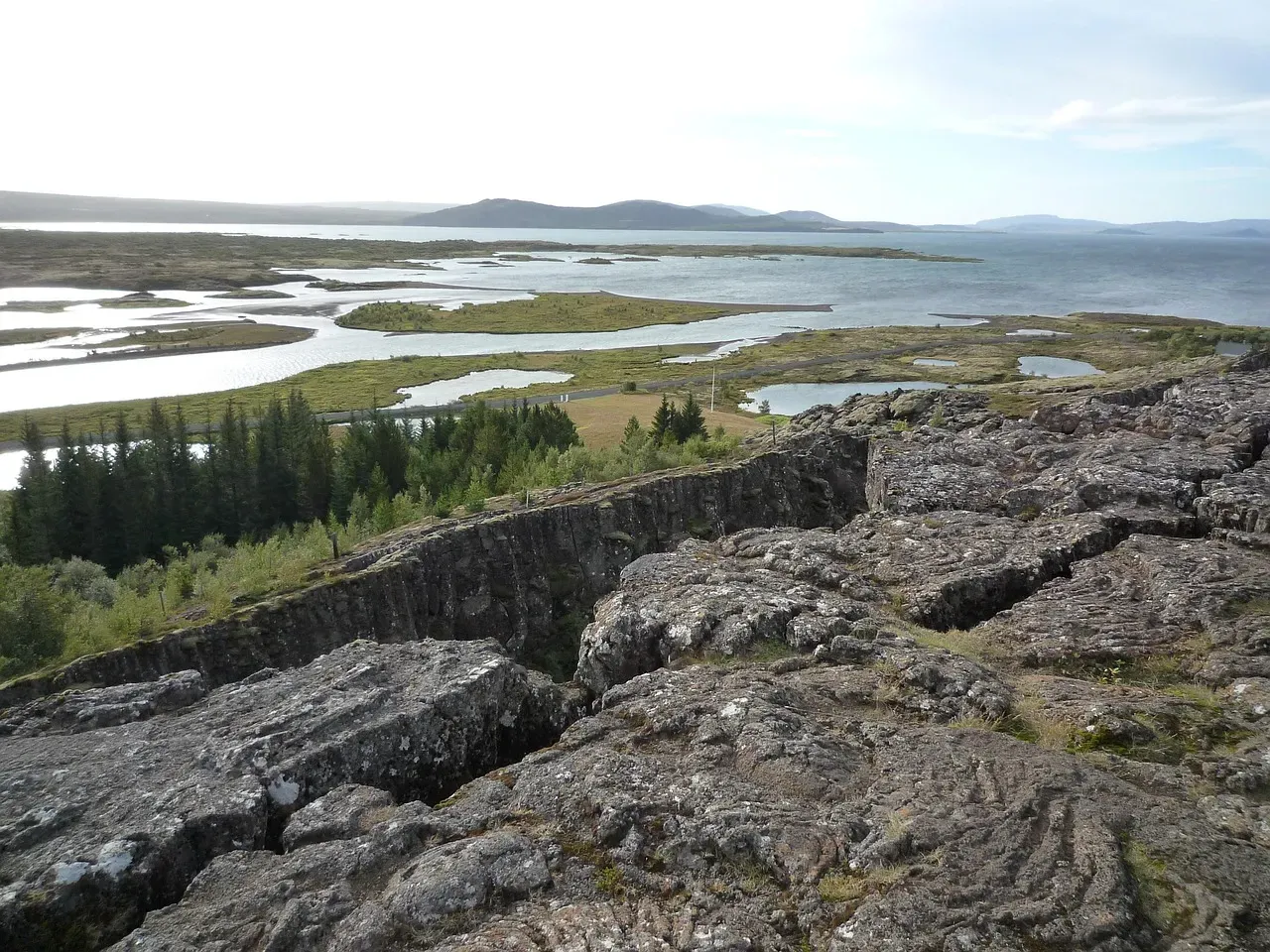
Once you start seeing the world through geology’s lens, everything familiar feels slightly different: that coastline you love is temporary, that mountain you admire is mid-transformation, that quiet plain might hide a fault or an ancient ocean. Tectonic boundaries, subduction zones, mid-ocean ridges, mountain belts, and giant volcanic systems are not just relics of Earth’s past; they are active forces shaping where we can live, how we grow food, how our coasts evolve, and how stable our climate will be. We build our societies on a dynamic foundation that never asked for our permission and won’t wait for us to catch up.
In a way, that’s both unsettling and strangely comforting. Earth has survived ice ages, asteroid impacts, and volcanic winters, constantly reinventing its surface and its ecosystems. Our challenge now is to understand these deep processes well enough to live with them instead of being blindsided by them, especially as we add our own powerful influence to the mix. When you stand outside and feel the ground beneath your feet, do you think of it as solid – or as something quietly moving, reshaping the future beneath your shoes?