
Walk outside and look around: you see streets, trees, buildings, maybe a few birds. Now imagine that layered on top of that familiar world is an invisible map of magnetic fields, electric signals, pressure waves, and chemical trails that you can’t sense at all – but other species rely on every second to survive. That hidden layer is very real, and for many animals it’s as obvious as a road sign or a GPS map is to us.
What feels almost supernatural is, in fact, biology pushed right to the edge of what’s possible. From sea turtles that can “feel” the planet’s magnetic lines to sharks that sense living hearts beating in the dark, animals navigate a reality that is much richer than the one we experience. Let’s step, briefly, into their world and see how they pull off these quietly astonishing feats.
Magnetic Maps in the Mind: How Animals Read Earth’s Invisible Field
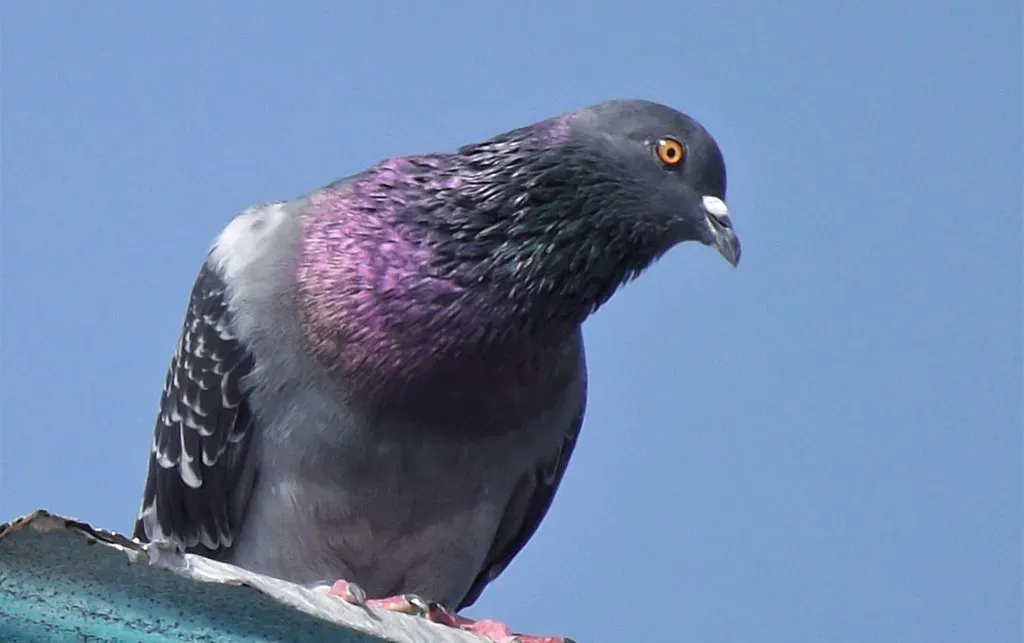
Imagine trying to find your childhood home with your eyes closed, guided only by a faint tug in a particular direction that never switches off. That’s a bit like what birds, sea turtles, and even some insects do when they migrate across continents and oceans. They use the Earth’s magnetic field as a built‑in compass and, in some cases, as a detailed map that helps them know not just direction but approximate position on the globe.
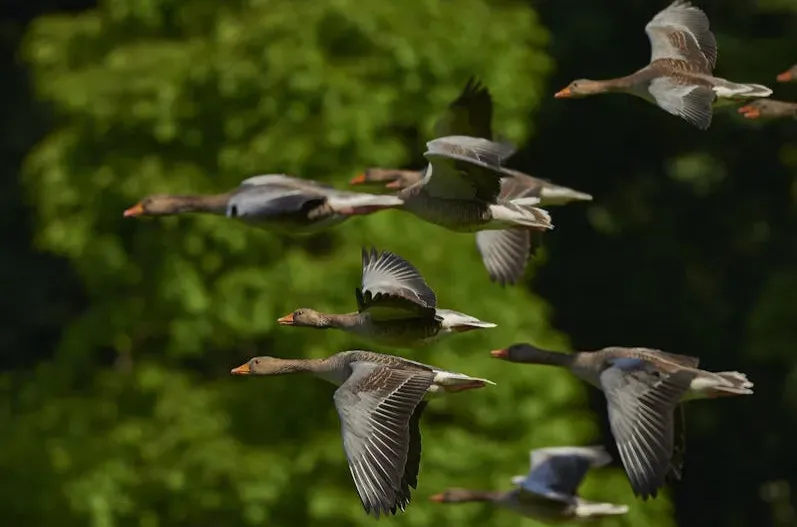
Many migratory birds, such as European robins, have specialized molecules in their eyes that seem to be sensitive to magnetism, letting them “see” the magnetic field as a kind of overlay on the sky. Sea turtles imprint on the magnetic signature of the beach where they hatch, then return decades later using subtle differences in magnetic intensity and angle like we would use street names and house numbers. Even tiny animals such as certain ants and monarch butterflies appear to use magnetic information as a backup system when visual cues fail, turning what to us is an abstract physics concept into a practical, everyday tool.
Electric Sixth Sense: Sharks and Rays Detect Living Bodies in the Dark
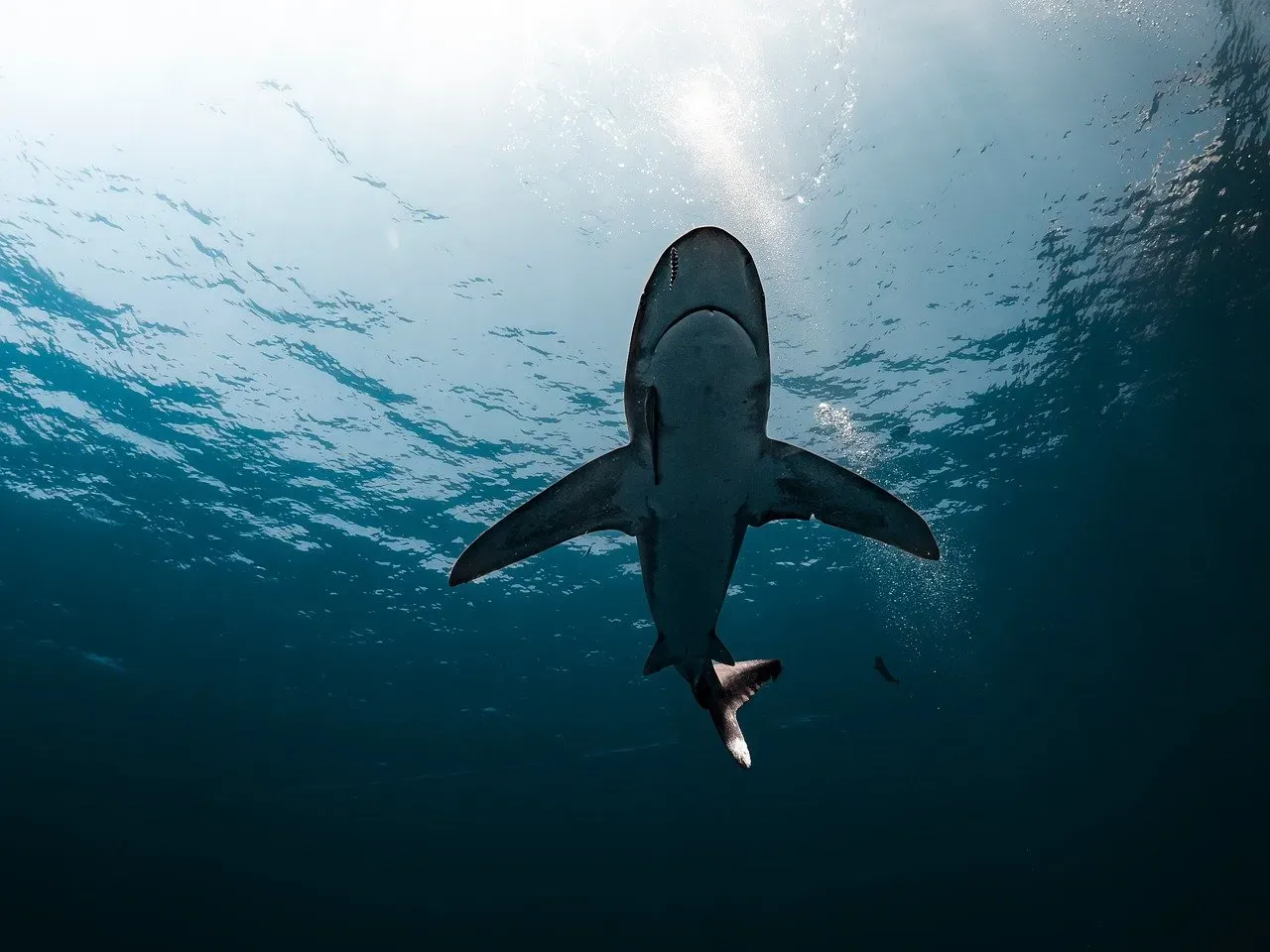
Picture being able to close your eyes in a pitch‑black room and still know exactly where every person is, just by sensing the faint electrical hum of their bodies. Sharks and rays come remarkably close to this. Their skin is dotted with tiny gel‑filled pores called ampullae of Lorenzini that detect extremely weak electric fields, including those created by the muscles and nerves of nearby animals.
This electric sense lets sharks hunt in murky water, at night, or even buried prey hidden under sand. It’s so sensitive that some species can pick up electrical signals comparable to a small battery hundreds of meters away in the right conditions. Rays cruising along the seafloor can find crabs and fish that are completely hidden, guided only by those faint bioelectric whispers. What feels spooky to us is just normal reality to them: a world where every heartbeat glows like a tiny beacon in the dark sea.
Echoes as Vision: Bats and Dolphins Turn Sound into 3D Maps

If you’ve ever shouted in a canyon and listened to your echo, you’ve tasted a tiny piece of echolocation – but bats and dolphins take that trick to a mind‑bending level. They send out rapid, high‑pitched sounds and analyze the returning echoes to build a detailed three‑dimensional picture of their surroundings, all in real time. To them, a room full of obstacles or a dark underwater world is full of sharp acoustic edges, distances, and textures.
Bats use echolocation to weave through dense forests at night, catching insects on the wing that are barely larger than a fingernail. Dolphins emit clicking sounds and can distinguish not only where an object is, but often its size, shape, and even the material, allowing them to tell, for example, a metal object from a fish. Their brains are so tuned to these echoes that they effectively “see” with sound, the way we take in a scene with a quick glance. It’s like having a built‑in, ultrasound‑level radar, always running, always updating the map.
Supercharged Smell: How Animals Follow Invisible Scent Highways
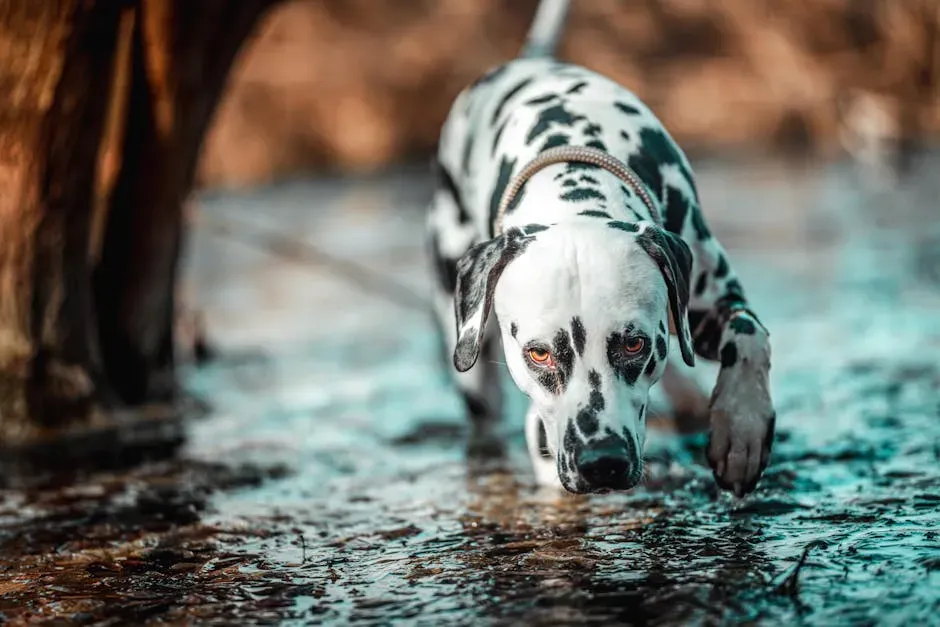
We think of smell as a nice extra for food and memories; many animals treat it like a primary navigation system. Dogs, for example, can pick up scents at concentrations tens of thousands of times weaker than what a human can detect, turning every sidewalk into a multilayered story of who walked by, when, and in what mood. They don’t just smell a tree; they smell timelines, identities, and directions of movement.
Salmon navigate back to the exact rivers where they were born by following the chemical “fingerprint” of their home waters as they return from the open ocean. Ants lay down pheromone trails that work like self‑renewing highway lines, guiding entire colonies to food sources and back with remarkable efficiency. Even seabirds like petrels and albatrosses are believed to use smell to locate rich feeding grounds across vast stretches of ocean, tracking faint odor plumes from phytoplankton and fish. To these animals, the air and water are crisscrossed with invisible highways of scent that we never even notice.
Pressure and Vibration: Reading the Texture of Air and Water
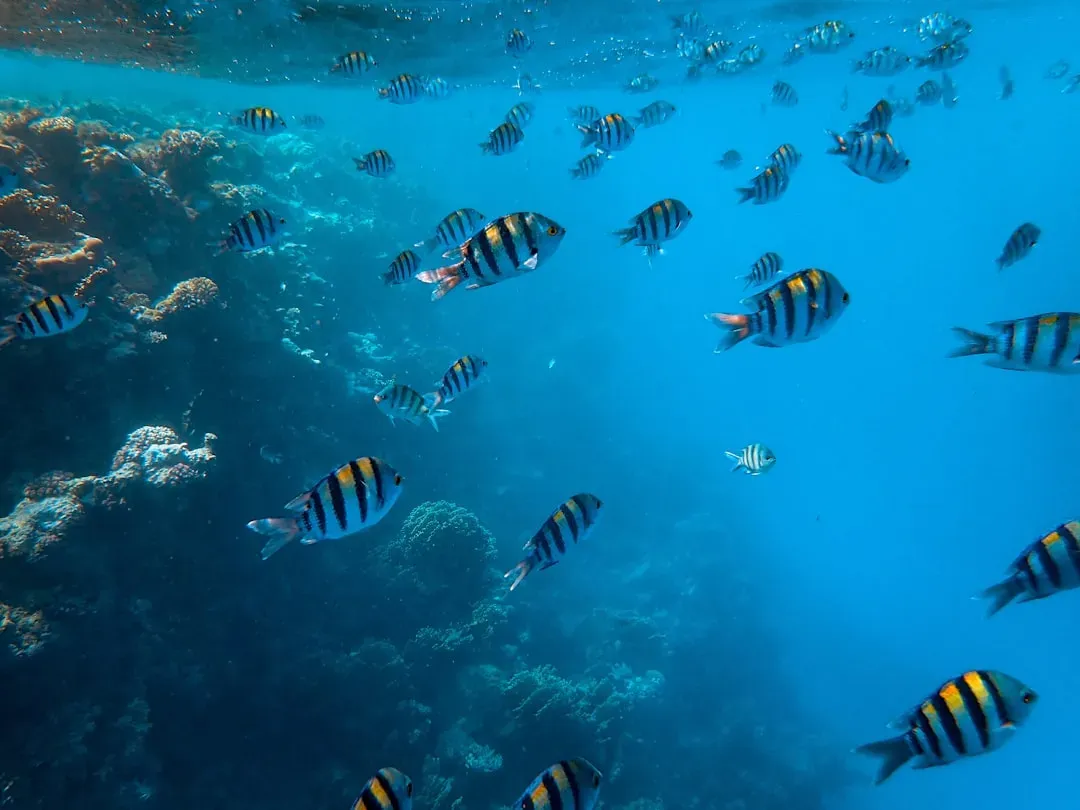
Sometimes the key to navigation is not magnetism or smell, but the fine‑grained ripples in air or water that hint at movement, shape, and distance. Fish, for instance, have a lateral line system running along their sides, packed with sensitive cells that detect tiny changes in water pressure and flow. This lets them school tightly without crashing into one another, sense approaching predators, and even navigate in total darkness by feeling how water moves around rocks and obstacles.
Certain insects and spiders do something similar with air vibrations, using ultra‑sensitive hairs and membranes to pick up wing beats, footsteps, or changes in airflow. Owls glide almost silently and can track prey under snow or leaves by listening to the faintest rustles and interpreting tiny differences in timing between their ears. In all these cases, animals are essentially reading the texture of the medium around them – air or water – as if it were a finely patterned fabric, telling them where to go and what to avoid without needing to see anything at all.
Conclusion: A Hidden World Behind Everything You See
Once you know these senses exist, the world feels different. That quiet pond, that stretch of coastline, that city park at night – they’re all alive with magnetic contours, electric murmurs, scent trails, echoes, and pressure waves that you and I mostly miss. Animals are not just surviving in our shared environment; they are moving through an entirely richer layer of reality that hums right alongside ours.
For me, learning about these hidden senses makes daily life feel a bit like living next to a secret tunnel system I can’t quite enter. It’s humbling, and honestly a little thrilling, to realize how narrow our own experience is, even with all our tech and tools. Maybe the next time a dog pauses at a seemingly random spot or a bird circles overhead, you’ll wonder what invisible signposts they’re reading that you can’t see. If you had to pick just one of these unseen senses for yourself, which would you choose?