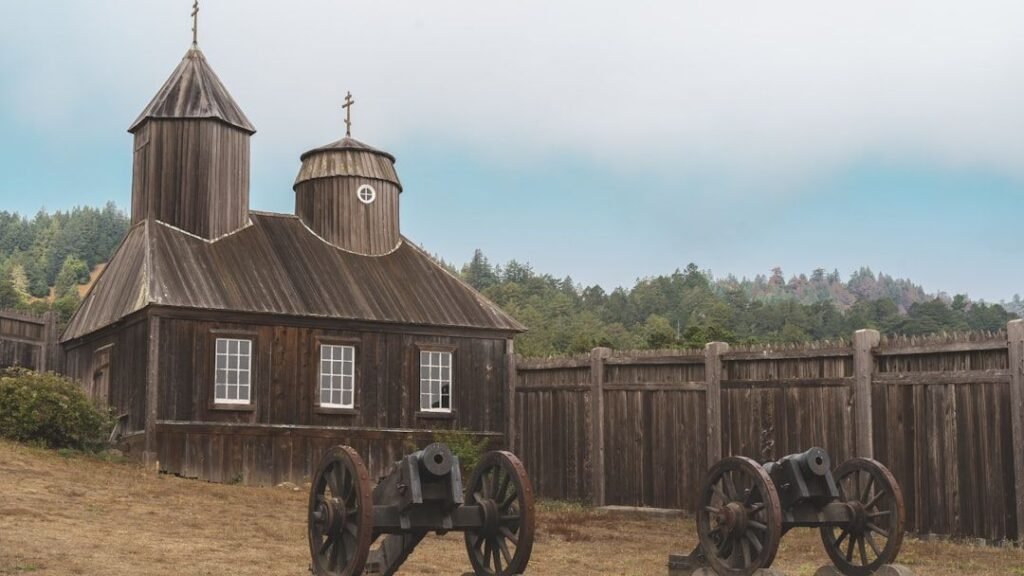

On a foggy bluff above California’s wild Pacific coast, there’s a wooden fortress that looks like it was transported straight out of Siberia. Cannons face the sea, onion-domed chapels rise above the palisade, and cypress trees rustle in the wind. It feels more like a movie set than a piece of real American history, but Fort Ross was absolutely real – and for a brief moment, it was the southern edge of the Russian Empire.
Most of us grow up thinking of early North American colonization as a story of Spain, Britain, and France. Russia usually doesn’t even make the list. Yet in the early nineteenth century, Russian settlers, Alaskan Native laborers, and California Indigenous communities lived and worked together on this rugged stretch of Sonoma County. Their story is messy, surprising, and far more intertwined than the simplified history many of us were taught in school.
1. Fort Ross Was Russia’s Bold Answer To A Food Crisis In Alaska
It’s tempting to imagine the Russians came to California for gold or land, but the spark was far more basic: food. By the early 1800s, Russian settlements in Alaska were struggling to feed themselves, with long winters, difficult farming conditions, and unreliable supply routes from Russia across the Pacific. The Russian-American Company, a state-backed trading monopoly, was desperate for a reliable breadbasket to keep its Alaskan operations alive.
California, with its milder climate and fertile coastal valleys, looked like a lifeline. In 1812, Russian manager Ivan Kuskov sailed south and established Fort Ross (from “Rossiya,” meaning Russia) on a coastal terrace north of what’s now Bodega Bay, specifically to grow grain, raise livestock, and supply food back to Alaska. In a way, Fort Ross was less a grand imperial dream and more a floating pantry built on the edge of someone else’s territory, even though the Russians still wrapped it in the language and symbols of empire.
2. It Stood On Spanish-Claimed Land – But Russia Planted Its Flag Anyway
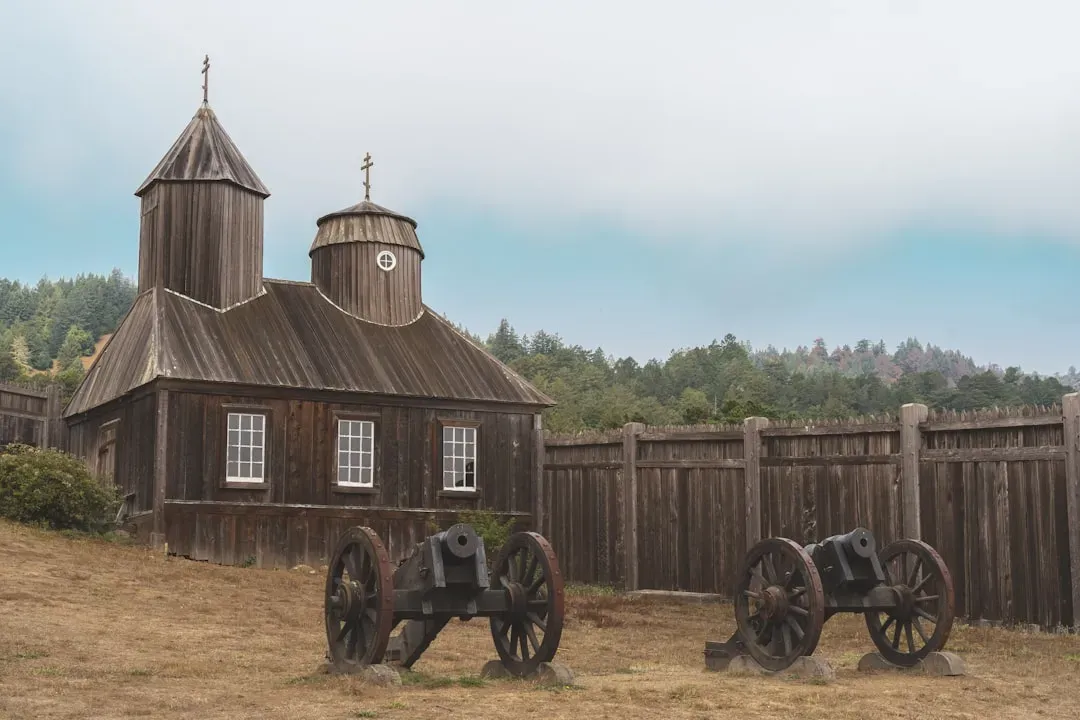
When Fort Ross was founded, this region of California was officially claimed by the Spanish Empire, which had already built missions and presidios further south. From Madrid’s point of view, the Russians had no legal right to plant a colony on land Spain considered its own. Yet the coast north of San Francisco remained thinly controlled, and Russia saw an opening to quietly slide in before either Spain or the rapidly rising United States could dominate the entire Pacific shoreline.
The Russian-American Company negotiated informally with local Native leaders for the use of the land, but there was no formal agreement with Spain or, later, with independent Mexico. So Fort Ross existed in a kind of legal gray zone, openly flying the Russian flag while sitting on territory claimed by other powers. It was a geopolitical gamble: a small wooden fortress, far from home, trying to stake a claim in a crowded colonial chessboard where nearly every square was already spoken for on paper.
3. It Was A Multicultural Colony Built On Native Labor And Uneasy Alliances
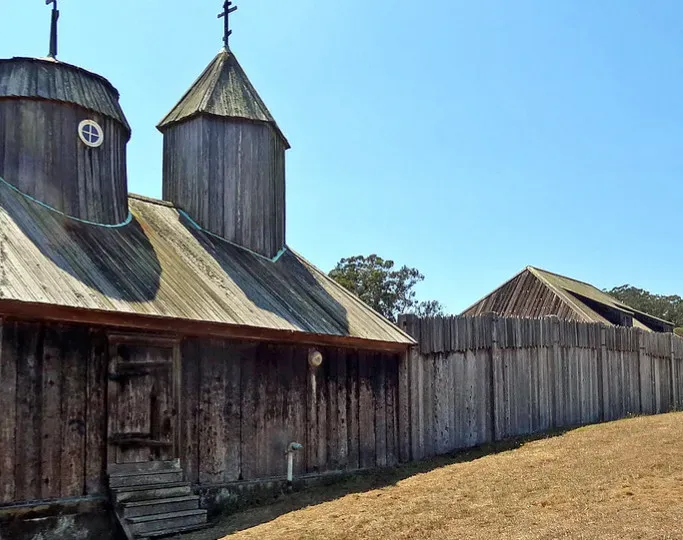
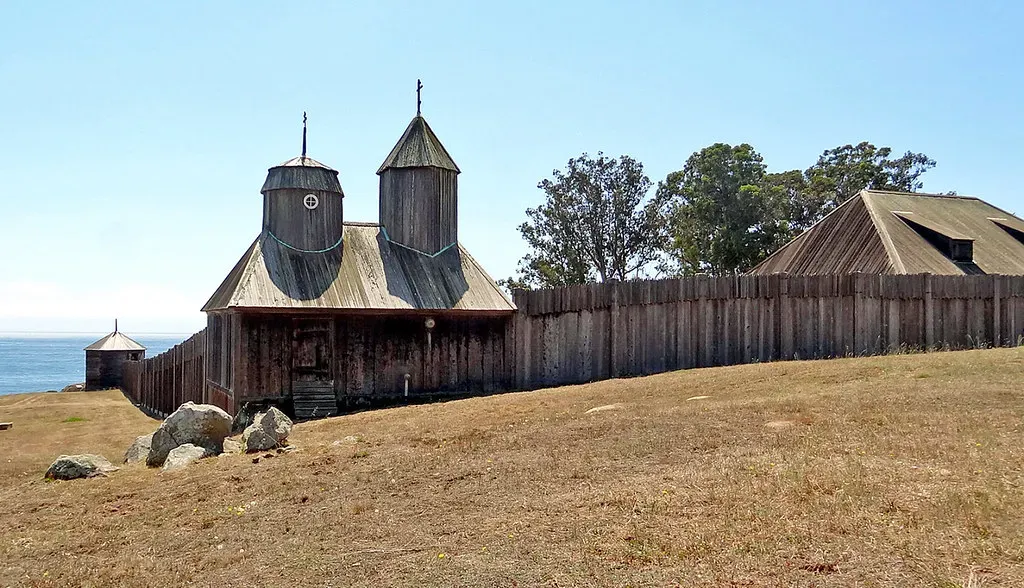
Walk inside the reconstructed walls of Fort Ross today and you’ll see Russian-style buildings, but the people who once lived and labored there were a strikingly mixed group. Alongside Russian officials, craftsmen, and soldiers were Alaskan Native workers, often from Aleut and Alutiiq communities, brought south primarily for their skills in sea otter hunting. Their presence is a stark reminder that Russia’s colonial footprint stretched from Siberia down through Alaska to this patch of California coast.
The Russians also relied heavily on local Indigenous communities, especially the Kashia Pomo and Coast Miwok peoples, for labor, knowledge of the land, and at times, partnership and trade. Relationships ranged from cooperative to coercive, and like other colonial projects of the era, this mix of dependence and power imbalance led to disease, displacement, and cultural disruption for Native people. The image of a “Russian fort in California” might sound exotic or even romantic, but the reality on the ground followed familiar, and often painful, colonial patterns.
4. The Colony Never Really Thrived – And Russia Eventually Walked Away
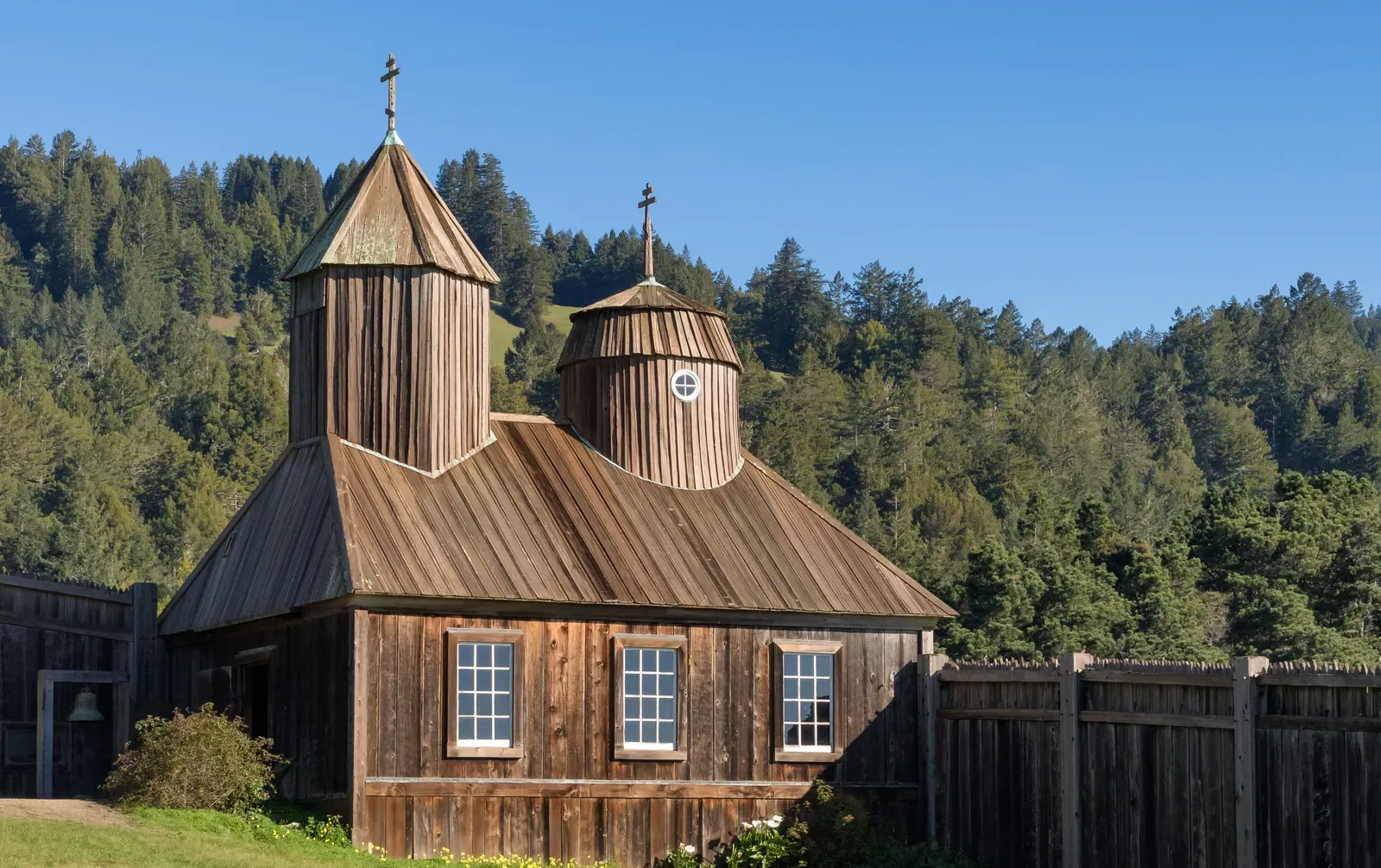
For all the effort and ambition poured into Fort Ross, it never fully solved the original problem it was meant to fix. Farming turned out to be harder than the Russian-American Company had hoped: unpredictable weather, fog, and poor soil in some areas limited production. While they did manage to grow wheat, raise cattle, and export some food to Alaska, the totals never reached the levels needed to justify the cost, distance, and political risk of maintaining such an outpost.
By the late 1830s, sea otter populations, a major source of income for Russian operations, had plummeted along the Pacific coast. At the same time, Mexico, now independent from Spain, asserted stronger control over California, and the United States was increasingly active in the region. Faced with mounting expenses and dwindling returns, the Russian-American Company decided Fort Ross wasn’t worth the trouble. In 1841, they sold the buildings and moveable property to a Swiss-born rancher and entrepreneur, John Sutter, effectively ending Russia’s direct colonial experiment in California.
5. Fort Ross Still Stands As A Physical Reminder Of Russia’s Lost American Dream
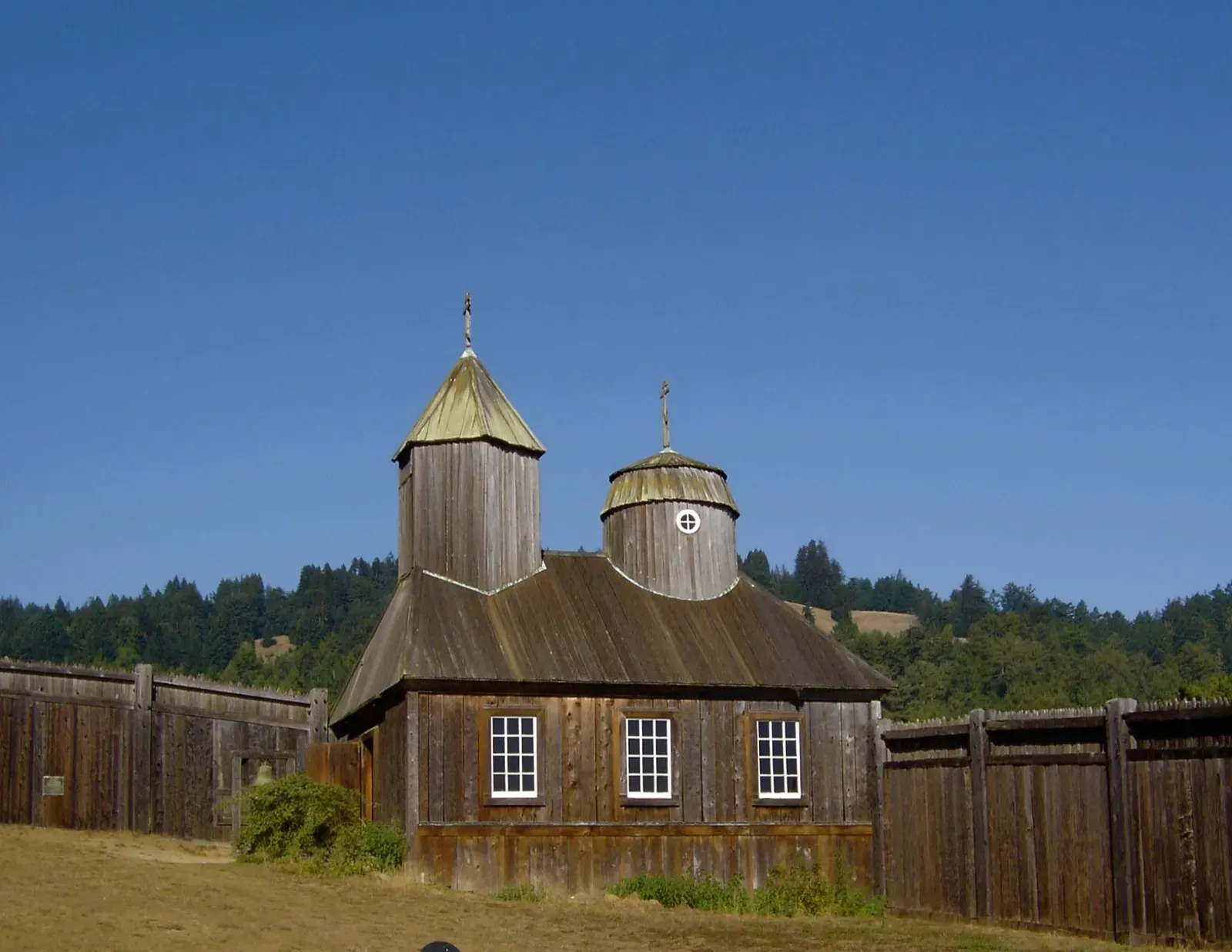
Most traces of European colonies in North America blend into familiar French, British, or Spanish stories, but Fort Ross is stubbornly different. Its stockade walls, blockhouses, and small chapel look like they were lifted from the other side of the world and dropped onto a California cliff. Although many structures are reconstructions based on historical records and archaeology, they sit on the original site, surrounded by the same sweeping views of the Pacific that Russian settlers once stared at, wondering what the future held.
Today, Fort Ross is a California state historic park, and its story has grown beyond just Russia’s brief claim on the coast. Descendants of Russian settlers, Kashia Pomo community members, and historians from multiple countries all see it as a shared, and sometimes contested, heritage site. Standing there, with salty wind in your face and the sound of waves pounding the rocks below, it’s hard not to feel how wild and uncertain that early nineteenth-century experiment must have felt to everyone involved, from tsarist officials to Native families watching yet another foreign flag go up on their land.
Next time you look at a map of early North America and see the familiar names of Spain, Britain, France, and the United States, it’s worth remembering that a small piece of Russia once clung to the California coast as well. The logs and cannons of Fort Ross may feel like relics from another world, but they’re part of the same complicated, overlapping story of colonization, survival, and power that still shapes the continent today. How different do you think the map might look if experiments like Fort Ross had actually succeeded?