
Look around your room for a second. The things you’re seeing right now probably feel boringly familiar: a microwave, some tape, maybe a pen rolling around on your desk. But hidden behind these ordinary objects are wild stories of accidents, war, failed experiments, and even plain old stubbornness that quietly reshaped everyday life.
Once you know where some of these inventions really came from, it’s hard to unsee them the same way again. They stop being background noise and start feeling a bit like small miracles with messy, human backstories. Let’s pull back the curtain on five of them.
The Microwave Oven: A War-Time Radar Accident That Rewired Our Kitchens
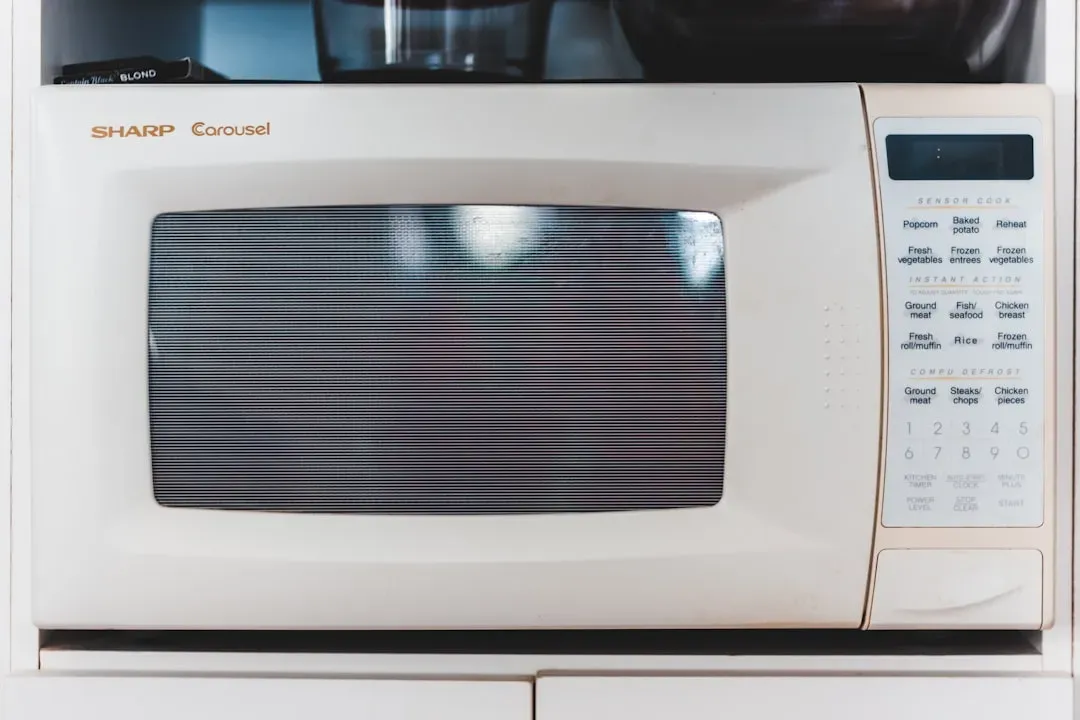
Imagine walking past a radar machine at work, then suddenly realizing the chocolate bar in your pocket has melted. That’s basically what happened to engineer Percy Spencer in the mid‑1940s while he was working with radar systems using magnetrons, powerful vacuum tubes that generate microwaves. Curious and a bit baffled, he started placing different foods near the equipment, and popcorn kernels began exploding; an egg even reportedly burst from the inside out.
From there, the idea of using microwaves to cook food went from weird lab chaos to a real product. The first commercial microwave ovens were massive, heavy, and expensive machines, taller than a person and mostly used in restaurants and ships. Over the next few decades, designers shrank the technology, cut costs, and by the late twentieth century, the microwave had become a standard part of modern kitchens. What started as a side effect of war-time radar research turned into one of the fastest, laziest ways to reheat leftovers.
Bubble Wrap: Failed Futuristic Wallpaper That Ended Up Protecting Everything
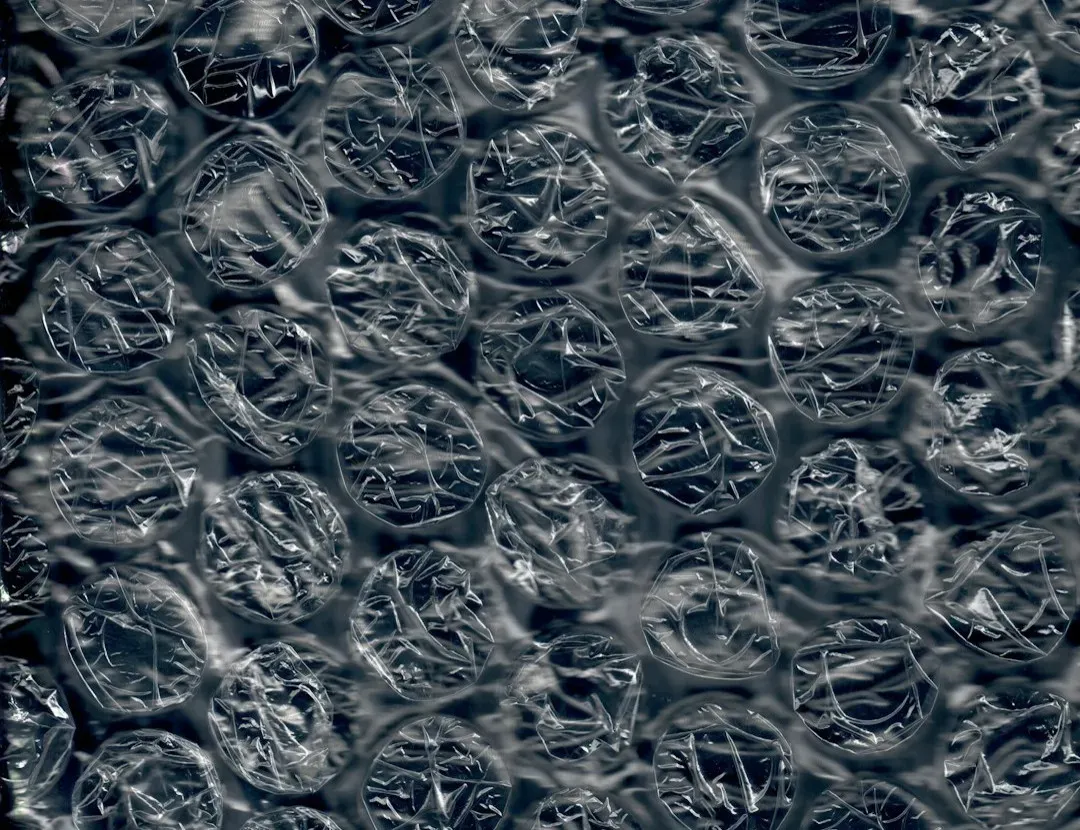
Bubble wrap was never supposed to be that satisfying thing you pop when you’re stressed. In the late 1950s, two engineers set out to create a new kind of textured wallpaper by sealing two shower curtains together and trapping air bubbles inside. The result looked strange, felt odd, and, bluntly, almost nobody wanted bubbly plastic on their living room walls. As a wallpaper, the idea flopped.
Instead of giving up, they tried to rethink what the material could do. After attempts to market it as insulation, they realized those little air-filled pockets were incredible for absorbing impact during shipping. That shift in perspective turned a decoration failure into one of the most widely used packaging materials on the planet. Today, bubble wrap protects everything from electronics to fragile artwork, and its original purpose is so forgotten that it sounds like a joke when you hear it for the first time.
Post-it Notes: A “Weak” Glue That Was Too Useless To Ignore
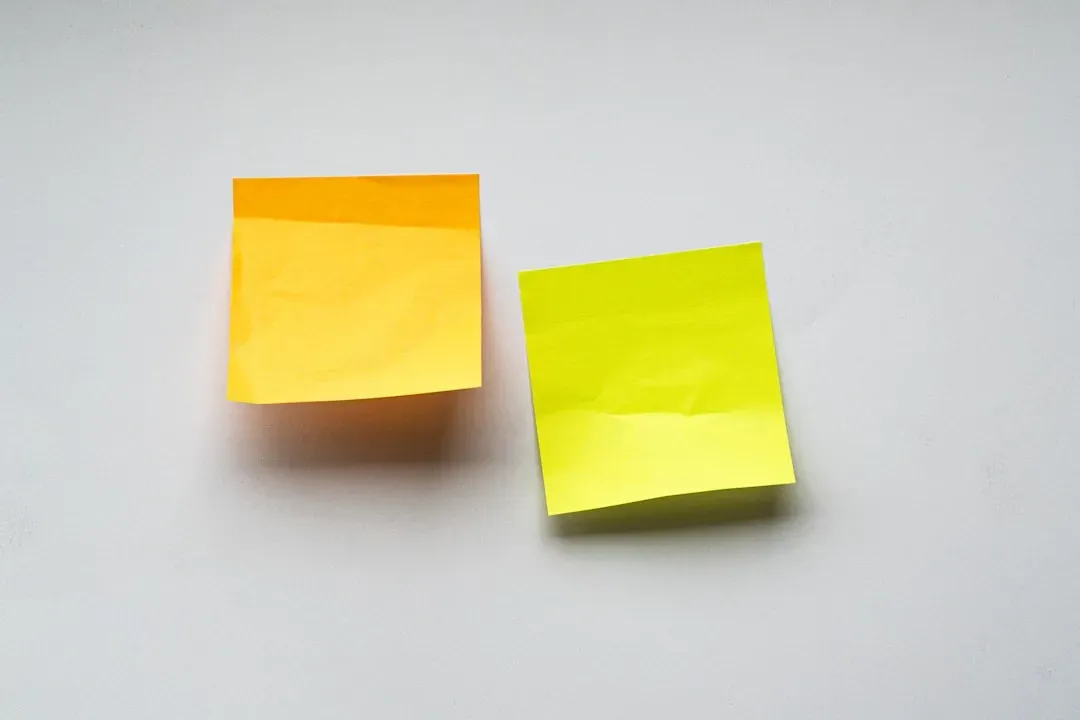
Post-it Notes owe their existence to what was basically a disappointing glue. A chemist at 3M developed an adhesive in the late 1960s that stuck to surfaces but peeled off easily without leaving residue. In a world chasing stronger, tougher glues, this was exactly the opposite of what anyone wanted. For a while, the adhesive sat more or less unnoticed, a technical curiosity without a clear job.
The turning point came when another 3M employee needed bookmarks that wouldn’t fall out of his church hymnal. He used the low-tack adhesive on small bits of paper, creating movable, reusable notes that clung just enough but didn’t damage the pages. That simple personal workaround sparked the idea of the sticky note we all recognize today. What started as a “bad” glue became the basis for reminders, brainstorms, love notes on fridges, and every messy cluster of scribbles stuck around computer monitors worldwide.
Super Glue: An Annoying Lab Mistake That Stuck Around Forever
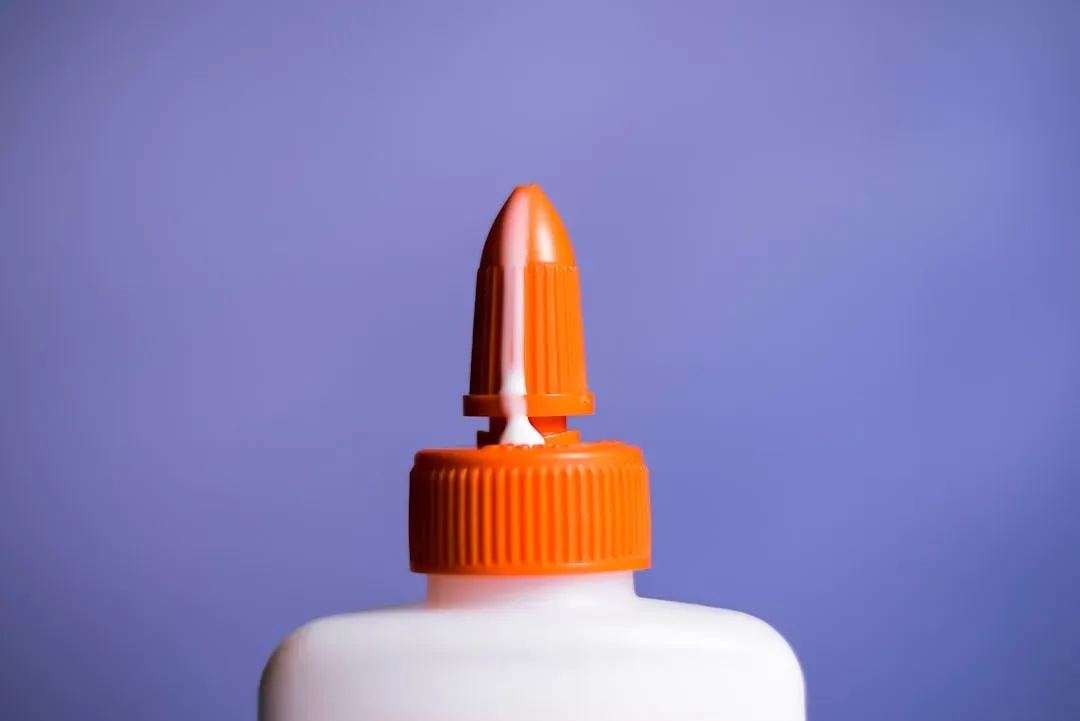
Super glue was discovered not because someone set out to invent a miracle adhesive, but because it kept ruining experiments. During the 1940s, researchers looking for materials for gunsights and other optical devices created a substance that stuck stubbornly to everything it touched, including their instruments. It was such a nuisance that they initially dismissed it as impractical and moved on to other materials.
Only later did someone realize that this “annoying” compound could instantly bond surfaces without heat or pressure and stay put under stress. That realization transformed it into one of the most famous household glues, used for everything from fixing broken toys to quick DIY repairs. In some emergency situations, versions of similar adhesives have even been used to help close small wounds temporarily. A substance once seen as nothing but a sticky mistake turned into a tool people now rely on to hold their lives – sometimes literally – together.
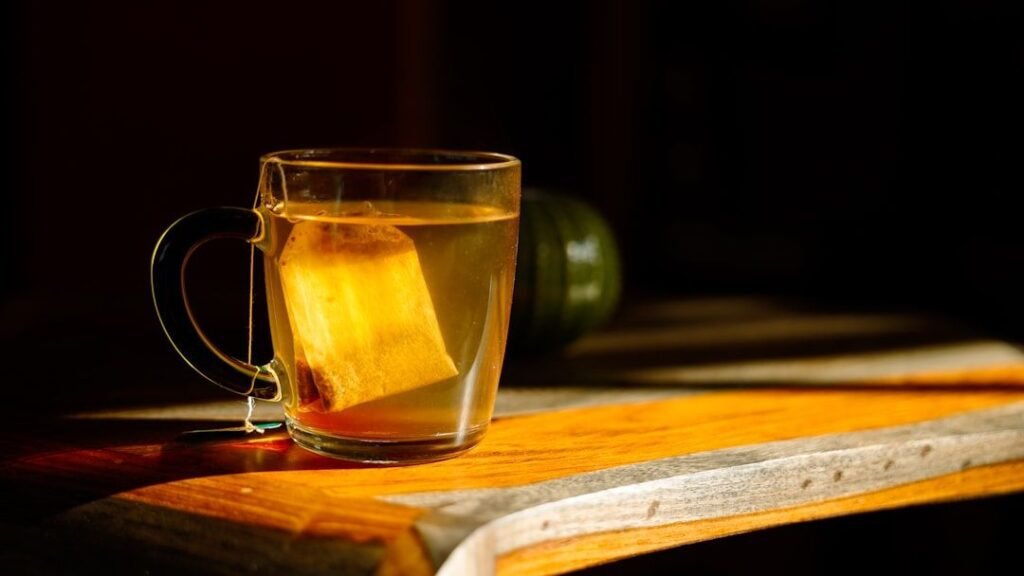
Tea Bags: A Packaging Convenience That Accidentally Changed How We Brew
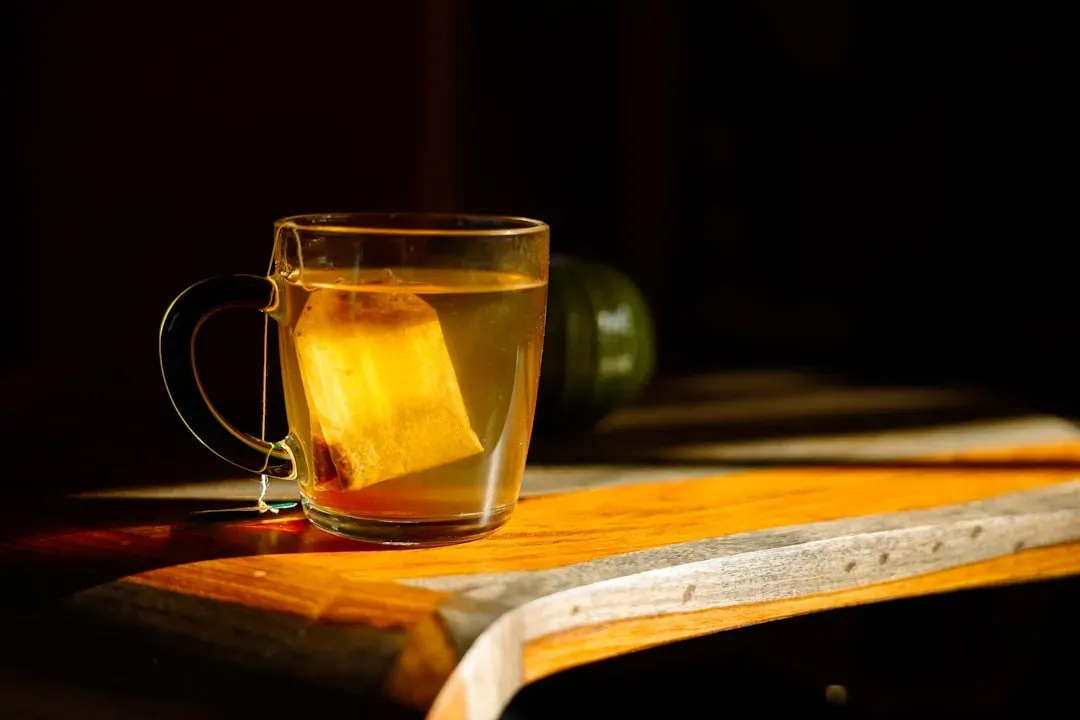
The tea bag began not as a bold new way to drink tea, but as a shipping and marketing trick. In the early twentieth century, a New York tea merchant began sending out small samples of tea in tiny silk or gauze bags to customers. Many people mistakenly dunked the entire bag into hot water instead of opening it, then realized this made brewing easier and less messy. This unplanned behavior quietly changed expectations about how tea could be prepared.
Manufacturers noticed the trend and started designing bags specifically intended for brewing, eventually switching to paper-based materials and refining shapes to allow better water flow and flavor. What started as a practical way to package samples has become the dominant brewing method in many countries, especially for everyday tea drinkers. A simple packaging shortcut reshaped global habits, turning the ritual of loose-leaf preparation into a faster, more convenient dip-and-sip routine.
These five inventions share a common thread: they weren’t born from perfectly executed plans, but from accidents, disappointments, repurposed failures, and curious minds refusing to ignore odd moments. A melted chocolate bar, unwanted wallpaper, a too-weak glue, a ruined experiment, and a misunderstood package all quietly rewrote how we cook, ship, remember, repair, and relax. It’s a reminder that the line between useless and brilliant is often just a change in perspective.
When you press the microwave button, peel a Post-it, pop bubble wrap, fix something with super glue, or dunk a tea bag, you’re using solutions that almost never happened the way they were “supposed” to. Behind every everyday object, there might be a story just as strange and unexpected, hiding in plain sight. Which ordinary thing in your home do you suspect has a secret origin story of its own?