
There’s a quiet emergency unfolding in the United States, and most of it is happening far from cameras and headlines. While we go about daily life, some of the country’s most iconic and irreplaceable animals are slipping closer to the edge of extinction, sometimes because of choices we don’t even realize we’re making.
What makes this so heartbreaking is that these species are not abstract ideas in a textbook; they’re real, breathing animals that have shaped landscapes, cultures, and stories for generations. Losing them would not just be a scientific tragedy, it would be like tearing chapters out of our shared memory. These five species are in serious trouble right now, and what happens next depends heavily on what we decide to do in the coming years.
Red Wolf – The Ghost of the American South
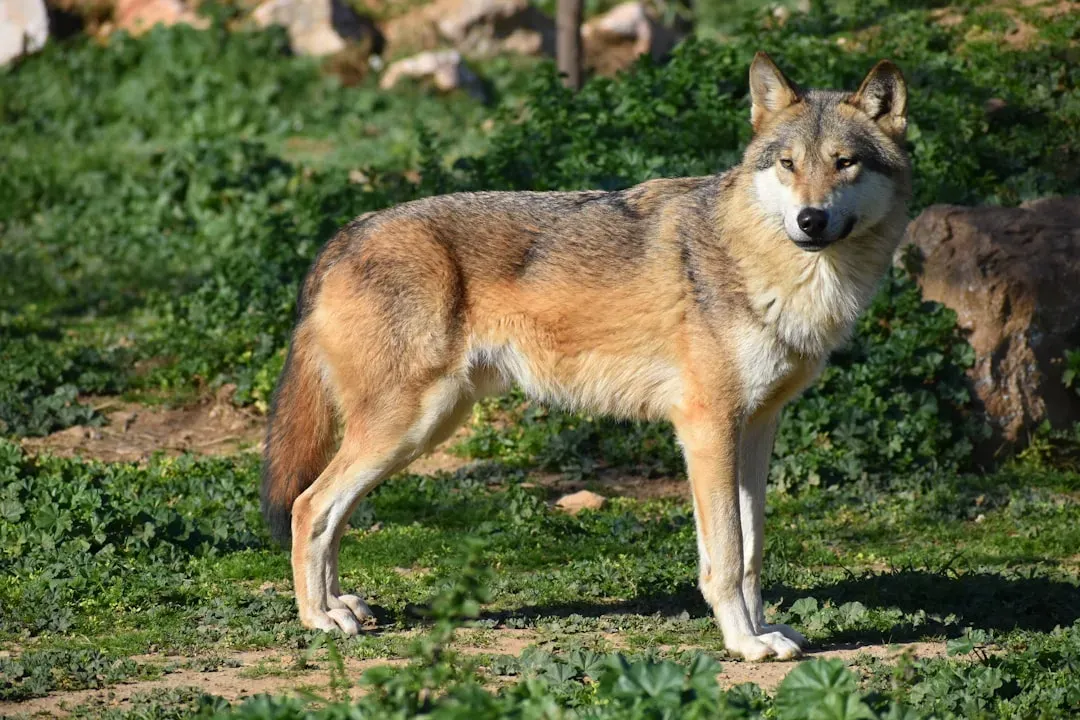
The red wolf once roamed the forests and wetlands of the southeastern United States, from Texas to the Atlantic coast, but now it survives mainly in the wild only in and around eastern North Carolina. It’s one of the world’s most endangered canids, with only a tiny number of confirmed wild individuals left, so few that every single wolf matters. Habitat loss, hunting in the past, and ongoing conflict with people have nearly erased it from the landscape.
Conservationists have tried captive breeding and reintroduction, and there are red wolves living in managed facilities and sanctuaries across the country. The challenge is getting these animals back into a world that has fences, roads, and people who may mistake them for coyotes. Personal opinion: it’s surreal that in a wealthy country with advanced science, we’re debating whether there’s room for one medium-sized wild dog on our land. If we can’t figure out how to coexist with a shy, mostly nocturnal wolf, what hope is there for anything more difficult?
Florida Panther – A Big Cat on a Shrinking Peninsula
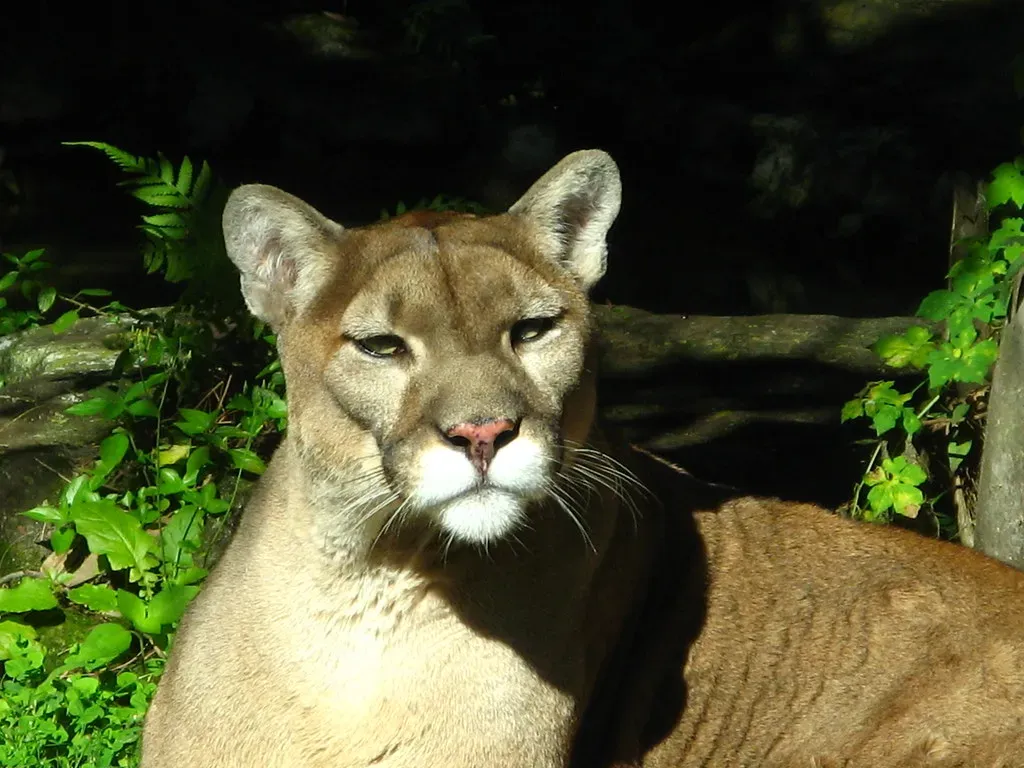
The Florida panther is a subspecies of cougar that now clings to survival mostly in southern Florida, especially in and around the Everglades and nearby forests. Once, similar big cats roamed across much of North America, but now this population is boxed into a crowded peninsula full of highways, housing developments, and canals. The number of Florida panthers has improved from a painfully low count decades ago, but the population is still small, isolated, and constantly under threat.
One of the leading causes of death for these cats is vehicle collisions, which says a lot about how roads slice up their habitat. They also struggle with genetic issues due to inbreeding, a direct consequence of having so few individuals in such a limited area. I sometimes think of the Florida panther as a kind of living stress test for how much wildness we’re willing to leave in our most developed places. If we keep paving and building without thinking, this big cat will be pushed off the map not by some dramatic disaster, but by a slow, relentless squeeze.
Kemp’s Ridley Sea Turtle – The Ocean’s Most Imperiled Turtle
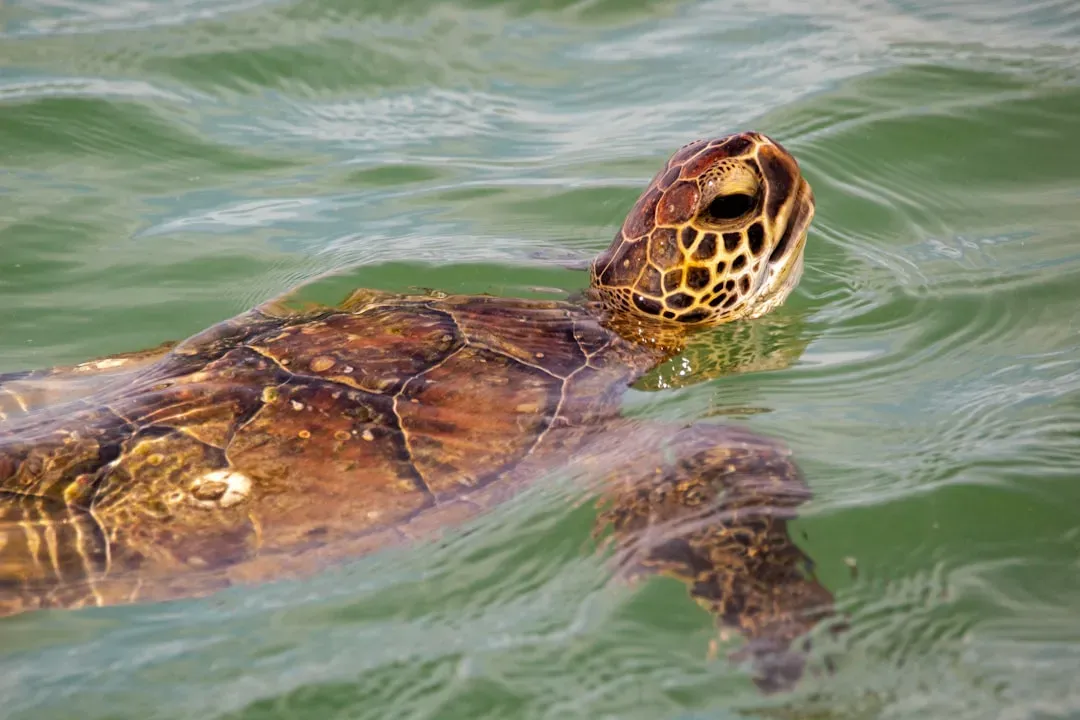
Kemp’s ridley sea turtles are the smallest and among the most endangered sea turtles on the planet, with their primary nesting grounds centered around the Gulf of Mexico. Their numbers crashed in the twentieth century due to egg harvesting, bycatch in fishing gear, and pollution, and they’ve been struggling to recover ever since. These turtles perform mass nesting events on beaches, called arribadas, that should be a spectacular, normal part of coastal life, but instead feel like fragile, closely guarded miracles.
Today, conservation efforts focus on protecting nest sites, reducing bycatch with modified fishing gear, and cleaning up coasts and oceans. Still, oil spills, plastic waste, and warming seas loom over their future like a constant shadow. I remember standing on a beach once, watching a tiny sea turtle hatchling flail its way to the surf, and feeling both awe and guilt at the same time. It’s hard not to wonder how many human decisions that little turtle is carrying on its back as it disappears into the waves.
Whooping Crane – A Bird Brought Back from the Brink
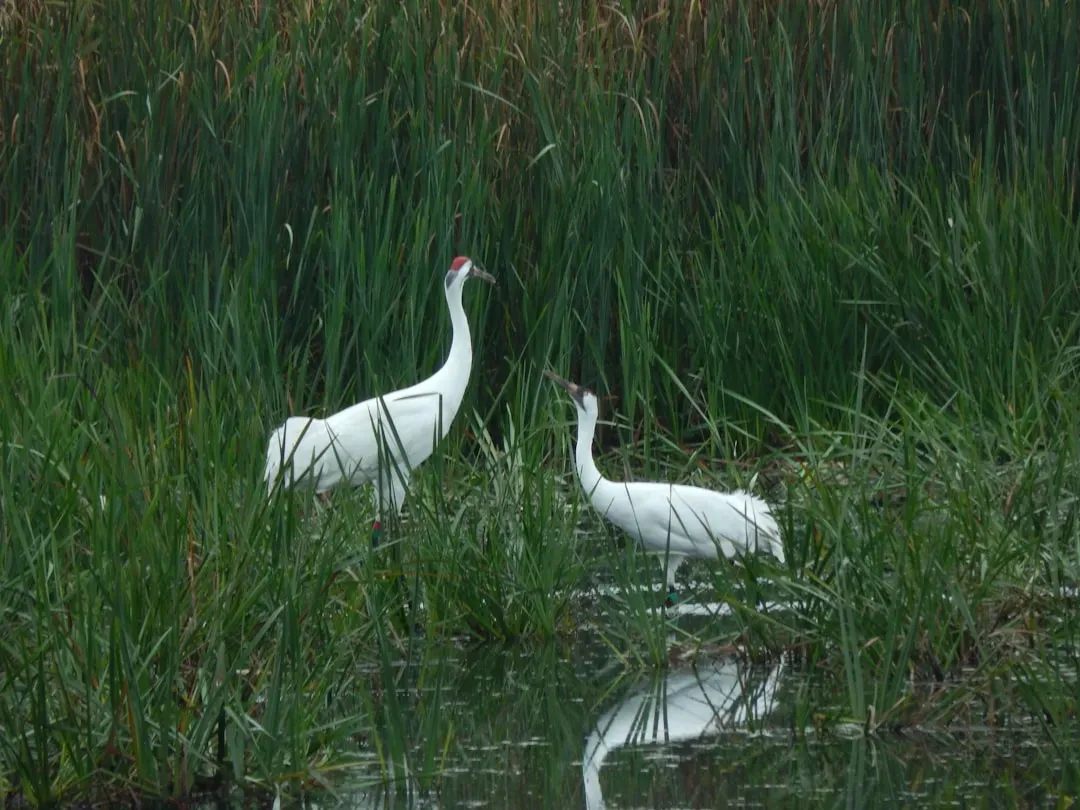
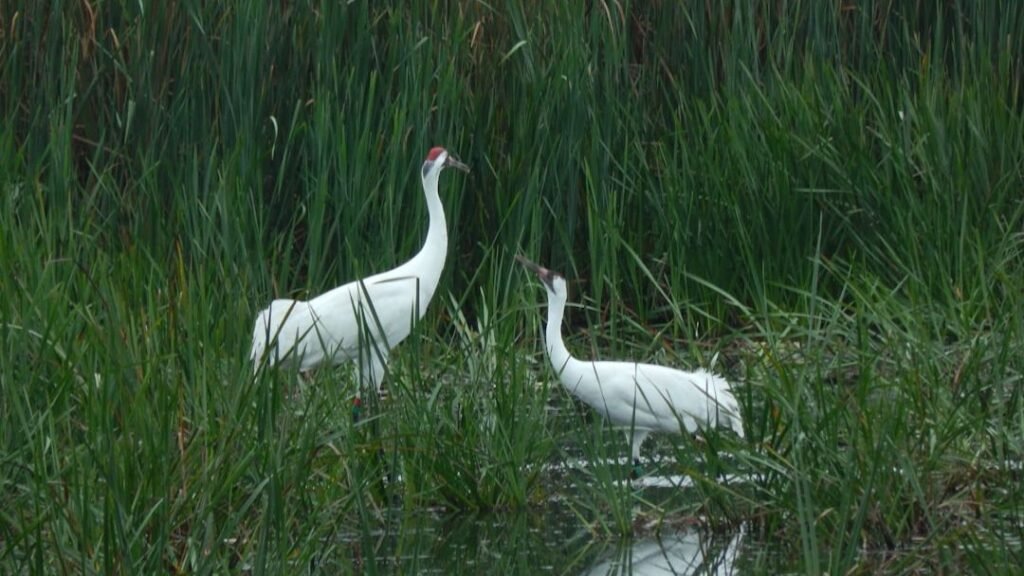
The whooping crane is one of the tallest and most striking birds in North America, bright white with a red crown and black wingtips you can spot from far away. In the mid-twentieth century, there were only a handful of these birds left in the wild, making them a textbook example of near-extinction. Through intense conservation work, the main wild population that migrates between Texas and Canada has grown, but the species is still listed as endangered and faces serious risks.
Whooping cranes depend on wetlands and coastal marshes, habitats that are vanishing or changing fast due to development, pollution, and climate-driven sea level rise. Creating new migratory populations has included bizarre and fascinating efforts like using aircraft to guide young cranes along migration routes. To me, this species shows both the best and worst of us: we almost wiped it out, then devoted extraordinary creativity and money to pull it back. The question hanging in the air is whether we’ll give it enough healthy land and water to make all that effort last.
Hawaiian Monk Seal – A Survivor in a Changing Pacific
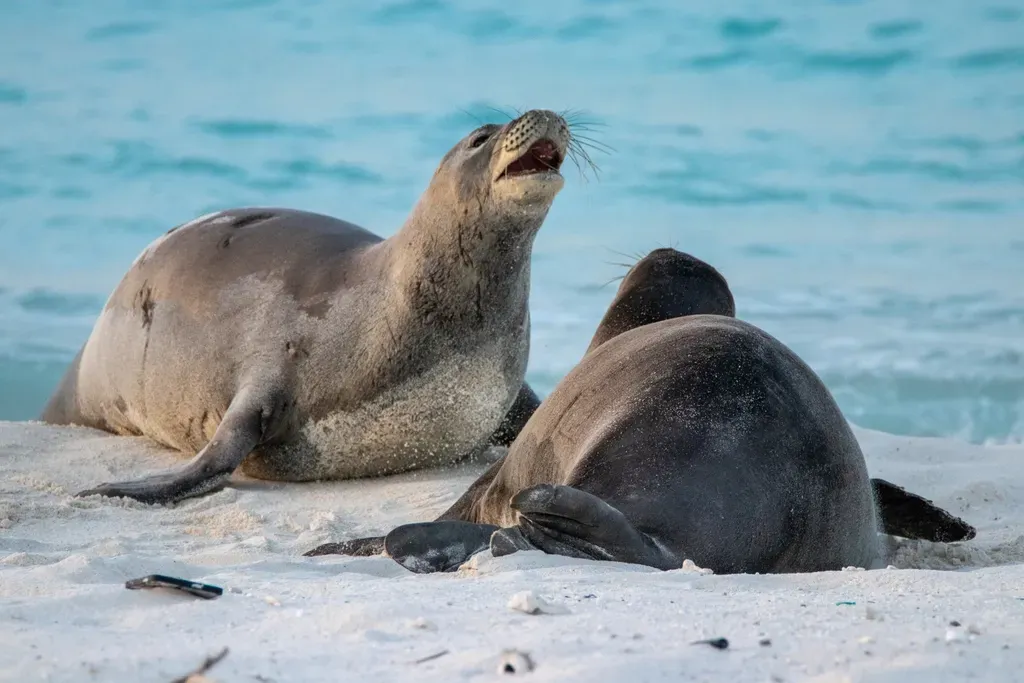
The Hawaiian monk seal lives only in Hawaii, making it one of the few truly tropical seals on Earth, and also one of the most endangered. Most individuals are found in the remote Northwestern Hawaiian Islands, with a smaller but slowly growing number around the main inhabited islands. Threats include entanglement in discarded fishing gear, habitat loss as beaches erode or disappear, disease, and competition for food in a rapidly changing ocean.
Scientists and local communities have been working together to rescue entangled seals, protect critical beaches, and reduce human disturbance, especially where seals haul out to rest. Climate change adds another layer of stress, as rising seas can literally drown low-lying islands where they give birth and nurse pups. I think of monk seals as the quiet neighbors we barely notice on vacation photos, lounging on sand that may not exist in a few decades. Their fate is tightly linked to how seriously we take plastic waste, carbon emissions, and respect for the few wild corners we have left.
Choosing What Kind of Country We Want to Be
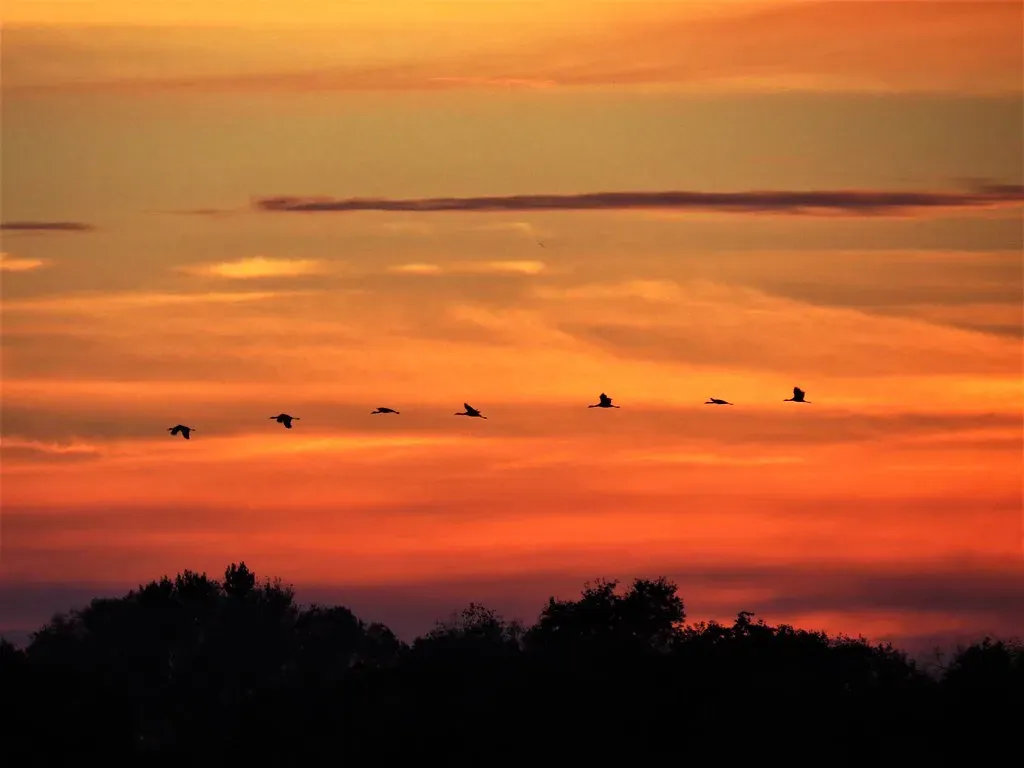
These five species are not just a random list; they are a mirror held up to the United States, showing how we treat the living world that shares our home. A wolf in the South, a panther in Florida, a tiny sea turtle in the Gulf, a towering crane in the wetlands, and a monk seal in the Pacific all tell the same story: habitat lost piece by piece, risks added year after year, and a turning point that is happening right now rather than some distant future. Laws like the Endangered Species Act, local protections, careful development, and personal choices about what we consume and support all factor into whether these animals fade or endure.
Protecting them is not only about saving rare creatures; it’s about deciding whether we’re comfortable living in a country where silence and emptiness replace the calls, tracks, and shadows of wild animals that have been here far longer than we have. We can choose to leave space for them, to pay attention when their numbers dip, and to treat conservation as a shared responsibility instead of a niche hobby. The next few decades will answer a simple but heavy question: when future generations look back, will they see these species as survivors we chose to stand with, or as losses we watched unfold and did nothing to stop?