
Right now, somewhere on this planet, a species is taking its last breath. That might sound dramatic, but honestly, it is not an exaggeration. Scientists are arguing that we are in the midst of a sixth mass extinction event, and without intervention, an estimated one million species are at risk of extinction in the next few decades. These are not just statistics on a page. They are living, breathing creatures whose disappearance would rip something irreplaceable from this world.
Over 44,000 species land on the IUCN Red List as threatened, spotlighting the biodiversity emergency amid surging climate pressures and habitat squeezes. Yet the story is not all doom and gloom. Around the globe, passionate scientists, rangers, communities, and everyday people are fighting back with everything they have. Here are five of the most extraordinary species in that fight, and the conservation heroes working tirelessly to save them. Let’s dive in.
The Vaquita: The World’s Most Endangered Marine Mammal
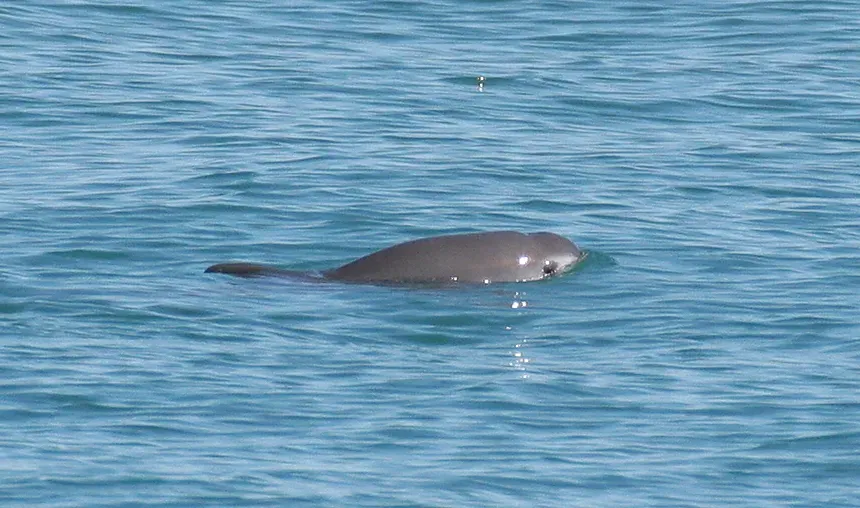
If you have never heard of the vaquita, you are not alone, and that is part of the tragedy. The vaquita, a small porpoise found only in Mexico’s Gulf of California, is the world’s most endangered marine mammal, with fewer than 10 individuals estimated to survive in 2026, facing extinction primarily due to bycatch in illegal gillnet fishing operations targeting another endangered species, the totoaba fish. Think about that for a moment. Fewer than ten. That is less than the number of people in most family gatherings.
Conservation efforts have intensified, with Mexico implementing stronger enforcement against illegal fishing and developing alternative livelihoods for fishing communities, while scientists are exploring innovative technologies like acoustic monitoring and drone surveillance to protect the remaining vaquitas. The heroes here are not just the scientists. They include the local fishermen who have agreed to change how they make a living, which is arguably the hardest sacrifice of all.
International pacts are delivering real results, with CITES resolutions in 2026 clamping down on totoaba trade routes, slashing vaquita gillnet encounters by roughly a third per patrol logs. It’s hard to say for sure whether these interventions will come in time. Still, the combination of international pressure, technology, and community cooperation gives this tiny porpoise a fighting chance that seemed impossible just five years ago.
The Javan Rhino: A Ghost in the Forest
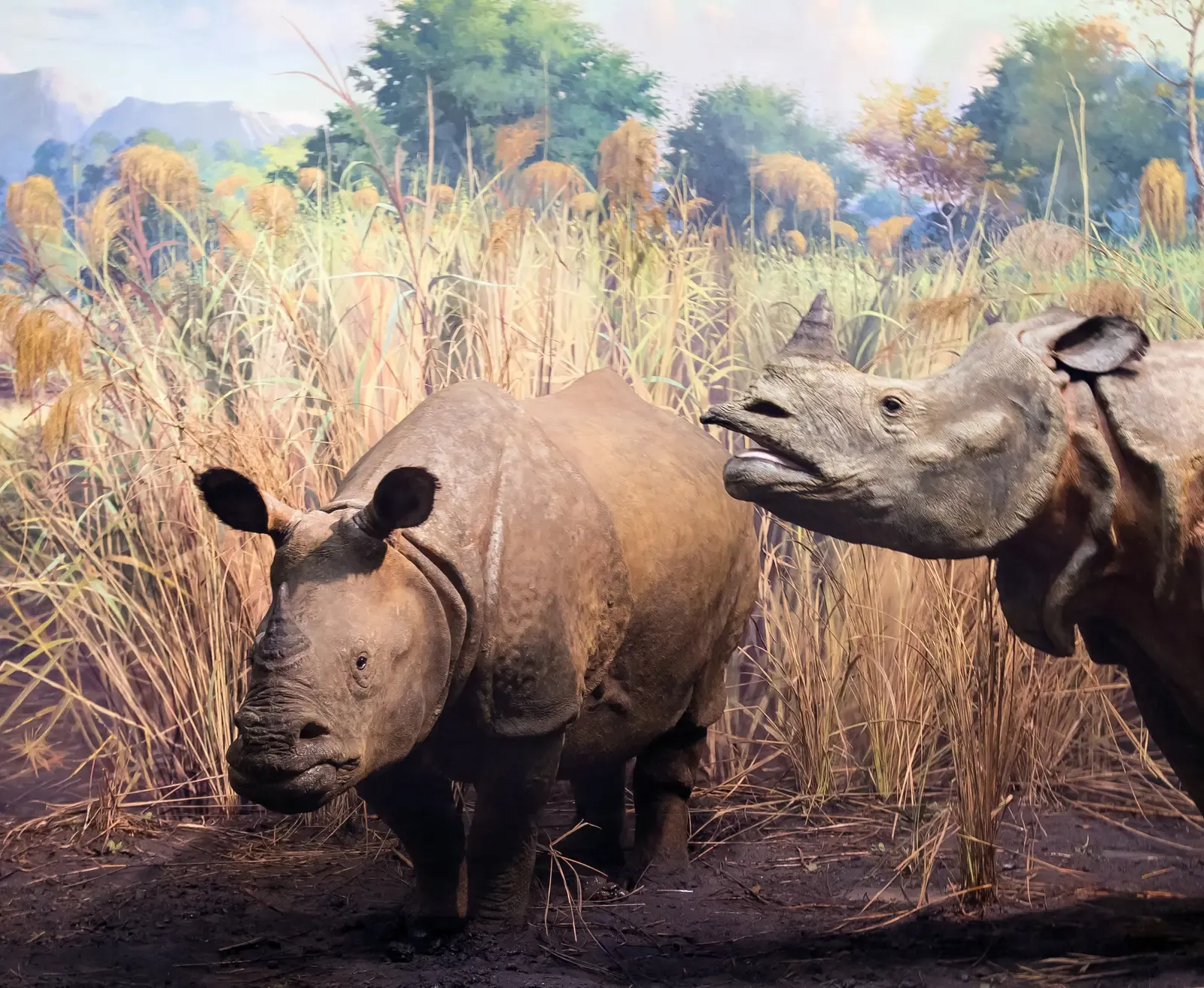
The Javan rhinoceros is one of the world’s most critically endangered mammals, and once spread across Southeast Asia, it now survives only in a single place: Ujung Kulon National Park in Indonesia, with fewer than 80 individuals remaining – a species with its small, single horn and armor-like skin folds that is a relic of the Ice Age. Honestly, it is almost miraculous that this creature still exists at all.
The Javan rhino is shy and solitary, making it exceptionally hard to research. Present threats include habitat degradation, natural disasters since Ujung Kulon is situated close to an active volcano, disease, and low genetic diversity, while invasive plants such as Arenga palm are competing with the rhinos’ native food plants. Imagine living in a house where intruders keep replacing your food with something inedible. That is essentially what these animals experience every day.
Drones fitted with thermal sensors now map Javan rhino territories, spotting heat signatures through dense canopy. Hearteningly, camera traps continue to show evidence of strong calves, which proves that the population is still breeding. Even so, without a secondary habitat location or population relocation, the Javan rhino remains just one disaster away from extinction. That vulnerability is precisely why conservation efforts here cannot afford to slow down even for a single season.
The Amur Leopard: A Comeback Written in Pawprints
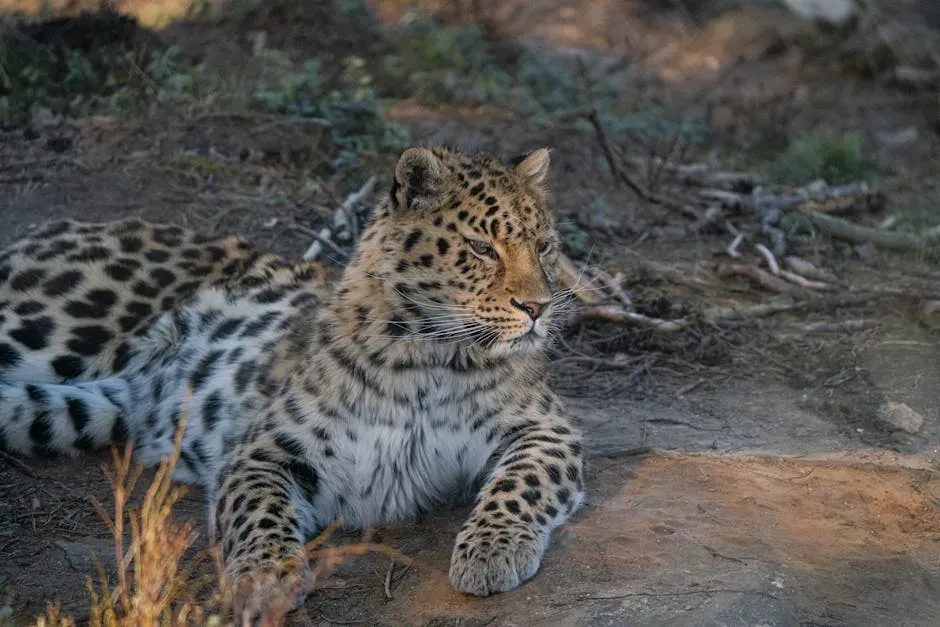
The Amur leopard is the world’s rarest big cat and a critically threatened species, with estimates of merely about 85 to 120 cats in the wild, mostly in the Russian Far East and northeast China, uniquely adapted to snowy and cold weather with thick, pale fur and long limbs. You want to talk about resilience? This animal has been dangling at the edge of extinction for decades and refuses to fall.
In the past, the Amur leopard was critically endangered due to poaching, logging, and human-wildlife conflict caused by habitat fragmentation from agriculture and development, yet during the last decade, concerted conservation efforts have slowed the decline and even marginally boosted the population, with anti-poaching patrols, captive breeding, and better ecological corridors proving crucial. Think of it like threading a needle in a storm – incredibly difficult, but not impossible.
Protected areas now cover roughly nine-tenths of the current range of the Amur leopard population, and they are also moving into suitable habitats outside of these protected areas. Even so, the Amur leopard’s future is threatened by its low population and limited genetic variation, and disease, logging, and construction of roads have the potential to reverse decades of recovery, meaning its survival hinges significantly on rigorous protection, habitat rehabilitation, and regional cooperation between Russia and China. The conservation heroes watching over this animal are playing a long game, and every single cub matters enormously.
The Sumatran Orangutan: Our Forest Cousin in Crisis
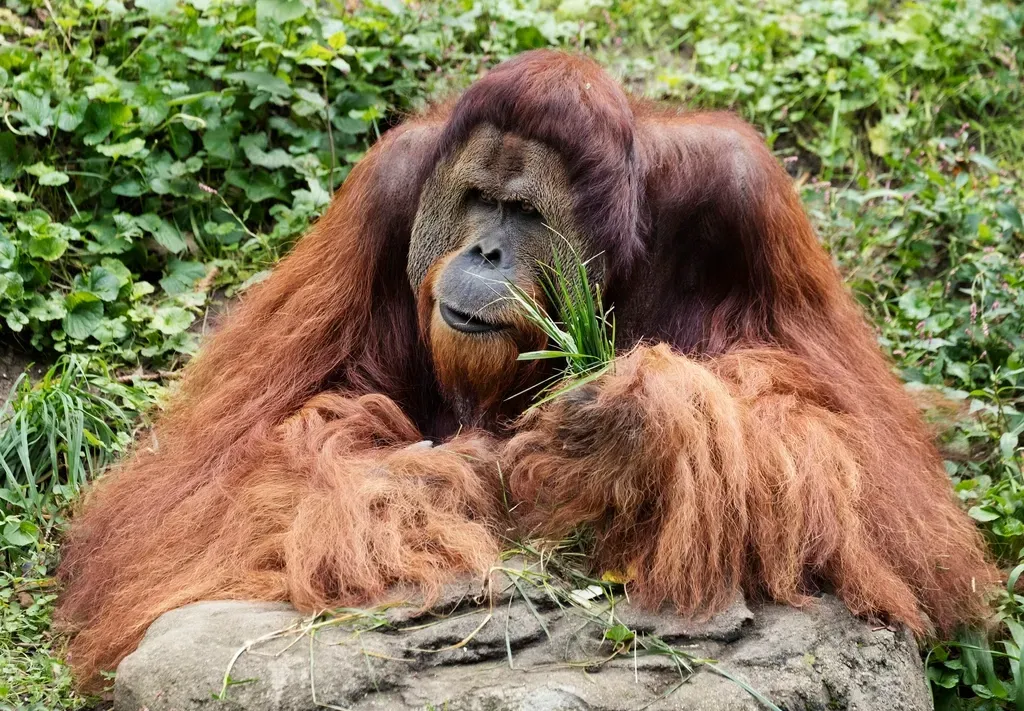
Deep in the rainforests of Sumatra lives the Sumatran orangutan, a great ape with expressive eyes, human-like hands, and a mind capable of tool use and empathy – but their numbers are dwindling rapidly, with only around 14,000 remaining in the wild, losing their homes to palm oil plantations, illegal logging, and mining. There is something uniquely unsettling about watching a creature so like us suffer at the hands of us.
Sumatran orangutans are arboreal masters, spending nearly their entire lives in trees, building elaborate nests every night and using sticks as tools to fish for insects or extract seeds, with mothers nurturing their young for up to eight years, teaching them everything they need to know, just as humans do. When you look at it that way, forest destruction is not just habitat loss. It is the destruction of whole cultural traditions passed from mother to child.
Conservationists are working to protect these habitats and rehabilitate orphaned orangutans, with organizations pushing for sustainable palm oil production and stronger policies to safeguard their environment, though illegal logging and forest fires continue to threaten their existence, making the future uncertain. Today, the majority of these orangutans are found in the northernmost tip of Sumatra in the Leuser Ecosystem, a landscape that includes tropical lowland rainforests and steamy peatland swamps. The race to protect that ecosystem is one of the most important conservation battles on Earth right now. You can play a part in it simply by checking the palm oil content in the products you buy.
The Kakapo: The Flightless Parrot That Refuses to Quit
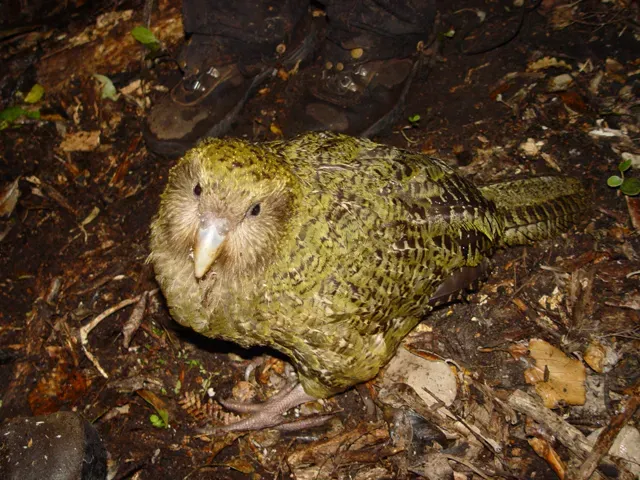
Meet the kakapo: a chubby, moss-green parrot that cannot fly, smells like honey, and comes out only at night – native to New Zealand and unlike any other bird on Earth. Once common across the islands, the kakapo nearly vanished after the arrival of humans and their introduced predators like cats and stoats, with only about 50 individuals left by the 1990s. Let’s be real – there are office buildings with more occupants than that.
Thanks to one of the most intensive conservation programs ever attempted, there are now over 200 kakapos. They are slow breeders, with females laying eggs only when native fruit trees produce a good crop, and each chick is cared for like a treasure, monitored by scientists and volunteers who watch every nest through remote cameras. It is the kind of dedication that makes you genuinely feel hopeful about humanity’s capacity for care.
Kakapos are now restricted to predator-free islands including Codfish Island, Anchor Island, and Little Barrier Island to stabilize their numbers. However, their limited genetic diversity poses a real risk, requiring careful management and scientific intervention. The kakapo, a flightless parrot from New Zealand, has benefitted enormously from dedicated recovery programmes, and its story is proof that even a species once written off can be brought back. I think the kakapo, more than almost any other animal, is the symbol that conservation can actually work when people care enough to act.
Conclusion: The Fight Is Far from Over
Every one of these five species represents something bigger than just an animal fighting to survive. In a world grappling with environmental challenges, there are unsung conservation heroes who have taken it upon themselves to protect and preserve the delicate balance of nature, dedicating their lives to safeguarding endangered species, restoring ecosystems, and inspiring communities to cherish and protect our planet’s incredible biodiversity. These people deserve far more recognition than they get.
There have been many success stories, thanks to strong conservation and wildlife protection laws, rehabilitation and breeding programs, and other interventions that were properly implemented. The tools are there. The knowledge is there. What is needed most is the will, and that begins with awareness. You don’t need to be a scientist or dedicate your life to conservation to make a difference – simple choices about what you buy, how you live, and how you engage with the natural world all contribute to wildlife protection.
The vaquita, the Javan rhino, the Amur leopard, the Sumatran orangutan, and the kakapo are all still here, which means there is still time. The question is not whether these species are worth saving. The question is whether you will be part of the generation that saved them. What would you choose?