
For decades, planetary formation sounded almost tidy: a young star, a swirling disk of gas and dust, small rocks sticking together, and eventually planets marching in neat orbits like a model in a classroom. Then better telescopes, sharper simulations, and a flood of data from exoplanets arrived and quietly blew that orderly picture to pieces. The universe, it turns out, is far messier, more violent, and far more inventive than the old textbook diagrams ever suggested.
Right now, several celestial phenomena are forcing astronomers to rewrite fundamental assumptions about how planets are born, migrate, and sometimes die. Some of these discoveries are so wild they sound more like science fiction than astrophysics: planets raining rocks, worlds skimming their stars in impossible orbits, and whole disks being ripped apart by unseen companions. I still remember the first time I saw a high-resolution image of a protoplanetary disk with giant gaps carved out of it; it felt less like a picture and more like the universe holding up a sign saying, “Your theory is outdated.”
Hot Jupiters: Giant Planets in Impossible Orbits
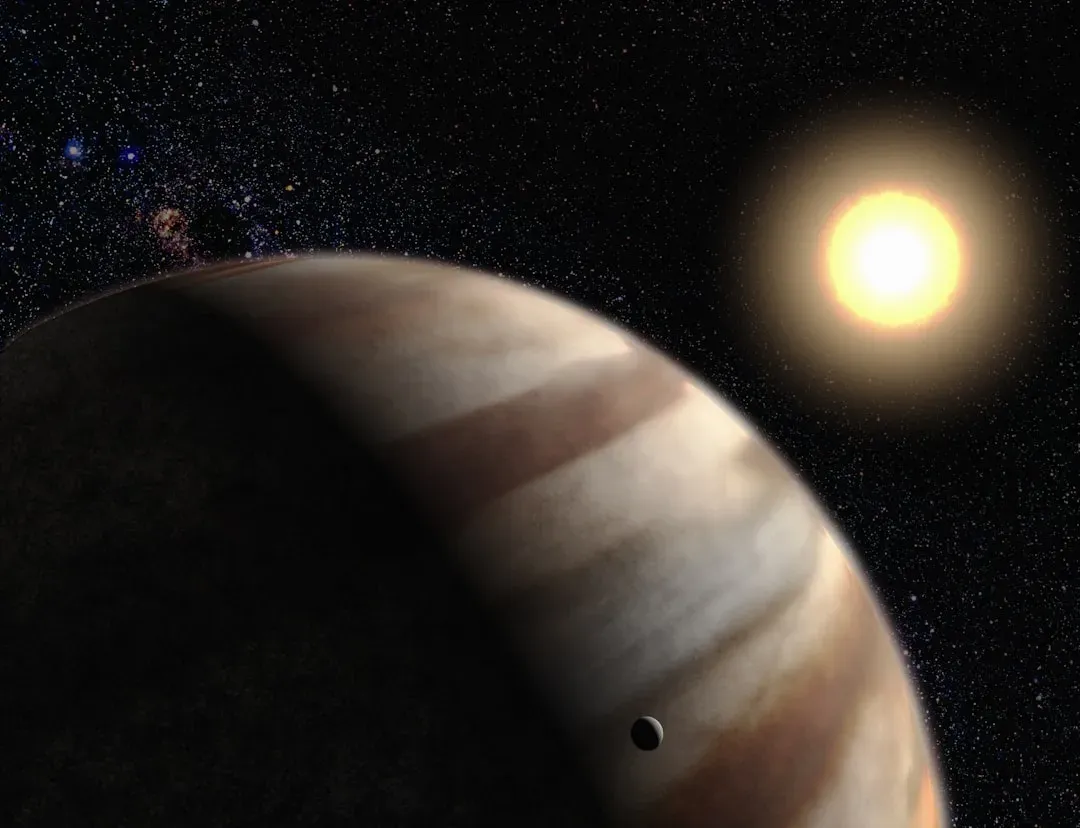
Imagine a planet larger than Jupiter whipping around its star in just a few days, so close that its atmosphere could be literally boiling away. These so‑called hot Jupiters were some of the first exoplanets ever found, and they were a shock, because classic planetary formation models said gas giants should only form far from their stars, beyond the “snow line” where ices can condense. Yet observations have revealed many such giants hugging their stars, forcing astronomers to confront a central question: how did something so big end up so close?
The leading explanation is planetary migration, where a planet forms far out in the disk and then spirals inward through interactions with gas or other planets, like a bowling ball plowing through a crowded dance floor. But even that story is getting complicated: some hot Jupiters may have been kicked inward on highly tilted or even backward orbits by gravitational encounters, only later circularizing close to their stars. These worlds challenge the notion of stable, clockwork-like planetary systems and suggest that chaos, collisions, and rearrangements might be the norm rather than the exception, reshaping how we think our own Solar System avoided – or maybe only partially avoided – that kind of turmoil.
Warped and Broken Protoplanetary Disks
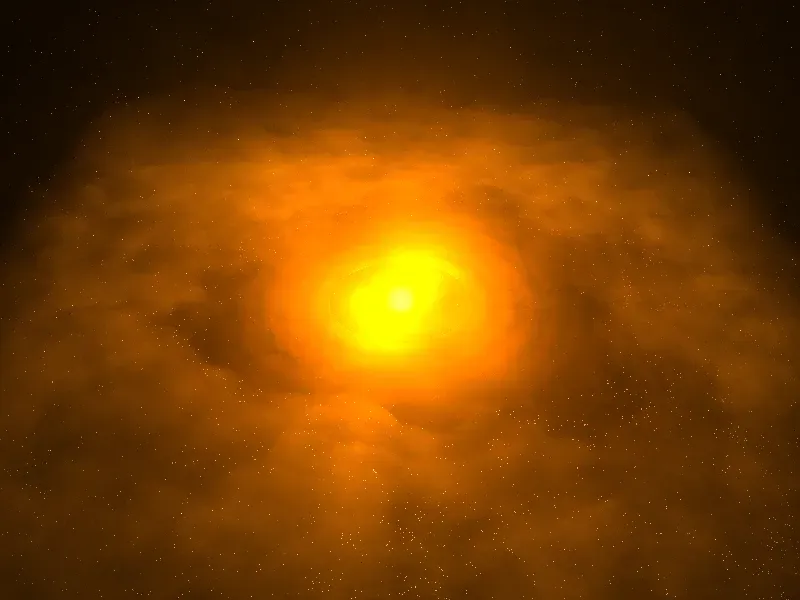
If planetary systems are born from flat, graceful disks, why are we now seeing disks that look torn, twisted, or even snapped into misaligned pieces? High-resolution images from observatories like ALMA and the Very Large Telescope have revealed protoplanetary disks with sharp gaps, spiral arms, and striking warps, as if some invisible sculptor has been carving them from within. These structures are not just pretty patterns; they are fingerprints of powerful gravitational forces at work, often hinting at unseen planets already forming and reshaping their birth environment.
In some young systems, inner and outer disk regions are clearly tilted relative to each other, suggesting that massive companions or stellar flybys have twisted the whole structure. This kind of geometry means that planets can form on orbits that are not only eccentric but inclined or even misaligned with their stars’ rotation. That undermines the old expectation that planets should be neatly aligned like rings on a target and suggests that tilts and warps are baked in early. The more of these broken disks we see, the more it looks like planetary formation is less like a calm potter’s wheel and more like clay being yanked and twisted while it’s still wet.
Free-Floating Planets: Worlds Without Suns
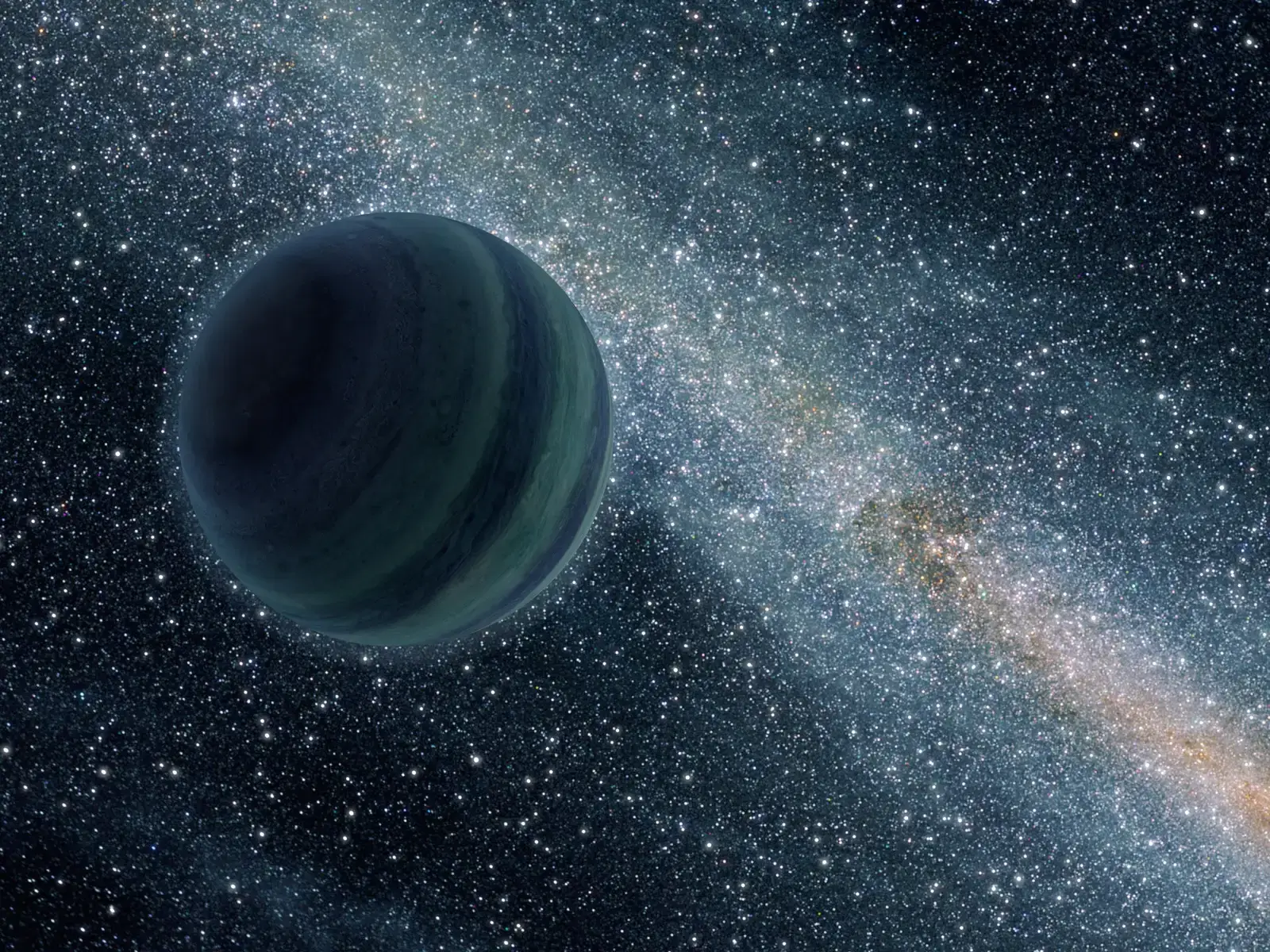
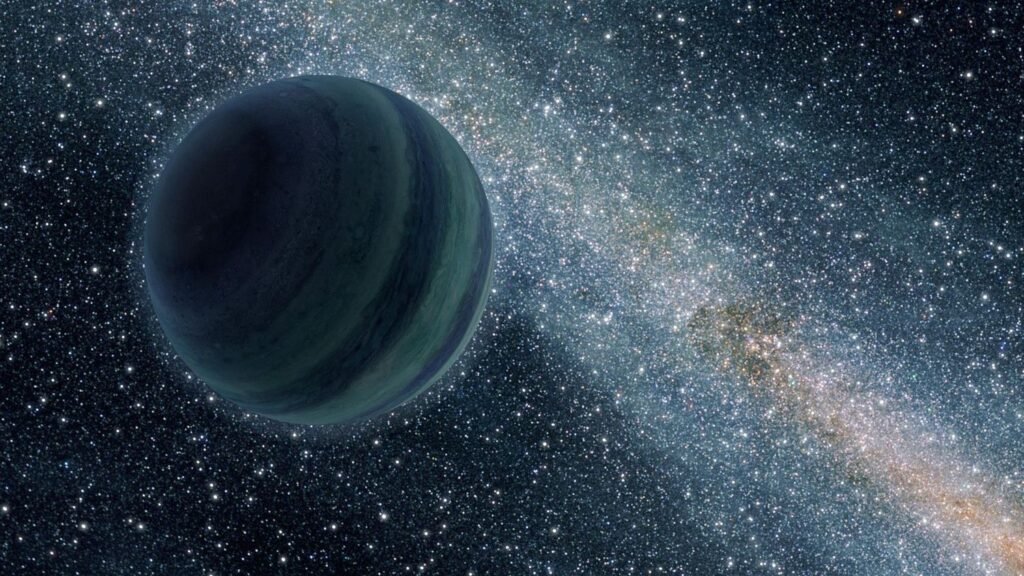
One of the strangest ideas to gain traction recently is that there may be planets drifting through the galaxy with no star at all, just lonely worlds moving through the dark. Surveys using gravitational microlensing and deep infrared observations have turned up tantalizing candidates for these free-floating planets, some possibly similar in mass to Jupiter and others maybe even smaller. They seem to exist in numbers large enough that they can’t be dismissed as rare flukes, and that raises a fundamental question: are they failed stars, or are they planets that were born in systems and then violently kicked out?
If many of these objects were once part of planetary systems, their very existence is a powerful clue that orbital chaos and ejection are common outcomes of planet formation. In that picture, building a planetary system is a bit like building a city and then bulldozing some of the houses into the wilderness. It also hints that the line between small star and large planet might be blurrier than we assumed, with some of these wanderers forming in isolation from collapsing clumps of gas. Either way, free-floating planets force us to expand planetary formation theories beyond the tidy “disk around a single star” framework and consider a galaxy where losing planets might be as normal as keeping them.
Super-Earths and Mini-Neptunes in the Planetary Desert
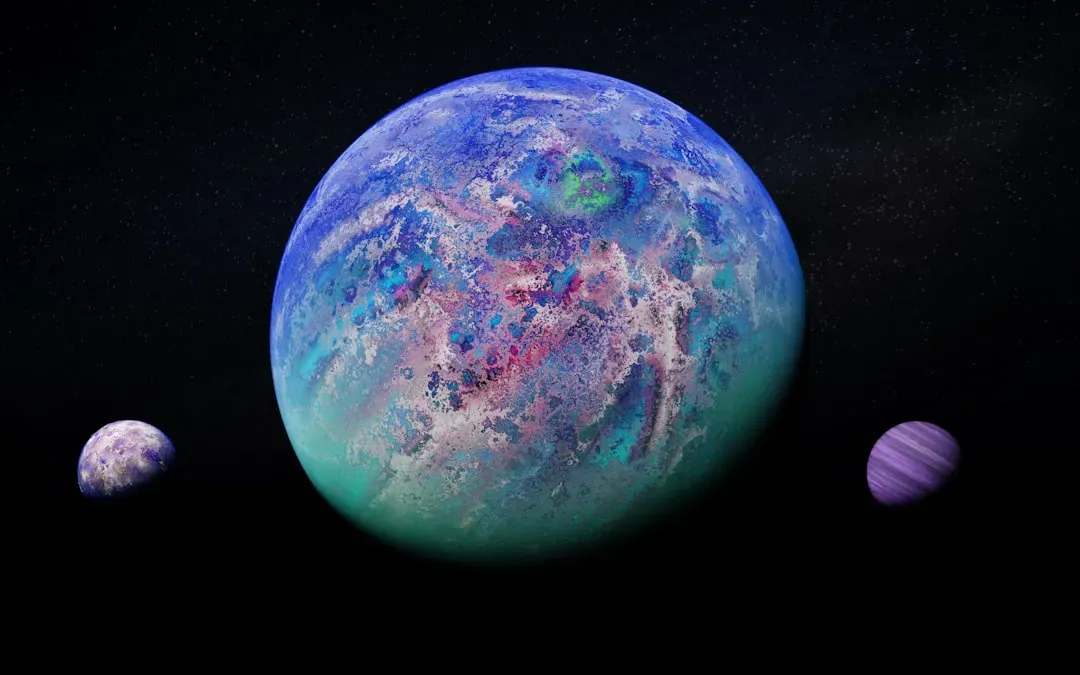
When astronomers started cataloging exoplanets by the thousands, a shocking pattern emerged: the most common kinds of planets out there are ones our Solar System simply does not have. Many stars host so‑called super‑Earths and mini‑Neptunes, planets a bit larger than Earth but smaller than Neptune, with sizes and compositions that sit in a regime completely missing between Earth and Uranus here at home. That gap in our own system used to seem trivial; now it looks like a cosmic oddity.
This discovery has flipped planetary formation theories on their head, because old models were heavily tuned to explain our own eight planets. Super‑Earths and mini‑Neptunes raise questions about how quickly planetary cores grow, how much gas they can retain, and how much of their atmospheres they can lose over time to stellar radiation. Some may start out as gas-rich worlds and then get stripped down, while others may remain puffy and volatile-rich, depending on their distance from their stars and the violence of their early histories. The fact that the most common planets in the galaxy do not exist in our system forces a humbling realization: the Solar System might not be a standard blueprint at all, but a quirky outlier.
Planetary Collisions and Debris Disks in Mature Systems
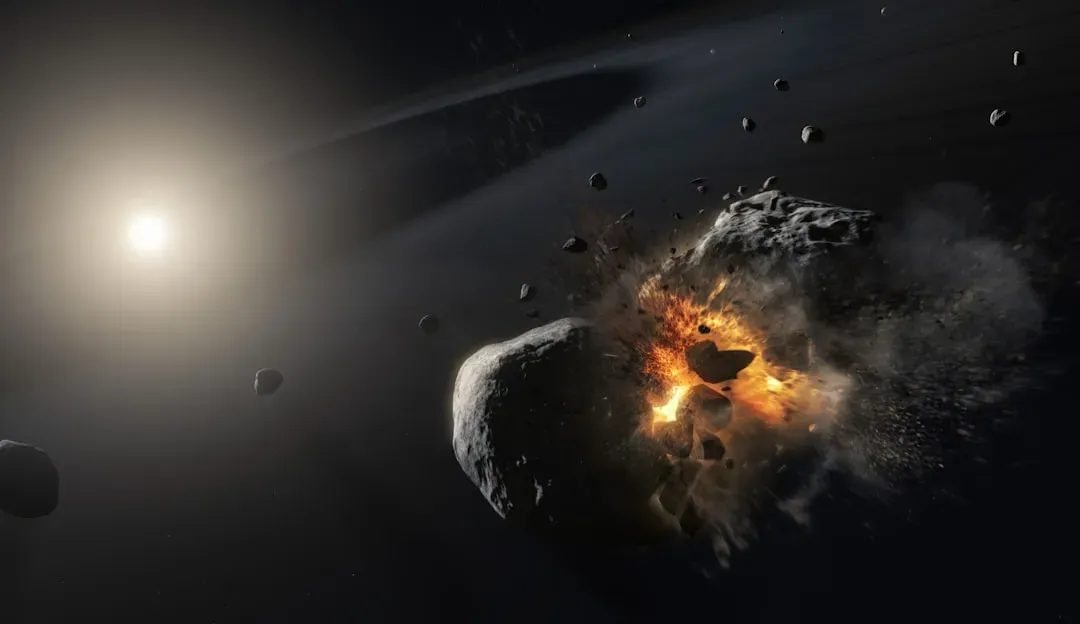
We tend to picture planetary collisions as something that happened long ago and far away, like the event that likely formed our Moon from a giant impact. But infrared observations have revealed bright, dusty debris disks around stars that are not especially young, suggesting that destructive collisions can continue surprisingly late in a system’s life. In some cases, sudden spikes in infrared brightness point to fresh dust, possibly the aftermath of massive planetary or moon-sized bodies smashing together and grinding themselves into rubble.
These violent episodes mean that planetary systems may undergo large-scale remodeling long after the initial formation phase once thought to define their final architecture. A planet that looks stable today might have migrated through a minefield of past collisions, or even be the largest survivor of a once more crowded inner system. Debris disks and collision signatures are like crime scenes preserved in starlight, telling us that planetary formation is not a clean, one-time process but an extended, occasionally catastrophic story. This forces models to stretch beyond the calm early disk stage and account for late dynamical instabilities, delayed migrations, and the possibility that some planets are literally the rebuilt leftovers of earlier worlds.
In the end, these five phenomena – hot Jupiters, warped disks, free‑floating planets, super‑Earths and mini‑Neptunes, and ongoing collisions – are less a set of curiosities and more a loud signal that our old theories were too simple. The universe keeps showing us that planetary formation can be chaotic, lopsided, and full of second chances and sudden endings. As new telescopes refine these observations, we are likely to discover that what we once considered “typical” may be anything but. Did you expect planetary birth to be this wild?