
If you think science has already figured out how our planet works, these phenomena are like a cold splash of water to the face. Beneath the Earth we walk on every day, there are processes unfolding that still leave experts scratching their heads, rewriting theories, and sometimes admitting, “We honestly don’t know yet.” That uncertainty can be a little unsettling, but it’s also what makes geology one of the most exciting sciences right now.
I remember standing once on a fault line in a supposedly “quiet” region and feeling a faint tremor that wasn’t supposed to happen there. The geologist next to me just shrugged and said something along the lines of, “Earth doesn’t read our models.” That moment stuck with me. The more we measure, the more strange patterns we discover, and the clearer it becomes that our planet is far weirder, wilder, and more unpredictable than the diagrams in school textbooks ever suggested.
The Unpredictable Heartbeat of Earthquakes
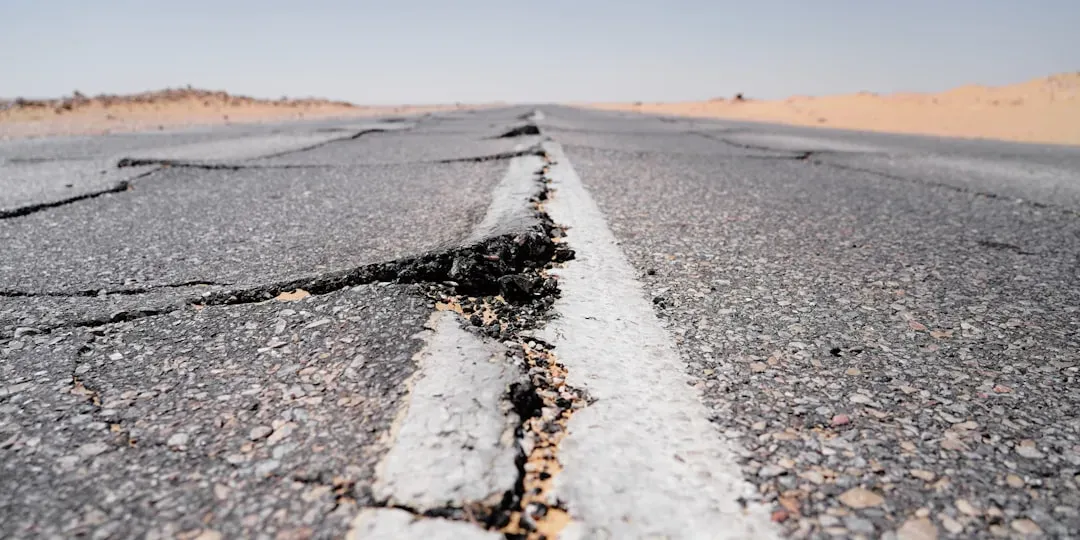
Every year, thousands of earthquakes ripple through the planet in places where they’re expected, and then some strike in regions that geologists still struggle to explain. We have broad ideas about tectonic plates grinding, colliding, and slipping, but the exact timing, size, and even location of many quakes remain maddeningly elusive. Deep earthquakes, which occur far below the brittle crust where rocks should be too hot and soft to crack, are especially baffling. The fact that massive ruptures can begin hundreds of kilometers down, where the physics should be different, complicates long-held theories about how and where rocks break.
Then there are “silent” or slow earthquakes that can last days to months, releasing energy without the sharp jolt people feel as shaking. These strange events show up as subtle shifts on GPS instruments and seafloor sensors, almost like the Earth is muttering under its breath rather than shouting. In some places, slow slip seems to precede major quakes, in others it relieves stress without any disaster, and sometimes it appears to do nothing predictable at all. Geologists are chasing patterns with better sensors and machine learning, but so far, the planet’s seismic heartbeat remains more improvisational jazz than a predictable metronome.
Sinkholes That Swallow Streets Without Warning
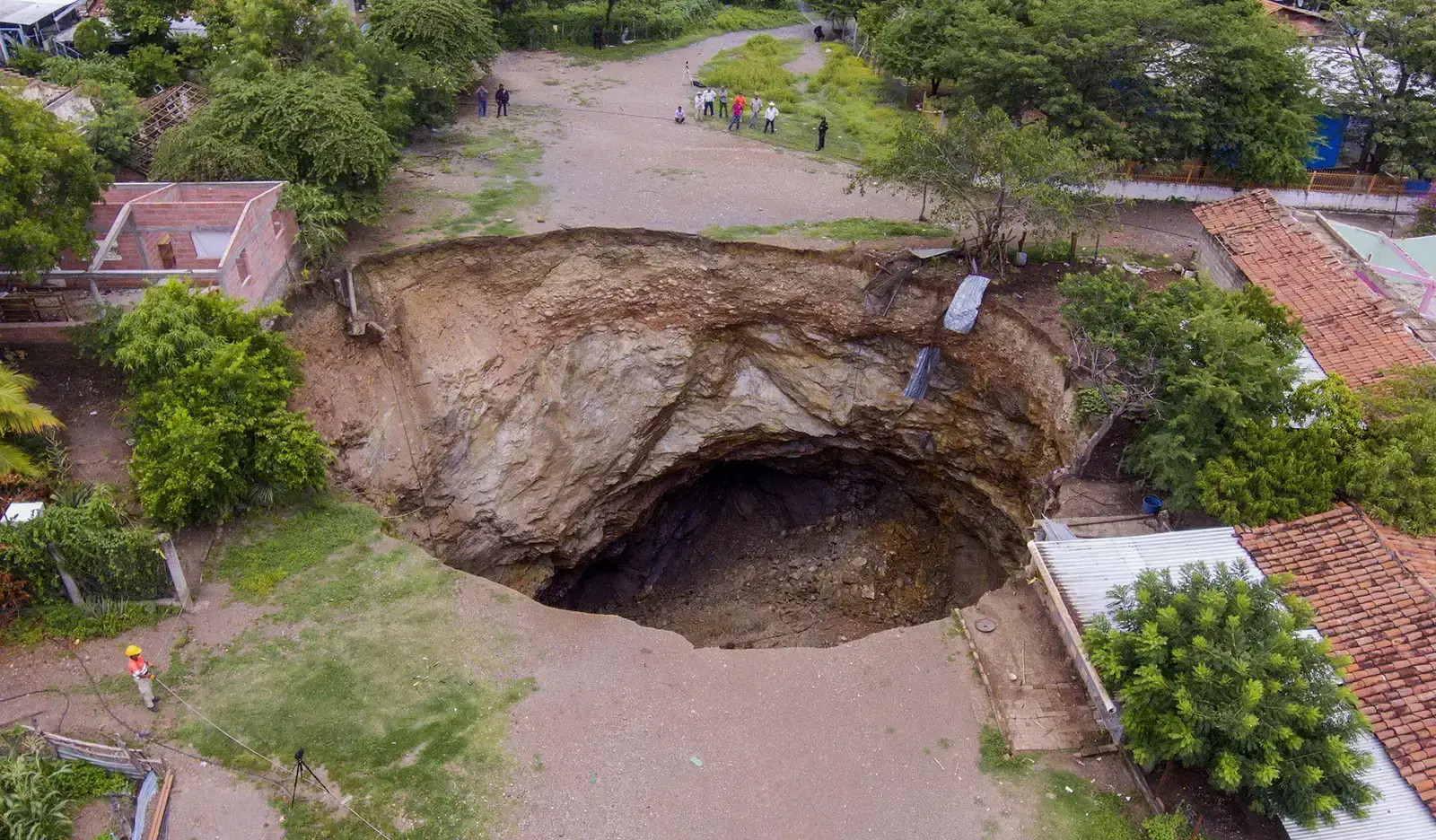
One day a parking lot looks solid, and the next it’s a gaping pit with cars stacked like toys at the bottom. That kind of sudden sinkhole collapse is the stuff of viral videos, but behind the shock is a geological mystery that’s surprisingly hard to solve. We know that soluble rocks like limestone, gypsum, and salt can slowly dissolve as groundwater moves through them, carving hidden cavities that may grow for decades or centuries. The wild card is figuring out when those hidden voids are finally going to fail and bring the surface crashing down.
Even in areas mapped as “sinkhole-prone,” predicting the exact spot and timing remains beyond current technology in most cases. Ground-penetrating radar, satellite data, and precise elevation measurements are helping identify some high-risk zones, especially in urban regions that have had repeated collapses. Still, the transition from stable ground to catastrophic crater can happen in seconds, and often with almost no warning at all. It’s a bit like living above a slow-burning candle that you can’t quite see: you know something is melting away beneath you, but not when the wax is finally going to give out.
Mysterious “Fairy Circles” and Other Geometric Land Patterns
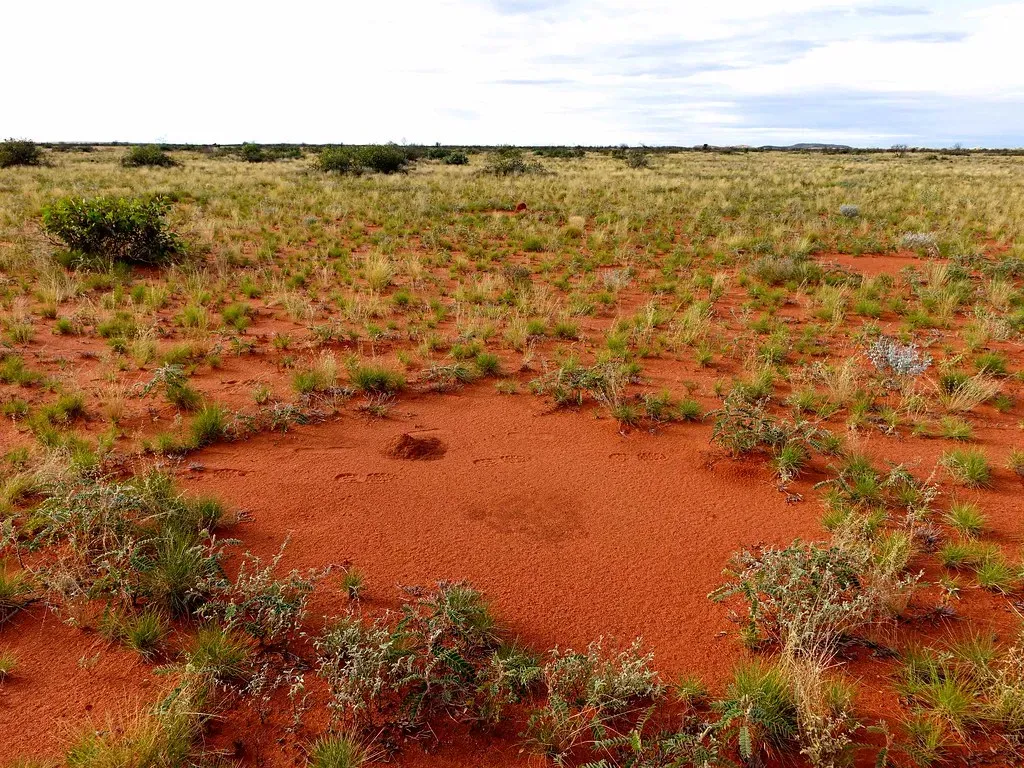
In a few remote deserts, mostly in parts of Namibia and Western Australia, vast fields of almost perfectly round, barren circles dot the landscape like some kind of coded message from an alien surveyor. These so-called fairy circles have sparked debate for years, and even now geologists and ecologists are not fully aligned on what drives their formation. Some research points toward plants competing for scarce water, creating self-organized patterns where vegetation spaces itself out to survive. Other work highlights the role of termites, which may clear patches of plants to create long-lasting nests, stepping in as landscape engineers.
What keeps this phenomenon truly puzzling is that, even with modern drone mapping and careful field studies, no single explanation fits every location and pattern. In some regions, termite activity is obvious; in others, the circles show up where termites aren’t clearly to blame, and water dynamics seem to dominate. There are also similar ring-like patterns in other ecosystems that don’t behave quite the same way, suggesting multiple processes may be converging on similar-looking shapes. It’s one of those cases where nature seems to love geometry, but the rulebook for how those shapes emerge is still being pieced together.
The Enigma of Earth’s Core and Its Wandering Magnetic Field
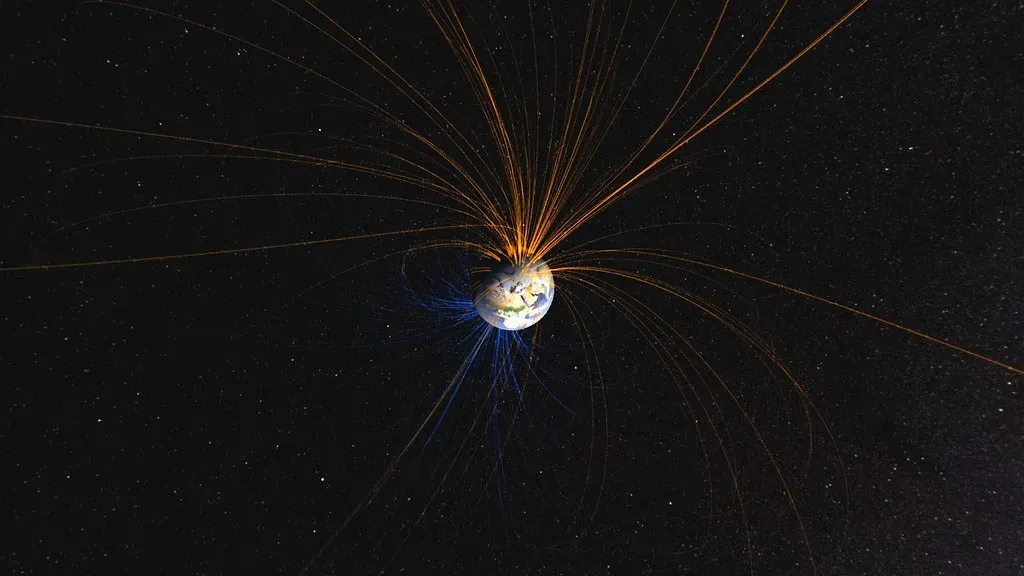
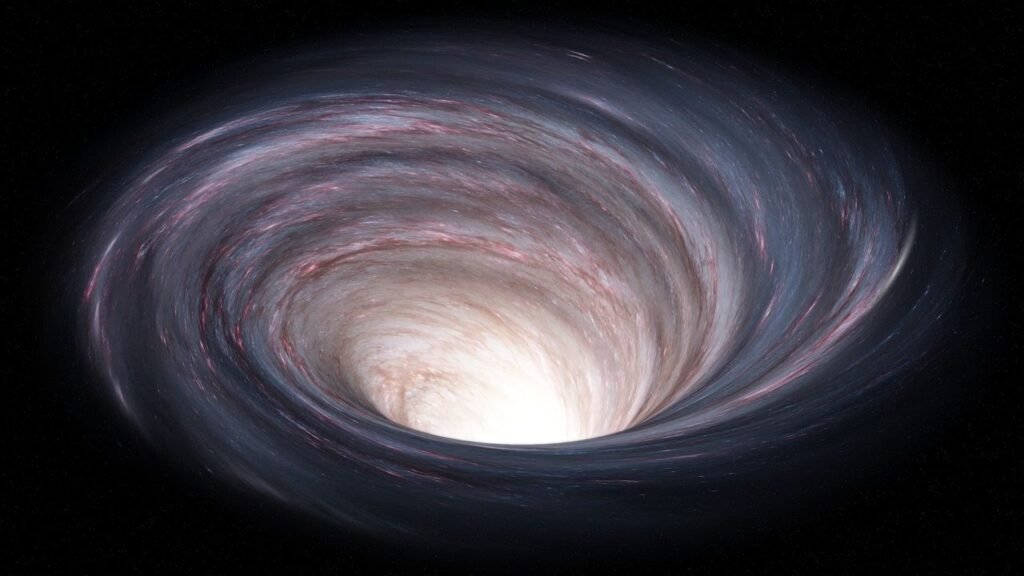
We live our entire lives on a thin shell while the real drama happens thousands of kilometers below, in Earth’s core, which no one has ever directly seen or sampled. Geologists and geophysicists infer its behavior from seismic waves, magnetic measurements, and high-pressure lab experiments, but big questions remain stubbornly open. We know there is a solid inner core and a liquid outer core made mostly of iron and nickel, and that movement in this molten metal generates the planet’s magnetic field. What’s still hazy is exactly how that swirling motion evolves over time and why it sometimes behaves so strangely.
One of the biggest puzzles is the way Earth’s magnetic poles drift, speed up, slow down, and occasionally flip entirely in what’s called a geomagnetic reversal. The north magnetic pole has been racing across the Arctic faster in recent decades, forcing navigational systems and mapping standards to keep updating. Historical rock records show many flips in polarity over millions of years, but the triggers and timing are not well understood, and we can’t yet say when the next one will happen. There are also hints that the inner core itself may be rotating at a slightly different speed or direction than the rest of the planet at times, which only deepens the sense that the engine under our feet is doing things we still don’t fully grasp.
Rogue Waves and Freak Coastal Events That Defy Expectations
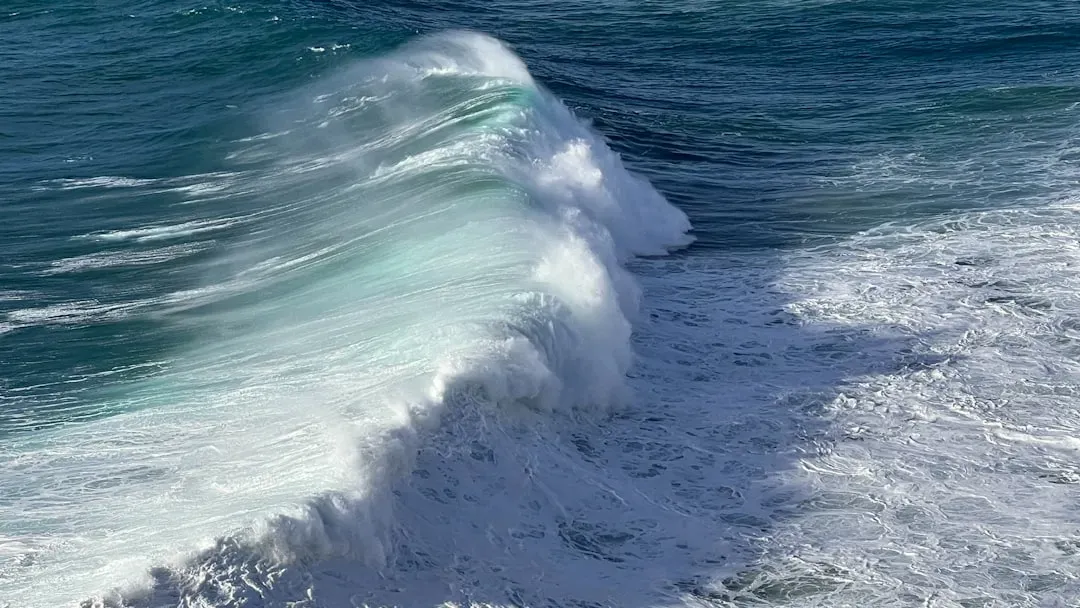
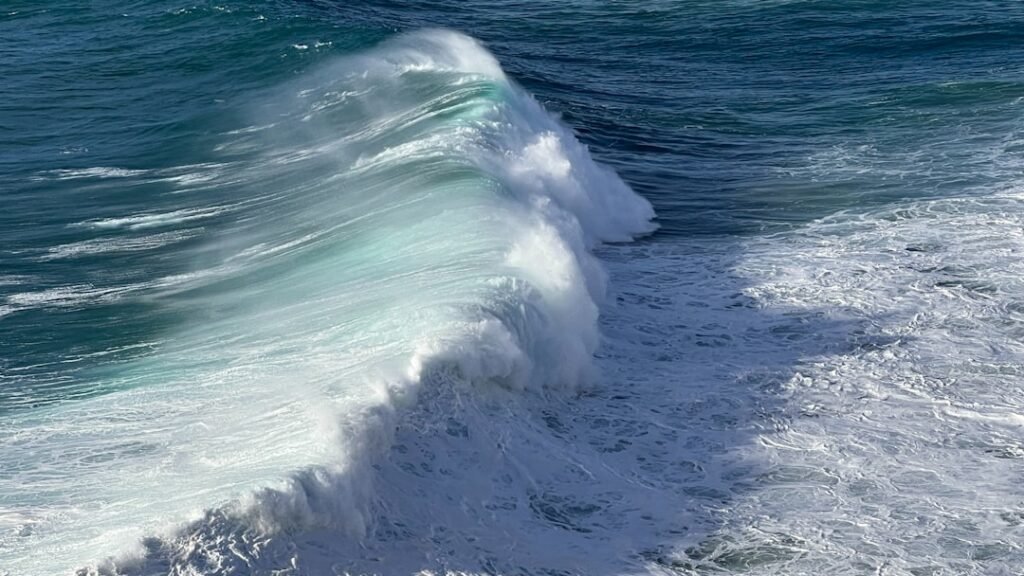
Out at sea, sailors have told stories for centuries of monstrous waves that seem to appear from nowhere, towering far above the rest of the swell and slamming ships with terrifying force. For a long time, many scientists dismissed these as exaggerations, but now we have direct measurements confirming that rogue waves – single giants more than twice the height of surrounding waves – really do occur. The question is why and how often, and that’s where things get complicated. Some evidence points to rare combinations of storms, currents, and seafloor shapes focusing energy into a single crest, while other work suggests nonlinear wave interactions can suddenly pile multiple waves into one.
Closer to shore, strange phenomena like meteotsunamis – tsunami-like waves driven by atmospheric pressure changes rather than earthquakes – add another layer of mystery. These events can surprise coastal communities that believe they’re safe because they’re far from major fault lines, and yet under the right conditions, a fast-moving storm or pressure front can shove water ashore in unexpected surges. Instruments and models are getting better at recognizing the patterns, but there are still cases that do not fit neatly into existing categories. Standing on a calm beach, it’s unsettling to realize how much of the ocean’s extreme behavior we still classify as “rare, complex, and not fully understood.”
Living on a Restless, Unfinished Planet
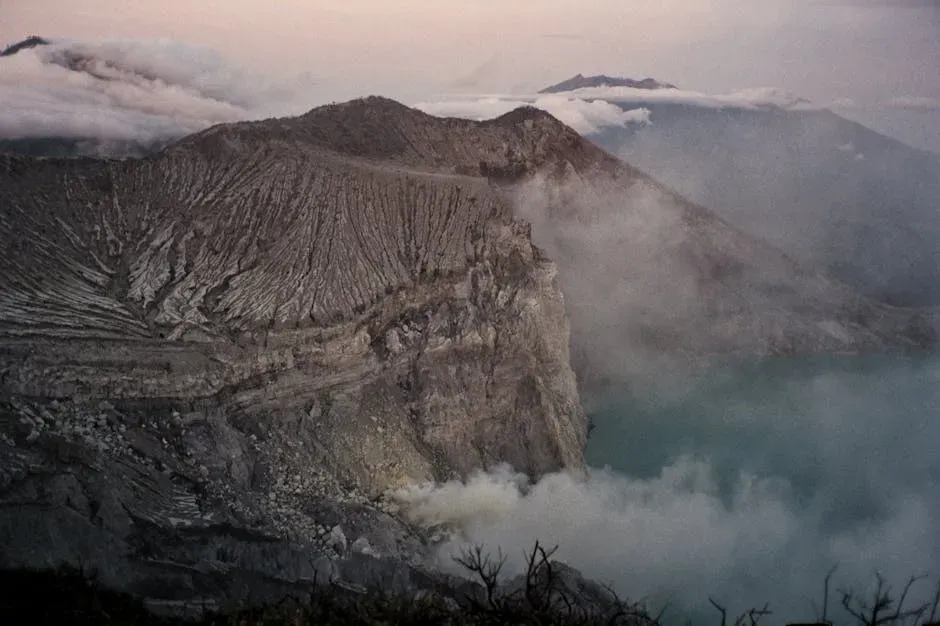
When you pull all of these puzzles together – unpredictable quakes, sudden sinkholes, eerie land patterns, a restless core, and freak waves – you get a sobering picture of a planet that’s nowhere near as tame as it sometimes looks from a window seat on a plane. For all our satellites, supercomputers, and sensor networks, there are still processes unfolding beneath our feet and beyond our horizons that refuse to fit neatly into equations. That uncertainty can feel uncomfortable, especially when lives and cities are at stake, but it’s also the fuel that keeps geologists heading back into the field, drilling another core, installing another instrument, and rewriting what we thought we knew.
On a more personal level, there’s something strangely grounding about accepting that the Earth is still, in a sense, under construction. We live on moving plates over a churning interior, under shifting skies and beside oceans capable of rare but shocking outbursts. The mysteries that remain are not signs of failure; they’re reminders that science is a conversation with a planet that is always talking back in new and surprising ways. Next time you feel a faint tremor, see a news clip of a sudden sinkhole, or watch waves crashing onto a rocky coast, it’s worth asking yourself: what else is this planet doing that we haven’t figured out yet?