
Astrology and science are usually treated like oil and water: one is framed as mystical symbolism, the other as hard-nosed evidence. But tucked inside some of the most popular zodiac claims are tiny grains of reality that researchers have actually poked, prodded, and in some cases, partially supported. This does not rescue horoscopes from the realm of belief, yet it does raise a more interesting question than “Is astrology true?” – namely, “Why do some of its predictions feel so right?” In this article, we’ll look at five classic astrological ideas and trace where they collide with real physics, psychology, and biology. Some links are surprising, some are uncomfortable, and a few are much weaker than believers hope, but all of them reveal how our brains, bodies, and environment quietly shape what feels like fate.
Seasonal Birth Effects: Why Some Signs Really Do Cluster in Certain Traits
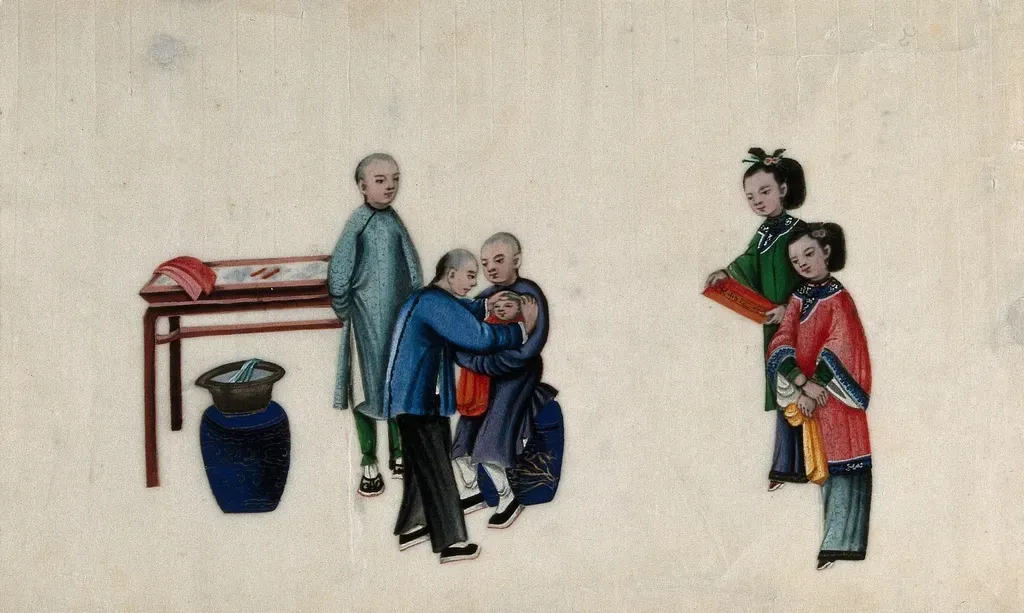
Astrology loves to claim that people born under the same sign share personality traits, and on the surface, that sounds impossible. Yet when scientists stopped thinking in terms of constellations and started looking at birth season, they found a subtle but persistent pattern. In many countries, people born in late winter and early spring are slightly more likely to be diagnosed with mood disorders like depression or bipolar disorder, while those born in early autumn sometimes show small advantages in school performance or physical growth. These effects are not about Mars or Venus at all; they seem to track sunlight, infections, and nutrition during pregnancy and early infancy. The sky pattern is just a convenient label wrapped around a very Earth-bound story.
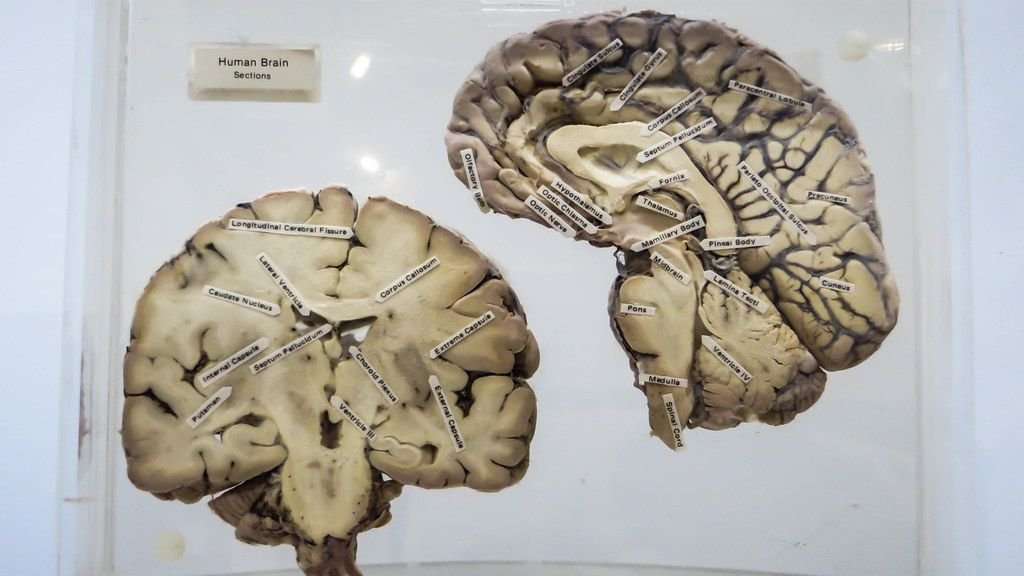
Doctors and epidemiologists have spent decades mapping what they call season-of-birth effects across diseases, from schizophrenia to asthma. One leading idea is that sunlight exposure during pregnancy changes the mother’s vitamin D levels, which are crucial for fetal brain development and immune function. Another is that winter pregnancies expose mothers to a different mix of viruses and bacteria than summer ones, influencing how the fetal immune system wires itself. None of this means that “all Pisces are anxious” or “all Leos are robust,” but it does explain why, when you zoom out to huge populations, birth month can tilt the odds ever so slightly in specific directions.
Circadian Rhythms and “Night Owl” Signs: Your Internal Clock vs. Your Horoscope
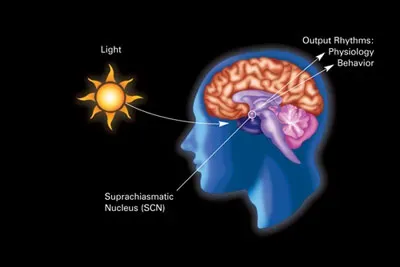
Astrology columns often describe some signs as night owls and others as early risers, as if the stars baked time preferences into your birth chart. Biologists, though, point to something much less mystical and far more measurable: chronotype, the individual timing of your internal body clock. Some people are naturally wired to wake up at dawn, others hit their stride at midnight, and this isn’t just a lifestyle choice – it’s tied to genes that regulate our internal circadian rhythms. These rhythms set the schedule for hormone pulses, body temperature, and even how well you think at different times of day.
The interesting overlap with astrology comes when you notice how strongly light cycles during infancy and childhood help synchronize that internal clock. A baby born near the summer solstice in a high-latitude city meets long days and short nights, while one born near the winter solstice arrives in near-permanent dusk. Over months and years, that early light environment helps tune sleep patterns and melatonin release, potentially nudging someone into a more “lark-like” or “owl-like” rhythm. Astrological descriptions of certain signs thriving in nightlife or hating early meetings can feel uncannily accurate, not because of Jupiter, but because their early lives taught their brains when to expect light and rest.
Magnetic Fields, Solar Activity, and the Myth of Planetary Influence
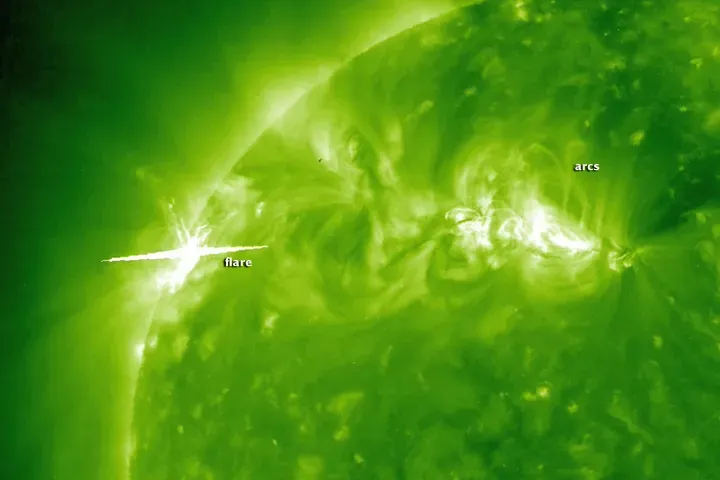
Astrology rests on the idea that faraway planets influence your personality and destiny, which does not hold up under basic physics. The gravitational tug of Mars on a newborn, for example, is weaker than that of the attending physician standing a few feet away. Yet there is one astronomical factor that really does touch human biology: the Sun’s changing activity and its effects on Earth’s magnetic field. During periods of intense solar storms, charged particles buffet the planet, slightly disturbing the geomagnetic field and, in rare cases, affecting power grids, satellites, and radio communications.
Researchers have looked for links between geomagnetic disturbances and human health, including heart attacks, strokes, and mood changes. A few studies report modest increases in certain cardiovascular events during strong magnetic storms, while others see no consistent pattern at all. At best, the evidence suggests that extreme solar activity might nudge already vulnerable systems, such as people with serious heart disease or those highly sensitive to sleep disruption. Astrology’s detailed claims about Mercury retrograde sabotaging your emails or Venus aligning with your love life simply do not match this faint, non-specific influence. The real cosmic effect is more like a barely audible hum, not a personalized script.
Love, Compatibility, and the Real Forces Shaping Relationships

Astrology apps love to tell you that your sign is compatible with some and doomed with others, spinning romance out of trines, squares, and conjunctions. Real-world data on relationships paints a much more grounded picture, and it rarely lines up with zodiac compatibility tables. When researchers analyze huge datasets of marriages and births, they don’t see strong patterns showing that, say, fire signs marry fire signs more successfully, or that certain pairings are systematically unstable. Instead, they see the power of shared values, communication styles, socioeconomic background, and simple proximity – who you actually meet and spend time with.
There is one way astrology can influence love, but it has nothing to do with celestial mechanics and everything to do with expectations. If you enter a date convinced that your signs are perfectly matched, you might unconsciously give them more chances, interpret awkwardness as chemistry, or work harder to smooth out early conflicts. Psychologists call this a self-fulfilling prophecy, where belief shapes behavior, which in turn shapes outcomes. The same goes for so-called incompatible signs: if you believe a relationship is doomed, you may pull away sooner, nudge arguments toward breakups, or simply refuse to date someone in the first place. The zodiac becomes less a map of fated partners and more a set of stories we use to justify how we already feel about connection.
The Deeper Story: What Astrology’s Survival Reveals About Human Brains
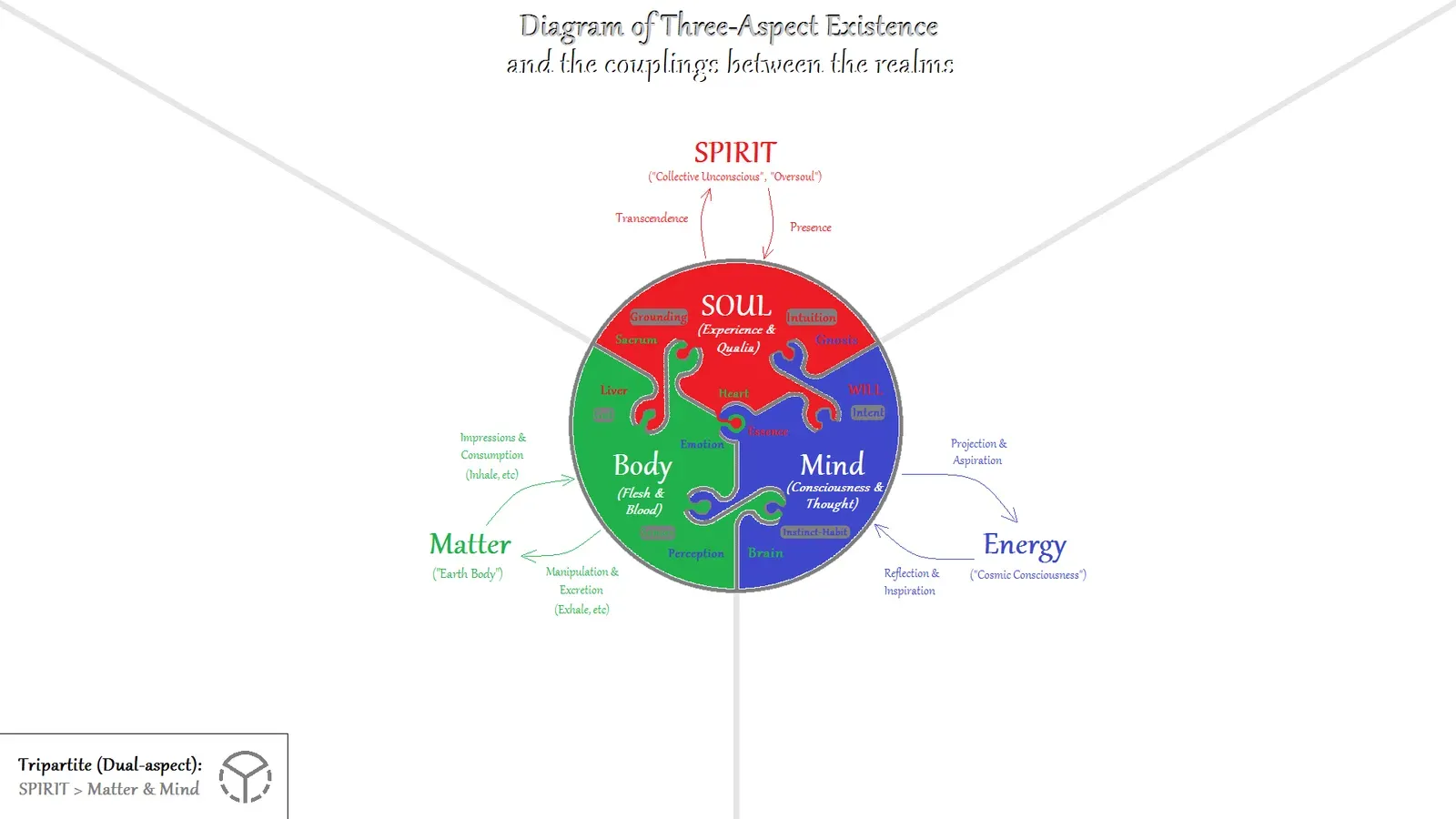
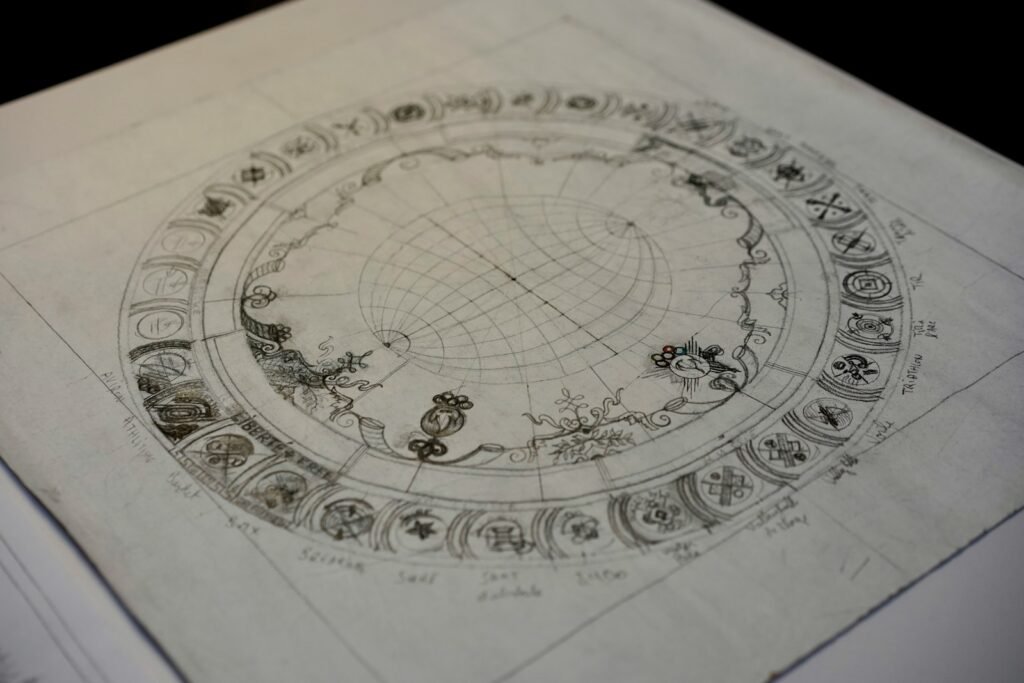
For all its scientific problems, astrology has shown remarkable staying power, surviving from ancient Mesopotamian sky-watching all the way to twenty-first-century smartphone apps. From a scientific and cultural perspective, that endurance says something profound about the human brain. We are wired to seek patterns, especially in times of uncertainty, and the sky offers a pristine, repeating clock face on which to project meaning. Long before satellites and global weather models, the stars helped farmers track seasons, sailors navigate oceans, and rulers time rituals, so mixing practical astronomy with symbolic astrology was almost inevitable.
Cognitive scientists have shown that people naturally link unrelated events if they occur close together in time, or if one offers a satisfying story for the other. Being born during a dramatic storm, under a bright full moon, or in a particular festival season is precisely the kind of detail that begs for narrative weight. Astrology systematizes those stories, giving people a shared vocabulary to talk about personality, fear, ambition, and love. Even if the positions of Saturn do not sculpt your character, the framework itself helps organize messy human experience into something that feels coherent. The scientific significance here is less about celestial forces and more about our appetite for meaning and our tendency to confuse correlation, story, and causation.
Looking Ahead: How Science-Informed Skepticism Can Coexist With Cosmic Curiosity
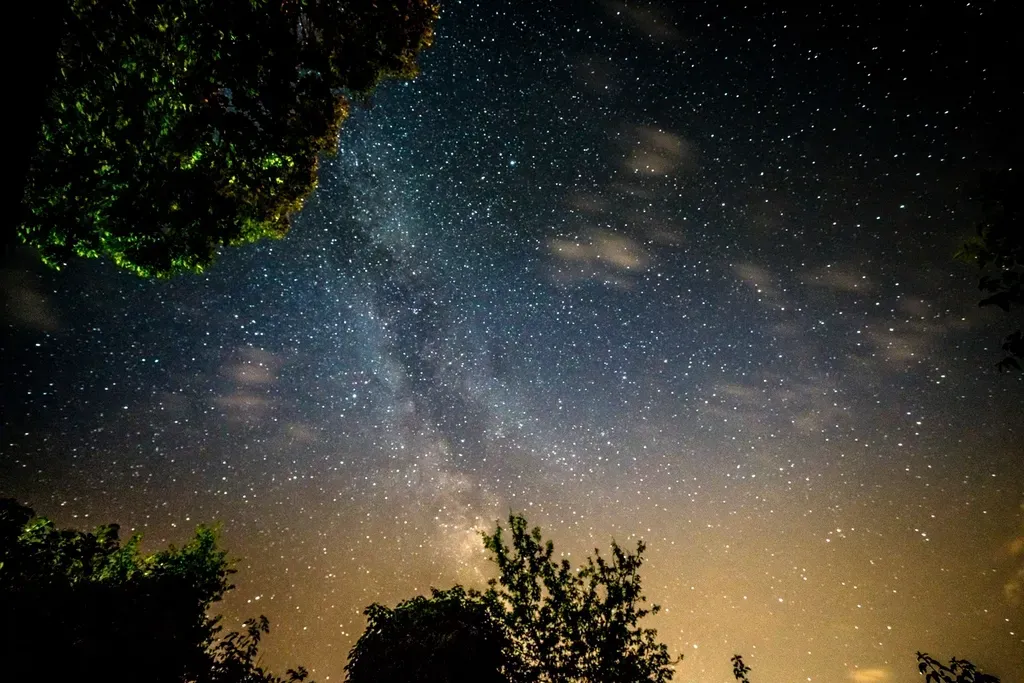
So where does all this leave someone who checks their daily horoscope but also cares about evidence and critical thinking? The emerging picture suggests that you can enjoy astrology as a cultural language or personal reflection tool while being clear-eyed about what the data does and does not support. Some birth-season effects are real, but they are subtle and statistical, not destiny carved in stone; solar storms occasionally nudge technology and maybe health, but they do not fine-tune your love life. Personality descriptions resonate because our minds are suggestible and hungry for validation, not because Mars was in a particular house when you first cried.
Adopting a science-informed approach means asking better questions instead of just scoffing or surrendering. If a prediction comes true, was it specific enough that failure would have been obvious, or was it broad enough to fit almost anything? If a pattern seems to connect your life to the sky, is there a more direct environmental or psychological explanation closer to home? Treating astrology this way does not drain the wonder from the night sky; if anything, it redirects your awe toward the real forces at work – stellar fusion, planetary dynamics, the fragile chemistry of life, and the astonishingly creative brain that can turn all of that into myth.
How to Stay Curious Without Getting Conned
If there is a practical takeaway from the overlap of zodiac talk and science, it is this: you can keep your sense of wonder while demanding better evidence. The next time a horoscope or compatibility chart feels uncannily right, consider it an invitation to notice your own biases, expectations, and needs rather than a message from the universe. Ask yourself what parts ring true because they are genuinely specific to you, and what parts could just as easily fit your friends, coworkers, or that stranger on the bus. Paying attention in this way sharpens your critical thinking and makes it harder for vague claims to pass as personalized insight.
At the same time, do not be afraid to use the zodiac as a conversation starter rather than a verdict. If talking about your sign helps you open up about stress, dreams, or relationships, that dialogue has value regardless of planetary positions. You can enjoy the poetry and symbolism of astrology while relying on science for decisions about health, risk, and the future. In a world overflowing with predictions and personality tests, the most powerful move you can make is to treat every claim – cosmic or otherwise – as a hypothesis to be tested, not a script to be obeyed.
Suhail Ahmed is a passionate digital professional and nature enthusiast with over 8 years of experience in content strategy, SEO, web development, and digital operations. Alongside his freelance journey, Suhail actively contributes to nature and wildlife platforms like Discover Wildlife, where he channels his curiosity for the planet into engaging, educational storytelling.
With a strong background in managing digital ecosystems — from ecommerce stores and WordPress websites to social media and automation — Suhail merges technical precision with creative insight. His content reflects a rare balance: SEO-friendly yet deeply human, data-informed yet emotionally resonant.
Driven by a love for discovery and storytelling, Suhail believes in using digital platforms to amplify causes that matter — especially those protecting Earth’s biodiversity and inspiring sustainable living. Whether he’s managing online projects or crafting wildlife content, his goal remains the same: to inform, inspire, and leave a positive digital footprint.