
Have you ever stopped to think about the incredible abilities that exist all around us in the natural world? You might not realize it, yet there are creatures living on this planet right now that can survive conditions you could never imagine enduring, deliver punches faster than your eyes can follow, or disappear into their surroundings in the blink of an eye. Nature has spent millions of years refining these extraordinary adaptations, creating abilities so remarkable they would seem impossible if we didn’t have the science to back them up. Let’s be real, some of these creatures make our greatest technological achievements look almost ordinary by comparison. So let’s dive in and explore five animals whose superpowers challenge everything you thought you knew about the limits of life on Earth.
Tardigrades: The Nearly Indestructible Micro Survivors
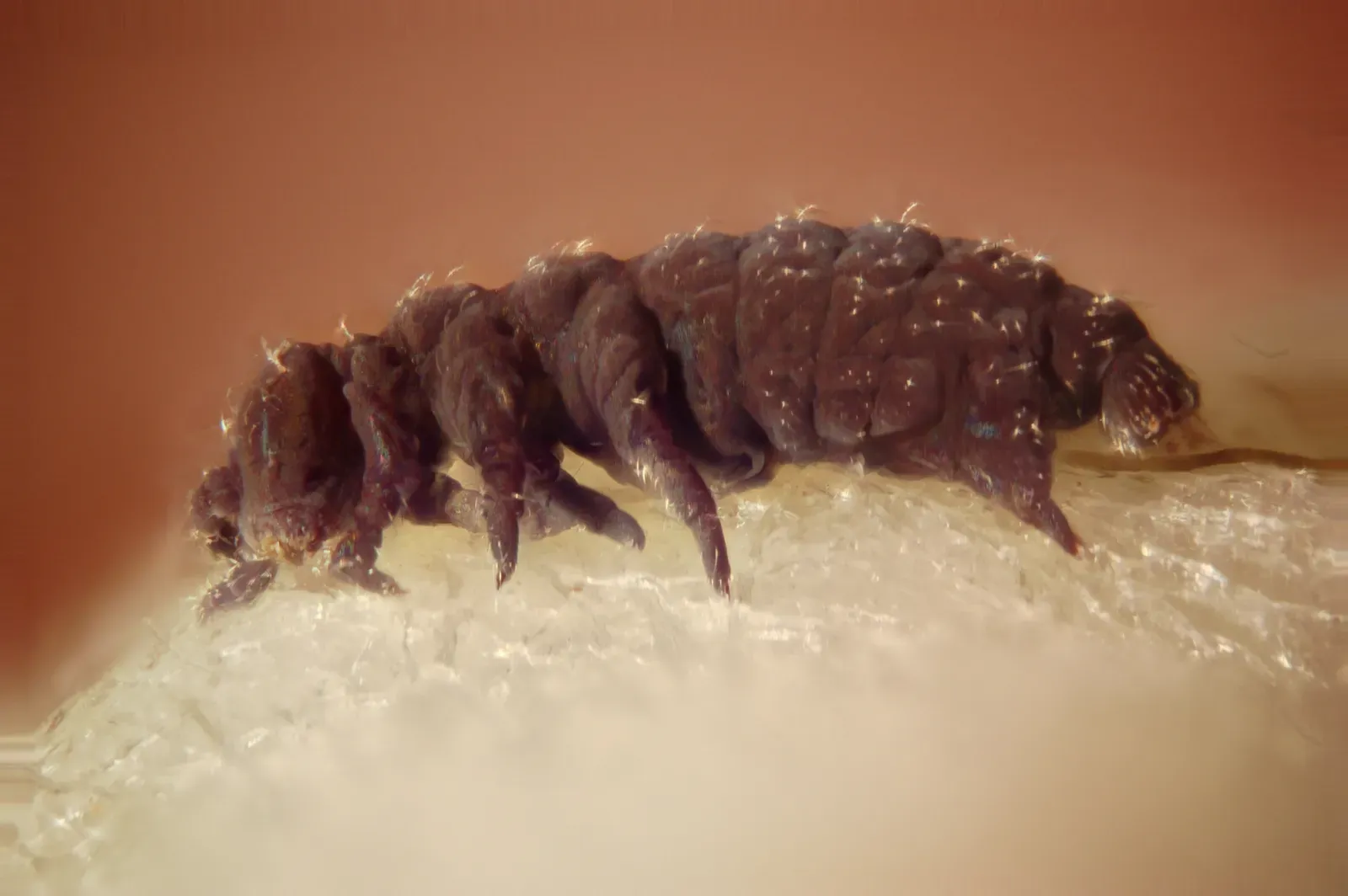
Picture an animal smaller than the period at the end of this sentence, yet capable of surviving the vacuum of outer space. That’s the tardigrade for you, and honestly, it’s hard to wrap your head around just how resilient these tiny creatures are. These unusual creatures may be among the most resilient organisms on the planet thanks to their unparalleled ability to survive extreme conditions, with various species being resistant to drought, high doses of radiation, low oxygen environments, and both high and low temperatures and pressures.
They have been known to survive for nearly 30 years without food or water, endure temperatures from -200°C (-328°F) to 151°C (304°F), and tolerate pressures more than six times greater than those found in the deepest parts of the ocean. When faced with extreme stress, tardigrades enter a state called cryptobiosis, essentially hitting a biological pause button. During tun, the animals’ legs retract, their metabolism drastically slows and they nearly completely dehydrate themselves. Think about it: you’re looking at a creature that can shut down almost completely, waiting out the apocalypse, and then spring back to life when conditions improve.
They can survive the vacuum of space, temperatures down to one degree above absolute zero, heating up past the boiling point of water, and thousands of times as much radiation as humans. Scientists are studying these remarkable abilities because they might hold keys to protecting human tissue during medical treatments or even enabling long-term space travel. Researchers are exploring the use of DSUP-encoded messenger RNA to protect human tissue before treatment, and in tests on mice, they have seen positive results thus far, with DNA radiation breaks reducing by about 50%.
Mantis Shrimp: The Ocean’s Knockout Artist
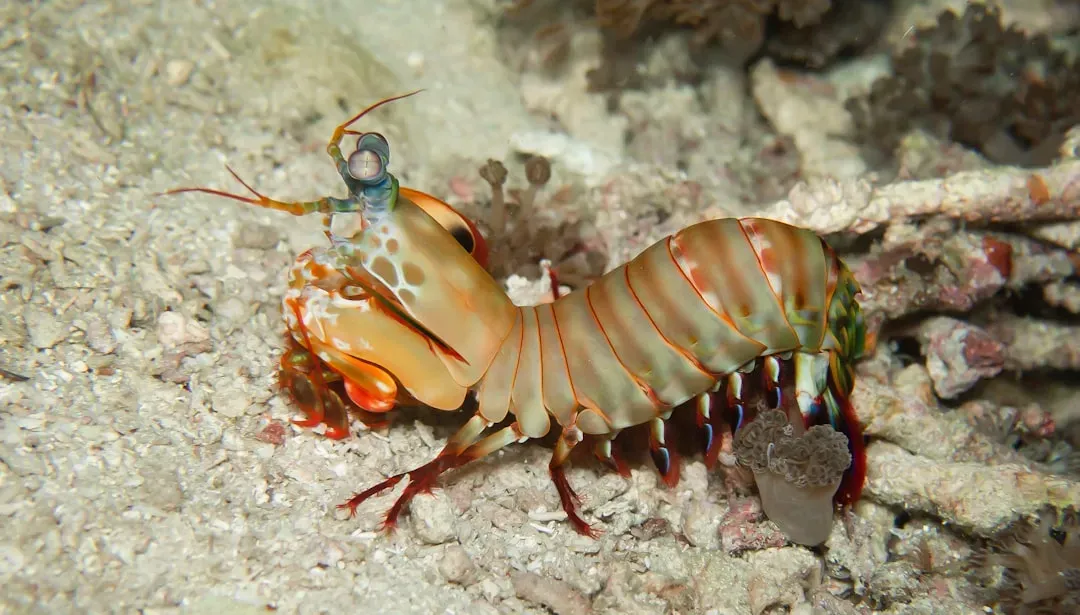
If you’ve never heard of the mantis shrimp, you’re in for a treat. A smasher mantis shrimp’s punch has the same acceleration as a 22-caliber bullet, delivering a blow of 15,000 newtons, a force equal to more than 2,500 times the shrimp’s weight. Let me put this into perspective: this vibrant, rainbow-colored crustacean, typically no longer than your hand, can strike with such speed and force that it creates shockwaves in the water. The peacock mantis shrimp can whip out these appendages at speeds of 23 m/sec (75 ft/sec), which is 50 times faster than the blink of an eye, making it the strongest self-powered strike by an animal.
When a mantis shrimp releases its dactyl club, the water between the object and the club vaporises, creating cavitation bubbles, and as these bubbles implode, they produce heat, boiling water and even flashes of light, so even if the mantis shrimp’s punch misses, the crustacean can still deliver a lethal shockwave that stuns or kills nearby prey. I know it sounds crazy, but this creature literally boils the water around its target with the force of its strike.
The mantis shrimp’s superpowers don’t end with its punch. The eyes of a mantis shrimp have between 12 and 16 types of photoreceptor cells. Compared to our measly three types, you’re seeing only a fraction of the visual spectrum these creatures perceive. With up to 16 photoreceptors and the ability to see UV, visible and polarized light, the mantis shrimp’s eyes put our 20/20 vision to shame. They exist in a visual world you and I can barely comprehend, detecting wavelengths and patterns completely invisible to human eyes.
Electric Eels: Living Batteries of the Amazon
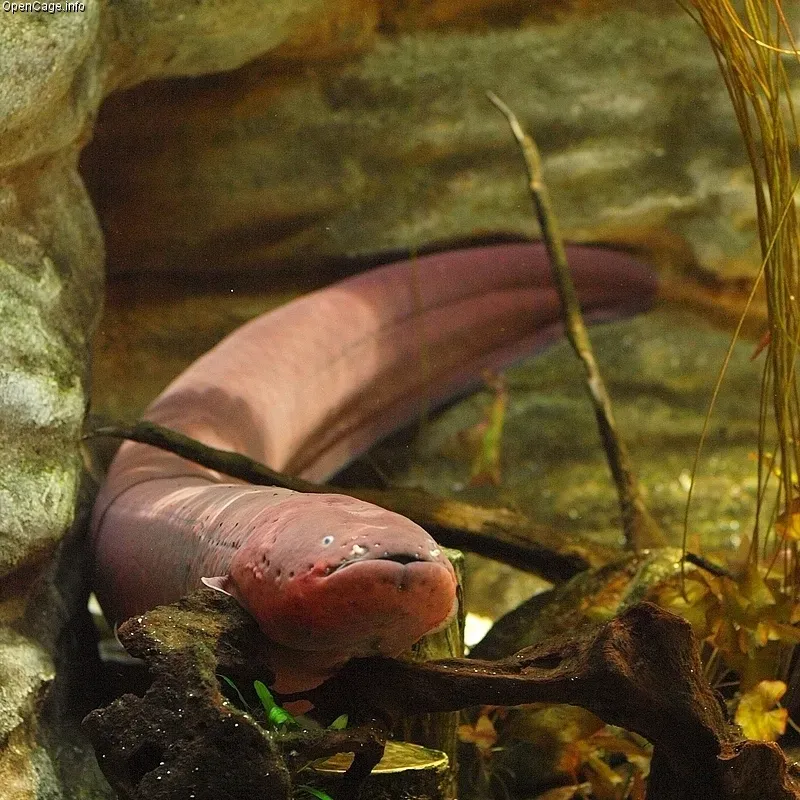
Imagine being able to generate your own electricity, powerful enough to light up a room or defend yourself from any threat. Electric eels do exactly that, and the voltage they produce is nothing short of shocking. Three species of electric eel exist, and one of them produces an electric shock up to 860 volts. That’s nearly eight times the voltage coming from a standard household outlet, generated by a fish living in the murky rivers of South America.
The organ in the electric eel that enables it to produce electricity is made up of 5,000 to 6,000 electroplaques, and when all the electroplaque are all arranged in series, it can produce voltages of up to 500 to 650 volts. These specialized cells work together like batteries stacked in series, creating a biological power plant that takes up roughly four-fifths of the eel’s entire body. The truly fascinating part is how they use this ability: not just for stunning prey, but also for navigation in dark, sediment-filled waters where vision is practically useless.
If threatened, an electric eel could leap partway out of the water and deliver multiple electric shocks powerful enough to cause an adult person to have a heart attack or stop breathing, and the shock could also result in a person drowning, even in shallow water. Fortunately, these creatures aren’t aggressive unless cornered. Electric eels communicate to convene groups that can electrocute a potential threat, and contrary to what had been previously claimed in the scientific literature, these animals are not solitary and frequently associate in groups of up to ten during adulthood. The idea of coordinated electrical attacks from a group of eels is both terrifying and remarkably sophisticated.
Octopuses: Masters of Disguise and Intelligence
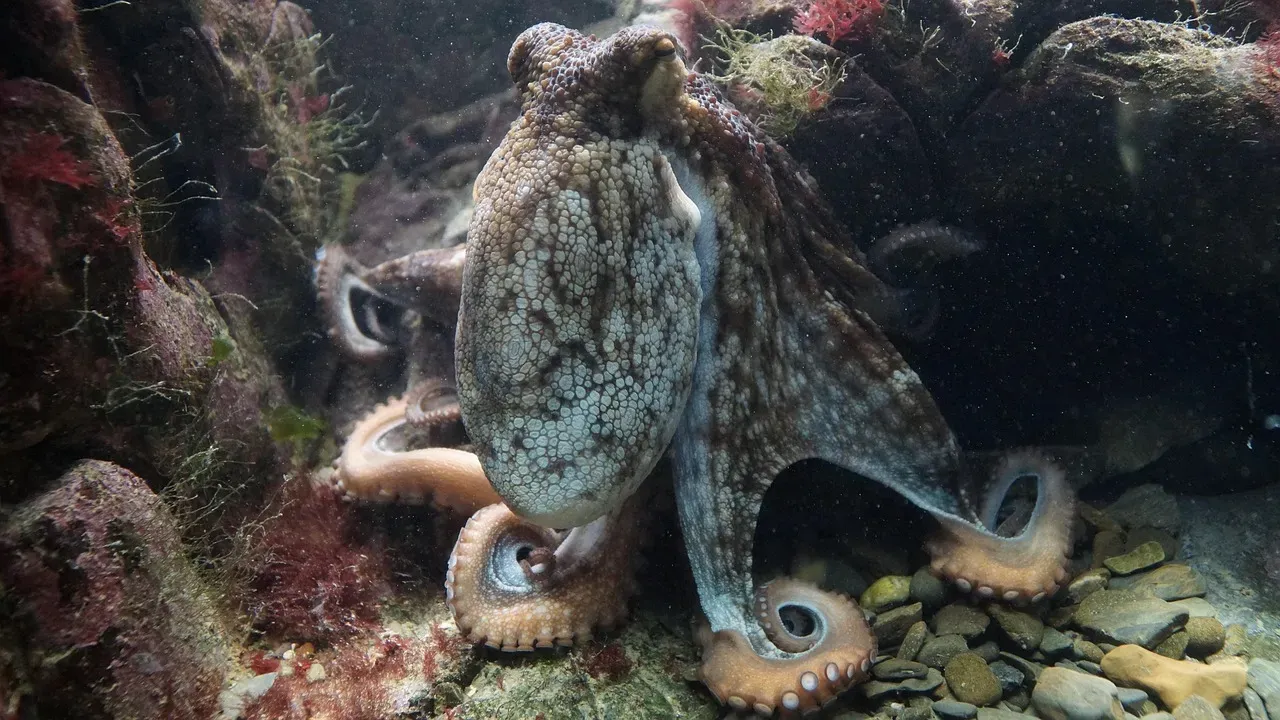
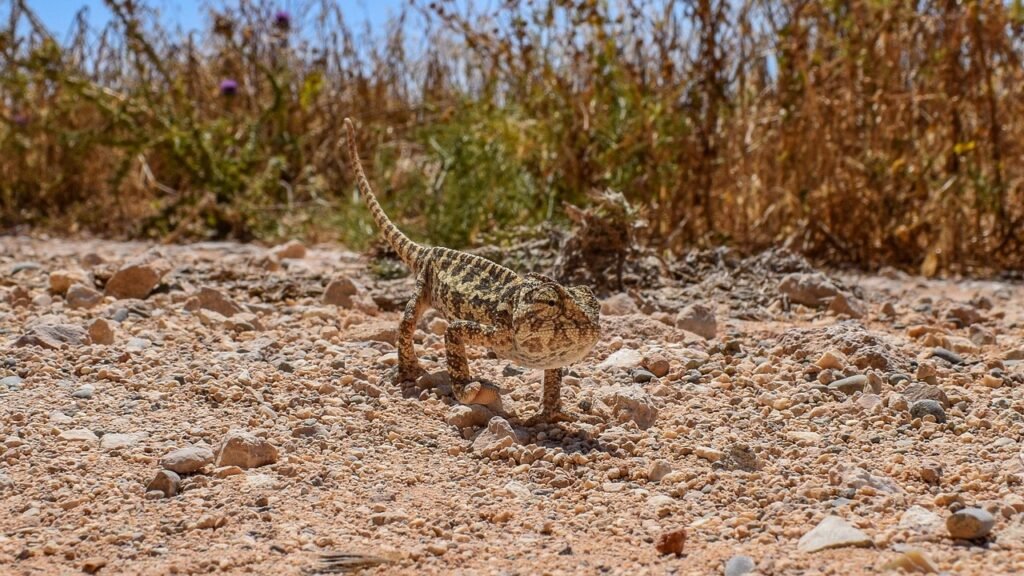
You might think camouflage is impressive when a chameleon slowly changes color, yet octopuses take this ability to an entirely different dimension. Octopuses’ most awe-inspiring trait is arguably their ability to rapidly change color and blend into their surroundings, camouflaging themselves at will, and they have the highest resolution patterns of any cephalopod and display some of the quickest color transitions in the entire animal kingdom. We’re talking about transformations happening in fractions of a second, matching not just color but also texture and pattern.
Just beneath their skin, octopuses have thousands of cells called chromatophores, and each of these cells has a tiny sac filled with either a red, orange, brown, yellow or black pigment and by stretching or squeezing these sacs, they can rapidly change the brightness of each of these colours. Here’s what makes this even more remarkable: octopuses only have one type of receptor in their eyes, which means they are completely colourblind, only seeing the world in shades of grey. Think about that for a moment – they perfectly match colors they can’t actually see.
The intelligence behind octopus camouflage is equally astounding. Octopuses have large brains in relation to their body size and are capable of learning, and the mimicry requires the brainpower to recognize predatory species and know the appropriate form to take on. A common octopus has about 500 million neurons in its body, which is more than all other invertebrates. Much of this neural power resides in their arms, giving each appendage a kind of independent intelligence for tasting, touching, and problem-solving. These creatures have been observed opening jars, escaping from aquariums, and even using tools – behaviors that challenge our very definition of intelligence in the animal kingdom.
Wood Frogs: The Frozen Survivors of Winter
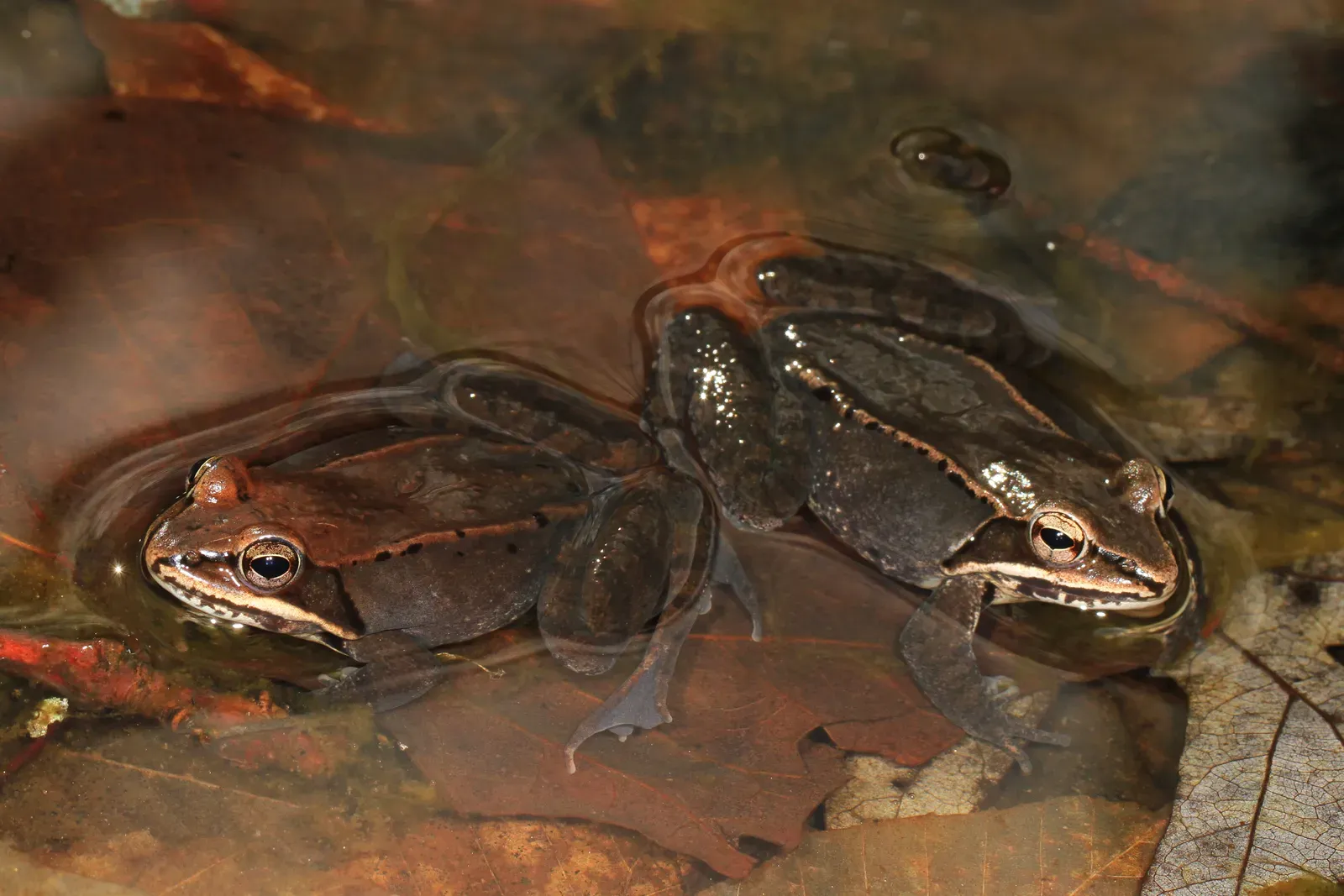
What if you could freeze solid for months and then simply thaw out and continue with your life? Sounds like science fiction, right? Yet the wood frog does exactly this every single winter. Every winter, the wood frog freezes solid, its heart stops beating, and its blood crystallizes, yet come spring, it thaws out and hops away unharmed. This isn’t hibernation or torpor – we’re talking about a complete suspension of life as we typically understand it.
This feat is made possible by special sugars in its cells that act like antifreeze, preventing lethal ice damage. The frog’s body produces high concentrations of glucose that protect its organs and tissues from the destructive ice crystals that would tear apart the cells of most other animals. During this frozen state, the frog shows no heartbeat, no breathing, no brain activity – all the signs we typically associate with death. It’s a biological miracle that scientists are still working to fully understand.
This extreme adaptation represents one of nature’s most ingenious solutions to survival in harsh climates. While you’re bundled up indoors during winter, wood frogs are lying beneath leaf litter, frozen solid, essentially dead to the world but programmed to return to life when temperatures rise. The wood frog’s ability to endure total suspension of life is one of nature’s most profound demonstrations of survival through stillness. Researchers studying this phenomenon hope it might one day inform advances in organ preservation for transplants or even long-term suspended animation for space travel. The applications are as limitless as the adaptation is extraordinary.
Conclusion
The natural world continues to surprise us with abilities that push the boundaries of what seems possible. From tardigrades surviving the vacuum of space to mantis shrimp punching with the force of bullets, from electric eels generating hundreds of volts to octopuses camouflaging despite being colorblind, and wood frogs freezing solid only to spring back to life – these animals prove that evolution has crafted solutions far more creative than anything we’ve engineered. These aren’t just fascinating curiosities; they’re blueprints for future technologies, from medical breakthroughs to materials science.
What strikes me most is how much we still don’t know. Each discovery opens new questions, revealing just how much remains hidden in the complexity of life on Earth. These creatures have been perfecting their superpowers for millions of years, adapting to challenges we’re only beginning to understand. What do you think – could the answers to some of humanity’s greatest challenges be hiding in these extraordinary adaptations? Share your thoughts in the comments.