
Nature has always been wildly ahead of us. While humans spend decades in labs trying to crack the secrets of healing, survival, and perception, there are creatures quietly doing things we can barely explain. Some can survive the vacuum of outer space. Others regrow entire limbs. One can see colors that don’t even have human names.
You might think this sounds like science fiction, but every single ability on this list has been documented, measured, and verified by real researchers. What’s even more exciting is that scientists are still working to fully understand them – and in many cases, they believe these biological tricks could one day transform medicine, technology, and even space travel. So let’s dive in.
1. The Axolotl: Nature’s Master of Regeneration
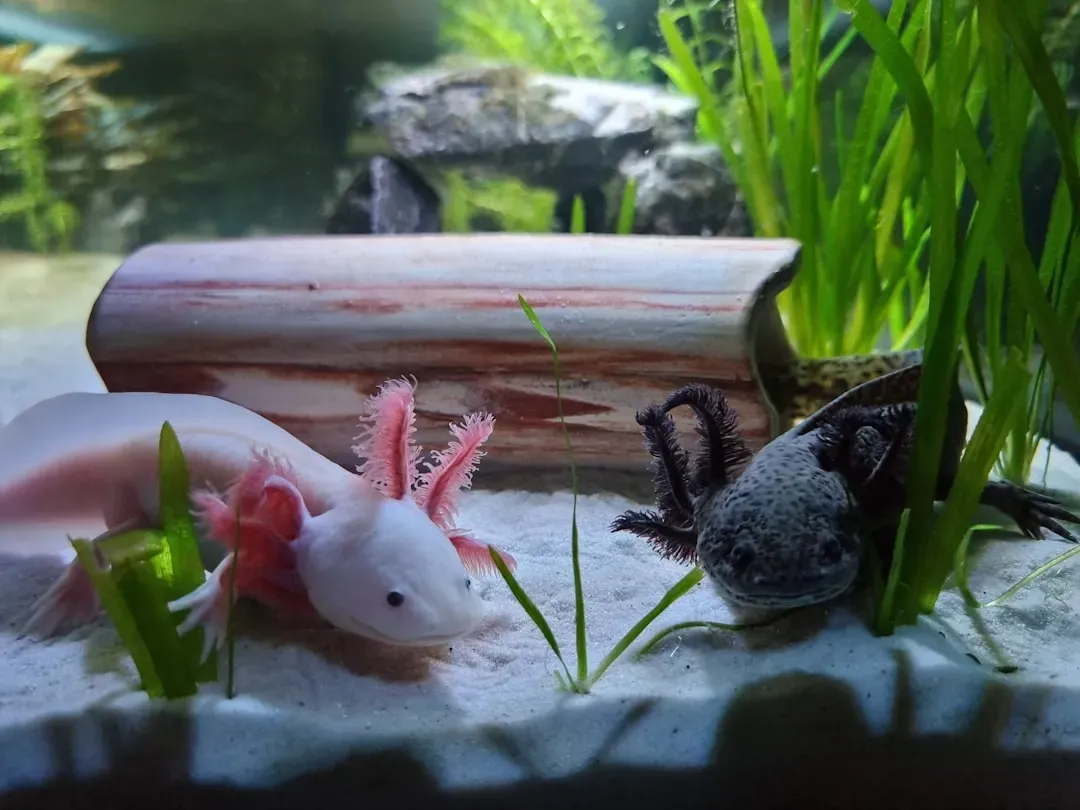
Imagine losing an arm and regrowing it perfectly within weeks. No scars. No dysfunction. Just a brand new limb. That’s not fantasy for the axolotl. In the dark waters of Mexico’s ancient lakes lives this small, smiling amphibian that possesses one of the most awe-inspiring powers in nature: the ability to regrow entire body parts, including legs, spinal cord segments, parts of its brain, and even its heart. Honestly, when you first hear that, it sounds completely made up.
When an axolotl sustains an injury, its immune cells swiftly clean up the wound, and instead of scabbing over, a conical cluster of regenerative cells called a “blastema” forms at the wound site. In the axolotl, adult connective tissue cells do something extraordinary: they “dedifferentiate” and start acting like stem cells in a developing embryo. During the blastema stage, as certain genes turn on or off, existing cells revert to a primitive, flexible state, then re-specialize into bone, tendon, and other structural tissue.
The axolotl, a type of salamander that stays in a tadpole form throughout its life, has been observed to regrow several body parts, including limbs, eyes, and even parts of their brains. Most recently, in late 2025, scientists discovered something even more jaw-dropping. Axolotls can regenerate a fully functional thymus after complete removal, with new thymic tissue restoring normal immune function in most cases within just 35 days. The implications for human medicine are staggering and still being explored.
2. The Tardigrade: The Most Indestructible Creature on Earth
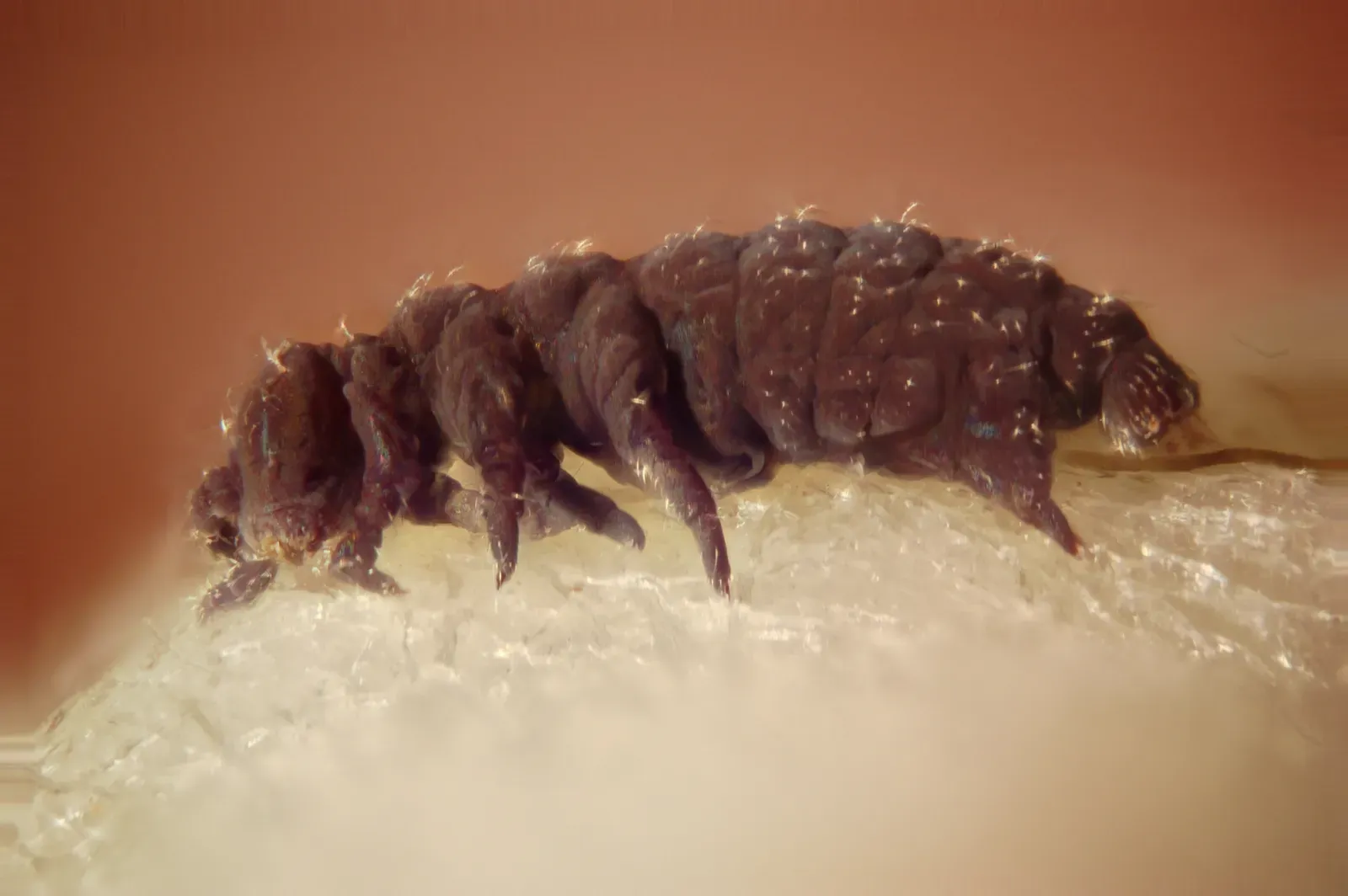
If you had to pick one animal that could survive the apocalypse, it would almost certainly be this one. The tardigrade, also known as the “water bear” or “moss piglet,” is one of the most celebrated animals with real-life superpowers. These microscopic invertebrates measure merely 0.3 to 0.5 mm when fully grown, yet exhibit virtually superhuman resilience. Let’s be real, something that small has absolutely no business being that tough.
What makes tardigrades particularly fascinating is their ability to enter a state called cryptobiosis, where they essentially shut down their metabolism. In this state, they curl into a tiny ball and suspend all life processes, surviving years without water or food. Tardigrades can also survive a ten-day stay in the vacuum of space, directly exposed to cosmic rays, and can survive doses of X-rays a thousand times higher than the lethal dose for humans. Think about that for a second.
A protein named the “damage suppressor,” often shortened to Dsup, is the key to the tardigrade’s radioresistance. The Dsup protein protects DNA from radiation by binding to it and acting as a shield, absorbing blasts of radiation. The Dsup proteins and other cellular mechanisms that tardigrades use to prevent cellular aging and maintain genomic stability could inspire new strategies to delay aging, enhance DNA repair, and protect human cells from age-related deterioration. By studying these processes, scientists aim to develop therapies that enhance health spans and increase resilience to age-related diseases in humans. The research is still very much ongoing, and it’s getting more exciting every year.
3. The Mantis Shrimp: A Visual System Beyond Human Comprehension
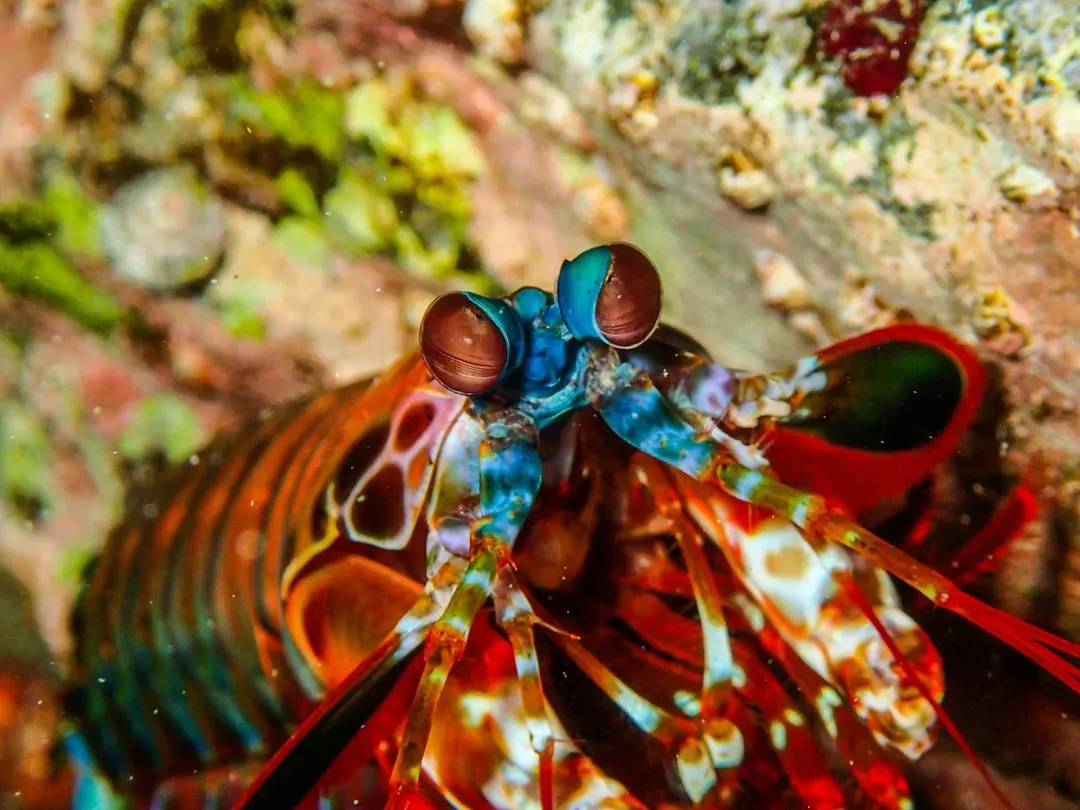
Here’s the thing about the mantis shrimp: it sees a world we literally cannot imagine. Humans see color through three types of photoreceptors, for red, green, and blue. The mantis shrimp has up to sixteen. It can see ultraviolet light, polarized light, and colors beyond human imagination. Trying to picture what that looks like is a bit like a blind person trying to imagine red. You just can’t get there.
Some researchers suspect mantis shrimp use circularly polarized light as a secret communication channel, sending signals to potential mates that predators cannot intercept. It’s like having a private radio frequency that only your species can tune into. The mantis shrimp possesses one of the most sophisticated visual systems known to science. While humans have three types of photoreceptor cells for color vision, mantis shrimp can have up to 16 types, allowing them to perceive polarized light and ultraviolet wavelengths. This ability not only helps them detect prey and predators in complex reef environments but also appears to enable forms of communication invisible to other animals.
Many questions remain: why they need so many color channels, why their color vision is restricted to a thin midband region of their eyes, and why they evolved to detect circularly polarized light are just a few oddities about how the mantis shrimp perceives the world that remain mysterious. Its vision is so advanced that scientists use it as a model for next-generation cameras and optical sensors. Researchers have already built prototype imaging devices inspired by the mantis shrimp eye that can perform far better than conventional cameras in foggy and low-contrast conditions. I think that’s one of the coolest crossovers between biology and engineering right now.
4. The Bat: Carrying Deadly Viruses Without Getting Sick
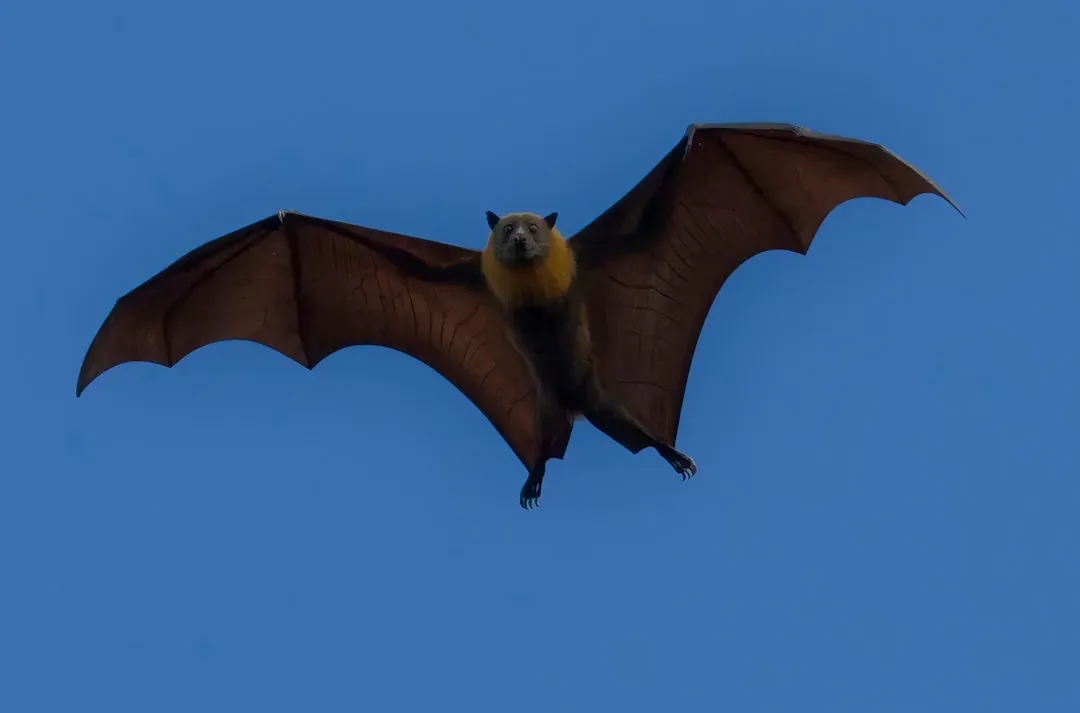
You probably think of bats as carriers of disease, and you’re not entirely wrong. But flip that perspective for a moment, because the more remarkable story is why bats don’t get sick. Despite their reputation as spreaders of diseases, bats have a surprisingly powerful immune system that allows them to carry many viruses that would be deadly to humans, such as Ebola, without getting sick. That is genuinely one of the most astonishing biological facts in all of virology.
Researchers at the Ragon Institute of Mass General Brigham, Harvard and MIT are studying how the bat’s adaptive immune system is able to control these aggressive viruses. Insights from these studies could lead to new strategies to help human patients with viral infections, understand how the body responds to infections, and find ways to moderate immune responses. It’s hard to say for sure exactly how soon this translates into real therapies, but the direction of the research is unmistakably promising.
Think of it this way: if your neighbor could share a house with a tiger and never get scratched, you’d want to know their secret. That’s essentially what bats are doing on a microscopic level with some of the world’s most dangerous pathogens. Scientists studying the bat’s adaptive immune system believe that insights could lead to new strategies to help human patients with viral infections and find ways to moderate immune responses. In a post-pandemic world, that research feels more urgent than ever before.
5. The Wood Frog: Freezing Solid and Coming Back to Life
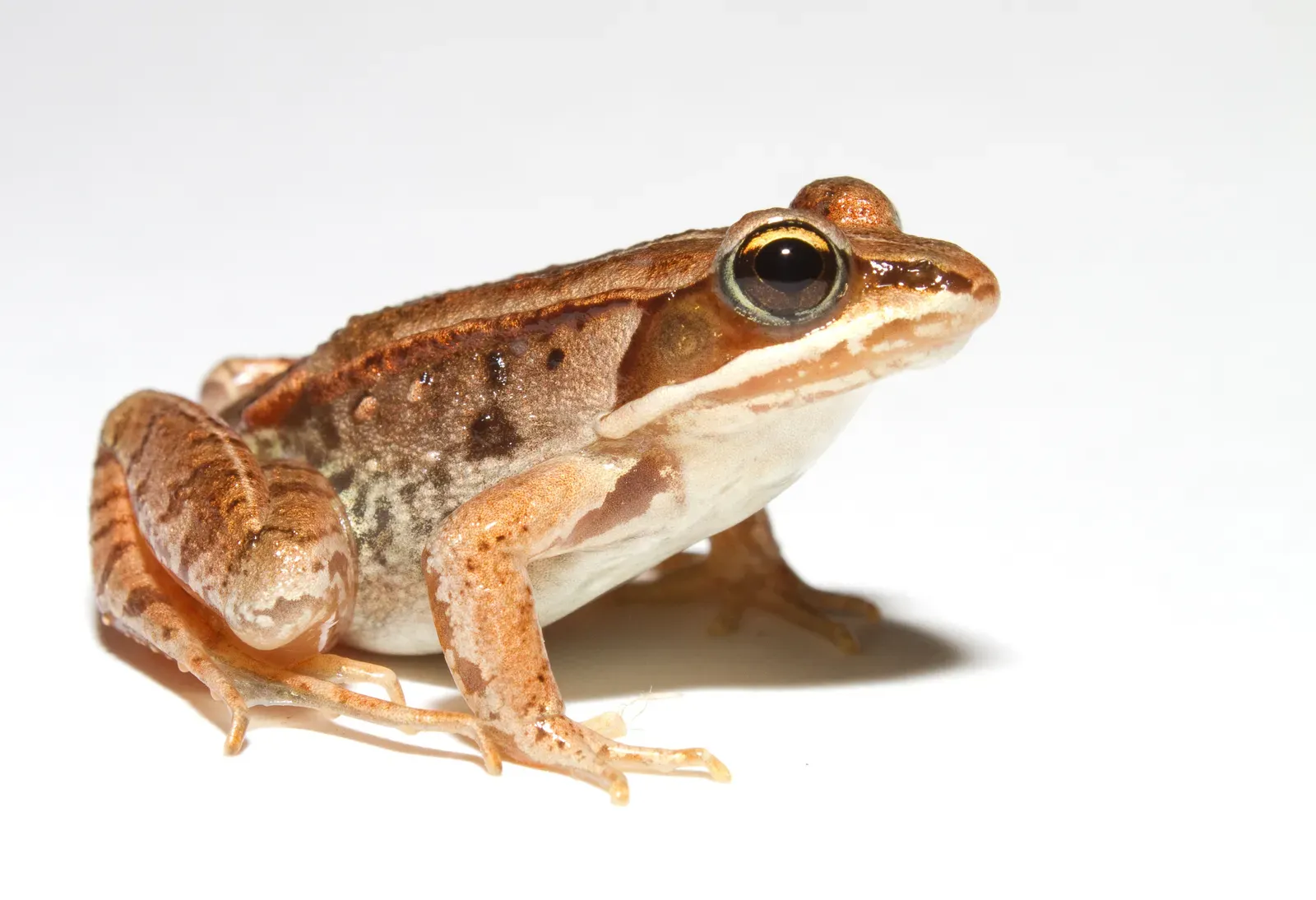
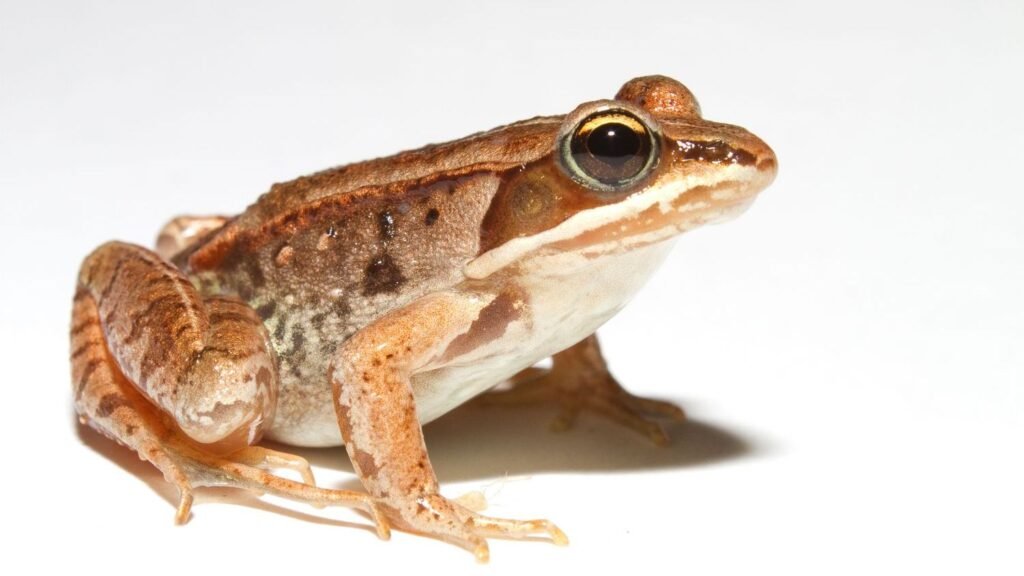
This one genuinely sounds like something from a fairy tale. Every winter, the wood frog freezes solid, its heart stops beating, and its blood crystallizes. Yet come spring, it thaws out and hops away unharmed. This feat is made possible by special sugars in its cells that act like antifreeze, preventing lethal ice damage. A creature whose heart literally stops and restarts like a machine being rebooted. That’s wild.
The wood frog has a unique superpower that allows it to survive cold winter temperatures. When temperatures drop, the frog produces an antifreeze-like substance that protects its cells from freezing solid while it enters a state of hibernation. When the warm weather returns in spring, the frog’s metabolic function returns and it resumes its normal activities. The elegance of this biological system is something scientists have spent years trying to replicate artificially.
Scientists at Mass General Brigham and colleagues are hoping to replicate this process of “supercooling without freezing” in the lab to better preserve transplantable organs until they can reach their recipients. Right now, one of the biggest tragedies in organ transplantation is the narrow window of viability: hearts and lungs can only survive outside the body for a few hours. If researchers can borrow the wood frog’s trick, that window could expand dramatically, saving countless lives. The wood frog’s ability to endure total suspension of life is one of nature’s most profound demonstrations of survival through stillness.
Conclusion: Nature Wrote the Blueprint First
What all five of these animals share is something deeper than just a cool trick. They each represent an evolutionary solution to a problem that humans are still desperately trying to solve: healing without scars, surviving radiation, seeing beyond the visible spectrum, resisting lethal viruses, and preserving life through extreme cold. Nature spent millions of years perfecting these answers.
The most humbling part of all this research is how much we still don’t know. Despite decades of research, mantis shrimp vision still holds mysteries. The axolotl’s regeneration still isn’t fully mapped at the molecular level. The wood frog’s antifreeze chemistry is still being refined for human application. Scientists are working at the edges of what’s possible, and these five animals are lighting the way.
We are still, in many ways, students of the natural world. The good news is that the natural world is extraordinarily generous with its secrets, as long as we keep asking the right questions. Which of these five surprises you most? Tell us in the comments below.