
Every now and then, science hits us with a fact so strange it makes everyday life feel a bit unreal. Consciousness is one of those topics. We walk around assuming humans are somehow at the top of the awareness pyramid, but the more we study other animals, the more that story starts to fall apart.
Some of the creatures that most disrupt our ideas about mind and self aren’t the ones we expect. They’re not always big-brained mammals that look like us. Sometimes they’re animals we used to think of as “basic” or “instinct-driven,” until experiments started revealing something much weirder and far more humbling: they might be feeling, deciding, remembering, and maybe even experiencing the world in ways we never imagined.
1. Octopuses: The Aliens Living in Our Oceans
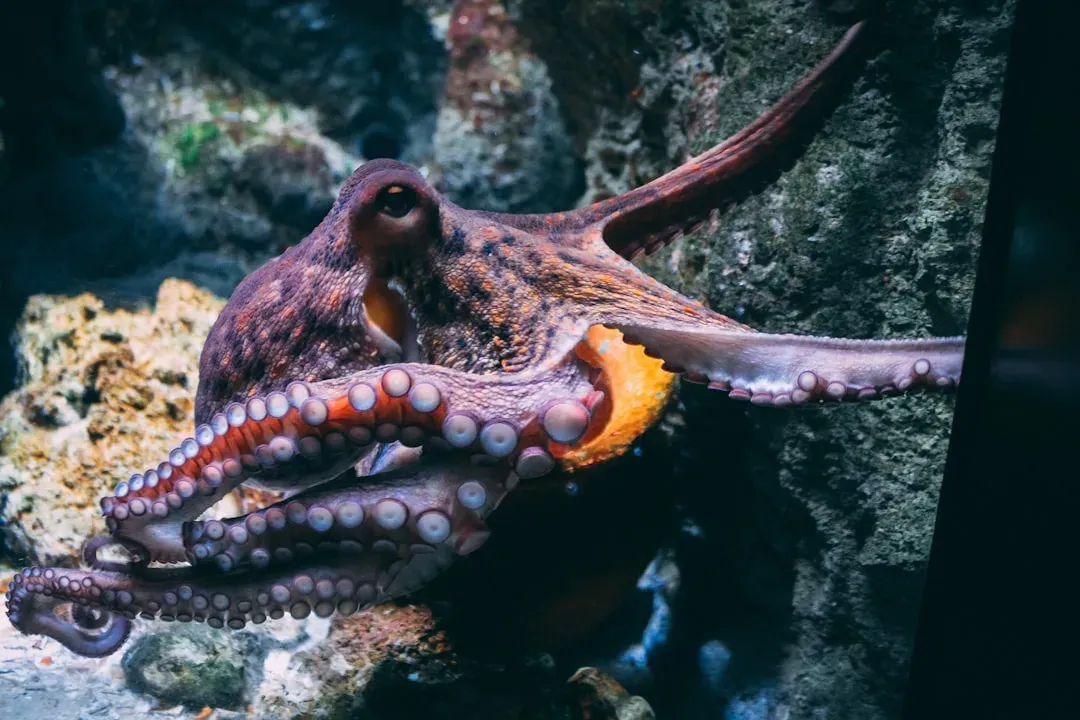
Imagine having most of your “brain” spread through your arms, each limb able to make decisions on its own. That’s roughly what an octopus is working with. They have a large central brain and eight semi-autonomous arms filled with neurons, which means they’re not just reacting; they’re coordinating complex behavior with a kind of distributed intelligence that feels closer to science fiction than biology.
Researchers have seen octopuses solve puzzles, escape from closed tanks, and manipulate objects in ways that suggest planning, curiosity, and even boredom. They can remember specific humans who handled them gently or roughly and react differently later, which hints at long-term memory and a sense of “this happened to me before.” When an animal with three hearts and blue blood starts showing signs of problem-solving, play, and maybe individual personality, it forces us to ask whether consciousness can exist in forms completely different from our own nervous systems.
2. Crows and Ravens: Feathered Brains That Rival Primates
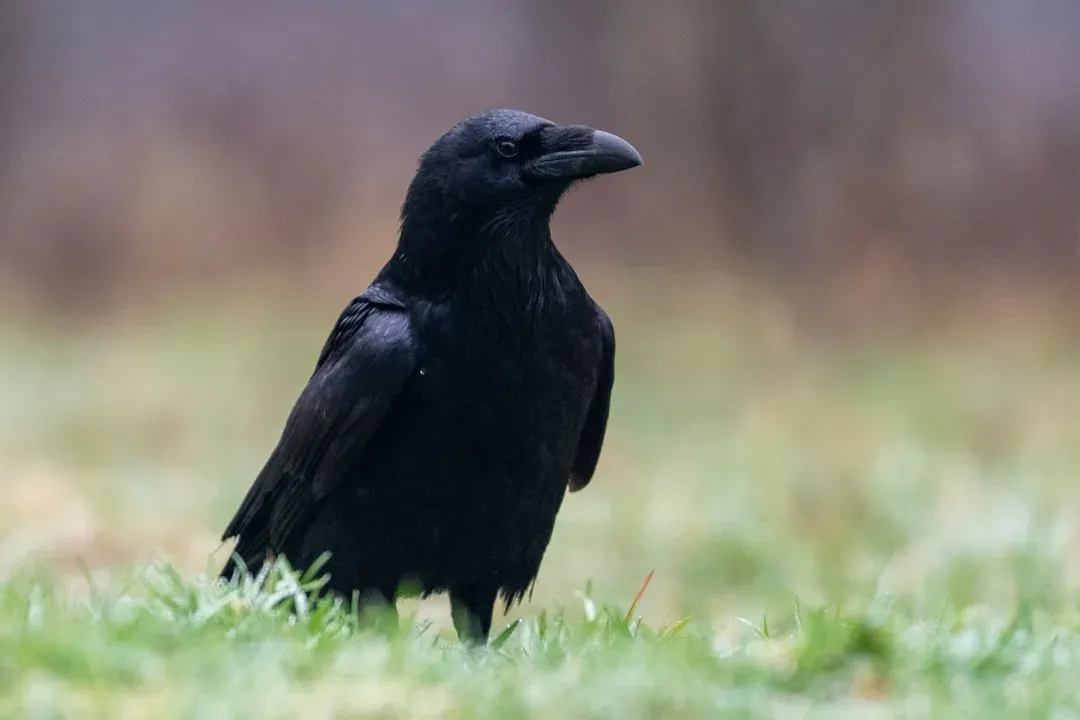
If you’ve ever felt like a crow was watching you a little too closely, you probably weren’t imagining it. Members of the corvid family, like crows and ravens, have shown levels of intelligence that rival some primates, even though their brains look totally different from mammal brains. They can use tools, solve multi-step puzzles, and remember specific faces of people who treated them badly and pass that knowledge to other crows.
Studies suggest that some corvids may have a basic understanding of the future, planning ahead by hiding food where they expect to need it later. They also seem to understand something like “what others know,” adjusting their behavior if another bird might be watching them stash food. That kind of perspective-taking, however simple, is a big deal in consciousness research. It hints that there might be a quiet, ongoing inner life inside that sharp-eyed black bird sitting on the power line, watching the world and making decisions that are much more than instinct.
3. Elephants: Grief, Memory, and the Weight of Self
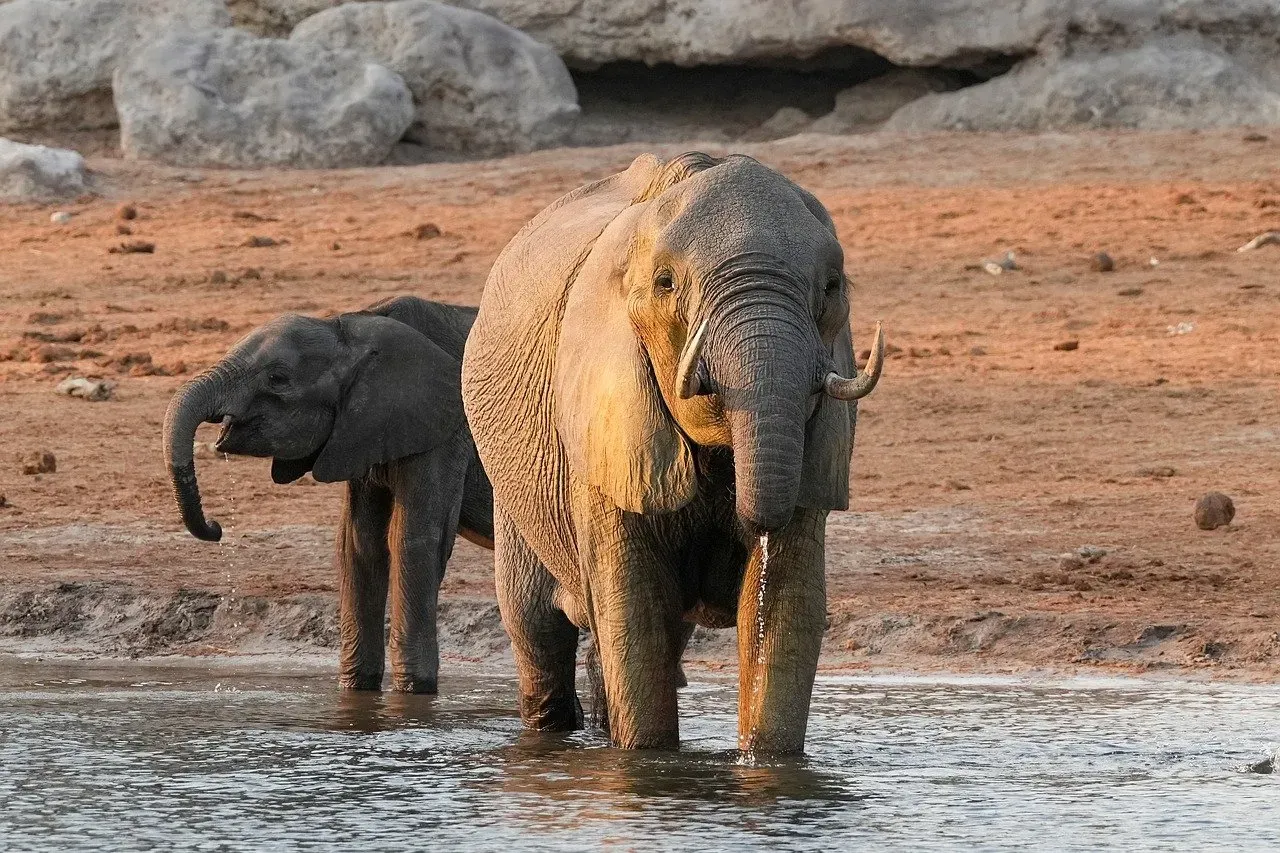
Elephants are often called gentle giants, but that phrase barely touches what’s going on in their minds. They have enormous brains with complex social relationships, long childhoods, and lifespans that stretch over decades. They recognize themselves in mirrors, a classic test used to hint at self-awareness, and they appear to remember specific individuals and places for many years, reacting strongly when they encounter the bones or tusks of dead elephants.
There are documented cases where elephants behave in ways that look remarkably like mourning: lingering over bodies, repeatedly touching skulls or tusks, and changing their behavior for days or weeks after a death in the group. While we can’t climb into their minds, the pattern is hard to dismiss as random behavior. When a creature feels bonded enough to grieve, plans cooperation in a herd, and adjusts to complex social rules, it chips away at the idea that consciousness is a neat, human-only feature and makes it look more like a spectrum we share with others.
4. Dolphins: Underwater Minds with Names and Cultures
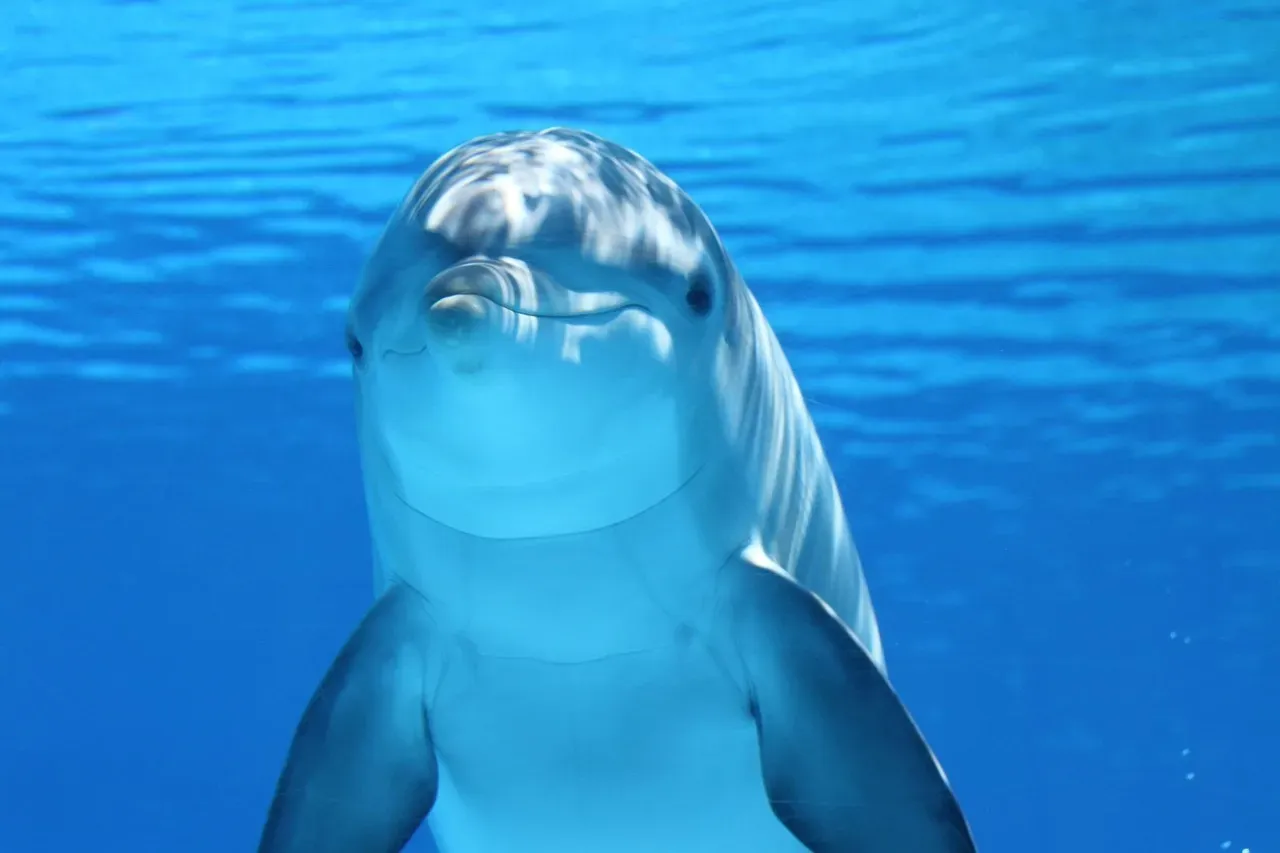
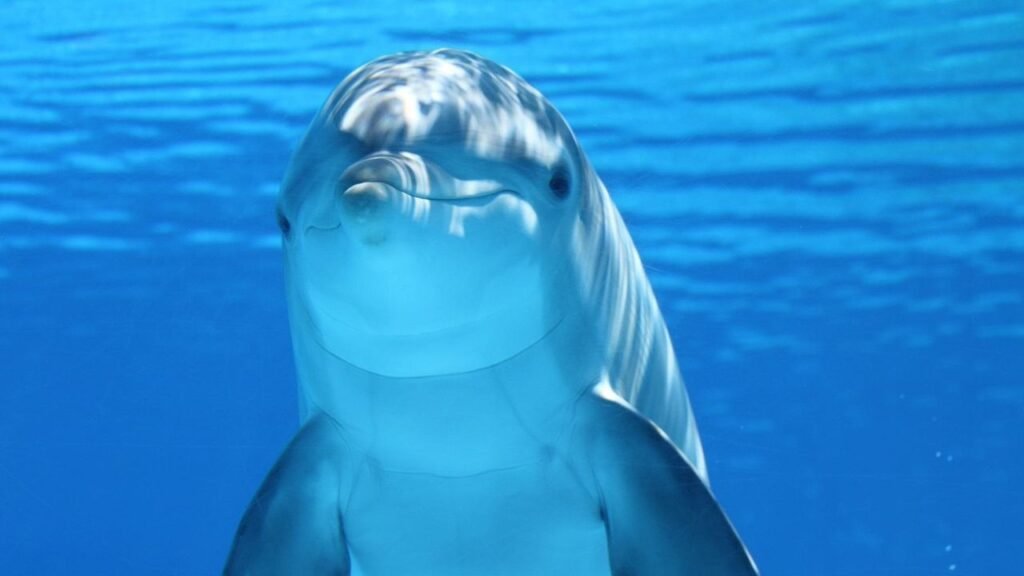
Dolphins live in a world where vision, sound, and touch blend into something almost unimaginable by human standards. Through echolocation, they can “see” using sound, building detailed mental maps of their environment. They also pass the mirror test of self-recognition and show behaviors that look very much like play, creativity, and social negotiation. Their brains are large and intricately folded, especially in regions linked to social and emotional processing.
One of the most striking discoveries is that some dolphin species use unique signature whistles that function a bit like personal names. They respond consistently to their own “name,” even when another dolphin imitates it, suggesting not just recognition but an internal sense of identity tied to a sound. On top of that, groups of dolphins can develop distinct hunting techniques and social habits that resemble culture, passed down through learning rather than genes. When you put all that together, it feels less like we’re looking at an animal and more like we’re glimpsing another style of consciousness developed along its own evolutionary path.
5. Bees: Tiny Brains, Big Surprises
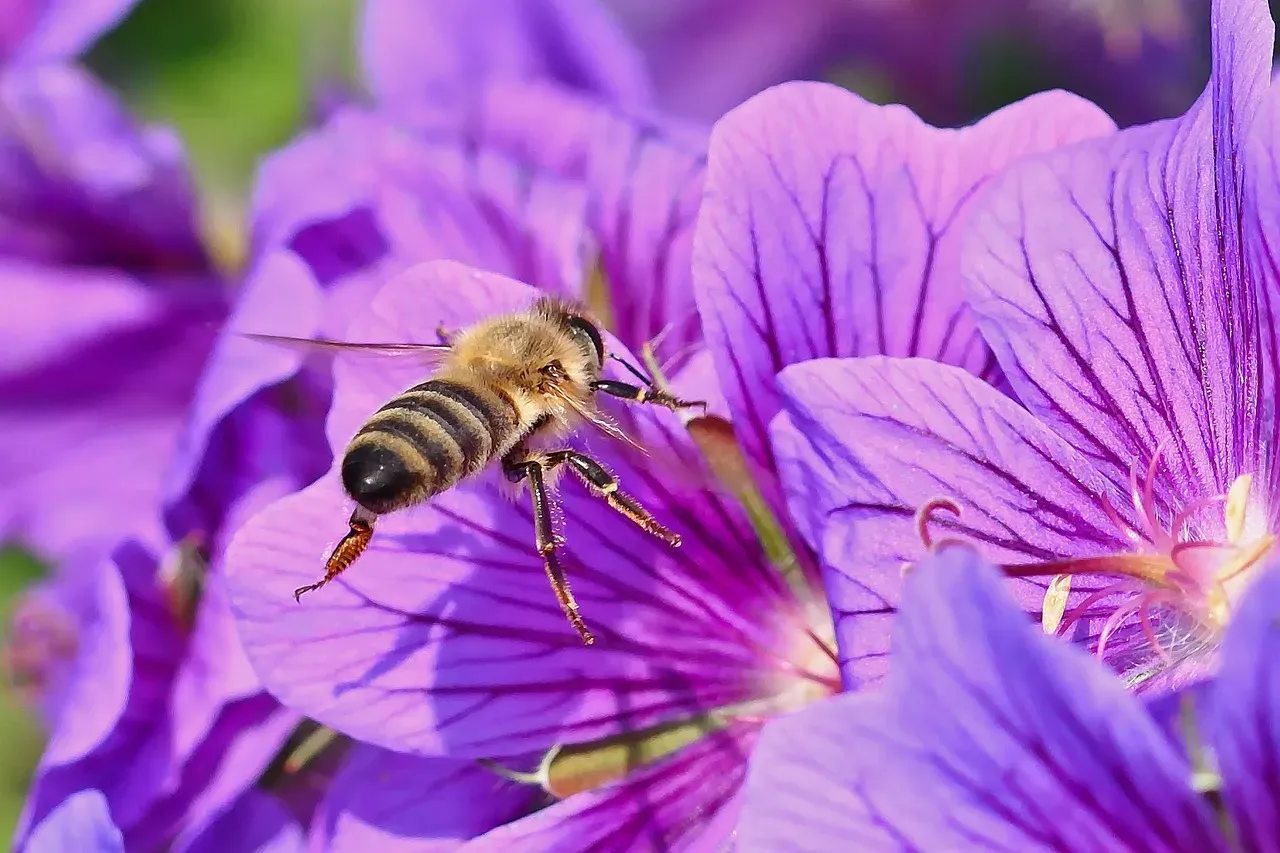
Bees are easy to dismiss as little buzzing robots, but research in recent years has made that view almost impossible to defend. Despite having brains smaller than a grain of rice, bees can learn patterns, remember locations, and communicate the direction and distance of food sources to others using the famous waggle dance. Experiments show they can be trained to distinguish human faces, understand concepts like “same” and “different,” and even combine information from multiple senses.
There is growing evidence that bees show something like basic emotional states, reacting differently after stressful events in ways that resemble anxiety or pessimism. When an animal this small can learn, choose, adjust, and maybe even experience rudimentary mood, the old idea that consciousness requires a huge brain starts to crack. Bees turn into a kind of evolutionary whisper, suggesting that subjective experience might arise more easily, and in more forms, than we ever wanted to admit.
Consciousness Is Not Ours Alone
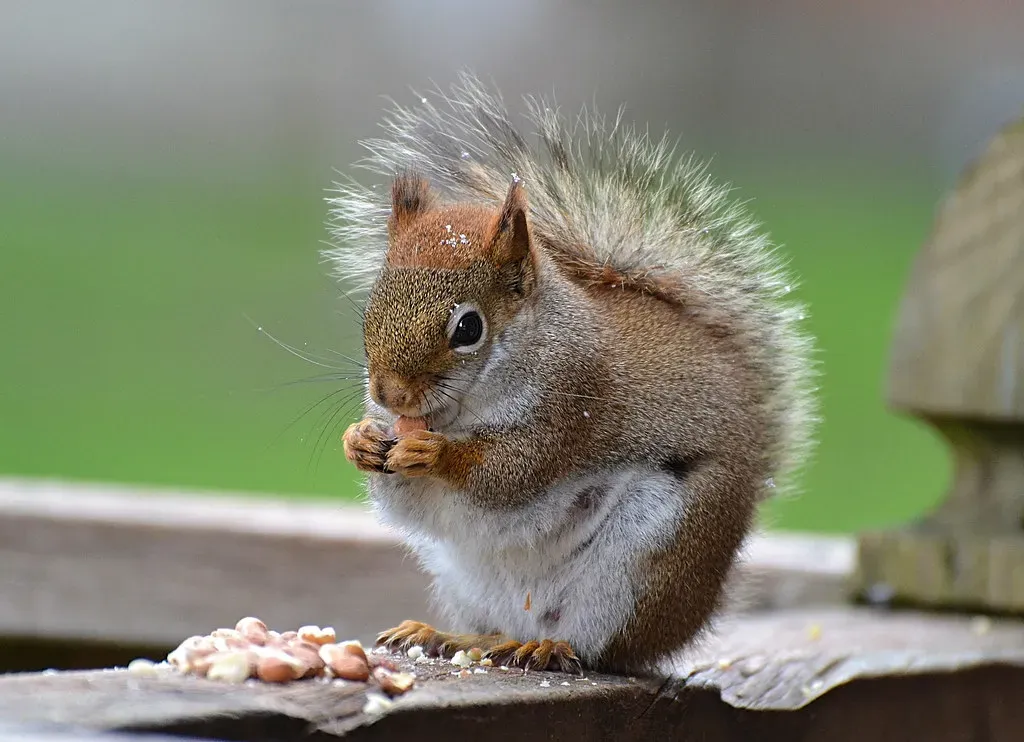
Put all of these animals side by side and a pattern starts to emerge: consciousness is not a single, neatly defined thing that humans either have or do not. Instead, it looks more like a wild landscape with many peaks, valleys, and strange features, where different species have evolved their own ways of being aware. Octopuses, corvids, elephants, dolphins, and bees each challenge a different piece of the story we tell ourselves about what it means to think, feel, and exist.
Once you accept that awareness may come in many shapes, it becomes a lot harder to see other creatures as mere background to human life. Our moral, philosophical, and even scientific assumptions start to feel less stable, but also more honest and alive. Maybe the real shock isn’t that these animals have some kind of consciousness, but that we took so long to notice it. What other minds are we still overlooking?