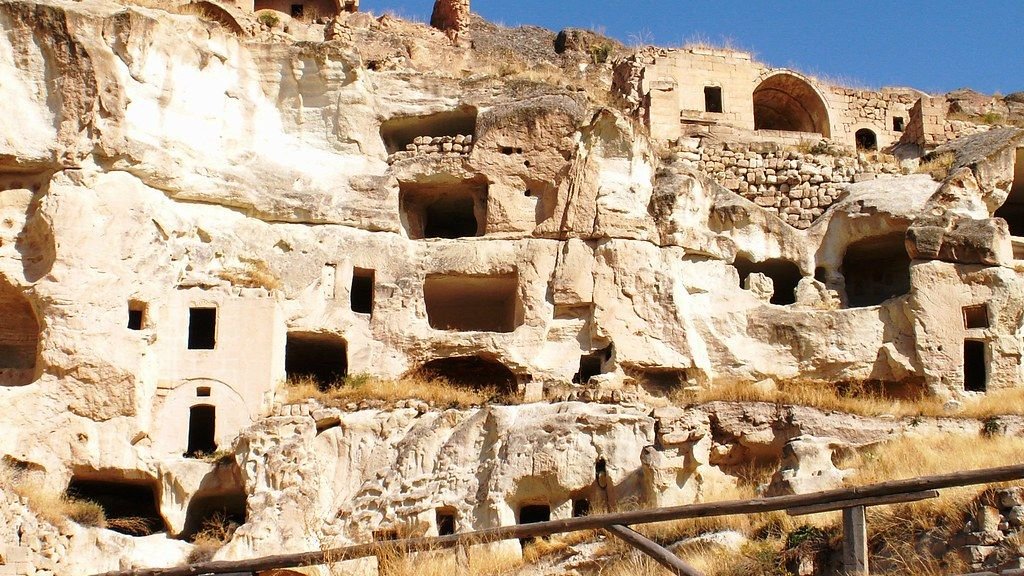

There is something deeply humbling about standing in front of a structure that has outlasted entire civilizations. You start to wonder how people without computers, heavy machinery, or modern physics textbooks managed to build things that still baffle engineers today. The answer, honestly, is that they were smarter than we give them credit for. Far smarter.
Contrary to popular belief, some ancient civilizations were highly advanced and capable of spectacular engineering accomplishments. Many of these ancient societies built architectural wonders using construction expertise that stumped civil engineers and historians until recent years. What you are about to discover is not just history. It is a reminder that genius has no expiry date. Let’s dive in.
The Roman Aqueducts: Water Engineering That Defies the Centuries
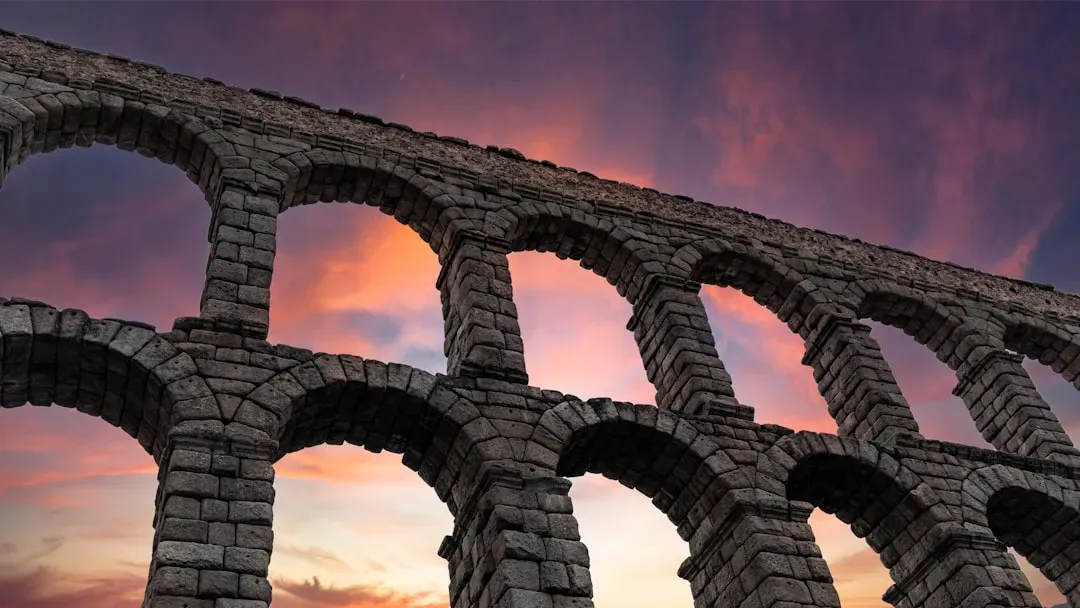
Here is the thing about Roman aqueducts that most people never realize: when you picture those dramatic stone arches stretching across the Italian countryside, you are only seeing a fraction of what actually existed. In fact, arches formed less than twenty percent of those conduits, with the larger portion lying underground. This more economical design not only protected aqueducts against erosion but also minimized their impact on fields and neighborhoods. In other words, the Romans were practical geniuses who built smart, not just spectacularly.
At their peak, Roman aqueducts brought in nearly forty million gallons of fresh water each day, supplying nine hundred bathhouses and over a thousand fountains. That number should stop you cold. Aqueducts moved water through gravity alone, along a slight overall downward gradient within conduits of stone, brick, concrete, or lead. No pumps. No electricity. Just brilliant surveying and an obsessive understanding of slope. Most aqueducts had overall slopes ranging from just 0.3% to 0.013%, an amazing engineering feat given the tools available at the time. Think about that the next time your GPS struggles to find a route.
The Aqua Virgo, integral to Rome’s water system since 19 BCE, fed the famous Trevi Fountain and remains operational today, more than two thousand years after it was first built. Edward Gibbon described the aqueducts of ancient Rome as “among the noblest monuments of Roman genius and power.” Modern water supply systems rivaling those of ancient Rome were not constructed until the nineteenth century. That is not a typo. The Romans essentially invented urban water infrastructure that the rest of the world took nearly two millennia to recreate.
The Antikythera Mechanism: The World’s First Computer, Lost for 2,000 Years
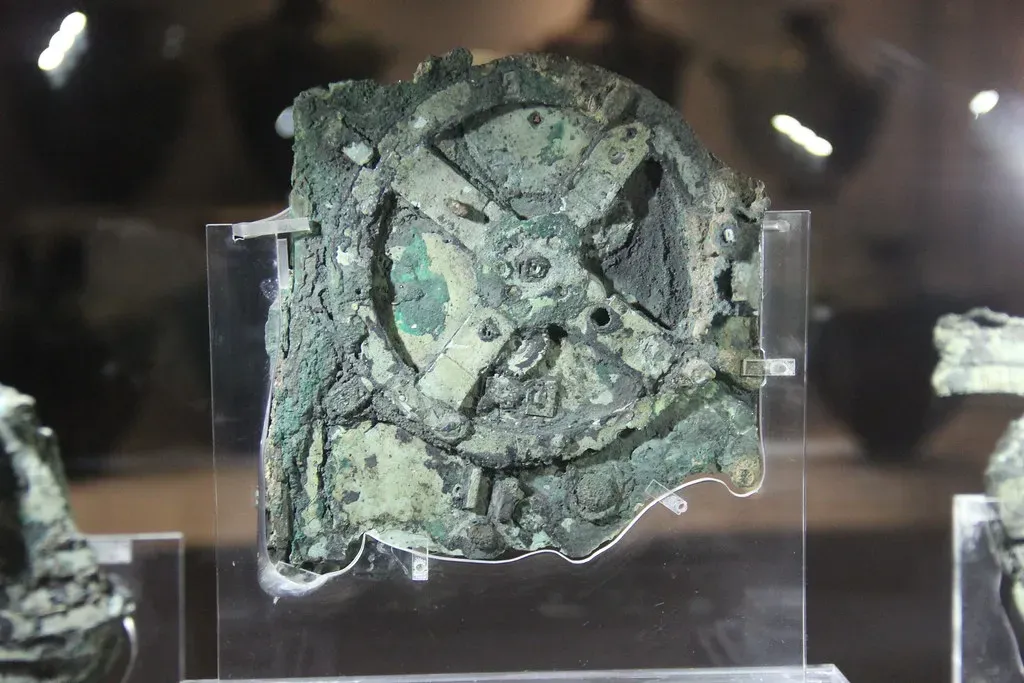
Imagine pulling a shoebox-sized lump of corroded bronze out of a shipwreck and discovering it is essentially a 2,000-year-old laptop. That is more or less what happened in 1900 when Greek sponge divers accidentally discovered one of the most astonishing artifacts in all of human history. Often regarded as the world’s first analog computer, the Antikythera Mechanism is the most technologically advanced instrument known from antiquity. Built roughly 2,100 years ago, its complex system of interlocking bronze precision gears charted the movements of the planets, sun and moon. This Greek, hand-powered device also predicted eclipses, tracked the moon’s phases and displayed the dates of the ancient Olympics.
It is the first known geared mechanism and contains the oldest existing set of scientific scales. The level of technology associated with this device is considered to be of an extremely high level, and its sophistication would not be equalled until the fourteenth century CE. Let that sink in for a moment. You are looking at a gap of over a thousand years between this device and anything comparable. The Antikythera Mechanism was built around the expertise of at least twenty different scientific fields, including mathematics, engineering, astronomy, and metallurgy. It was not a one-trick invention. It was the product of a civilization operating at a level of intellectual complexity we are still struggling to fully understand.
It is the first known device that mechanized the predictions of scientific theories. Research reveals the Antikythera Mechanism as a beautiful conception, translated by superb engineering into a device of genius. It challenges all our preconceptions about the technological capabilities of the ancient Greeks. I think what makes this wonder so extraordinary is not just what it could do. It is the unsettling thought of how much more ancient knowledge has simply vanished from history, waiting to be found at the bottom of some other sea.
Mohenjo-Daro: The Ancient City With Better Plumbing Than Medieval Europe
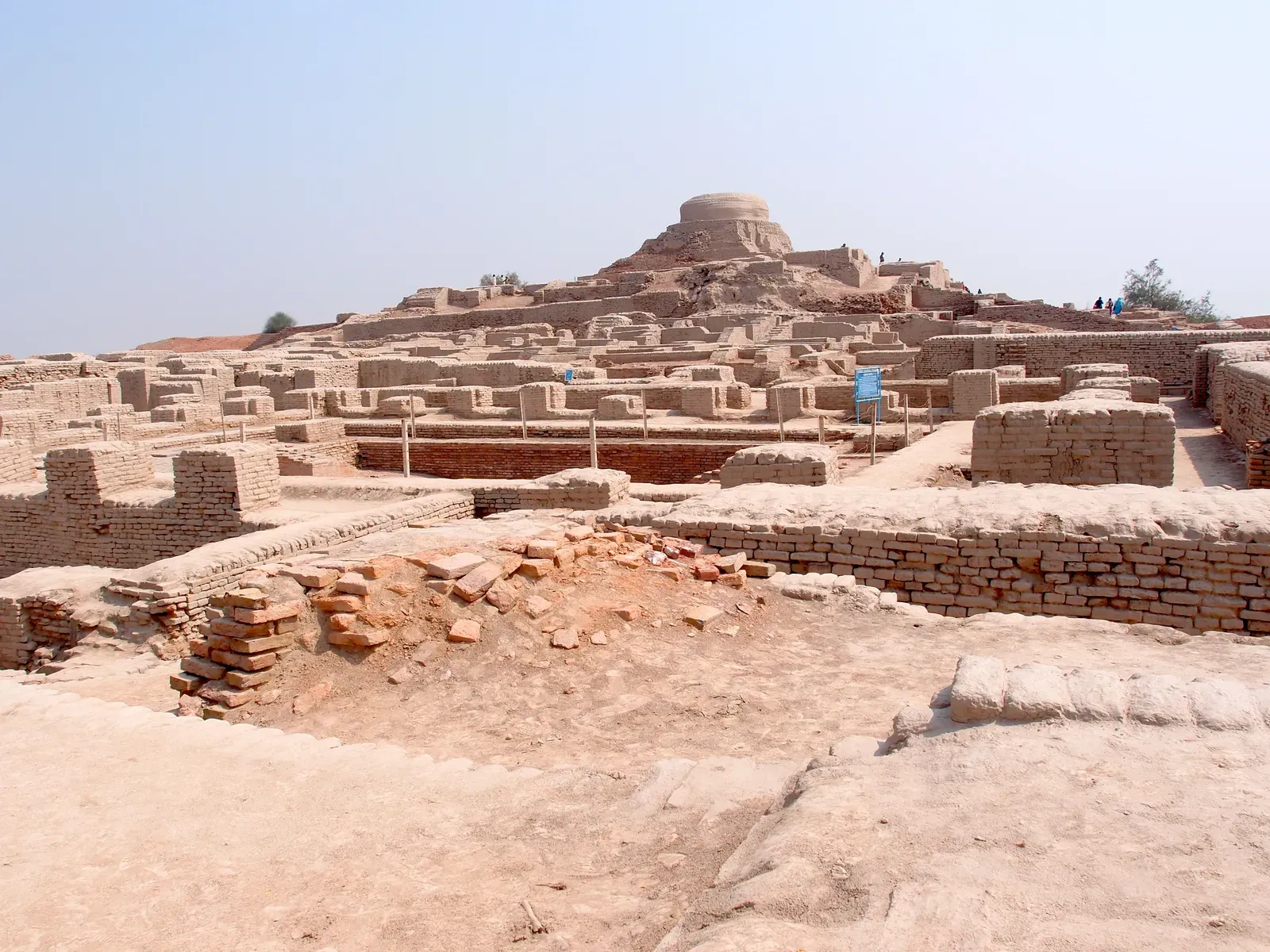
If you assumed that running water and proper sewage systems were inventions of the modern age, prepare to have your assumptions demolished. Mohenjo-Daro was built around 2500 BC and was the most advanced city of its time, with remarkably sophisticated civil engineering and urban planning. This was not a rough settlement of tents and campfires. This was a meticulously organized metropolis that would have made many cities of the 18th century look primitive by comparison.
Almost all of the city’s houses had indoor baths and latrines with drains, and the city also showed its dedication to cleanliness with a large public bathhouse used for ritual bathing. With the excavations done so far, over 700 wells are present at Mohenjo-Daro, alongside drainage and bathing systems. This number is unheard of when compared to other civilizations at the time, such as Egypt or Mesopotamia, with roughly one well for every three houses. Think of it like a city-wide plumbing grid, only built entirely by hand, without any engineering software or modern machinery.
Sewage was disposed of through underground drains built with precisely laid bricks, and a sophisticated water management system with numerous reservoirs was established. In the drainage systems, drains from houses were connected to wider public drains. European cities did not achieve this level of sanitation until the 19th century. That is a staggering gap of nearly 4,000 years. Meanwhile, Mohenjo-Daro was quietly doing it all along, and then one day the city just vanished. To this day, no one fully understands why.
Sacsayhuamán: Stone Walls That Physics Still Cannot Fully Explain
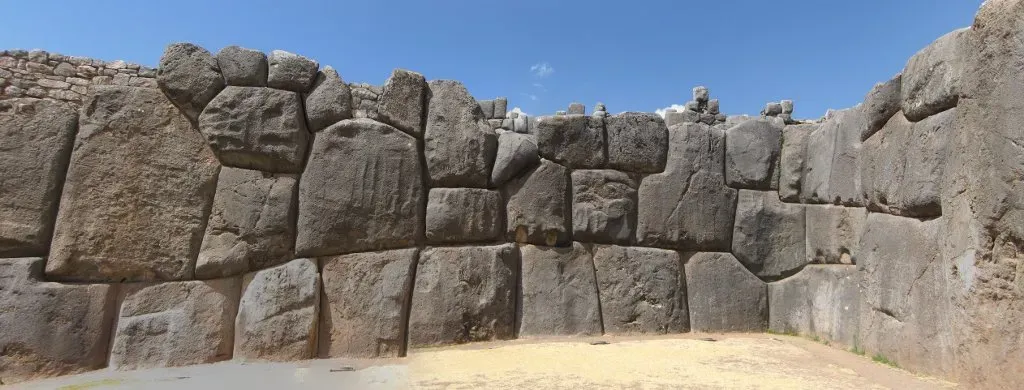
Let’s be real. When you see a photograph of Sacsayhuamán for the first time, your first instinct is to wonder if someone is pulling your leg. It consists of three stone boulder walls that interweave in a puzzle-like pattern. The skill required to build this structure is impressive even by today’s standards, because the stone boulders are so precisely interconnected that it is virtually impossible to push even something as thin as a piece of paper between them. No cement. No mortar. Just stone fitted to stone with impossible precision.
The stone boulders were excavated from a quarry located three kilometers away and moved to their current location using an unknown transportation system. The boulders are enormous and heavy, with the largest tipping the scales at about 120 tons. For perspective, that is heavier than a fully loaded Boeing 737. Sacsayhuamán in Peru was constructed with boulders fitting together tightly, often without mortar. Weather and time barely touch it. It has survived earthquakes, centuries of Andean weather, and the destructive ambitions of Spanish colonizers who used it as a quarry, yet it still stands like a testament to something we have not quite figured out.
The question remains: how were builders able to move and set stones weighing up to 200 tons across steep mountain terrain? Did their religious beliefs drive them, or pure technical genius? Honestly, it was probably both. Ancient builders likely saw little divide between geometry, spirituality, and psychology. Perhaps all this engineering genius cannot be separated from myth and meaning. There is something quietly powerful in that idea, the thought that the most magnificent things humans have ever built were often driven not by profit or efficiency, but by pure devotion.
Teotihuacán: The City Aligned With the Cosmos
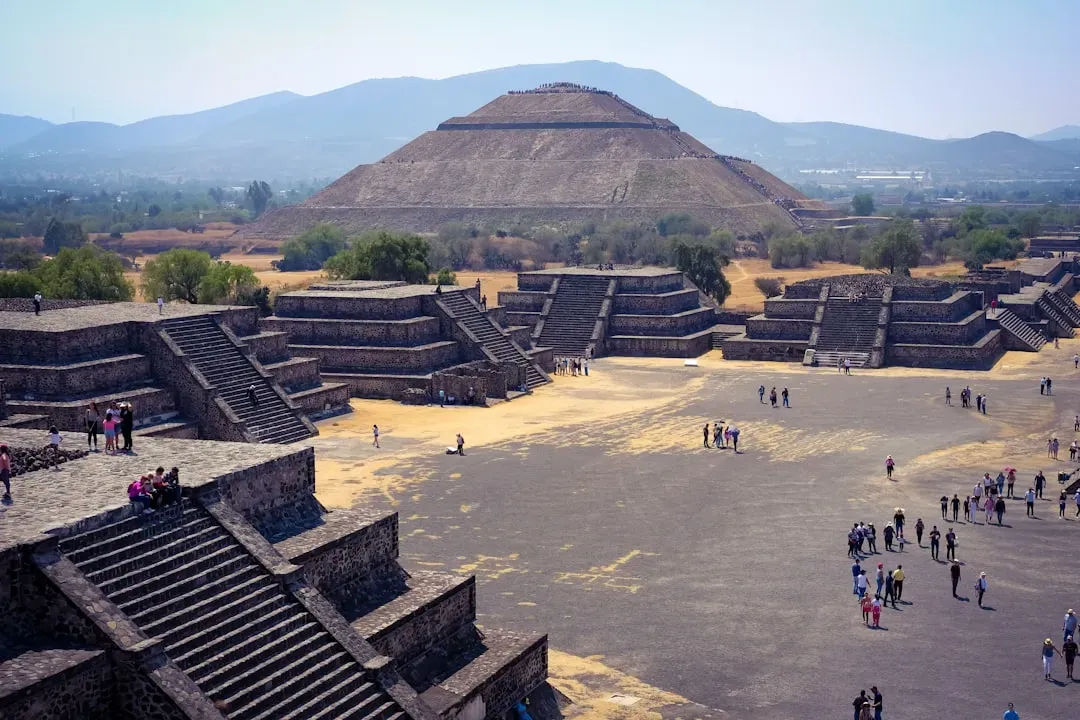
Most people have heard of the pyramids at Teotihuacán, northeast of Mexico City. Fewer people know that the entire city was built as a precise astronomical instrument. Teotihuacán’s pyramids once formed an urban metropolis that spanned 22 miles and was home to approximately 200,000 inhabitants. Amazingly, the city was built such that its grid aligned properly with key geographic, geodetic, and celestial points. For instance, the city’s east-west axis aligned with a sunset point in the horizon that coincided with the beginning of the Mesoamerican calendar. This was not accidental urban planning. This was intentional, large-scale cosmic mapping.
In addition, the city’s north-south axis was aligned with the Temple of Quetzalcoatl, as well as the Sun and Moon pyramids. Every road, every building, every plaza was oriented with purpose. Not only does it have some of the largest pyramidal structures on the planet, but it also has many other unique traits, such as being aligned with celestial, geographic, and geodetic points of significance. For a civilization without GPS, without satellites, and without any of the tools modern surveyors rely on, achieving this level of precision across a city of that size is genuinely mind-bending.
In Egypt, the afterlife was mapped in stone; in Peru, mountains became temples; in Mesoamerica, entire cities became star charts. Even today, these monuments speak to us in riddles. Their technical feats, from seamless joins to astronomical precision and perfect alignments, draw tourists and researchers alike, challenging us to rethink what the word “primitive” really means. Teotihuacán was not just a city. It was an idea rendered in stone at a scale that still humbles every visitor who walks its ancient avenues today.
Conclusion: The Genius That History Forgot
There is a comfortable story we tell ourselves about the past: that history was a slow, steady march from primitive to advanced, from simple to sophisticated. These five wonders destroy that story completely. We often think about our distant ancestors as primitive, equipped with the crudest of tools and a limited set of skills. More often than not, we are terribly mistaken. Ancient civilizations are usually underestimated. History shows us that they repeatedly demonstrated incredible ingenuity and engineering prowess, even in the most distant past.
From gravity-driven aqueducts still feeding Roman fountains today, to a bronze computing device that predated the next comparable invention by more than a thousand years, the evidence is all around us. Next time you see photos of these impossible wonders, ask yourself: what drove someone, thousands of years ago, to move a mountain, carve an echo into stone, marry math to worship? What knowledge did they have that we have forgotten? The more we discover, the more it seems that the story of human genius is not a straight line forward. It is a spiral, and some of its highest peaks were reached a very long time ago.
What ancient wonder surprised you most? Drop your thoughts in the comments below – we would love to know which one made you look at history differently.