
Some monuments feel less like buildings and more like riddles carved in stone. The deeper researchers dig into the greatest wonders of the ancient world, the more questions seem to appear, as if the past is deliberately holding something back. We have lasers, satellites, and supercomputers now, yet we still can’t fully explain how or why some of these structures were created with such impossible precision.
What fascinates me most is that these places were built by people who had no idea we’d be staring at their work thousands of years later, trying to reverse‑engineer their secrets. Standing in front of ruins, you realize how little we truly know; it’s a bit like walking into a room where a conversation has been going on for hours and catching only the last sentence. Below are five ancient wonders that still refuse to give up all their answers, no matter how hard we try to decode them.
The Great Pyramid of Giza: Engineering on the Edge of Impossible
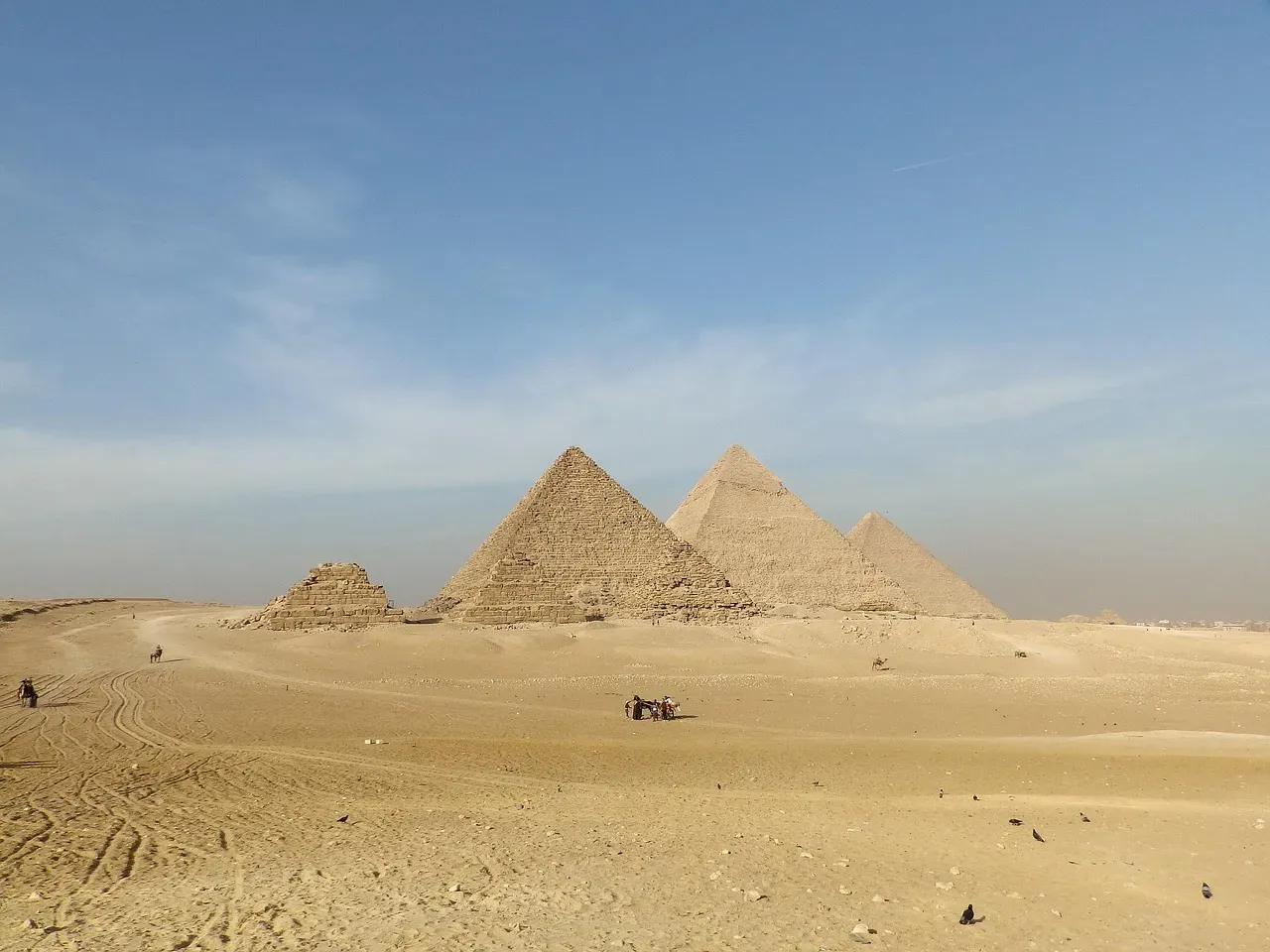
Imagine trying to build a twenty‑story stone mountain so precisely aligned that its sides almost perfectly match the cardinal directions, without lasers, GPS, or modern cranes. The Great Pyramid of Giza does exactly that, and even in 2026, the full story of how remains frustratingly incomplete. Each block can weigh as much as a family car, and there are millions of them, yet they were placed with staggering accuracy over a base that is nearly level to within a few millimeters.
Researchers have proposed ramps, counterweights, internal spiral corridors, and other clever systems, but no single theory fully explains every detail of the pyramid’s construction and logistics. Then there are the internal chambers and shafts, some of which have only recently been discovered using muon‑scanning technology, hinting at hidden spaces that archaeologists are still investigating. The exact purpose of some of these narrow passages and sealed cavities, especially the ones that go nowhere, is still debated. Standing in front of the Great Pyramid, you can almost feel the gap between what we think we know about ancient Egypt and what they were actually capable of.
Stonehenge: A Stone Circle That Defies Simple Explanations
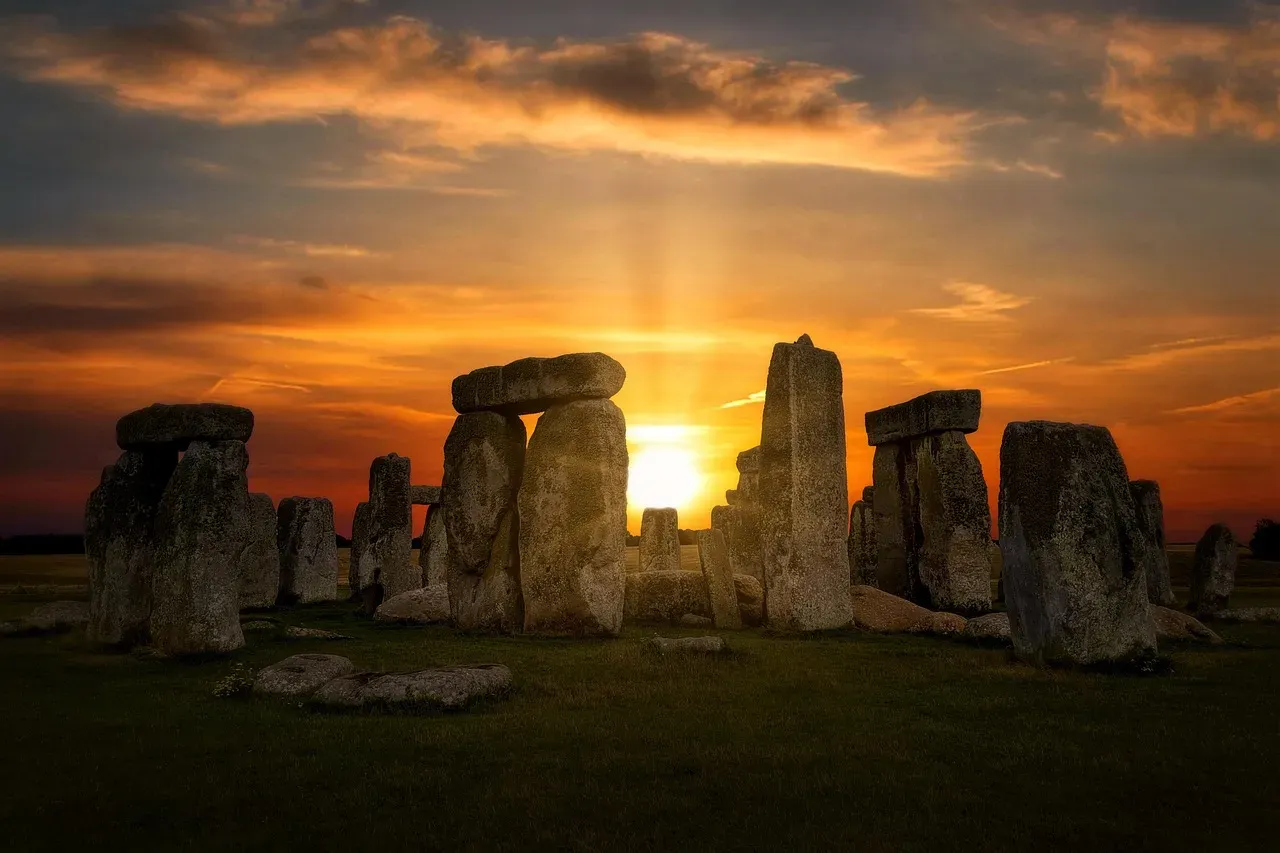
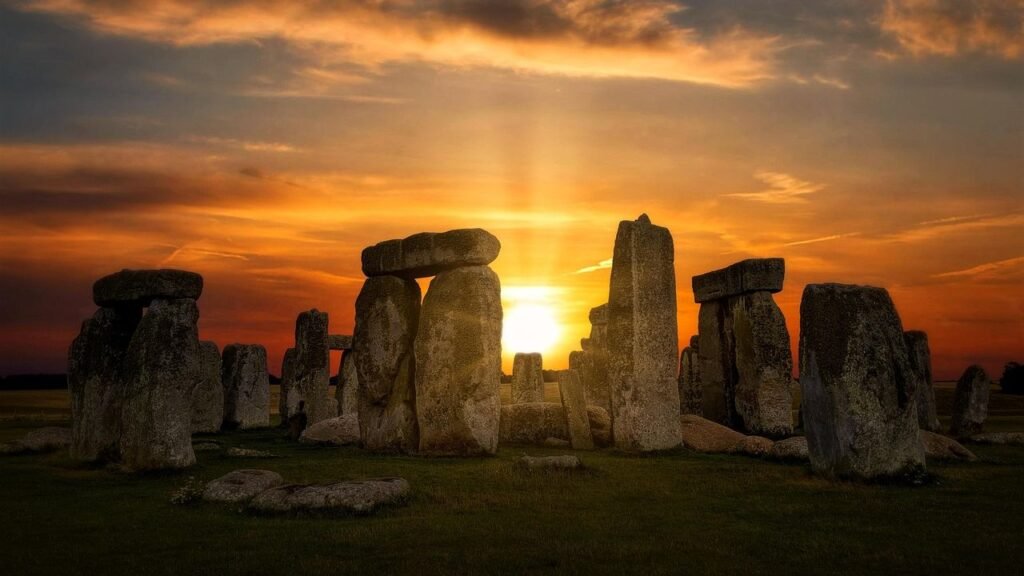
If you’ve ever walked up to Stonehenge at sunrise, you know it has a strangely quiet weight to it, like it’s watching you back. At first glance, it’s just a ring of big stones in a field, but nothing about it is truly simple. Some of the stones were dragged from quarries in Wales, roughly the distance of a long road trip, and nobody fully agrees on how prehistoric people moved them over hills, rivers, and rough ground without wheels or modern tools.
The alignment of Stonehenge with the solstices is well known, but the deeper purpose of the site is still unsettled: was it a temple, a ceremonial calendar, a burial ground, a place for healing, or something that combined all of those roles? Excavations have revealed human remains, animal bones, and traces of large wooden structures nearby, suggesting a complex ritual landscape rather than a single isolated monument. What keeps the mystery alive is that we have no written records from the people who built it, only the stones and the surrounding earthworks. It feels like walking into the middle of someone else’s spiritual ritual and never being told the rules.
Machu Picchu: A Hidden City with Missing Answers
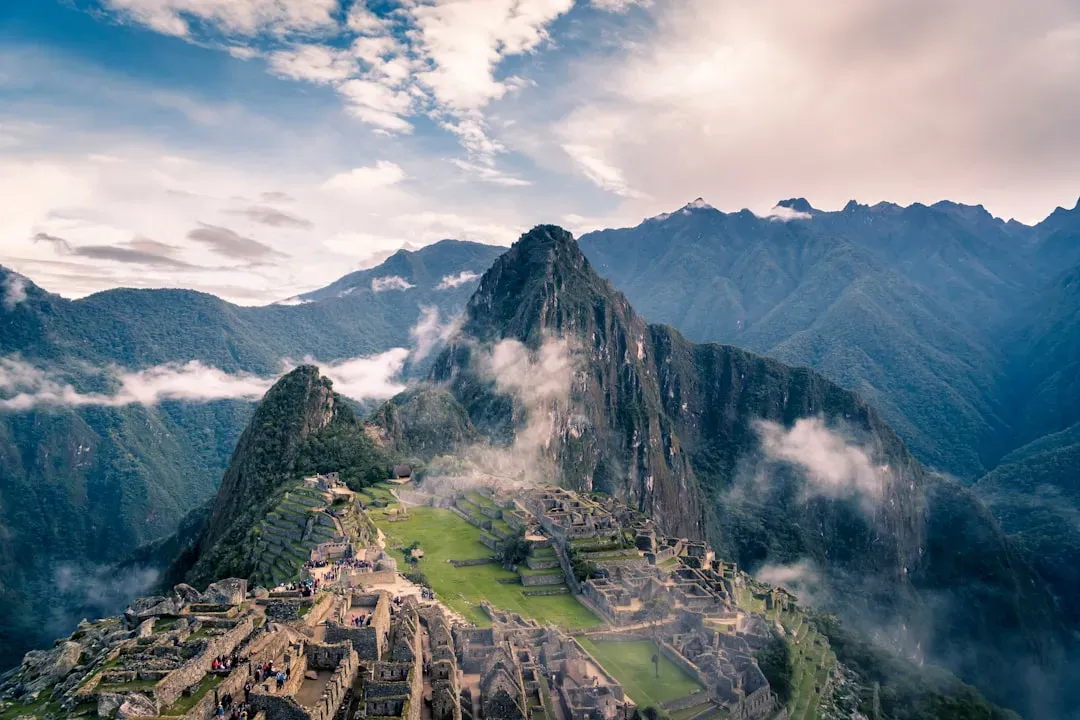
Perched high in the Peruvian Andes, Machu Picchu looks almost unreal, like someone painted a city into the clouds. The Inca engineers carved terraces into steep mountain slopes, channeled water through carefully designed stone canals, and built walls so precisely fitted that you can barely slip a knife blade between the blocks. Yet despite all this craftsmanship, no Spanish chronicles from the time clearly describe the site, which is strange given its scale and sophistication.
Archaeologists still argue about its primary purpose: was Machu Picchu a royal retreat for the emperor, a religious sanctuary, an agricultural experiment station, or a strategic outpost? The layout suggests astronomical and ceremonial functions, but there are everyday living spaces too, making it difficult to pin down a single explanation. We also don’t know exactly why it was abandoned, or how many people lived there at its peak. When I visited, what struck me most was how the mountains feel like part of the architecture, as if the Inca were collaborating with the landscape itself, leaving us to guess what they were really trying to say.
The Hanging Gardens of Babylon: Wonder or Beautiful Myth?
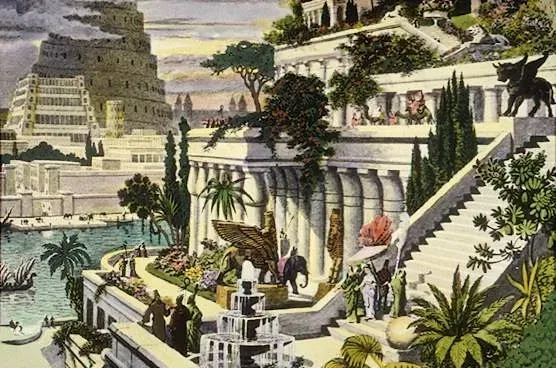
The Hanging Gardens of Babylon are one of the most famous ancient wonders, yet nobody can agree if they truly existed the way later writers described them. Ancient accounts speak of lush, tiered gardens rising high above the ground in the middle of a great city, with trees and plants irrigated by ingenious water‑lifting systems. Modern excavations in Babylon, in present‑day Iraq, have revealed impressive structures, but not a clear, undeniable match to these legendary gardens.
Some historians think the gardens might have been misattributed, possibly located not in Babylon but in the Assyrian city of Nineveh, based on newer readings of ancient texts and archaeological findings. Others argue that the descriptions are exaggerated, combining fragments of reality with imagination over centuries of retelling. This leaves the gardens in a strange space between history and legend, unlike the other wonders we can physically touch. The mystery here isn’t just about how they were built, but whether our mental picture of them is based on stone and irrigation systems or on centuries of layered storytelling.
The Nazca Lines: Messages Etched Into the Desert
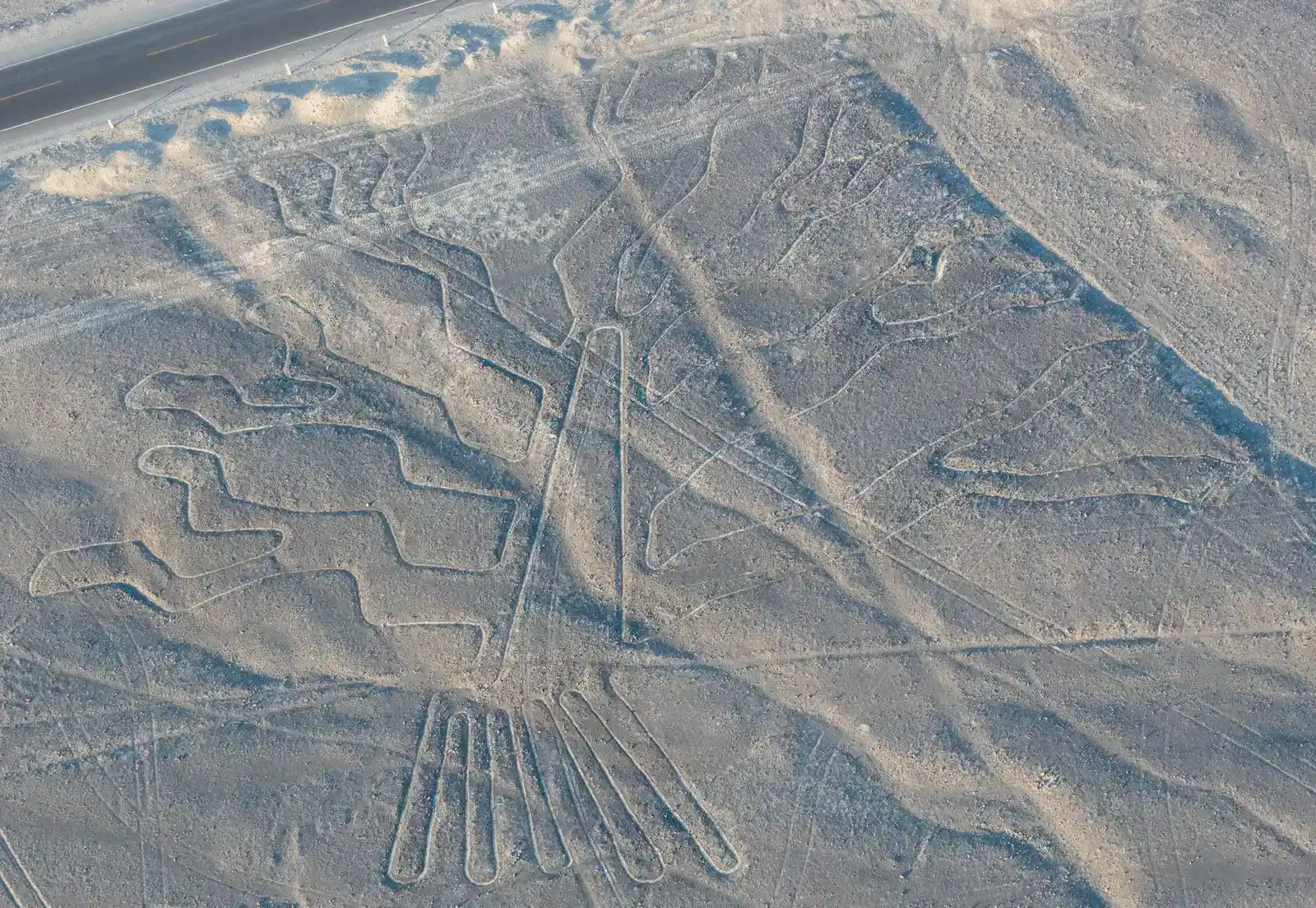
From the ground, the Nazca Lines in southern Peru look like random trenches in a barren desert, but from the air they turn into giant images: spiders, hummingbirds, monkeys, geometric shapes, and long, straight lines stretching for kilometers. These figures were created by removing the dark surface stones to reveal lighter soil underneath, a simple technique that has somehow survived centuries of wind and weather. The sheer scale of the drawings raises an immediate question: why would a culture with no airplanes design art that makes the most sense only from above?
Researchers have proposed religious ceremonies, astronomical alignments, processional walkways, and water‑related rituals as possible explanations, but the truth is still uncertain. Some lines appear to point toward solstice sunrises or important mountain peaks, while others don’t match any clear pattern we understand. There is evidence that different groups added new designs over time, turning the desert into a layered canvas of beliefs and practices. To me, the most unsettling part is that the Nazca people left almost no written explanation, so we’re left tracing their footsteps in the dust, trying to interpret a message that might never have been meant for us at all.
Echoes from a Past That Won’t Fully Explain Itself
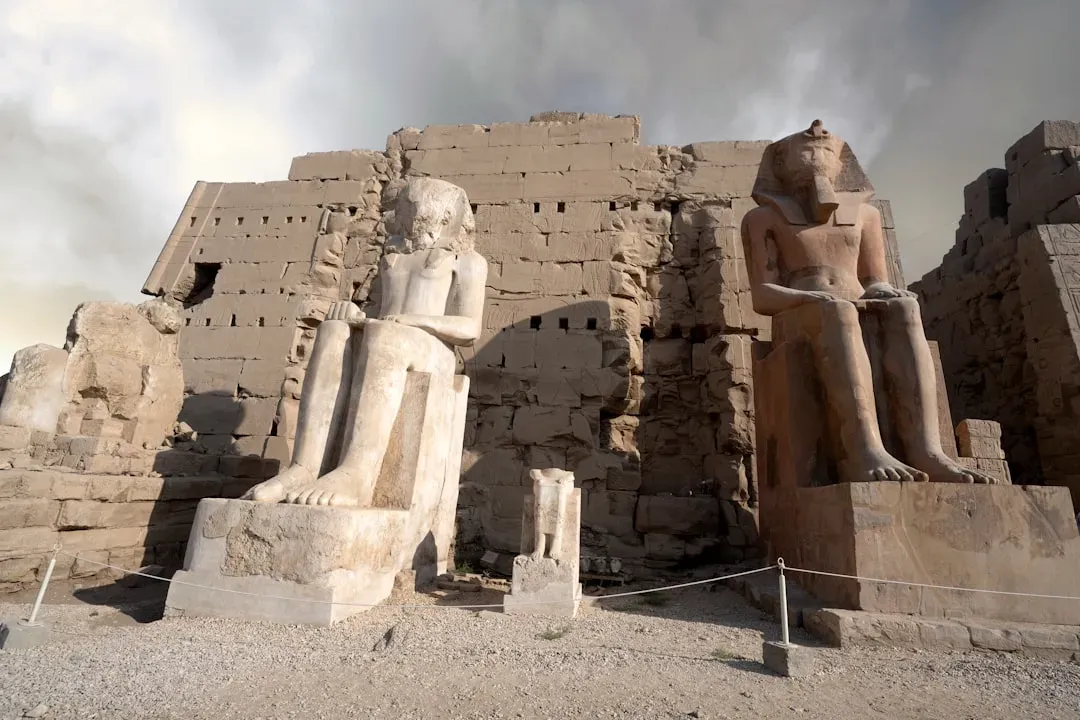
The Great Pyramid, Stonehenge, Machu Picchu, the Hanging Gardens, and the Nazca Lines all remind us that the past is not a tidy story with all the chapters neatly in order. Even with advanced technology, we’re still piecing together half‑burned pages of human history, trying to make sense of ambitions, fears, and beliefs that were never written down for us. These places show how determined people can be when driven by faith, power, curiosity, or a vision of beauty that outlives them by thousands of years.
What lingers is not just admiration for their engineering or artistry, but the uncomfortable feeling that our explanations are always temporary. New scans reveal hidden chambers, new excavations shift old assumptions, and sometimes fresh evidence only deepens the mystery instead of resolving it. Maybe that’s why these wonders continue to pull us in: they prove that humans have always reached beyond what seems possible, leaving behind puzzles as their calling cards. When you look at these ancient riddles, which mystery do you secretly hope we never fully solve?