
Every so often, you stumble across a piece of the ancient world that feels like it just shouldn’t exist. Perfectly aligned stones, impossible weights, mysterious symbols, and a level of planning that seems outrageously advanced for the tools people were supposed to have at the time. These are the places that make even seasoned archaeologists pause, squint, and admit: we still don’t fully get how or why this was done.
In a world where we’ve mapped genomes and sent probes past Pluto, it’s weirdly comforting that giant blocks of stone can still keep some of our best minds guessing. The five megalithic sites below are all real, heavily studied, and full of hard evidence – yet each of them has gaps in the story big enough to drive a truck through. The more we learn, the stranger some of the questions become.
Stonehenge, England: More Than Just a Circle of Rocks
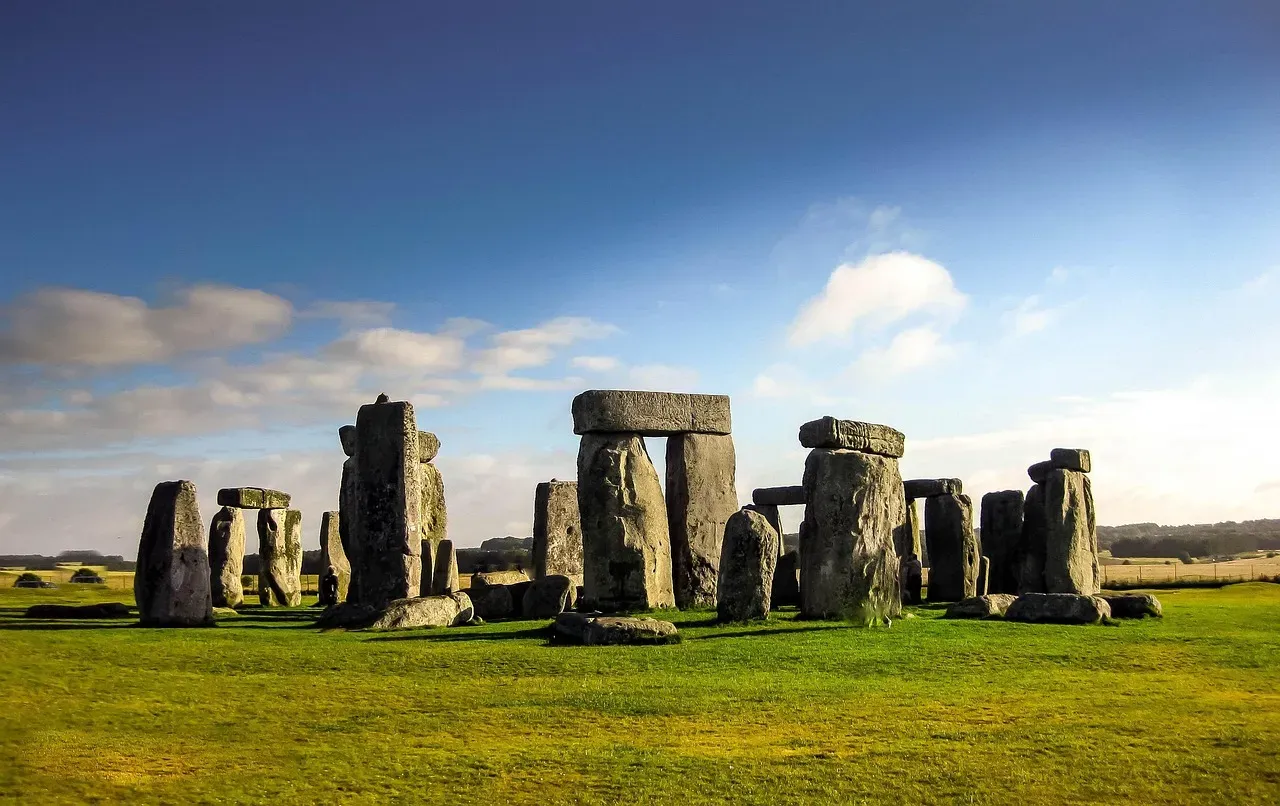
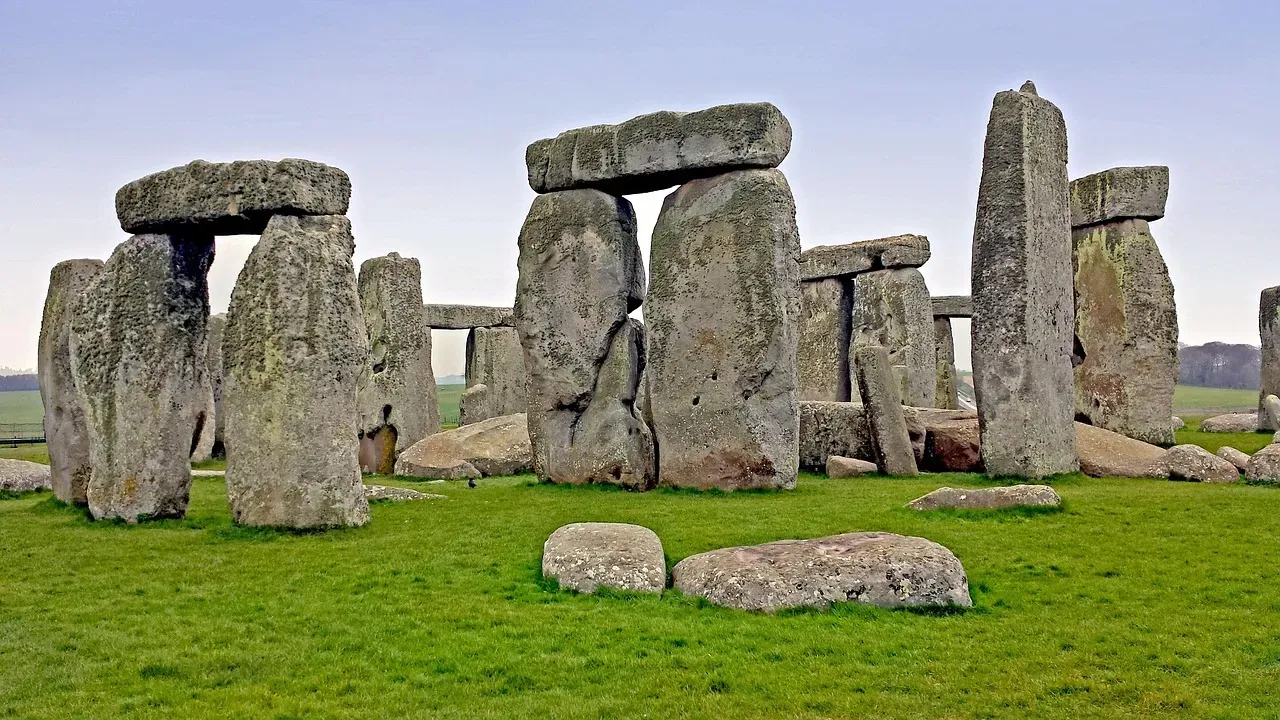
Imagine standing on a windswept plain and realizing the stones towering over you were dragged there before metal tools were widely used, before writing existed in that region. That’s Stonehenge: familiar from photos, but shockingly strange in person. Archaeologists have uncovered that it wasn’t built all at once but in stages over many centuries, involving different types of stones brought from very different places. Some of the smaller bluestones appear to have come from quarries in Wales, roughly about one hundred fifty miles away, which raises the big question: how did they transport them with Neolithic technology?
There’s also the matter of alignment and purpose. The site’s main axis lines up with the summer solstice sunrise and the winter solstice sunset, suggesting a sophisticated understanding of astronomy, not just a random stone ring. Yet when you dig into the evidence, you find multiple overlapping uses: it seems to have been a burial site, a ceremonial center, and maybe even a place of pilgrimage over generations. I remember the first time I visited, expecting a one-purpose “calendar,” and walking away feeling like I’d just seen the stone equivalent of a cathedral, graveyard, and national monument mashed into one. The puzzle isn’t only how it was built, but how many meanings it held for the people who kept returning to it.
Göbekli Tepe, Turkey: The Temple That Shouldn’t Exist
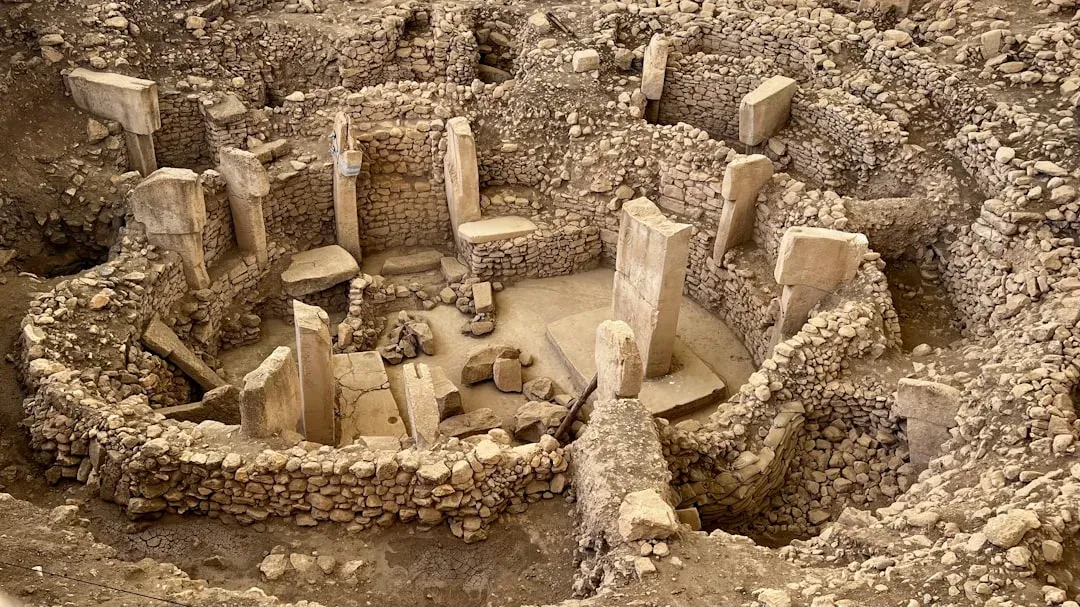
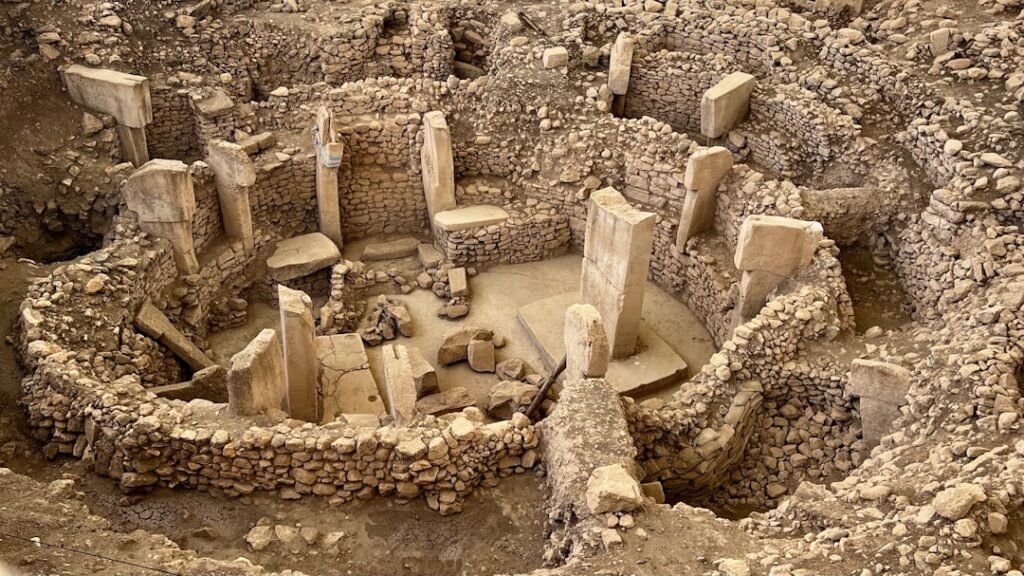
Göbekli Tepe feels like it breaks the timeline of human history. It dates back to around eleven thousand years ago, older than Stonehenge and the pyramids by several millennia, and it appears to be a monumental ritual or temple complex built by hunter-gatherers. That combination alone rattles the usual story that massive architecture only arrived once farming and settled villages took hold. The site features huge T-shaped pillars, some weighing several tons, arranged in circular enclosures and carved with intricate animal reliefs – wild boars, birds, snakes, and more.
What makes it so puzzling is that it was deliberately buried. Over time, the people who built it seem to have filled in the enclosures with rubble and earth, preserving them like a time capsule. No obvious domestic structures have been found in the oldest layers, which adds to the mystery: did people travel long distances just to build and visit this sacred site? When I first read about Göbekli Tepe, it felt like someone had slipped a modern stadium into the Stone Age. It forces us to ask whether religion and shared myth may have been strong enough to pull people together into massive building projects long before cities or farms existed.
Puma Punku, Bolivia: Stonework on the Edge of Impossible
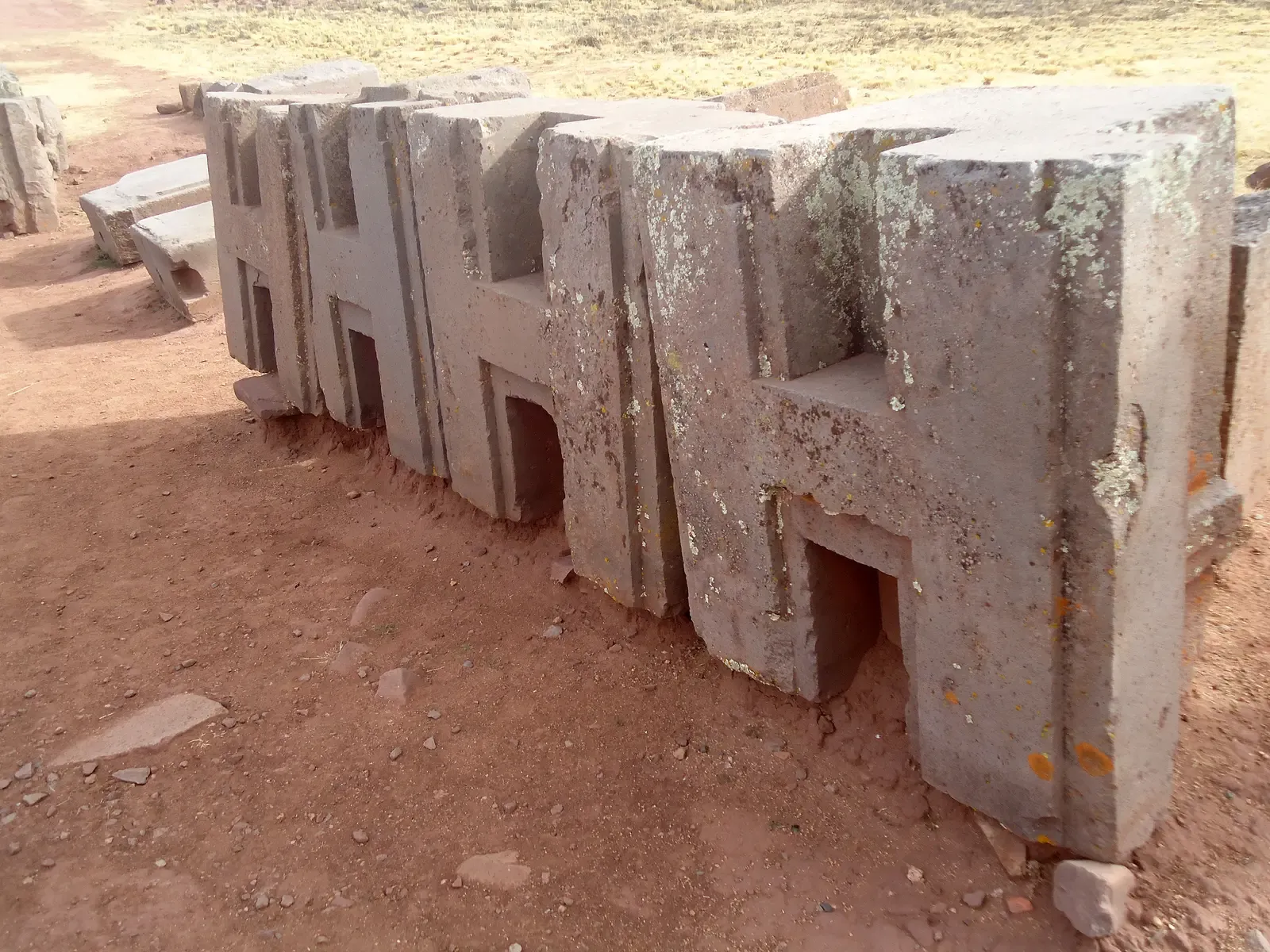
Puma Punku, part of the broader Tiwanaku complex in the Bolivian highlands, sits at more than twelve thousand feet above sea level, and the stonework there almost looks mechanical. Huge blocks of andesite and sandstone lie scattered, many with crisp, straight cuts, perfect right angles, and intricate interlocking shapes that look like something from a machine shop rather than a pre-industrial culture. Some blocks weigh dozens of tons, and they were transported from quarries located miles away, across rough terrain and at a brutally high altitude.
Archaeologists generally agree that the Tiwanaku civilization, which flourished many centuries before the Inca, had developed clever stone-working techniques, possibly using copper tools, abrasives, and a lot of patience. But there’s still debate about the exact methods that produced such precise surfaces and consistent geometric patterns across many blocks. Walking through photos of Puma Punku feels like scrolling a glitch in time: on one hand, you know human hands and minds did this; on the other, it’s hard not to compare it to modern concrete forms and cut stone. The mystery isn’t whether it’s human, but how much knowledge has been lost about the methods they considered completely normal.
Ba’albek, Lebanon: The Monster Stones of the Bekaa Valley
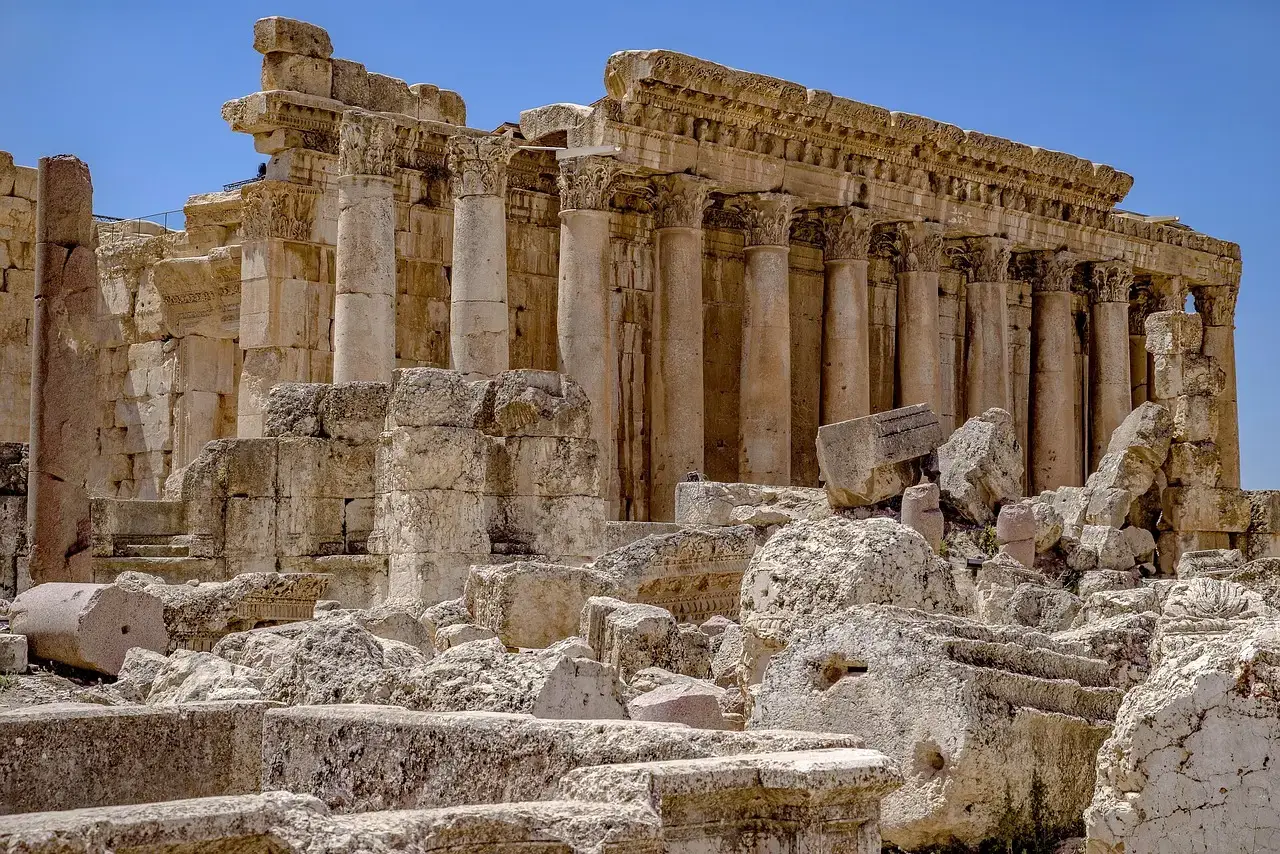
In the ancient city of Ba’albek, tucked in Lebanon’s Bekaa Valley, lies some of the heaviest stonework ever attempted in human history. The so-called Trilithon blocks in the Temple of Jupiter platform each weigh hundreds of tons, stacked with unnerving precision. Nearby, in a quarry, even larger stones lie partially cut and abandoned, including one massive block weighing well over a thousand tons. The sheer size of these megaliths pushes engineering to its limits even by modern standards, let alone by those of the ancient world.
Archaeologists can reconstruct parts of the story: later Roman builders expanded and built on top of earlier foundations, and the site evolved through different cultural and religious phases. Still, the practical question stubbornly remains: how exactly did ancient builders move and position such impossibly heavy stones over uneven ground without advanced cranes or heavy machinery? The most reasonable theories involve a mix of sledges, rollers, levers, and massive human or animal labor, probably supported by carefully prepared earthen ramps. Even so, standing next to an image of that quarry stone, it’s hard not to feel a strange vertigo – like realizing someone once decided that “bigger than anything we can easily explain” was a perfectly reasonable construction choice.
Nabta Playa, Egypt: A Desert Calendar Older Than the Pyramids
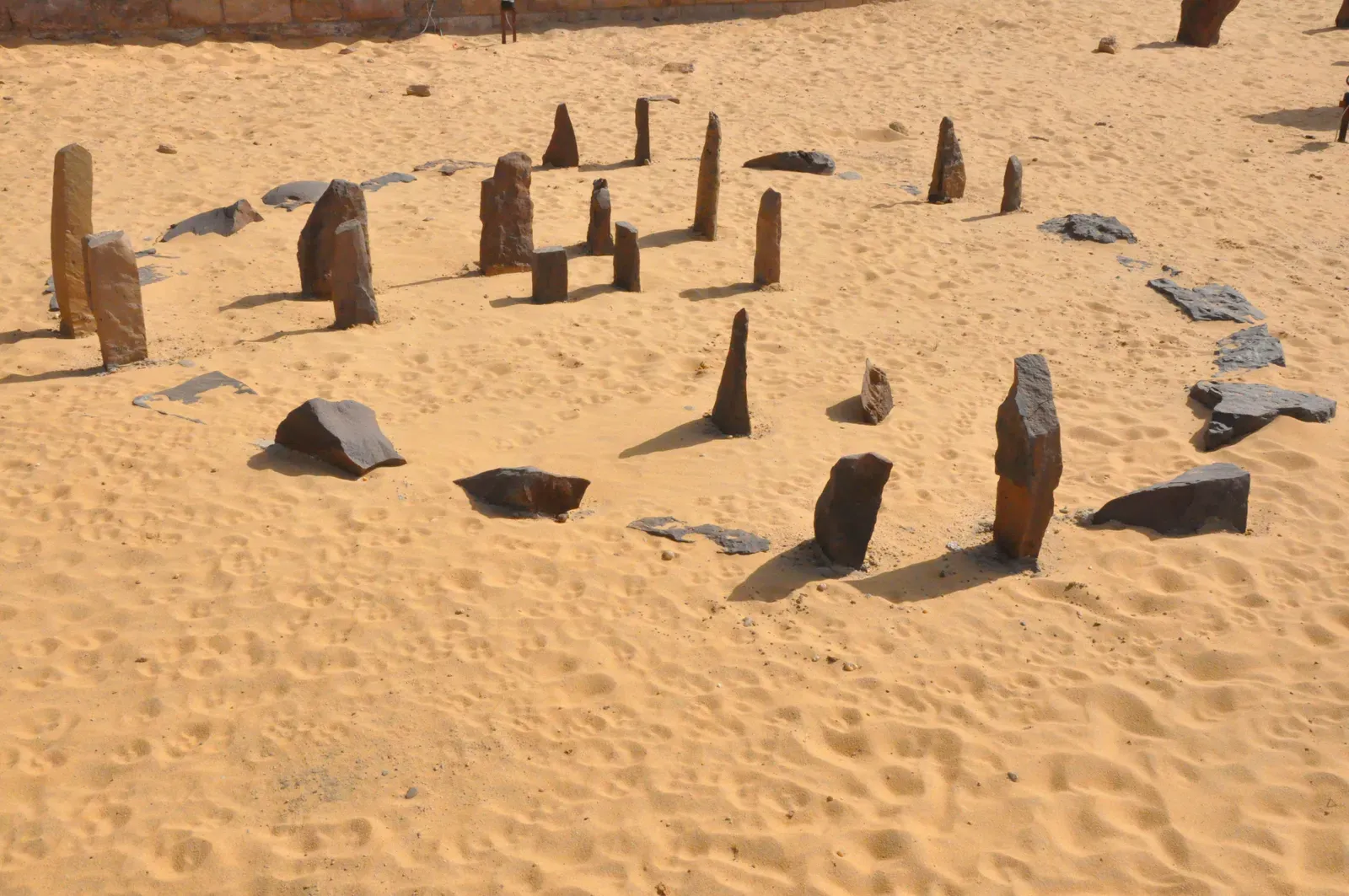
Deep in what is now Sahara desert in southern Egypt, far from the Nile and famous tourist sites, lies a quieter but deeply intriguing megalithic complex at Nabta Playa. Long before the great pyramids of Giza were built, pastoral communities gathered around a seasonal lake here, leaving behind stone circles, aligned slabs, and burial structures. Some of the standing stones appear to be aligned with the summer solstice sunrise and key stars, suggesting a sort of prehistoric astronomical observatory combined with ritual activity.
What puzzles researchers is how sophisticated this early sky-watching seems to have been in such a remote, harsh environment. People at Nabta Playa were likely herders, moving with their animals and adapting to a climate that was greener then but gradually drying out. The idea that these groups tracked solar and perhaps stellar cycles closely enough to build enduring stone markers speaks to a deep, long-term engagement with the sky. When I think about Nabta Playa, I picture families huddled around fires at night, looking up, telling stories about the stars they also used as practical guides – then deciding to fix some of that knowledge in stone. It’s a quiet site compared with towering temples, but in some ways, it feels just as revolutionary.
Why These Stones Still Matter
These five sites, scattered across continents and spanning thousands of years, have very different styles, purposes, and cultural backgrounds, yet they share one thing: they stubbornly refuse to give us the whole story. For all the excavations, lab analyses, and computer models, big questions remain about how ancient builders moved, shaped, and aligned such immense stones – and what those efforts truly meant to the people involved. The gaps aren’t just technical; they’re emotional and cultural too, touching on belief, identity, and how humans organized themselves long before written records.
In a way, the mystery is part of their power. These megalithic sites stand as reminders that our ancestors weren’t simple or primitive; they were problem-solvers willing to take on absurdly ambitious projects with the tools they had. They leave us with massive, silent puzzles that we’re still trying to solve, stone by stone and clue by clue. When you look at these places now, with modern eyes and modern questions, what’s the part that surprises you most?