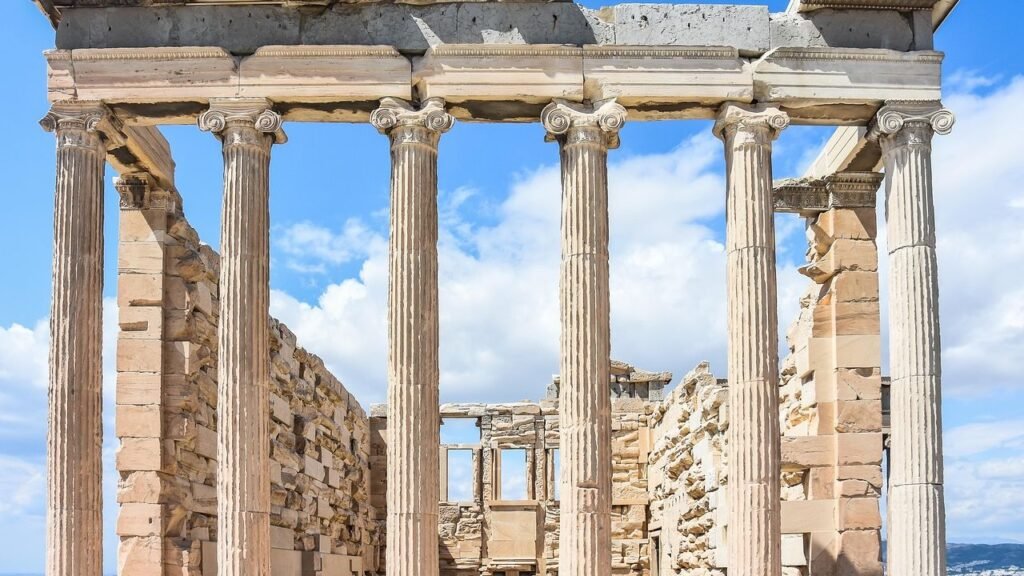

Some ideas are so powerful they outlive empires, outlast languages, and survive the rise and fall of entire worlds. When you scroll on your phone, drink clean water, look at a legal contract, or debate ethics with a friend, you’re brushing up against thoughts first hammered out thousands of years ago by people who lived with oil lamps, stone tools, and star-filled skies.
What’s wild is this: for all our satellites, AI, and skyscrapers in 2026, we’re still arguing over questions the ancients were already wrestling with. What is justice? How should we govern? What makes a good life? The civilizations below didn’t just leave behind ruins and museum pieces. They left mental software we still run every single day, often without realizing it.
Ancient Mesopotamia: The Birthplace of Rules, Records, and Responsibility
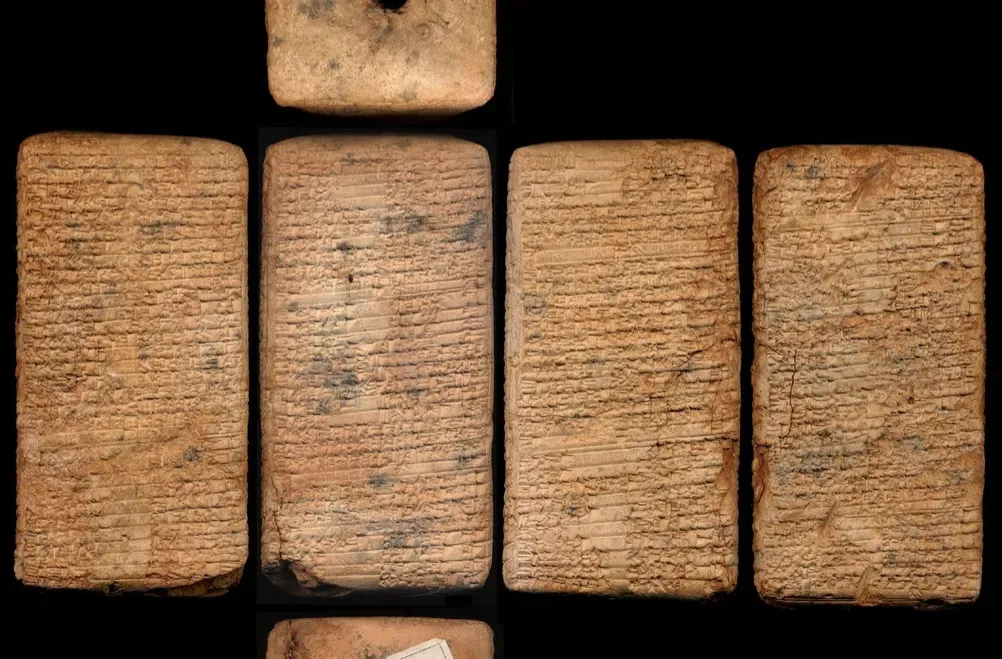
Imagine waking up one day and realizing people have been arguing over who owns which cow for so long that you finally decide, “We need to write this stuff down.” That’s essentially Mesopotamia. In the lands between the Tigris and Euphrates, people carved the first known writing systems into clay tablets, not to write poetry at first, but to keep track of grain, livestock, and debts. That simple shift from memory to record-keeping quietly changed how humans think about promises, proof, and responsibility.
The famous law codes from this region pushed the idea that rules should be written, visible, and applied, not just handed down randomly by whoever has the biggest army. Even if those laws were harsh by modern standards, the core concept – that society needs predictable, public rules – still powers our contracts, court systems, and bureaucracies. I remember reading a translation of a Mesopotamian tablet in school that was basically an ancient shipping receipt and feeling oddly moved; it felt so familiar, like seeing the ancestor of every invoice and spreadsheet we use today.
Ancient Egypt: Time, Legacy, and the Power of Long-Term Thinking

Ancient Egypt played the long game in a way that feels almost alien to our instant-notification culture. These were people who built stone monuments intended to last for millennia, aligned precisely with stars and solstices. Their obsession with the afterlife, mummification, and elaborate tombs wasn’t just superstition; it was a statement that what we do now echoes far beyond our brief lifetimes. They treated time like a vast river, not a ticking clock.
What still resonates today is that Egyptian mindset of continuity: caring about descendants you’ll never meet, building infrastructure that outlasts your own life, and seeing yourself as part of a long chain instead of a single isolated moment. We see hints of that when cities invest in flood defenses, or when families pass down traditions that started generations ago. Whenever I walk through an old cemetery or a historic building that clearly took decades to plan and build, I get a tiny glimpse of that Egyptian perspective: the quiet, stubborn belief that meaning extends beyond the span of one human life.
Ancient India: Inner Science, Mind Training, and Interconnectedness
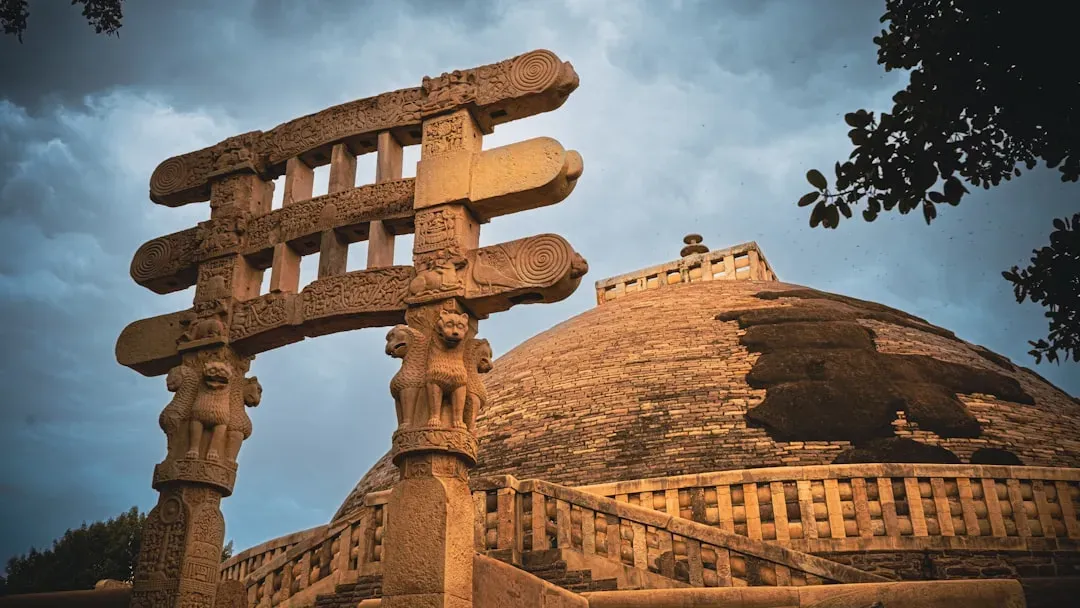
Long before wellness apps and mindfulness podcasts, thinkers in ancient India were turning their attention inward with a level of seriousness that still feels radical. The early philosophical texts from this region dug into questions of consciousness, self, and suffering, using careful observation of the mind as a kind of internal laboratory. Meditation, ethical disciplines, and yoga were not trendy fitness options; they were structured methods for reshaping attention, emotion, and behavior over years of practice.
Today, when psychologists study how meditation changes the brain, or when therapists borrow concepts like non-attachment and compassion training, they’re engaging with ideas that were developed in ancient Indian traditions. The notion that everything is interconnected, that actions have consequences beyond what we immediately see, shows up in modern discussions about climate change, social systems, and mental health. I remember trying a simple breathing exercise from a traditional text and being surprised by how something so old still felt sharp, almost modern, like discovering that your great-grandparents quietly invented half of your current coping strategies.
Ancient China: Harmony, Governance, and the Ethics of Everyday Life
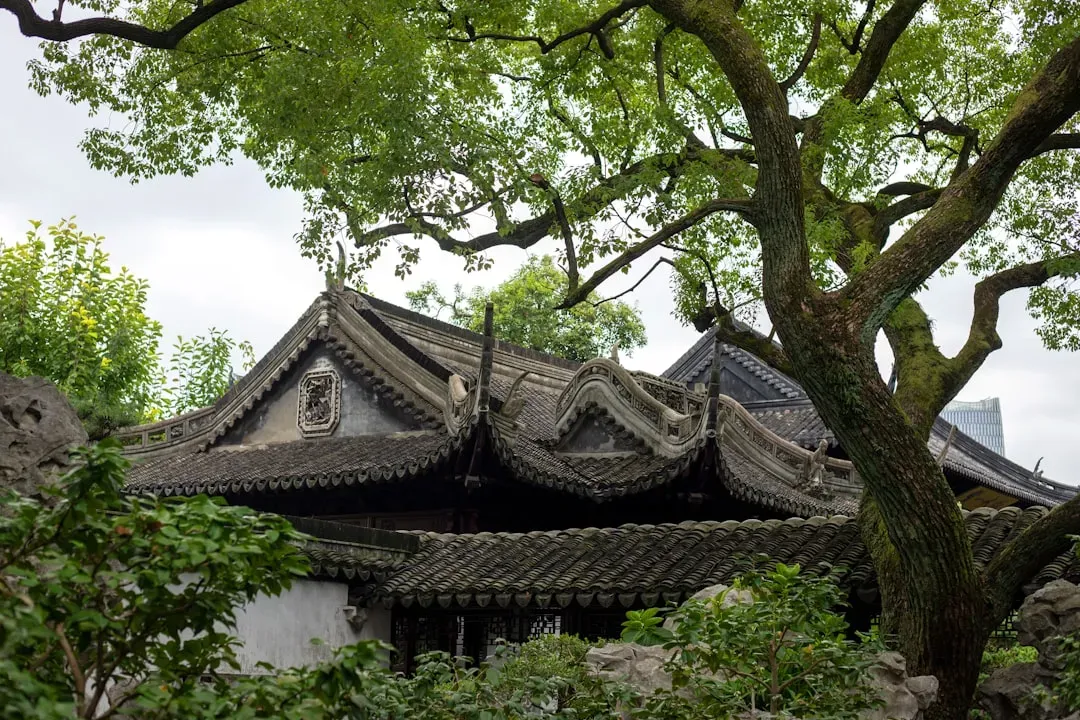
Ancient Chinese thought was obsessed with one big challenge: how to live well together. Philosophers argued fiercely over what makes a good leader, how to balance order and freedom, and how ordinary people should conduct themselves day to day. Concepts like leading by moral example instead of fear, respecting elders, and aligning human behavior with the rhythms of nature shaped not just governments but family life, education, and social expectations for centuries.
Ideas about balance, moderation, and relational responsibility still echo in modern debates about work-life balance, sustainable development, and community over individualism. Even outside East Asia, those old principles slip quietly into conversations about humility in leadership or the value of social harmony. The first time I read about the ideal of a leader who rules more by character than by punishment, it felt uncomfortably relevant to current politics. We might use different vocabulary now, but the question is the same: how do you build a society where power doesn’t constantly slide into abuse?
Ancient Greece: Reason, Debate, and the Courage to Question Everything
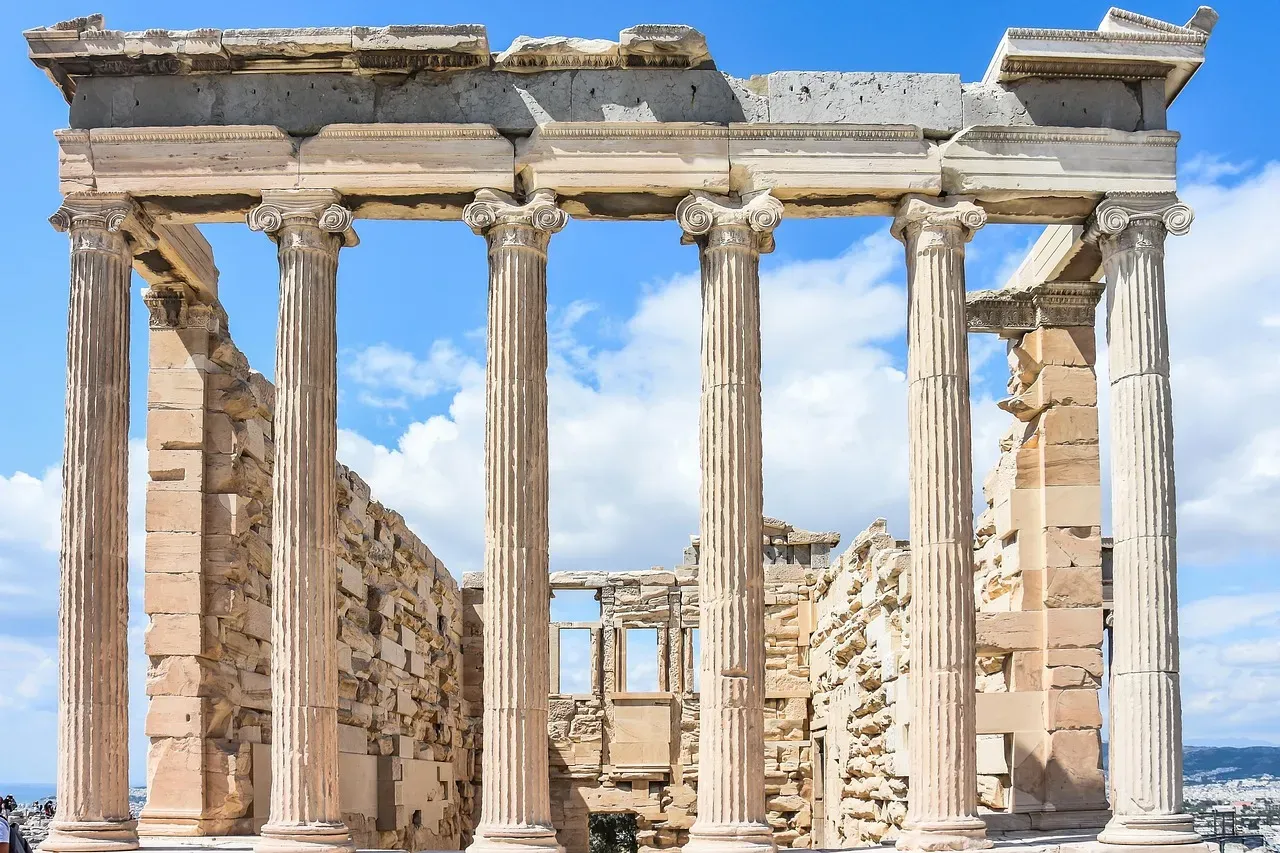
Ancient Greece electrified the world with a daring idea: that humans could and should interrogate everything, from the gods to the shape of the Earth to the structure of government. Public debate, rational argument, and the search for underlying principles became social events, not just private hobbies. They invented and refined tools like formal logic, geometry, and systematic ethics, all driven by this restless urge to understand and to justify claims with reasons instead of just tradition or fear.
Our modern science, philosophy, and democratic ideals still lean heavily on that Greek legacy of questioning authority and testing ideas in open argument. Whenever researchers run an experiment, courts weigh evidence, or citizens argue over policies in public, we’re reenacting ancient practices in new clothes. I remember stepping into a modern lecture hall and realizing that its basic shape – one speaker, many listeners, shared reasoning – is a direct descendant of those old Greek spaces. For all our digital upgrades, the core scene hasn’t changed much: humans standing up and saying, “Here’s my argument. Prove me wrong.”
The Old Ideas We’re Still Carrying Forward
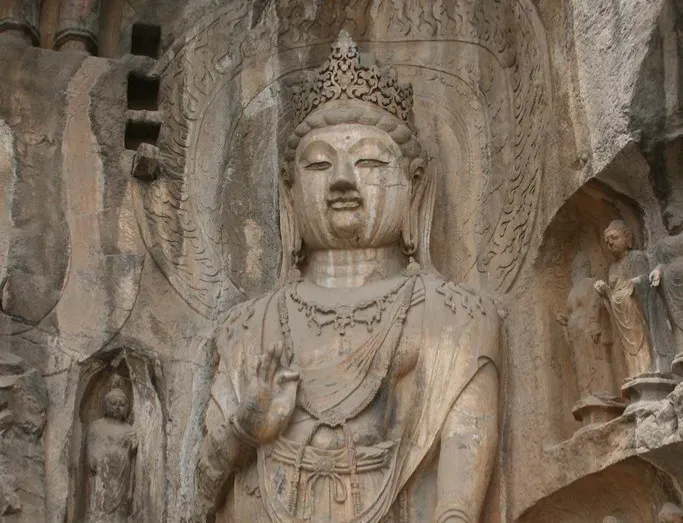
These five civilizations lived in worlds without electricity, antibiotics, or airplanes, yet they nailed down questions that our hyperconnected age still hasn’t fully answered. They gave us written rules and records, long-term visions of legacy, inner tools for training the mind, ethics of social harmony, and the courage to challenge inherited beliefs. Their wisdom slips quietly into our laws, therapies, classrooms, families, and even the way we argue online, whether we notice it or not.
When you zoom out, history stops looking like a series of dead empires and starts looking like one long, messy conversation humanity is having with itself. We inherit ideas, bend them, argue with them, and pass them on. The ruins might crumble, but the questions remain stubbornly alive inside us. So the next time you sign a contract, meditate for five minutes, vote, or debate right and wrong with a friend, it might be worth asking yourself: how much of that started thousands of years ago, in a world that would barely recognize ours?