
We often pat ourselves on the back for what we’ve built in the modern age. Skyscrapers, smartphones, self-sealing concrete. It’s easy to assume that ingenuity is a recent development, a product of our laboratories and universities. Honestly, that assumption doesn’t hold up well against the archaeological record.
The more you dig into the past, literally and figuratively, the more humbling it gets. Ancient civilizations demonstrated remarkable ingenuity in solving complex engineering, architectural, and technological challenges, and archaeological discoveries continue to reveal artifacts and structures that showcase an advanced understanding of mathematics, astronomy, metallurgy, and mechanical engineering. Some of these achievements leave even the sharpest modern scientists shaking their heads. So let’s take a journey back through five civilizations whose technologies still refuse to be fully explained.
Ancient Egypt: The Pyramid Builders Who Defied Logic

Here’s a thought that should stop you in your tracks. The Great Pyramid of Giza, built for Pharaoh Khufu around 2560 BCE, originally stood 481 feet tall and contained approximately 2.3 million stone blocks weighing between 2.5 and 15 tons each, with its base level to within just 2 centimeters across its entire 13-acre footprint. That’s not a rough approximation. That is precision that would challenge modern laser leveling equipment.
As Dr. Craig Smith points out: the logistics of construction at the Giza site are staggering when you think that the ancient Egyptians had no pulleys, no wheels, and no iron tools. Yet they pulled it off anyway. Recent research published in PLOS ONE suggests things may have been even more sophisticated than previously imagined. French civil engineer Xavier Landreau presented detailed evidence that at least one pyramid may have involved hydraulic lifts to raise massive stone blocks, with floodwaters possibly powering a system of vertical shafts and chambers to float stones upward with buoyancy and precision. Still no consensus, but every new theory reminds you that the Egyptians were operating on a level we haven’t fully figured out yet.
Ancient Greece: The World’s First Computer Hidden in a Shipwreck
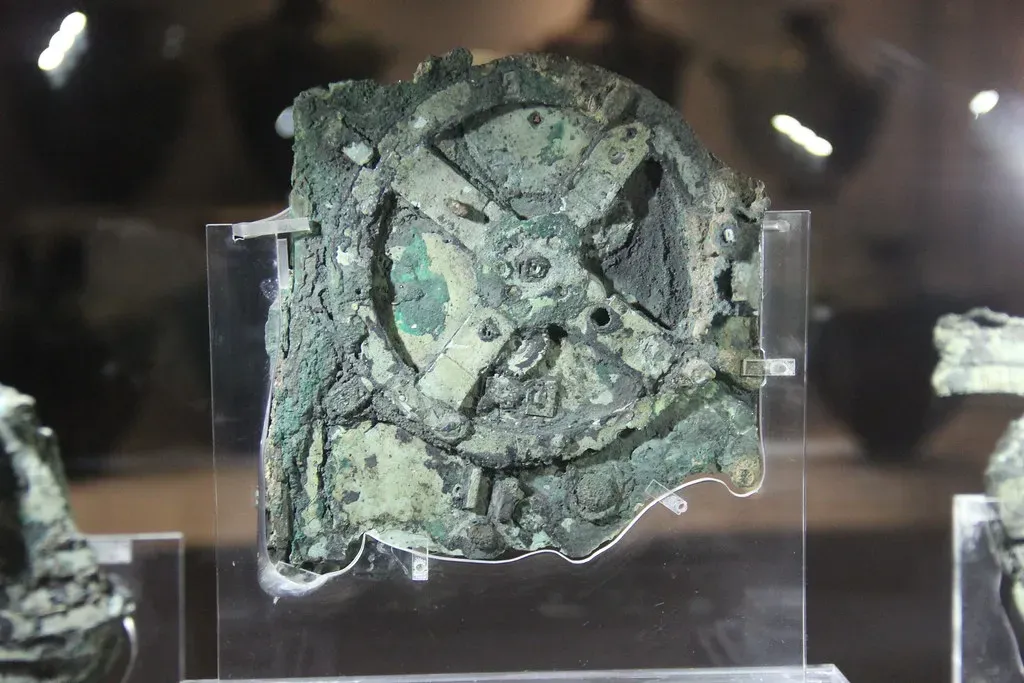
Most people have never heard of the Antikythera Mechanism, and that’s genuinely a shame because it is one of the most mind-bending objects ever recovered from the ancient world. Discovered in a shipwreck off the Greek island of Antikythera in 1901, this corroded bronze device dates back to approximately 100 BCE and represents an astronomical calculator of extraordinary complexity, containing at least 30 meshing bronze gears that could predict eclipses, track the Olympic Games cycle, and model the irregular orbit of the Moon.
Think about that for a moment. A mechanical device with interlocking gears, built over two thousand years ago, tracking celestial events with the kind of accuracy we associate with modern digital instruments. The device’s primary purpose was to predict astronomical positions and eclipses with remarkable accuracy, and it incorporated multiple calendar systems while displaying complex astronomical relationships through intricate gear trains. Modern reconstructions have demonstrated that these calculation capabilities would not reappear in mechanical form until the development of astronomical clocks in medieval Europe. That’s a gap of well over a thousand years. I think that deserves a moment of quiet respect.
Ancient Rome: The Concrete That Literally Heals Itself
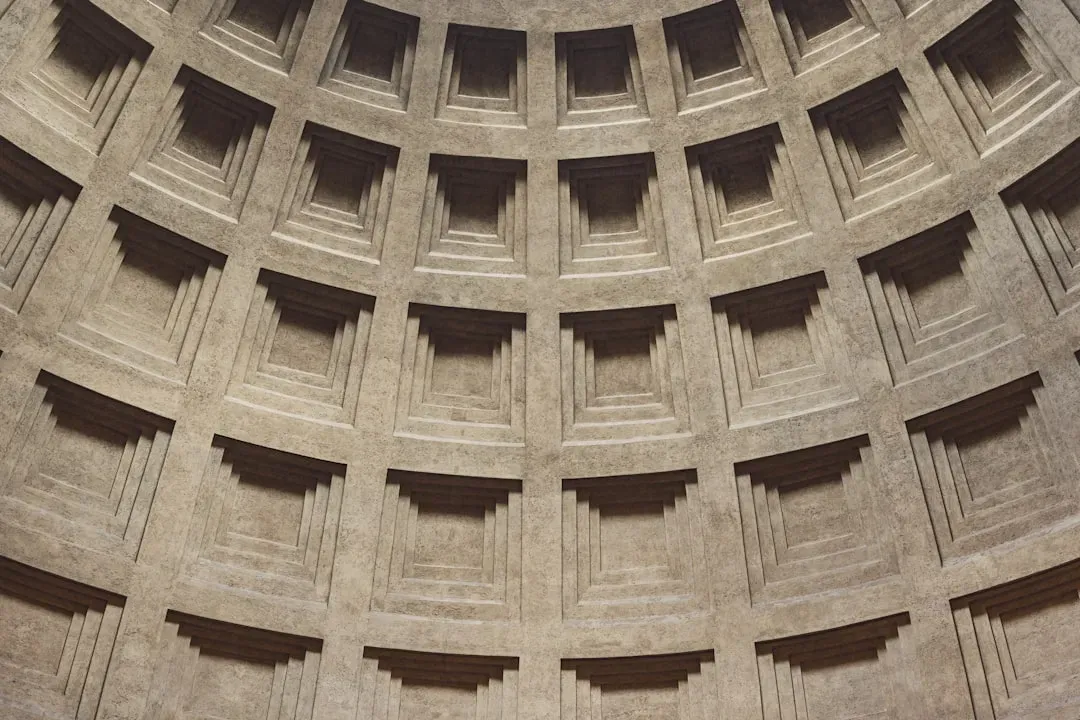
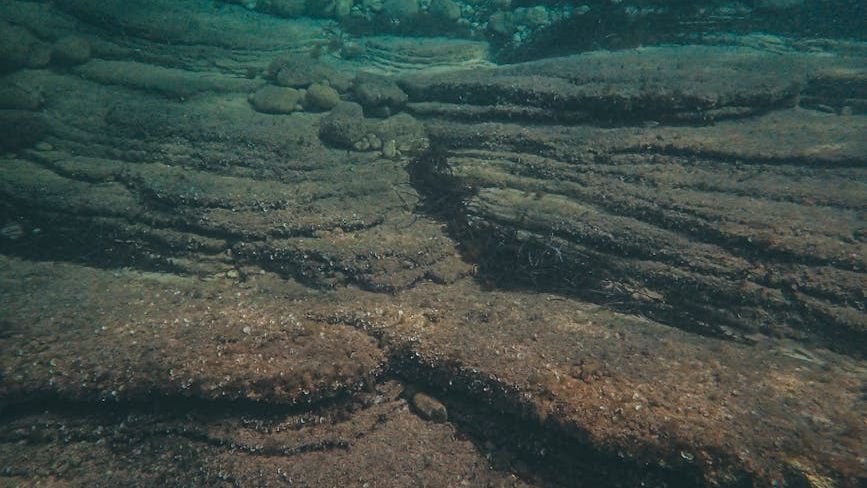
You’ve probably walked past a crumbling modern concrete wall and thought nothing of it. Concrete cracks. It deteriorates. That’s just how it goes. Except, apparently, it doesn’t have to. Rome’s famed Pantheon, which has the world’s largest unreinforced concrete dome and was dedicated in 128 CE, is still intact, and some ancient Roman aqueducts still deliver water to Rome today. Meanwhile, many modern concrete structures have crumbled after just a few decades.
Here’s the thing. Researchers from MIT, Harvard, and partner institutions in Europe finally cracked a key part of the mystery. Research found that lime clasts, previously considered a sign of poor mixing technique, actually react with water seeping into any cracks, producing reactive calcium that allows new calcium carbonate crystals to form and reseal the cracks. In other words, Roman concrete doesn’t just resist damage. The concrete allowed itself to repair and grow stronger over time, something modern concrete is simply not able to do. A 2025 study further showed that while Roman-style mixes require more water and initial energy input, their longer lifespan could make them more sustainable over time compared to today’s standard Portland cement. The Romans were essentially doing green construction before anyone had a word for it.
The Ancient Maya: A Pigment Science Couldn’t Crack for Decades

Forget what you know about paint. The ancient Maya created a color so durable, so chemically stubborn, that modern scientists spent decades trying to understand it and still can’t fully replicate it. Maya blue is a highly unusual pigment because it is a mix of organic indigo and an inorganic clay mineral called palygorskite, and the rich blue color does not fade over time, maintaining its vibrancy even in the harsh tropical forests of southern Mexico and Guatemala.
Let that sink in. Centuries of intense tropical humidity, acid rain, and chemical exposure, and the color is still brilliant. Despite environmentally harsh humidity and high temperatures, Maya blue doesn’t fade and has unprecedented stability when exposed to acids, alkalis, and chemical solvents, while being naturally resistant to biodegradation. The way it was made is almost poetic too. In 2008, researchers from Wheaton College discovered that the production of Maya Blue was an integral component of ancient rituals at Chichén Itzá, where indigo and palygorskite were combined through a heating process involving the burning of a mixture that included copal incense, palygorskite, and the leaves of the indigo plant. Science and ceremony, bound together in a pigment that outlasted empires. There have been several replication attempts of Maya blue hues, but to date there has not been a consistent or exact match, and even recent student efforts at SUNY Cortland confirmed that problems associated with weathering and inorganic clay fusions make an exact replica nearly impossible.
The Ancient Inca: Earthquake-Proof Stonework Without a Single Drop of Mortar
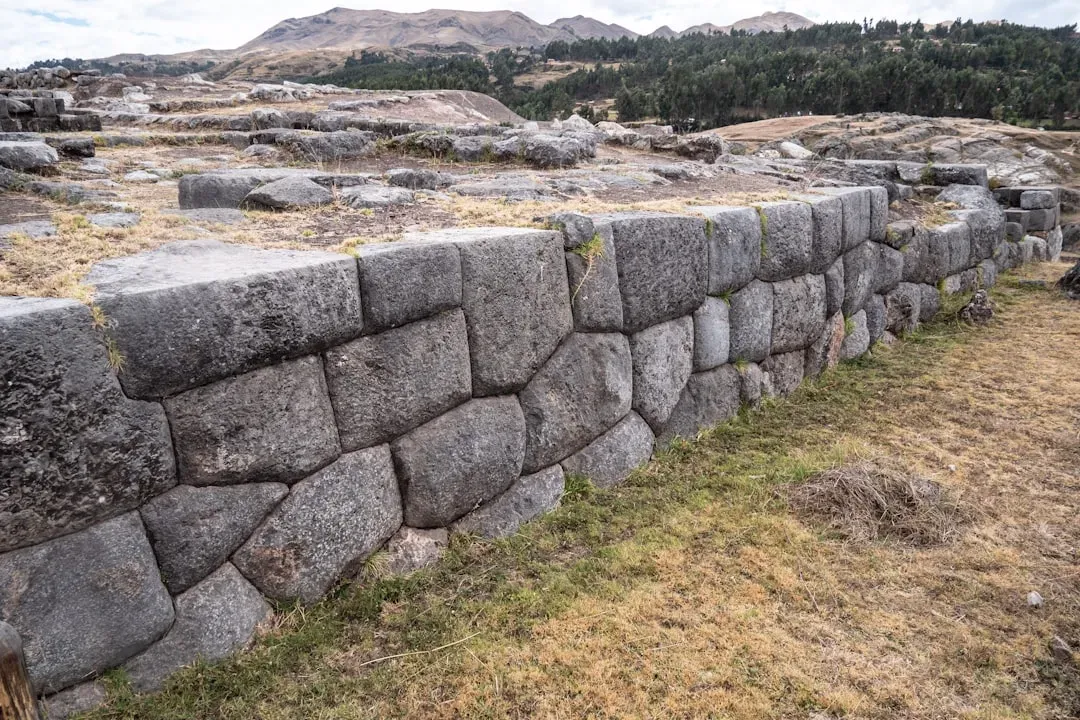
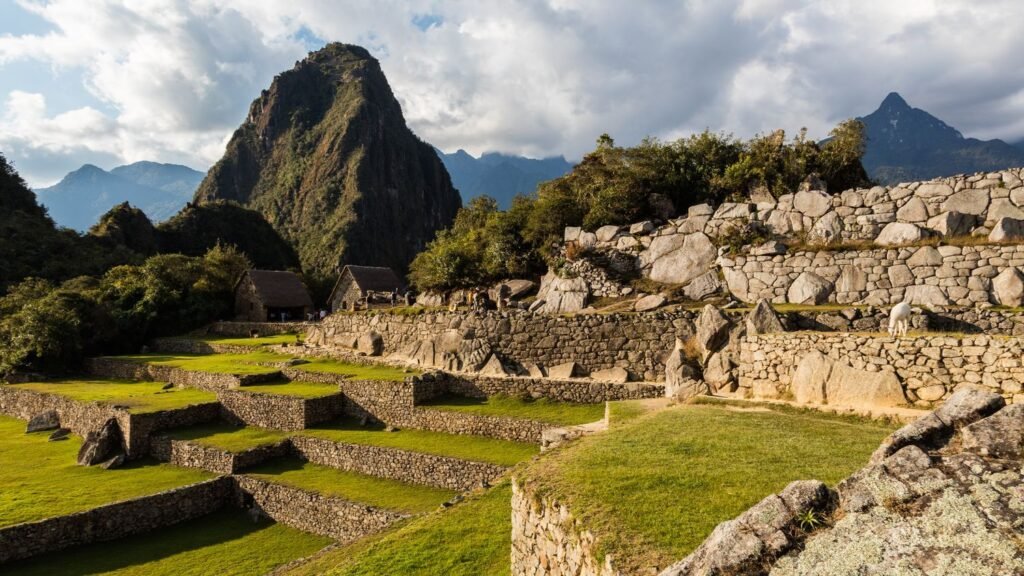
No mortar. No iron tools. No modern engineering software. Yet the Inca built walls that have survived earthquakes for centuries while the Spanish colonial buildings constructed right next to them crumbled. The most striking feature of Machu Picchu’s architecture is the precision of its ashlar masonry, where massive stone blocks fit together so perfectly that not even a knife blade can slide between them, using a technique that involves cutting stones to exact specifications without mortar and creating walls that have survived centuries of earthquakes and weather. Modern engineers attempting to replicate Inca stonework using contemporary tools still struggle to achieve similar precision.
It turns out this wasn’t accidental genius. It was deliberate structural engineering. The key innovation was creating joints that allow controlled movement during seismic events, with Inca walls featuring slightly beveled edges and microscopic gaps that permit stones to shift and settle during earthquakes without losing structural integrity. Modern seismic testing of Inca masonry reveals that these ancient walls can withstand ground accelerations that would destroy conventional masonry buildings. Their carved stones were placed together so tightly that it was impossible to put a razor blade between them. The largest stones at Sacsayhuaman, estimated to be between 100 and 200 tons, were moved, shaped, and positioned without any of the machinery we take for granted today. It’s hard to say for sure exactly how, and that’s precisely what makes it so extraordinary.
Conclusion: The Past Has More to Teach Us Than We Think
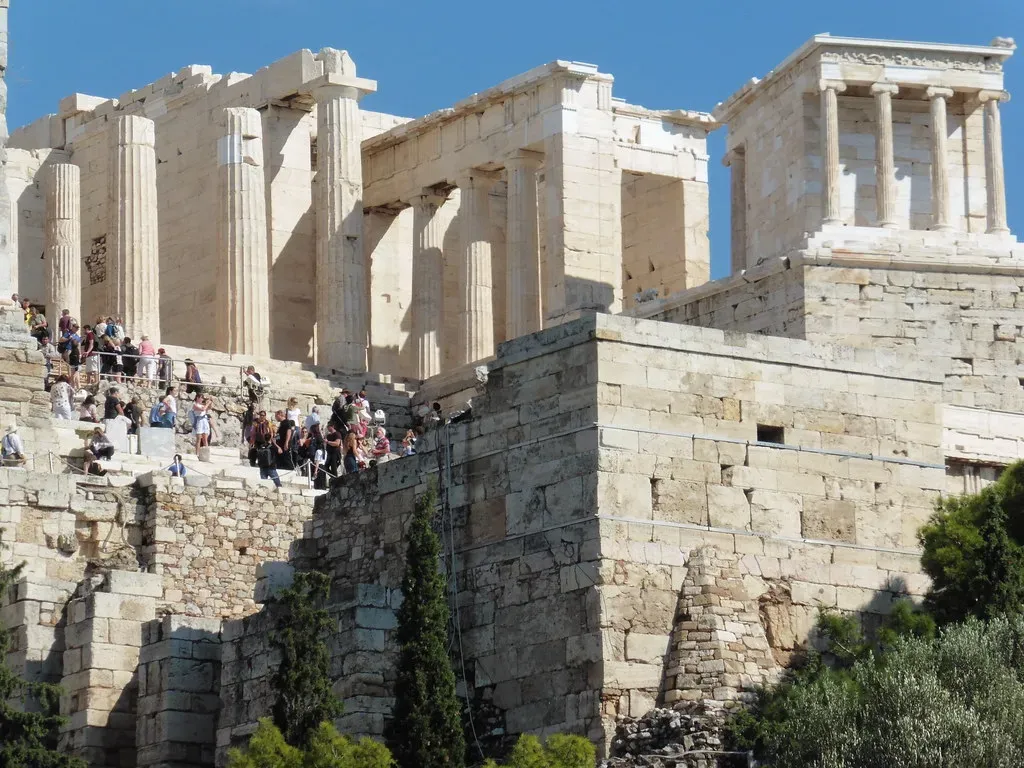
These five civilizations weren’t primitive. They weren’t lucky. Rather than being primitive, ancient cultures often displayed advanced problem-solving skills and a deep understanding of their environment, with their innovations shaped by necessity, creativity, and careful observation. What they accomplished, from self-healing concrete to earthquake-defying stone walls and a color that laughs at acid, reflects a depth of knowledge that continues to push modern science forward.
Studying these ancient mysteries not only helps us appreciate the accomplishments of our ancestors but may also provide solutions to contemporary challenges, from creating more sustainable building materials to developing new approaches to metallurgy and engineering. The truth is, we haven’t surpassed these civilizations in every way. In some areas, we’re still trying to catch up.
The ancient world built things meant to last forever. Looking around at the concrete highways crumbling after twenty years, maybe it’s worth asking: what did they know that we’ve forgotten?