
Every now and then, history hands us a mystery that feels more like the opening scene of a thriller than a chapter in a textbook. North America wasn’t always highways, suburbs, and skyscrapers; for thousands of years it was home to powerful, complex civilizations that built massive cities, engineered earthworks on a scale rivaling Egyptian pyramids, and developed intricate trade networks stretching across the continent – then, for reasons still debated, they faded or transformed so dramatically they might as well have disappeared.
What really happened to these societies? Were they undone by climate, disease, warfare, or their own success? The honest answer is: we don’t fully know. What we do have are ruins, artifacts, and landscapes that keep whispering the same question – how can a civilization so advanced simply vanish from view? Let’s walk through five of the most compelling cases in North America, and you might find yourself looking at familiar ground with very different eyes.
The Ancestral Puebloans of Mesa Verde and Chaco Canyon
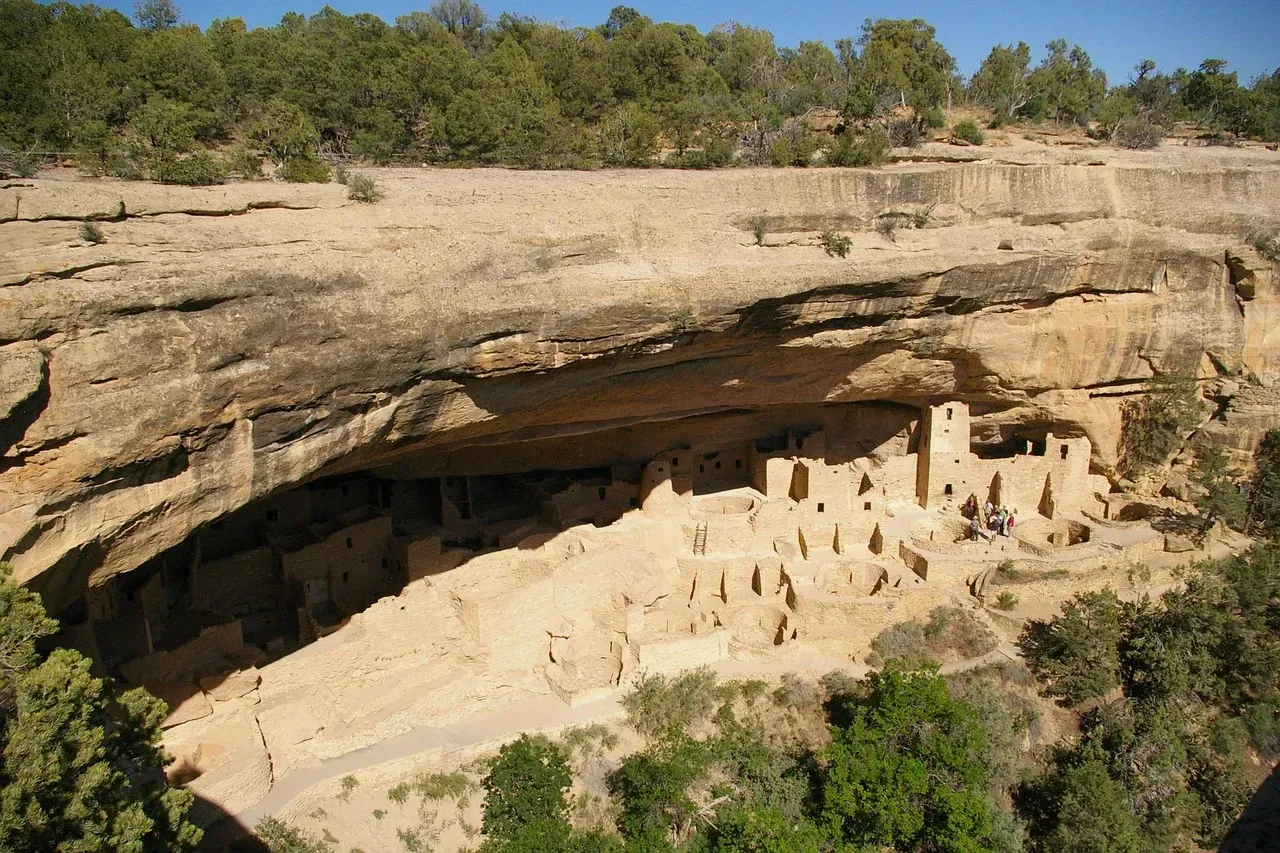
Imagine standing on the edge of a sandstone cliff in the American Southwest, staring at entire stone villages tucked into the rock, and realizing that nearly all of them were abandoned about seven hundred years ago. The Ancestral Puebloans (often called Anasazi in older texts) built multi-story dwellings, astronomical observatories, and intricate road systems centered around places like Chaco Canyon in New Mexico and Mesa Verde in Colorado. Around the eleventh and twelfth centuries, Chaco blossomed into a regional powerhouse, with great houses hundreds of rooms large and a web of roads radiating out like the spokes of a wheel.
Then, between roughly the late thirteenth and early fourteenth centuries, the major centers were left behind. Tree-ring data shows a series of severe droughts, and it’s not hard to picture crops failing, storage rooms running low, and tensions rising as communities fought over shrinking resources. Archaeologists also find evidence of fortified sites and signs of conflict, suggesting these weren’t calm, orderly moves. The people didn’t vanish as a bloodline – they migrated, their descendants living today among Pueblo communities in New Mexico and Arizona – but their great cities in the cliffs and canyons were never reoccupied on the same scale, turning bustling centers into silent stone shells watching over empty mesas.
The Mississippian Metropolis of Cahokia
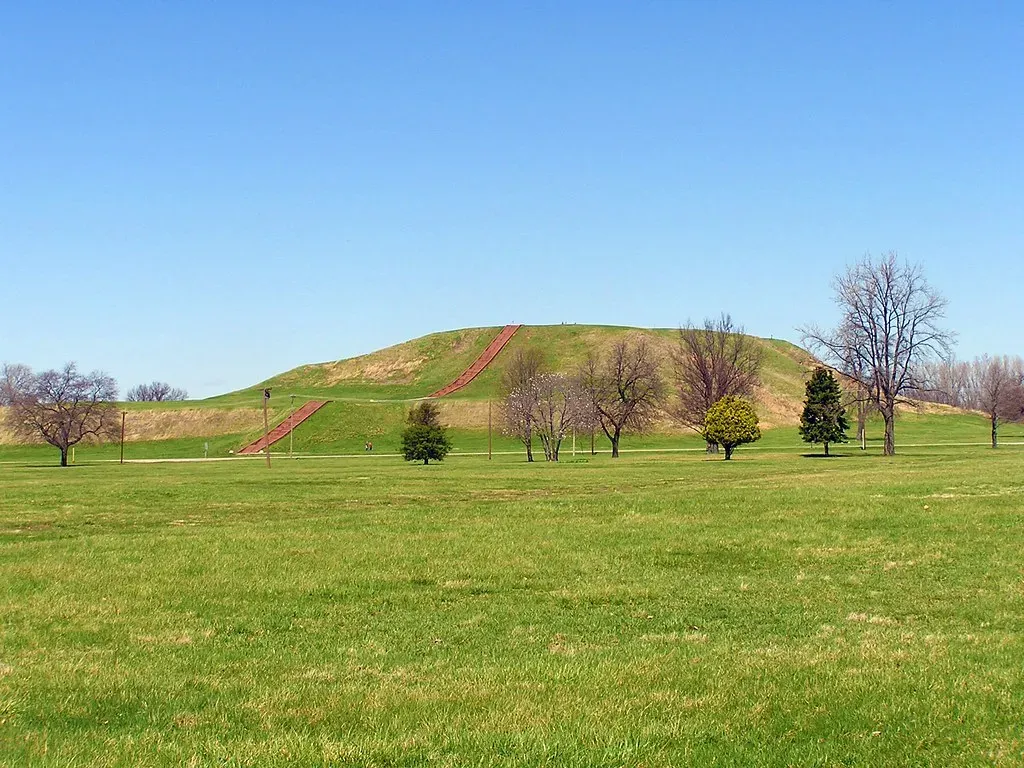
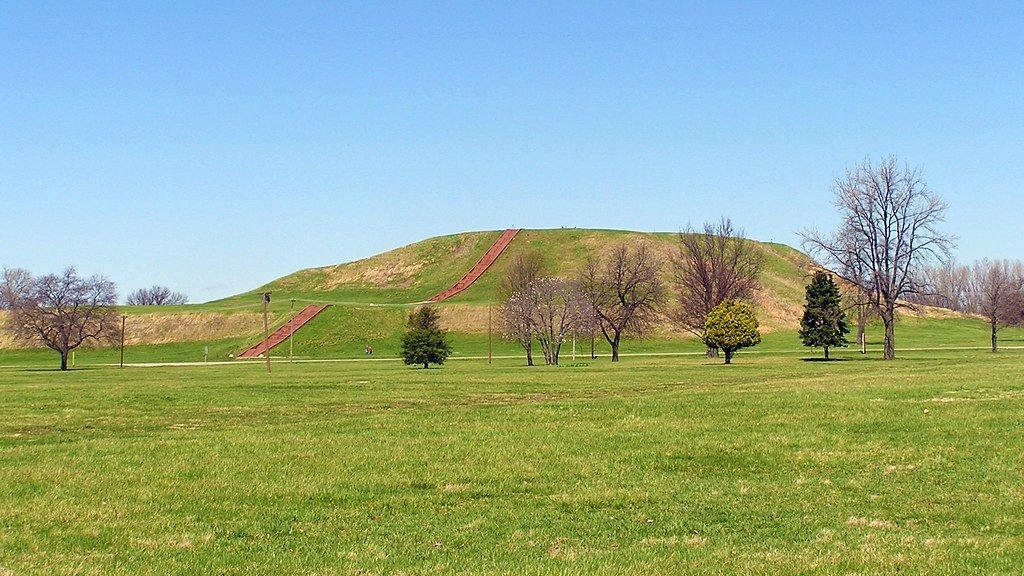
Just across the Mississippi River from modern-day St. Louis lies a landscape that used to be the beating heart of the largest pre-Columbian city north of Mexico. Cahokia, at its height around the eleventh to thirteenth centuries, had a population that may have rivaled the biggest European cities of its day. Massive earthen mounds, including the towering Monks Mound, rose above plazas where rituals, markets, and political gatherings unfolded. Long-distance trade brought in copper, marine shells, and exotic stones from across the continent, turning the region into a vibrant hub of power and culture.
Yet by the time Europeans were exploring the Mississippi Valley, Cahokia was already a quiet field of mounds and ghosts. Climate records suggest a mix of flooding and drought around the time of its decline, while evidence of deforestation and soil exhaustion points to environmental stress from a booming population. There are hints of social unrest, palisades hastily rebuilt, and neighborhoods shifting or shrinking. It feels uncomfortably familiar – like a modern city pushed too hard, too fast, without backup plans. The descendants of Mississippian peoples live on among numerous Indigenous nations, but Cahokia itself slipped into memory, leaving only its monumental earthworks and a mystery: how does a city powerful enough to reshape the land simply empty out?
The Mysterious Builders of Poverty Point
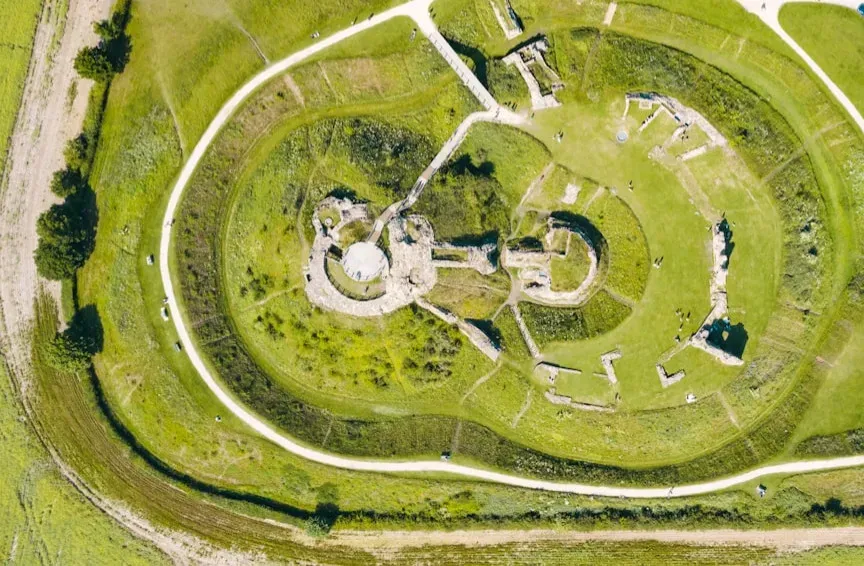
Long before Cahokia rose, another monumental landscape appeared in what is now northeastern Louisiana: Poverty Point. Around three thousand years ago, people there created massive earthen ridges in a sweeping semicircle, along with several mounds that still stand out against the horizon today. This wasn’t a small village; it was more like a carefully planned complex, with earthworks so large they’re easiest to understand from the air. Archaeologists have found stone tools and materials that came from hundreds of miles away, hinting at wide-ranging connections for trade or pilgrimage.
Then, surprisingly, this complex was largely abandoned, centuries before the rise of later mound-building cultures. There is no clear sign of a violent end – no burned layers that scream “invasion,” no mass graves from a sudden catastrophe. Instead, the people who built Poverty Point seem to have simply moved on, or their way of organizing life changed so much that the site no longer served its purpose. It’s a bit like finding the ruins of a huge convention center and realizing no one knows who used to gather there or why they stopped. The scale of the site shows that North American societies were building big and thinking big far earlier than many people realize, even if their story now feels full of gaps.
The Hohokam Canal Engineers of the Sonoran Desert
In the dry valleys around modern Phoenix, Arizona, it’s easy to assume no large ancient cities could have thrived there for long. But the Hohokam did exactly that, turning desert into farmland with one of the most impressive canal systems in the ancient world. Over centuries, they dug hundreds of miles of irrigation channels, some wide enough to rival modern canals, to bring river water to their fields of maize, beans, squash, and cotton. Their villages and platform mounds lined these waterways, and artifacts show links to cultures as far away as Mesoamerica.
Between about the fourteenth and fifteenth centuries, many of these canal systems fell out of use and the major Hohokam settlements were abandoned or transformed. Flooding episodes may have damaged key canals, while long-term droughts likely added pressure, making it harder to maintain such complex infrastructure. There are signs of social changes too – settlements shifting, defensive structures appearing, and old traditions giving way to new ones. When you drive through Phoenix today, the layout of some modern canals still echoes what the Hohokam built, like a faint blueprint beneath the city streets. Their descendants are part of the present-day O’odham peoples, but the society that engineered an oasis across the Sonoran Desert dissolved enough that archaeologists still debate how, and why, it unraveled.
The Fremont People of the Rocky Mountain Borderlands
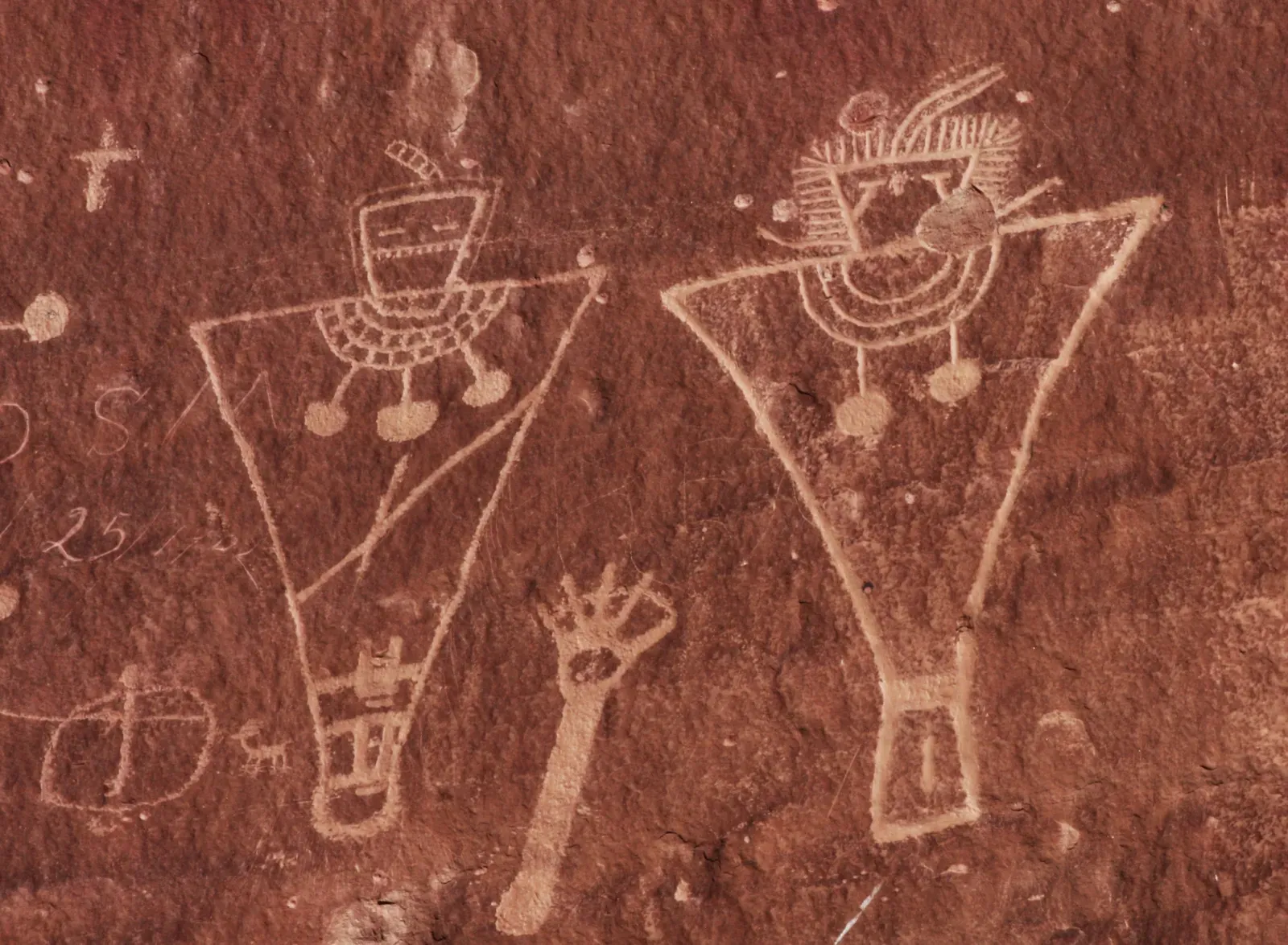
Scattered across Utah, Colorado, Idaho, and Nevada, you’ll find enigmatic rock art panels – stylized human figures with trapezoidal bodies, strange headdresses, and haunting, mask-like faces. These are often linked to the Fremont culture, a network of communities that flourished roughly from the first millennium up to about the fourteenth century. Unlike the big city societies, the Fremont lived in a patchwork of villages, farmsteads, and seasonal camps, mixing farming with hunting and gathering in a rugged landscape. They left behind pithouses, distinctive clay figurines, and storage pits that speak to a life balanced between stability and mobility.
By the time European explorers crossed the region, the Fremont as a distinct archaeological culture had effectively vanished. Their fields were no longer in use, and many of their settlements were abandoned or repurposed. Climate shifts, including prolonged droughts, may have made farming too unreliable in marginal areas, pushing people back toward a more mobile way of life. Instead of a dramatic collapse, it might have been more like a slow fading, as groups joined other emerging cultures or reorganized in ways that left fewer permanent marks on the landscape. It’s a reminder that “disappearance” doesn’t always mean a sudden fall; sometimes it’s a gradual blurring, where identities change and old labels stop fitting, even though the people themselves carry on in new forms.
These vanished North American civilizations didn’t leave us written chronicles of their rise and fall – what we have are mounds, canals, cliff dwellings, figurines, and traces in the soil that force us to read the past almost like a detective novel without the final chapter. They show that complex urban planning, long-distance trade, and environmental management were all part of this continent’s story long before modern borders and cities existed. Standing in front of a silent earthwork or a deserted canyon wall, you can’t help wondering how future generations will read the traces we leave behind, and whether they’ll ask the same quiet question hovering over these ancient places: how could something so big, so alive, ever just… stop?