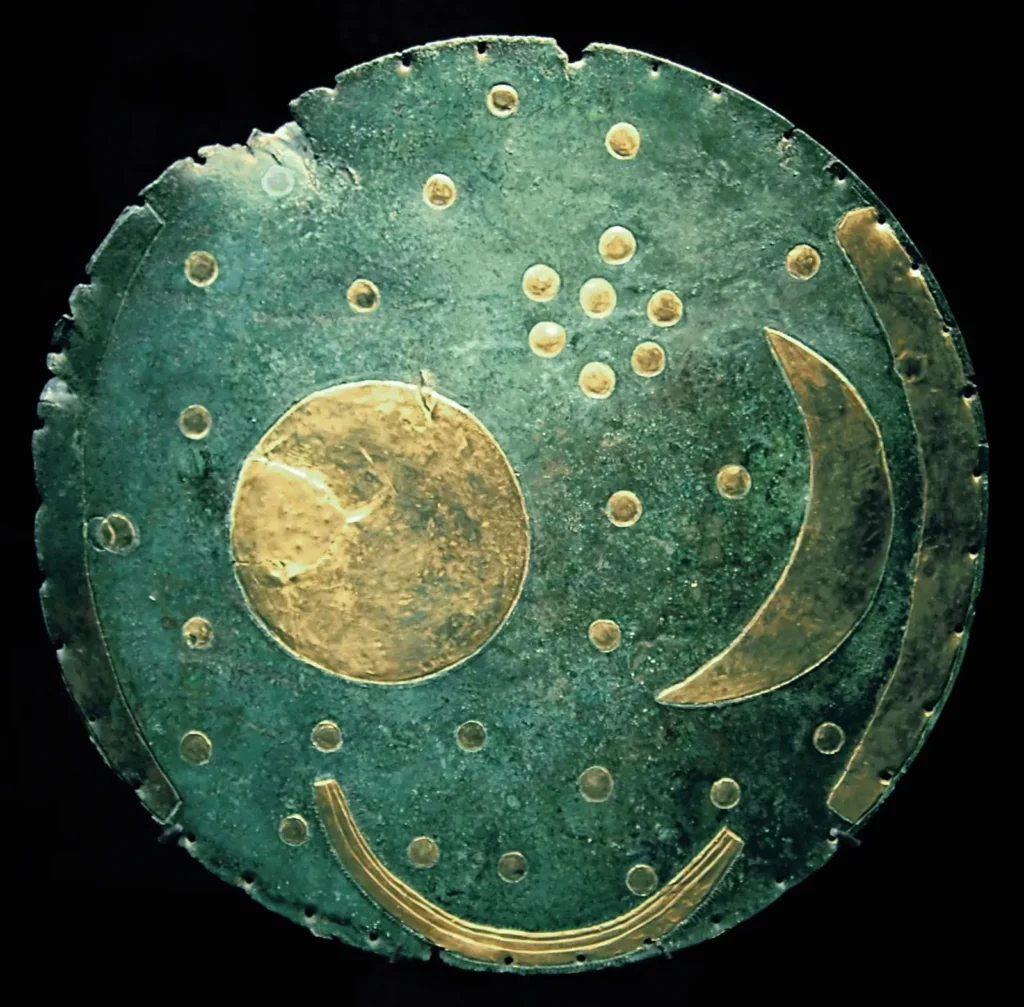

There’s something quietly astonishing about standing under a clear night sky and realizing that people did this for thousands of years, armed with nothing but patience, sharp eyes, and the kind of disciplined curiosity that rarely gets celebrated enough. Long before anyone thought to grind glass into a lens, entire civilizations were mapping the heavens, predicting eclipses, and building calendars of startling precision. They did it through careful observation, generational record-keeping, pattern recognition, and early mathematics.
What they achieved was not a lucky approximation. It was systematic, accumulated knowledge passed down across generations, embedded in stone monuments, clay tablets, folded manuscripts, and star charts. You don’t need a telescope to understand the cosmos, it turns out. You need time, discipline, and the willingness to look up night after night and write down what you see. These five civilizations prove exactly that.
The Babylonians: The World’s First Systematic Stargazers
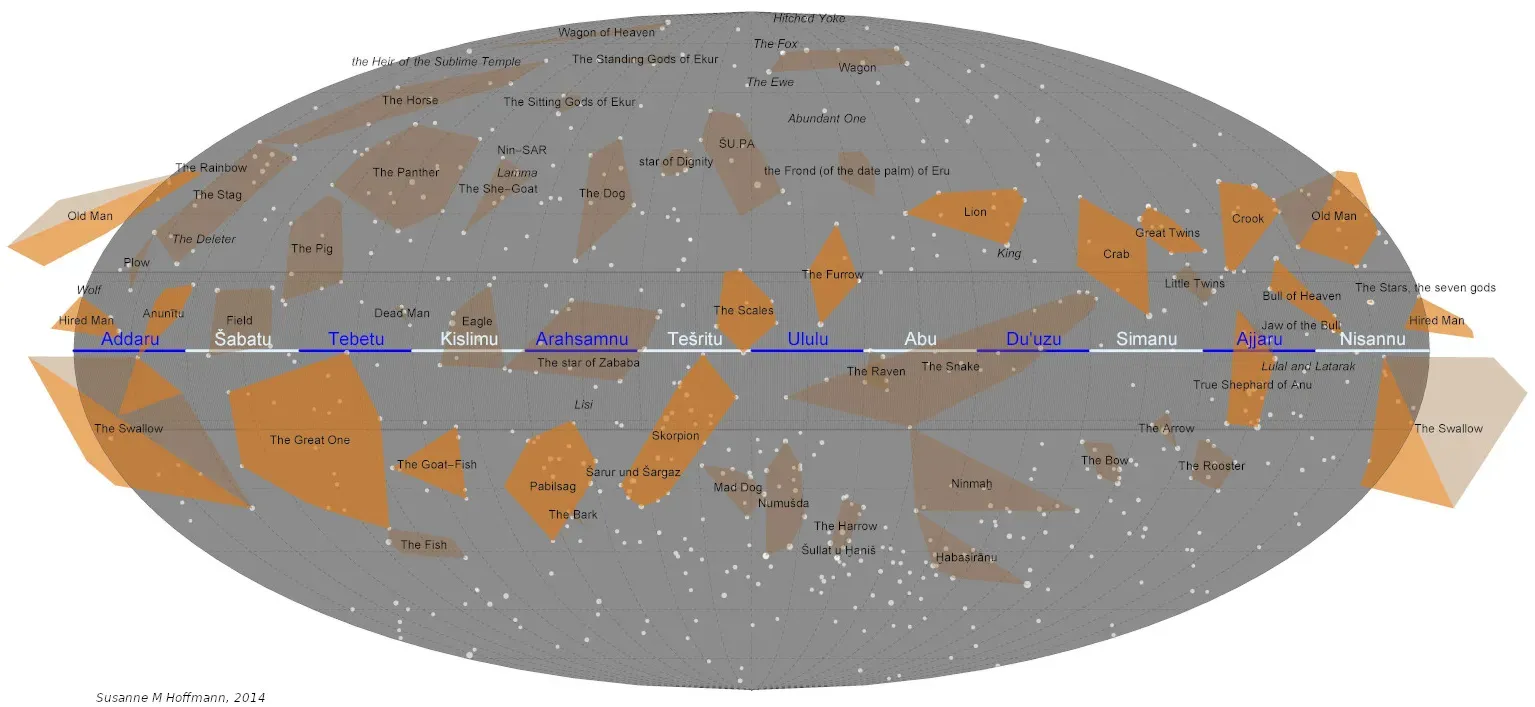
You can trace the roots of modern astronomy surprisingly far back, all the way to ancient Mesopotamia. Considered the world’s first known astronomers, the ancient Babylonians were avid stargazers who, some 6,000 years ago, erected watchtowers to scan the night sky, mapped the stars and visible planets, and recorded their observations on clay tablets. That level of institutional commitment to sky-watching is remarkable on its own. What makes it more impressive is the accuracy they achieved.
Although their vision of the universe was based on mythological beliefs, the Babylonians’ astronomical observations and predictions were astoundingly accurate. They were the first known people to predict eclipses, and they could track and predict the relative movements of the sun, the moon, Mercury, and Venus. Like the ancient Egyptians, they also successfully calculated the length of a year. Their data wasn’t just philosophical curiosity either. Their meticulously compiled records provided the foundation to create the first calendars, used to organize the growing and harvesting of crops and the timing of religious ceremonies.
Mesopotamian astronomy has been of key importance for the development of Western and Islamic astronomy, as many concepts still in use today, from the zodiac signs to the 360-degree division of the circle used to measure angles, derive from them. You might be surprised to learn how much of your everyday relationship with time and celestial mapping traces directly back to a clay tablet written in ancient Iraq. It is said that the first appearances of Halley’s Comet were documented by the Babylonians, and it was also they who first divided the sky into zones.
Ancient Egypt: Architecture as Astronomical Instrument

Egypt’s astronomical legacy is literally written in stone. Ancient Egyptian astronomy emerged more than six thousand years ago out of the need to calculate the periods of rise and fall of water in the Nile River, on which the life of the country depended. The beginning of the flooding coincided with the first appearance of the bright star Sirius in the east in the rays of the rising sun, which was easily observed with the naked eye. So the sky wasn’t an abstraction for Egyptians. It was a survival tool, directly linked to agriculture and national prosperity.
As a result of many years of observations, the Egyptians created a fairly accurate solar calendar in which the year had 365 days and was divided into three seasons of four months each. A month consisted of three ten-day weeks, and the last five days of the year were declared holidays. Their architectural ambitions matched their astronomical precision. They built enormous pyramids and temples based on astronomical positions. An example of this practice is the Great Pyramid of Giza, which was built to align with the North Star, which at that time was the star Thuban rather than Polaris. That kind of deliberate celestial alignment takes a level of sustained observation most people today wouldn’t have the patience for.
The Egyptians were fascinated by the night sky, especially two bright stars near the North Pole. They called these stars “the indestructibles” and built pyramids and temples aligned with them, believing that pharaohs became stars after death. Astronomy in Egypt wasn’t just science. It was theology, statecraft, and agriculture all woven together into one coherent system of understanding the world.
The Maya: Calculating Venus with Startling Precision
You’d be hard pressed to find a more sophisticated astronomical tradition in the ancient Americas than that of the Maya. The Maya developed one of the most sophisticated astronomical systems of antiquity, without the aid of telescopes or optical instruments. Their meticulous observation of the sky over centuries allowed them to create calendars of remarkable precision and predict celestial events with impressive accuracy. Their work was inseparable from their spiritual worldview. Unlike Western astronomy, which gradually separated science and religion, Mayan astronomy was inseparable from their cosmovision. The sky was not merely an object of study, but a sacred book where divine wills and life cycles were read.
Venus held a particularly central place in Mayan thought. Among the celestial bodies, Venus held particular significance for Mayan astronomers. They meticulously tracked its 584-day synodic cycle, dividing it into its appearances as the Morning Star and Evening Star. The Dresden Codex, one of the few surviving Maya books, contains detailed Venus tables that allowed priests to predict its positions accurately. The precision of this work is almost disorienting when you consider the tools available. The Maya had identified Venus as a planet and not a star, and they had determined its synodic cycle with astonishing precision: 583.92 days, while the modern value is 583.93 days.
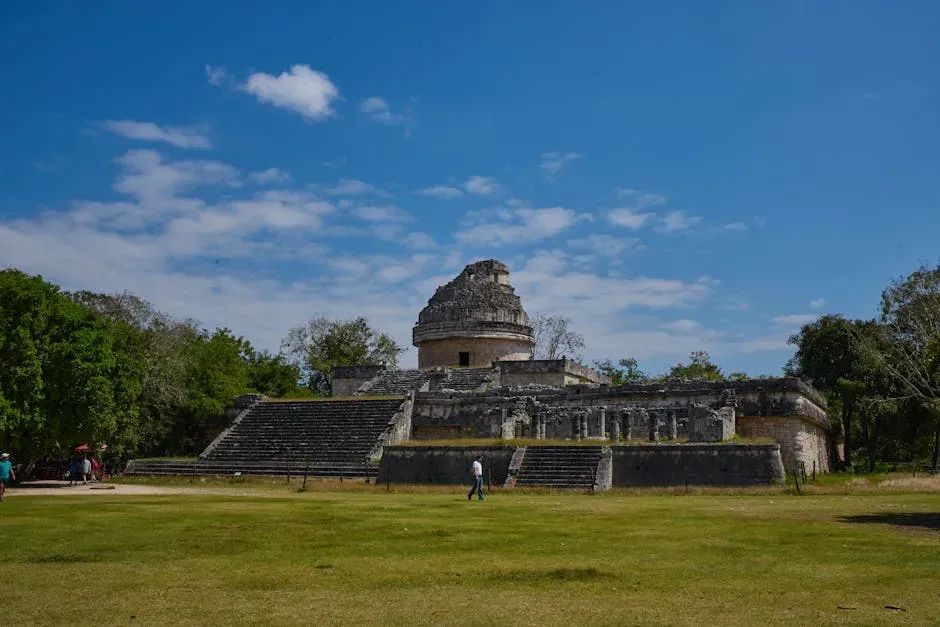
The Mayan civilization’s achievements in astronomy extended to various fields, including timekeeping and architecture. The famous Dresden Codex offers a glimpse into their cosmic knowledge, containing pages that map out the cycles of the moon, the predictions of solar and lunar eclipses, and a detailed understanding of Venus’s synodic cycle. This codex, along with other archaeological evidence, highlights the depth of the Mayans’ mathematical and observational prowess. Even their buildings functioned as precision instruments. At Chichen Itza, the pyramid of Kukulcan creates a play of shadows and light during the equinoxes that draws a serpent descending the stairs, demonstrating the perfect integration of architecture, astronomy, and religious symbolism.
Ancient Greece: Geometry as a Window to the Cosmos
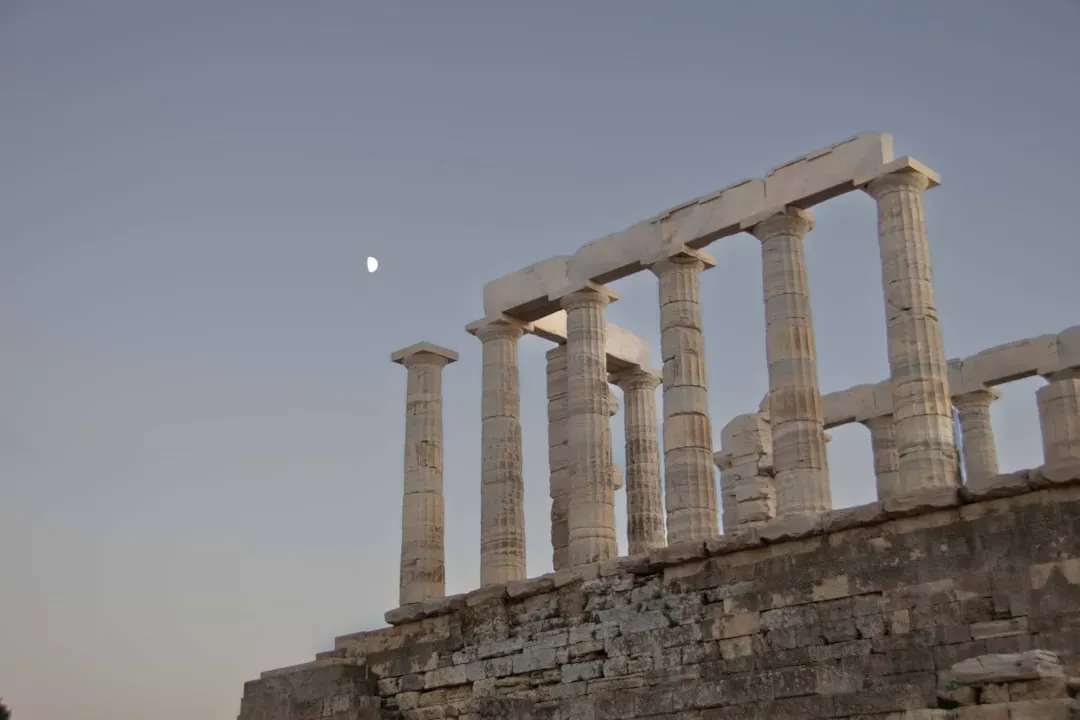
You can think of ancient Greek astronomy as the moment when careful observation met rigorous mathematical reasoning. The results were extraordinary. In the 3rd century BCE, Aristarchus of Samos, sometimes called the “Ancient Copernicus,” was the first and only premodern figure to propose a truly heliocentric model of the Solar System, placing the Sun, not the Earth, at the center of the universe. That idea wouldn’t be widely accepted for nearly another two thousand years, but the intellectual leap itself was genuine and remarkable. Aristarchus presented the first known heliocentric model, which placed the Sun at the center of the universe, with the Earth revolving around the Sun once a year and rotating about its axis once a day.
Eratosthenes went even further in demonstrating what pure geometry and naked-eye observation could accomplish together. Eratosthenes measured Earth’s circumference mathematically using two surface points to make the calculation. He noted that the Sun’s rays fell vertically at noon in Syene, Egypt, at the summer solstice. In Alexandria, at the same date and time, sunlight fell at an angle of about 7.2 degrees from the vertical. From that elegant observation alone, he worked out the size of the planet. His answer was accurate to roughly one percent of the actual number, a remarkable achievement.
Claudius Ptolemy, working from his home in Alexandria, Egypt, created a wealth of astronomical knowledge. Benefiting from hundreds of years of observation from the time of Hipparchus and Eudoxus, as well as a set of astronomical data collected by the Babylonians, Ptolemy developed a system for predicting the motion of the stars published in his primary astronomical work, the Almagest. That text became the dominant astronomical reference for roughly a thousand years after his death. Greek astronomy was, in many ways, the synthesis of everything that had come before it, built on Babylonian data and refined through a distinctly Greek passion for geometric proof.
Ancient China: A Millennium of Continuous Sky Records
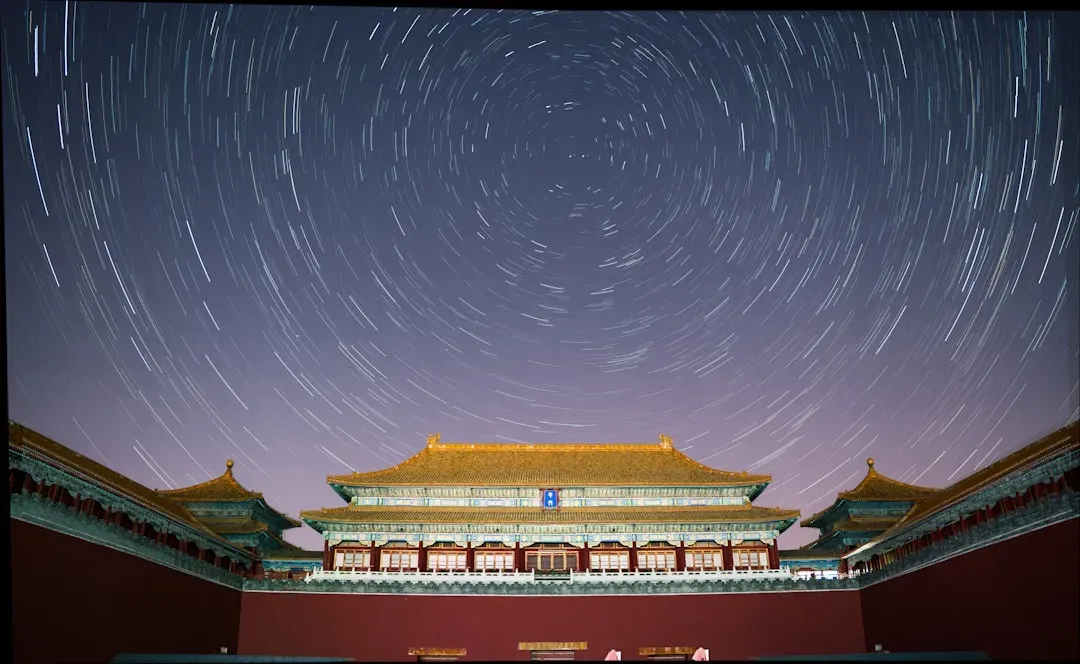
If you want an example of what dedicated, unbroken institutional observation looks like, Chinese astronomy is your answer. Astronomy in China has a long history stretching from the Shang dynasty, being refined over a period of more than 3,000 years. The ancient Chinese people identified stars from 1300 BCE, with Chinese star names later categorized in the twenty-eight mansions found on oracle bones unearthed at Anyang. That unbroken continuity is itself one of ancient China’s greatest astronomical contributions. Throughout ancient history, Chinese astronomers maintained the longest continuous records of all kinds of astronomical phenomena, records which are still useful today for modern astronomical research.
The achievements of individual astronomers within this tradition were genuinely stunning. The Han dynasty astronomer and inventor Zhang Heng not only catalogued some 2,500 different stars, but also recognized more than 100 different constellations. Zhang Heng also published his work Ling Xian, a summary of different astronomical theories in China at the time. Official records from this period reflected equal ambition. At a time when specialized terminology for describing stars did not yet exist in the West, the monumental Records of the Grand Historiographer, authored by Sima Qian during the Han dynasty, included a chapter listing more than 1,000 stars visible to the naked eye and identifying each one by name.
Chinese astronomers also kept some of the earliest verified records of specific celestial events. The first reliable record of a total solar eclipse was made by Chinese observers in 780 BC. Later, discovered in caves in 1900, the Dunhuang manuscript of AD 700 is the world’s oldest complete preserved star atlas, dating to the Tang Dynasty and mapping 1,345 stars in 257 constellations. The contributions of ancient Chinese astronomers extended beyond their borders. During the Tang and Song Dynasties, China’s astronomical knowledge influenced neighboring regions such as Korea, Japan, and the Islamic world. Through the Silk Road, Chinese star maps and observational techniques reached the Middle East, where they were synthesized with Greek and Indian astronomy.
Conclusion
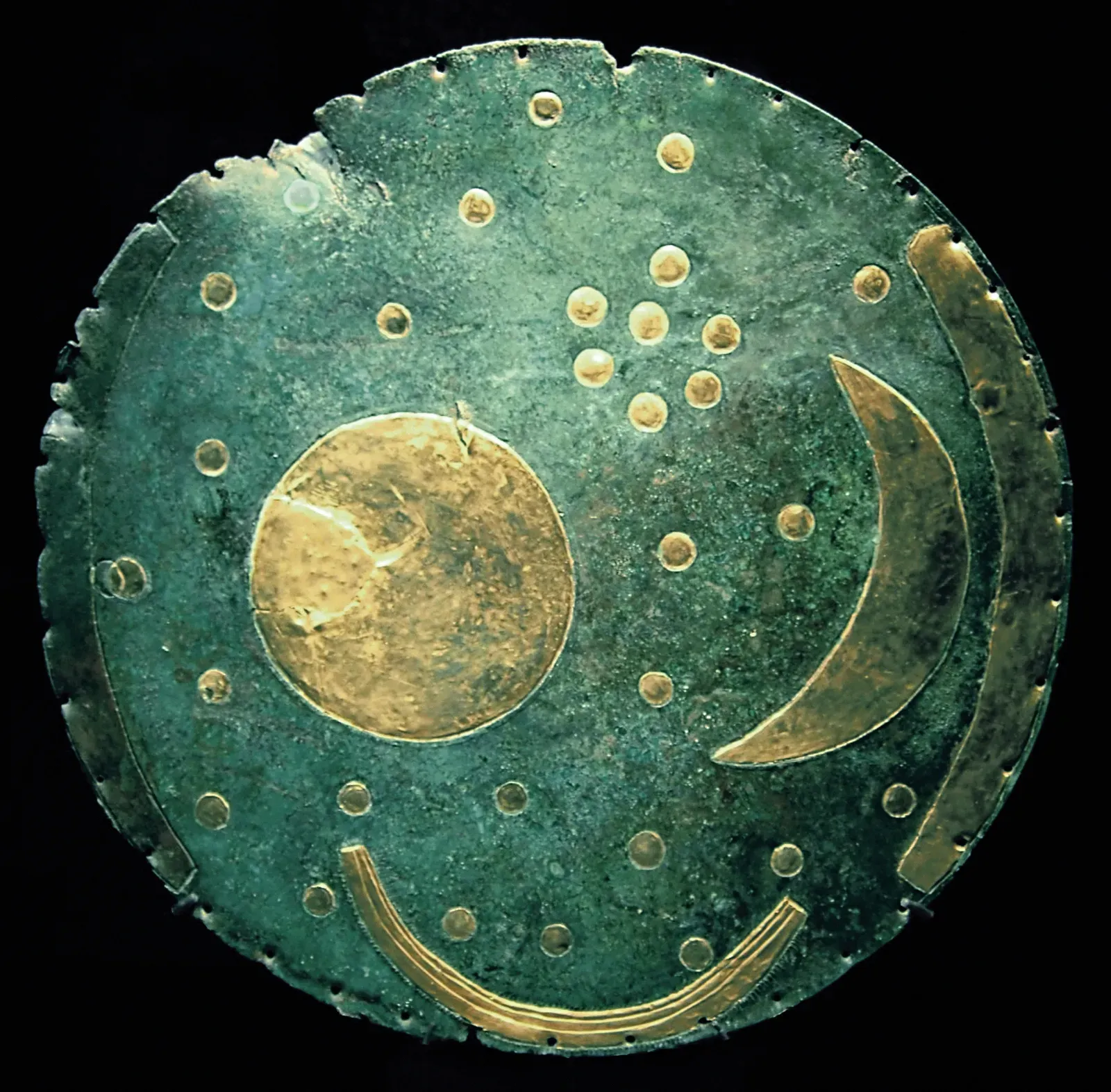
What unites these five civilizations is not just their intelligence. It’s their patience. They looked at the same sky night after night, year after year, and committed what they saw to clay, paper, stone, and bone, knowing that the pattern would only reveal itself to those willing to wait for it. None of them had a telescope, and yet each arrived at insights about eclipses, planetary cycles, and the structure of time that still resonate in the calendars and coordinate systems you use today.
The deeper lesson here might be this: precision doesn’t require technology so much as it requires discipline, honesty about observation, and the willingness to pass knowledge forward. These civilizations understood that the sky belonged not just to one generation, but to every generation that would follow. That instinct, perhaps more than any specific calculation, is what made them genuinely great.