
Most of us can name a few famous ancient American civilizations off the top of our heads – the Maya, the Aztec, maybe the Inca if we paid attention in school. But the story of the Americas before European contact is much bigger, stranger, and more astonishing than that handful of names. Entire nations rose and fell, built cities, traded across continents, and developed complex belief systems long before they showed up in textbooks – if they ever did at all.
I still remember the first time I stumbled across one of these “forgotten” cultures in a dusty book at a library. It felt almost unfair, like discovering a whole chapter of history that no one had bothered to mention. This article is about five of those stories – ancient American tribes that deserve to be far better known, not just as footnotes, but as fully realized societies with their own genius, dramas, and mysteries.
The Mississippian Culture: North America’s Forgotten City-Builders
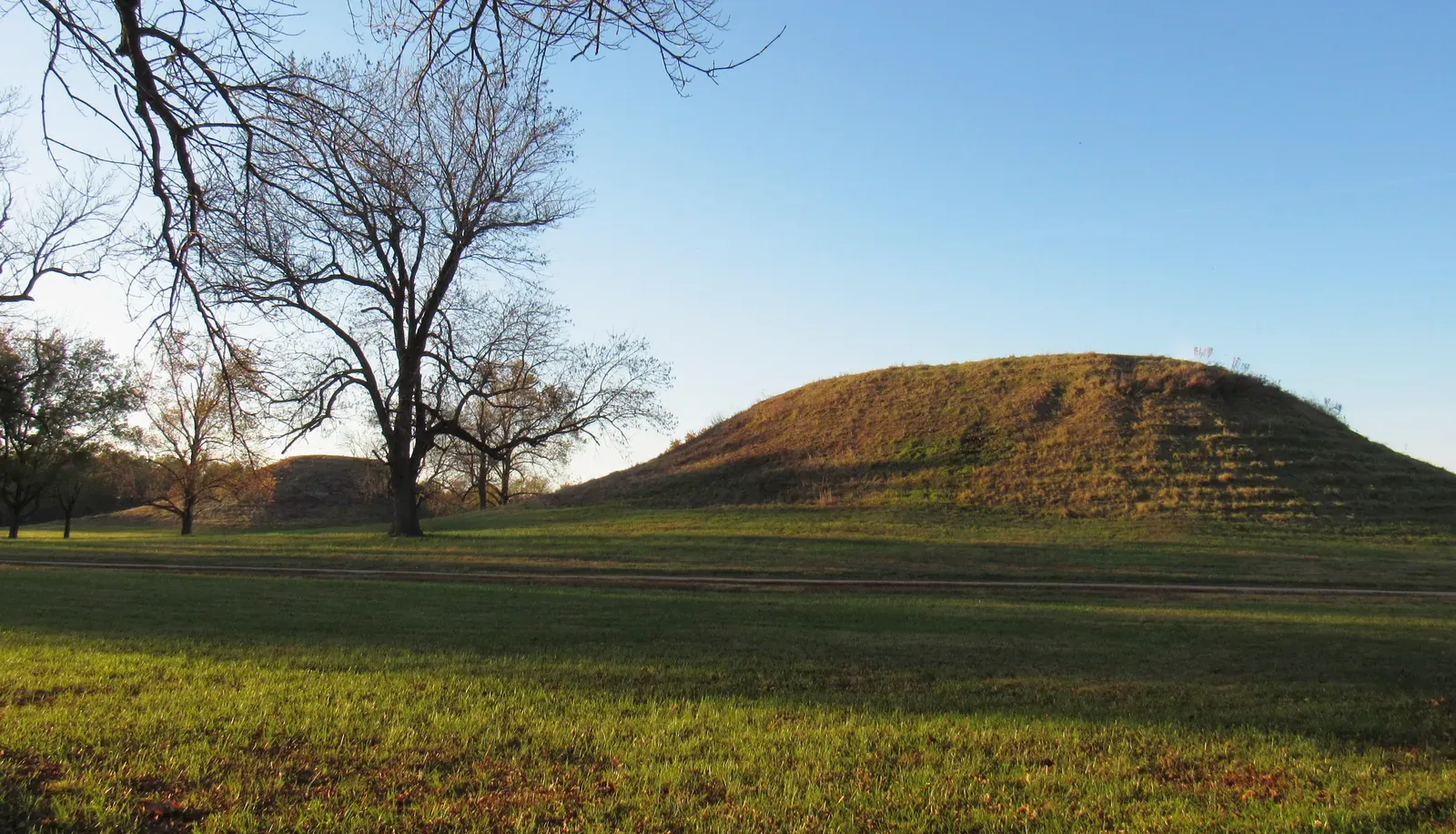
Imagine driving through the Midwest and Deep South and realizing that, under all the farmland and parking lots, there once stood cities rivaling some in medieval Europe. That was the world of the Mississippian culture, a mound‑building civilization that flourished roughly from the eleventh to the fifteenth century in what is now the central and southeastern United States. Their largest known city, Cahokia, near present‑day St. Louis, may have had tens of thousands of residents at its height, with enormous earthen pyramids, wide plazas, and carefully planned neighborhoods.
What blows my mind is how little most Americans hear about them, considering that Monks Mound at Cahokia is taller than many European castles and required millions of baskets of earth to build by hand. The Mississippians were expert farmers, growing maize, beans, and squash, and they were plugged into trade networks that stretched from the Great Lakes to the Gulf of Mexico. Shell beads, copper ornaments, and intricate stone tools moved across this huge web of influence. Their cities declined long before Europeans arrived in force, likely because of a mix of environmental stress, social upheaval, and disease, but their legacy still lingers in the landscape – and in the oral histories of descendant Native nations.
The Chachapoya: “Cloud People” of the Andean Highlands
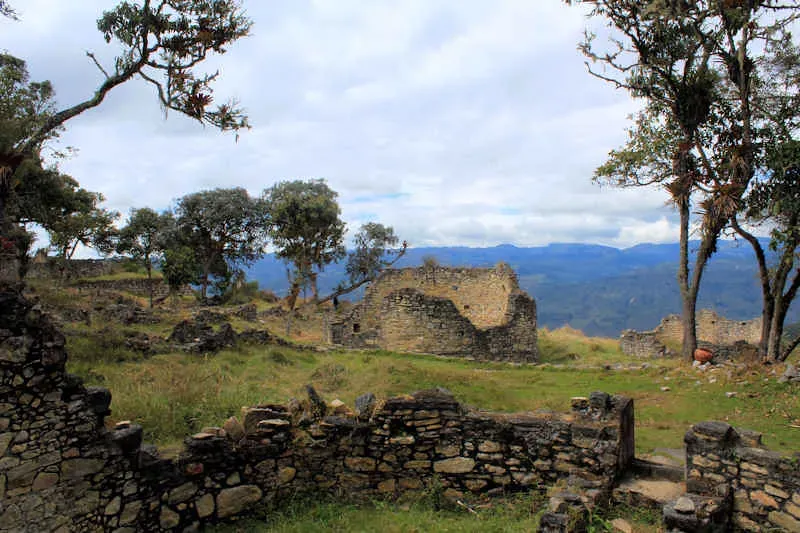
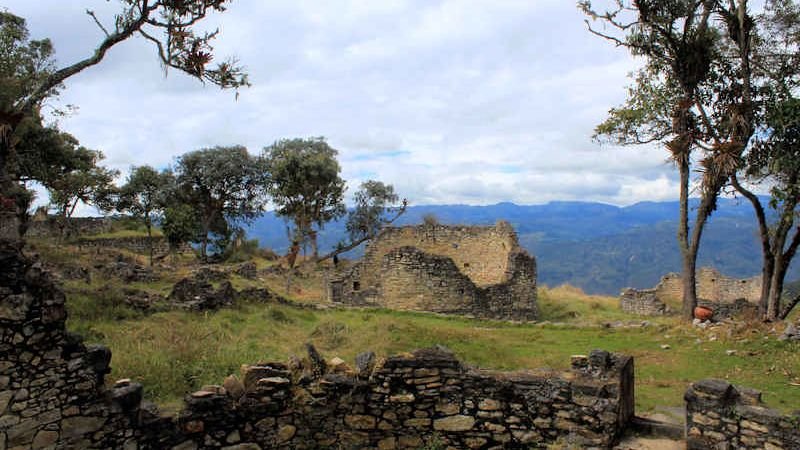
High in the cloud forests of northern Peru lived a people so striking that even the Inca took special note of them: the Chachapoya. They earned the nickname “Cloud People” because their stone settlements clung to foggy ridges and steep slopes, often perched above dramatic drop‑offs that make your stomach flip just looking at photos. Their most famous site, Kuélap, is a massive fortress‑like complex of towering stone walls and circular houses, sometimes compared to a “Machu Picchu of the north,” though it’s older and built in a very different style.
The Chachapoya were eventually conquered and absorbed by the Inca Empire in the fifteenth century, and later hit brutally by European diseases and colonial upheaval, which is part of why they get so little attention today. Yet archaeology keeps revealing just how sophisticated and distinctive they were, from their cliffside tombs to their careful terracing and agriculture in tough terrain. One of the eerie hallmarks of their culture is the presence of mummies and sarcophagi tucked into cliff faces, watching over valleys below like silent stone sentinels. Learning about the Chachapoya feels a bit like tracing the outline of a ghost – enough details to see the shape of a people, but just elusive enough to leave you wanting to know more.
The Hohokam: Desert Engineers of the American Southwest
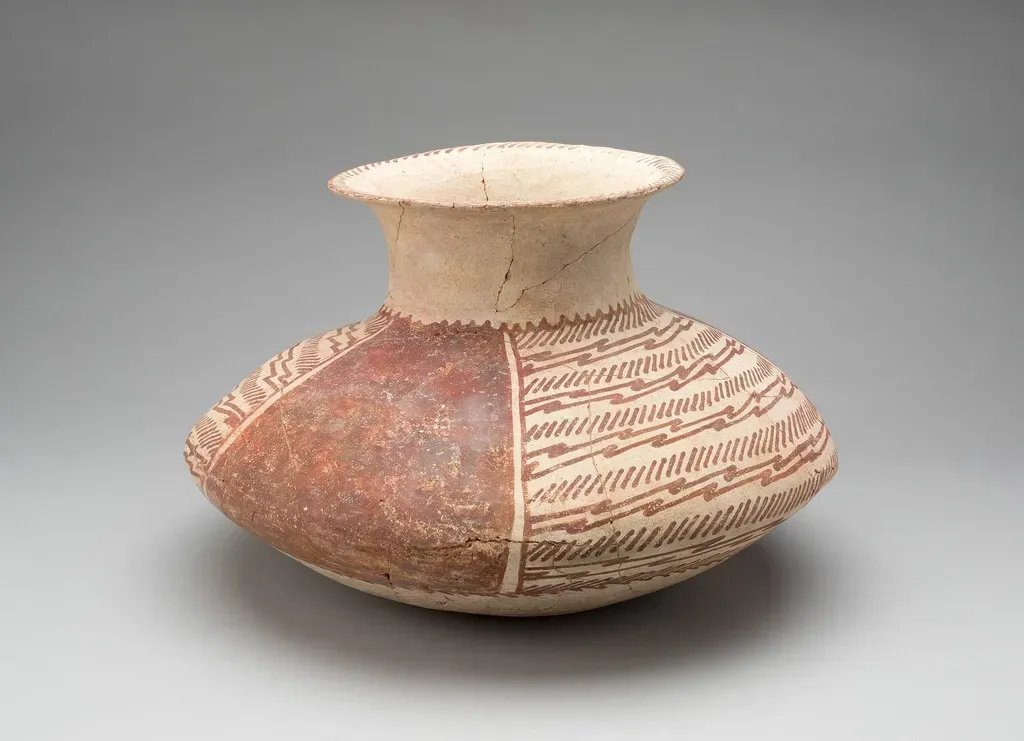
When you look at the sun‑baked stretches of what’s now central and southern Arizona, it’s easy to assume no large population could have thrived there for long. The Hohokam quietly proved the opposite. For more than a thousand years, they transformed the Sonoran Desert into a patchwork of irrigated fields using one of the most extensive canal systems in pre‑Columbian North America. Some of these canals were dozens of miles long, carefully graded by hand so that water flowed steadily without eroding the channels, which is the kind of civil engineering that modern surveyors still admire.
Hohokam communities grew cotton, corn, beans, and squash, and they crafted beautiful red‑on‑buff pottery and carved shell jewelry imported from the Pacific coast and the Gulf of California. Their ballcourts, which resemble Mesoamerican game fields, hint at deep cultural connections to the south and at social and ceremonial gatherings that must have pulled people together from miles around. By around the fifteenth century, many of their major settlements were abandoned, likely because of a mix of prolonged drought, flooding, social stress, and perhaps internal conflict. Yet if you walk around Phoenix today, much of the modern canal network literally traces Hohokam alignments, a quiet proof that their understanding of that harsh landscape still shapes how millions of people get their water now.
The Tairona: Master Craftspeople of Colombia’s Sierra Nevada
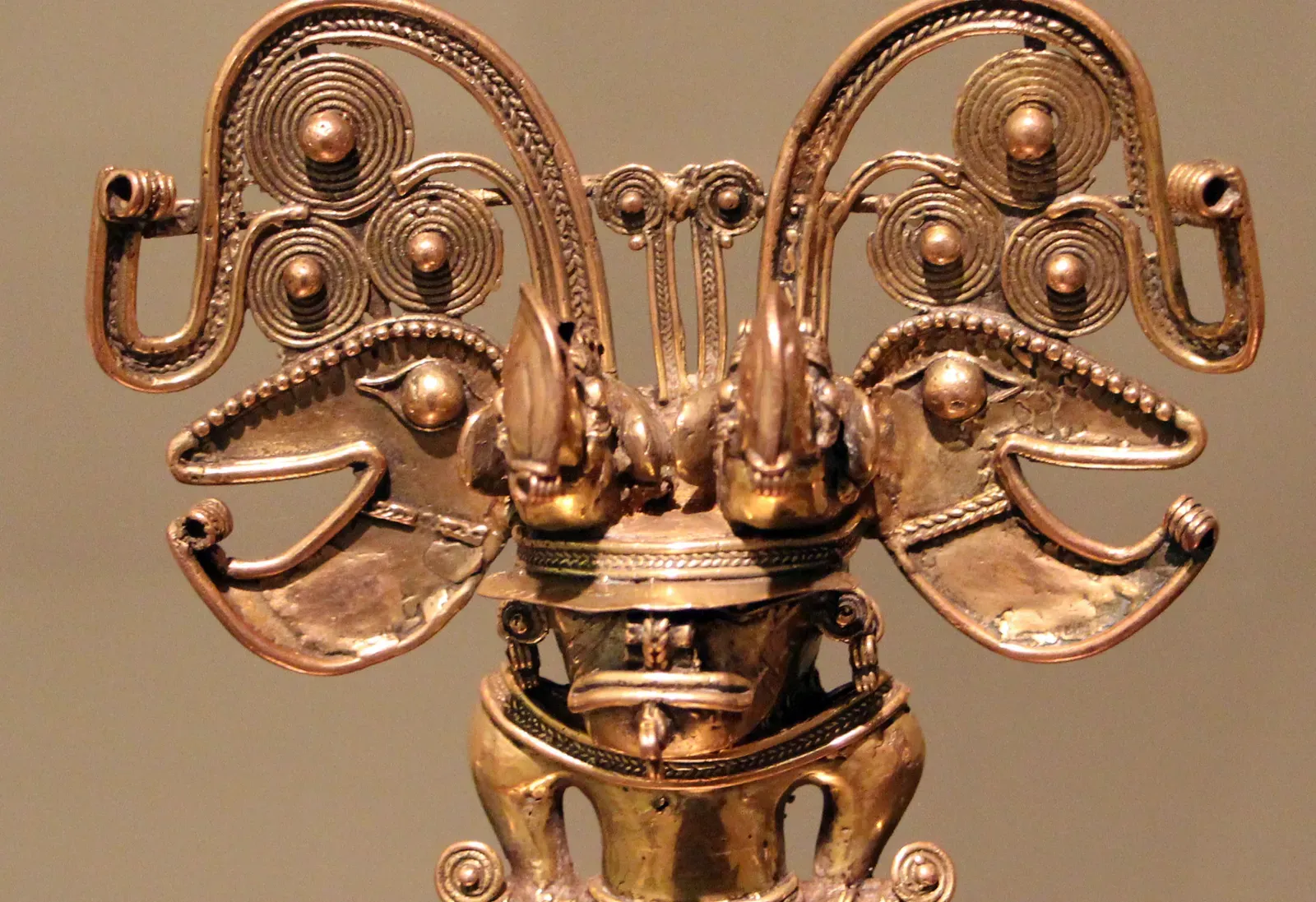
On the northern coast of what is now Colombia, rising sharply from Caribbean beaches into the snow‑capped Sierra Nevada de Santa Marta, lived the Tairona, one of the most skilled metalworkers in ancient America. They were part of a broader group of related peoples collectively known today as Tayrona or Kogi ancestors, and they built stone terraces, stairways, and platforms across steep mountain slopes. One of their best‑known sites, sometimes called the “Lost City” in English, consists of hundreds of stone platforms linked by narrow paths and steps that wind through dense jungle.
The Tairona are especially renowned for their gold and tumbaga (gold‑copper alloy) work: tiny, exquisitely detailed pendants and figures representing animals, humans, and powerful spiritual beings. These objects were not just decoration; they were soaked in religious and political meaning, worn by leaders and ritual specialists who acted as bridges between worlds. Spanish conquest and violent campaigns in the sixteenth and seventeenth centuries led to massive disruption and population collapse, scattering survivors into more remote parts of the mountains. Yet the descendants of the Tairona still live there today, maintaining a worldview centered on balance with nature and the sacredness of their landscape, which gives this “ancient tribe” a continuity that runs straight into the present.
The Hopewell Tradition: Ancient Networkers of Eastern North America
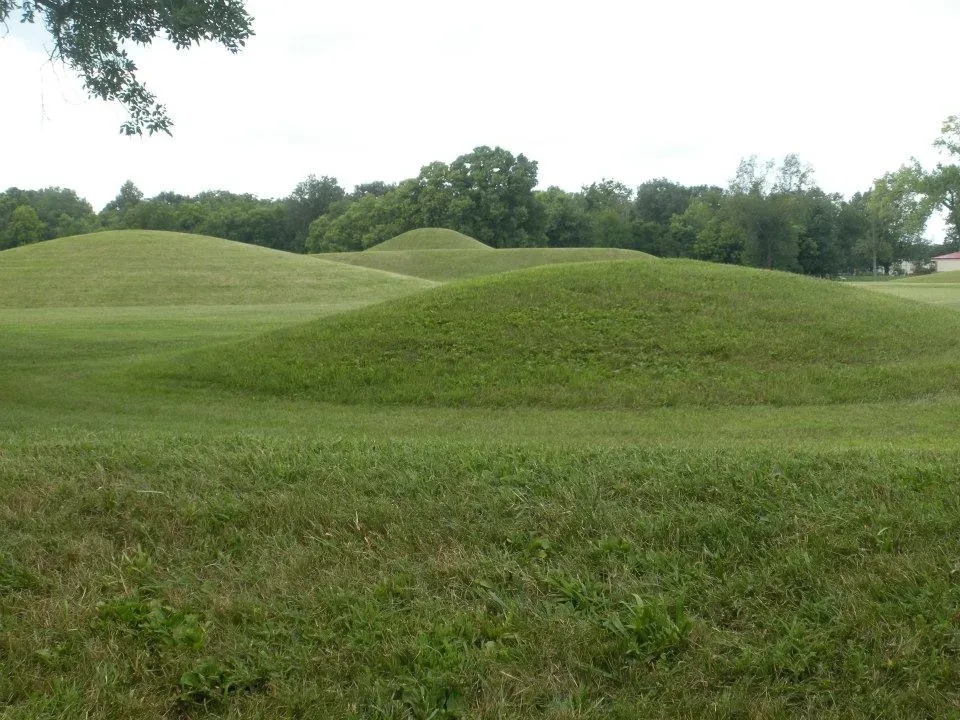
Long before the Mississippian cities rose, another mound‑building tradition flourished across what is now the Ohio River Valley and large parts of eastern North America: the Hopewell. They were not a single “tribe” in the way we often imagine, but rather a network of communities linked by shared ceremonial styles, art, and exchange systems roughly two thousand years ago. Their earthworks are astonishingly precise, often laid out as vast geometric shapes – circles, squares, and intricate combinations – aligned with lunar and solar events in ways that suggest a deep understanding of astronomy and geometry.
Hopewell communities were master traders, pulling in obsidian from the Rocky Mountains, copper from the Great Lakes, shells from the Gulf Coast, and mica from the Appalachian region, then transforming these materials into finely crafted rituals objects. This was not a centralized empire but a loosely connected spiritual and economic world, where pilgrimages and gatherings at major earthwork sites likely played a central role in social life. Over time, the Hopewell pattern faded and transformed, giving way to new cultural expressions and other mound‑building traditions rather than simply disappearing. Their story reminds us that power in the ancient Americas was not always about cities and kings; sometimes it was about relationships, ceremonial gatherings, and shared ideas stretching across thousands of miles.
A Bigger, Stranger, Richer Past Than We’re Told
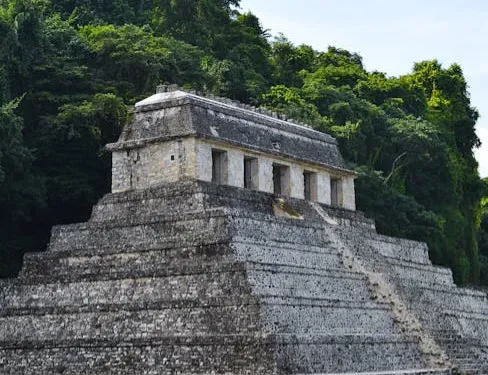
Stepping back from these five cultures, a very different picture of ancient America comes into focus. Instead of a few isolated “great civilizations,” we see a continent thick with creativity: desert canal builders, cloud‑forest fortress makers, goldsmiths in mountain jungles, astronomer‑engineers shaping earth into perfect geometric forms, and city planners building urban centers in the middle of river valleys. None of these were side characters; they were main players in their own regions, linked through trade routes, shared ideas, and sometimes conflict.
What frustrates me – and maybe you feel it too now – is how often these stories get trimmed out of the version of history most of us grew up with. When we only talk about a handful of famous empires, we shrink the scale of human possibility and erase countless ways of living, thriving, and solving problems. Learning about the Mississippians, Chachapoya, Hohokam, Tairona, and Hopewell does more than fill in blank spots on a map; it stretches our sense of what people, anywhere, are capable of building. If there is this much we still barely know about the past just on this one continent, what else might we be overlooking right now in the world around us?