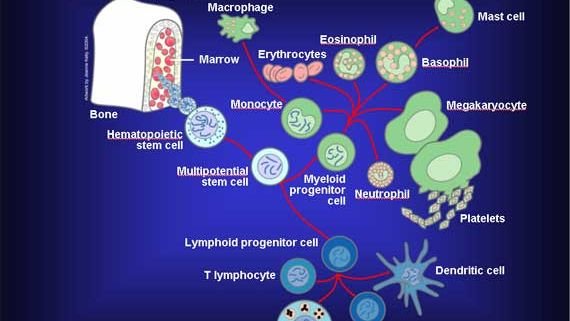

Right now, as you read this, a silent war is being waged inside you. Bacteria are probing your defenses. Viruses are looking for gaps. Rogue cells are forming. Yet here you are, perfectly fine, completely unaware of the thousands of microscopic battles your body wins every single day without you lifting a finger.
Most people think of the immune system as a simple on-off switch. You get sick, your body fights back, and you recover. The truth is far more layered, far more astonishing, and honestly, a little humbling. Your body is running a masterclass in defense strategy every moment of your life. Let’s dive in.
Your Skin Is a Fortress, Not Just a Wrapper
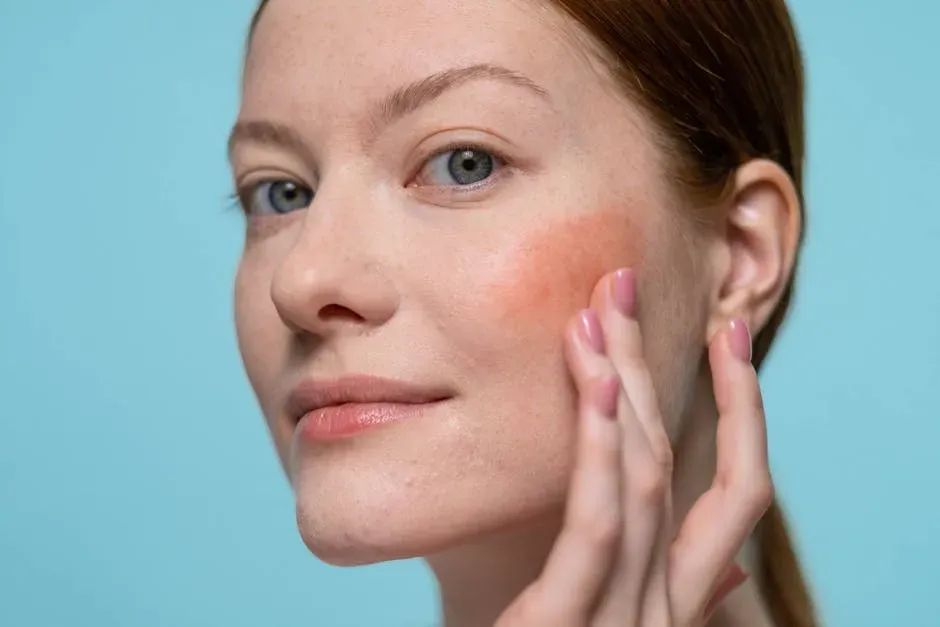
Most people take their skin for granted. It’s easy to see it as just the thing that holds you together. But here’s the thing: your physical defenses are the body’s most basic form of defense against infection, including physical barriers like your skin and mucous membranes, as well as mechanical defenses that physically remove microbes and debris from areas of the body where they might cause harm.
One of the body’s most important physical barriers is the skin barrier, composed of three layers of closely packed cells. The topmost layer, called the epidermis, consists of cells packed with keratin, which makes the skin’s surface mechanically tough and resistant to degradation by bacteria. Think of it like a brick wall coated in a chemical-resistant lacquer. Impressive, right?
Hairs inside your nasal cavity, as well as earwax, also trap pathogens and environmental pollutants. Acidic fluids like gastric juice, urine, and vaginal secretions destroy pathogens by creating low pH conditions. Lysozyme found in your tears, sweat, and saliva also acts as a vital antimicrobial agent. Your own tears, sweat and saliva are chemical weapons. You’re basically walking around armed at all times.
Inflammation Is Actually Your Body Saving Your Life
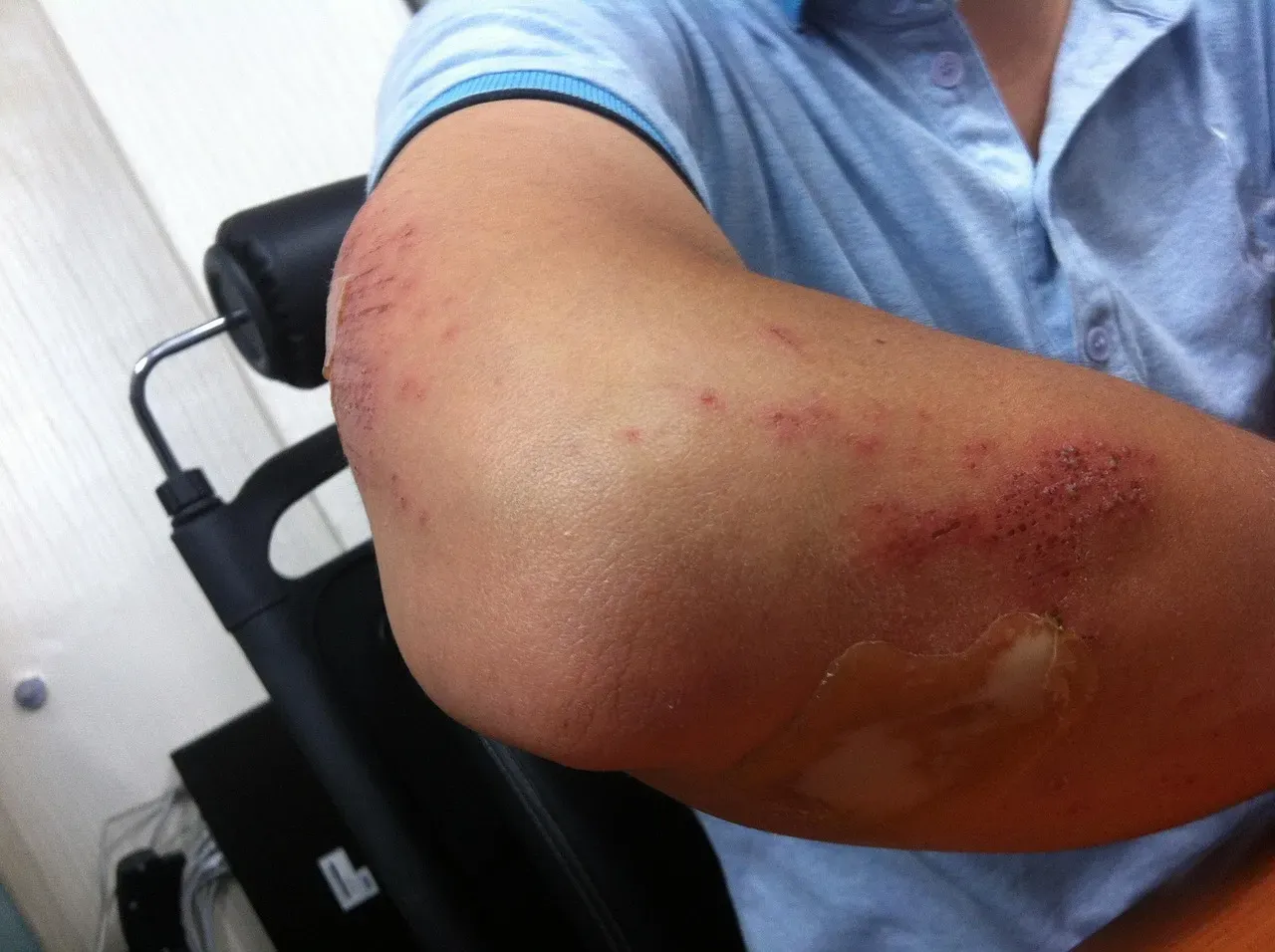
Inflammation gets terrible press. People hear the word and immediately think of pain, swelling, and something going wrong. Honestly, that reaction is understandable. But inflammation is one of the most brilliantly engineered responses in all of biology. Inflammation is a response triggered by a cascade of chemical mediators and occurs when pathogens successfully breach the innate immune system or when an injury occurs. It is a necessary process that recruits cellular defenses needed to eliminate pathogens, remove damaged and dead cells, and initiate repair mechanisms.
When an area of skin becomes infected, immune system cells spring into action, either by moving to the area or by being activated locally. Certain cells of the immune system release substances to make the blood vessels wider and more permeable, causing the area around the infection to swell, become warm, and turn red, which are visible signs of the inflammation that has developed. That redness and warmth you see around a cut? That’s your body flooding the zone with reinforcements.
Flooding the area with fluid dilutes any pathogens that are already present, and the local concentration of immune system cells and defensive proteins enables an immune response to begin more quickly. So the next time you notice a swollen, warm spot around a wound, resist the urge to panic. Your body is already well ahead of the problem.
Your Immune System Has a Memory Better Than You Think
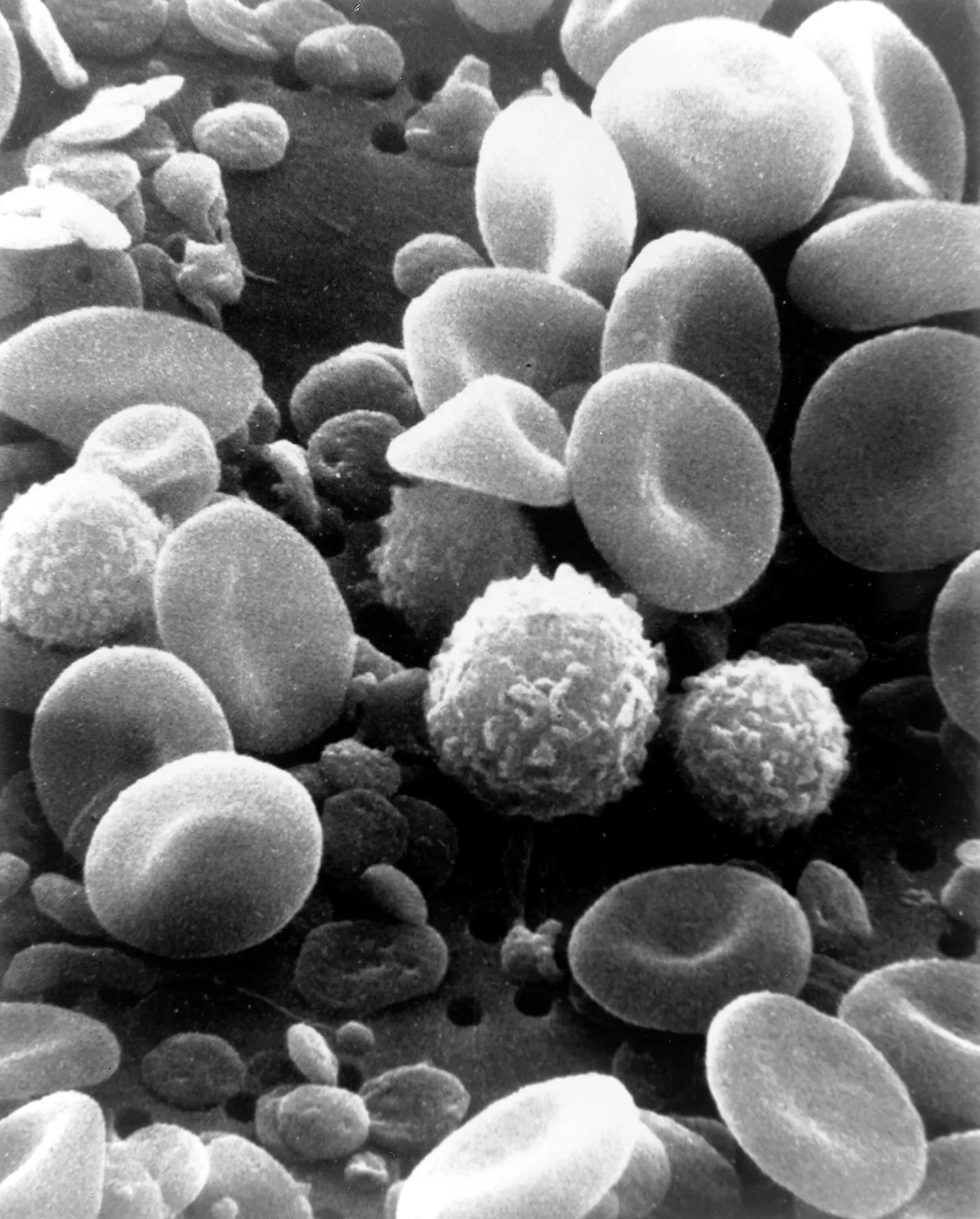
You forget where you put your keys. Your immune system, on the other hand, never forgets a fight. Your immune system keeps a record of every microbe it has ever defeated, in types of white blood cells known as memory cells. This means it can recognize and destroy the microbe quickly if it enters the body again, before it can multiply and make you feel sick. That’s not just remarkable. That’s extraordinary.
This memory is also the reason why there are some illnesses you can only get once in your life, because afterwards your body becomes immune to them. It may take a few days for the adaptive immune system to respond the first time it comes into contact with a germ, but the next time the body can react immediately. The second infection then usually goes unnoticed, or is at least milder. This is how your body quietly intercepts attacks you’ll never even feel.
Sometimes, having an infection just once is enough to give you lifelong natural immunity. Examples of such diseases include measles and hepatitis A. Your immune system is, in a very real sense, a living library that grows smarter every time you encounter a new threat. It’s hard not to be a little awestruck by that.
Natural Killer Cells: Your Body’s Secret Assassins
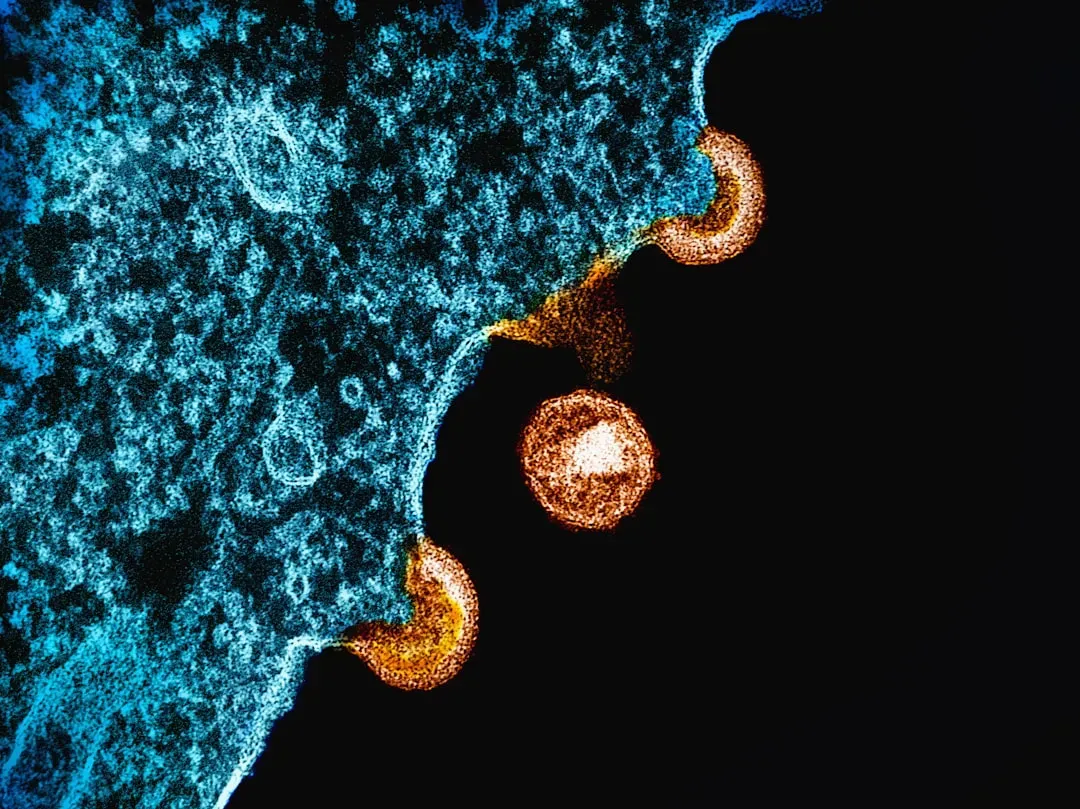
The name alone should get your attention. Natural killer cells sound like something from a science fiction movie, yet they are patrolling your body right now. Natural killer cells are a major part of the innate immune system. Their main job is to identify cells that have been infected by a virus, as well as abnormal cells that may turn into tumor cells. To do this, they search for cells with an abnormal surface, and then destroy the cell surface using substances called cytotoxins.
T cells form the basis of cellular immunity and can very specifically kill cells that have been infected by viruses. Meanwhile, T cells also release chemicals called cytokines, which are cellular messengers that help to direct inflammation to the site of the germs. Think of natural killer cells and T cells as two different types of special forces, each trained for a specific kind of mission, all operating beneath your awareness.
Bacteria or viruses that enter the body can be stopped right away by phagocytes, also known as scavenger cells. These special white blood cells enclose germs and “digest” them, making them harmless. The remains of the germs then move to the surface of the phagocytes, where they can be detected by the adaptive immune system. It’s a relay race of destruction, elegant and ruthless at the same time.
Your Body Literally Predicts Future Viral Mutations
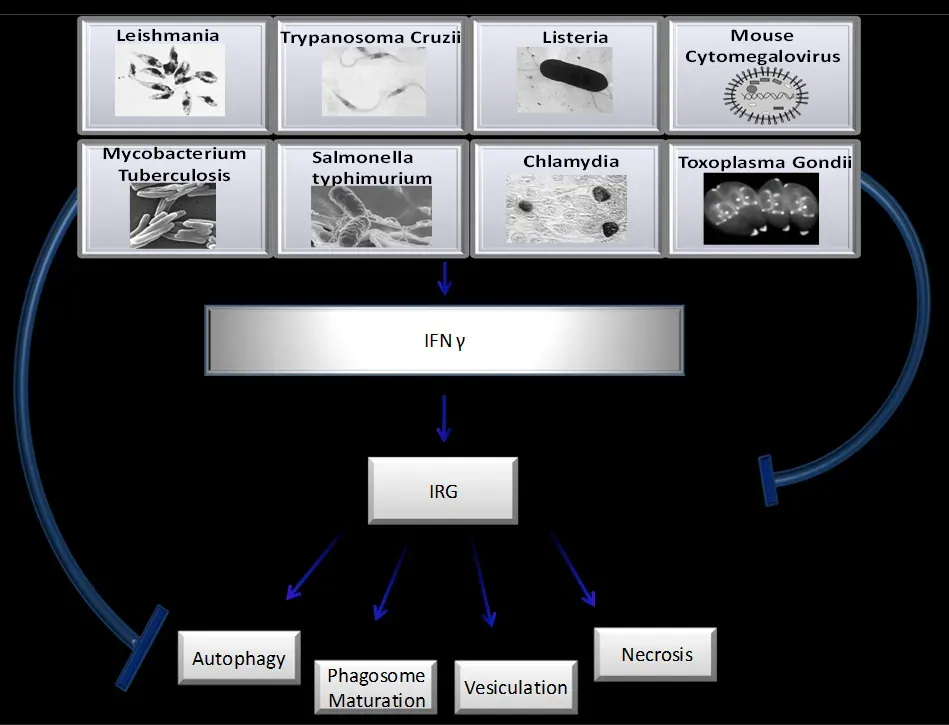
http://info.fujita-hu.ac.jp/~tsutsumi/index.html#
Trypanosoma_cruzi_crithidia.jpeg: * Photo Credit:
Content Providers(s): CDC/Dr. Myron G. Schultz
Listeria_monocytogenes_PHIL_2287_lores.jpg: Elizabeth White
Mycobacterium_tuberculosis_8438_lores.jpg: * Photo Credit: Janice Carr
Content Providers(s): CDC/ Dr. Ray Butler; Janice Carr
Toxoplasma_gondii.jpg:
ChlamydiaTrachomatisEinschlusskörperchen.jpg: User Marcus007 on de.wikipedia
SalmonellaNIAID.jpg:
derivative work: 2011MMG320group2 (talk), CC BY-SA 3.0)
This one might be the most jaw-dropping of all. It sounds like science fiction, but it is thoroughly real and verified. Germinal centers form temporarily in response to infection or vaccination. They don’t just produce antibodies against the germs that are in your body. They also produce antibodies against different versions of those germs that you haven’t been exposed to. Cells in the germinal centers essentially guess at how the virus may change over time.
Let that sink in for a moment. Your body is not just reacting to present threats. It is actively preparing for future ones it hasn’t even encountered yet. Take the COVID vaccines as an example. The COVID vaccines developed against the original virus caused people to make antibodies that guarded against other variants. That level of biological foresight is, in my opinion, one of the most awe-inspiring things in all of human biology.
The adaptive immune system makes antibodies and uses them to specifically fight certain germs that the body has previously come into contact with. Because the adaptive immune system is constantly learning and adapting, the body can also fight bacteria or viruses that change over time. Your immune system is not a static shield. It is a constantly evolving, learning, predicting machine housed entirely within you.
Conclusion: The Most Sophisticated Defense System on Earth Lives Inside You
Let’s be real: most of us spend more time thinking about what to have for dinner than we do appreciating the trillions of cells working around the clock to keep us alive. Every day while you eat, sleep, work, and play, battles are being fought throughout your body. You rarely feel it. Bacteria, viruses, and other microbes are constantly invading from the outside world. The fact that you are simply here, reading this, is itself a small daily victory.
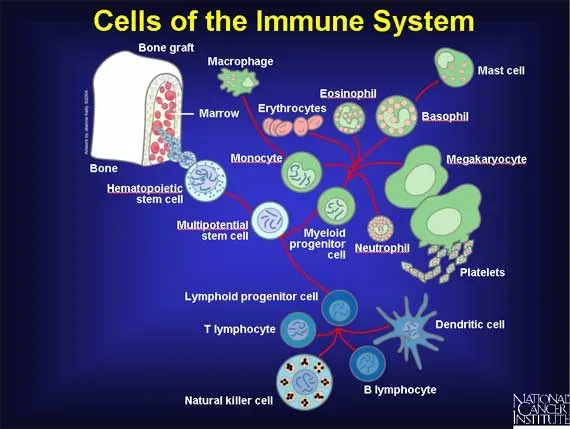
From your skin acting as a fortified wall, to natural killer cells hunting down infected and cancerous cells, to germinal centers actually predicting how viruses will evolve, your body is operating at a level of sophistication that no human-built technology has come close to replicating. It does all of this silently, tirelessly, and largely without credit. The cells and organs of your immune system work together to locate, identify, and remove germs and other invaders to keep you safe and healthy, and they also heal the damage that those intruders cause.
The next time you recover from a cold, or a small cut heals cleanly, or you simply feel well on an ordinary Tuesday, take a second to appreciate just how remarkable your biology is. Your body has been fighting for you since before you were even born. Does knowing all of this change how you see your own health? Let us know what you think in the comments below.