
History is usually taught like a filing cabinet – dates, treaties, names in bold, memorize and move on. But the real story of the past is messier, funnier, and a lot weirder than any textbook let on. Somewhere between the wars that actually happened and the wars we were tested on, a huge chunk of the good stuff got left on the cutting room floor.
We’re talking about a war shorter than a sitcom episode, a tower that physically grows in the summer heat, and a queen who lived closer to the moon landing than to the pyramids she’s associated with. None of this is fringe trivia – it’s real, verifiable history that somehow never made it past page one. Here are twenty facts that might make you rethink everything you thought you knew.
#1 – Cleopatra Lived Closer to the Moon Landing Than to the Pyramids
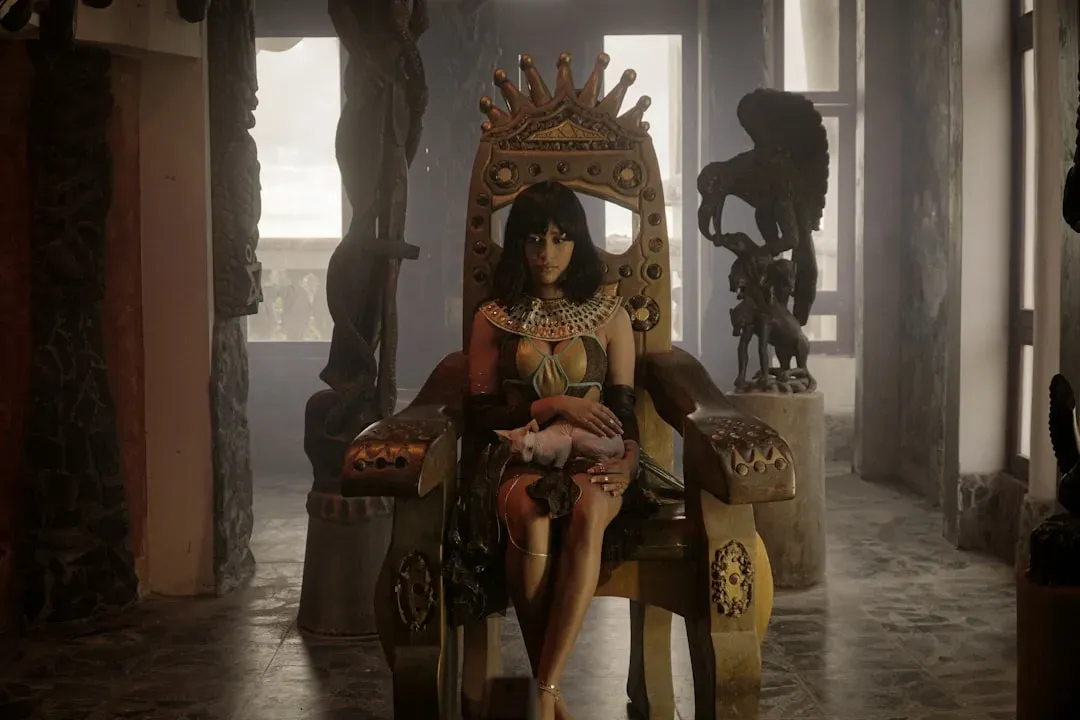
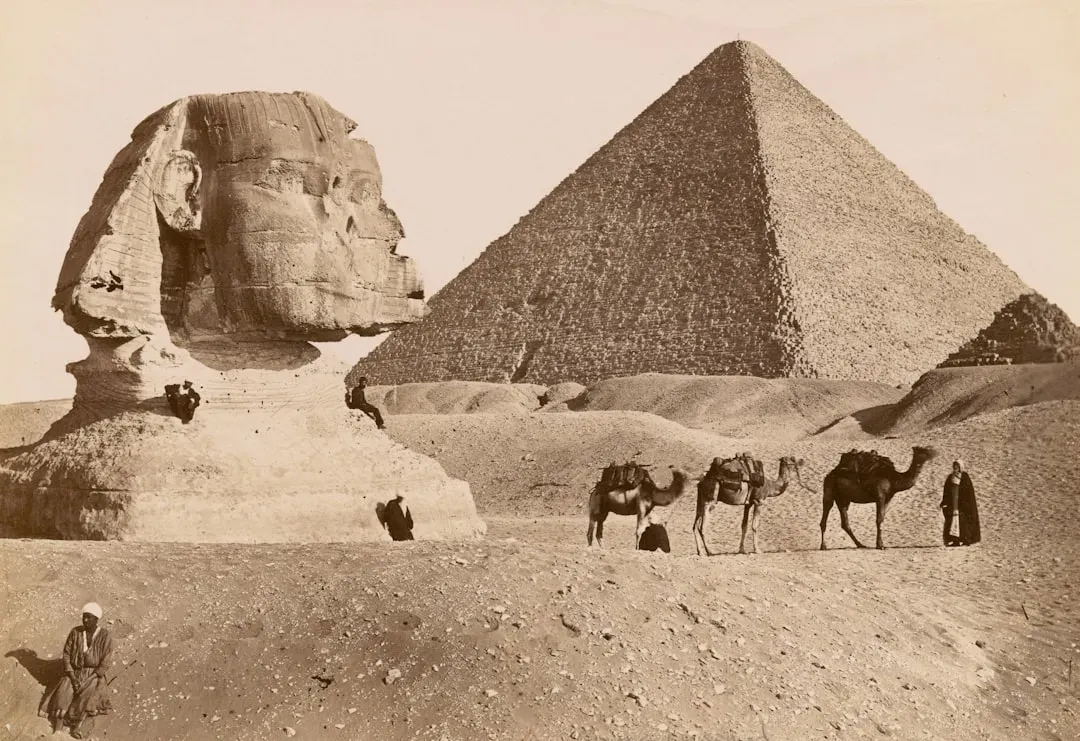
Most people assume Cleopatra and the Great Pyramid of Giza belong to the same “ancient Egypt” moment in time, but that’s a massive miscalculation.
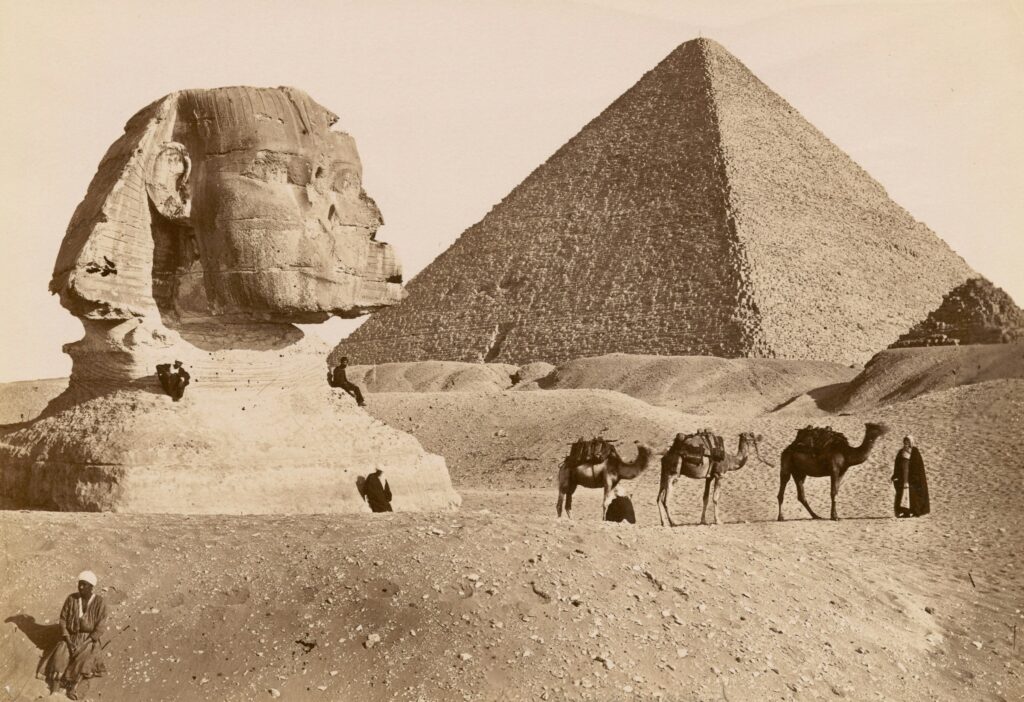
The Great Pyramid was built around 2560 BCE. Cleopatra ruled Egypt roughly 2,500 years later, around 30 BCE. That means more time separates Cleopatra from the pyramid builders than separates her from the 1969 moon landing. She lived in a world with Roman senators, Julius Caesar, and early concrete construction – not a world of pharaohs building pyramids. The “ancient Egypt” timeline most people picture is actually thousands of years long, and Cleopatra sits near the very end of it, not the beginning.
Fast Facts
- Great Pyramid of Giza completed: around 2560 BCE
- Cleopatra’s reign over Egypt: 51-30 BCE
- Apollo 11 moon landing: 1969 CE
- Years between the pyramid and Cleopatra: roughly 2,530
- Years between Cleopatra and the moon landing: roughly 1,999
#2 – Oxford University Predates the Aztec Empire
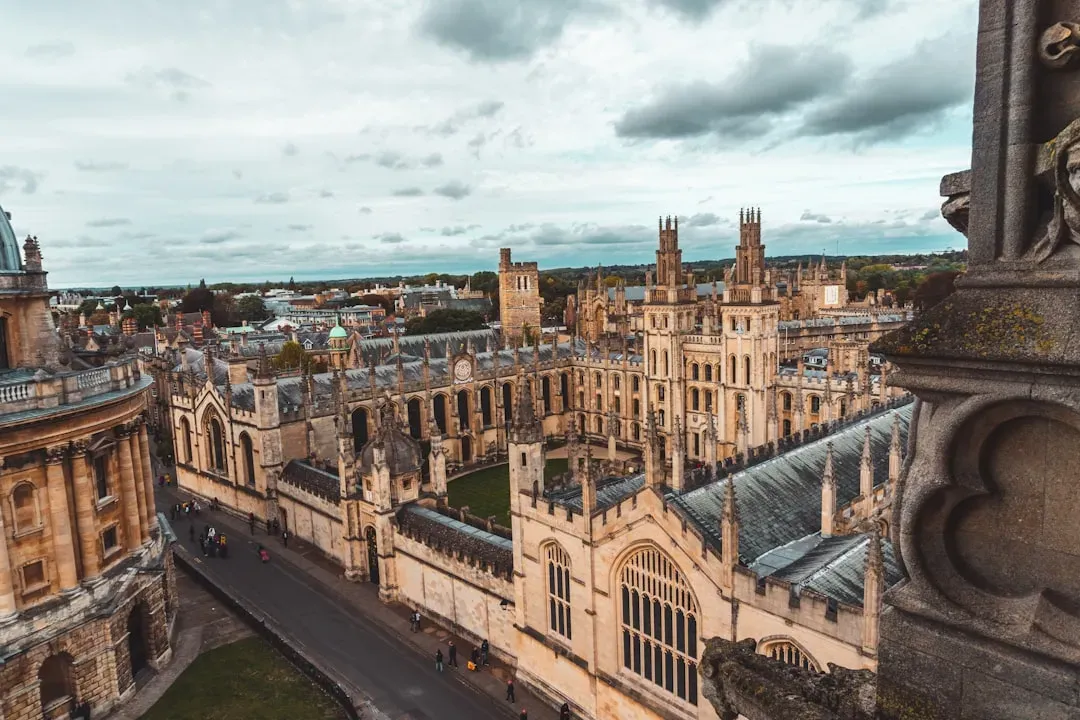
It sounds backwards, but Oxford University was already teaching students before the Aztec civilization even existed.
Teaching at Oxford began as early as 1096, making it one of the oldest universities in the world. The Aztec Empire wasn’t founded until roughly 1428, when the Aztecs formed their Triple Alliance in the Valley of Mexico. That’s a gap of over 300 years. Oxford had already been operating for three centuries by the time Tenochtitlan rose to power – a strange reminder that “ancient” and “old” depend entirely on which side of the globe you’re standing on.
#3 – The Great Fire of London Only Killed a Handful of People
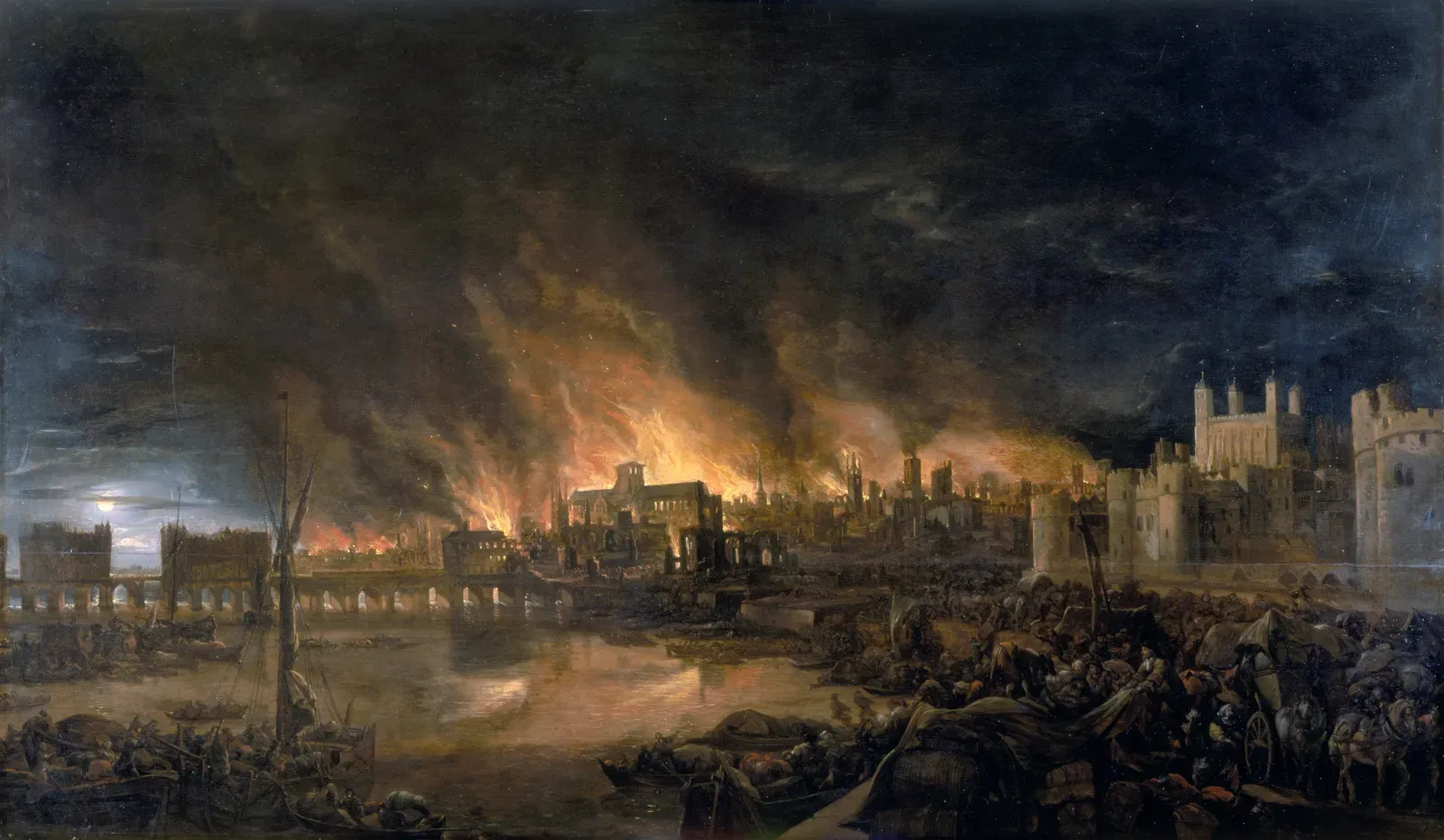
The Great Fire of London in 1666 destroyed roughly 13,000 houses and most of the medieval city, yet the official death toll was shockingly low.
Official records list only a handful of confirmed deaths – often cited as six – despite the fire raging for four straight days and leveling the city’s core. Historians now suspect the real number was higher, since deaths among the poor were rarely recorded and cremation in such extreme heat would have left no remains to count. Almost nobody officially died in one of history’s most destructive urban fires, at least on paper. It even did some good in a twisted way – the blaze helped burn out the plague-infested slums that had killed tens of thousands the year before.
#4 – Napoleon Wasn’t Actually Short
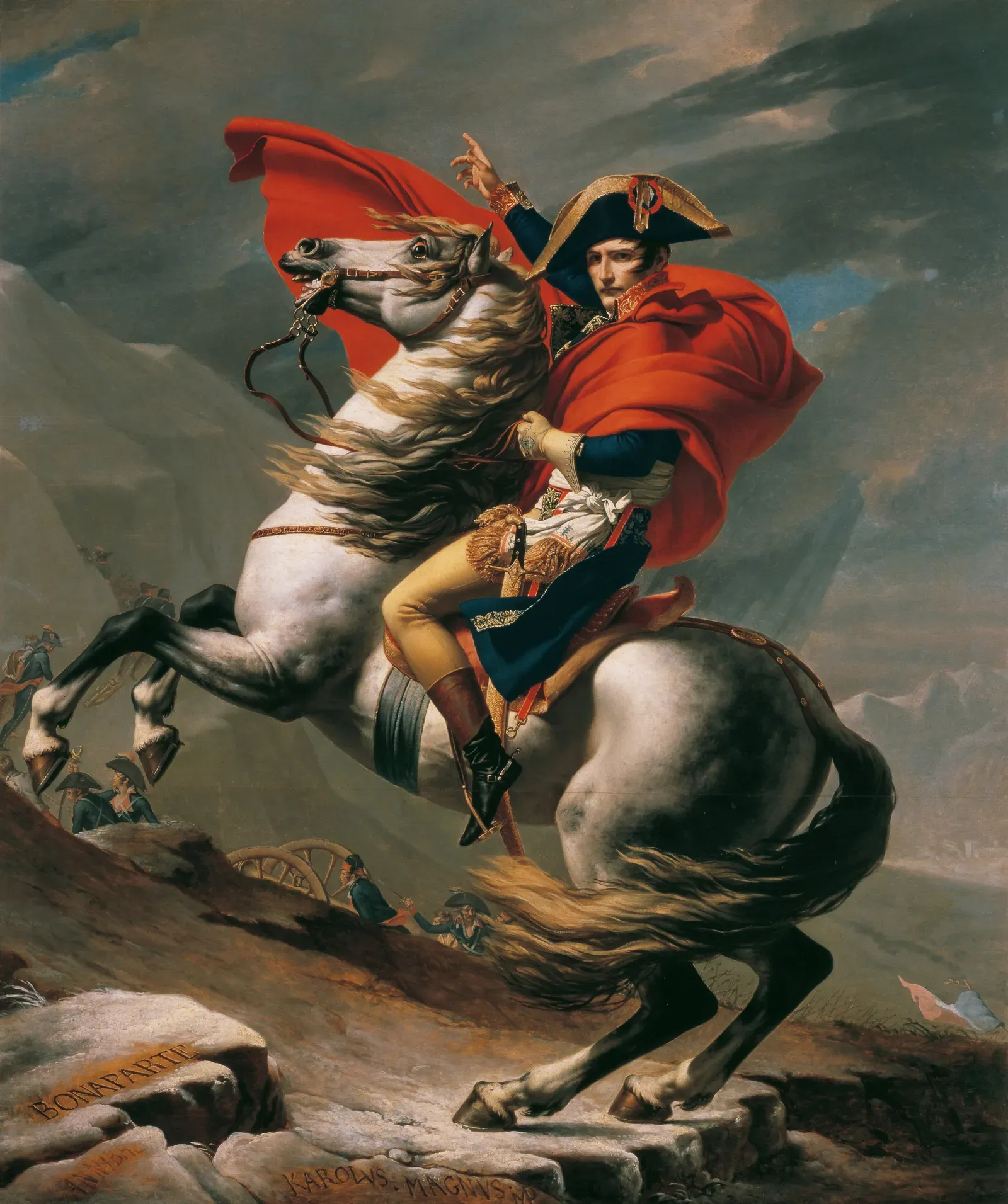
Napoleon Bonaparte’s reputation as a short, angry tyrant is one of history’s most successful smear campaigns.
Napoleon stood around 5 feet 7 inches, which was average or even slightly above average height for a Frenchman of his era. The myth stems partly from British wartime propaganda cartoons mocking him, and partly from a mix-up between French inches and English inches used at the time of his autopsy. The “Napoleon Complex” is based almost entirely on a unit conversion error, not reality. His nickname “le petit caporal” (the little corporal) was actually a term of affection from his troops, not a comment on his height.
#5 – The Shortest War in History Lasted Less Than 40 Minutes
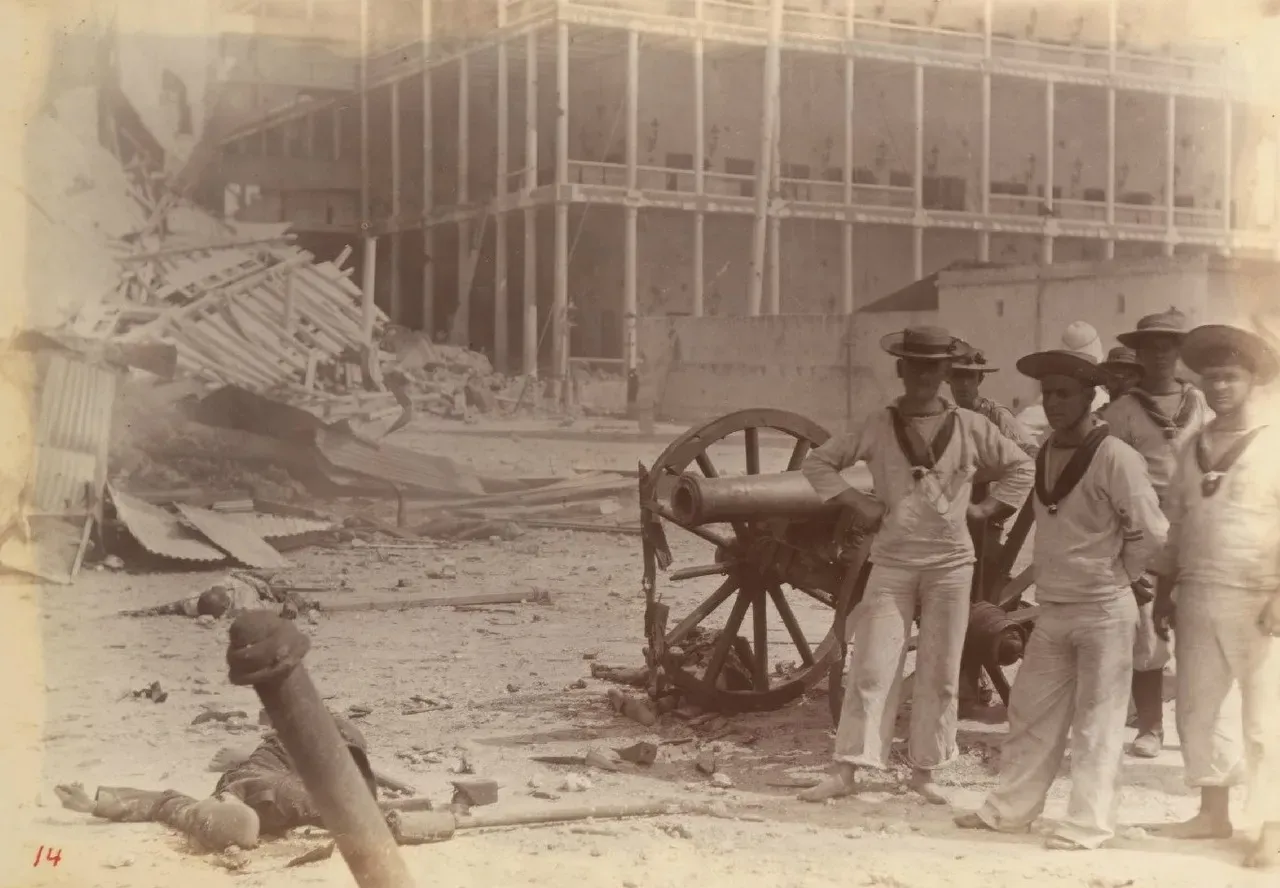
While most wars drag on for years, one conflict barely lasted long enough to finish a lunch break.
The Anglo-Zanzibar War broke out on August 27, 1896, when Zanzibari Prince Khālid ibn Barghash refused to accept the British Empire’s choice of successor after the previous sultan died. He occupied the sultan’s palace, prompting British imperial cruisers to open fire. Despite lasting under 40 minutes, the war still caused roughly 500 casualties, mostly among Khalid’s poorly fortified palace guard. After his defeat, the British installed Ḥamud ibn Moḥammed as sultan, and the whole affair was over before most people even heard it started.
At a Glance
- Date: August 27, 1896
- Duration: under 40 minutes
- Casualties: roughly 500, mostly on the Zanzibari side
- Trigger: a disputed royal succession
- Outcome: British-backed sultan installed within hours
#6 – Ancient Romans Brushed Their Teeth With Urine
This one sounds like a joke, but Roman hygiene practices genuinely relied on urine’s chemical properties.
Urine contains ammonia, a natural cleaning agent, which made it useful for both laundering togas and whitening teeth. Romans reportedly imported urine from Portugal in bulk because it was considered higher quality, and it was even taxed as a commodity under Emperor Vespasian. An entire imperial tax existed specifically because of urine’s commercial value. It sounds disgusting today, but the ammonia genuinely worked, and Roman fullers – the launderers of the ancient world – built entire businesses around collecting it from public urinals.
#7 – Woolly Mammoths Were Still Alive When the Pyramids Were Built
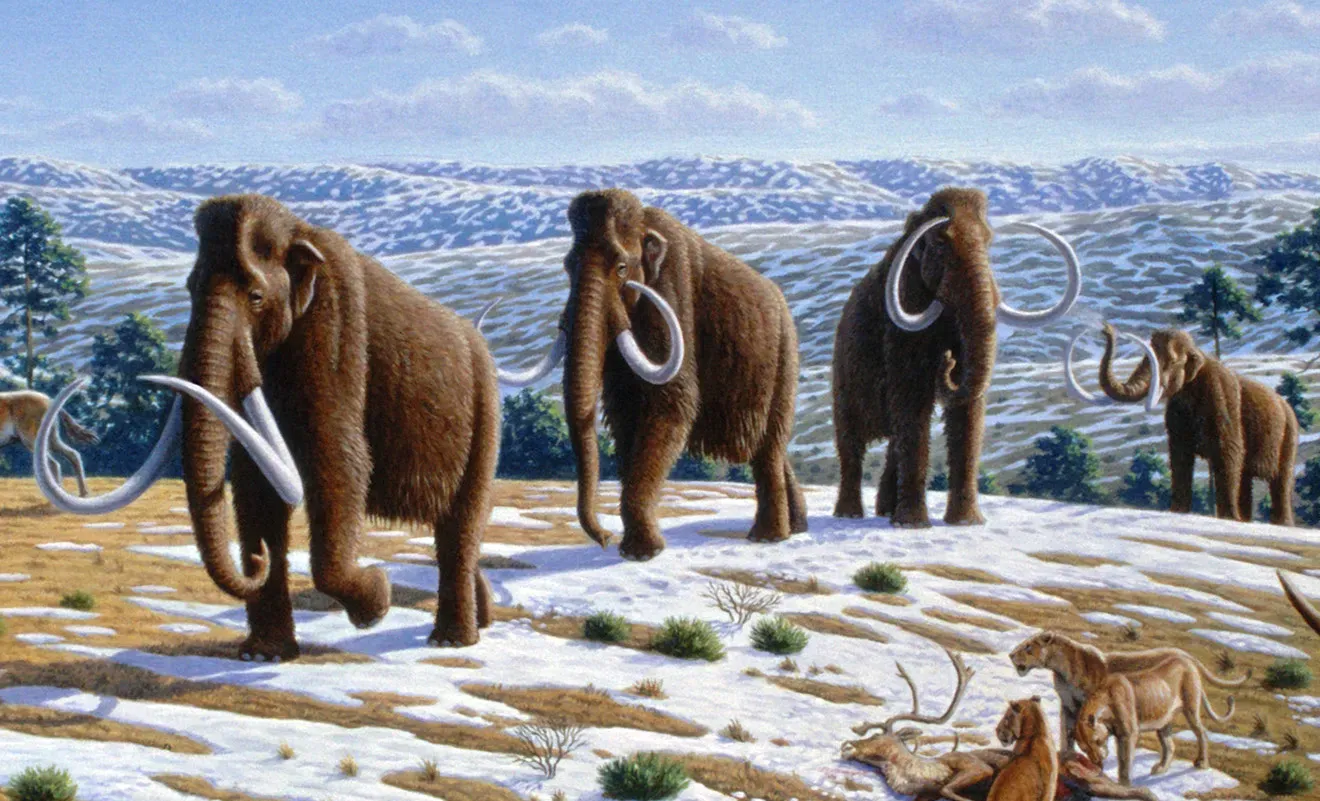
Most people picture woolly mammoths going extinct alongside the last Ice Age glaciers, but a small population survived far longer than that.
The last known population remained on Wrangel Island in the Arctic Ocean until about 4,000 years ago, around 2000 BCE – centuries after the Great Pyramid and Sphinx were already standing. While mainland mammoth populations mostly vanished around 10,000 years ago, this isolated Arctic group hung on for millennia afterward. A living woolly mammoth and a finished Great Pyramid coexisted on Earth at the same time. Scientists believe genetic isolation and a shrinking habitat eventually finished off this last holdout population for good.
#8 – Vikings Almost Certainly Never Wore Horned Helmets
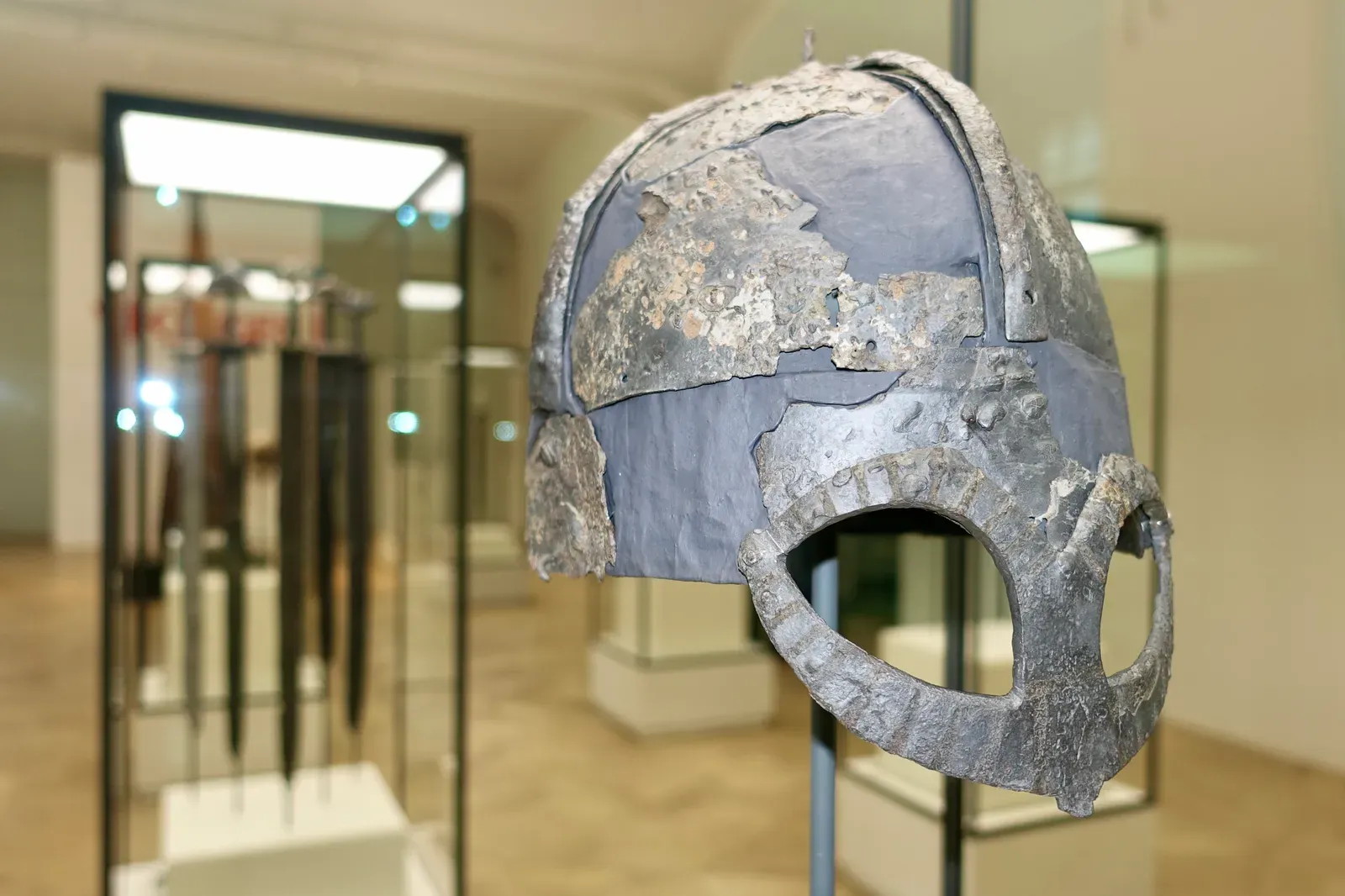
The image of a horned Viking warrior is one of the most widespread historical myths still circulating today.
No archaeological evidence from the Viking Age has ever turned up a genuine horned helmet used in battle. Historians largely trace the image back to 19th-century Romantic-era artists and costume designers working on Wagner’s operas, who wanted a dramatic visual flair for Norse characters. A 19th-century opera costume shaped how we picture an entire medieval civilization. Real Viking helmets were simple, rounded, and practical – horns would have been a liability in close combat, easy to grab or get caught on, yet the myth still shows up in cartoons and Halloween costumes worldwide.
#9 – The Eiffel Tower Actually Grows Taller in the Summer

It sounds like a physics trick, but the Eiffel Tower’s height genuinely shifts with the seasons.
On hot days, the tower grows by 12-15cm and leans away from the sun. This happens because metal expands when it warms, as added heat makes its atoms vibrate harder and push slightly farther apart. The tower can gain up to six inches in height just from summer heat alone, then shrink back down once winter arrives. Engineers keep a constant eye on this shift using GPS sensors, accelerometers, and strain gauges – it’s a designed-for phenomenon, not a structural flaw.
#10 – World War I Didn’t “Officially” End Until 2010
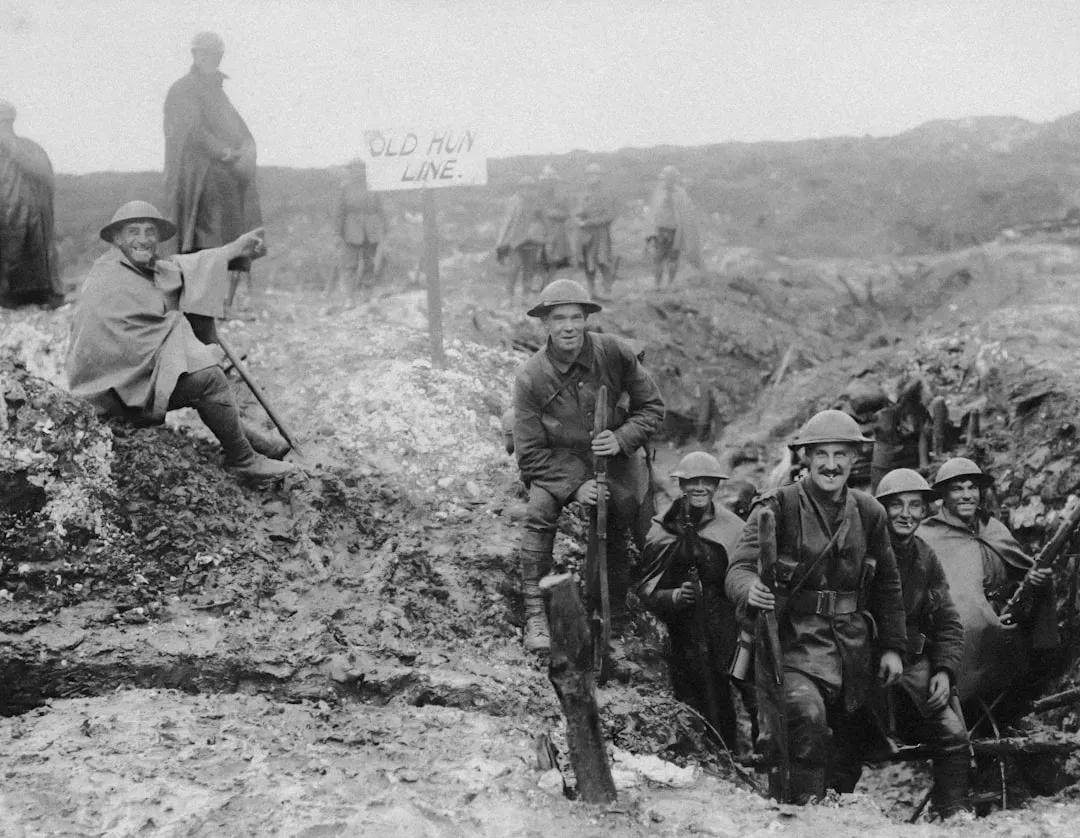
Most people assume World War I concluded the moment the Treaty of Versailles was signed in 1919, but Germany’s financial obligations dragged on for nearly a century.
The final reparations payment was made on October 3, 2010. The debt survived hyperinflation, the rise of Hitler – who suspended payments after 1933 but let interest keep accruing on the bonds until 1939 – a second world war, and German reunification before it was finally closed out. Germany was still paying off World War I debt on the 20th anniversary of the Berlin Wall’s fall. More than nine decades after the guns fell silent, one final wire transfer quietly marked the true end of the war.
Quick Compare
- 1919: Treaty of Versailles sets reparations terms
- 1933: Hitler suspends payments, but bond interest keeps accruing
- 1990: Reunified Germany agrees to resume the old repayment schedule
- 2010: Final payment made on October 3, closing the debt for good
#11 – Ancient Egyptians Used Moldy Bread as Medicine
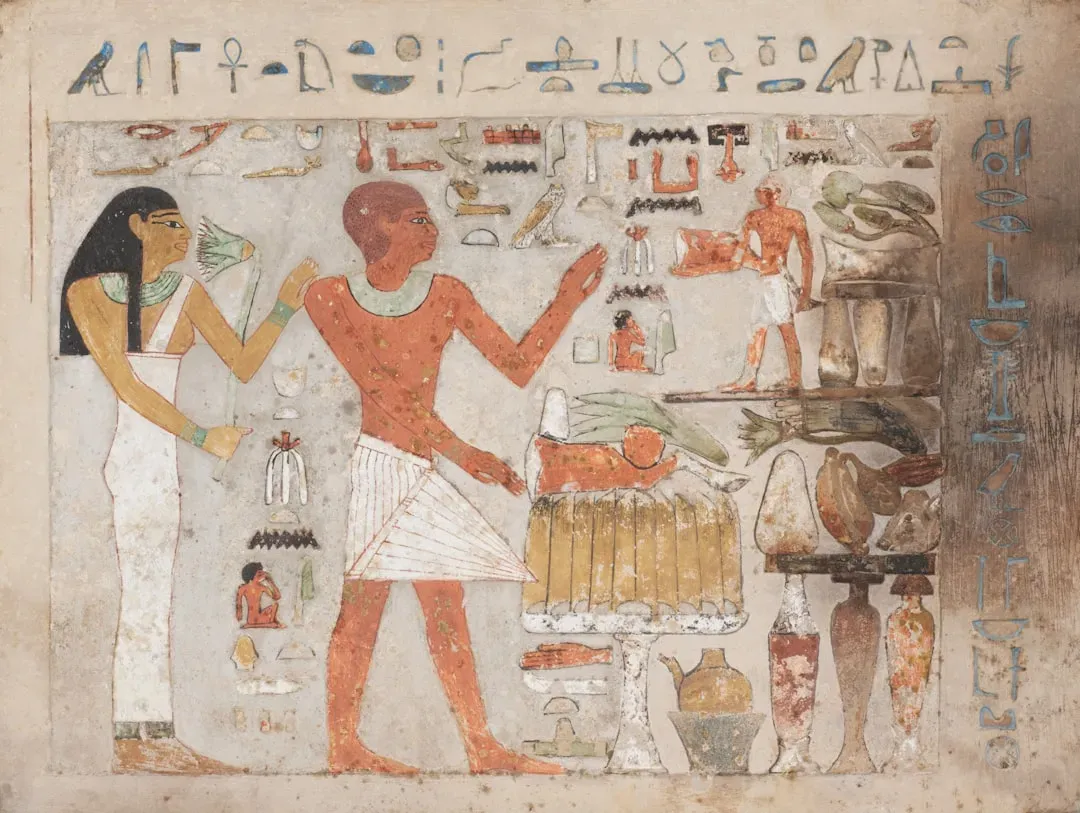
Long before antibiotics existed, ancient Egyptians were unknowingly harnessing similar chemistry to treat wounds and infections.
Egyptian medical texts describe applying moldy bread directly to wounds and infected skin, a practice later echoed by ancient Greek and Chinese healers as well. Certain molds naturally produce antibacterial compounds – the same basic principle behind penicillin, discovered thousands of years later in 1928. Egyptians were essentially using a crude form of antibiotics millennia before anyone understood germ theory. It wasn’t precise medicine by modern standards, but it worked often enough to become a folk remedy across multiple ancient cultures independently – proof that trial-and-error occasionally stumbles onto real science.
#12 – The First Video Game Was Built in 1958 on a Physics Lab Oscilloscope

Long before arcades or home consoles existed, a physicist quietly created what’s considered the first interactive video game – just to entertain lab visitors.
Physicist William Higinbotham built “Tennis for Two” in 1958 at Brookhaven National Laboratory using an oscilloscope screen and analog computer components. It simulated a simple side-view tennis match and was meant purely to liven up the lab’s public visitor day. A defense research lab accidentally invented gaming, decades before Pong or Atari existed. Higinbotham never patented the invention, treating it as a minor curiosity rather than a commercial product – a decision that looks very different in hindsight given the trillion-dollar industry that followed.
#13 – Einstein Was Offered the Presidency of Israel
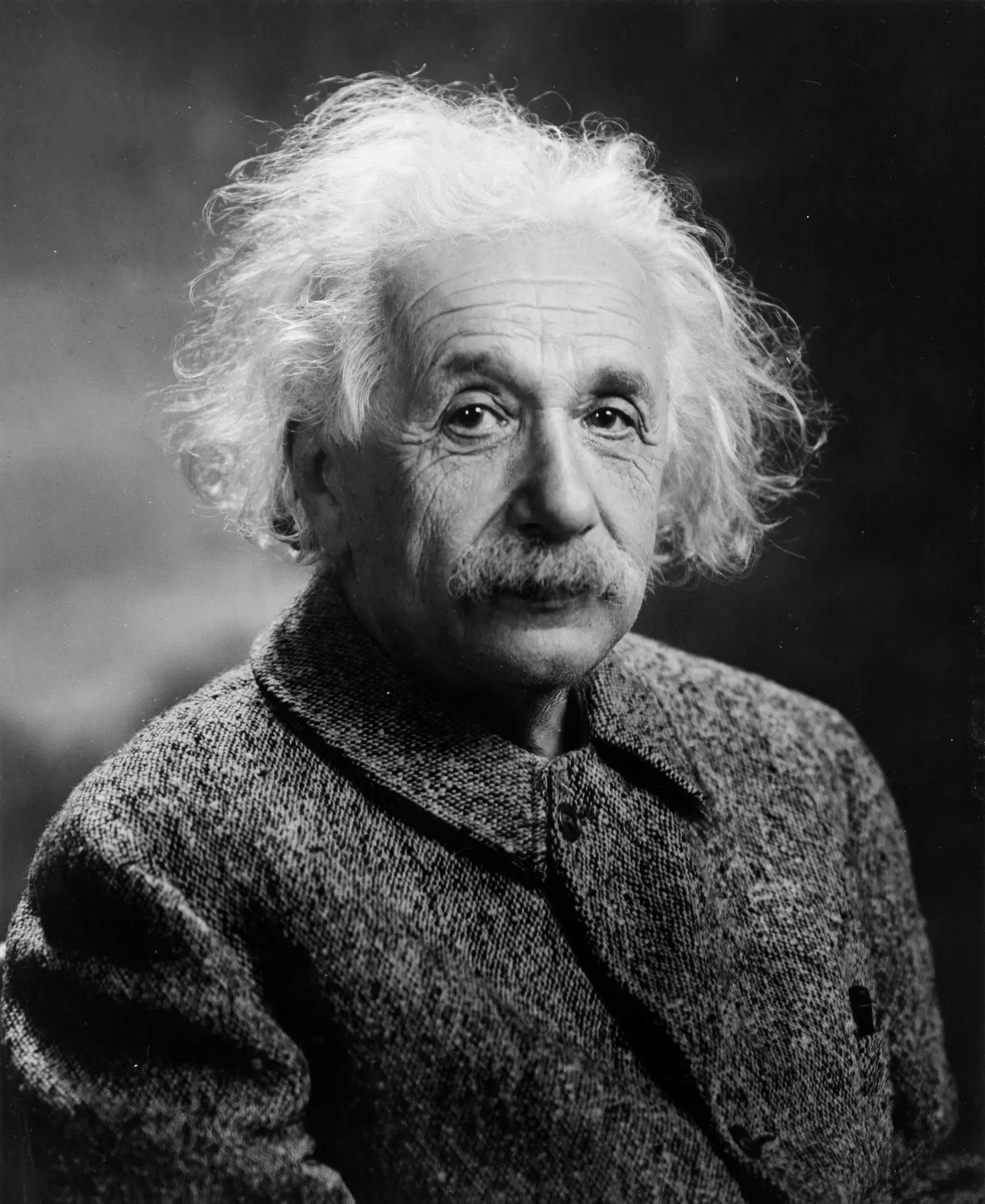
In 1952, Albert Einstein received one of the most surprising job offers in modern history: the presidency of the newly formed state of Israel.
The offer came after the death of Israel’s first president, Chaim Weizmann, and reflected Einstein’s status as the most famous Jewish intellectual alive at the time. Einstein politely declined, citing his lack of political experience and natural aptitude for the role. One of the greatest scientific minds in history turned down the chance to lead a country.
I am deeply moved by the offer from our State of Israel, and at once saddened and ashamed that I cannot accept it.
Albert Einstein
#14 – The “Hundred Years’ War” Actually Lasted 116 Years
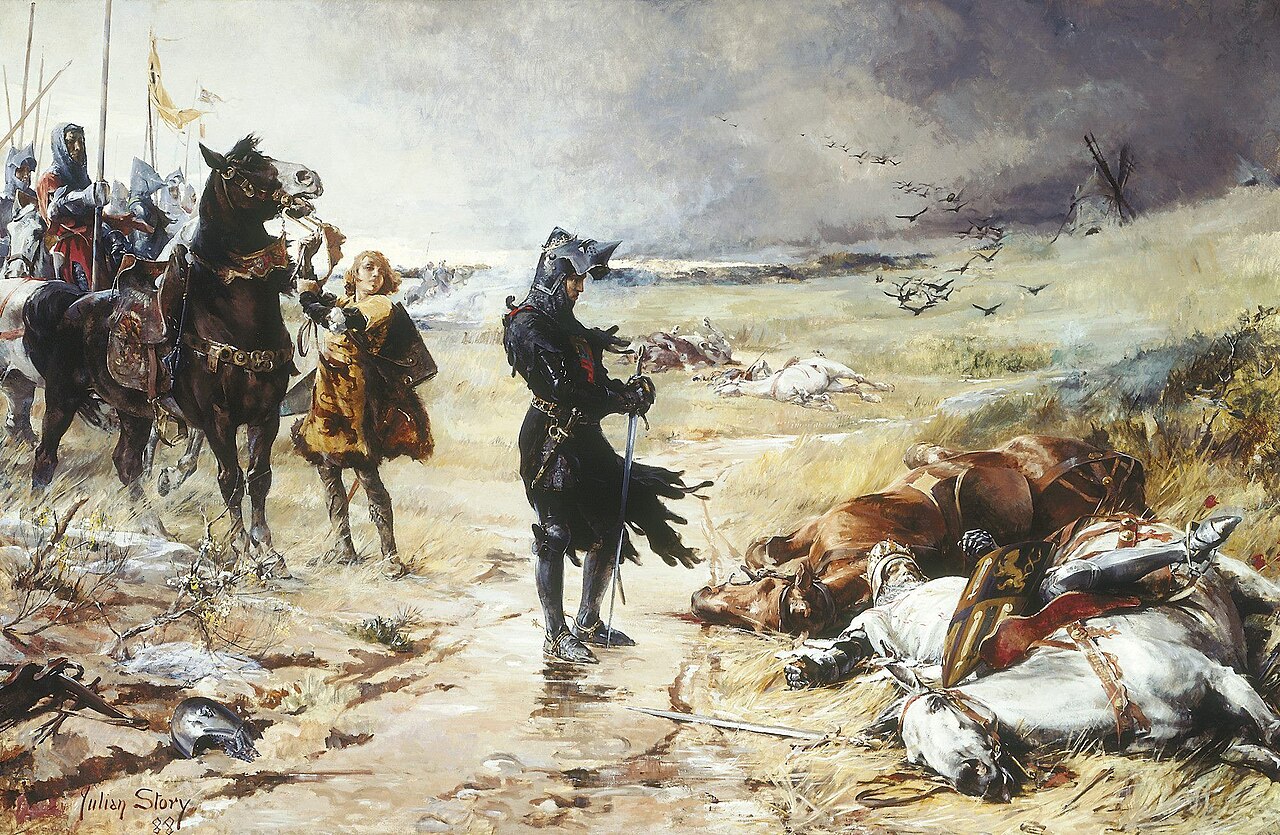
Despite its famous name, the Hundred Years’ War between England and France wasn’t actually a hundred years long.
The conflict ran from 1337 to 1453, a span of 116 years, though it wasn’t one continuous war – it was a series of overlapping conflicts, truces, and renewed fighting over French succession and territorial control. A war named for a round number actually lasted over a century longer than advertised. Historians kept the label anyway because it stuck culturally, even though nobody involved at the time would have called it that or expected it to drag on for generations.
#15 – Isaac Newton Is Credited With Inventing the Cat Door
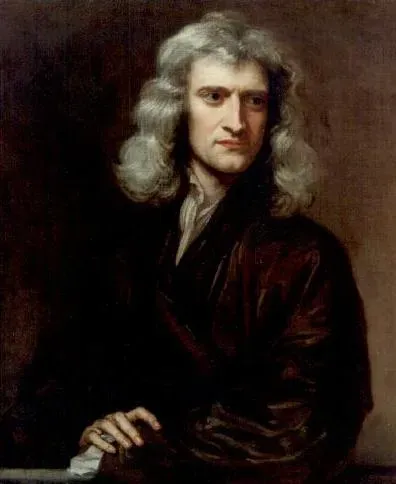
One of history’s greatest scientific minds is also credited, somewhat humorously, with a small household invention still used today.
According to long-standing anecdotes dating back to the 18th century, Isaac Newton cut small holes into his laboratory door so his cats could come and go without disturbing his experiments with light and optics. The man who explained gravity may have also invented the humble cat flap, though historians note the story is more folklore than verified fact. Whether entirely true or partly exaggerated, the tale has stuck around for centuries because it humanizes one of science’s most famously reclusive and eccentric figures.
#16 – Napoleon Was Ambushed by Rabbits During a Hunting Trip
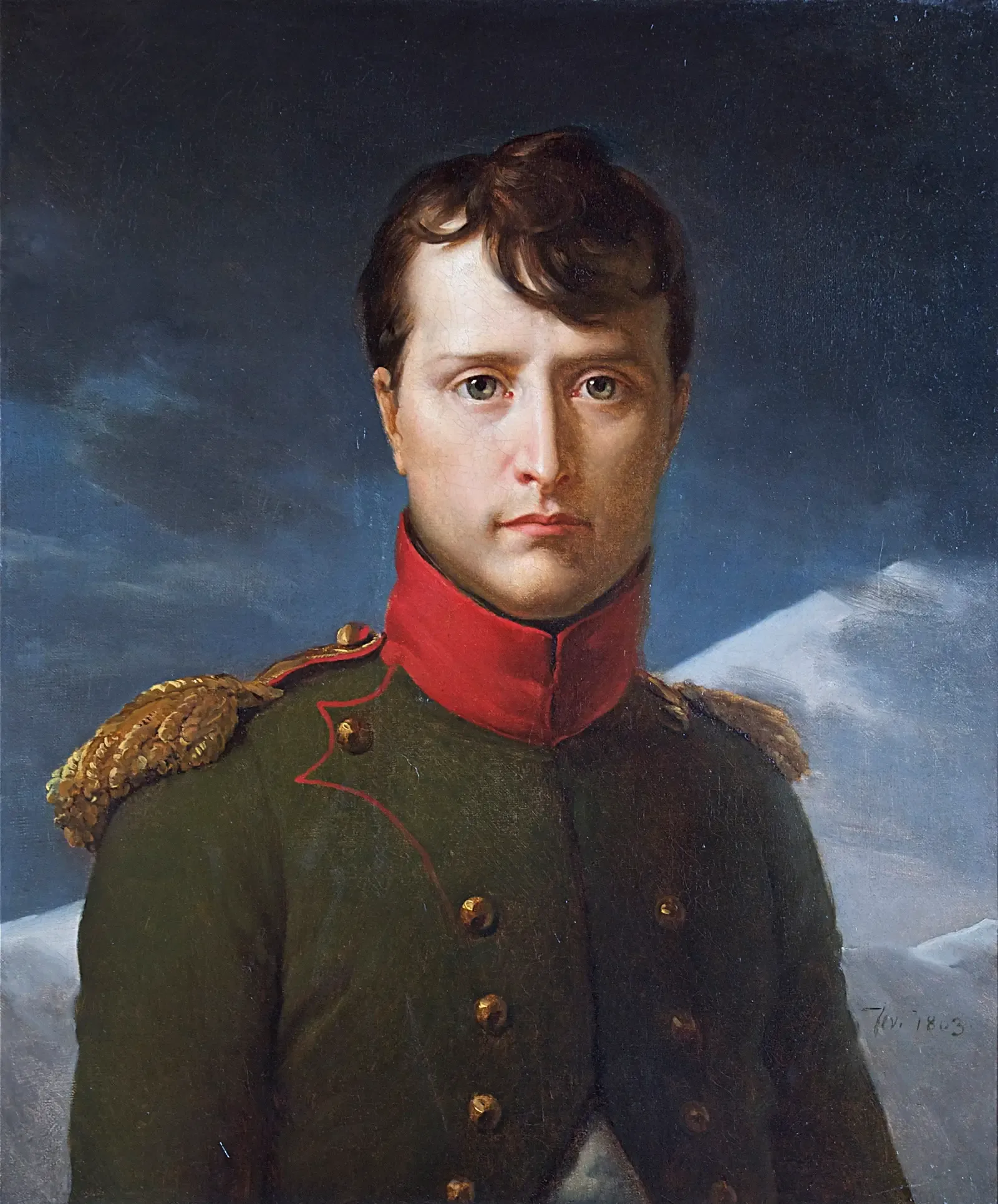
In 1807, one of Europe’s most feared military commanders was reportedly overwhelmed not by enemy soldiers, but by a horde of rabbits.
Napoleon’s chief of staff organized a rabbit hunt as a celebratory event, releasing what was supposed to be wild game for Napoleon and his officers to shoot. Instead, the rabbits – reportedly farmed and accustomed to humans feeding them – charged straight at the hunting party expecting food. A supposedly triumphant military hunt turned into Napoleon fleeing a swarm of rabbits back to his carriage. The rabbits allegedly climbed onto his coat and even his carriage before he could escape, turning a proud display of dominance into an embarrassing retreat still referenced by historians today.
#17 – The Statue of Liberty Was Originally Designed for Egypt
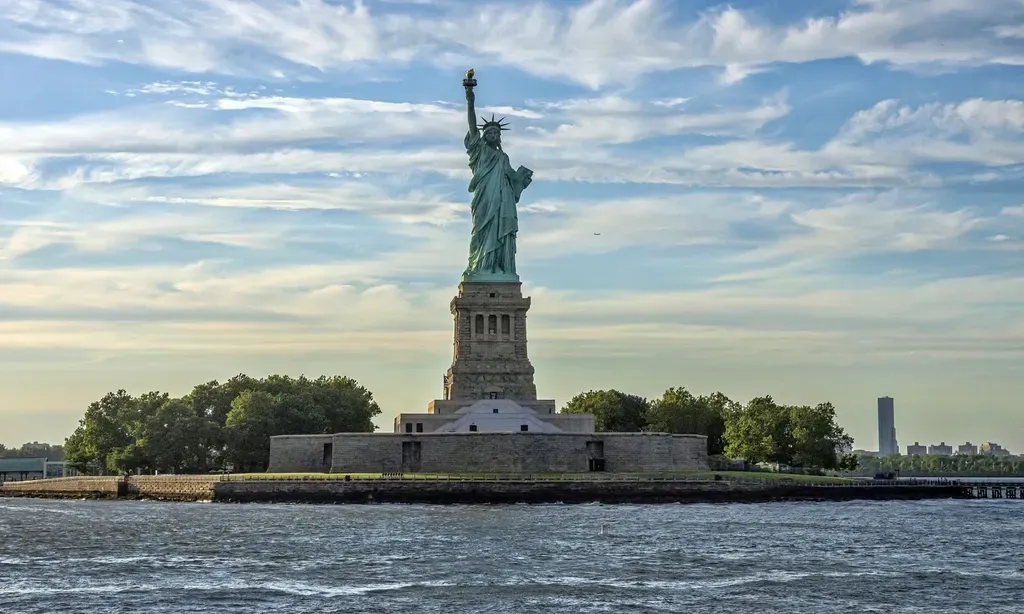
Long before it symbolized American freedom, the concept behind the Statue of Liberty was pitched as a lighthouse for Egypt’s Suez Canal.
Sculptor Frédéric Auguste Bartholdi originally proposed a massive robed woman holding a torch to serve as a lighthouse at the entrance of the canal, meant to represent progress and enlightenment. Egypt ultimately rejected the costly project, and Bartholdi later repurposed the concept as a gift from France to the United States instead. America’s most iconic symbol of liberty started as a rejected Egyptian lighthouse pitch. The robe, the raised torch, the commanding stance – nearly the entire design carried over into the statue now standing in New York Harbor.
#18 – The “300 Spartans” Left Out Thousands of Allied Soldiers
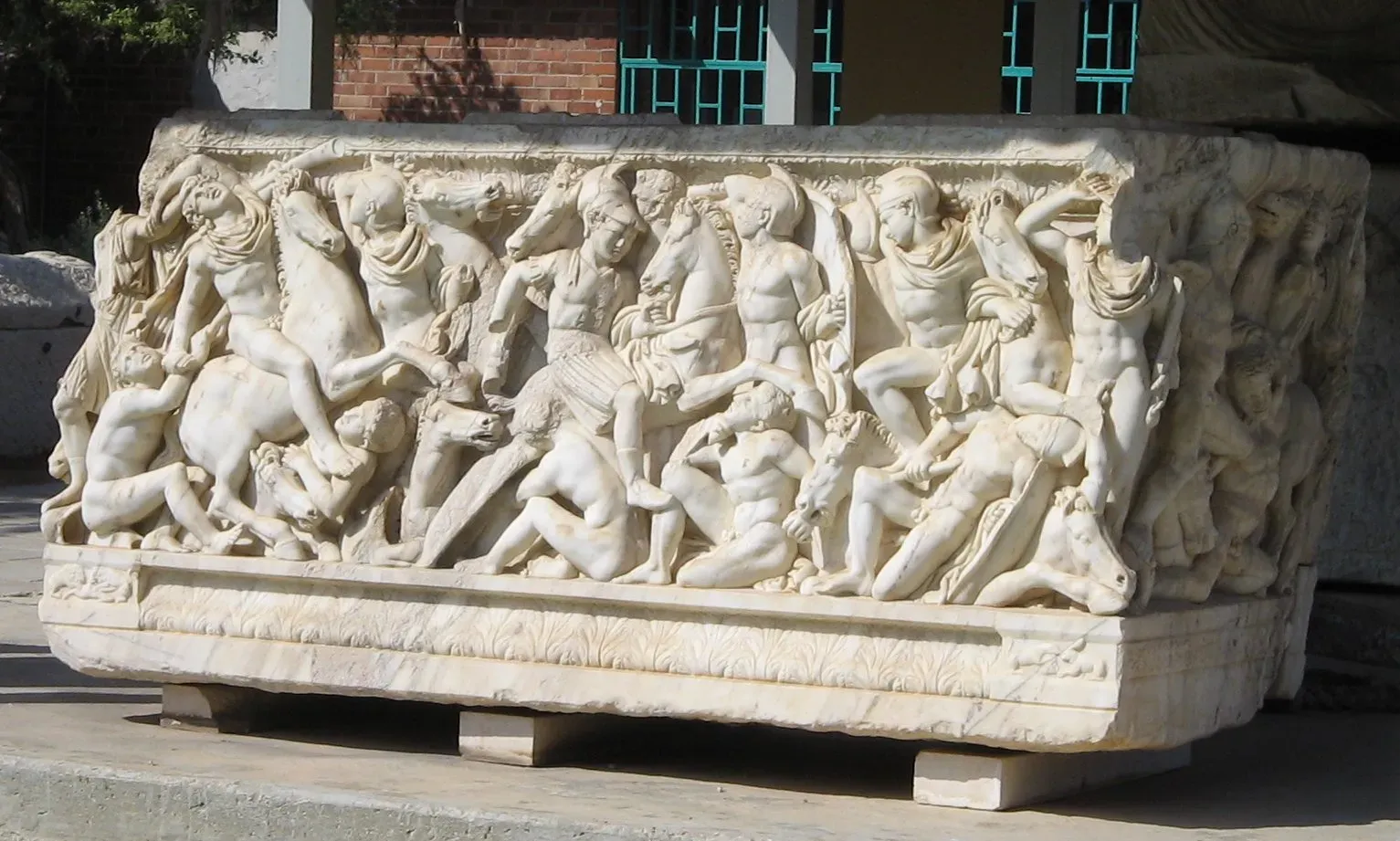
The legendary stand at Thermopylae is often remembered as 300 Spartans facing off alone against the entire Persian army, but that dramatically oversimplifies the actual battle.
While 300 Spartan soldiers did lead the defense, they were joined by thousands of allied Greek troops from other city-states, including Thespians and Thebans, who fought and died alongside them. The famous “300” number conveniently ignores the thousands of other Greeks who fought and died in the same battle. Many historians now argue the popular retelling erases meaningful contributions from other city-states simply because “300 Spartans” makes a cleaner, more dramatic story than the messier historical reality.
Worth Knowing
- Spartan soldiers at the final stand: around 300
- Thespian allies who stayed and fought: roughly 700
- Theban forces also present: roughly 400
- Total Greek defenders far outnumbered the “300” made famous in film and legend
#19 – The Library of Alexandria Wasn’t Destroyed in One Dramatic Fire
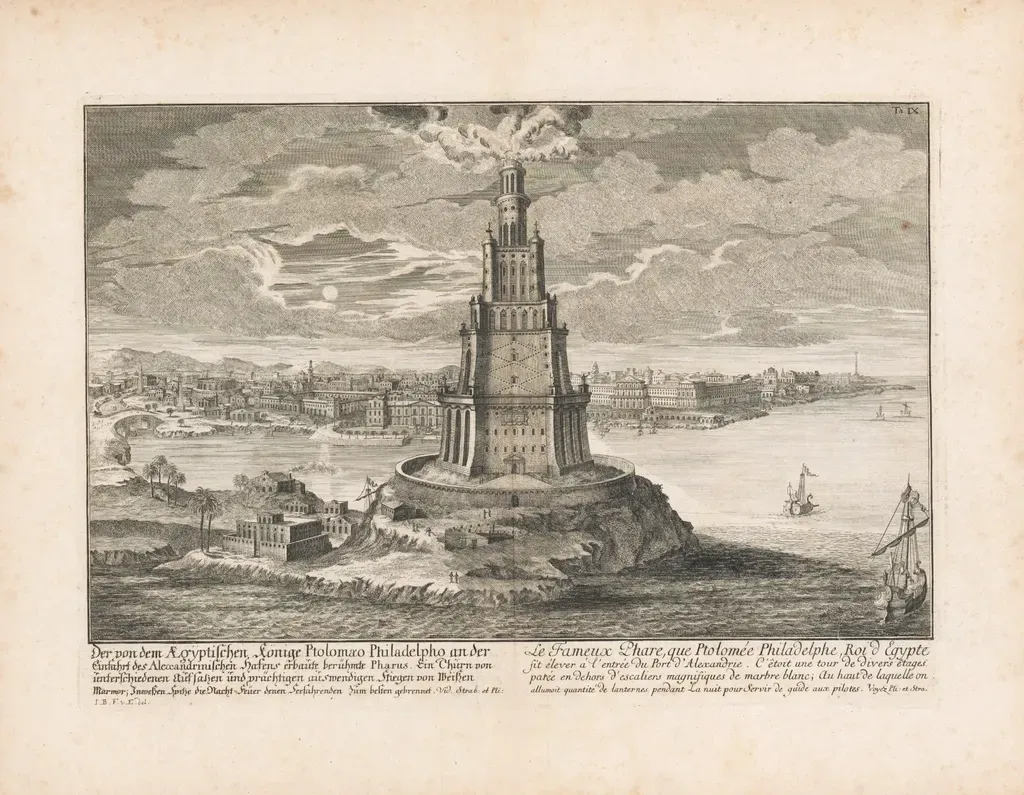
Pop culture loves the image of the Library of Alexandria burning down in a single catastrophic blaze, but historians largely reject that version of events.
Multiple sources suggest the library declined gradually over centuries due to funding cuts, political instability, wars, and neglect rather than one decisive fire. Julius Caesar’s forces did accidentally burn part of the docks and possibly some library buildings in 48 BCE, but the institution continued functioning in reduced form long afterward. One of history’s greatest knowledge centers likely died slowly from bureaucratic neglect, not a single dramatic disaster. The “one big fire” version persists mainly because it’s a far more satisfying story than centuries of budget cuts and quiet institutional decay.
#20 – Genghis Khan’s Conquests May Have Cooled the Planet
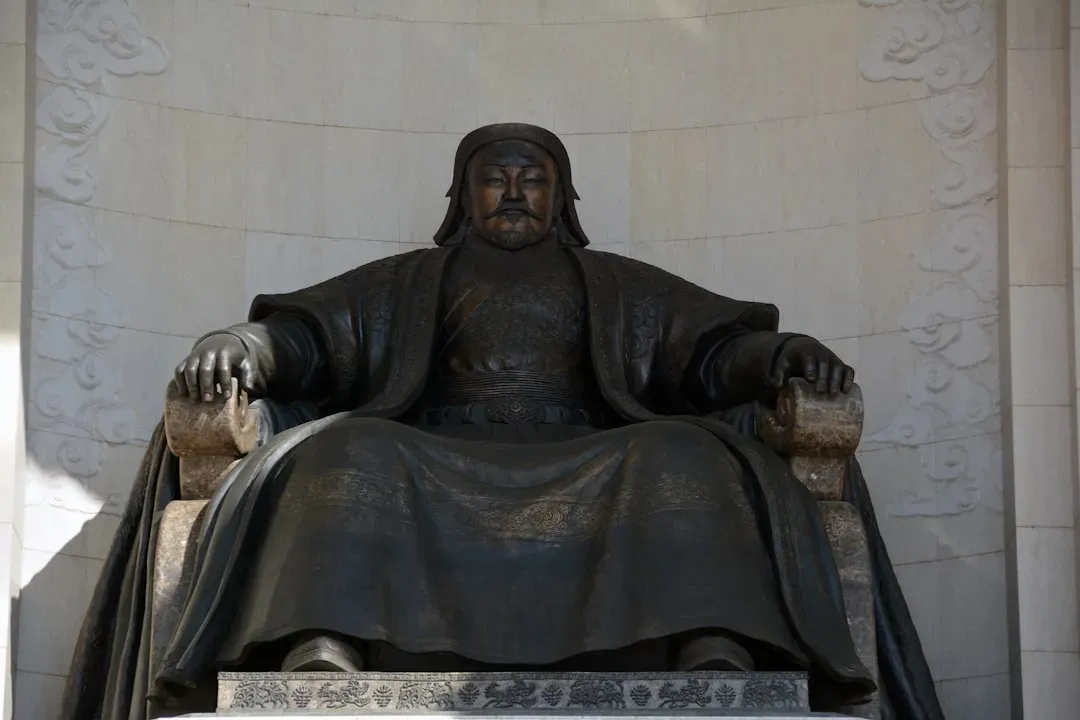
The final fact on this list sounds almost impossible, but researchers have seriously studied the climate impact of Mongol military campaigns.
Genghis Khan’s conquests killed so many people across Asia and Europe that vast stretches of farmland were abandoned and reclaimed by forests. As trees regrew over previously cultivated land, they pulled carbon dioxide out of the atmosphere, and some researchers estimate this reforestation offset hundreds of millions of tons of carbon. One of history’s deadliest conquerors may have accidentally caused a measurable dip in atmospheric carbon. It’s a genuinely unsettling idea – that mass death and depopulation, not any environmental policy, produced one of the first large-scale examples of human-driven carbon sequestration in recorded history.
The Bottom Line
History textbooks love clean narratives, but the real story is almost always messier, funnier, and stranger than the summary version we were handed in school.
Napoleon wasn’t short, Vikings never wore horns, and Germany was still paying for World War I in 2010 – three facts alone that should make you question everything else you were taught. The pattern here isn’t random: history gets simplified for convenience, and the interesting details get quietly dropped along the way.
Honestly, the “boring” official version of history is usually the least accurate one. Which of these surprised you the most – or better yet, which one do you think we got wrong? Drop it in the comments.