
You think you understand reality, right? The world around you feels solid. Objects have definite locations. Things exist whether you’re looking at them or not. That all seems perfectly reasonable.
Here’s the thing, though. When you venture into the realm of the very, very small, none of that holds up. Quantum physics reveals a universe so bizarre, so completely alien to our everyday experience, that even the greatest minds struggle to wrap their heads around it. The rules we take for granted? They simply don’t apply at the atomic level.
Particles Can Pass Through Solid Barriers
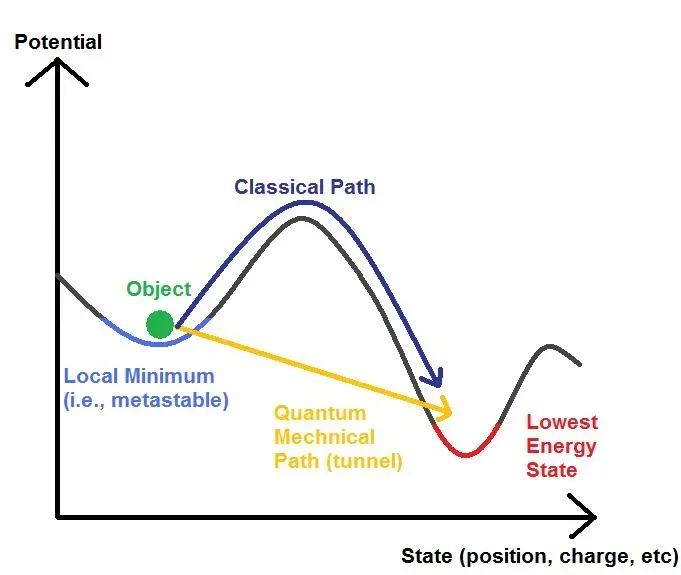
Imagine throwing a ball at a wall, knowing it doesn’t have enough energy to get over the top. Normally, it bounces back. In the quantum world, that ball can sometimes just appear on the other side without ever climbing over. This phenomenon is called quantum tunneling, where particles pass through potential energy barriers that should be impassable according to classical physics.
This process explains radioactive decay, where alpha particles trapped inside an atomic nucleus escape through potential barriers, and it makes nuclear fusion possible in the Sun. Without tunneling, our star wouldn’t shine. You literally owe your existence to particles doing the impossible.
Einstein Called It Spooky Action at a Distance
When particles become entangled, they share a quantum state where measurements of physical properties like spin and polarization can be found to be perfectly correlated, even when separated by enormous distances. Measure one particle’s spin, and you instantly know its partner’s spin, no matter if they’re on opposite sides of the galaxy.
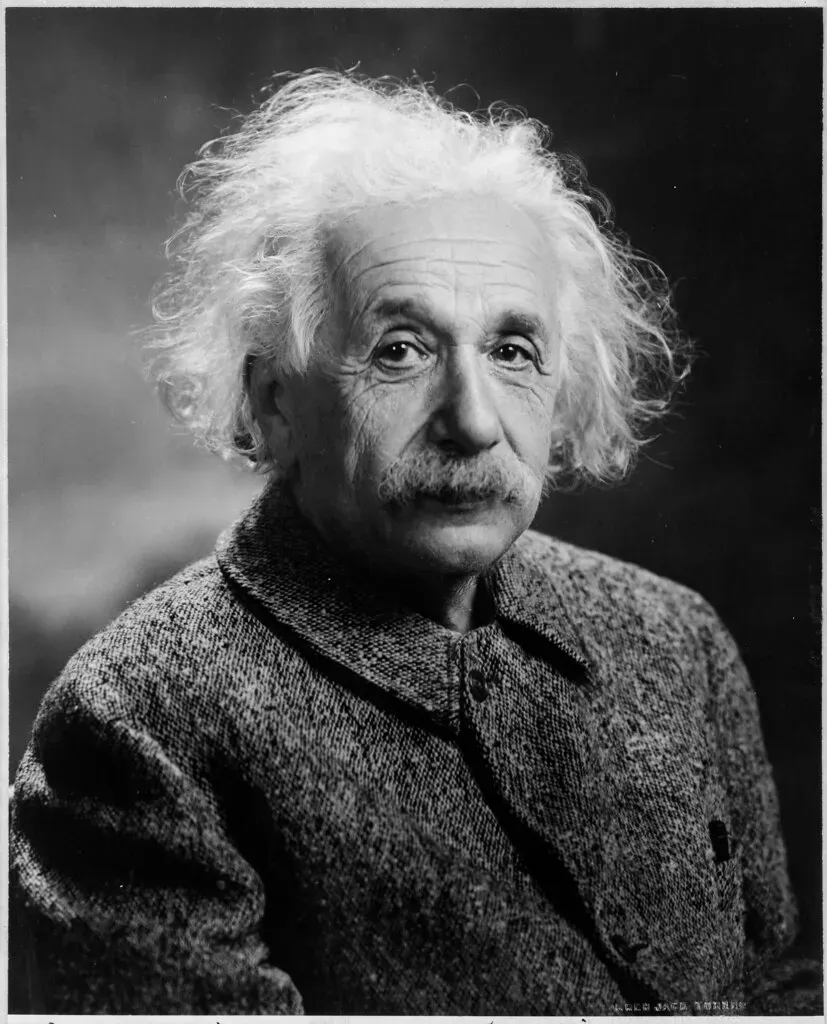
Albert Einstein famously called this “spukhafte Fernwirkung” or spooky action at a distance. He didn’t like it one bit. It seemed to violate his theory that nothing can travel faster than light. Yet experiments have proven entanglement is real and forms the basis for emerging quantum technologies.
A Father and Son Both Won Nobel Prizes for Opposite Discoveries
Here’s a fun piece of scientific irony. In 1906, J.J. Thomson won the Nobel Prize for showing that electrons are particles, while in 1937, his son George won the same prize for showing that electrons are waves.
Both were right, and this phenomenon is now termed wave-particle duality, which is a cornerstone in quantum physics. It’s hard to say for sure, but imagine the dinner table conversations in that household. The quantum world doesn’t care about our need for consistency.
Empty Space Isn’t Actually Empty

What we call empty space is actually full of energy, and randomly, pairs of particles pop into existence out of that energy. One particle is made of matter, the other antimatter.
They spring into being, exist for an impossibly brief moment, then annihilate each other in a flash. These particles appear, touch, explode, and disappear all in a billionth of a second. The vacuum of space is actually a seething froth of quantum activity.
Observation Changes Reality
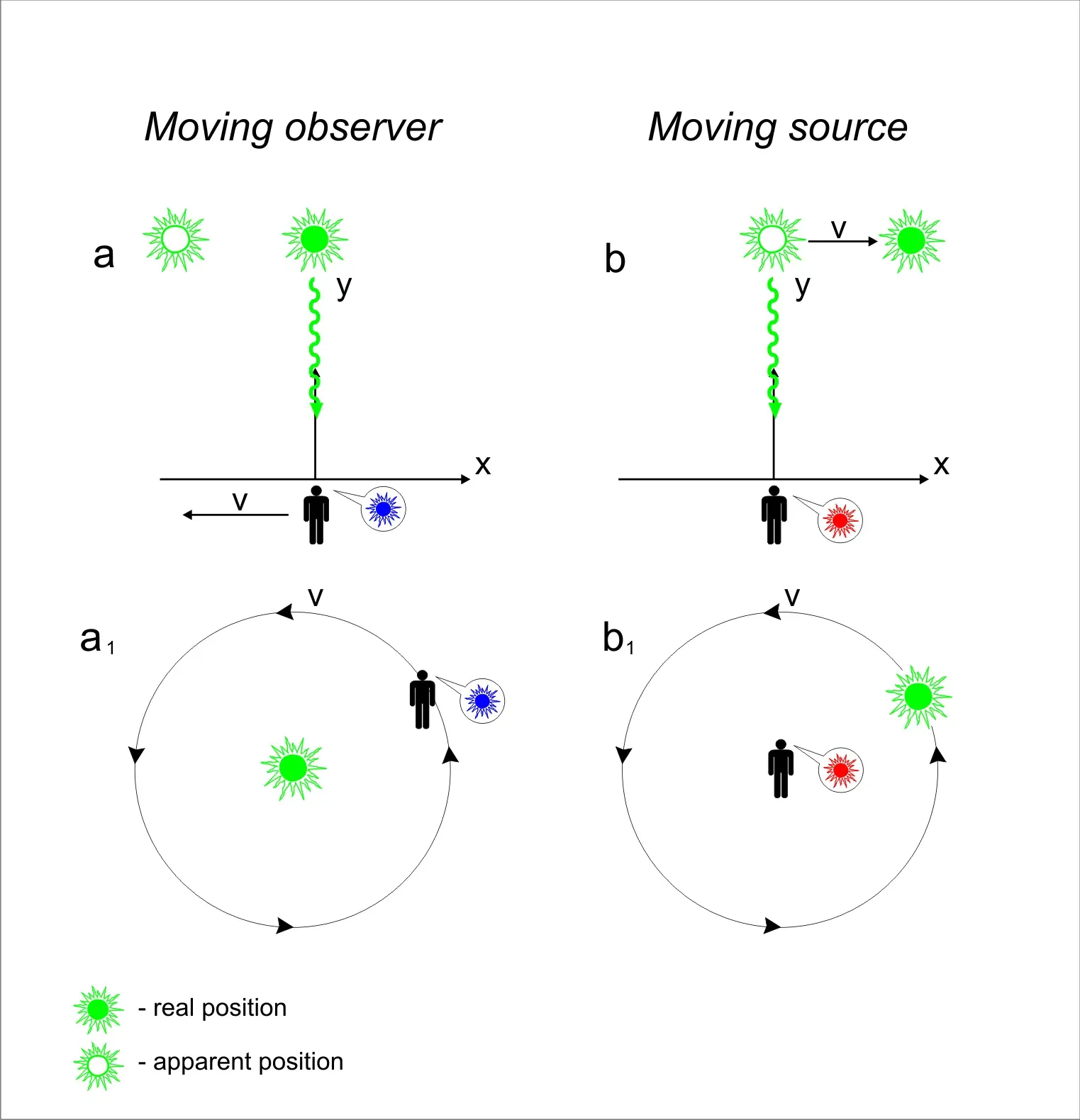
When photographing an electron, the photograph significantly affects the location or the speed of the electron. This isn’t about clumsy measurement techniques. It’s fundamental to how quantum systems work.
Making an observation is said to collapse the wave function, destroying the superposition and forcing the object into just one of its many possible states. Before you look, a quantum particle exists in multiple states simultaneously. The moment you measure it, reality crystallizes into one definite outcome. Let’s be real, that’s deeply unsettling.
Schrödinger’s Cat Is Both Dead and Alive
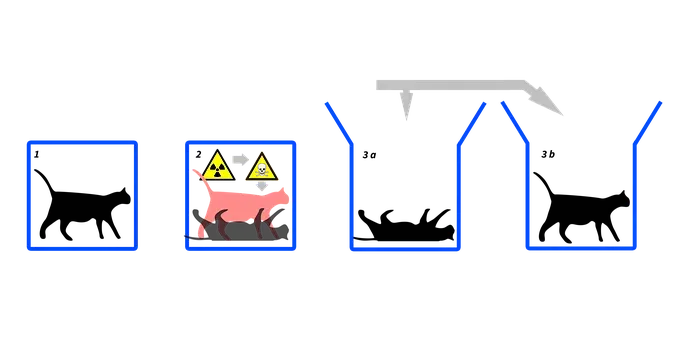
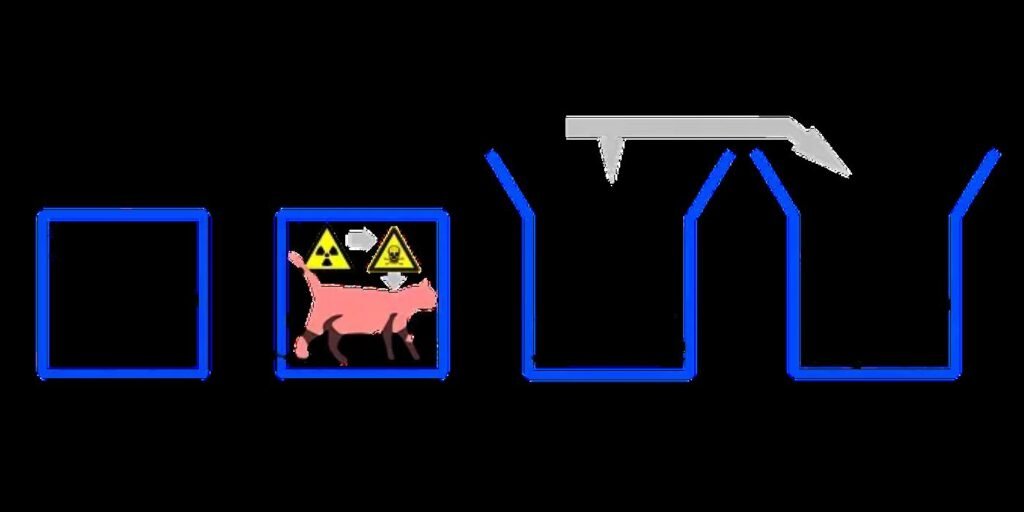
In Schrödinger’s thought experiment, a hypothetical cat in a closed box may be considered simultaneously both alive and dead while unobserved, as a result of its fate being linked to a random subatomic event that may or may not occur. A radioactive atom triggers poison if it decays.
In Schrödinger’s original formulation, if an internal radiation monitor detects radioactivity, the flask is shattered, releasing the poison, which kills the cat. Until someone opens the box, quantum mechanics says the cat exists in both states at once. Schrödinger created this paradox to show how absurd quantum theory seemed when applied to everyday objects.
Energy Only Comes in Specific Packages
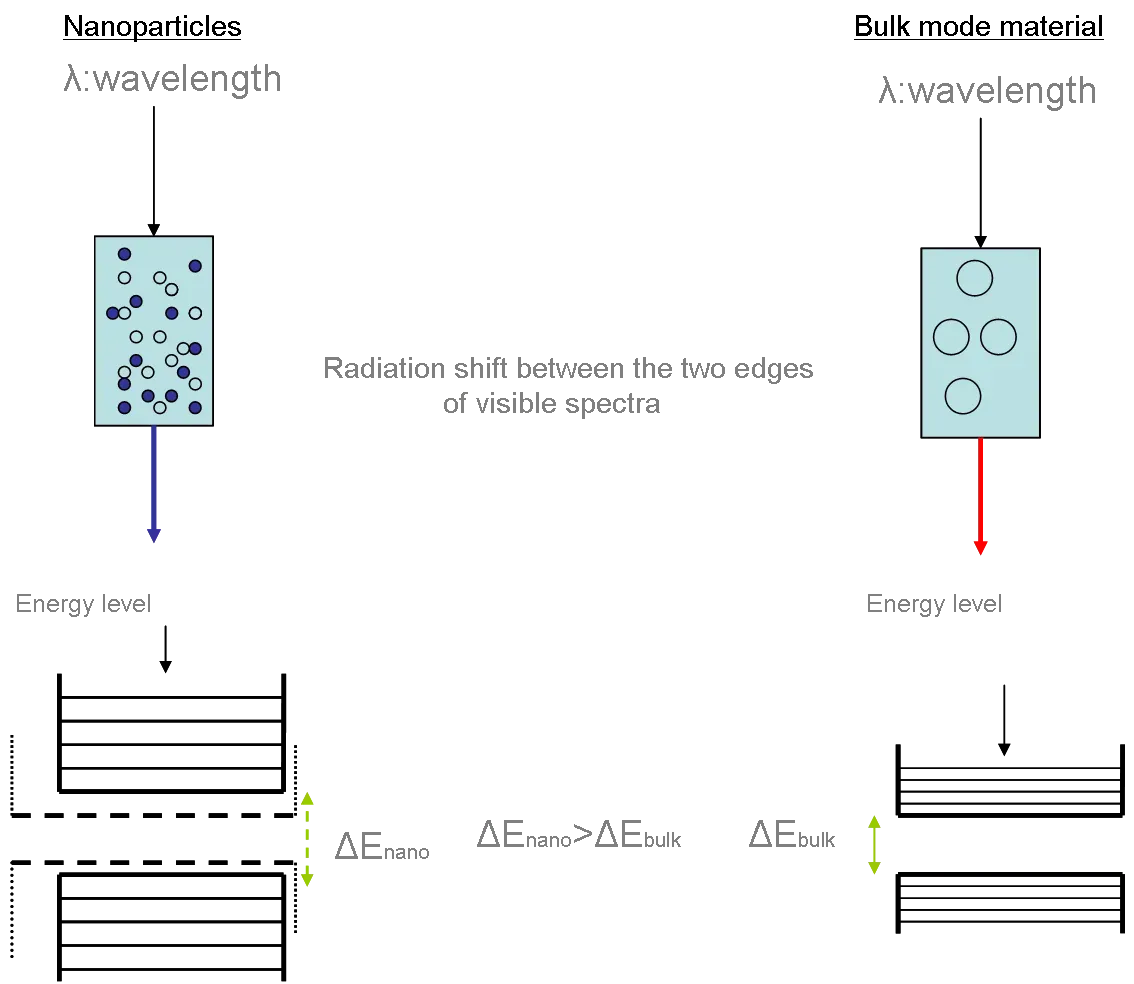
Albert Einstein won a Nobel Prize for proving that energy is quantized, meaning it only comes in multiples of the same quanta, just as you can only buy shoes in multiples of half a size. You can’t have any random amount of energy.
It’s like going to a store where everything is sold in fixed units. This was a radical departure from classical physics, which assumed energy could vary smoothly. Max Planck, the godfather of quantum physics, proposed that energy is quantized to solve a problem with understanding hot objects like the sun, bringing theory neatly into line with experiment.
Particles Don’t Have Fixed Properties Until Measured
Quantum superposition is the idea that particles exist in multiple states at once, and when a measurement is performed, it is as if the particle selects one of the states in the superposition. An electron’s spin isn’t “up” or “down” before measurement.
Until you measure the spin of a particle, it simultaneously exists in a superposition of spin up and spin down, with probabilities attached to each state, though the likelihood of a single measurement being up or down is itself unpredictable. Reality at the quantum level is fundamentally probabilistic, not deterministic.
One Photon Can Interfere With Itself
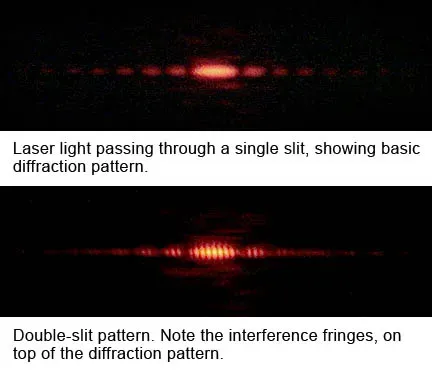
In the double-slit interference experiment, one photon particle simultaneously passed through two slits and interfered by itself. Fire single photons one at a time at two slits, and they still create an interference pattern over time.
Each photon behaves as though it goes through both slits at once, creating a wave pattern. When one of the two slits is closed so that one photon can only pass through the other slit, then no interference fringe appears. The photon somehow “knows” whether both slits are open, even though it’s a single particle.
Quantum Fluctuations Seeded the Entire Universe
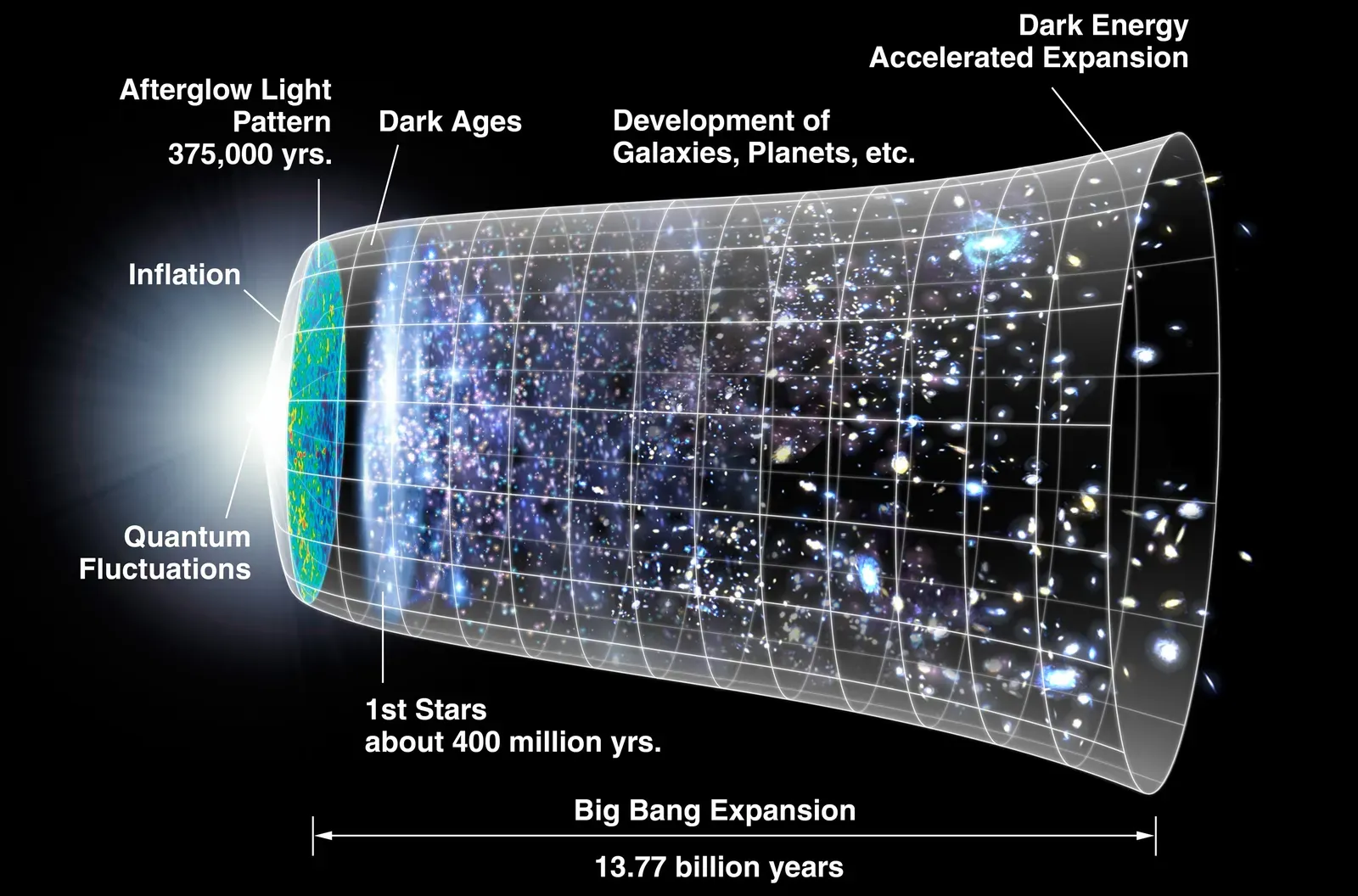
The universe grew rapidly during inflation before quantum fluctuations had a chance to fade away, resulting in energy being concentrated in some areas rather than others, creating seeds around which material gathered to form the clusters of galaxies we observe now. The largest structures in the cosmos originated from quantum jitters.
Everything from galaxies to planets owes its existence to random quantum events that happened in the first fractions of a second after the Big Bang. The cosmic web of matter spanning billions of light years traces its origin to subatomic uncertainty.
Measurement Collapses Aren’t Driven by Consciousness
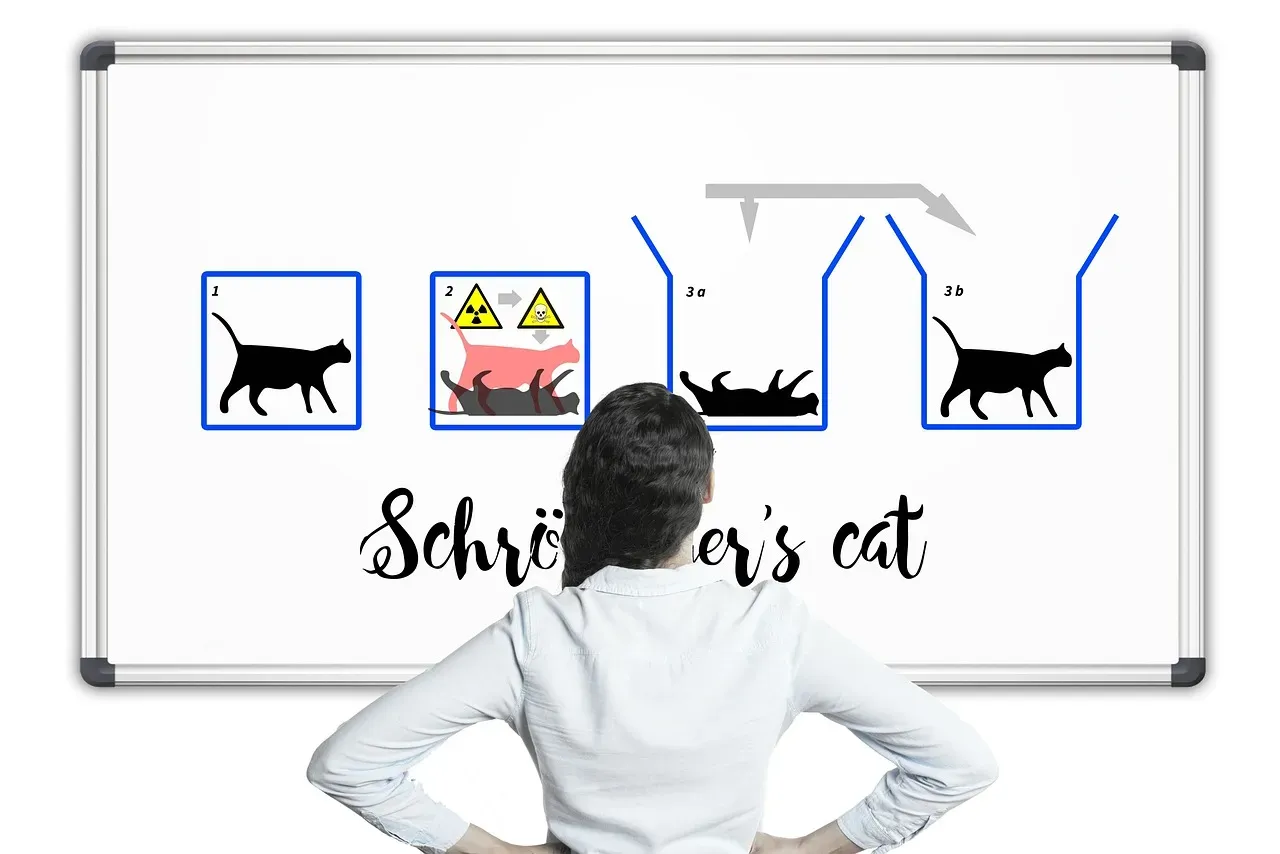
Some popular accounts suggest that conscious observation collapses quantum states. Schrödinger’s thought experiment shows that if there is no conscious observer present in a sealed box, the whole system stays as a combination of possibilities, leading the cat to end up both dead and alive, which is absurd and does not happen in the real world, showing that wavefunction collapses are not just driven by conscious observers.
The measurement problem remains unsolved, but physicists generally agree that decoherence through interaction with the environment causes collapse. You don’t need a human looking at something for it to become real.
The Universe Might Not Be Locally Real
The 2022 Nobel Prize in Physics went to researchers who spent decades proving the universe is not locally real. “Local” means objects are only influenced by their immediate surroundings. “Real” means objects have definite properties independent of observation.
Quantum mechanics violates both assumptions. The counterintuitive predictions of quantum mechanics were verified in tests where polarization or spin of entangled particles were measured at separate locations, establishing that correlations from quantum entanglement cannot be explained in terms of local hidden variables.
Atoms Can Be in Two Places at Once
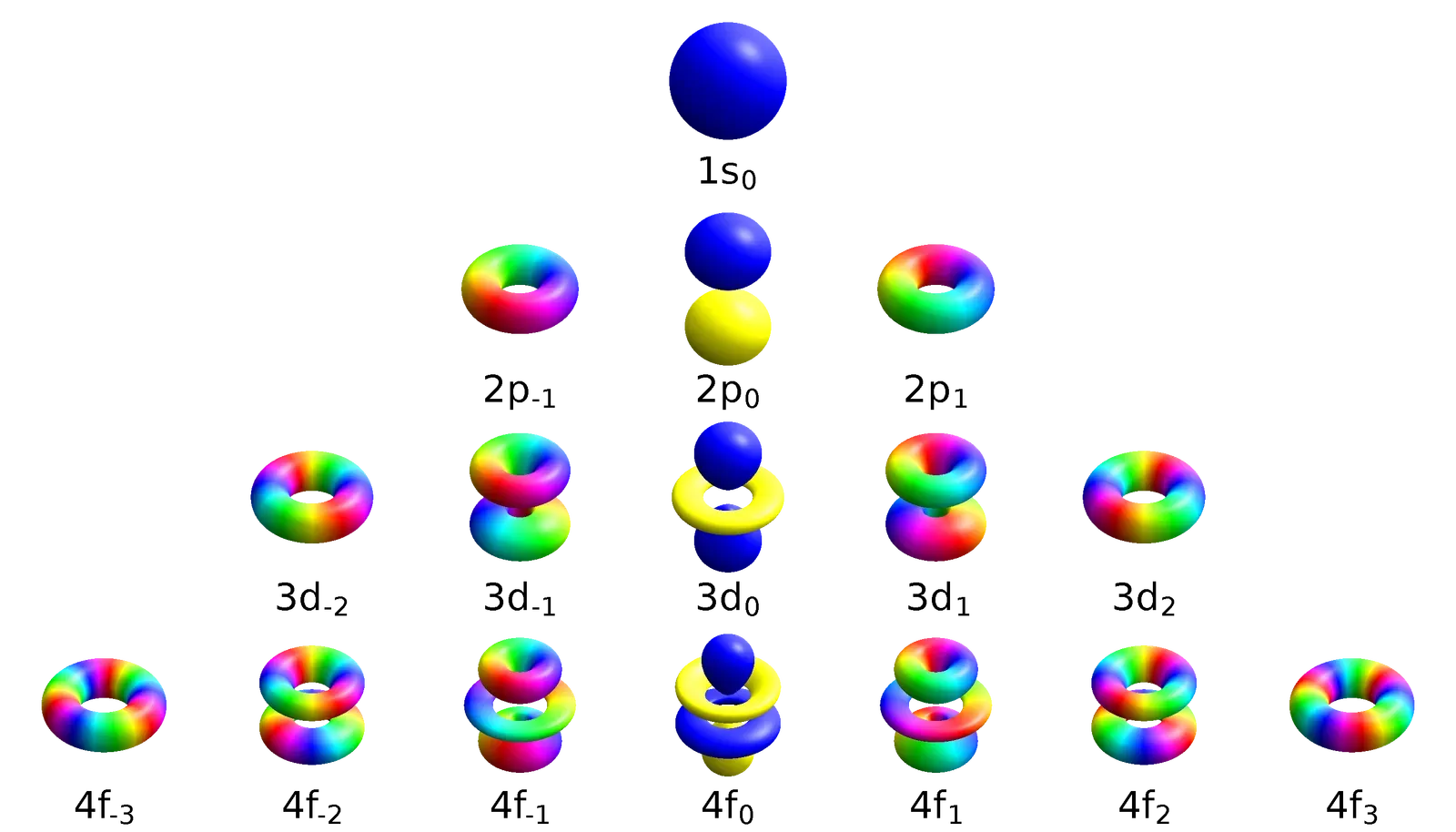
Physicists have created superpositions where individual clusters of around 7,000 atoms of sodium metal exist in a haze of possible locations at once, with each cluster spaced 133 nanometers apart. These aren’t theoretical particles. They’re actual chunks of matter.
Rather than shoot through the experimental setup like a billiard ball, each chunky cluster behaved like a wave, spreading out into a superposition of spatially distinct paths. The boundary between quantum weirdness and everyday reality keeps getting pushed to larger scales.
Contextuality Is Stranger Than Entanglement
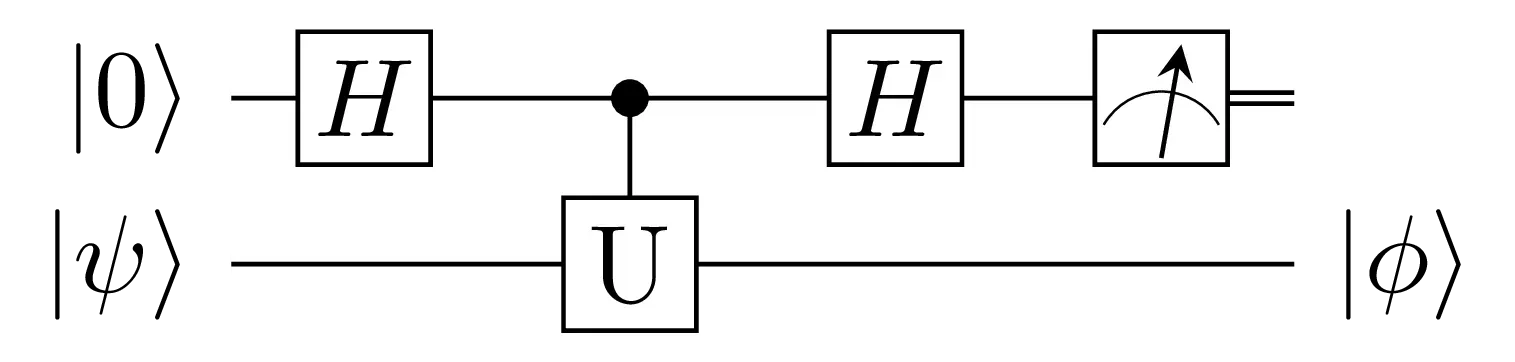
Although contextuality has lived in nonlocality’s shadow for over 50 years, quantum physicists now consider it more of a hallmark feature of quantum systems than nonlocality is. Contextuality means a particle’s properties depend on how you measure them.
The outcome of a measurement could not possibly return both 0 and 1, so physicists concluded that there is no way a particle can have fixed hidden variables that remain the same regardless of context. The very act of choosing which property to measure affects what properties the particle possesses.
Quantum Spin Doesn’t Involve Actual Spinning
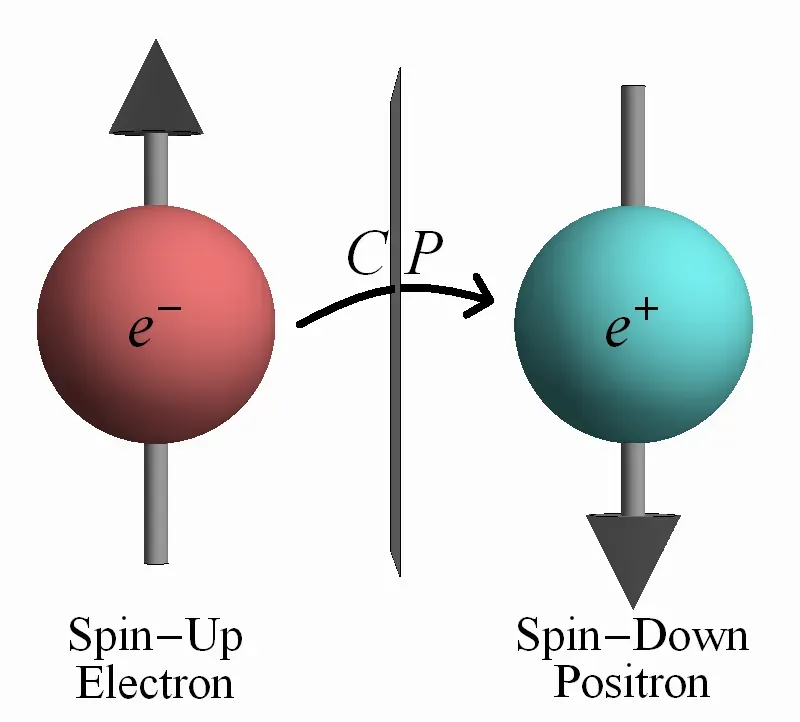
The term quantum spin is confusing because such particles cannot physically spin, as if they were simply ever twirling subatomic gyroscopes, their rotation would be impossibly fast, well in excess of the speed of light. Yet spin is a real property.
Quantum spin is crucial to accounting for the observed behavior of electrons and other particles, and although they may not actually be physically spinning, the particles are clearly doing something whose causal physical basis remains murky. We can describe it mathematically with perfect precision, but what’s actually happening? Nobody really knows.
Particles Tunnel Through Barriers More Easily When They’re Lighter
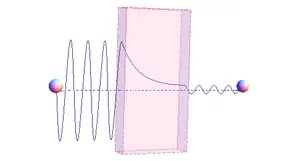
The probability of tunneling is affected more by the width of the potential barrier than by the energy of an incident particle. A slightly wider barrier drastically reduces tunneling probability.
Even a tiny increase in the thickness of the barrier causes a massive drop in tunneling probability, and lighter particles like electrons tunnel much more easily than heavy particles like protons. This extreme sensitivity makes tunneling useful for technologies like scanning tunneling microscopes that can image individual atoms.
Quantum Mechanics Has Multiple Competing Interpretations
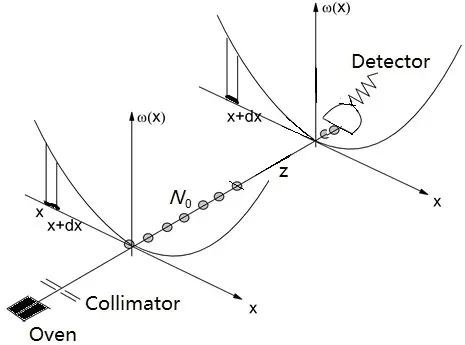
The Copenhagen interpretation says observation collapses the wave function, while the many worlds theory suggests there’s just one weird reality consisting of many tangled layers, and as we zoom out those layers untangle into separate worlds through a process called decoherence.
Physicists can’t agree on what quantum mechanics actually means. The math works spectacularly well. We can calculate properties of matter to unparalleled accuracy. Yet the underlying reality remains fiercely debated.
Wave Particle Duality Works for Massive Molecules Too
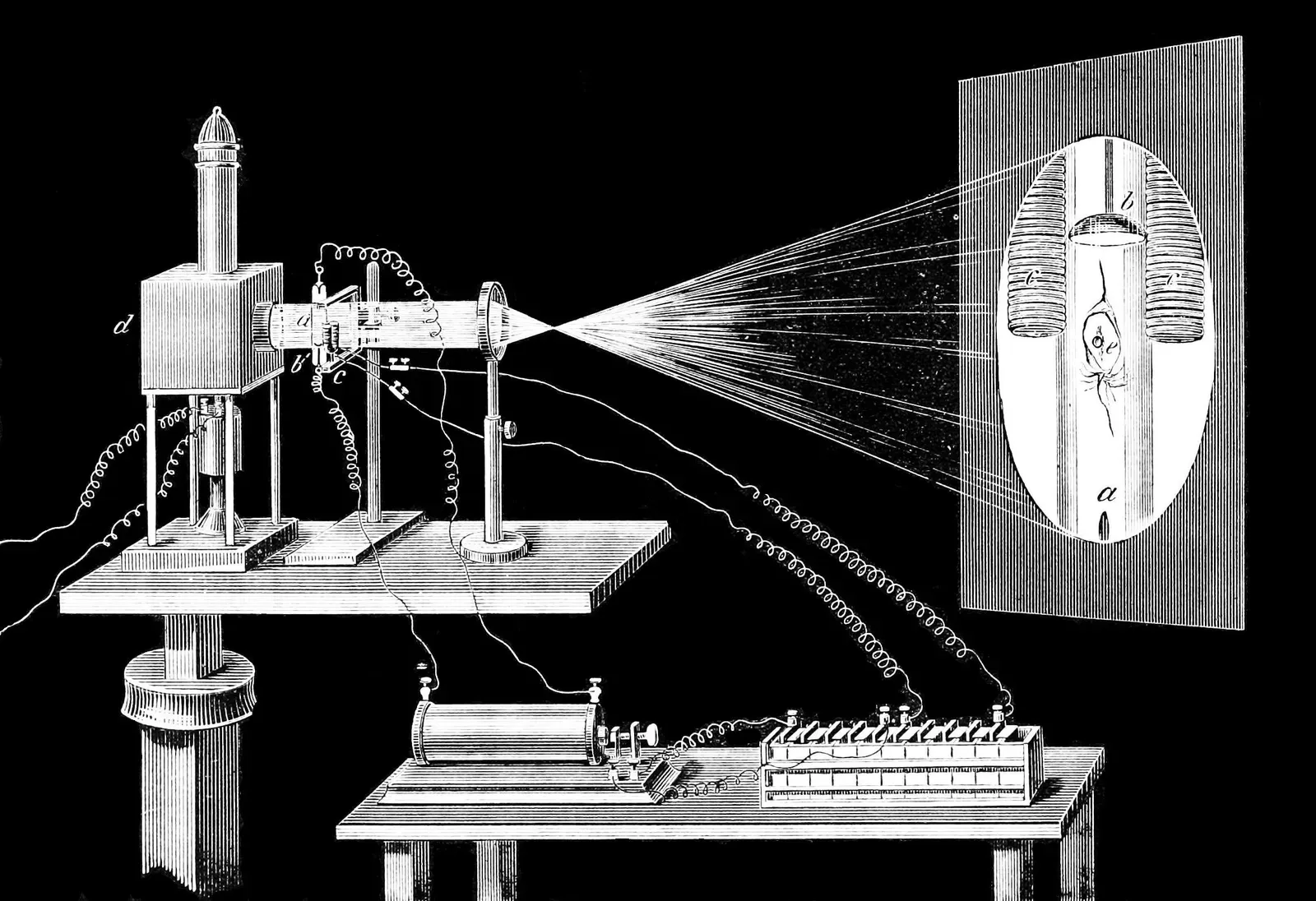
This phenomenon has been shown to occur with photons, electrons, atoms, and even molecules with buckminsterfullerene in 2001, with molecules of 430 atoms in 2011, and with molecules of up to 2000 atoms in 2019. These are not tiny quantum objects.
These are complex structures made of thousands of atoms exhibiting purely quantum behavior. The wave-like nature of matter extends far beyond individual particles. It’s becoming increasingly clear there may be no sharp boundary between the quantum and classical worlds.
Delayed Choice Experiments Affect the Past
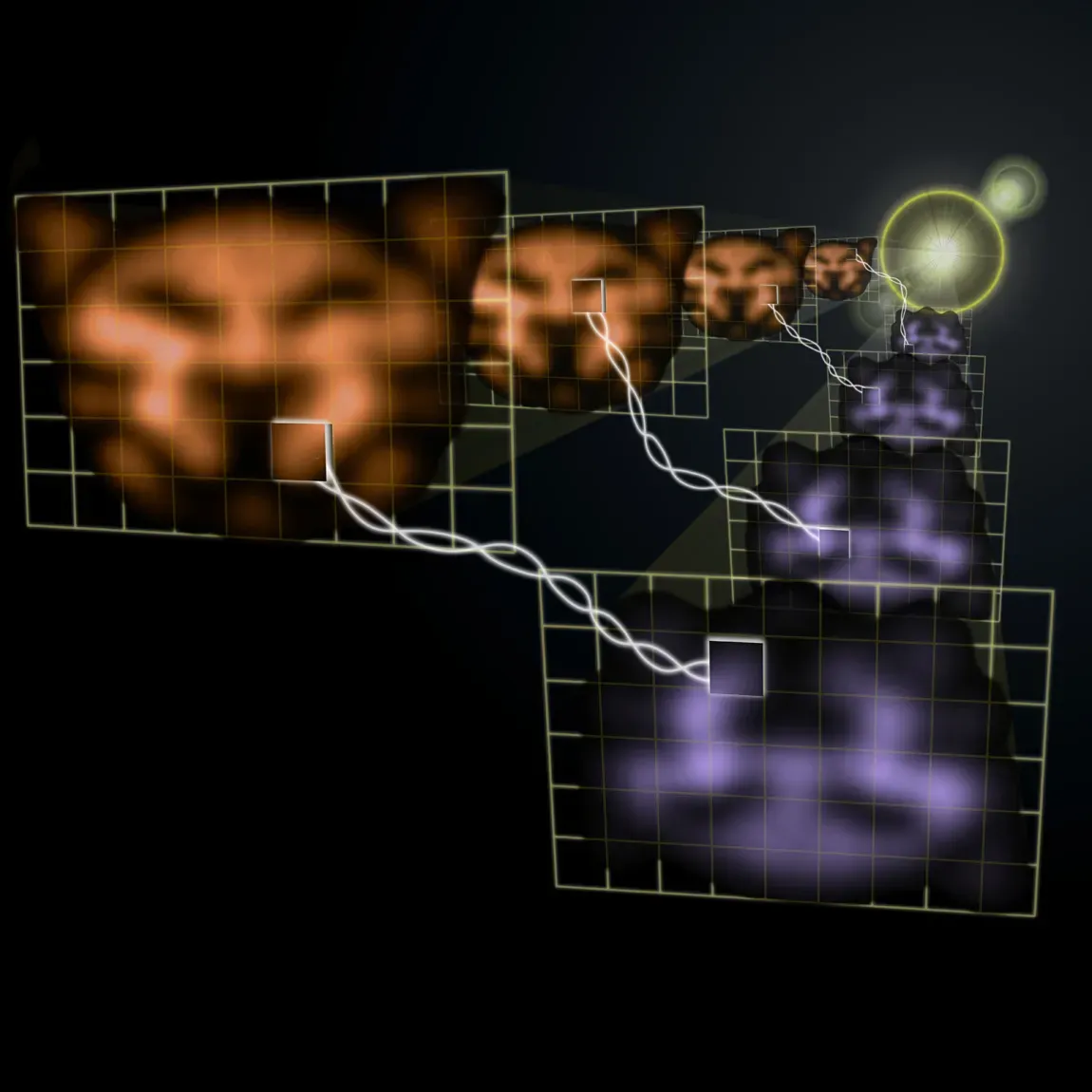
If you set up the double-slit experiment to detect which slit the photon went through after the photon has already hit the sensor screen, you still end up with a particle-type pattern, even though the photon hadn’t yet been detected when it hit the screen, suggesting that detecting a photon in the future affects the pattern produced by the photon in the past.
Causality itself becomes questionable. The choice you make about how to measure something now appears to reach backward in time to influence what happened earlier. This isn’t science fiction. It’s experimentally verified reality.
Conclusion: The Quantum World Defies Human Intuition
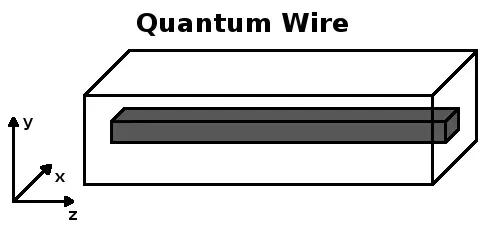
Quantum physics forces us to abandon nearly every assumption we hold about reality. Particles behave like waves. Empty space teems with energy. Observation creates reality. Entangled particles communicate instantaneously across cosmic distances. These aren’t just mathematical curiosities or laboratory oddities.
The quantum world defies common sense at every turn, and shaped across hundreds of thousands of years by biological evolution, our modern human brain struggles to comprehend things outside our familiar naturalistic context. Honestly, that’s what makes it so fascinating. We live in a universe far stranger than we ever imagined. What would you have guessed about the true nature of reality before diving into these facts? Does it change how you think about the world around you? Tell us what surprised you most in the comments.