

If you’ve ever heard a wild science claim and thought, “No way that’s true,” you’re not alone. Some of the strangest-sounding facts are the ones that are the most carefully tested, measured, and backed by research. Reality, as it turns out, has a much more twisted imagination than most science fiction writers.
Below are eighteen scientific facts that sound like bad trivia-night rumors but are, in fact, solidly real. As you read them, you might feel your sense of “how things work” wobble a little – and that’s the fun part. Science is constantly reminding us that the universe doesn’t care whether something feels believable to us or not.
1. There Are More Connections in Your Brain Than Stars in Our Galaxy
It sounds arrogant to say that what’s inside your skull rivals the Milky Way, but that’s where the numbers lead. Your brain contains roughly about eighty billion neurons, and each of those can form thousands of connections, called synapses, with other neurons. When you multiply that out, you get an absolutely staggering total – trillions upon trillions of possible links.
A typical estimate puts the number of stars in the Milky Way at a few hundred billion, which is impressive, but still smaller than the number of synaptic connections in a single human brain. That means that, in a sense, every person carries around a small universe of complexity in their head. Next time you forget your keys, remember that the “hardware” is still wildly overqualified – your internal wiring is just that dense and complicated.
2. Bananas Are Naturally Radioactive
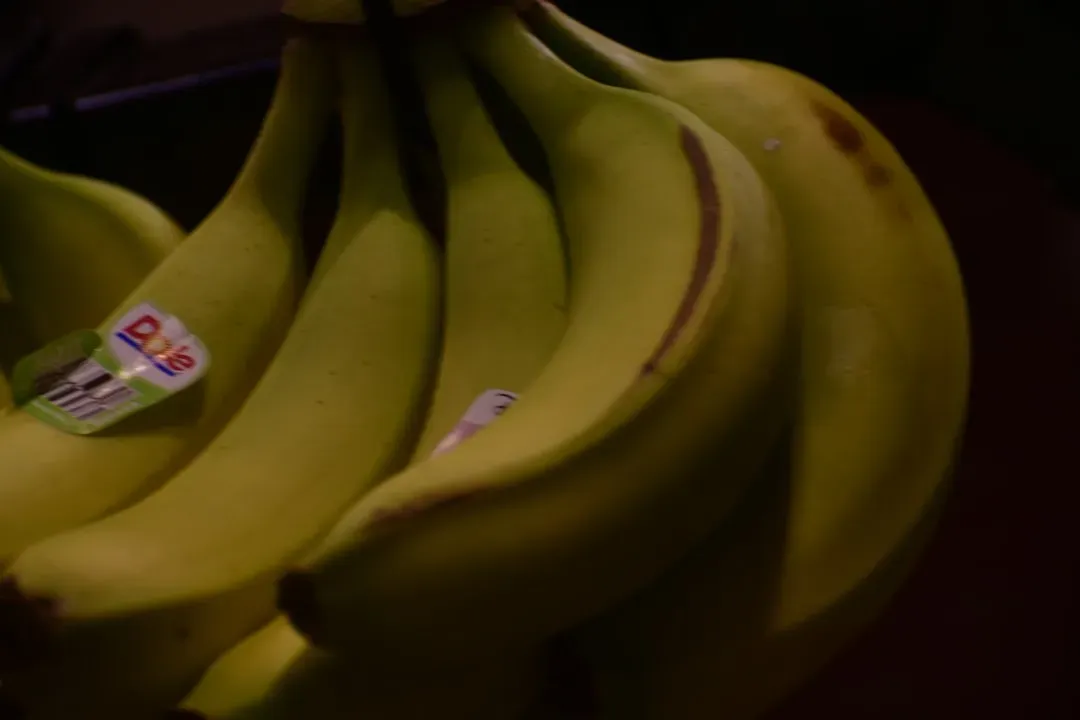
If someone told you your breakfast is mildly radioactive, you’d probably laugh it off, but bananas really are. They contain potassium, and a tiny fraction of that potassium is a naturally occurring radioactive isotope called potassium-40. This isotope decays over time and emits radiation, but at such a low level that it’s completely harmless in everyday amounts.
Radiation scientists sometimes even use a “banana equivalent dose” as a playful way to explain tiny exposures – like saying a medical scan equals a certain number of bananas. You’d have to eat a mind-boggling amount of bananas in one sitting for the radioactivity to become dangerous, and you’d run into other health problems long before that. It’s a good reminder that “radioactive” doesn’t automatically mean deadly, and that nature has been quietly radioactive long before humans ever built a reactor.
3. You’re Older Than You Think: Your Head Ages Faster Than Your Feet
Einstein’s theory of general relativity sounds abstract until you realize it literally affects your birthday. Time runs a little slower the closer you are to a strong source of gravity, such as Earth. Because your feet are slightly closer to the center of the planet than your head, they experience a tiny bit more gravity, and time ticks a hair slower for them.
Experiments with super-precise atomic clocks have confirmed this difference, even over less than a meter of height. That means that, technically, if you’ve spent most of your life standing up or living in a tall building, your head is infinitesimally older than your feet. The difference is tiny – fractions of a second over a lifetime – but it’s real. Time isn’t a universal, steady drumbeat; it bends and stretches with gravity, even across your own body.
4. Octopuses Have Three Hearts and Blue Blood
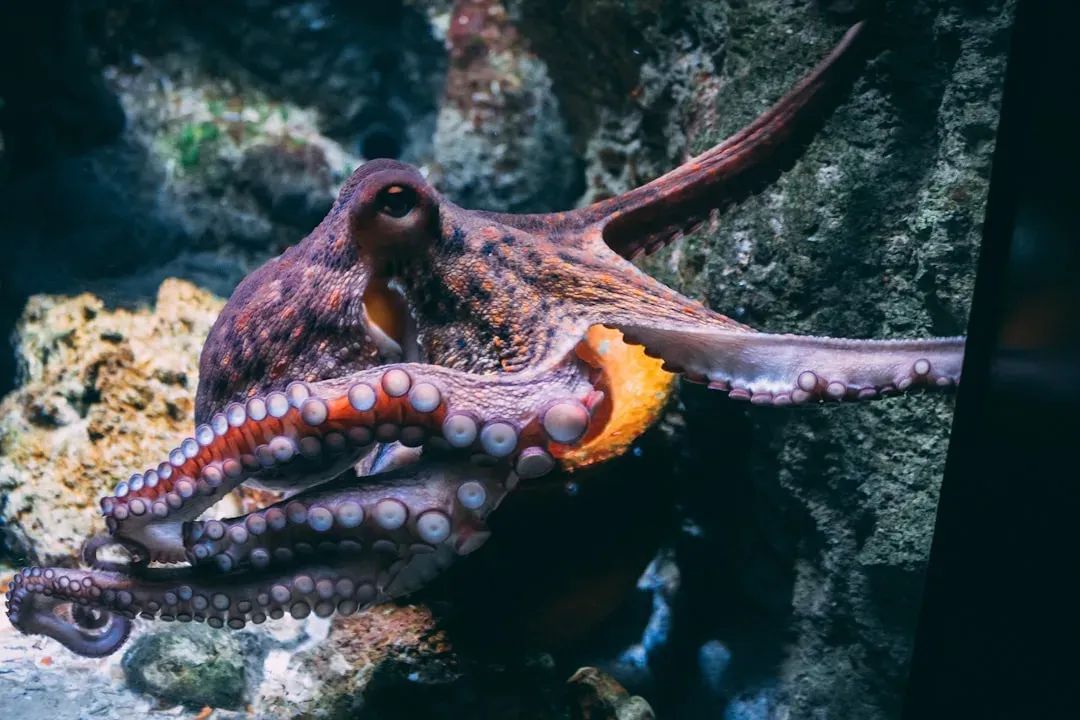
Octopuses already look like aliens, and their biology only makes them weirder. They don’t run on red blood like we do – instead, their blood is blue, thanks to a copper-based molecule called hemocyanin that transports oxygen. Copper works better than iron (which gives our blood its red color) in cold, low-oxygen water, making it perfect for life in the deep.
They also have three hearts: two branchial hearts that pump blood to the gills and one systemic heart that pushes blood to the rest of the body. When an octopus swims, the main heart actually slows down, which is one reason they prefer crawling along the seafloor. It’s a reminder that evolution doesn’t have a single “correct” solution – octopuses solved the problem of staying alive in cold oceans in a way that seems almost designed to creep us out.
5. You Share About Half Your Genes with a Banana
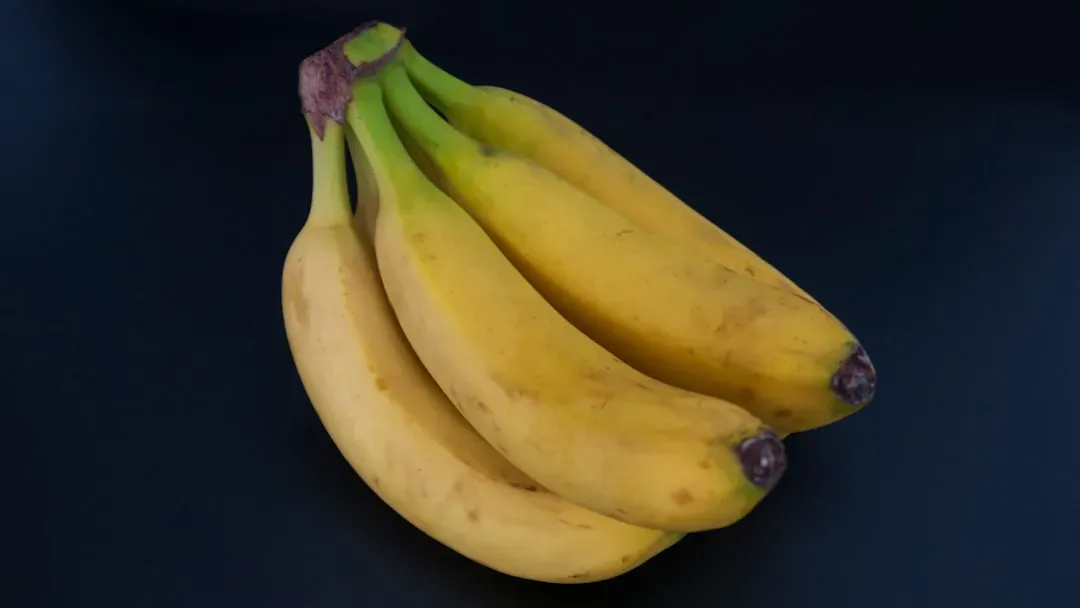
Claiming to be “half banana” sounds like an online joke, but there’s real genetics behind it. When scientists say humans share roughly about half their genes with bananas, they mean that around half of our genes have clear counterparts performing similar basic tasks in banana cells. These are fundamental instructions for things like copying DNA, building proteins, and running energy production – things that pretty much all living cells need to do.
This doesn’t mean you’re physically fifty percent banana or that half your DNA sequence is identical to a piece of fruit. Instead, it shows how deeply related life is at the molecular level, even when creatures look nothing alike on the surface. Evolution reuses winning strategies, and a surprising amount of the core toolkit for staying alive was worked out very early and never fully discarded. It’s humbling to think your cells and a banana’s cells are, in some key ways, reading similar pages from the same ancient manual.
6. There Are More Microbes in Your Body Than Human Cells
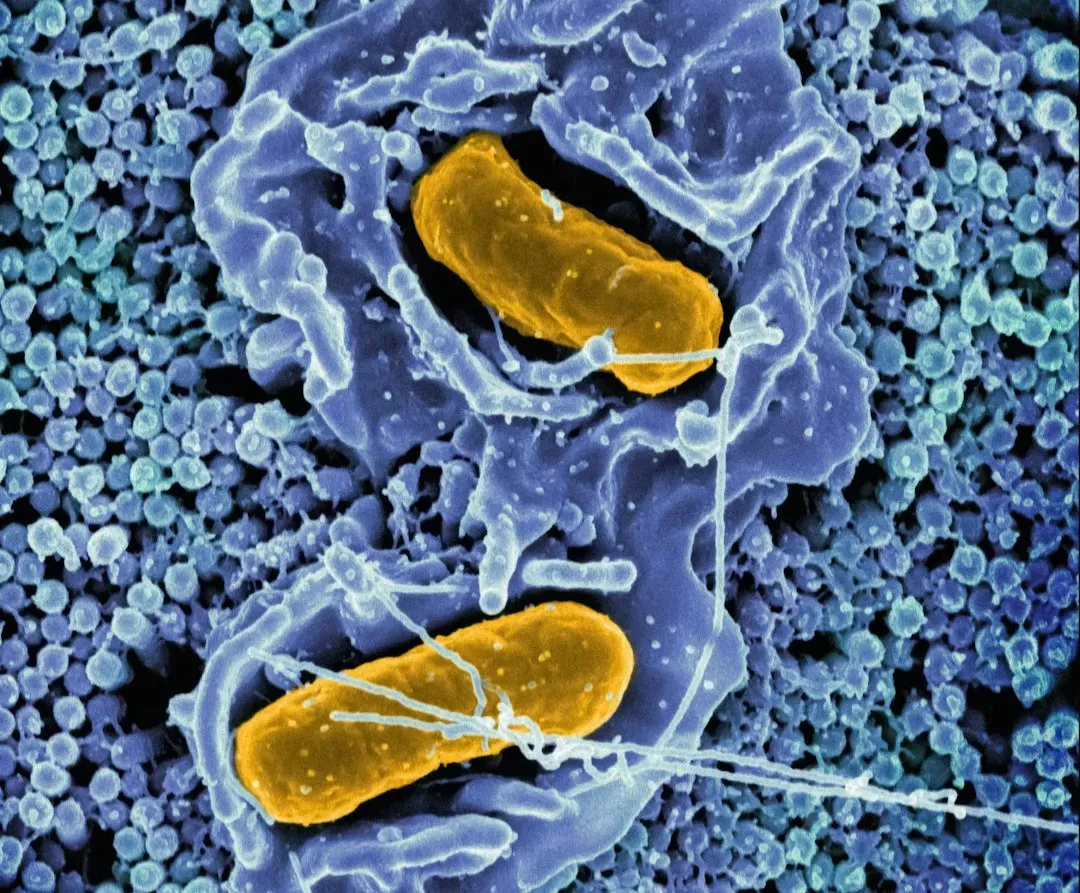
Your body is not just you – it’s an entire ecosystem. For a long time, estimates suggested that microbial cells outnumber human cells in your body by about ten to one. More recent research suggests the numbers are closer, with microbes and human cells perhaps in roughly equal balance, but either way, there are trillions of tiny nonhuman residents living on your skin, in your mouth, and especially inside your gut.
These bacteria, viruses, and fungi aren’t just passive hitchhikers. Many of them digest foods you can’t, help train your immune system, and even influence chemicals in your brain that affect mood and behavior. In that sense, “you” are actually a cooperative project between human cells and an enormous microscopic population. When you feel out of sorts after antibiotics or a big diet change, part of what you’re feeling might simply be your inner ecosystem getting shaken up.
7. Hot Water Can Freeze Faster Than Cold Water
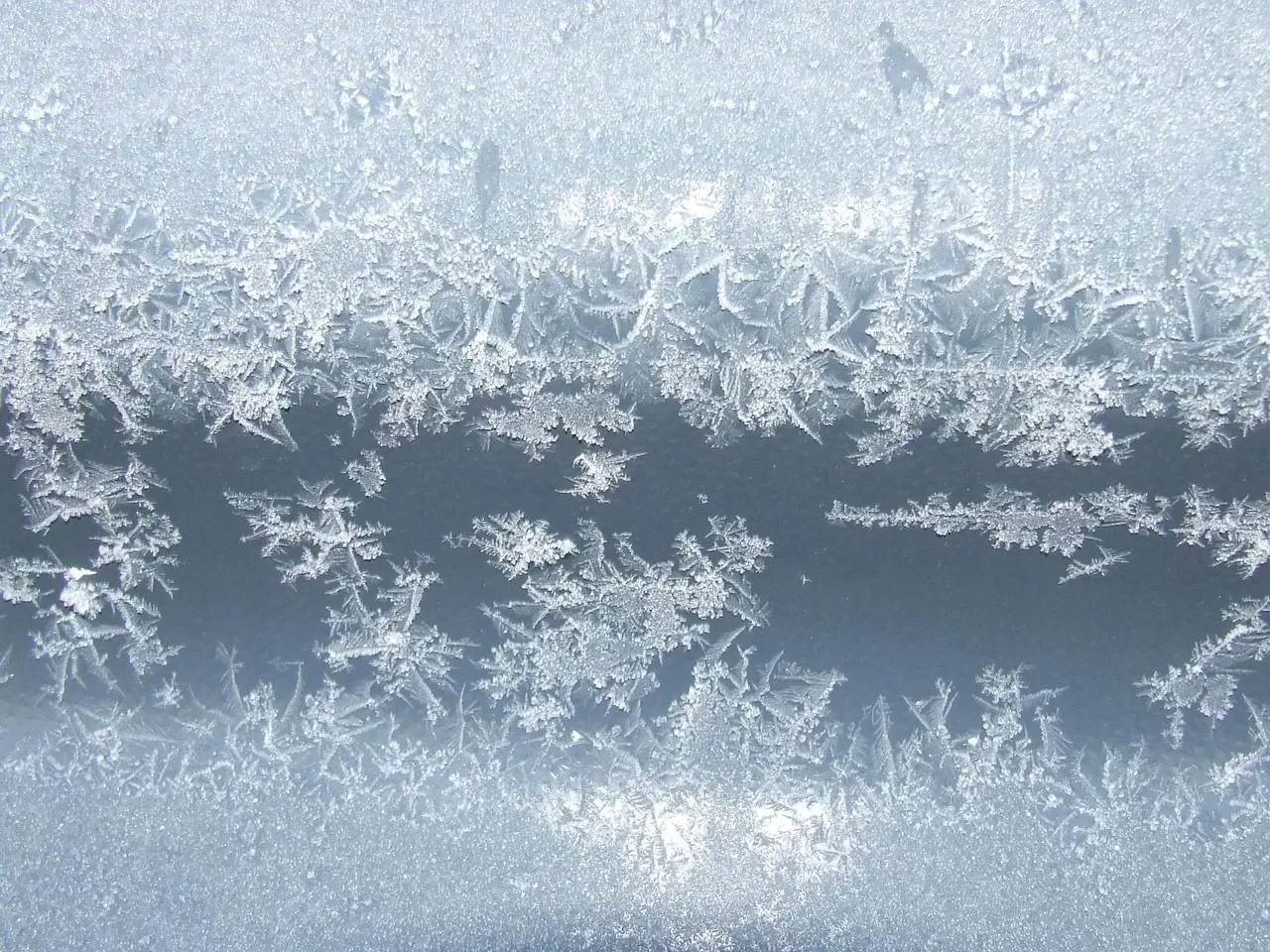
At first glance, the idea that hot water can freeze faster than cold water seems to break every rule you learned in school. Yet under certain conditions, this phenomenon, known as the Mpemba effect, has been observed: a container of initially hotter water can sometimes freeze before an equal volume of cooler water. It’s not guaranteed to happen every time, but it happens often enough that scientists have spent decades trying to fully explain it.
Several factors may contribute, including faster evaporation from hot water, differences in how convection currents move heat around, and variations in dissolved gases. The result is a kind of race where the hotter water gets some sneaky advantages instead of just starting “behind.” Even now, researchers are still debating the exact mechanisms, which is oddly satisfying; a simple everyday liquid keeps managing to surprise us.
8. An Astronaut’s Footprints on the Moon Could Last for Millions of Years
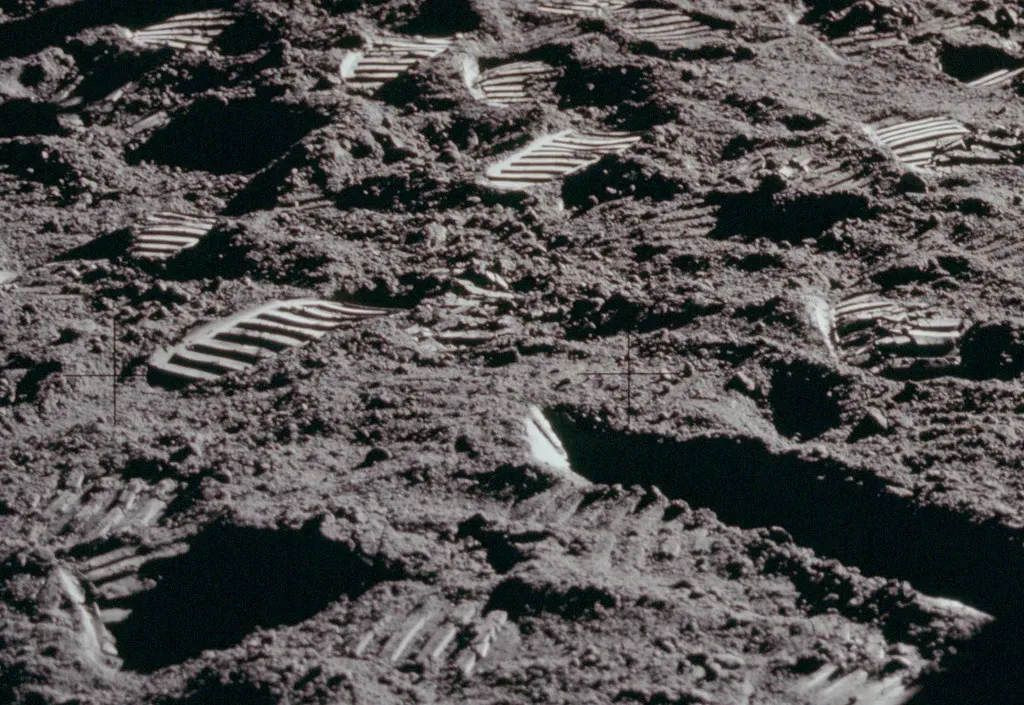
If you or I leave footprints at the beach, the next wave wipes them away in seconds. On the Moon, things work very differently. There’s no atmosphere, no liquid water, and no weather in the way we know it – no rain, no wind, no flowing rivers. That means there’s almost nothing to erode the prints left by astronauts’ boots or the tracks of rovers across the dusty surface.
The only real forces that can gradually smooth those marks are micrometeorite impacts and the slow flow of lunar dust under tiny jolts. Because those processes are so gentle, the marks from the Apollo missions are expected to last for millions of years. In a way, they’re like graffiti carved into stone on a cosmic scale, silent testimonies that humans once stepped off their home world and left a faint trail behind.
9. A Day on Venus Is Longer Than a Year on Venus
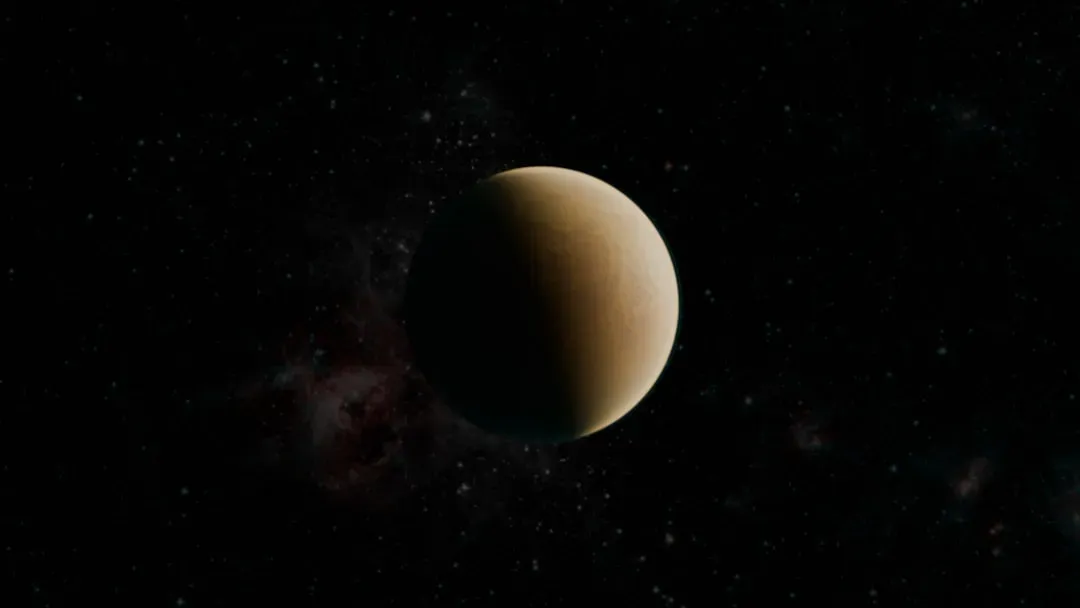
If you tried to define a “day” on Venus the way we do on Earth – as the time it takes for the planet to spin once on its axis – you’d be in for a surprise. Venus rotates incredibly slowly and in the opposite direction of most planets in our solar system. One full spin takes longer than its entire trip around the Sun.
A Venusian year, the time it takes to orbit the Sun, is about two-thirds as long as a Venusian day defined by its own rotation. That means if you somehow stood on Venus’s hellish surface, the Sun would crawl across the sky painfully slowly, while the planet was actually moving around the Sun faster than it was turning. It’s a strange reminder that the neat patterns we’re used to on Earth can be wildly scrambled elsewhere in the solar system.
10. Honey Found in Ancient Tombs Is Still Edible
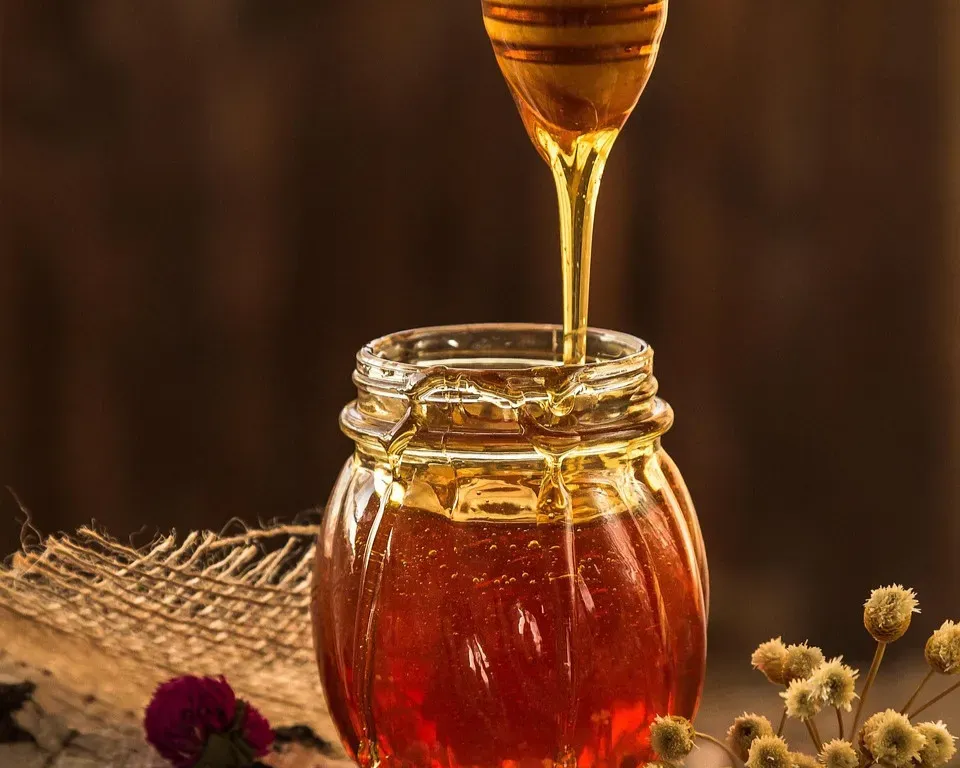
Most foods spoil within days or weeks, but honey plays by different rules. Archaeologists have discovered sealed containers of honey in ancient Egyptian tombs that are thousands of years old, and chemically, the honey is still recognizable and, in principle, edible. Its natural composition – low water content, high sugar concentration, and acidity – creates an environment where most bacteria and molds cannot grow.
Bees also add enzymes that help break down sugars and produce substances with mild antimicrobial effects. Over time, honey can crystallize and change in texture, but that doesn’t mean it has gone bad; gentle warming can often bring it back to a more familiar state. In a world where we obsess over expiration dates, honey is like that one ageless friend who somehow never seems to change, quietly defying time in a jar.
11. Trees Can “Talk” to Each Other Through Underground Networks

The idea of trees chatting beneath our feet sounds like pure fantasy, but there is a scientific core to it. Many plants form symbiotic relationships with fungi in the soil, creating vast underground networks often nicknamed the “wood wide web.” Through these mycorrhizal networks, trees and plants can exchange nutrients and chemical signals, in some cases even directing resources toward stressed or shaded neighbors.
Experiments have shown that when one plant is attacked by pests, nearby plants connected through these fungal networks can receive warning signals and ramp up their own chemical defenses. Older, larger trees sometimes act as central hubs, supporting younger saplings by sending carbon compounds their way. While it’s not “communication” in a human sense, it’s a surprisingly cooperative, interconnected system, more like a community than a collection of isolated individuals.
12. Glass Flows So Slowly It’s Effectively a Solid, Not a Liquid
You may have heard a popular myth that old cathedral windows are thicker at the bottom because glass flows like a very slow liquid over centuries. The reality is more interesting in a different way: glass at room temperature is what scientists call an amorphous solid. Its atoms are arranged more like a frozen liquid, not in the neat repeating patterns typical of crystals, but it doesn’t flow in any meaningful way on human time scales.
The uneven thickness in old windows is mostly due to how glass was made historically; the manufacturing methods simply could not produce perfectly uniform panes. Modern measurements and physics suggest that if a windowpane did “flow,” it would take much longer than the age of the universe to show noticeable changes. So glass isn’t secretly behaving like cold honey – it’s just a solid with a messy internal structure that fooled our intuition for a while.
13. Sharks Are Older Than Trees
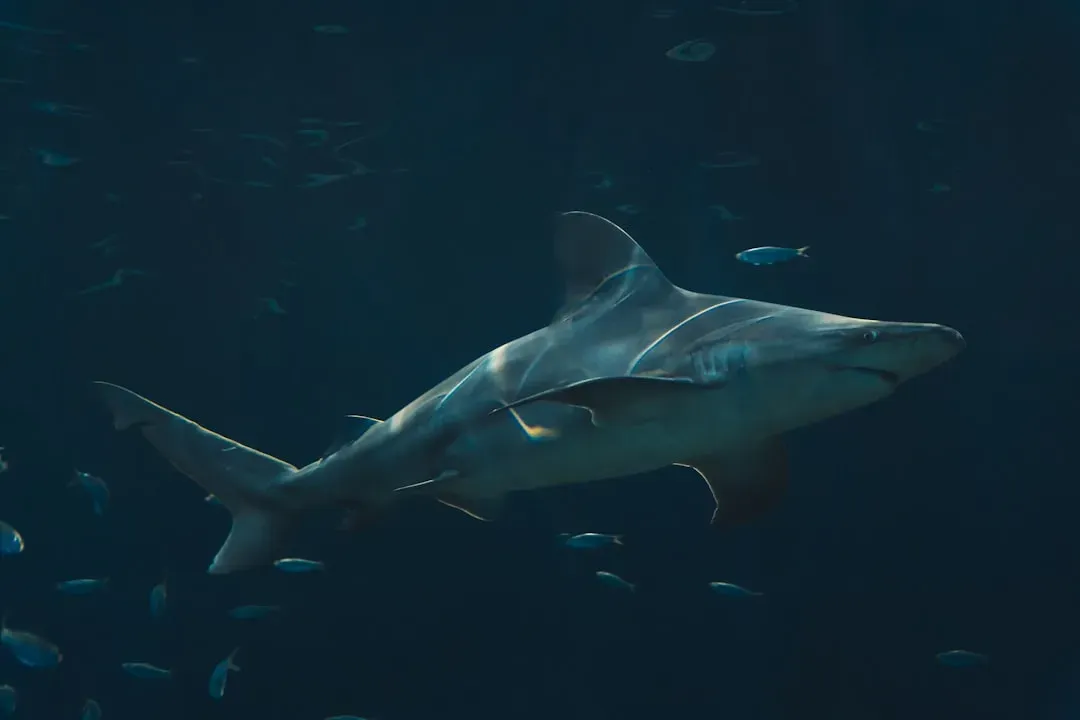
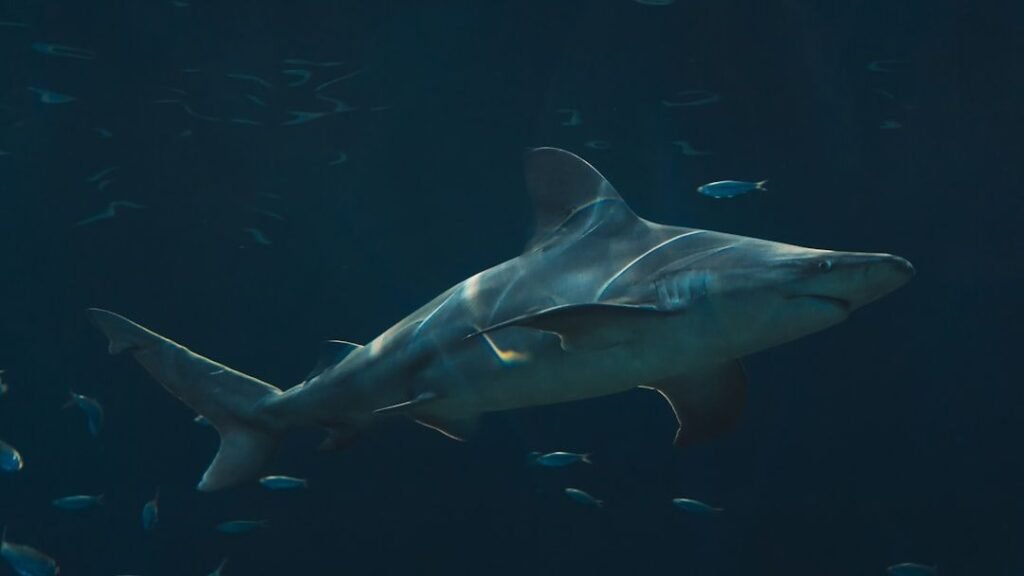
Sharks feel like symbols of modern oceans, but they’re actually ancient survivors. Fossil evidence suggests that shark-like fish appeared more than four hundred million years ago. Trees, in the sense of tall woody plants forming forests, came significantly later, showing up in the fossil record after these early sharks were already cruising prehistoric seas.
That means sharks were around before forests existed and have endured multiple mass extinctions that wiped out huge portions of life on Earth. They’ve been quietly adjusting and diversifying as continents shifted, climates swung, and entire ecosystems rose and fell. Next time you see a shark documentary, it’s worth remembering you’re looking at a member of a lineage that predates the very idea of walking through the woods.
14. There’s a Planet Where It Likely Rains Glass Sideways
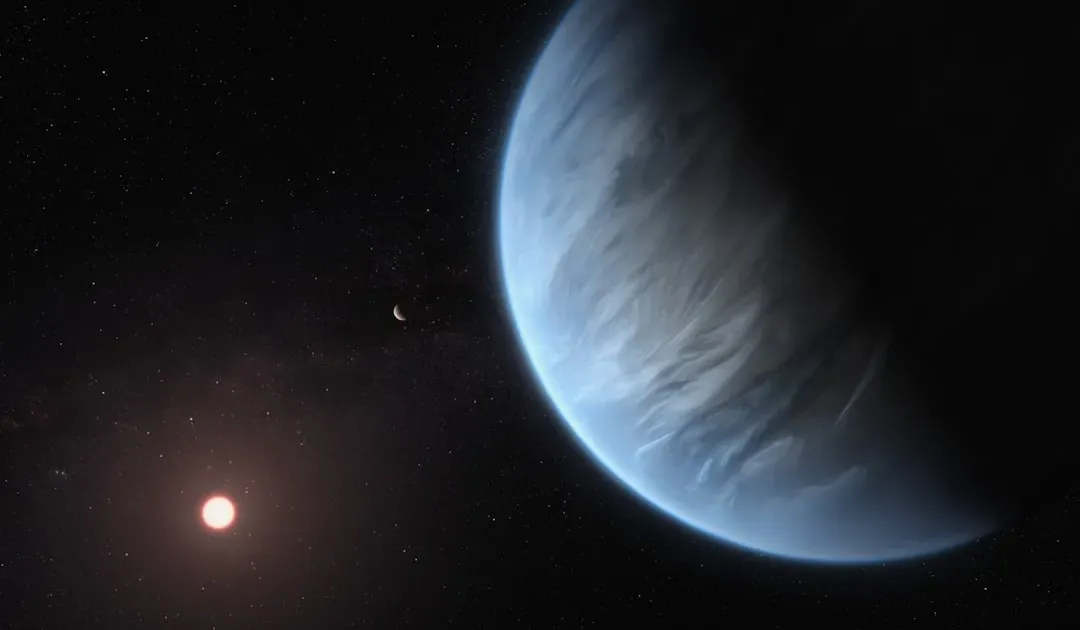
Some exoplanets – worlds orbiting distant stars – make our own solar system look tame. One of the more dramatic examples is a planet often cited by astronomers where extreme winds and scorching temperatures create conditions that likely produce molten glass droplets in the atmosphere. These droplets then solidify and fall as shards of glass, driven sideways by winds moving at thousands of kilometers per hour.
Imagine a storm where the raindrops are tiny, razor-sharp pieces of glass moving faster than a jet, and you start to get a sense of how alien weather can be. It sounds like a setting from a dark fantasy novel, but it emerges naturally from physics: intense stellar radiation, locked-in day and night sides, and odd atmospheric chemistry. The universe doesn’t just do gentle showers and snowflakes; sometimes it goes full nightmare mode.
15. The Atoms in Your Body Were Forged in Ancient Stars
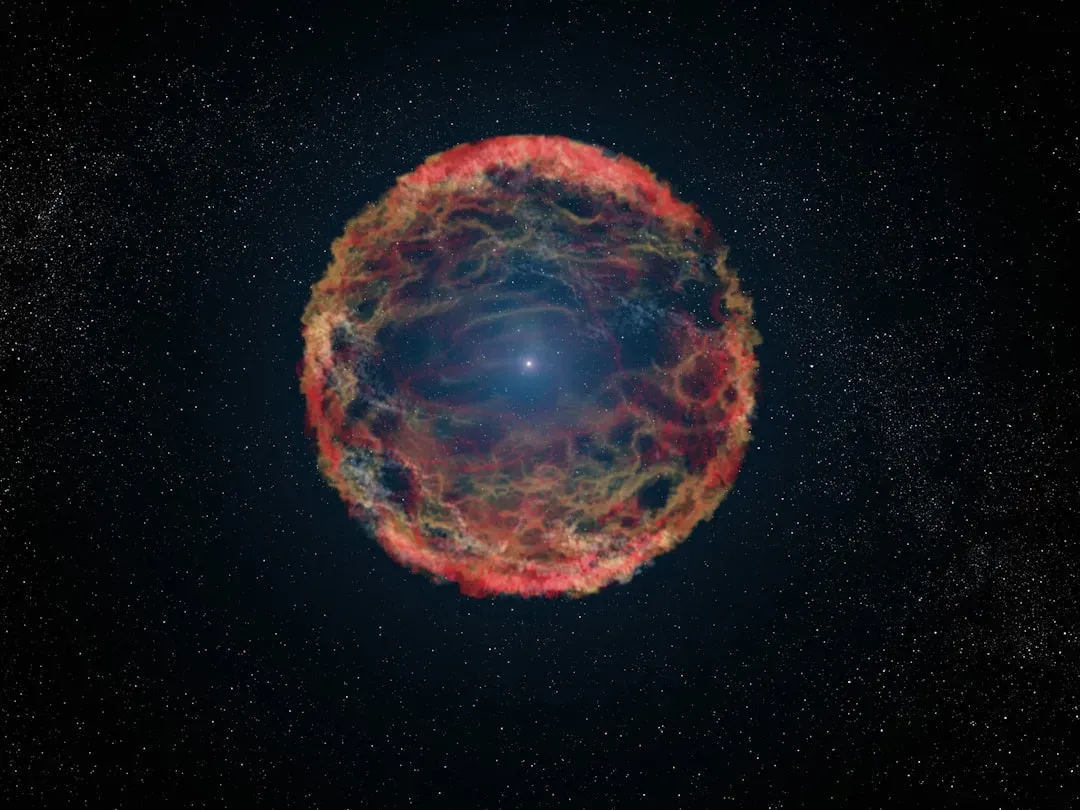
It’s not a poetic metaphor to say you’re made of stardust – it’s literal nuclear physics. The hydrogen in your body goes back to the early universe, but most of the heavier atoms, like the carbon in your cells or the calcium in your bones, were formed in the cores of stars through nuclear fusion. When massive stars ended their lives in colossal explosions, they scattered these elements into space.
Over billions of years, that star-made material mixed in interstellar clouds that later collapsed into new stars, planets, and eventually living organisms. When you look at your hand, you’re seeing matter that has passed through supernovas and cosmic clouds before ending up in a human shape. That perspective can make even a boring day feel a bit more dramatic: you’re basically a recycled piece of an ancient star, temporarily arranged into “you.”
16. There Is a Fungus That Can Take Over an Insect’s Body
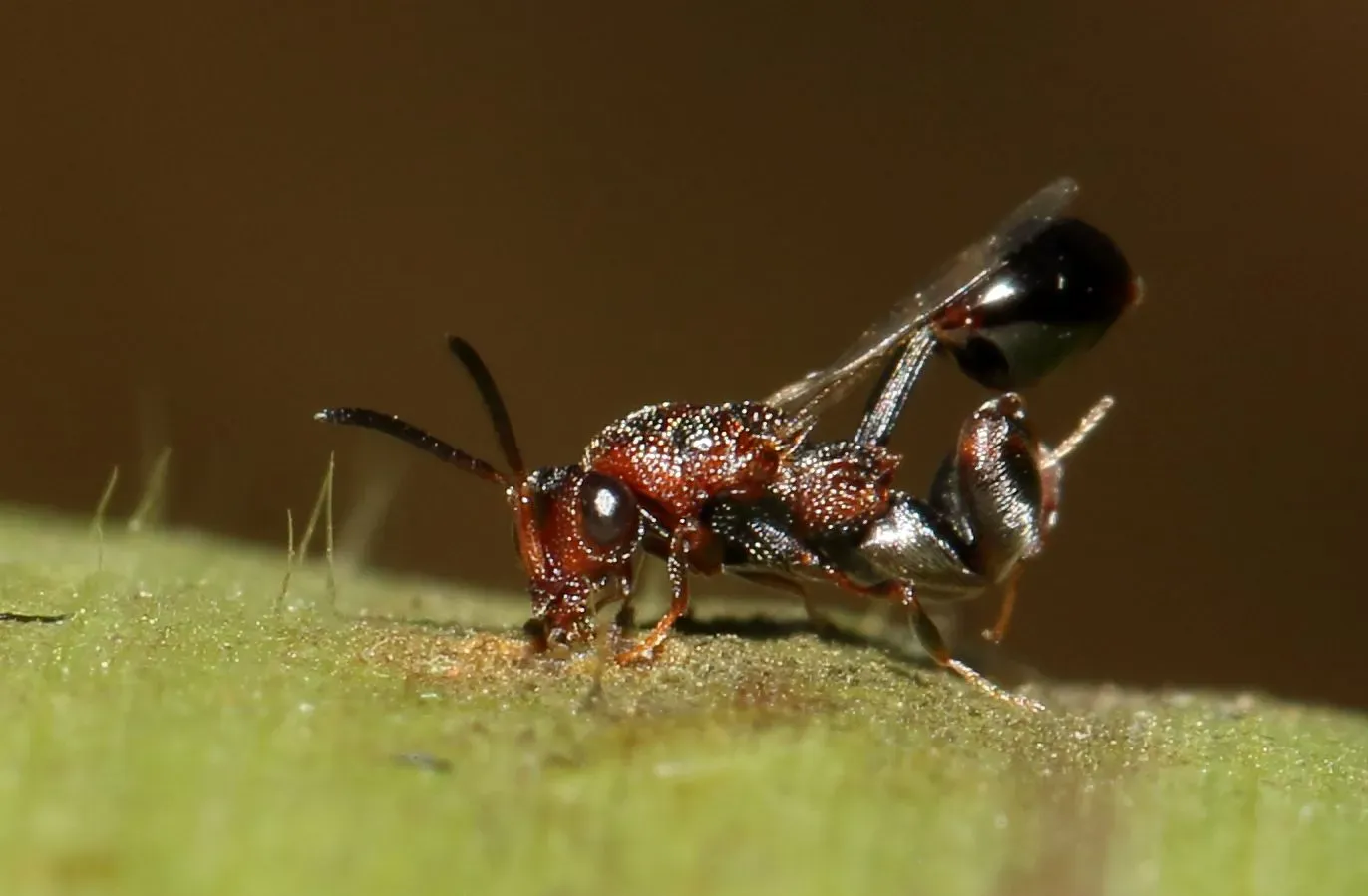
There are fungi that make zombie stories look almost mild. Certain parasitic fungi infect insects like ants, burrowing into their bodies and slowly spreading through their tissues. As the infection progresses, the fungus releases chemicals that appear to manipulate the insect’s behavior, driving it to climb to a specific height and clamp onto vegetation.
Once the insect is in the perfect position, the fungus kills it and grows a stalk out of the body, releasing spores that rain down on other potential hosts below. From the outside, it looks like something out of a horror film: one organism hijacking another’s nervous system to turn it into a spore-delivery puppet. It’s a brutal but efficient strategy, and it shows how evolution can stumble onto solutions that feel, to us, disturbingly calculated.
17. If You Compressed the Human Body, It would Fit Inside a Sugar Cube
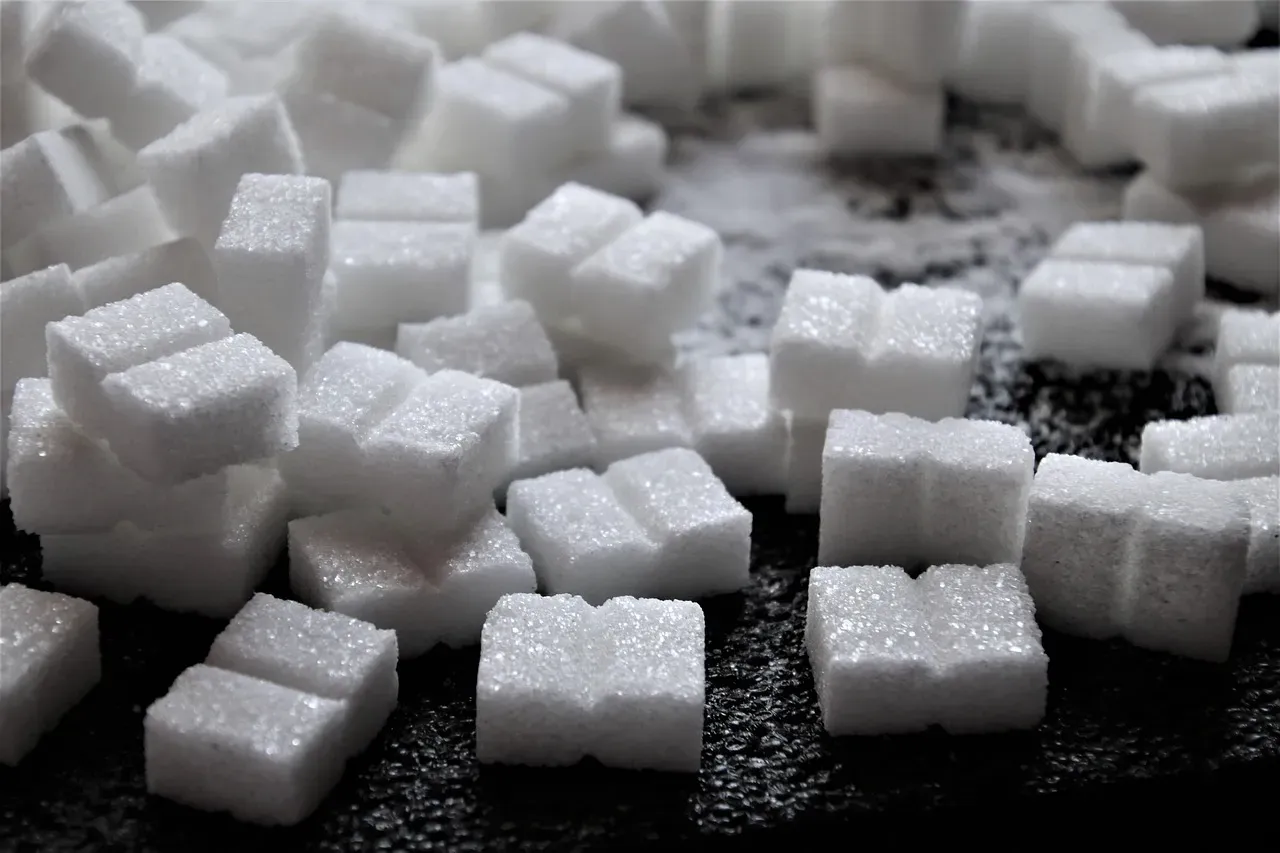
Human bodies are mostly empty space when you zoom down to the atomic scale. Atoms are made of a tiny nucleus surrounded by vast regions where electrons are likely to be found, and the nucleus itself is incredibly dense compared to the rest. If you somehow removed all the space inside our atoms and just kept the dense nuclear matter from every person on Earth, the total volume would be shockingly small.
Rough estimates suggest that the compressed remains of billions of people would be about the size of a sugar cube, though the mass would of course be the same as the total mass of humanity today. This thought experiment is not remotely practical, but it’s a striking way to grasp how much “nothing” there is in what we consider solid matter. The solidity you feel when you tap your desk or your own arm is mostly the result of electromagnetic forces, not actual filled-in substance.
18. You Can Weigh Less at the Equator Than at the Poles
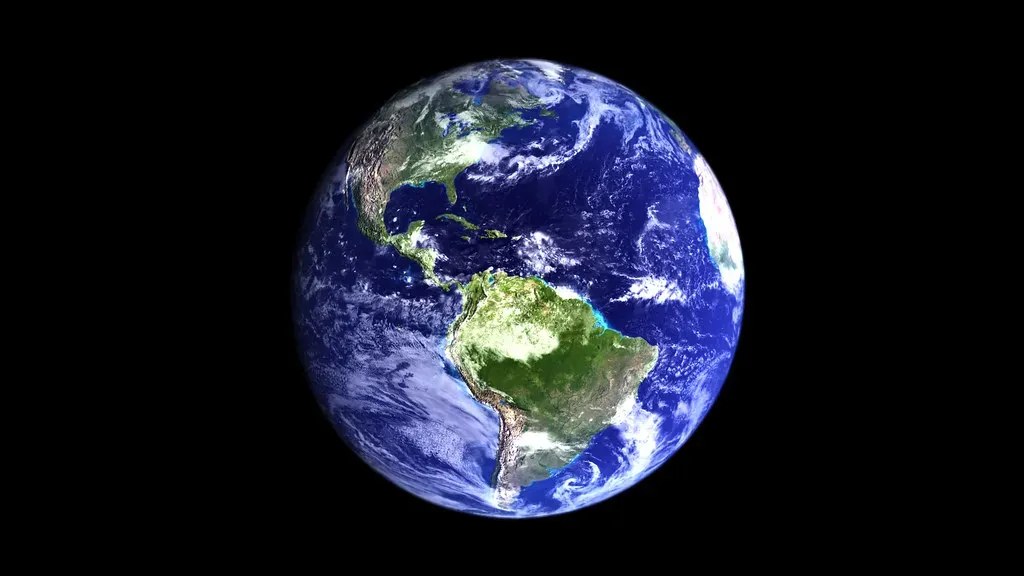
You might think your weight is fixed as long as you don’t change your diet, but our planet quietly tweaks the number on the scale. Earth is not a perfect sphere; it bulges slightly at the equator because of its rotation. That puts you a bit farther from the planet’s center there, and gravity weakens with distance. On top of that, the spinning of Earth produces a tiny outward effect at the equator, slightly counteracting gravity.
The result is that if you stood on a very accurate scale at the equator and then at one of the poles, the reading would be a bit lower at the equator. You’re not actually losing mass; the gravitational pull on you is just marginally weaker. It’s not enough of a trick to replace exercise, but it’s a nice example of how something as everyday as “how much you weigh” quietly depends on some subtle planetary physics.
Science is full of these reality-bending facts that sound like jokes until you look closely at the evidence. Which one of these changed how you see the world the most?


