History is supposed to bring clarity: more data, better tools, sharper answers. Yet some of the most famous mysteries got weirder the closer scientists looked. Advanced DNA analysis, satellite imaging, climate reconstructions, and forensic tools have solved a few puzzles, sure, but they’ve also exposed new inconsistencies, unexpected timelines, and uncomfortable truths that raise even bigger questions.
What follows is not a list of neat, tidy solutions. It is more like opening eighteen nesting dolls of weirdness, where every “aha” moment hides a new layer of “wait, what?” From vanished civilizations and impossible journeys to baffling bones and rewritten chronologies, these are historical riddles that science probed – and somehow made even stranger. How many of these did you think were already settled?
#1 The Dyatlov Pass Incident: Forensics Meet a Nightmare in the Snow
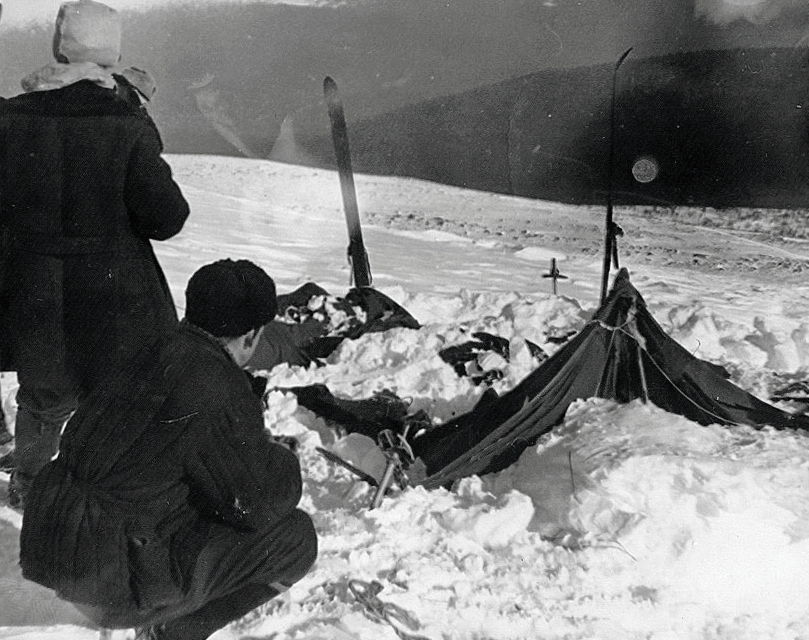
The 1959 Dyatlov Pass disaster in Russia’s Ural Mountains sounds like something ripped from a horror script: nine experienced hikers found dead, some half-dressed in deep winter, others with internal injuries but no obvious external trauma. For decades, the explanation was mostly rumor and folklore – Soviet cover‑ups, secret weapons, even the paranormal. When modern forensic and avalanche science finally caught up, many people expected a sober, simple answer that would close the book. Instead, the modeling only sharpened how bizarre this case really is.
Researchers used advanced simulations of snow loads, slab avalanches, and thoracic trauma to argue that a relatively small, delayed avalanche could have crushed parts of the tent and caused severe internal injuries without leaving dramatic signs on the surface. That sounds rational on paper, but it forces you to imagine a surreal scene: a sudden nighttime snow slab, panicked hikers slashing their way out, fleeing in socks and underwear into lethal cold, splintering into small groups, and dying in wildly different ways across the slope and forest. Scientifically, this story is plausible; emotionally, it feels deeply unsettling and almost staged by nature to be as disturbing as possible.
#2 Ötzi the Iceman: A Frozen Time Capsule With a Violent Twist
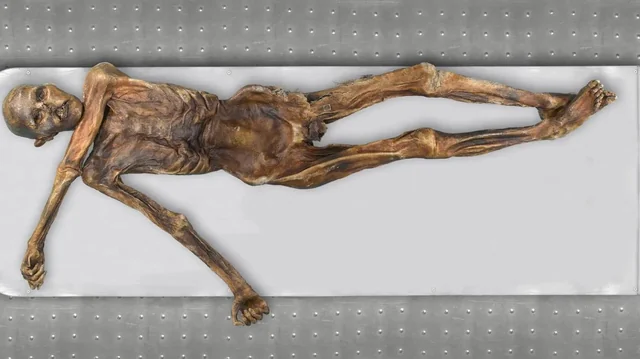
When hikers discovered a mummified body high in the Alps in 1991, people assumed it was a recent mountaineer. Radiocarbon dating quickly flipped that assumption on its head: the man, now known as Ötzi, lived more than five thousand years ago. That alone is remarkable, but the real strangeness came as scientists started treating him like a cold case. CT scans, isotope analysis, and microscopic work on his gear turned one quiet corpse into the center of a surprisingly dramatic prehistoric story.
First, there was the arrowhead lodged in his shoulder, suggesting he was shot from behind shortly before death. Then came evidence of severe blood loss, head trauma, and indications that he had been in some kind of fight at least a day earlier. Chemical signatures in his teeth and bones traced his movements across the region; pollen trapped in his digestive system pinned down the season and even hinted at his last meals. Instead of an anonymous ancient shepherd who died in a storm, you end up with something closer to a murder mystery on a glacier, involving revenge, pursuit, and sudden collapse in the snow, all preserved in chilling high definition.
#3 The Voynich Manuscript: Cryptography Versus an Unreadable Book
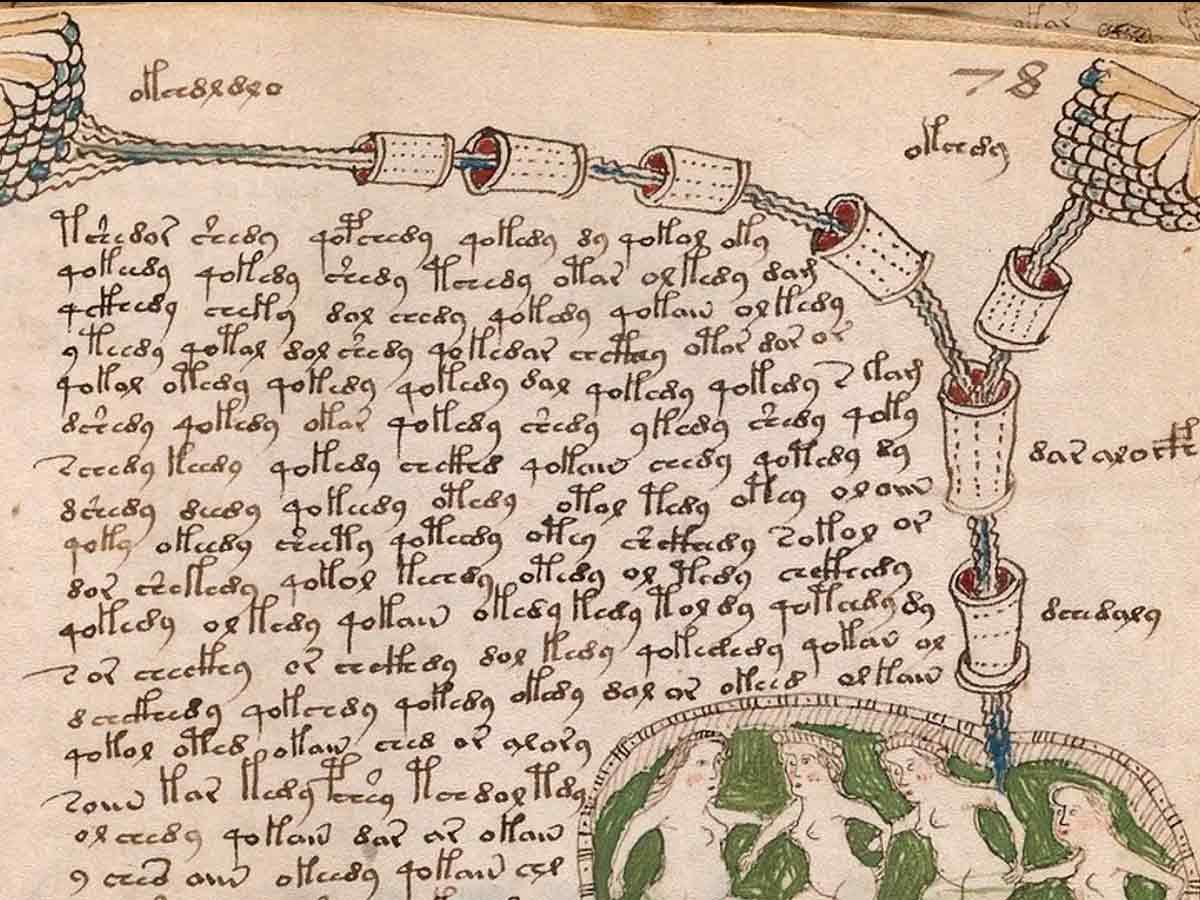
The Voynich Manuscript looks like a dare: an illustrated book filled with unknown writing, unsettling plant drawings, strange astrological charts, and naked figures bathing in green pools. For a long time, you could reasonably assume it was a clever medieval hoax or an idiosyncratic herbal manual in some lost dialect. Then computational linguistics and statistical analysis joined the party, and the situation somehow became even more confusing instead of less.
Researchers found that the text has patterns similar to natural languages: word frequencies, internal structure, and recurrence that do not easily match random gibberish. Radiocarbon dating of the vellum places it in the early fifteenth century, which kills off modern forgery theories. But every time someone proposes a “solution” – from coded Romance language to invented tongue – closer statistical or philological scrutiny tends to tear it apart. You are left with a document old enough to be genuine, structured enough to be linguistic, and yet stubbornly unreadable, like a conversation from the past that clearly means something and refuses, on principle, to tell you what.
#4 The Antikythera Mechanism: Ancient Greece’s Impossible Machine
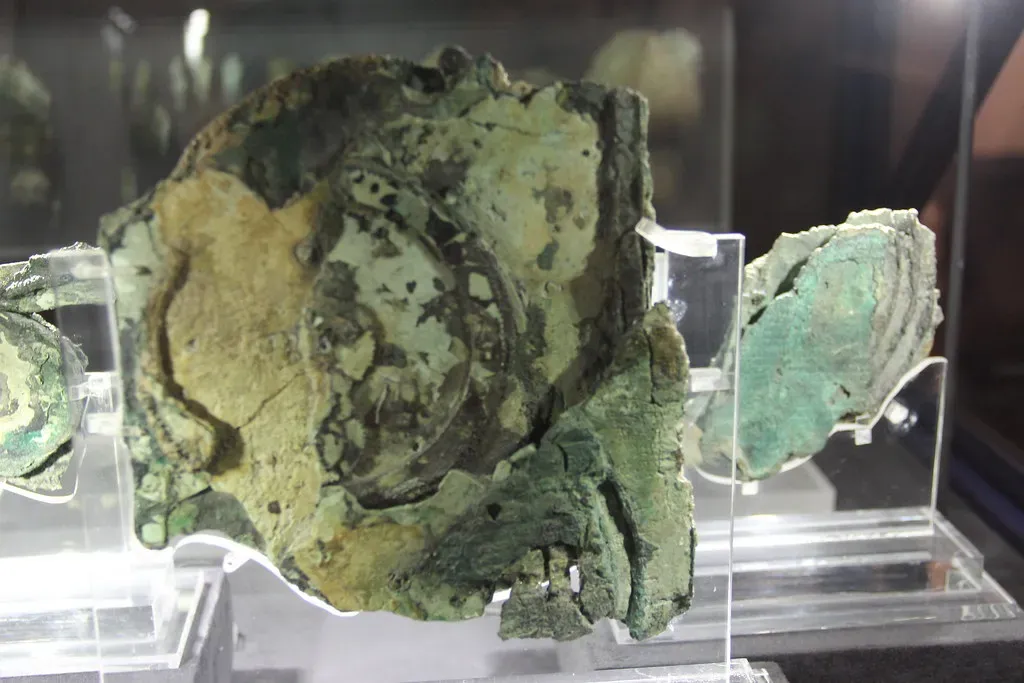
When divers pulled up a corroded lump of bronze off the Greek island of Antikythera in 1901, it looked like shipwreck junk. X‑rays eventually revealed interlocking gears inside, which was surprising but not yet mind‑blowing. The real shock landed when modern imaging and 3D reconstruction showed just how sophisticated those gears were, and what the device actually did: it modeled the motions of the Sun, Moon, and possibly the known planets, predicted eclipses, and tracked complex astronomical cycles with uncanny precision.
In other words, this was a kind of analog computer created more than two thousand years ago, with gearwork comparable to clockmaking that would not reappear in Europe for more than a millennium. Advanced imaging techniques keep pulling more inscriptions and functions out of the corroded fragments, hinting that the mechanism was part of a broader tradition rather than a one‑off miracle. Yet we have found nothing else at that level from the same period. Science has firmly proved that the ancient world was far more technically capable than we gave it credit for, but it has not explained where this knowledge came from, how widespread it was, or why it vanished so completely.
#5 The Nazca Lines: Aerial Enigmas in the Desert
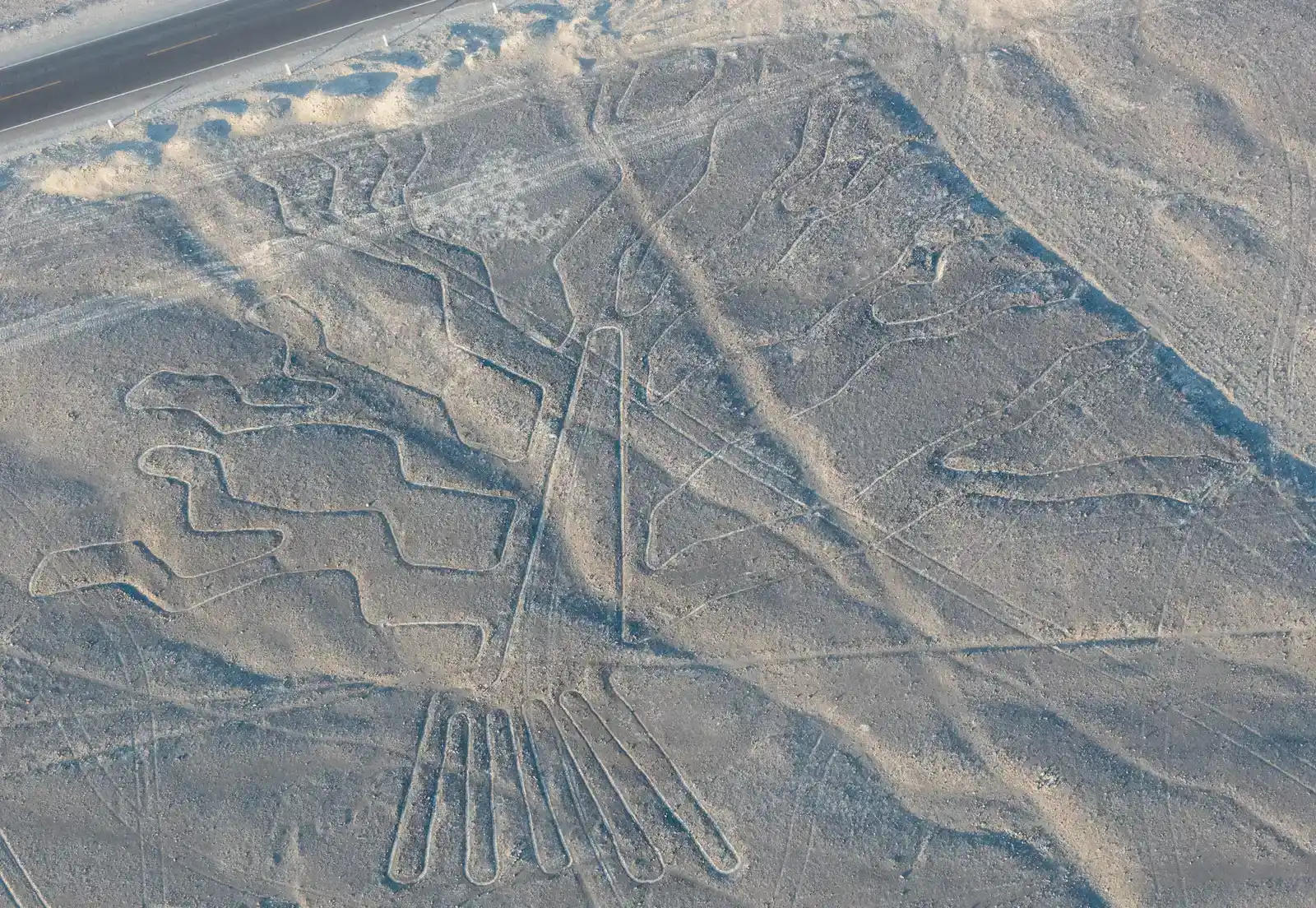
The Nazca Lines of Peru – vast geoglyphs of animals, geometric shapes, and straight lines scored across the desert floor – have fascinated people since pilots first noticed them from the air. For a while, speculation happily roamed from alien runways to secret maps. When archaeologists and geologists took a more systematic approach, using drones, satellite imagery, and soil analysis, they did knock down some of the wildest ideas. At the same time, deeper evidence made Nazca culture feel stranger and more poignant than any science‑fiction explanation.
Studies of the desert crust, pottery, and nearby settlements showed that the lines were made by carefully scraping away the top layer of dark stones to reveal a paler layer beneath, maintaining the designs against erosion for centuries. New surveys have uncovered many more figures than anyone realized, some barely visible from the ground. Correlating the geoglyphs with water sources, ritual sites, and seasonal patterns suggests they were part of an elaborate, long‑running ceremonial relationship with a brutally dry environment. You move from “mysterious drawings in the sand” to an entire civilization trying to negotiate with their landscape using art at a scale only the sky could fully see, which somehow feels even more haunting.
#6 The Mary Celeste: A Ghost Ship Meets Forensic Re‑examination
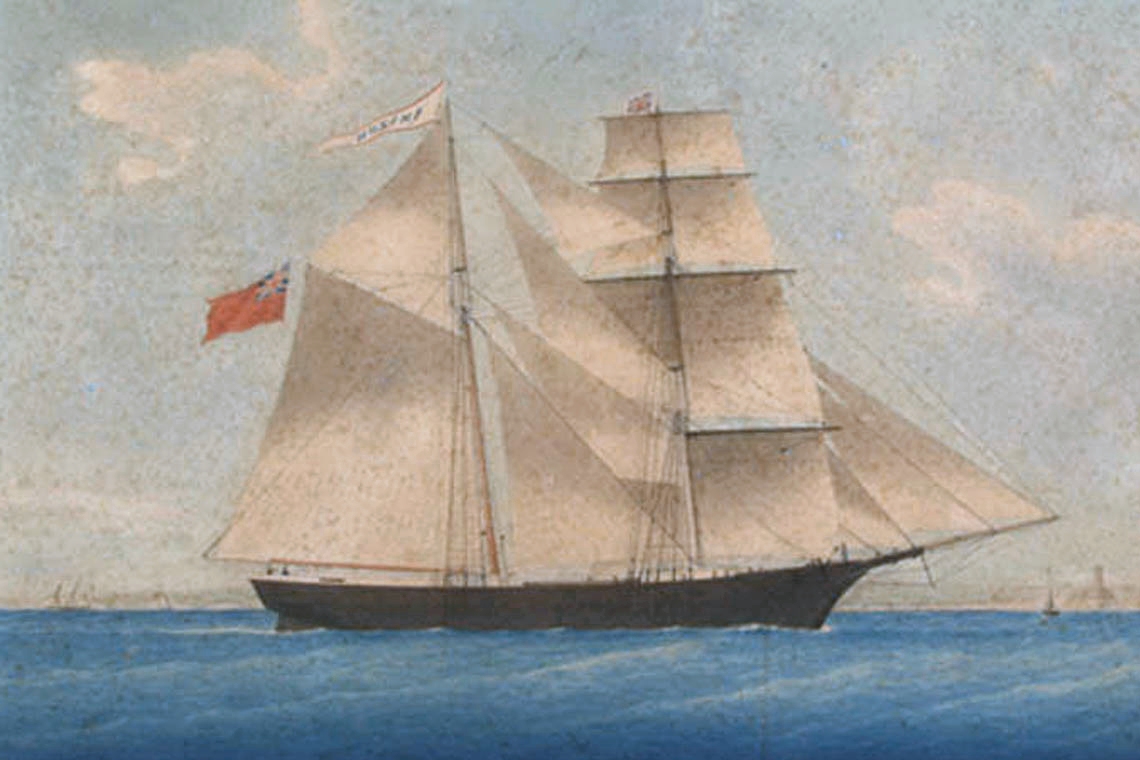
When the Mary Celeste was found adrift in the Atlantic in 1872 with no one on board, food and water intact, and cargo mostly untouched, it became the ultimate ghost ship legend. Early explanations were melodramatic: pirates, sea monsters, mutiny, or supernatural disappearances. Modern investigators, armed with maritime records, weather reconstructions, and careful re‑reading of the captain’s log, tried to pull the story down to earth. Instead, they turned it into a slow‑burn psychological thriller starring an invisible gas.
Chemical analyses and replication experiments suggest that leaking alcohol vapors from the cargo could have created a sudden, terrifying whoosh of flame or pressure without leaving obvious scorch marks, convincing the captain that the ship might explode. That makes the likely decision – a hurried but controlled evacuation into the lifeboat – oddly rational. Yet you then must picture an entire family and crew voluntarily leaving a perfectly seaworthy vessel in the open ocean, probably expecting to return, only to vanish without trace. Science can sketch the chain of events in increasingly vivid detail, but it ends at the same dark edge: a small boat on a big sea, swallowed by weather and chance.
#7 The Franklin Expedition: Arctic Forensics and a Slow‑Motion Tragedy
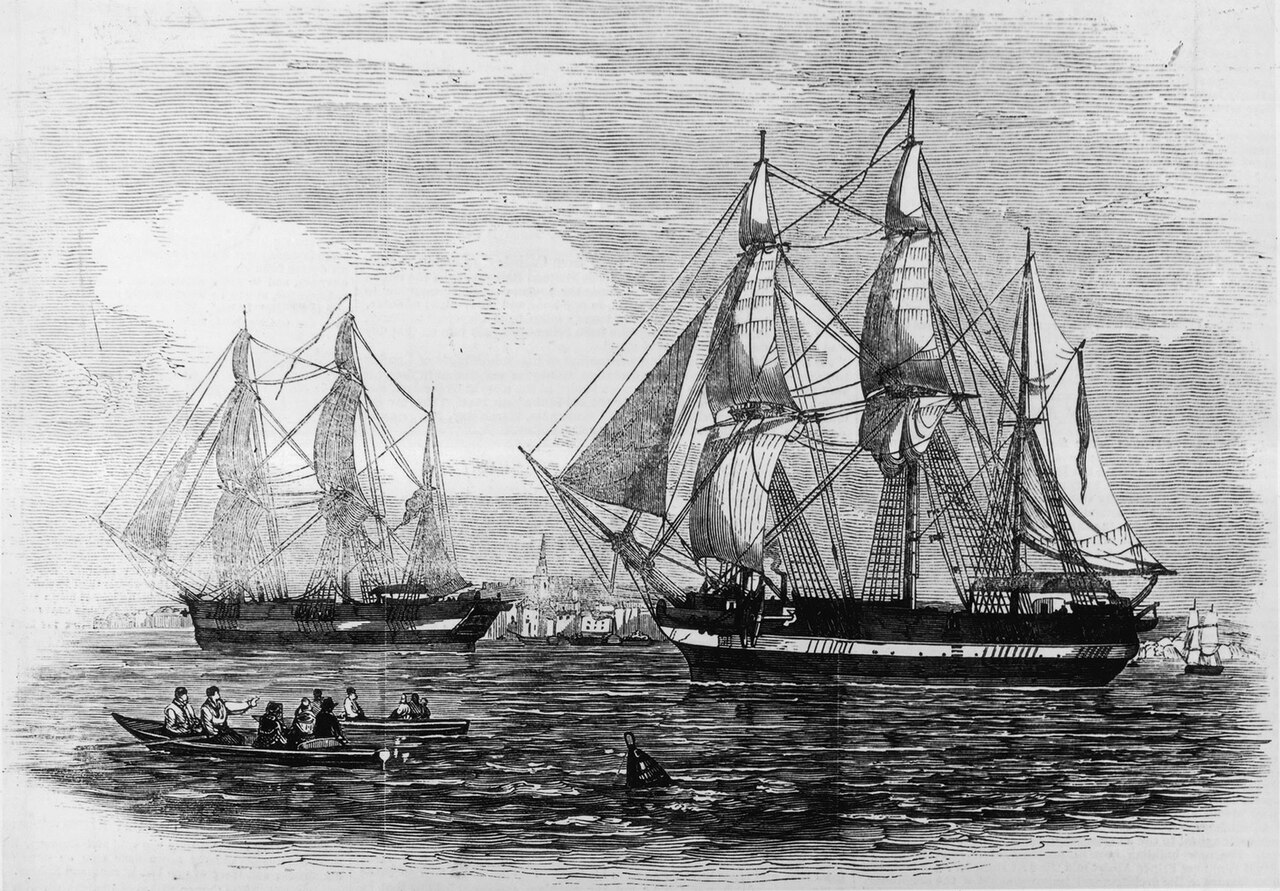
In 1845, Sir John Franklin sailed from Britain with two ships and more than a hundred men, seeking a Northwest Passage. They promptly disappeared into the Arctic, and their fate became one of the century’s biggest puzzles. Nineteenth‑century searches found bits and pieces – abandoned camps, scattered graves – but no solid narrative. Then came modern science: exhumed bodies, toxicology, climate data, and, recently, the discovery of the wrecks themselves under polar waters. Each new finding clarified details while deepening the overall sense of horror.
Autopsies on remarkably preserved sailors’ remains showed signs of lead exposure, malnutrition, and disease, raising the uncomfortable possibility that their own provisions and ship plumbing slowly poisoned them. Cut marks on some bones hint at cannibalism under extreme starvation. The shipwrecks revealed that the vessels were crushed and sunk after being trapped in ice, but in positions that suggest confused decisions and desperate attempts to march overland. Far from a heroic tale of stoic exploration, the scientific reconstruction looks more like a prolonged breakdown of planning, technology, and human endurance in an environment that punishes every mistake twice.
#8 The Saqqara “Bird”: Toy, Symbol, or Ancient Aerodynamics?
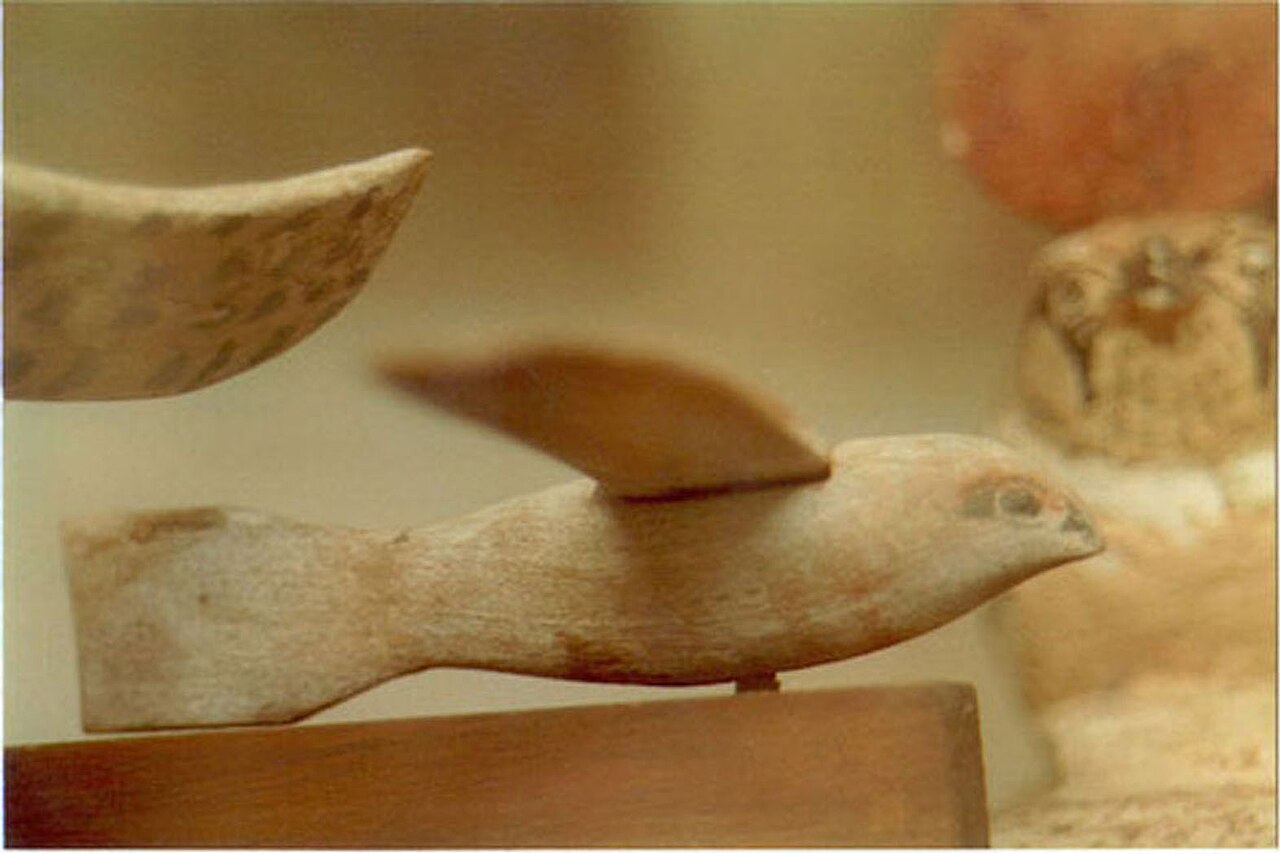
A small wooden artifact found in an Egyptian tomb at Saqqara – a bird‑like shape with straight wings and no clear tailplane – sat quietly in museum storage for decades. At first glance, it looks like a child’s toy or a decorative piece. Then someone with an engineer’s eye pointed out its aerodynamic profile. Subsequent experiments and wind‑tunnel tests have been tantalizing rather than decisive, turning a minor artifact into a lightning rod for speculation about ancient flight knowledge.
Scale models and computer simulations suggest that, under the right conditions, similar shapes can glide, and the original piece has proportions not entirely unlike modern gliders. At the same time, there is no solid evidence of any flying machines in ancient Egypt beyond kites and symbolic representations, and the artifact lacks components that would make sustained flight plausible. So you end up with an oddly airworthy object placed in a tomb centuries before aerodynamics existed as a formal science. It is probably a ritual symbol or toy – yet the more you analyze its shape with modern tools, the harder it is to ignore the quiet whisper that someone, long ago, was playing with the sky.
#9 The Turin Shroud: Radiocarbon Dates, Blood Markers, and a Stubborn Relic
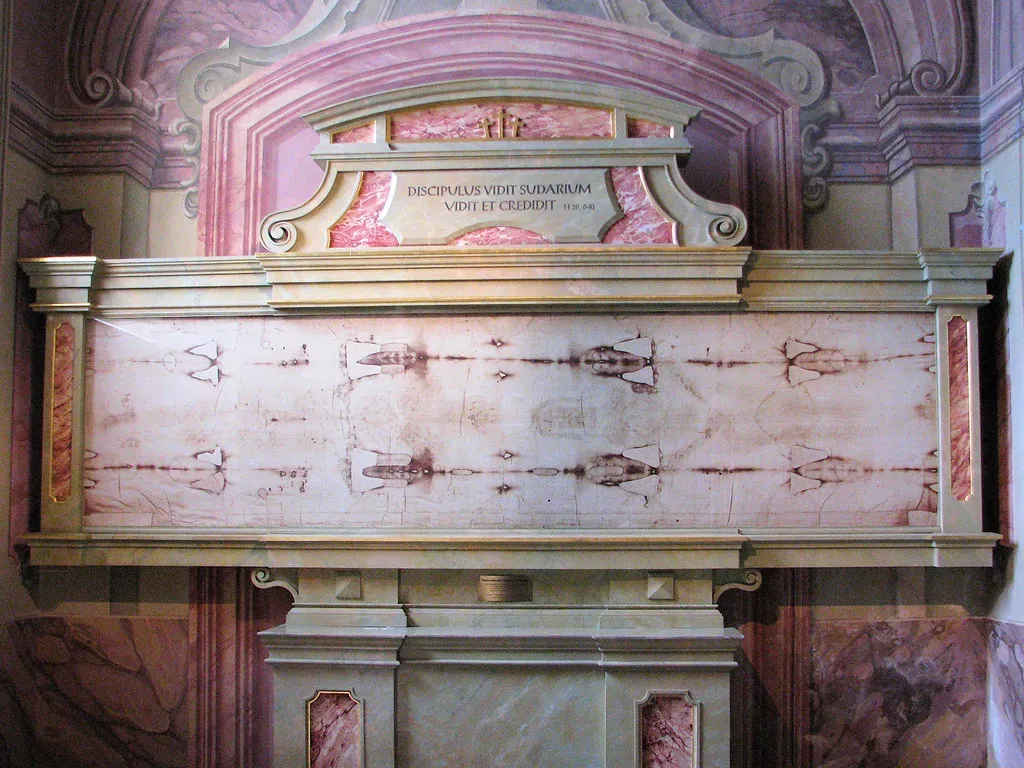
The Shroud of Turin, bearing a faint image of a crucified man, has been venerated for centuries and debated nearly as long. For many people, it was either a genuine burial cloth from Roman times or a clever medieval forgery. Radiocarbon testing in the late twentieth century seemed to settle it on the later side, dating the fabric to the Middle Ages. But subsequent scientific work on the image formation, microscopic fibers, and blood components did not slip neatly into the “simple hoax” box at all.
Analyses have identified what appears to be real blood, along with complex degradation patterns that are not easily reproduced by painting or simple scorching. Efforts to recreate the diffuse, highly detailed image using known medieval techniques have produced partial analogues but nothing fully convincing. Meanwhile, arguments over contamination of the tested samples, patching, and the exact nature of the cloth’s radiation or chemical exposure have kept the debate uncomfortably alive. The irony is sharp: the more tools and laboratories we throw at the shroud, the less satisfying either extreme position – complete authenticity or crude fraud – seems.
#10 The Phaistos Disc: A Fired Clay Puzzle That Refuses to Talk
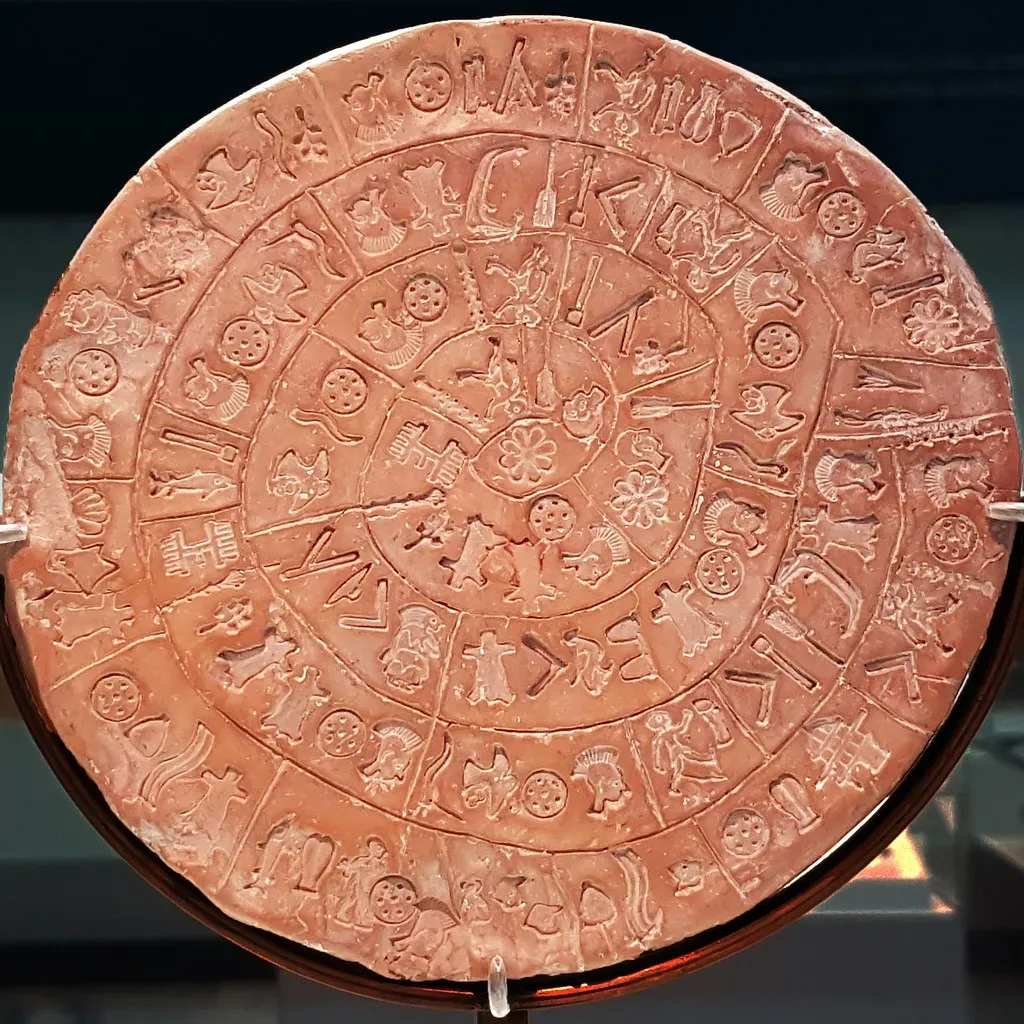
Unearthed on Crete in the early twentieth century, the Phaistos Disc is a palm‑sized mystery: spiral rows of stamped symbols on both sides of a fired clay disk, unlike anything else we have from the region. At first, it looked like the tantalizing key to a lost script or language. Surely, once epigraphers and computer scientists had their say, the characters would yield to pattern recognition and comparative analysis. Instead, the disc has become the poster child for just how uncooperative a unique artifact can be.
Because there is only this single example, there is no broader corpus to compare with, no repeat phrases to anchor a decoding, and no bilingual text to serve as a Rosetta Stone. Statistical approaches have tried to classify the signs and guess at syllabic or logographic systems, but every proposed decipherment so far leans heavily on assumption. What science has given us are precise recordings, 3D models, and clay analyses that confirm it is authentic and ancient, not a modern prank. Oddly, proving that it is real while failing to read a single word makes the disc feel less like an object and more like a smirking message from an entire vanished communicative world.
#11 Easter Island’s Moai: Walking Giants and a Collapsing Ecosystem
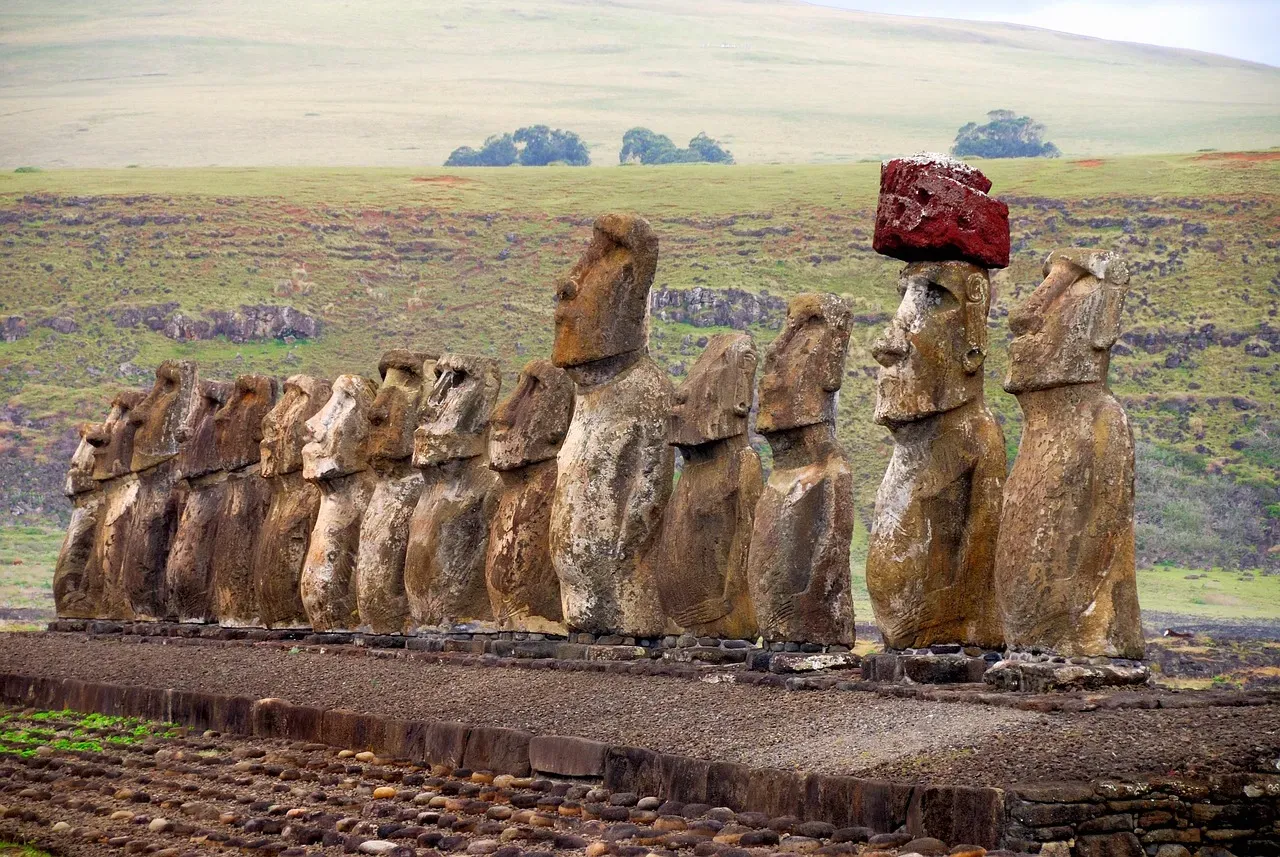
The colossal stone heads and torsos of Easter Island (Rapa Nui) seem too heavy, too massive, and too numerous to be the work of a small, isolated population. For a long time, the standard story was simplistic: people arrived, built giant statues, recklessly cut down all the trees, and collapsed in a self‑inflicted ecological disaster. Modern archaeology, soil analysis, and experimental reconstructions have challenged that narrative in ways that both humanize the islanders and make their history more tragic and complicated.
Experiments have shown that small coordinated teams can “walk” upright moai using ropes and rhythmic rocking, reducing the mystery of how they were moved without wheels or large animals. Pollen records and sediment cores reveal a more gradual environmental change, influenced not only by tree cutting but also by introduced rats and external pressures. Genetic and cultural studies suggest the islanders demonstrated remarkable resilience, adapting and reorganizing rather than simply imploding. So instead of a morality tale about mindless overexploitation, scientific work paints a picture of an inventive society under enormous constraints, whose iconic statues outlived both their forests and many of the stories that might have explained them.
#12 The Indus Valley Script: Big Cities, Silent Writing
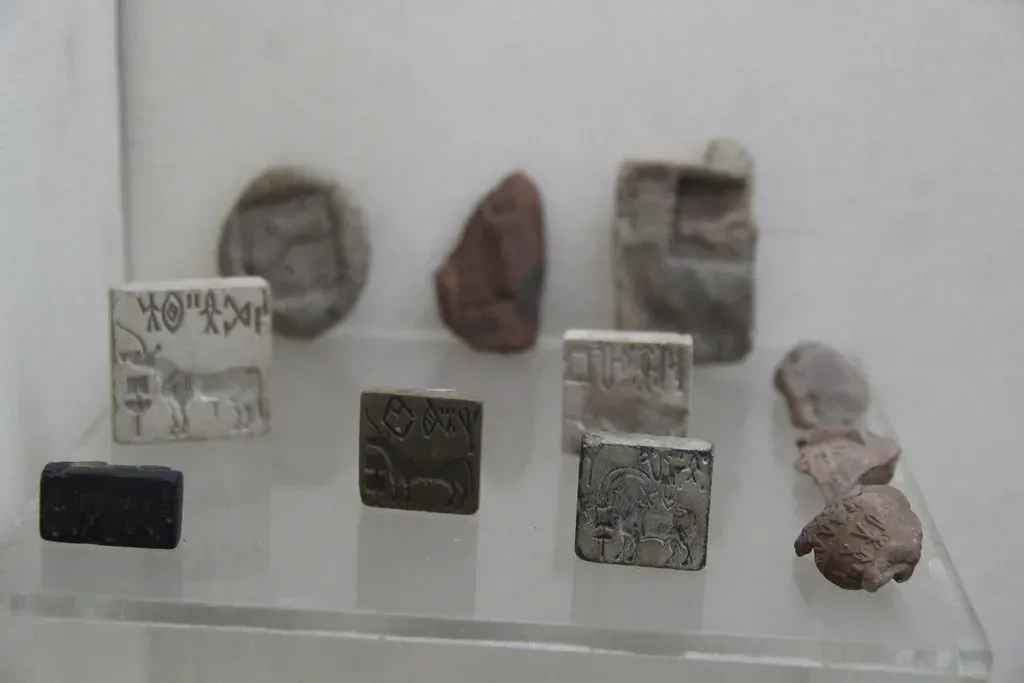
The Indus Valley Civilization built dense, well‑planned cities with drains, standardized weights, and long‑distance trade more than four thousand years ago. Seals and pottery from these sites bear tiny clusters of symbols that look very much like some form of writing. When scientists applied computational models and comparative linguistics to that script, they expected at least a few solid footholds. What they got instead is a case study in confidence without comprehension.
Statistical analyses show that the symbol sequences behave like a written system with rules: some signs appear more often at the beginning of strings, others at the end; there is a pattern of repetition that looks more linguistic than decorative. Yet the total number of characters and the short length of most inscriptions make it nearly impossible to decode. Every attempt to match the script to known language families – Dravidian, early Indo‑Aryan, or something else – hits the same wall of ambiguity. Science has firmly established that the Indus people were literate in some structured way; it simply cannot yet tell us what they were actually saying to one another, which makes their silent streets and abandoned baths feel all the more alien.
#13 The Bog Bodies of Northern Europe: Perfectly Preserved, Perfectly Disturbing
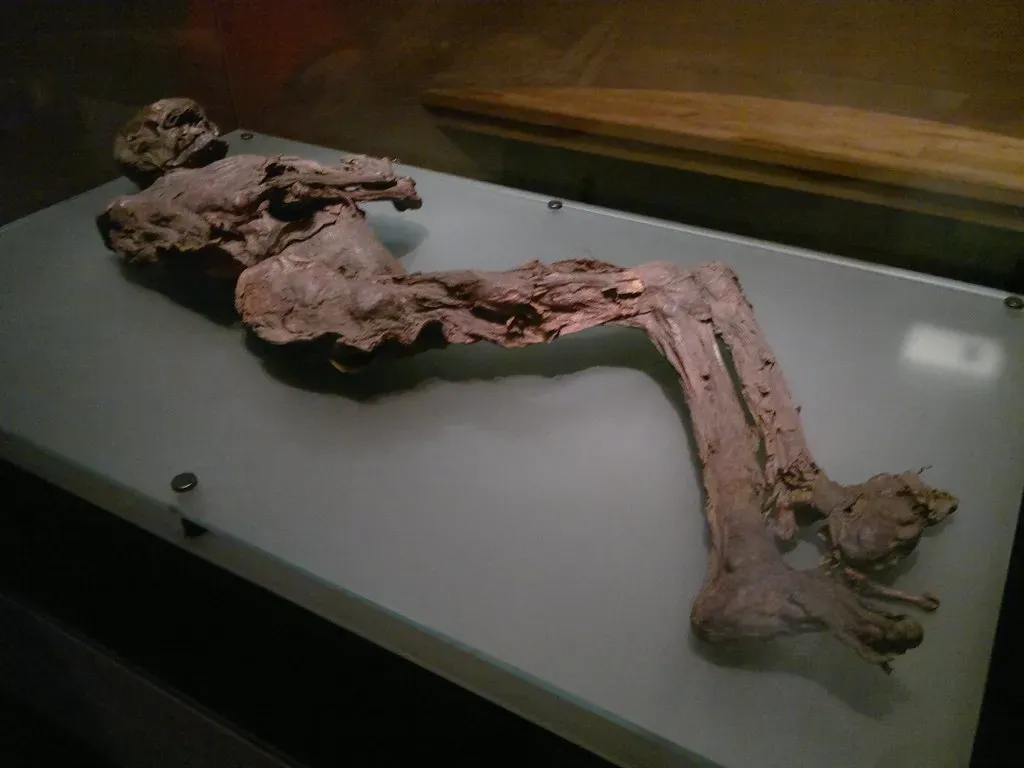
Peat bogs in Northern Europe have yielded human bodies so well preserved that you can see facial expressions, hair, and even stomach contents centuries or millennia later. At first, these finds were misidentified as recent murder victims. Radiocarbon dating, forensic analysis, and stable isotope tests eventually anchored them in the Iron Age and earlier, revealing lives and deaths that are, frankly, chilling. Science can now reconstruct last meals, health status, and trauma patterns with an intimacy that borders on intrusive.
Many bog bodies show signs of violent death: strangulation, stabbing, bludgeoning, or combinations of these, sometimes followed by deliberate placement in the waterlogged ground. Pollen and plant remains in their guts suggest seasonal timing and ritual contexts, while chemical signatures in bones hint at whether they were locals or outsiders. Yet even with all that data, scholars still debate whether these were criminals, social outcasts, honored sacrifices, or some mix of categories that does not fit modern labels. The result is a gallery of almost‑lifelike individuals whose deaths we can diagram down to the bruises, but whose roles in their own societies remain eerily out of reach.
#14 Teotihuacan: City of the Gods Without a Known Voice
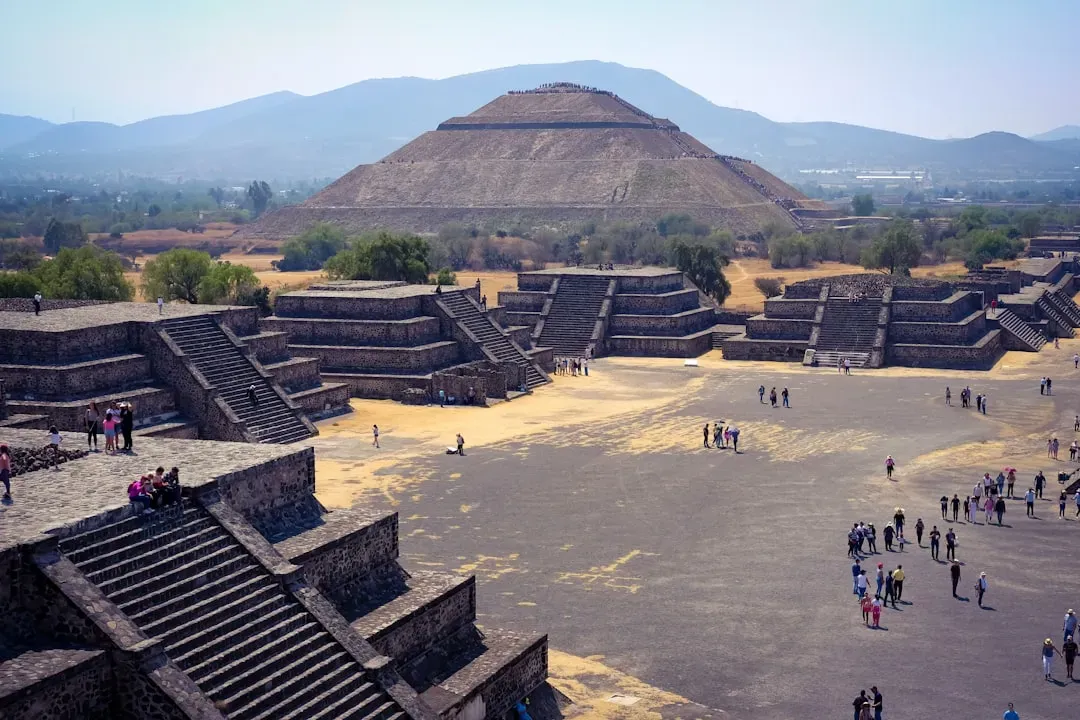
Teotihuacan in central Mexico was once one of the largest cities in the world, with monumental pyramids and broad avenues aligned to celestial events. The Aztecs, arriving centuries later, were so awed they named it the place where gods were born. Archaeologists have mapped tunnels, murals, and apartment compounds, and scanned buried structures with geophysics and even particle detectors. Yet the closer they look, the stranger Teotihuacan becomes, largely because its people left behind no deciphered written narrative of who they were.
Excavations have revealed organized neighborhoods of migrants from other regions, mass offerings of sacrificed animals and humans, and carefully arranged deposits of obsidian blades, pyrite, and even pools of liquid mercury deep below temples. Chemical analysis of teeth shows a cosmopolitan population, while iconography hints at complex state religion and power structures that do not match better‑known Mesoamerican models. You end up with a gigantic, meticulously engineered urban experiment that flourished for centuries and then declined, leaving ruins that can be measured down to the centimeter, but a culture that feels like a ghostly outline drawn in stone and fire without its own commentary.
#15 The Bronze Age Collapse: A Networked World Falls Apart
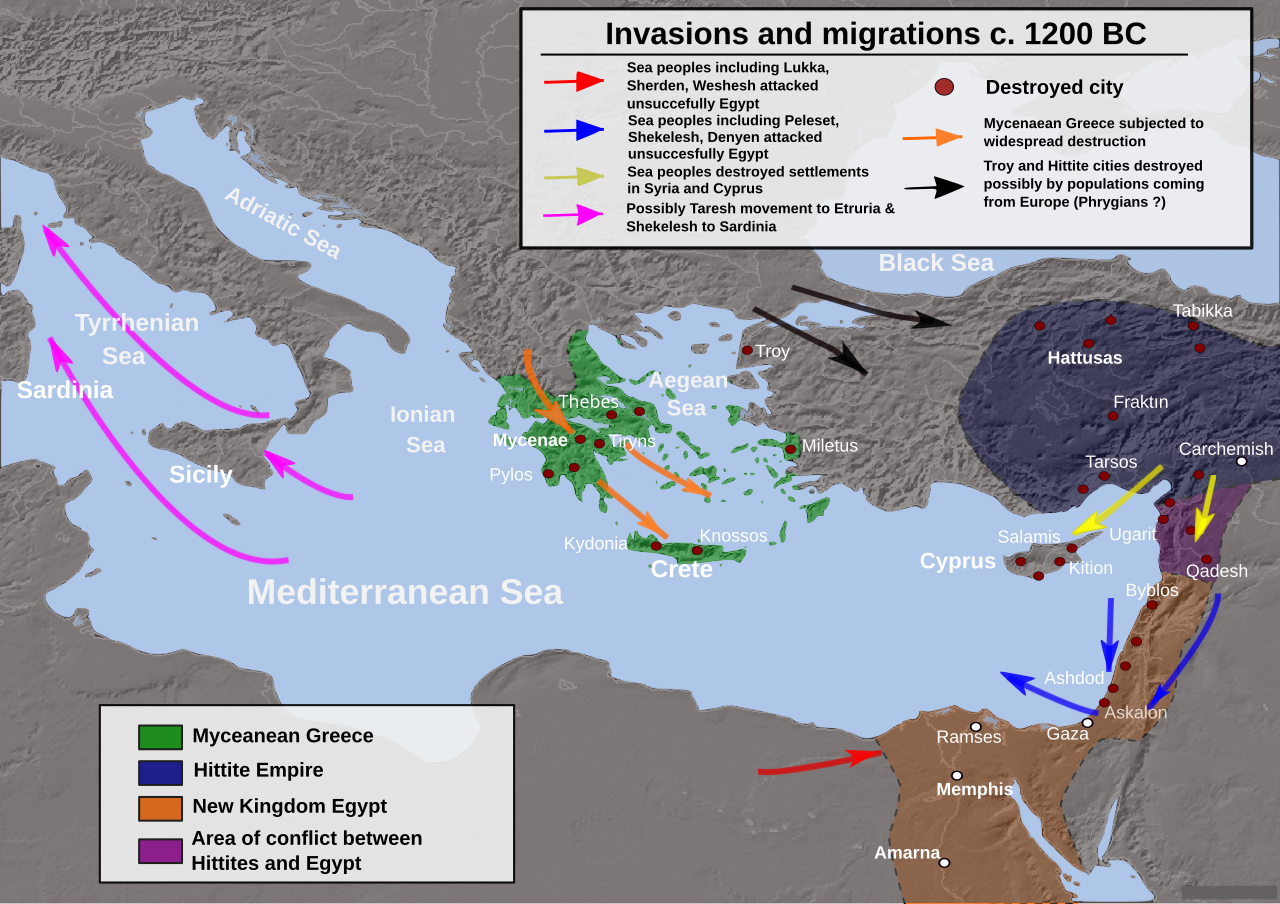
Around the late second millennium BCE, several major Eastern Mediterranean civilizations faltered or collapsed in a relatively short span: palaces burned, trade routes died, and scripts disappeared. Older history books often blamed mysterious “Sea Peoples” sweeping in like a single destructive force. Modern climate science, archaeology, and text analysis have turned that simple disaster movie into something more unnerving: a slow‑motion systems failure in a globalized ancient world.
Dendrochronology and climate proxies suggest episodes of prolonged drought and cooling, while excavation layers show destruction, abandonment, and hurried fortification. Tablets from the period record food shortages, pleas for grain, and complex warfare among multiple players. Instead of one invader, you see interconnected states so tightly bound by trade and mutual dependence that stress in one region rippled across the entire network. It feels uncomfortably modern: a web of political, environmental, and economic shocks knocking over one palace after another like dominos, with science able to track the falling pieces far better than it can identify a single neat villain.
#16 Göbekli Tepe: Monumental Temples Before Farming
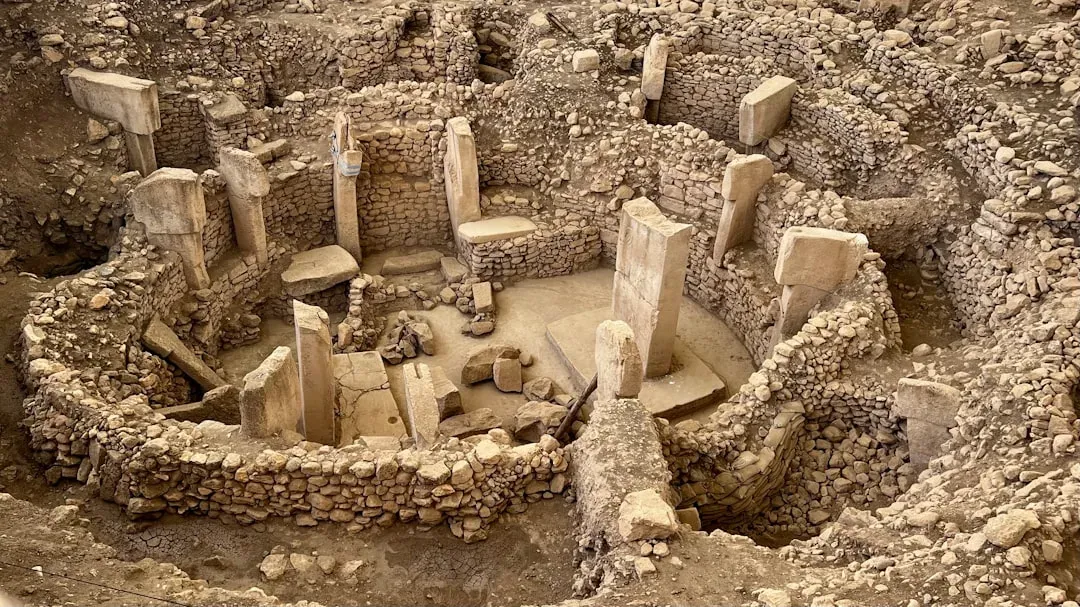
Göbekli Tepe in southeastern Turkey overturned a comfortable storyline about human development. For decades, the textbook sequence was simple: people settle down, learn to farm, develop surplus food, and then build temples and massive monuments. Radiocarbon dating and careful excavation at Göbekli Tepe revealed something startlingly out of order: huge stone pillars arranged in circular enclosures, decorated with animals, built by hunter‑gatherers thousands of years before the advent of established agriculture in the region.
Microscopic analysis of tools and animal bones suggests intensive but still mobile foraging, while the architecture points to organized labor, planning, and some kind of shared ritual system. To make matters stranger, the site appears to have been deliberately buried after use, as if people decided to tuck away their own sacred architecture under layers of earth. Scientists are still debating whether organized feasting and ritual could have driven the push toward farming rather than the other way around. In other words, this site hints that belief and ceremony might have built the first big buildings, which then helped build civilization, flipping the assumed order of cause and effect.
#17 The “Lovers of Valdaro” and Other Ambiguous Burials
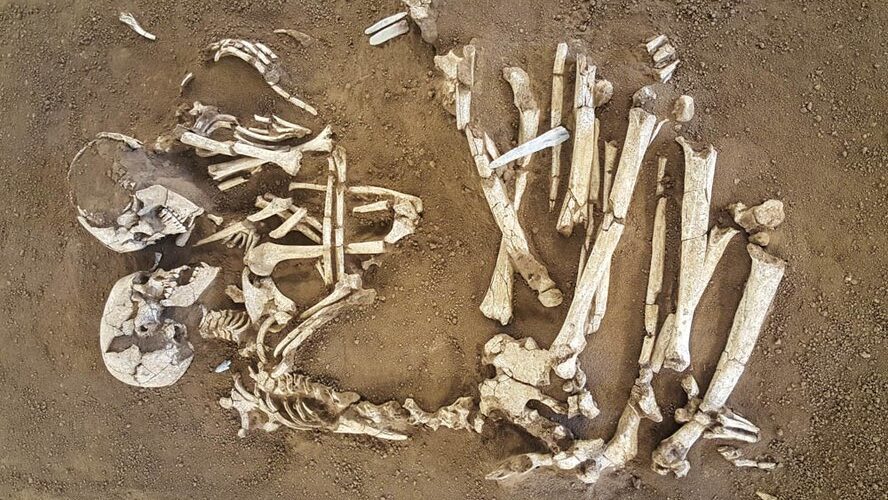
In 2007, archaeologists in Italy uncovered two Neolithic skeletons buried face to face with arms and legs intertwined, quickly dubbed the Lovers of Valdaro. Photographs went viral, and public imagination filled in the rest: a tragic romantic tale frozen in time. Detailed osteological study, however, revealed a less cinematic but more intriguing situation: no obvious fatal injuries, unclear biological sex for each individual at first, and no direct evidence for the nature of their relationship, whether lovers, siblings, or something culturally specific we do not have words for.
Similar double or multiple burials elsewhere, once assumed to represent straightforward stories – family groups, sacrificed attendants, or high‑status couples – have also started to look more complicated under closer scientific scrutiny. DNA analysis sometimes reveals unexpected kinship patterns, while isotope work can show that individuals buried together had very different geographic origins or diets. In other words, the more we probe these emotive graves, the more they resist being slotted into our favorite story shapes. Science is excellent at telling us who ate what and came from where; it is far less generous about explaining why two people ended up locked in an embrace for five thousand years.
#18 The Denisovans: A Whole Human Branch From a Pinky Bone
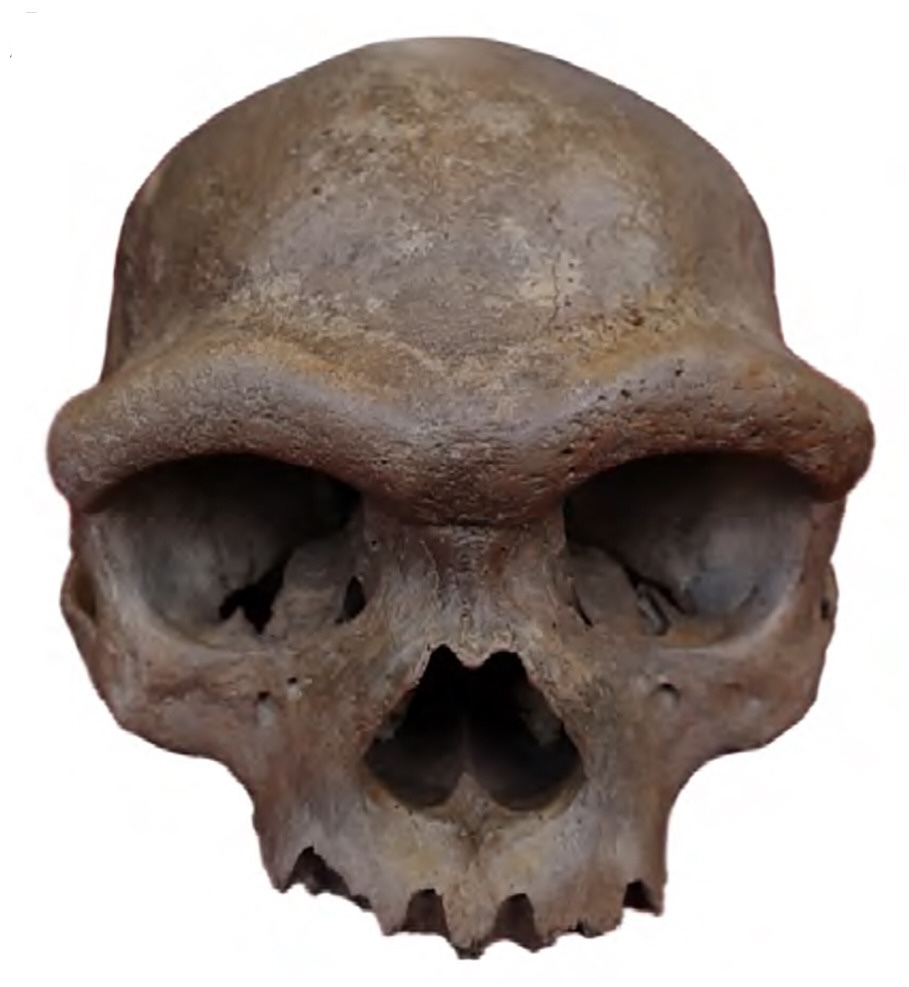
In a cave in Siberia, scientists found a tiny finger bone and a tooth that did not look particularly extraordinary. Ancient DNA extraction changed everything. Genetic sequencing showed that the remains belonged neither to modern humans nor to Neanderthals but to an unknown group now called Denisovans. From that moment on, our supposedly simple tree of human evolution began to look more like a tangled forest. Further genetic work found Denisovan DNA echoes in present‑day populations in parts of Asia and Oceania, implying ancient interbreeding events we had no prior record of.
Additional bone fragments and proteins have since confirmed that Denisovans were widespread and diverse, yet we still have only a handful of physical pieces and some stone tools that might be theirs. Advanced genomic analysis even suggests that different Denisovan populations may have been as distinct from one another as they were from Neanderthals. We now know that our species carries genetic traces from meetings with lost cousins whose faces we cannot reconstruct with confidence and whose cultures are almost invisible. In a way, science did what mythology always hinted at: it proved that we once shared the planet with other kinds of humans and that they are not entirely gone, because they live on quietly inside many of us.
Conclusion: When Answers Refuse to Behave
Looking across these eighteen cases, a pattern emerges that I find both humbling and oddly comforting: every time we point sharper tools at the past, we get fewer clean endings and more layered stories. Instead of the tidy reveal that popular documentaries like to promise, we get ancient cold cases that grow messier, cities that feel more foreign the more we map them, and human remains that tell us exactly how someone died but almost nothing about what they believed that death meant. The line between solved and unsolved turns out to be less a finish line and more a sliding scale of how honestly we are willing to live with uncertainty.
Personally, I think that is a good thing. A past that can be fully explained in bullet points is probably a past we have oversimplified to make ourselves feel smarter and more in control. These mysteries, sharpened rather than erased by science, remind us that people before us were just as complex, ingenious, scared, and contradictory as we are. The tools changed, the stakes did not. The real question is not whether we will finally “crack” every puzzle, but whether we can accept that some of the most honest answers are: we know more now, and it is even stranger than we thought. Which of these lingering questions would you secretly hate to see completely, neatly solved?