
You keep hearing that the natural world is collapsing in slow motion, as if every graph only ever points down. But when you look closely at what has happened in the last decade or so, you start to see something very different: wild comebacks so fast they almost look impossible on paper. Species that were written off are rebounding, rivers are reshaping themselves, forests are healing, and entire food webs are reorganizing in just a handful of years.
This does not mean everything is fine or that climate change magically disappears. It does mean you are living in a moment where, if you push in the right places, nature can respond far faster than most models predict. Below are fifteen cases where wildlife and ecosystems have bounced back with startling speed, often within a single human generation. As you read, picture how each one could be a template for the place you live.
1. Sea Turtles: From Empty Beaches To Record Nesting Seasons
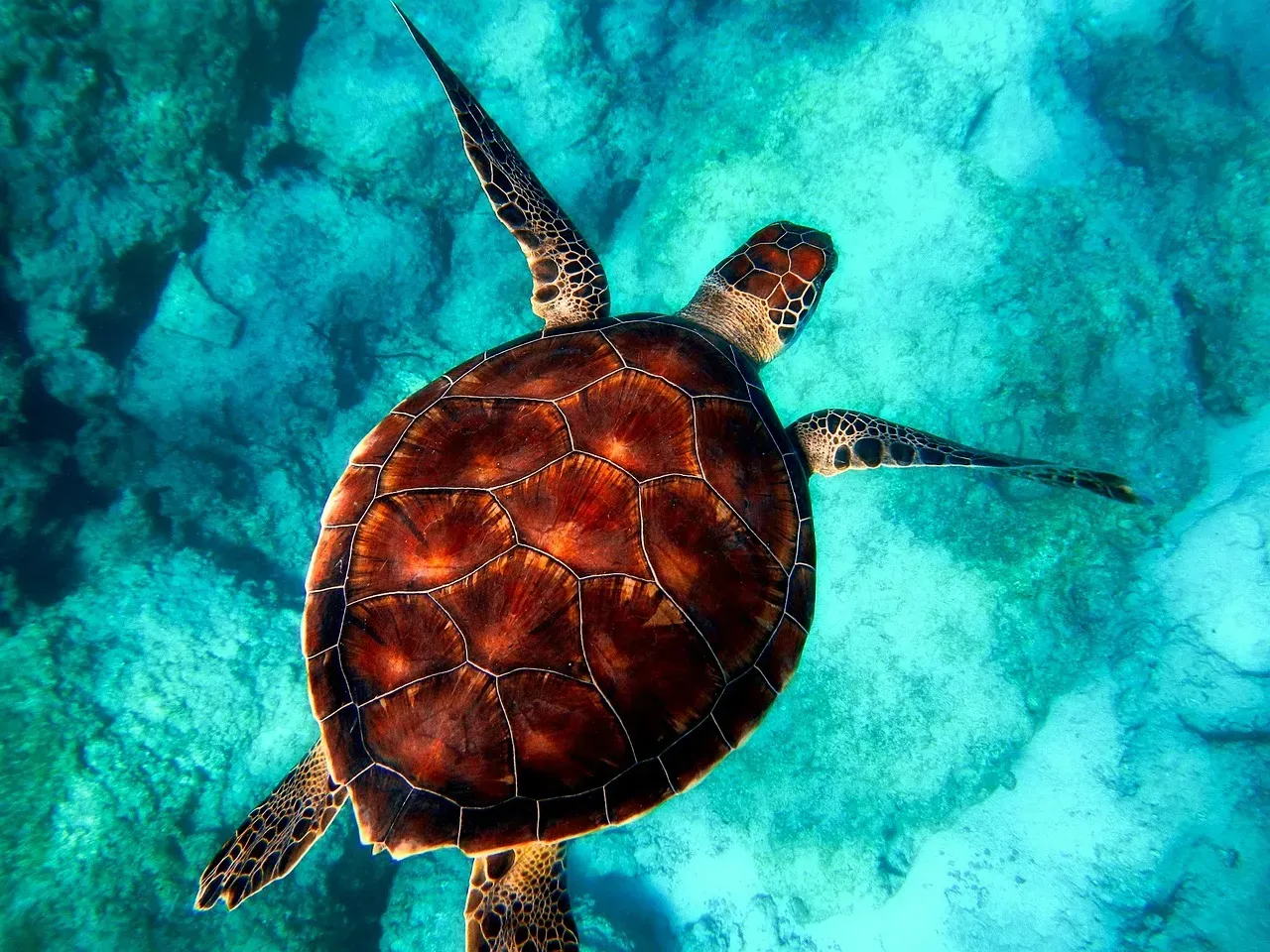
If you had walked many Caribbean or Gulf beaches in the late twentieth century, you would have seen more tire tracks than turtle tracks. Today, on some coasts, you are watching a different story unfold: dawn patrols stepping around stakes and ribbons that mark nest after nest. Long-term monitoring shows that in many regions, nesting numbers for sea turtles have been rising for decades, with some rookeries jumping from just a few dozen nests a season to thousands once hunting bans, nest protection, and bycatch rules kicked in robustly.
In Florida and across the wider Caribbean, green sea turtles in particular have turned into a real-world case study in rapid recovery when you protect both beaches and feeding grounds. Recent assessments find that many monitored populations worldwide are now increasing, and local programs are reporting their highest nest counts in over forty years of data. You are not looking at a slow, theoretical curve on a climate model here; you are seeing a living graph traced into the sand by flipper tracks every single night.
2. Washington’s Wolves: A Seventeenth-Percent Jump In A Single Year
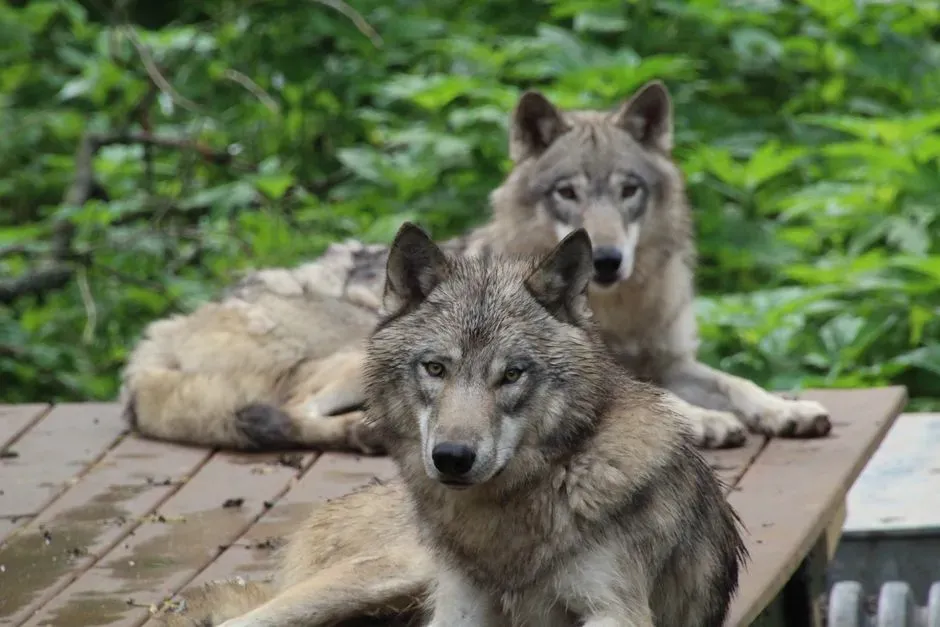
What makes this so striking is that it happened while wolves are still legally endangered at the state level and dealing with conflicts, poaching, and habitat change. Yet, as soon as you give them a bit of legal protection and breathing room, they recolonize old ranges far faster than most people expect. You are watching an apex predator knit itself back into an ecosystem in real time, and with it comes all the subtle changes to elk behavior, scavenger food supplies, and plant recovery that textbooks used to describe only in theory.
3. Yellowstone’s Trophic Cascade: Willow Forests Rebound Beyond Expectations
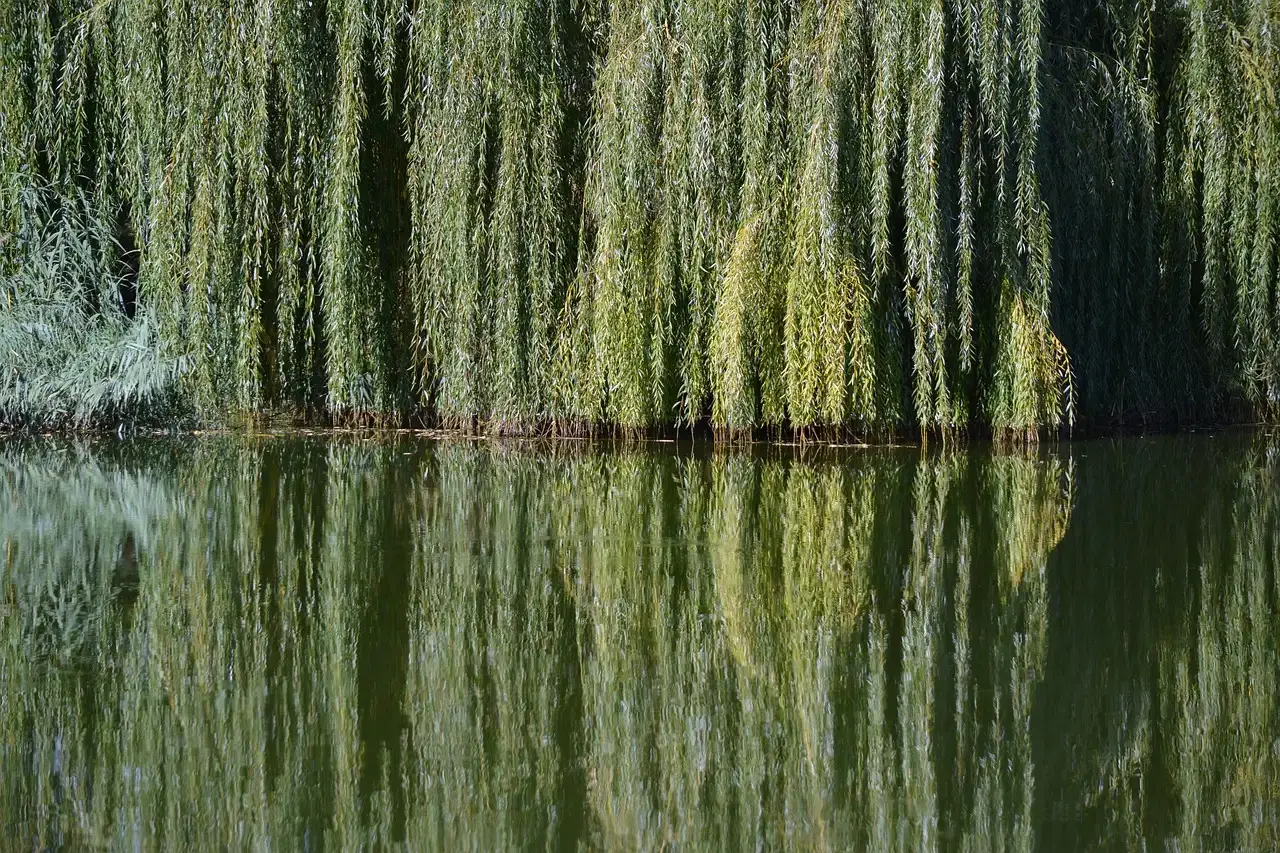
This happened because once wolves began keeping elk on the move, those elk stopped lounging in stream bottoms and eating every tender shoot to the ground. Willows got a window to grow taller, beavers returned to cut and flood them, birds found nesting sites, and the whole system began spiraling upward in complexity. You can hold this example in your mind any time someone claims that damaged ecosystems only move on century-long timescales; Yellowstone’s shrubs and wetlands responded within a couple of decades of predator return, faster than many climate projections ever assumed for vegetation change.
4. California’s Wolves: From Zero To Dozens Of Animals In About A Decade
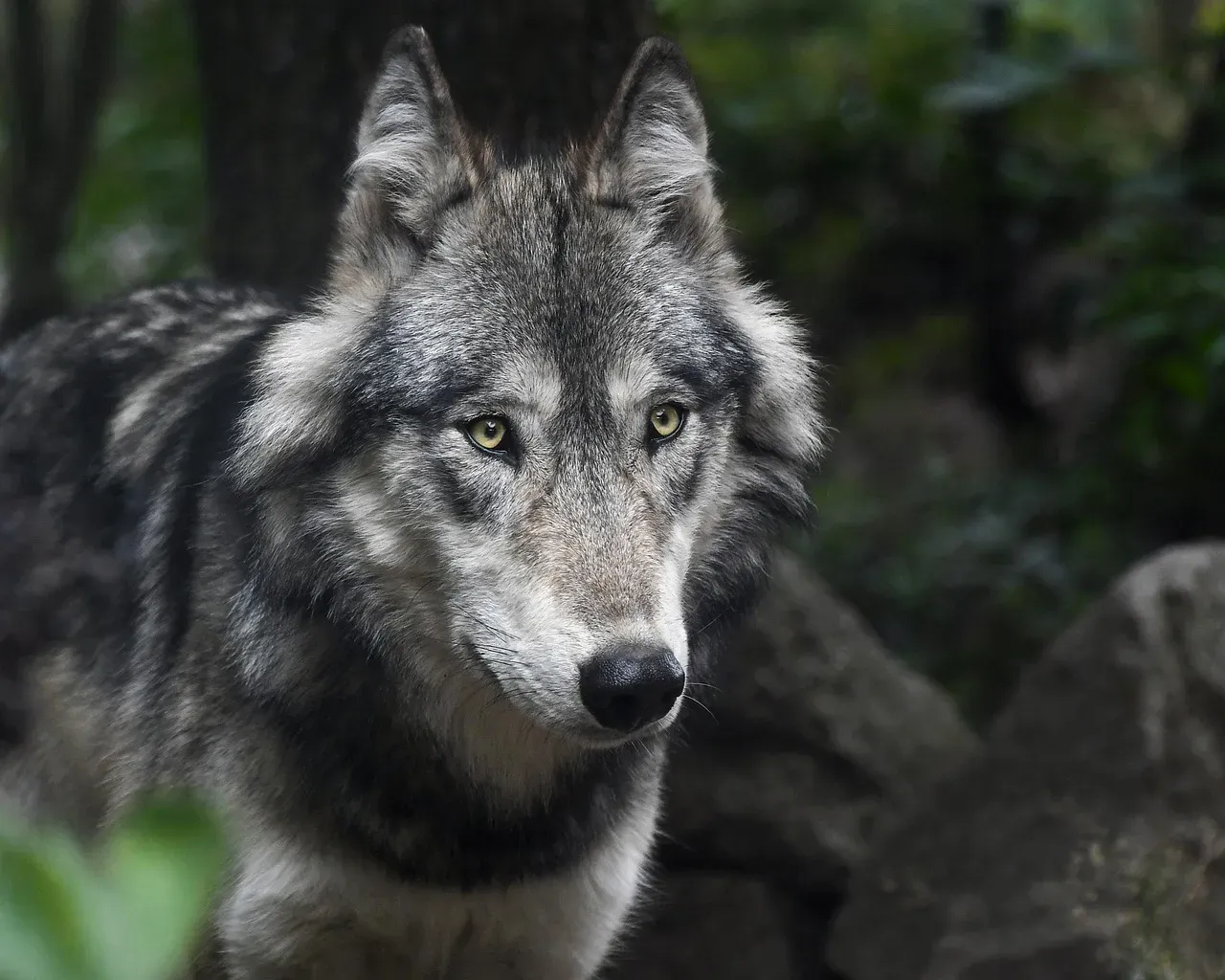
This is a rare chance for you to watch colonization and ecosystem adjustment unfold almost from year one. While the population is still small and fragile, its trajectory shows how quickly a large carnivore can reappear at landscape scale when migration corridors remain open and legal protections are enforced. From an ecosystem perspective, deer and elk herds that had no living memory of wolves are already adjusting their movements, and land managers are being forced to rethink grazing, hunting, and forest planning far sooner than anyone’s long-range scenario planning envisioned.
5. Mexican Gray Wolves: A Desert Predator Triples In A Few Years
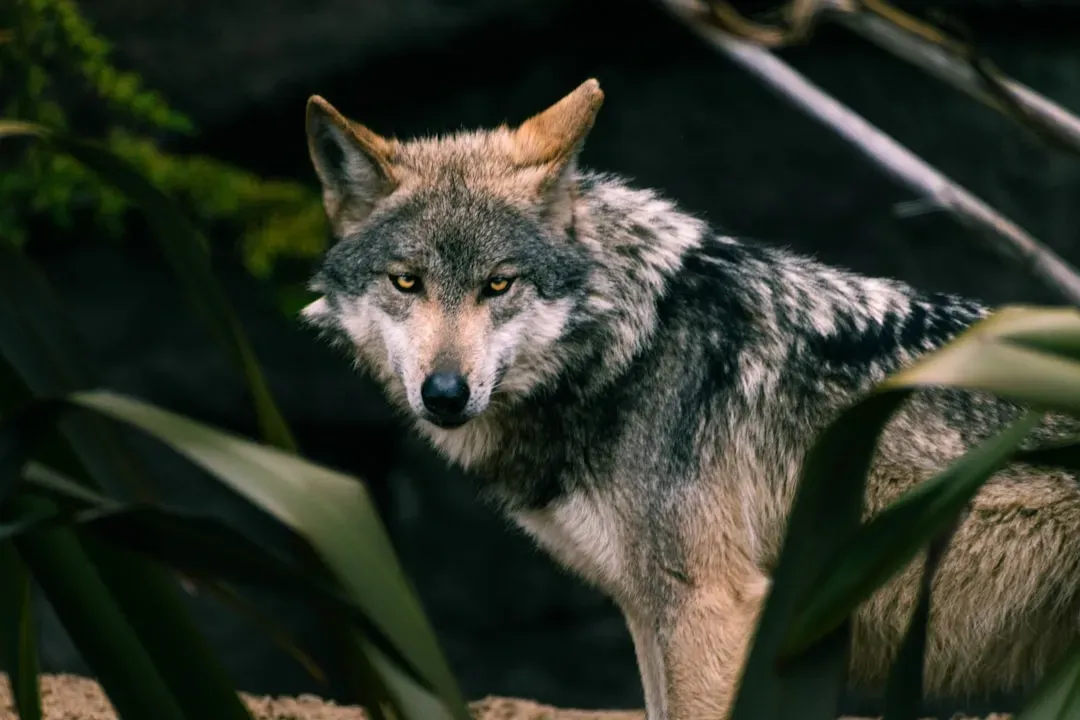
The speed of this recovery matters for you because it upends the idea that small, endangered populations are doomed to linger on the brink forever. With coordinated releases, strict protection from killing, and careful genetic management, the Mexican wolf has moved in a couple of decades from a symbol of near-extinction to a functioning, breeding predator shaping elk and deer herds. It shows you that even highly controversial carnivores can rebound at a pace that outstrips most cautious recovery timelines when you actually follow through on the plan.
6. Beavers In Europe: Wetlands Rebuilt Faster Than Policy Could Catch Up
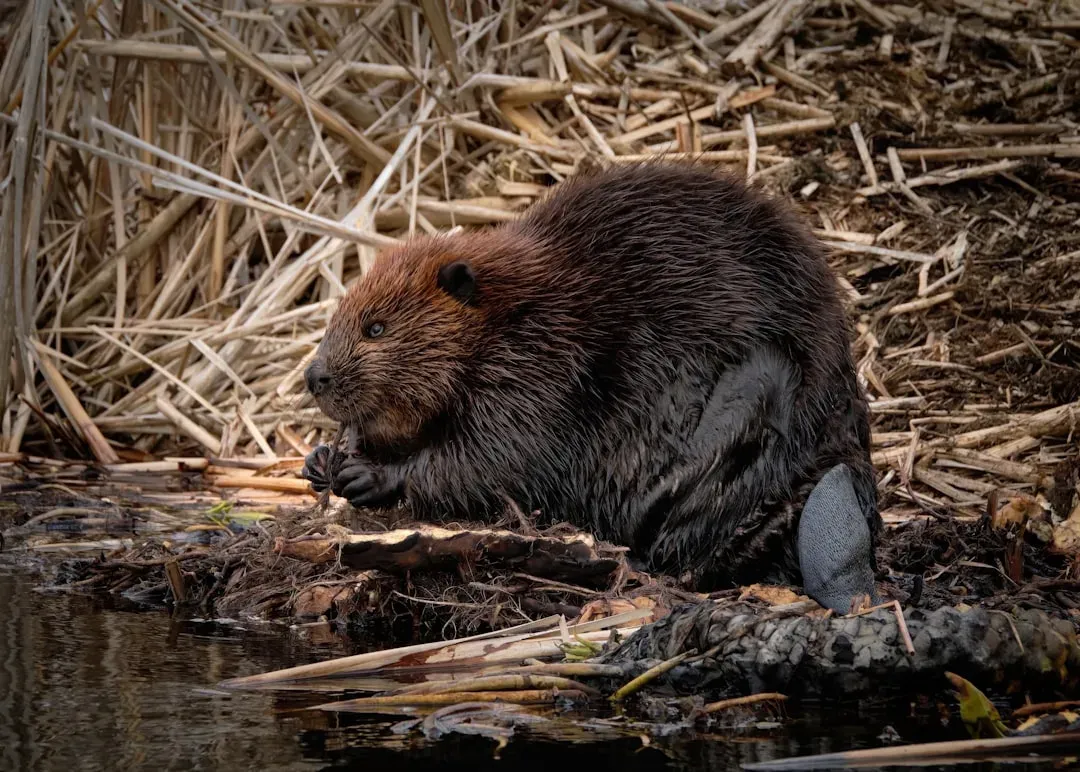
Recent studies from central European national parks and river systems show cascading benefits almost as soon as beavers arrive: more standing water, improved drought resilience, higher sediment storage, and jumps in species richness for fish, amphibians, and invertebrates. You can literally map the expansion of biodiversity outward from beaver-created wetlands as if throwing stones into a pond. What climate models often treat as slow hydrological responses are, on the ground, being rewritten in a single decade by these animals’ teeth and instincts.
7. River Otters In The UK: From Vanishing To Widespread In One Working Lifetime
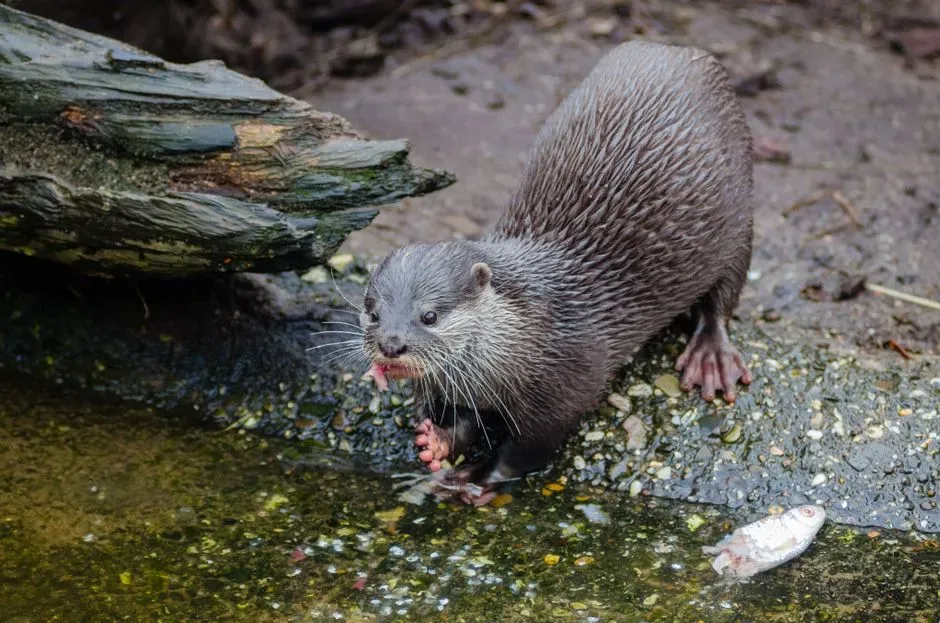
What is remarkable for you here is how closely the otter story tracks other environmental policies. When toxic chemicals were removed and pollution controls tightened, fish populations rebounded, and otters followed with surprising speed. Within the span of an average career, people who started out recording almost no signs are now struggling to keep up with the number of territories. It is a vivid reminder that when you reduce pressure on a system and restore its base – clean water and prey – top predators move back in faster than any regulatory report usually dares to promise.
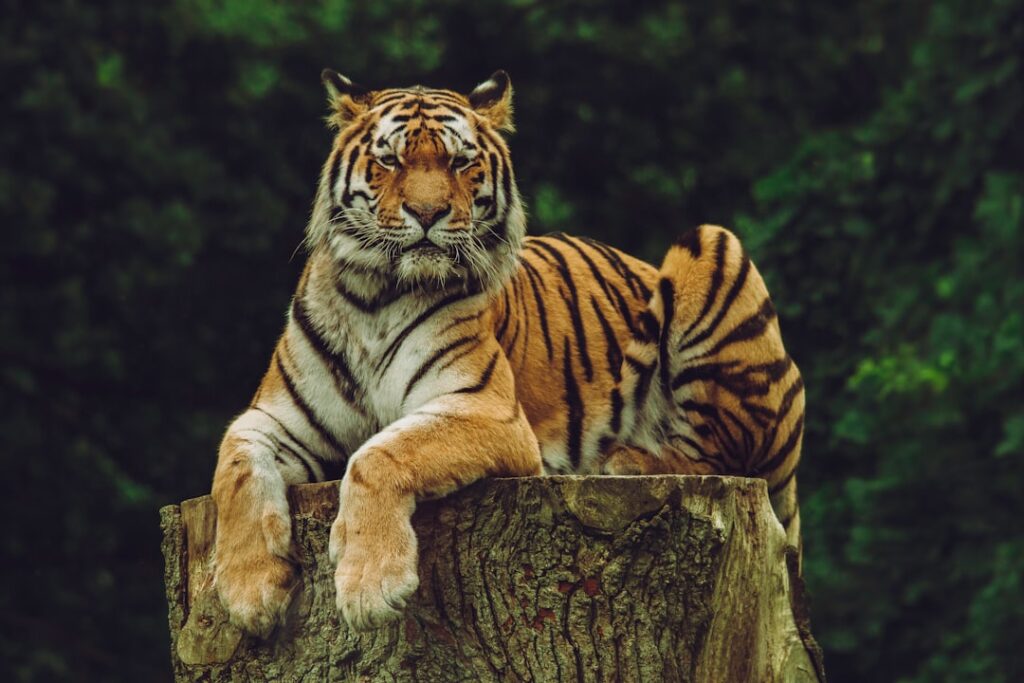
8. Tigers: A Global Icon Slowly Clawing Back Numbers
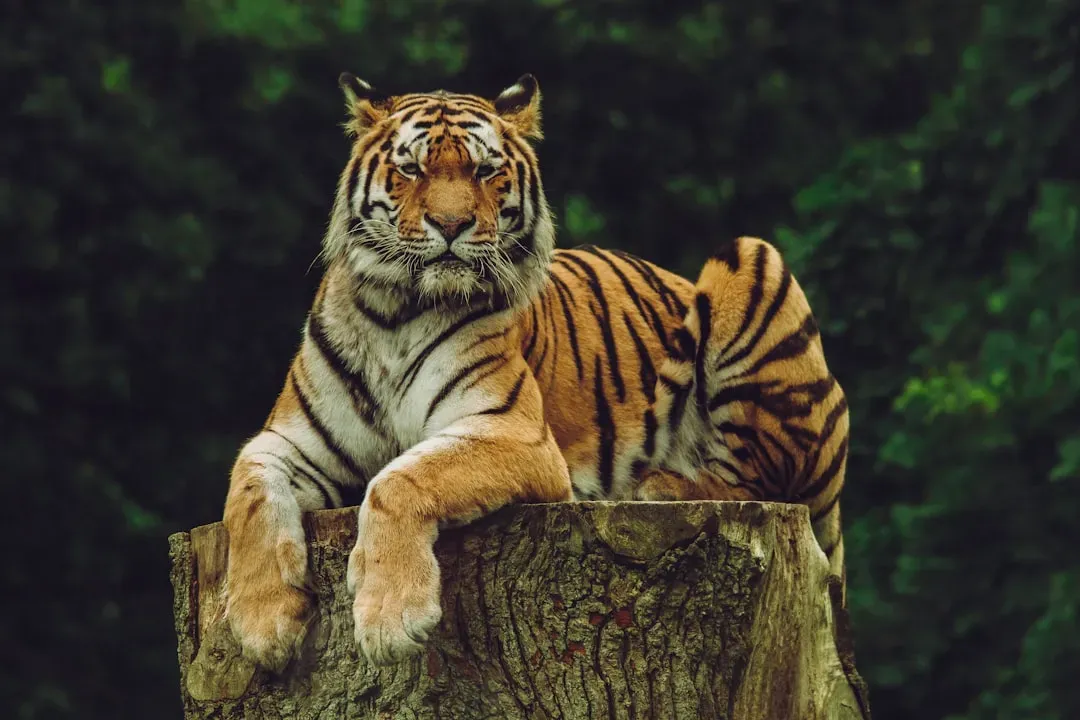
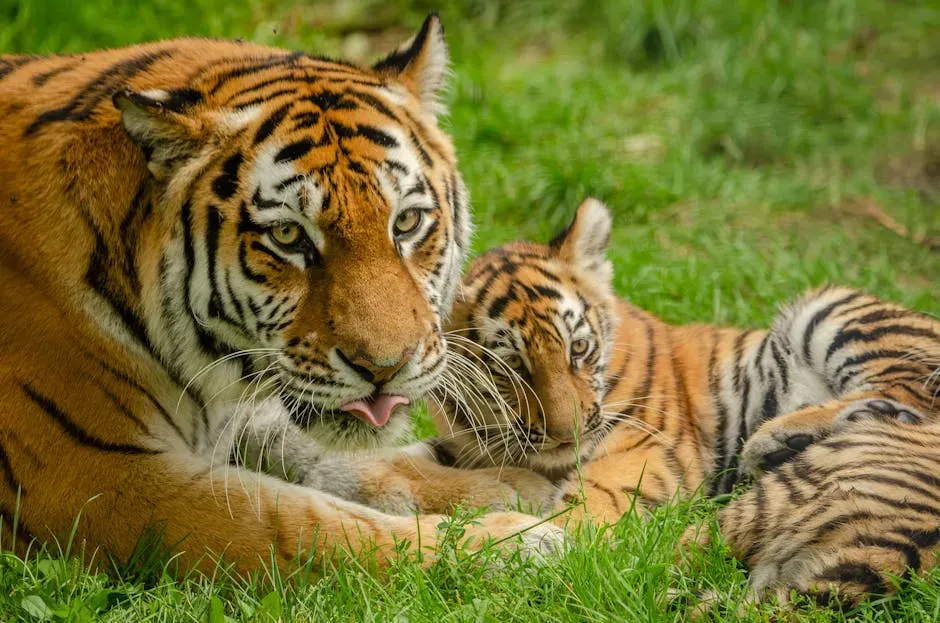
For you, this matters on two levels. First, it shows that even a wide-ranging, slow-breeding apex predator can gain ground on a timescale that policy makers can see within their own terms in office, not as a vague future reward. Second, tiger recovery has forced governments to protect whole forest blocks, which in turn locks in carbon, cools local climates, and shields rivers and villages from erosion and flooding. In other words, by saving one animal, you are rapidly reshaping entire climate buffers faster than most long-range land-use models assumed was politically possible.
9. Bison And Grassland Rewilding In North America
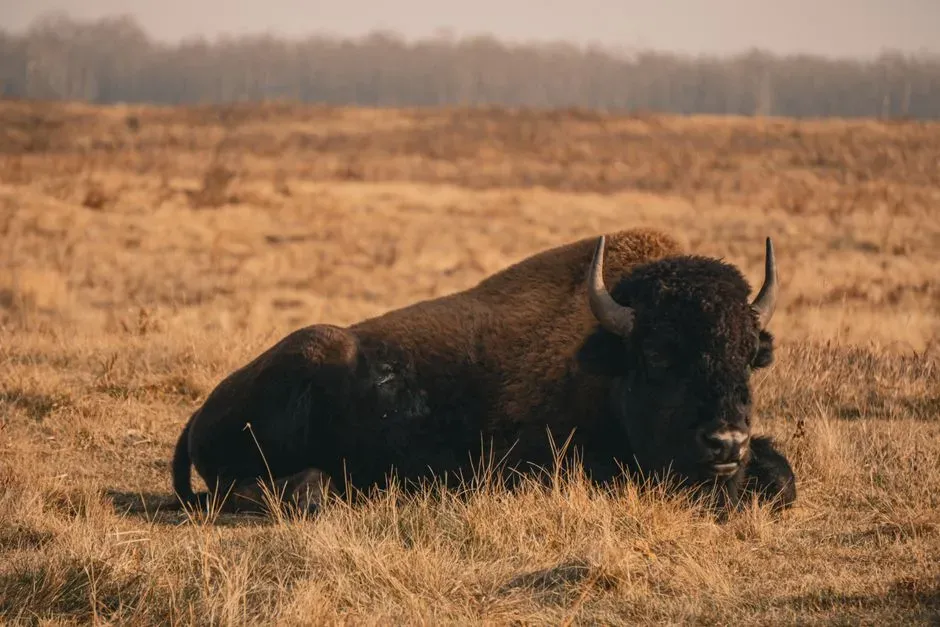
It is not just about numbers of animals; it is the speed at which the land responds. Wallows become micro-wetlands, dung feeds insects that feed birds, and patchy grazing creates a mosaic of habitats that no tractor or mower can copy. When you stand on one of these recovering prairies, you are watching carbon cycling, water infiltration, and biodiversity indices all swing upward together in a single decade, ripping through the assumption that grassland restoration must be painfully slow.
10. Urban Raptors: Peregrines, Ospreys, And Eagles Above Your Skyline
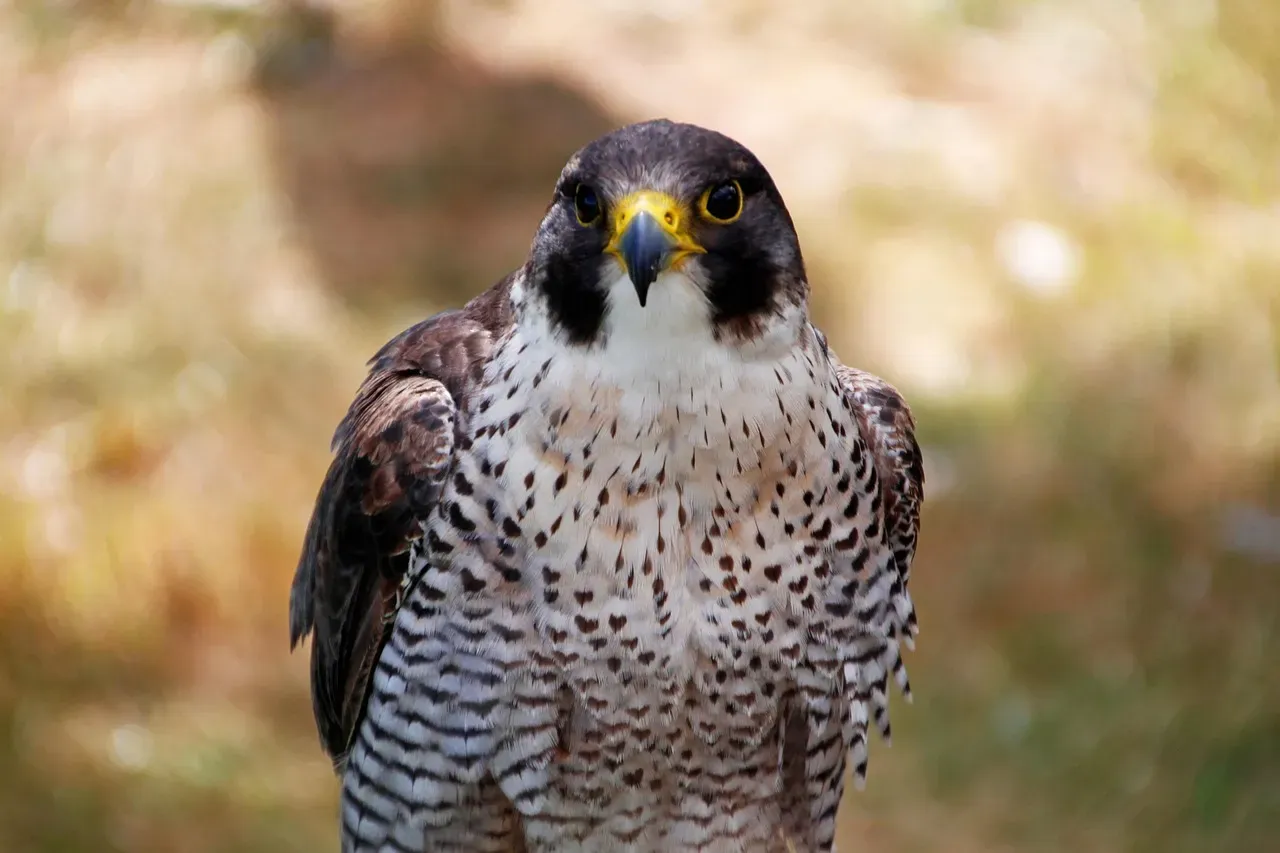
These birds remind you that recovery does not only happen in remote national parks. In just a few decades, but accelerating in the 2010s and 2020s, major cities that once considered these species vanished now host multiple breeding pairs. You can hear chicks calling from above freeways and see adults hunting over rivers threaded with office towers. It is a living rebuttal to the idea that modern human landscapes are automatically incompatible with top predators, and it has happened so fast that many city-dwellers barely realize they are sharing their commute with a conservation success story.
11. Humpback Whales: From Whaling Ruin To A Global Chorus
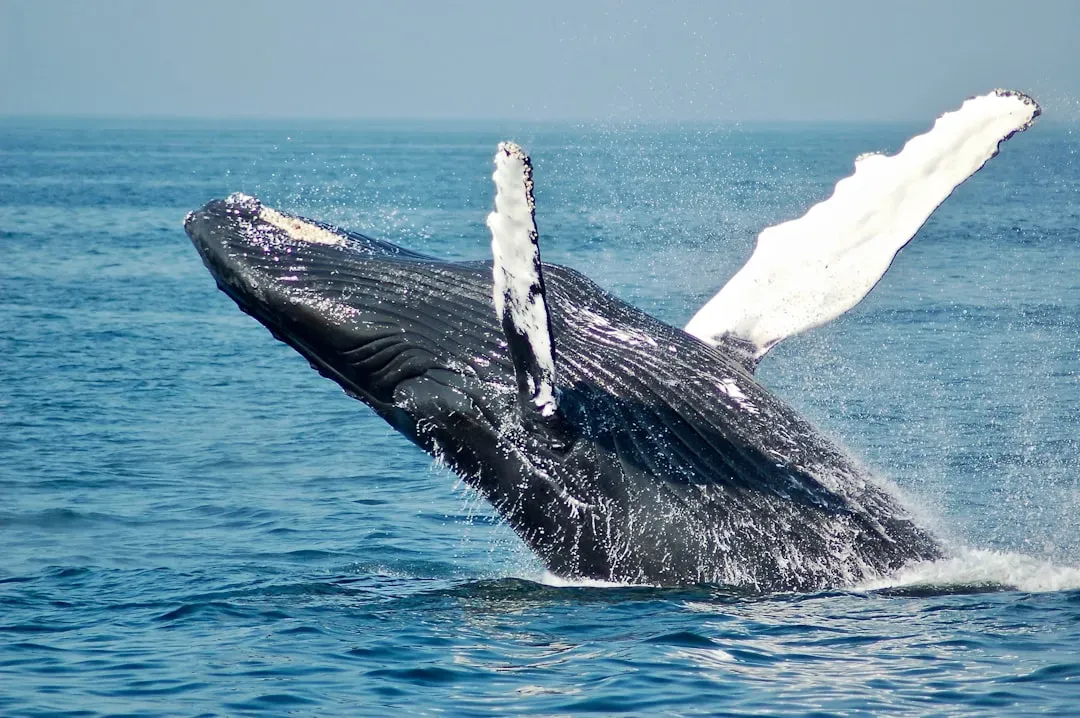
What is striking for you here is not just the scale of the rebound, but its speed once whaling stopped and key feeding and breeding areas were protected. Within a couple of human generations, ocean soundscapes that had been quiet became alive again with whale song. You are watching one of the largest animals on Earth defy the doom narrative and show that, given space and time, even heavily exploited marine giants can surpass recovery trajectories that older management models thought were optimistic.
12. Coral Reef Patches That Bounce Back After Protection
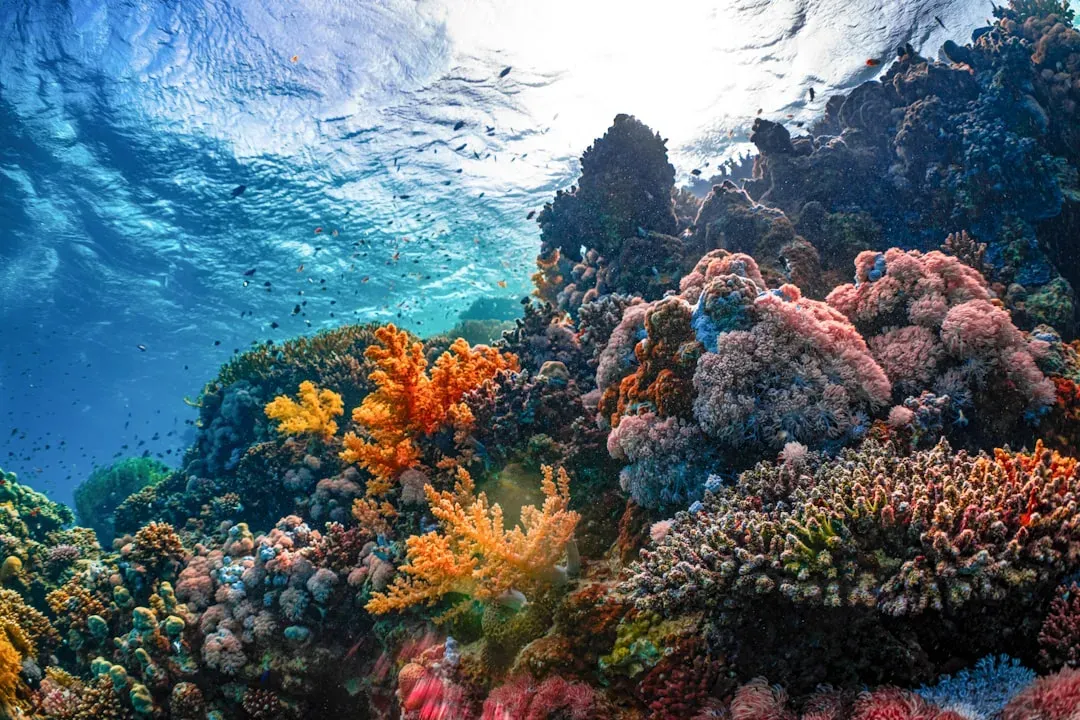
For you, these reef comebacks matter because they demonstrate that local action can buy time and resilience even in a warming ocean. No, marine reserves cannot stop heatwaves, but by reducing every other stressor, you allow corals to regrow, fish populations to boom, and herbivores to keep algae in check far more quickly than bare climate graphs suggest. When you snorkel those reefs, you are looking at an argument in favor of acting now rather than waiting for perfect global solutions later.
13. Wetland Birds Surging In Restored Marshes
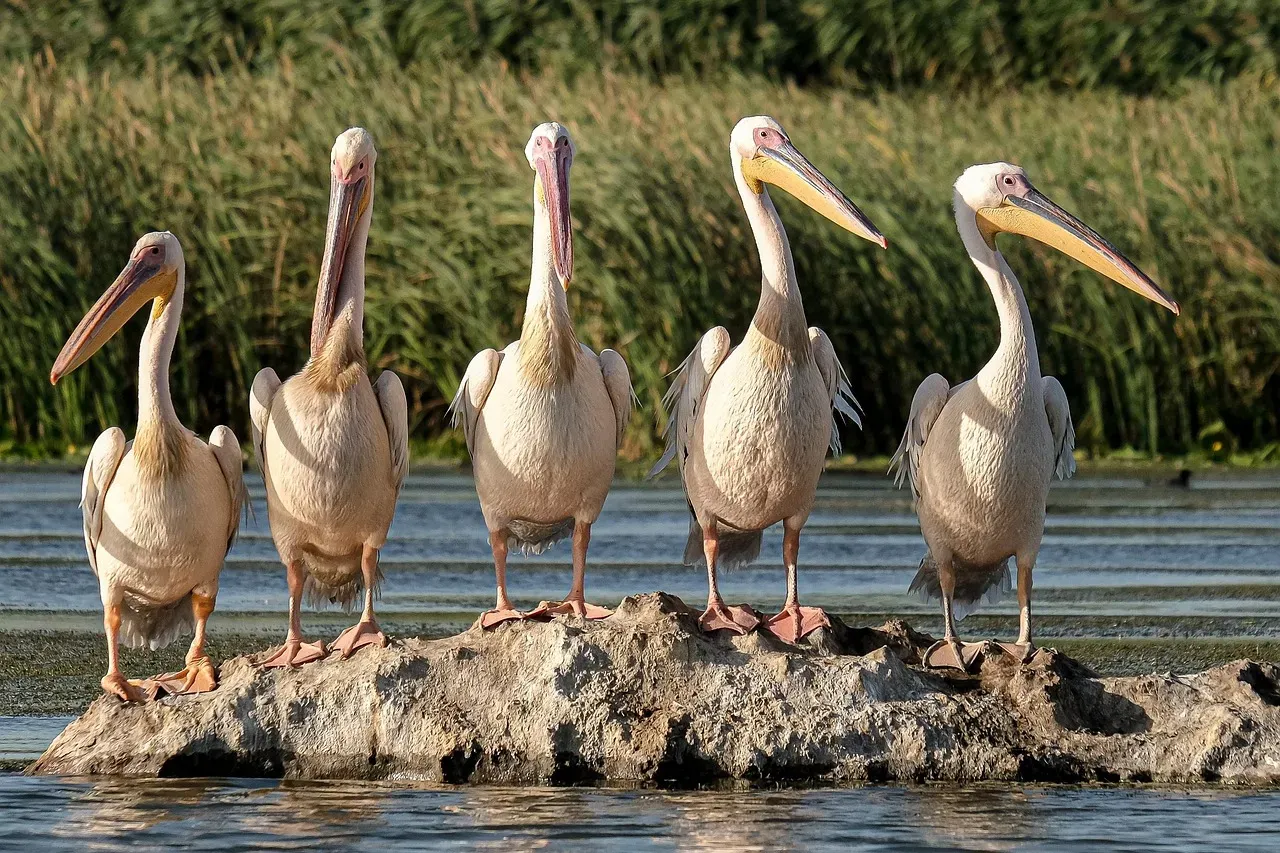
Because birds are mobile and respond quickly to new habitat, you can use them as a kind of emotional barometer for how fast recovery really is. The moment shallow pools and emergent vegetation reappear, ducks, herons, and shorebirds find them, and breeding colonies follow. For you, that means every acre of wetland you help restore today can start paying biodiversity and flood-mitigation dividends long before mid-century climate scenarios kick in. The feedback is quick enough to see in your own life, not just in your grandchildren’s.
14. Forest Regrowth In Abandoned Lands And Rewilded Estates
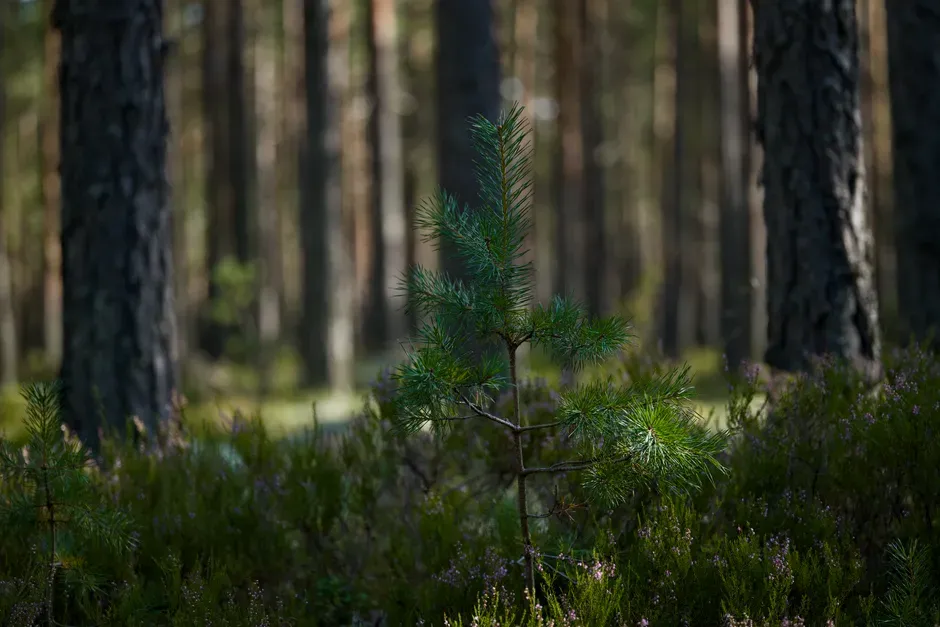
Modern rewilding projects, especially on large estates and public lands, show this acceleration clearly. As soon as you stop constant mowing and draining, seeds that have waited in the soil or arrived by wind get to work, and shrubs and pioneer trees race upward. Roe deer, boar, lynx, and other species follow the structural change, and you have a feedback loop where more shade, more leaf litter, and more deadwood build habitat and store carbon. For you, these landscapes are proof that forest recovery on meaningful scales does not have to be a multi-century dream.
15. Community-Led Coastal Protections Boosting Fisheries And Biodiversity
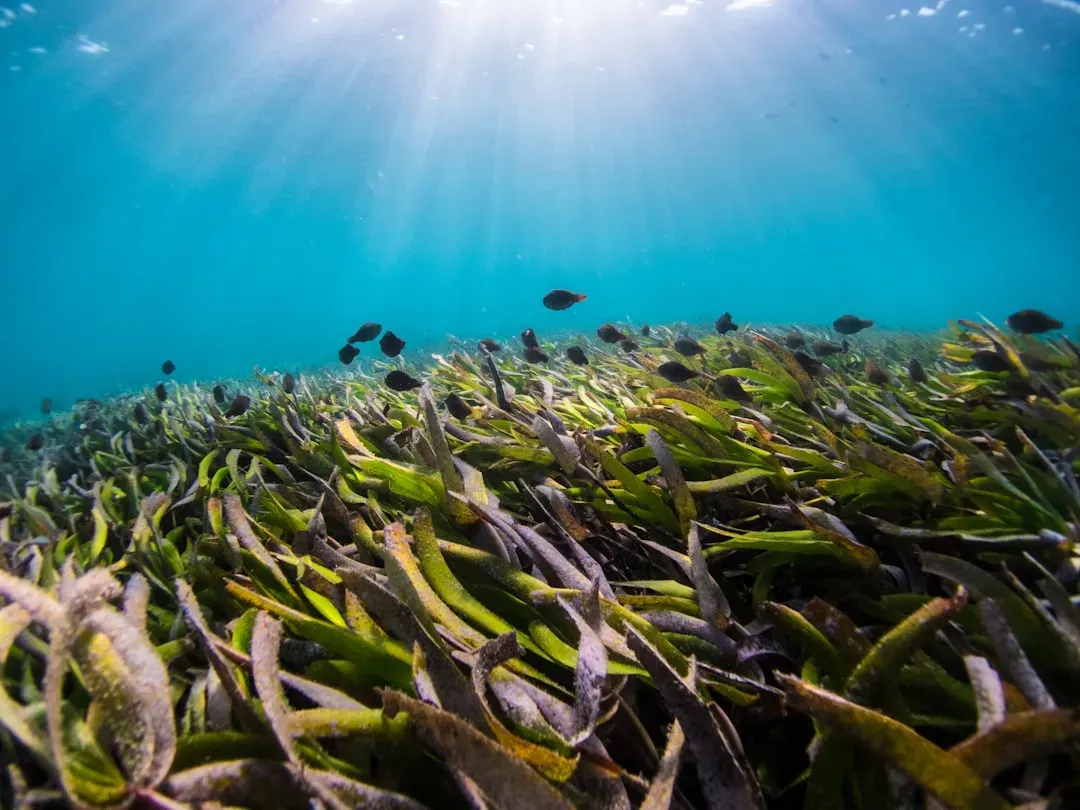
For you, this shows that you do not always need a top-down national park to trigger a rapid ecological course correction. When local people enforce gear restrictions, seasonal closures, and small protected pockets, the ecosystem responds on human timescales: more fish in nets, clearer water, and more wildlife in view. The same coastlines that seemed trapped in a downward spiral of overfishing and erosion suddenly become living counterexamples to the idea that environmental recovery is always slow and out of reach.
Conclusion: Fast Comebacks In A Fast-Warming World
The real message for you is not that nature will save itself, but that your actions can trigger surprisingly rapid, self-reinforcing recoveries. When you support habitat protection, respect seasonal closures, back rewilding projects, or just vote for policies that keep space open for wild things, you are nudging systems toward those positive tipping points. So the question is not whether ecosystems can reverse course quickly – they already are. The question is: which comeback do you want to help happen next where you live?