
Space is supposed to be ruled by clear physical laws, but some corners of the universe behave like they missed the memo. Telescopes have become sharper, computers faster, and our models more sophisticated, yet the cosmos keeps throwing curveballs that do not quite fit the standard script. These mysteries are not minor details either; a few of them challenge our understanding of gravity, matter, and even how the universe began and might end.
I still remember the first time I zoomed into a Hubble image of a galaxy cluster and realized how much of it was basically a question mark with stars wrapped around it. That feeling of “we really don’t know” is oddly addictive. Below are fifteen of the strangest celestial puzzles that, even in 2026, still have scientists arguing in conference halls, scribbling equations at 2 a.m., and sometimes admitting the three hardest words in science: we don’t know.
1. Fast Radio Bursts: Millisecond Signals From the Deep
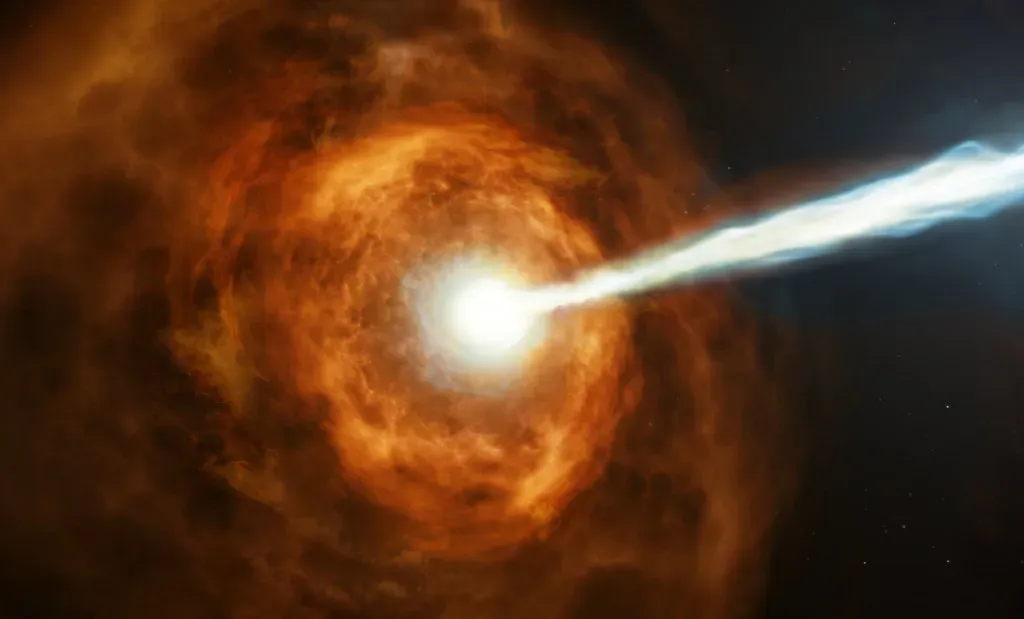
The first time astronomers noticed a fast radio burst (FRB), it looked like a glitch in the data: a millisecond flash of radio waves from far beyond our galaxy, impossibly bright and gone almost before it was detected. Since then, hundreds have been seen, some repeating in odd patterns, others flaring once and never again. The truly shocking part is the energy: in a thousandth of a second, a single FRB can release as much energy as our Sun does in days.
Leading suspects include magnetars (hyper-magnetized neutron stars), colliding stellar remnants, or even exotic plasma processes in the outskirts of galaxies, but none of these scenarios explain all the observations. Some FRBs seem to come from quiet regions where there’s no obvious cataclysm happening. Others show strange frequency drifts and polarization signatures, as if twisted by extreme magnetic mazes. We have better telescopes now and clever machine learning sifting through petabytes of data, yet there is still no single, clean explanation that fits every burst.
2. Dark Matter: The Invisible Mass Holding Galaxies Together
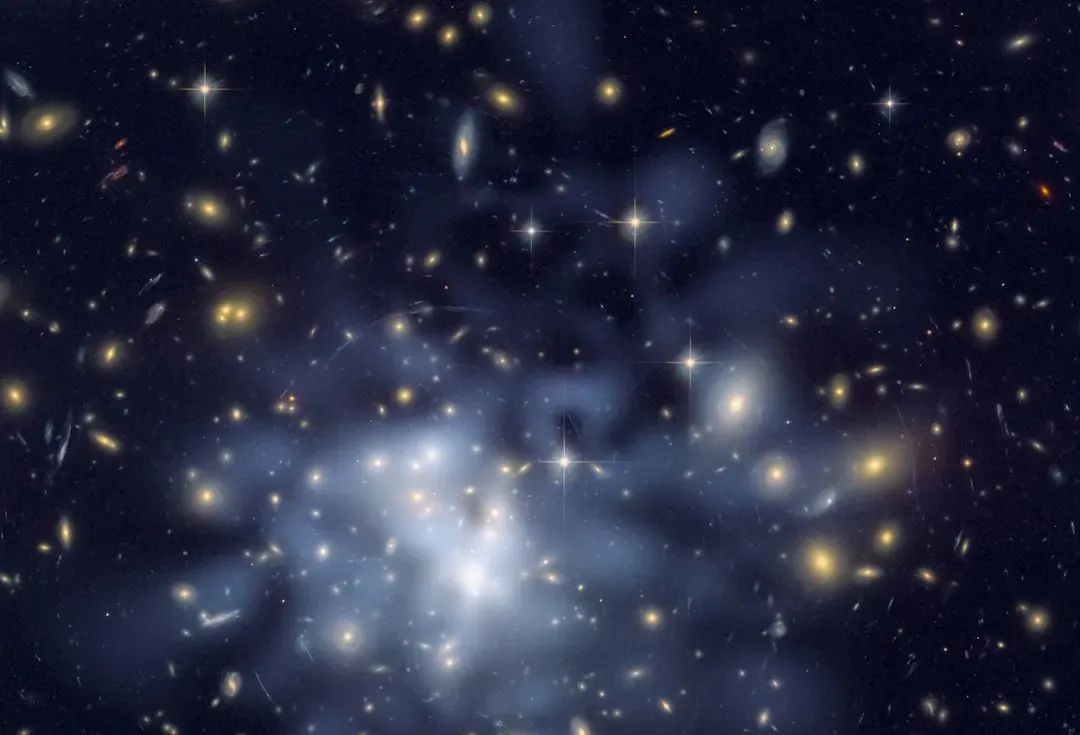
When astronomers measure how fast stars orbit inside galaxies, the speeds simply do not add up. The visible matter – stars, gas, dust – is not nearly enough to produce the gravity needed to hold everything together at those velocities. The simplest explanation is that most of the mass is invisible: dark matter, a mysterious substance that neither emits nor absorbs light but reveals itself through gravity. Roughly about four fifths of the total matter in the universe seems to be this unseen stuff.
The problem is that no one has ever directly detected a dark matter particle, despite decades of increasingly sensitive underground detectors and collider experiments. Some physicists argue we might be misunderstanding gravity itself on large scales, while others propose entire “dark sectors” with their own forces and particles. Meanwhile, gravitational lensing maps and galaxy surveys keep confirming that something unseen is there, sculpting cosmic structure like an invisible scaffold. We can see its fingerprints everywhere, but not the hand that makes them.
3. Dark Energy: The Force Driving Cosmic Acceleration
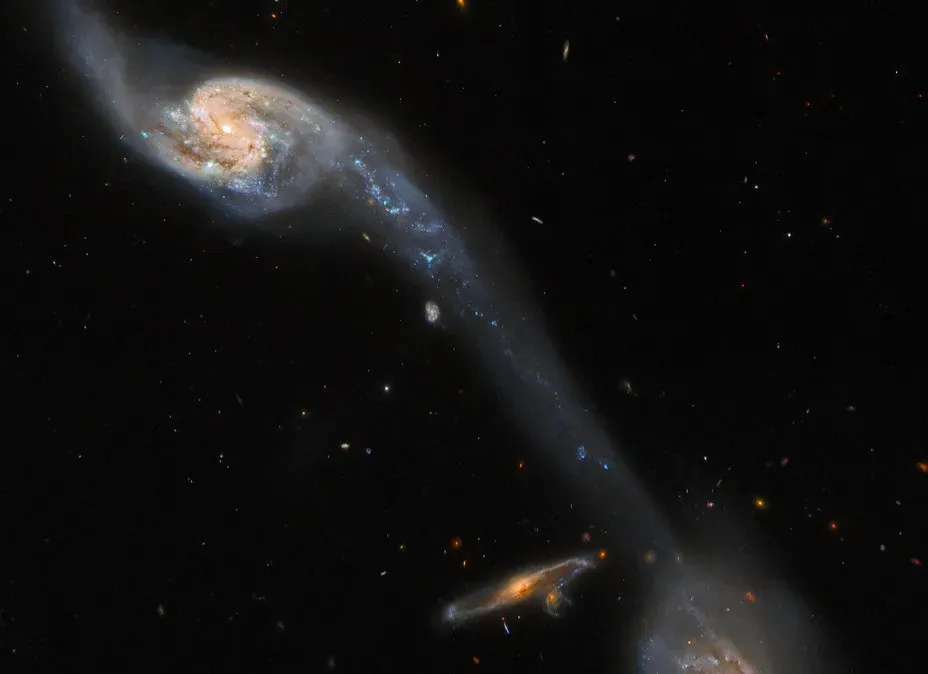
In the late nineteen nineties, careful observations of distant supernovae led to a shocking realization: the expansion of the universe is not slowing down under gravity, it’s speeding up. Some unknown component – named dark energy – seems to be pushing space itself apart. Measurements of the cosmic microwave background and large-scale structure now suggest that this dark energy accounts for roughly about two thirds of the total energy content of the universe.
What dark energy actually is remains one of the deepest unsolved questions in physics. It could be a property of space itself, often called vacuum energy, or a dynamic field that changes over time, which might someday fade or grow stronger. Even worse, theoretical predictions for vacuum energy from quantum physics overshoot the observed value by an absurd amount, sometimes described as the worst prediction in physics. We can measure its effect with increasing precision, but the nature of the engine driving the acceleration is almost completely unknown.
4. The Hubble Tension: Conflicting Measurements of the Universe’s Expansion
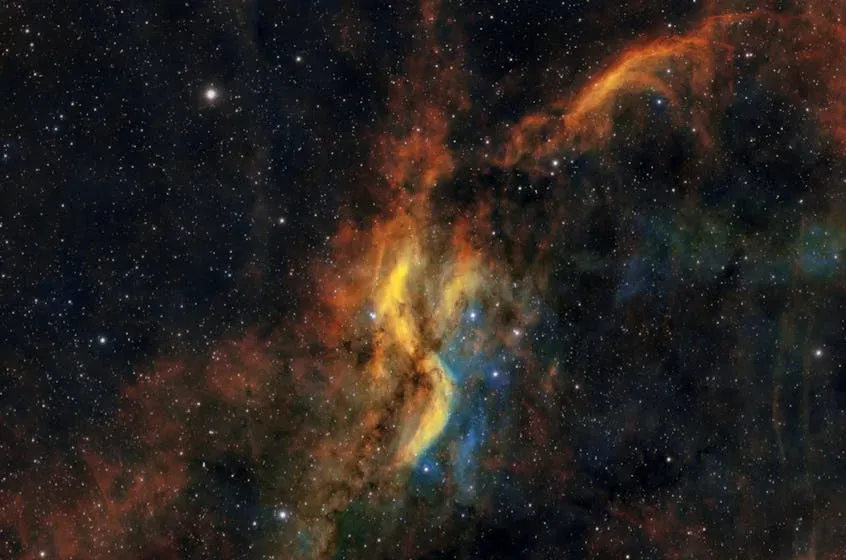
Ask two of the best methods in cosmology how fast the universe is expanding, and you get two different answers that stubbornly refuse to meet in the middle. One method uses nearby supernovae and variable stars to build a “cosmic distance ladder,” which gives a relatively high expansion rate. Another infers the rate from the relic glow of the Big Bang – the cosmic microwave background – combined with a well-tested cosmological model, and that gives a lower value.
The difference is not tiny measurement noise; by now, the gap has grown statistically significant, and new data through 2025 has not smoothed it out. This so-called Hubble tension might hint that our standard model of cosmology is incomplete, perhaps missing new types of particles, evolving dark energy, or subtle changes in gravity. It could also be some persistent, hidden systematic error in one (or both) methods, but many groups have independently checked and recalibrated their techniques. For now, we have two excellent rulers of the cosmos that do not quite agree on the length of the universe’s heartbeat.
5. The Pioneer Anomaly: A Fading Mystery With Lingering Questions
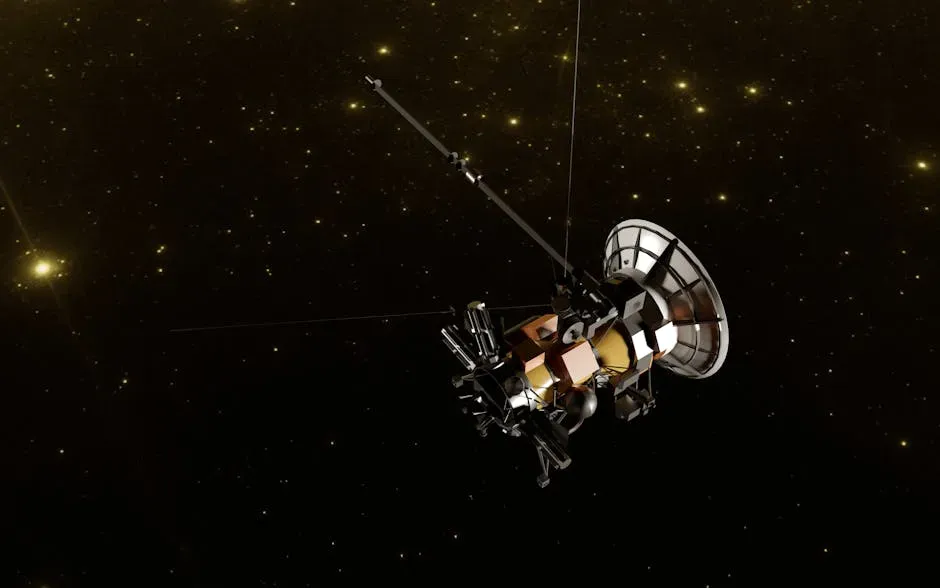
The Pioneer 10 and 11 spacecraft, launched in the early nineteen seventies, were among the first emissaries to the outer solar system. As they cruised into deep space, precise tracking showed a tiny but persistent deviation from their expected paths – a small sunward acceleration that did not fit the known forces. For years, this Pioneer anomaly sparked wild ideas, from modified gravity to unknown forces operating in the fringes of the solar system.
Later re-analysis of the spacecraft’s thermal behavior suggested that uneven heat radiation from their power systems could account for much of the effect, like a faint rocket push created by escaping warmth. That explanation has convinced many researchers, but some remain cautious because modeling decades-old hardware with patchy data is inherently messy. The anomaly has mostly faded from headlines, yet it highlights a broader unease: if a simple spacecraft trajectory can surprise us, how confident can we be when we extrapolate gravity over billions of light-years?
6. Tabby’s Star: The Bizarre Dimming of KIC 8462852
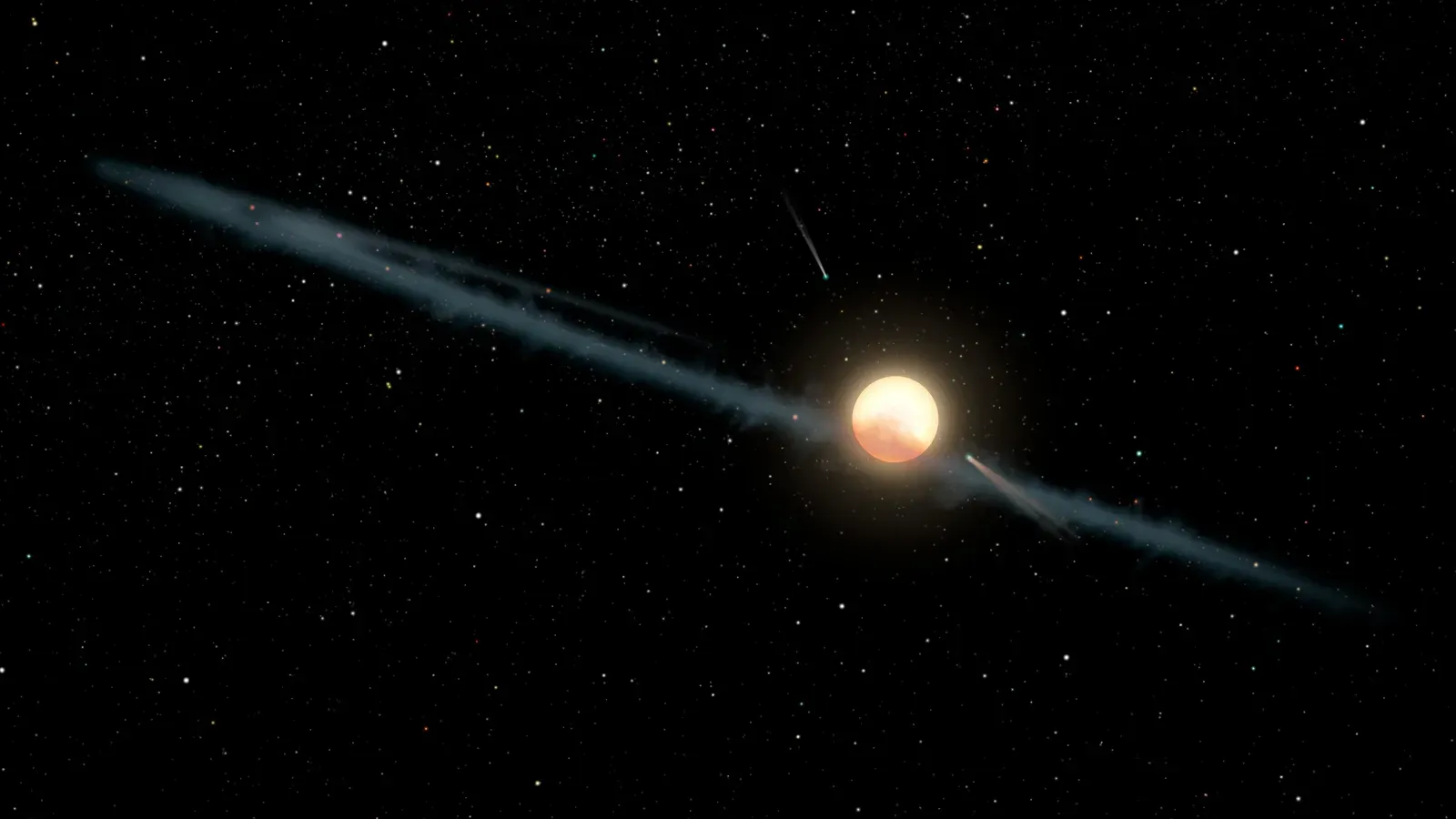
When astronomers looked at the brightness record of a star cataloged as KIC 8462852, now often called Tabby’s Star, they found something truly weird. Its light dips in seemingly random, asymmetric patterns, with some drops in brightness reaching more than one tenth, far larger and more irregular than typical exoplanet transits. On top of that, the star appears to have slowly dimmed over longer timescales, which is also unusual for a relatively normal F-type star.
Early on, people joked about alien megastructures, but more grounded explanations focus on complex clouds of dust, swarms of comets, or debris from a disrupted body orbiting the star. None of these hypotheses perfectly match all the data, especially the way the dimming is stronger at some wavelengths than others. Continued observations from space- and ground-based telescopes have ruled out the most dramatic ideas, yet the detailed physical story behind this erratic behavior remains unsettled. It is like watching a stage play where the curtains keep moving, but no one can agree on what is happening behind them.
7. Ultra-High-Energy Cosmic Rays: Particles Beyond Known Limits
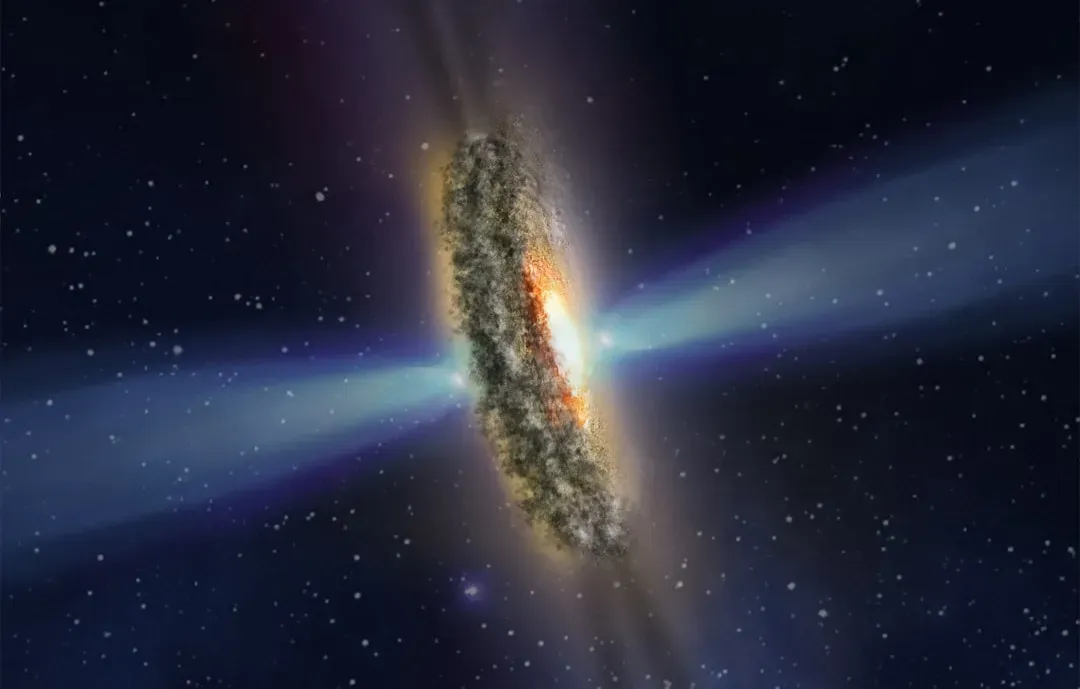
Every day, Earth is bombarded by cosmic rays, high-energy particles mostly made of protons and atomic nuclei. Most are relatively modest, but a rare few reach truly jaw-dropping energies, far higher than anything produced in human-made accelerators. These ultra-high-energy cosmic rays carry the punch of a thrown baseball packed into a single subatomic particle, slamming into our atmosphere and creating enormous air showers of secondary particles.
The catch is that at such extreme energies, these particles should lose energy quickly by interacting with the cosmic microwave background, meaning they can’t travel very far before being slowed. Yet detectors on Earth have recorded events whose energies and directions are hard to reconcile with known nearby sources. Massive black holes in active galaxies and powerful jets from distant quasars are prime suspects, but the details of how they accelerate particles so efficiently are murky. The universe seems to have an accelerator technology that still beats the best designs we have on paper.
8. The Wow! Signal and the Ongoing Radio Mystery
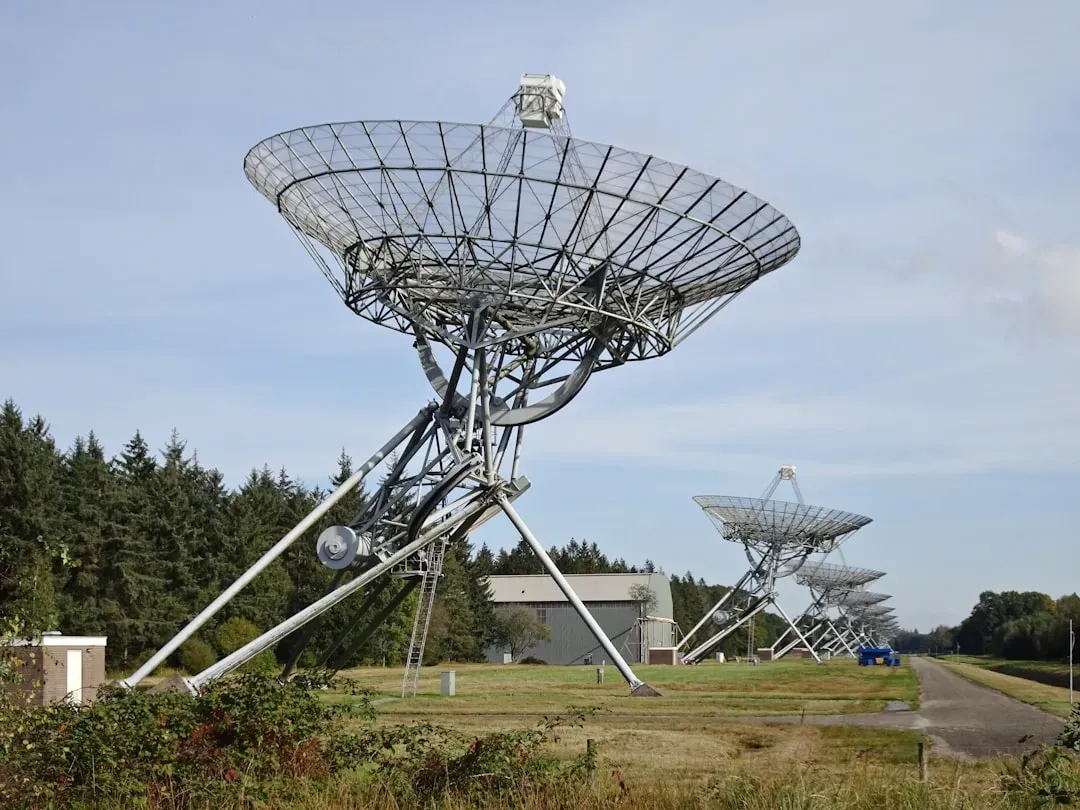
In the summer of 1977, a radio telescope in Ohio recorded a strong, narrowband signal from the direction of the constellation Sagittarius that looked uncannily like what researchers expected an artificial transmission might resemble. It lasted just over a minute and never reappeared, earning the nickname Wow! signal from a stunned note on the printout. Decades later, no fully convincing natural explanation has been settled on, and the exact source position is fairly broad, adding to the uncertainty.
Recent studies have suggested possible connections to passing comets or other mundane sources, but these ideas often struggle to reproduce all the signal’s characteristics. Meanwhile, ongoing searches for technosignatures have grown far more sophisticated, scanning billions of radio channels with sensitive arrays and powerful software. They have found plenty of interference and some intriguing candidates, but nothing as famous or puzzling as that single event. It remains a lonely data spike in a sea of static, a reminder that even one unexplained blip can shape decades of speculation.
9. Gamma-Ray Bursts: Cosmic Explosions With Hidden Engines
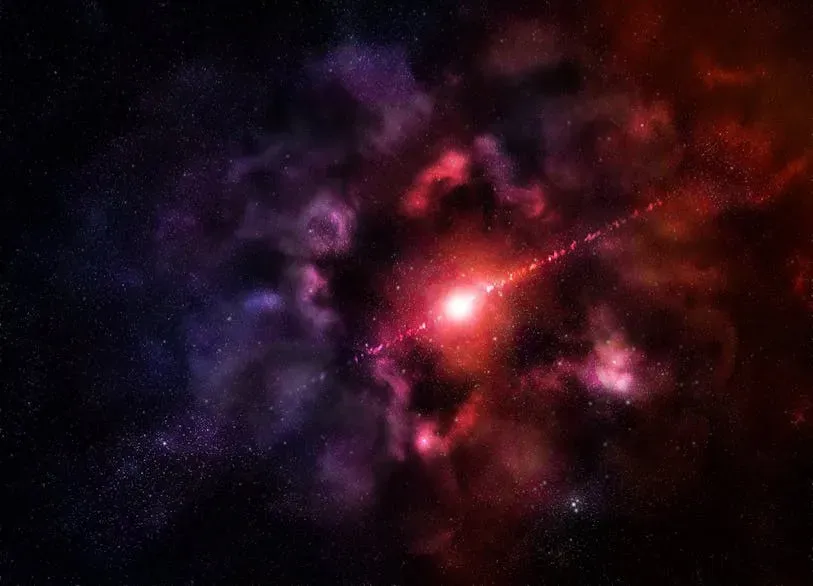
Gamma-ray bursts (GRBs) are among the most violent explosions in the universe, releasing in seconds as much energy as our Sun will emit over its entire lifetime. Satellites first detected them in the nineteen sixties and seventies, and for a long time no one knew whether they came from nearby or from the edge of the observable universe. We now think that many short GRBs come from merging neutron stars, while many long GRBs are tied to the collapse of massive stars into black holes, launching jets that we see when they are pointed toward us.
Even with that progress, the inner workings of these engines remain full of unanswered questions. How exactly do the jets get collimated so tightly, and how is their energy converted into the observed gamma rays with such efficiency? Some GRBs show strange afterglows and plateau phases that do not fit neatly into current models. There are also puzzling outliers, such as powerful bursts that last longer than expected for mergers or that appear oddly faint for their apparent energy. The broad picture is sketched in, but the fine details are still frustratingly blurry.
10. The Galactic Center: A Black Hole’s Strange Neighborhood
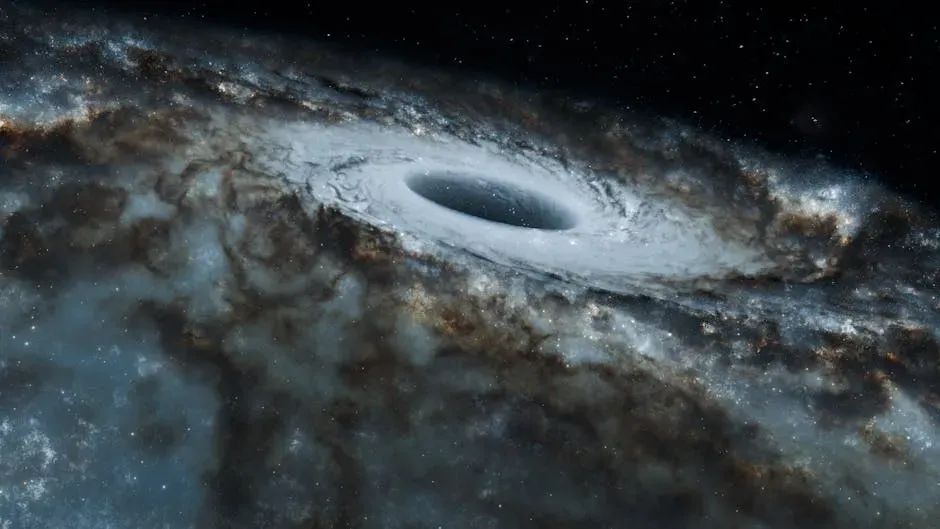
At the center of the Milky Way sits Sagittarius A*, a supermassive black hole with roughly about four million times the mass of the Sun. Stars whip around it at incredible speeds, and gas clouds are stretched and heated in its grip. Yet compared to the active hearts of many other galaxies, our central black hole is strangely quiet, producing only feeble outbursts and intermittent flares. This subdued behavior is not fully understood, given the amount of material that seems available to feed it.
On top of that, there are dusty objects orbiting close to the black hole that blur the line between star and gas cloud, and their origin is still debated. High-energy emissions, radio filaments, and bubbles of hot gas around the galactic center suggest a more violent past, with powerful eruptions that may have occurred within the last few million years. Recent imaging by the Event Horizon Telescope has provided the first direct view of the environment just outside the event horizon, but turning those stunning pictures into a complete physical story is ongoing work. The core of our own galaxy is like a crime scene where the main suspect is present, but the timeline and motives are still under investigation.
11. Rogue Planets and Orphan Worlds Drifting in the Dark
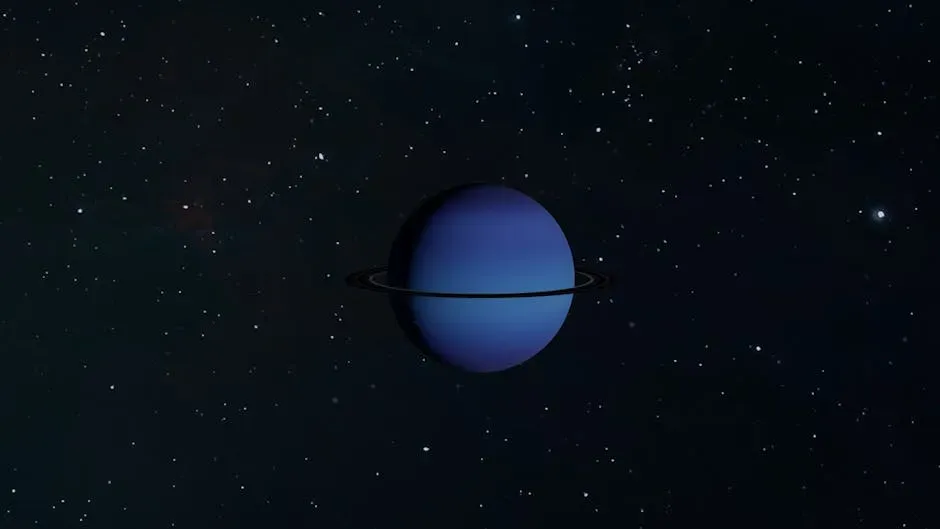
Not all planets neatly orbit a star; surveys have found evidence for rogue planets wandering through interstellar space, unbound to any sun. Some appear to be roughly the size of Jupiter, while others might be smaller, frozen worlds drifting in near-total darkness. They are hard to spot, often revealed only when they briefly pass in front of a distant star and bend its light through gravitational microlensing.
How so many of these orphans came to be is still an open question. Some may have formed in planetary systems and been flung out through gravitational interactions, while others might have formed more like small stars that never quite ignited. Estimates suggest there could be as many rogue planets as there are stars, or even more, turning the galaxy into a minefield of unseen worlds. The idea that countless lonely planets roam the void, possibly with subsurface oceans heated from within, stretches our imagination about where life could try to survive.
12. The Axis of Evil and Odd Patterns in the Cosmic Microwave Background
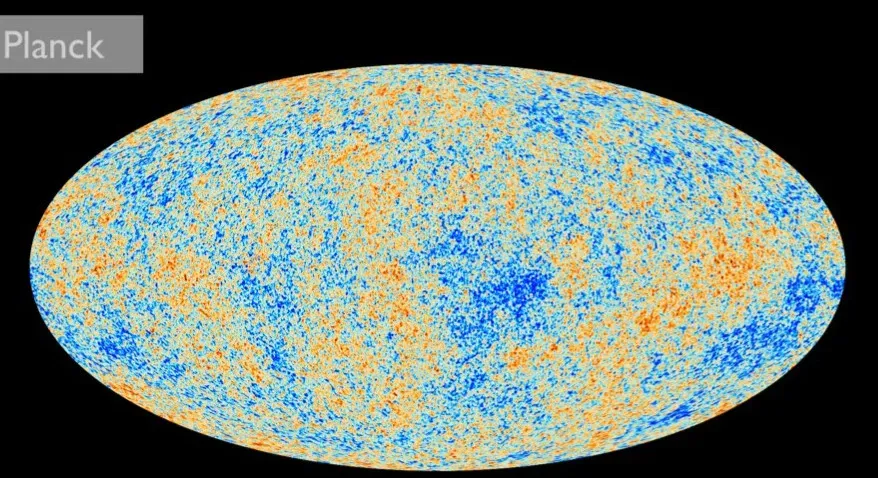
The cosmic microwave background (CMB) is the afterglow of the Big Bang, a nearly uniform sea of microwave radiation bathing the universe. Small temperature fluctuations in the CMB provide a treasure trove of information about the early universe and match our standard cosmological model remarkably well. But on the largest scales, some peculiar alignments and asymmetries have been noticed, including a pattern jokingly dubbed the axis of evil because it seems oddly aligned with our solar system’s orientation.
These features could be nothing more than statistical flukes or subtle contamination from our own galaxy, but they have stubbornly lingered through different experiments and data analyses. If they are real cosmic features, they might hint at exotic physics in the early universe or large-scale structures beyond what we can currently observe. Cosmologists are cautious, aware that humans are excellent at spotting patterns even in random noise. Yet the fact that these anomalies keep showing up in refined data sets makes them hard to dismiss entirely.
13. Repeating Novae and Strange Stellar Eruptions
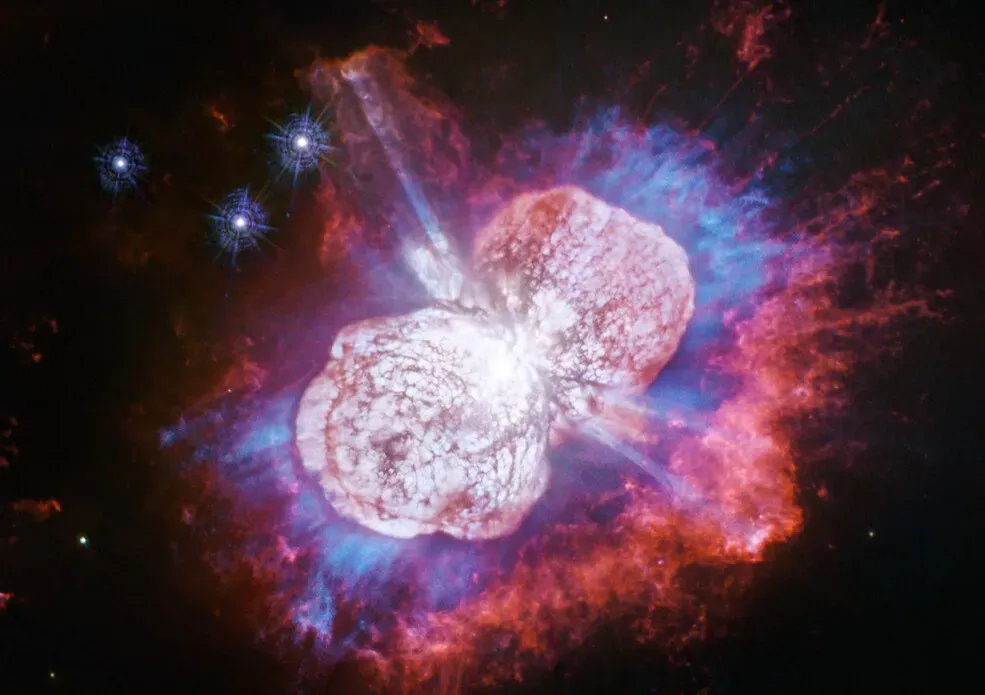
Classical novae happen when a white dwarf in a binary star system steals enough material from its companion to trigger a thermonuclear explosion on its surface, briefly brightening the system dramatically. Some systems have been seen to erupt multiple times, which is expected if the white dwarf survives and keeps accreting matter. However, more recent observations have revealed peculiar types of repeating novae and related transients whose brightness and timing do not follow the standard textbook scenarios.
In some cases, the eruptions are too frequent or too energetic for current models of how fast material can build up on the white dwarf’s surface. There are also luminous red novae and other eruptive events that sit awkwardly between known categories, hinting at unusual types of stellar mergers or envelope ejections. Astronomers now have powerful survey telescopes scanning the sky night after night, turning up more of these oddballs than theory can comfortably absorb. Each new light curve that refuses to fit the expected pattern forces a rethink of how stars live, interact, and die.
14. The Missing Satellites and Too-Big-To-Fail Problems
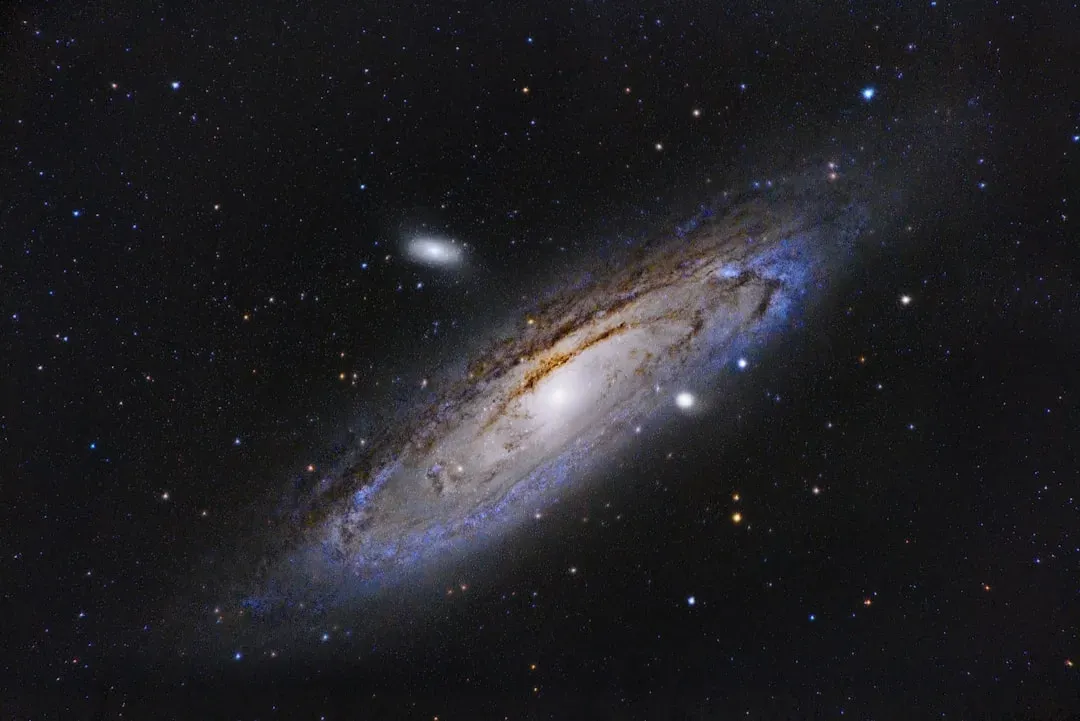
Computer simulations of galaxy formation in a universe filled with dark matter predict that a Milky Way–sized galaxy should be surrounded by a large swarm of small satellite galaxies. Observations for years found far fewer of these satellites than simulations suggested, leading to the so-called missing satellites problem. More sensitive surveys have since uncovered many ultra-faint dwarf galaxies, easing the tension but not completely erasing it.
A related puzzle, called too big to fail, points out that the most massive predicted dark matter clumps around a galaxy like ours should host visible dwarf galaxies, yet some appear dark or underpopulated. This raises questions about how star formation is shut down in small galaxies, and whether our understanding of dark matter’s behavior on small scales is incomplete. Proposed solutions range from feedback from supernovae blowing gas out of tiny galaxies to alternative dark matter models that behave more softly. The outer suburbs of galaxies, once considered a minor detail, have become crucial testing grounds for the nature of the invisible majority of matter.
15. FRB-Like Signals in Our Own Galaxy and Magnetar Mysteries
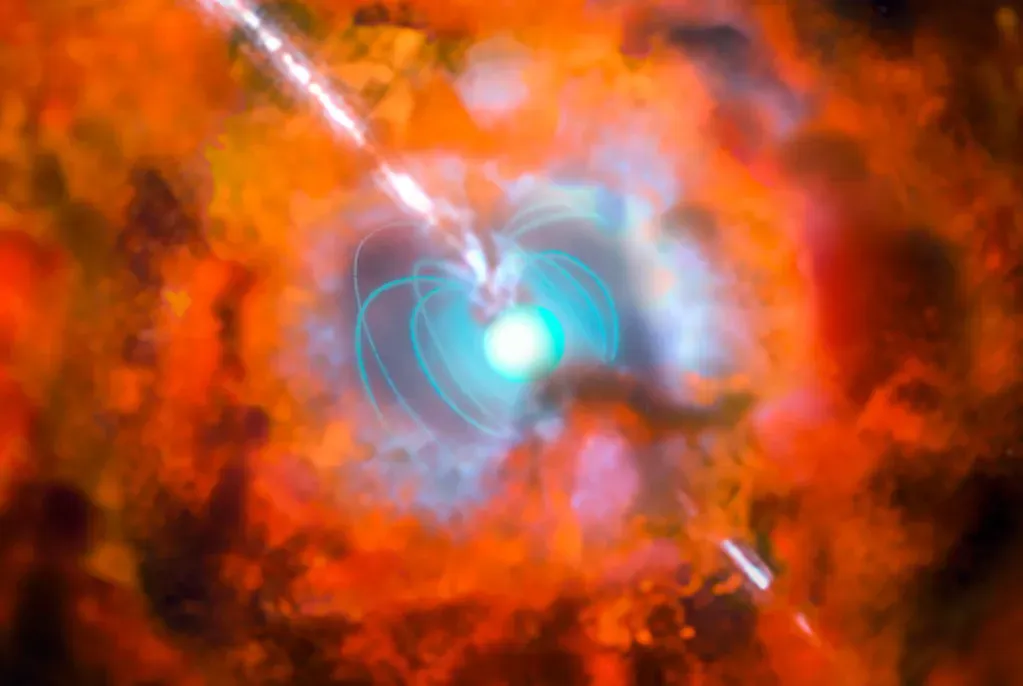
For a long time, fast radio bursts were thought to be purely extragalactic, coming from billions of light-years away. Then, in 2020, a powerful radio burst was traced to a magnetar within our own Milky Way, offering the first clear link between at least some FRBs and these ultra-magnetized neutron stars. This was a major clue, suggesting that magnetar flares might be the culprits, at least for one subset of bursts.
However, that Milky Way event was still weaker than many extragalactic FRBs, and its detailed properties do not neatly mirror all known bursts. Some repeating FRBs show extremely regular or complex activity cycles, which are hard to map onto simple magnetar flare models. Magnetars themselves are still not fully understood; their magnetic fields, crustal stresses, and internal composition may host physics beyond standard neutron star theory. The fact that similar-looking signals can be produced both nearby and across cosmic gulfs shows how the same mystery can appear at wildly different scales.
Conclusion: A Universe That Refuses to Be Fully Explained

These fifteen mysteries are not just oddities tucked away in footnotes; they poke directly at the foundations of how we think the universe works. Invisible matter and energy, conflicting measurements of cosmic expansion, bizarre outbursts of radiation, and planets drifting alone in the dark all tell us that the neat diagrams in textbooks are only an outline. Each new telescope and survey fills in more details, but also exposes cracks where reality does not quite match our expectations.
There is something strangely comforting in knowing that, even with all our progress, the night sky is still full of unanswered questions. It means there is room for the next generation of scientists, engineers, and curious insomniacs staring up at 3 a.m. to find something genuinely new. The universe is not finished surprising us, and maybe that is the most important truth we have uncovered so far. Which of these cosmic puzzles would you most want to see solved in your lifetime?