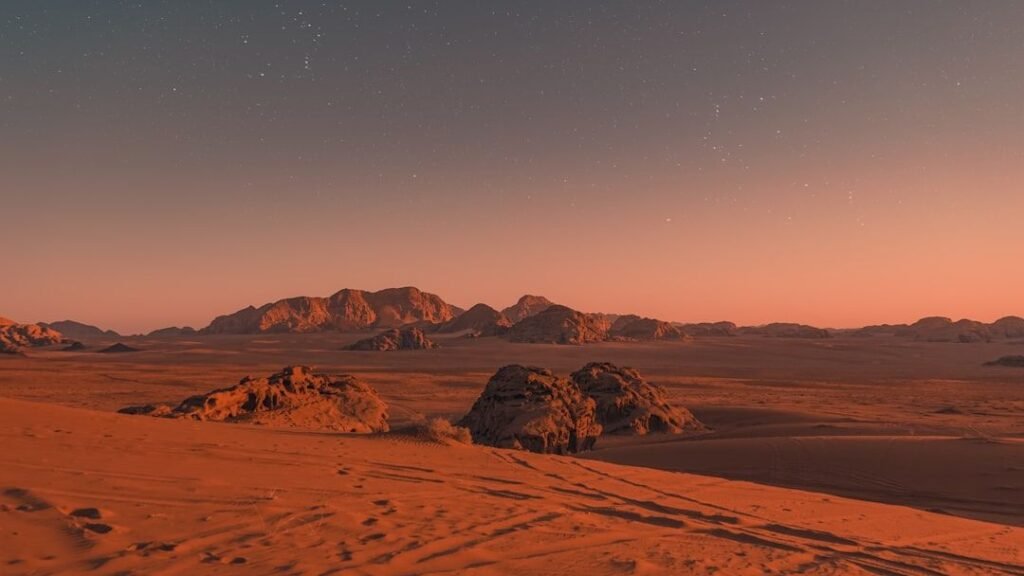

Imagine standing on a cold, rusty desert world, knowing that under your boots there might be the frozen echo of ancient oceans, rivers, and maybe even life. Mars looks dead today, but the closer we’ve looked over the last few decades, the more it seems like a planet that once had a very different story. Not a quiet rock, but a world that might’ve breathed, flowed, and maybe even hosted something that could call itself alive.
When I first saw images from the Curiosity rover years ago, what struck me wasn’t the alien-ness of Mars, but how familiar it looked: dry riverbeds, layered cliffs, mud cracks. It felt less like another planet and more like a forgotten version of our own. In 2026, with missions like NASA’s Perseverance rover and China’s Zhurong, that suspicion has only grown stronger. Here are fifteen facts about Mars that quietly whisper the same unsettling possibility: it was once alive, or very, very close.
1. Ancient River Valleys Carved Across the Planet
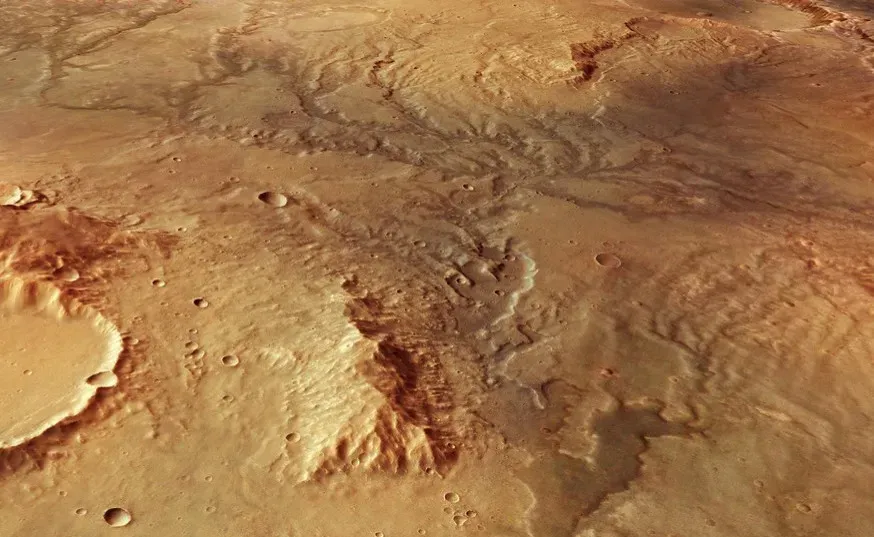
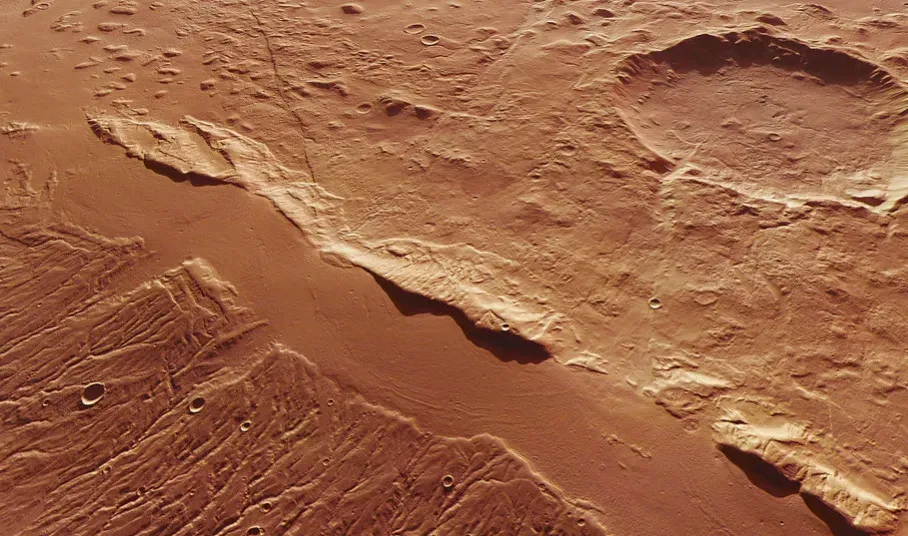
One of the most shocking things about Mars is how much of it looks like the dried-up skeleton of an Earth-like landscape. From orbit, scientists have mapped sprawling valley networks that curl and branch out just like river systems on Earth. These are not small scratches, either; some of these channels stretch hundreds of kilometers, carved into the surface in ways that strongly suggest liquid water flowed there for long periods, not just brief bursts.
On Earth, features like this are usually built by rivers that run for thousands or even millions of years. For Mars to have such well-developed valley networks, it likely needed a thicker atmosphere and a climate capable of sustaining stable liquid water on the surface. That sort of environment is exactly the kind where life, at least as we know it, starts to get comfortable. When you see those carved canyons, it’s hard not to think of Mars as a world that once had weather, rain, and maybe even shores where something could grow.
2. Dried-Up Lake Beds With Earth-Like Sediment Layers
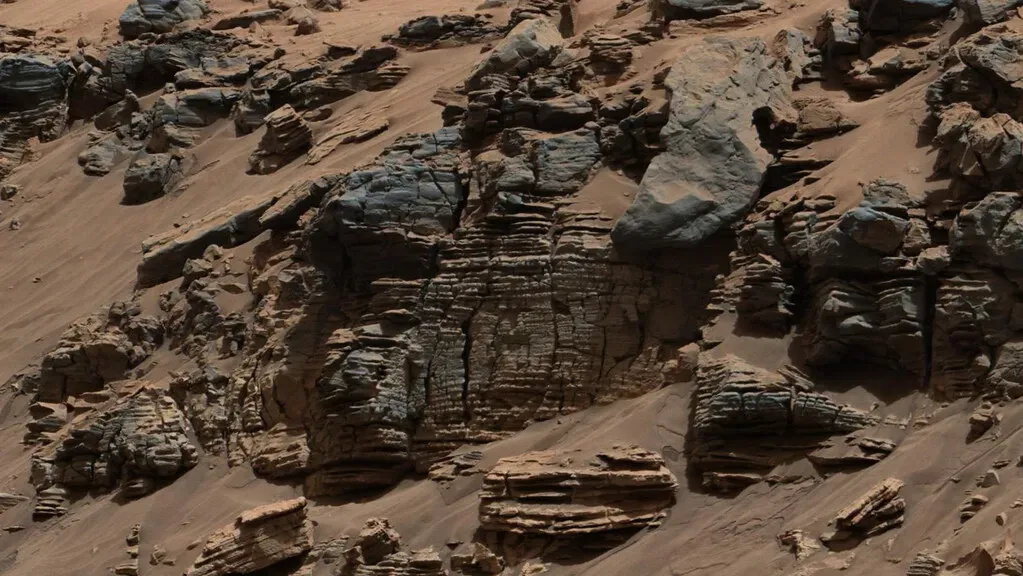
Rovers like Curiosity and Perseverance haven’t just found random rocks; they’ve rolled right into the remains of ancient lakes. In Gale Crater and Jezero Crater, scientists have spotted layered rock formations that look incredibly similar to sedimentary layers at the bottom of dried-up lakes on Earth. These layers form when particles settle in calm water over time, building up thin, flat sheets of sediment that eventually turn to stone.
The presence of these lake beds suggests that water didn’t just rush through Mars – it stayed put long enough to build stable, standing bodies. Lakes are life’s hangout spots: calm, relatively protected, and full of nutrients delivered by rivers. On Earth, lake sediments are some of the best places to find fossils and chemical traces of ancient microbes. So when you see those layered Martian rocks, it feels like looking at a closed history book and wondering what stories are locked between its pages.
3. Minerals That Form Only in Water
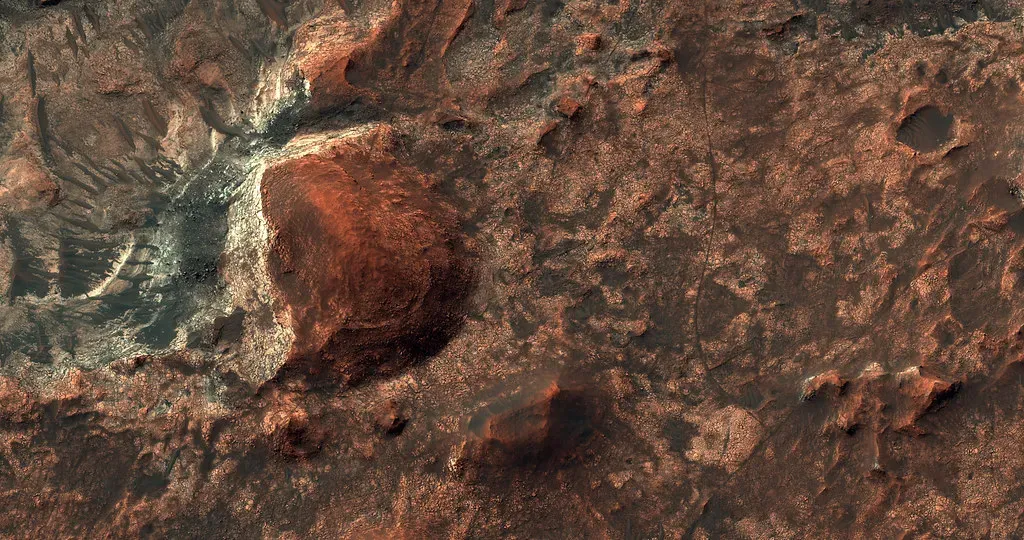
If you want to know whether water really shaped a world, you don’t just look for valleys – you look at the chemistry. On Mars, orbiters and rovers have found minerals like clays, sulfates, and certain types of salts that almost always form in the presence of liquid water. These minerals are like fingerprints left behind by long-gone lakes, rivers, and groundwater systems that quietly did their work over ages.
Clay minerals are especially intriguing, because on Earth they often form when rocks interact with relatively neutral or mildly alkaline water – the kind that can be friendly to life for long stretches. Mars doesn’t just have a little of this; large regions are rich in water-altered minerals, hinting that watery conditions may have lasted for millions of years. When entire landscapes are chemically rewritten by water, it’s not much of a stretch to imagine that something tiny and living might have been part of that story.
4. An Ocean’s Worth of Water May Still Be There
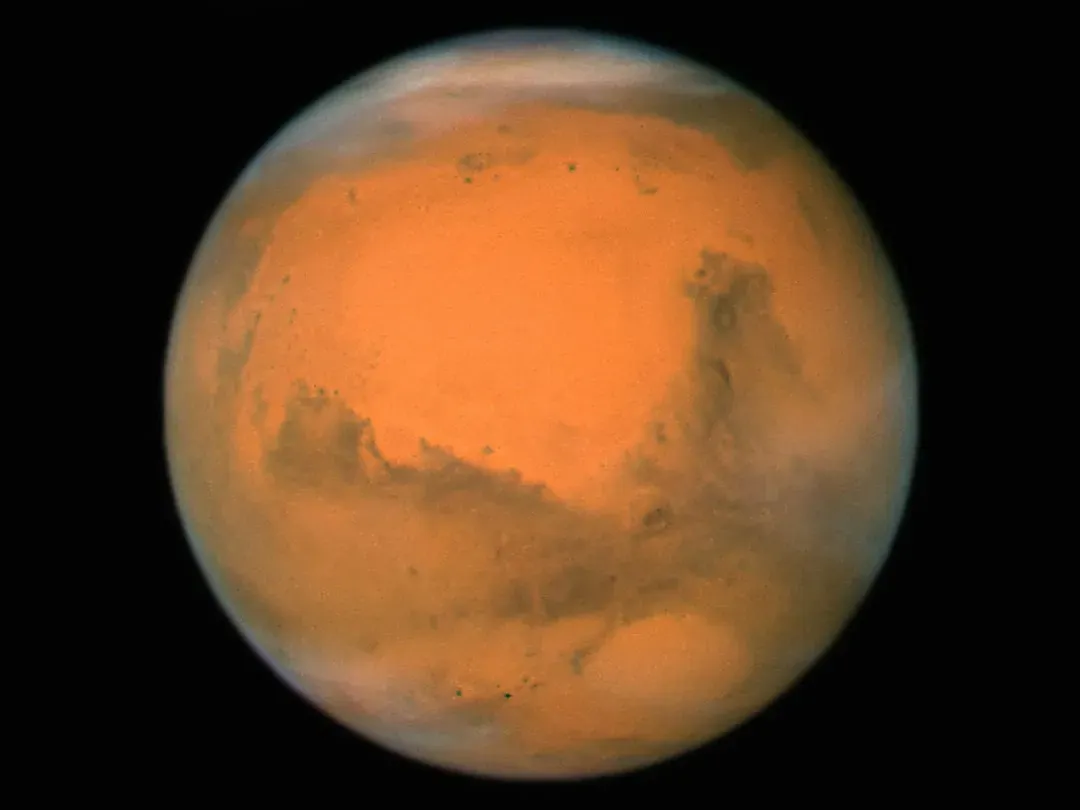
Mars looks bone-dry on the surface, but appearances can be very misleading. Radar data and atmospheric measurements suggest that if you melted all the ice locked in Mars’s polar caps and underground reservoirs, you could potentially cover the planet in a global ocean many tens of meters deep. That means a staggering amount of water is still there – just frozen, hidden, or chemically bound in minerals.
Water is the one ingredient every serious scientific discussion about life keeps circling back to. On Mars, we’re not talking about a little frost in the shadows; we’re talking about the remnants of a once far wetter world, stored like a planetary archive. Knowing that an ocean’s worth of water may still be trapped there turns Mars from a dead desert into something more like a frozen time capsule, preserving the conditions that might once have nurtured life.
5. Evidence of Ancient Hydrothermal Systems
Life on Earth is stubborn. It doesn’t just live in sunlight-bathed oceans; it thrives in boiling hot vents on the seafloor, deep underground, and in places that would kill most complex creatures instantly. Many of these extreme life-forms rely on chemical energy from hydrothermal systems – hot water moving through rock. On Mars, scientists have found strong hints that similar systems may have once existed.
Certain volcanic regions on Mars show minerals that look like they formed in hot water, possibly where magma heated groundwater below the surface. These hydrothermal zones on Earth are some of the best analogs we have for early life’s cradle. If Mars had long-lived hydrothermal systems, it wouldn’t just mean warmth and water; it would mean a chemical buffet where microbes could have eaten, breathed, and evolved far from the harshness of the surface.
6. A Once-Thicker Atmosphere That Could Have Supported Rain
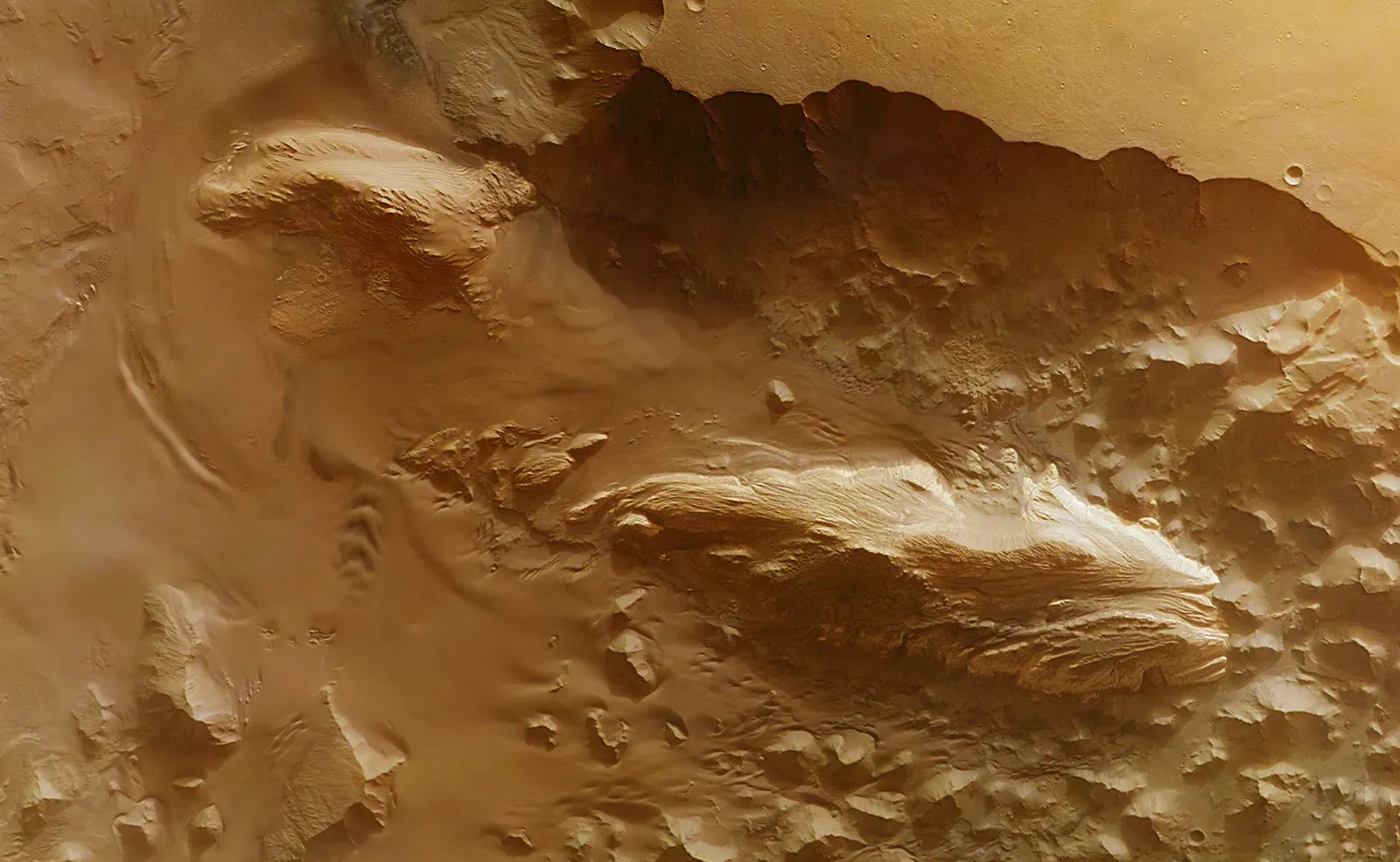
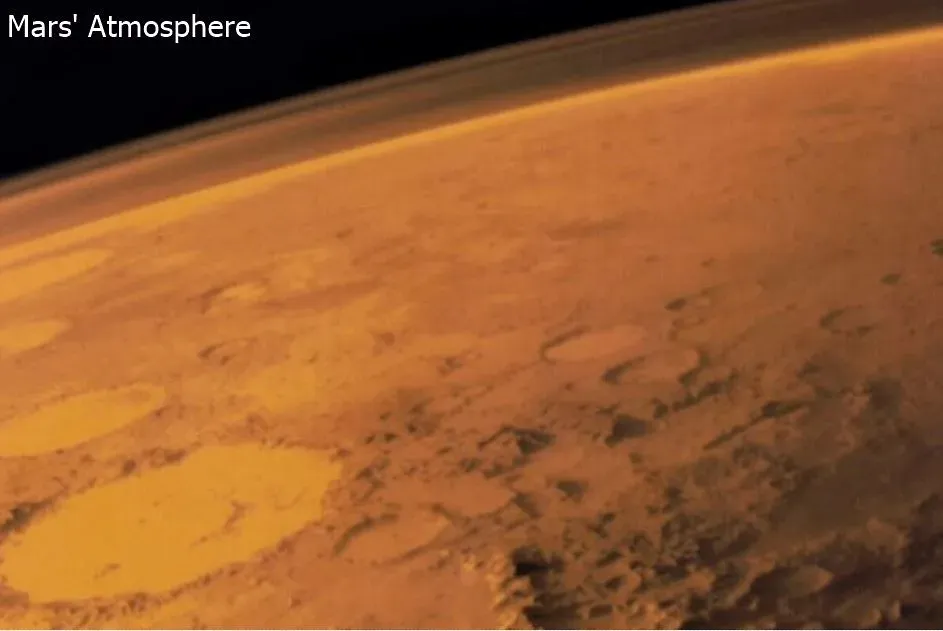
Right now, Mars has a whisper-thin atmosphere – less than one hundredth of Earth’s surface pressure – and it’s mostly carbon dioxide. But everything we know about those ancient rivers and lakes suggests that this wasn’t always the case. Geological evidence implies that Mars once had a much denser atmosphere, thick enough to trap heat and allow liquid water to remain stable on the surface without instantly boiling away or freezing solid.
A thicker atmosphere would have meant clouds, possibly rain, and maybe even a sort of Martian hydrological cycle. That type of environment starts sounding less like a sterile world and more like a slightly harsher cousin of early Earth. If rain once fell on Mars, carving river channels and feeding lakes, then for a while, Mars didn’t just flirt with habitability – it might have fully embraced it.
7. Organic Molecules Found in Martian Rocks
When people hear the word “organic,” they often think “life,” but in science, organic molecules simply mean carbon-based compounds that can be formed by both biological and non-biological processes. Mars rovers, especially Curiosity, have detected organic molecules in ancient rocks and soils. These include carbon-bearing compounds that are more complex than simple gases, hinting that carbon chemistry on Mars has been active for a very long time.
Finding organics doesn’t prove life existed there, but it does tick a crucial box on the list of requirements. Organic molecules are the building blocks from which life assembles things like membranes, proteins, and genetic material. The fact that these compounds seem to be preserved in rocks billions of years old means Mars once had the raw ingredients – and perhaps the time – for life to try something interesting with them.
8. Seasonal Methane Spikes in the Atmosphere
Methane is a tiny, fragile gas that doesn’t stick around long in a planet’s atmosphere; it gets broken down by sunlight and chemical reactions. But Mars keeps surprising us with detections of methane, especially seasonal spikes measured by Curiosity and hints from orbiting spacecraft. The methane levels are small in absolute terms, but their pattern – rising and falling over the Martian year – is deeply intriguing.
On Earth, a lot of methane comes from living things, from microbes to cows to decaying organic matter, though it can also come from purely geological activity. On Mars, both explanations are still on the table. What makes it so compelling is that something, somewhere, seems to be actively releasing methane even today. Whether it’s life or chemistry, it suggests that Mars is not completely geologically or chemically dead.
9. Sedimentary Rocks That Look Strangely Familiar
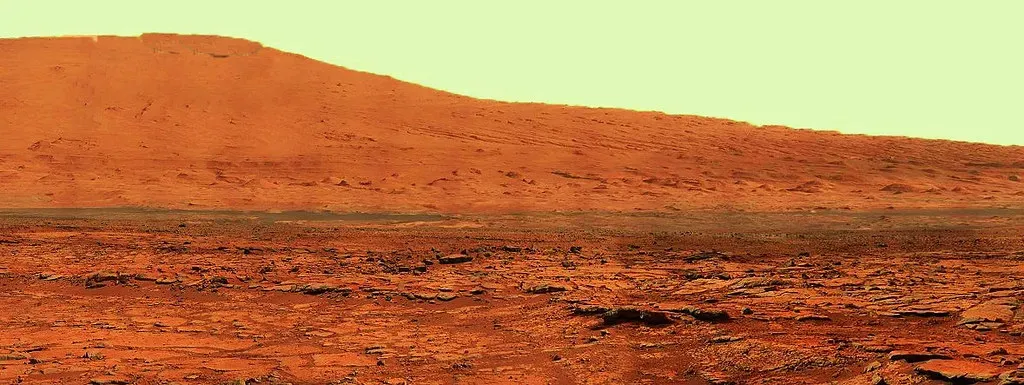
Some of the rocks imaged by Martian rovers are almost unsettling in how normal they look. You see cross-bedded sandstones that resemble ancient river deltas on Earth, or fine-grained mudstones that look like they formed at the bottom of a calm lake. These are exactly the kinds of rocks on Earth where scientists go hunting for fossils and microscopic traces of past life.
What makes these finds on Mars so powerful is that they suggest not just a brief splash of water, but stable environments where sediments slowly accumulated over long timescales. That kind of steady, predictable setting is where evolution has the breathing room to get creative. When a rover’s camera zooms in on a layered cliff in Gale or Jezero and it looks like something from the American Southwest, it’s hard not to wonder if we’re looking at the same kind of story, just without the fossils – at least, not yet.
10. Ancient Shorelines Hinting at a Northern Ocean
For years, scientists have debated whether the northern lowlands of Mars once held a vast ocean. Some orbital images show what look like ancient shorelines: long, curving ridges and terraces that resemble coastal features on Earth. These structures seem to wrap around the northern basin, as if they once traced the edge of a sprawling sea that covered a major portion of the planet.
If Mars really did have a northern ocean, that changes the whole conversation about its past. Oceans are where life on Earth exploded with diversity, thanks to their sheer size and stability. An ocean on Mars would mean not just isolated pockets of habitability, but an entire hemisphere where life could have had room to spread, adapt, and maybe even form ecosystems that persisted for a long time before the climate turned hostile.
11. Possible Ancient Glacial and Periglacial Landscapes
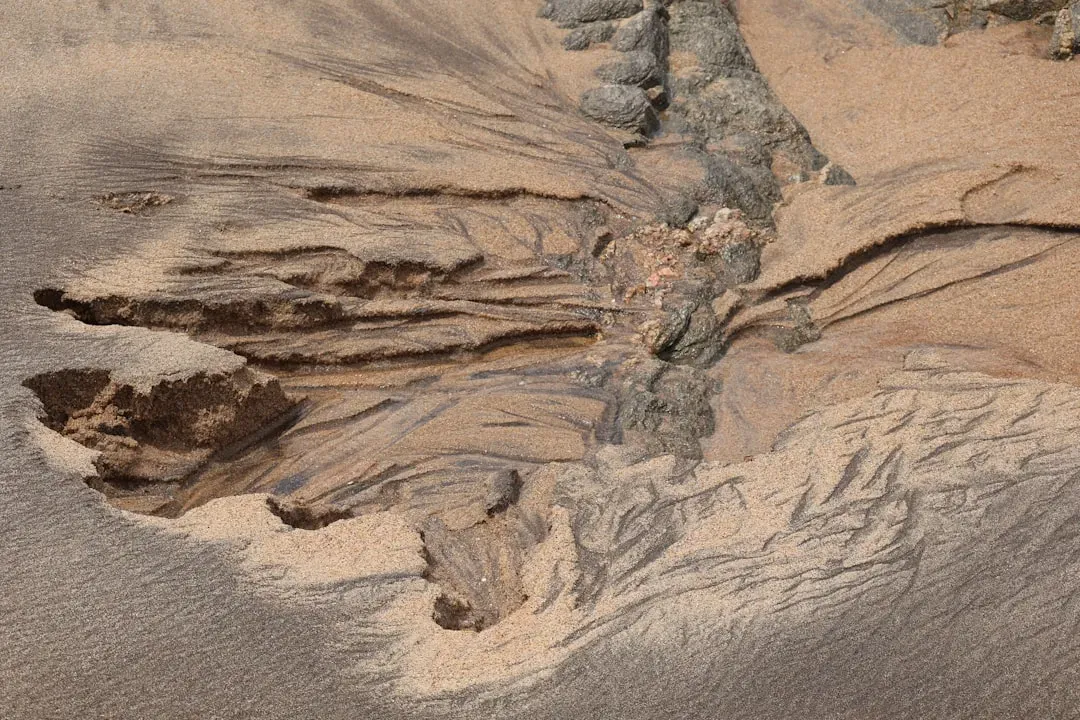
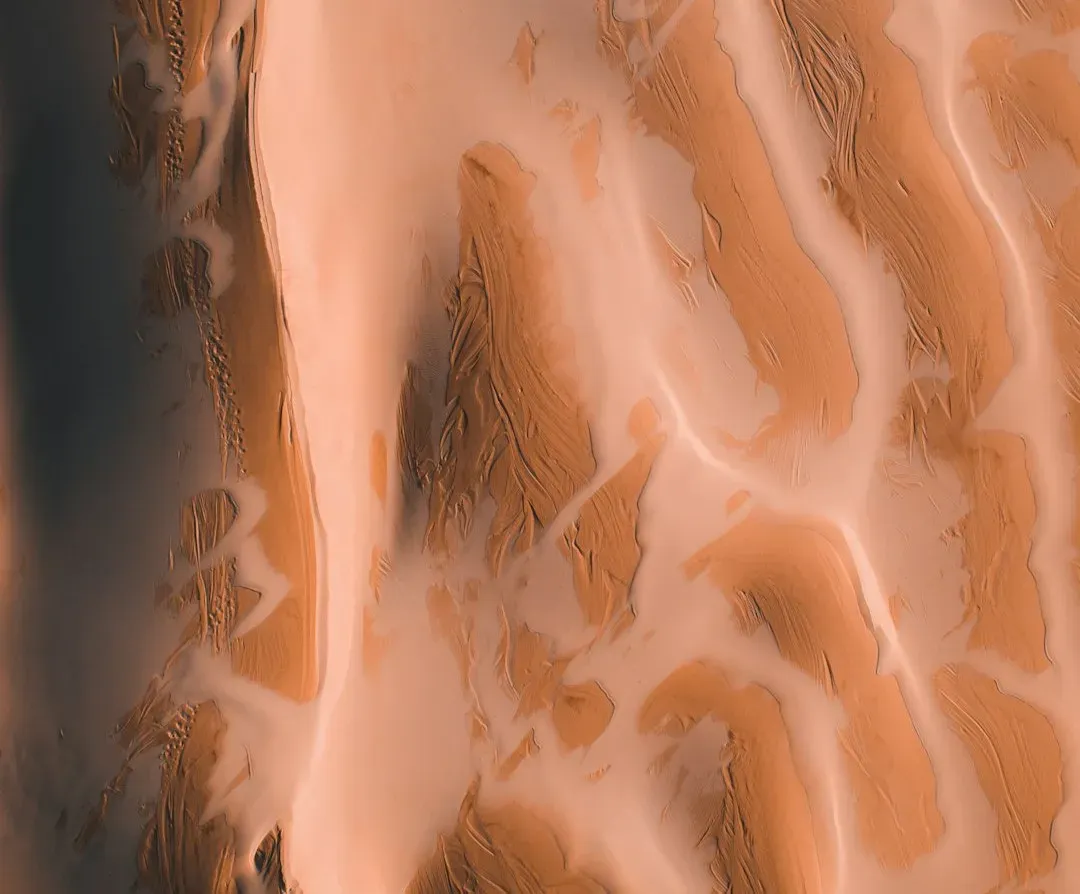
Mars doesn’t just tell a water story; it tells an ice story too. Many regions, especially in the mid-latitudes, show landforms that look strikingly like glacial features on Earth: ridges that resemble moraines, smooth lobes that could be old glacier flows, and patterned ground that hints at cycles of freezing and thawing. These clues suggest that ice once moved slowly across the Martian surface, reshaping it over time.
Glacial and periglacial environments can be surprisingly friendly to microbial life. On Earth, tiny organisms live within ice, beneath glaciers, and in thin films of liquid water that appear during brief melt periods. If Mars went through long cold phases with active glaciers, there might have been little pockets of meltwater and brine where life could hold on, even as the rest of the planet grew harsher. It paints a picture of survival rather than flourishing, but survival is still a form of life’s success.
12. Crater Lakes and Deltas Frozen in Time
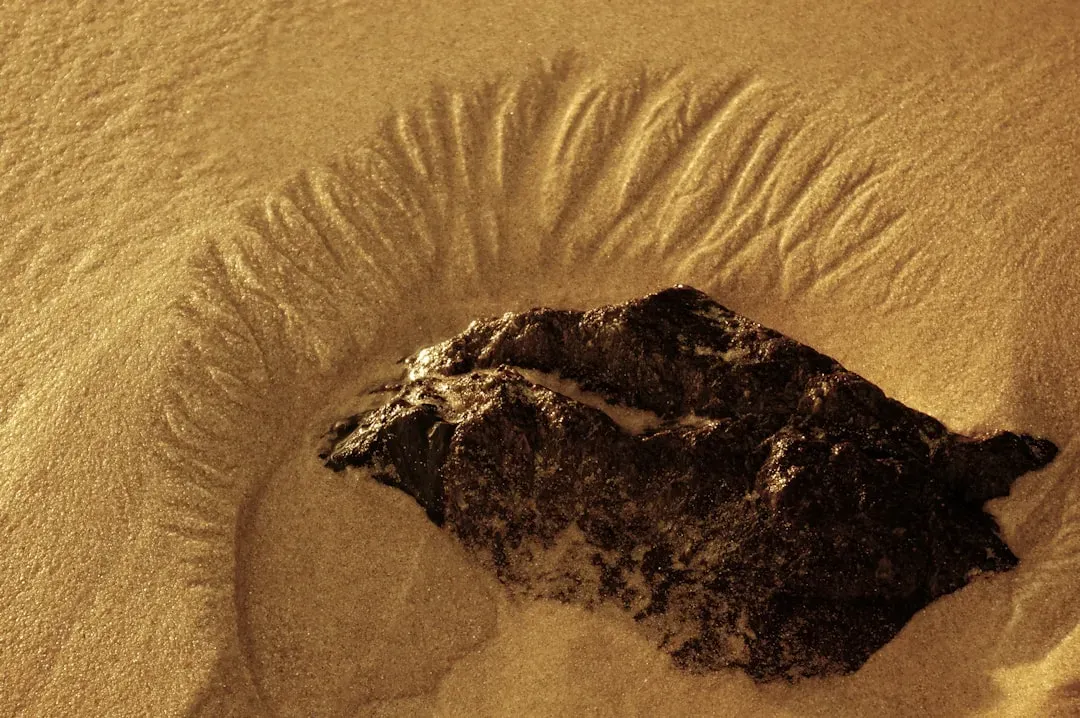
Some impact craters on Mars clearly once held lakes, complete with inlet and outlet valleys. Jezero Crater, where the Perseverance rover is now exploring, contains a beautifully preserved river delta – one of the most promising places yet for hunting signs of past life. Deltas form when rivers slow down and drop their sediments at the edge of a standing body of water, building fan-shaped structures rich in layered deposits.
In terms of habitability, crater lakes are like natural laboratories. They can trap and concentrate organic material, protect sediments from erosion, and create quiet zones where delicate chemical signatures might survive for billions of years. If Mars ever hosted microbial life, crater deltas are exactly the sort of place where we might expect to find the chemical or structural traces left behind, waiting to be read like a very old diary.
13. Signs of Long-Lived Groundwater Systems
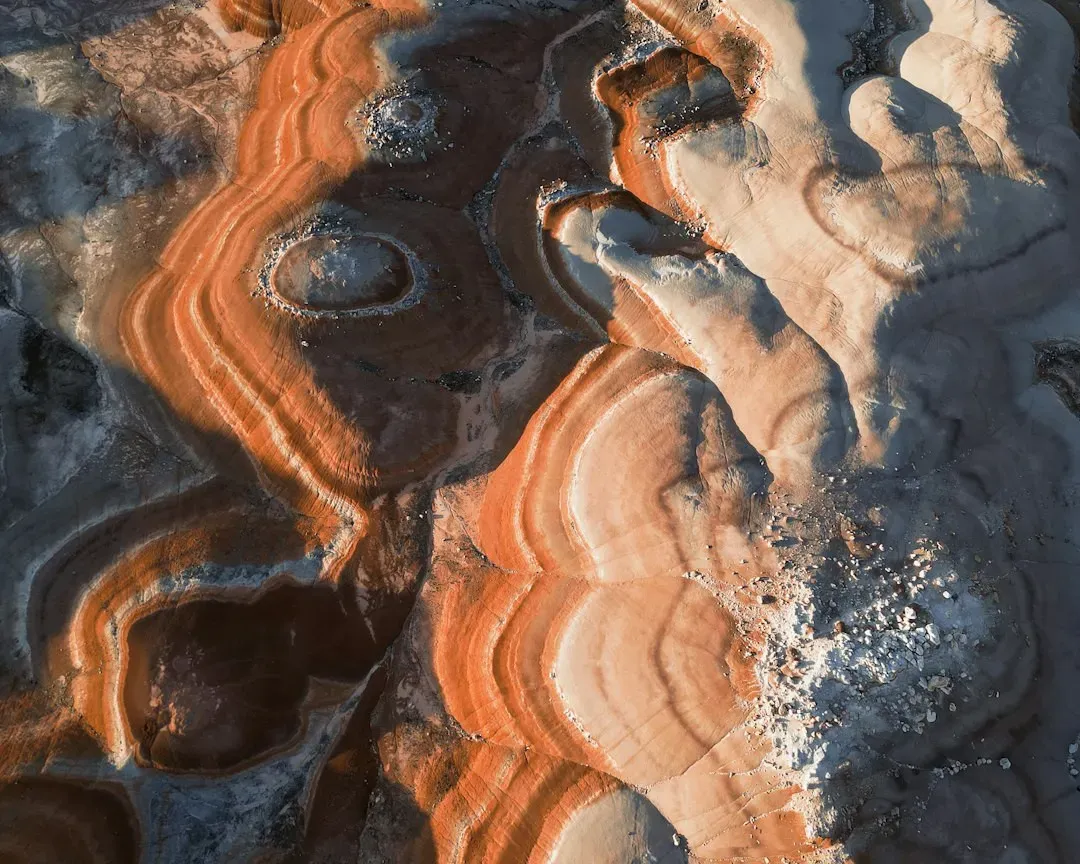
Water on Mars didn’t just flow on the surface; there are strong hints that it also moved underground. Certain rock formations show patterns of mineral veins, formed when water percolated through cracks and left behind material as it evaporated or cooled. These veins often contain sulfates and other water-related minerals, implying that underground water circulated for extended periods.
On Earth, subsurface environments are some of the most stable refuges for life, buffered from surface radiation, temperature swings, and climate chaos. Microbes in Earth’s deep crust live off chemical reactions between water and rock, far from sunlight. If Mars once had a widespread and long-lasting groundwater system, it could have provided a safe hiding place for life, even as surface conditions slowly deteriorated. That possibility makes every mineral vein and fracture on Mars feel like a potential clue.
14. The Viking Lander’s Puzzling Chemistry Experiments
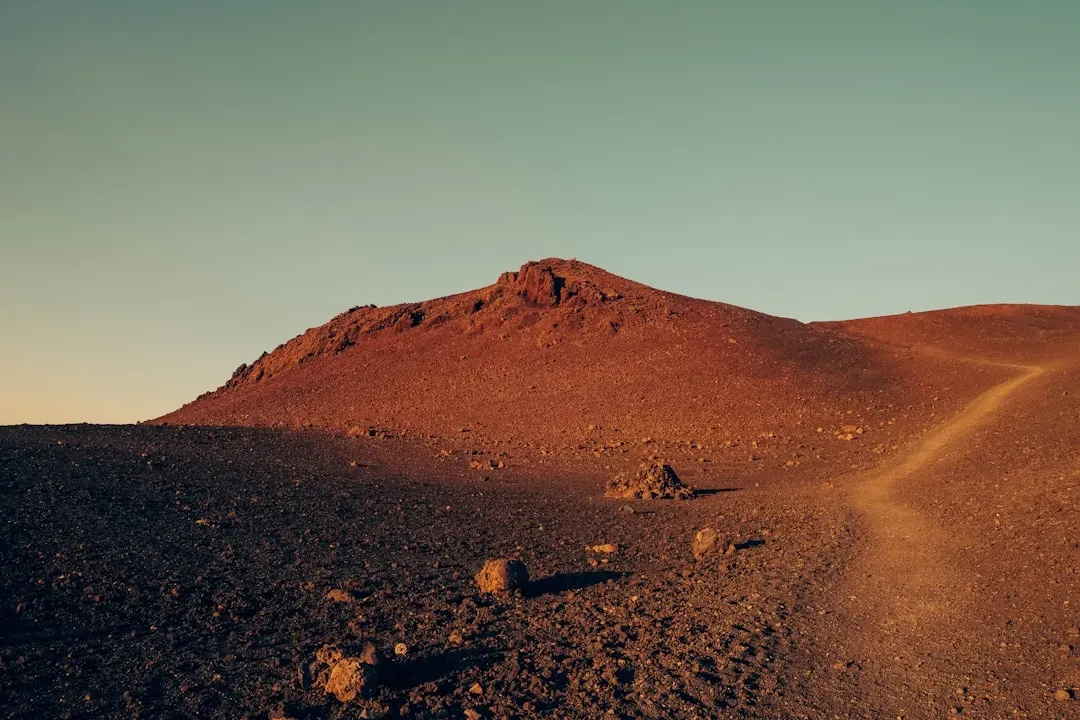
Back in the 1970s, NASA’s Viking landers performed the first dedicated life-detection experiments on Mars. One of those experiments, which tested how Martian soil reacted with nutrient solutions, produced results that some researchers have argued look strangely similar to metabolic activity. Over the decades, most scientists have leaned toward non-biological explanations, pointing to the harsh chemistry of the Martian soil, but the data have never been completely, neatly resolved.
The fact that we are still debating what Viking saw after so many years says something about how close Mars might be to the line between sterile and living. Even if the results turn out to be entirely chemical, they highlight that the planet’s surface is reactive and complex. That lingering ambiguity keeps the door open, however slightly, to the idea that Mars might once have hosted something more than chemistry alone.
15. Perseverance Is Collecting Samples That Could Change Everything
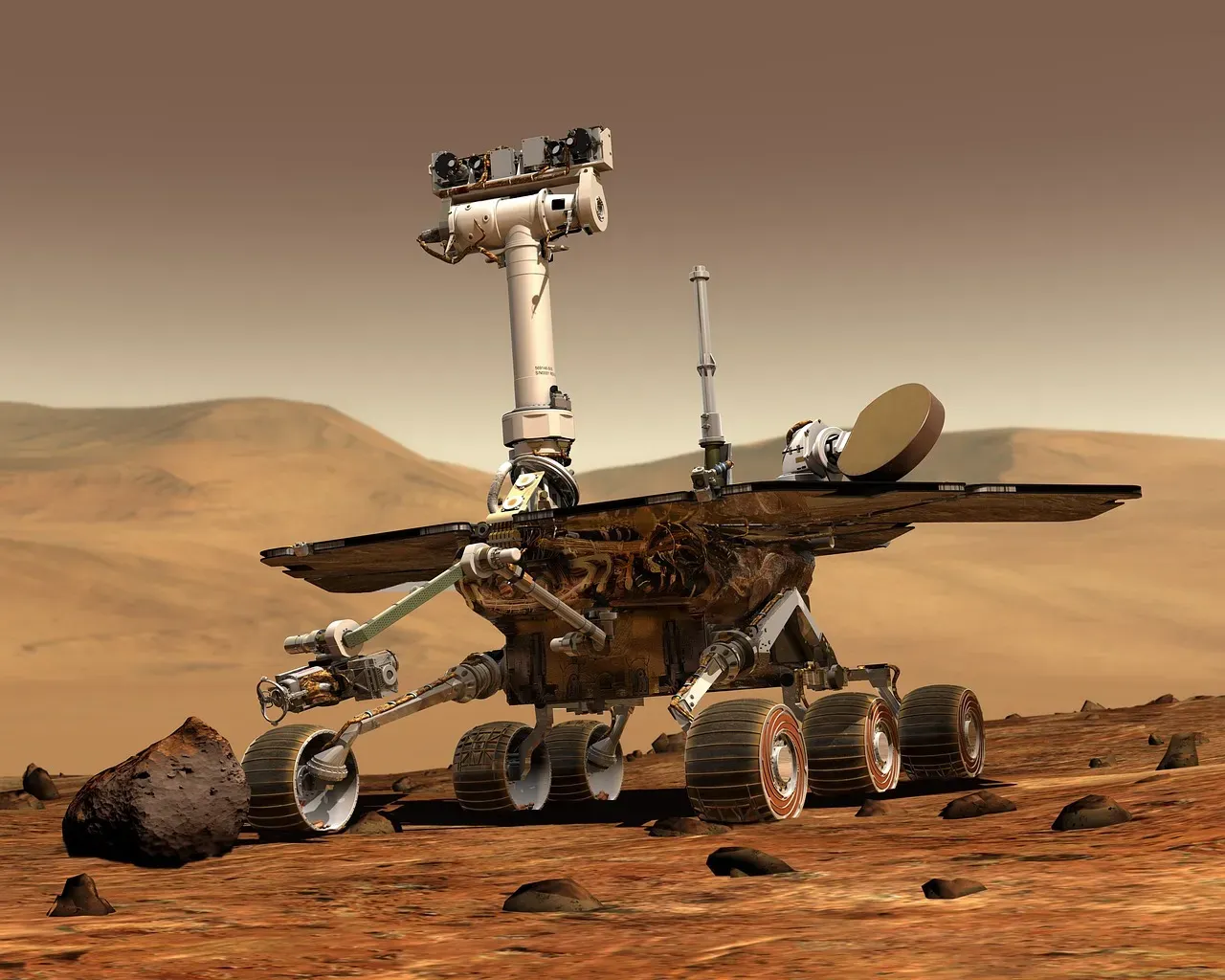
Right now, in 2026, the most daring part of the Mars story is still in progress. NASA’s Perseverance rover is drilling into carefully chosen rocks in Jezero Crater, collecting samples that are being cached for a future mission to bring back to Earth. Those rocks come from an ancient lake and river delta system that scientists think is one of the best bets for preserving signs of past life, if it ever existed.
For the first time, we are preparing to study Martian rocks in Earth laboratories with instruments far more sensitive than anything we can send on a rover. If there are subtle chemical patterns, tiny mineral structures, or microfossil-like textures that hint Mars was once alive, these samples are our best chance of finding them. In a way, those little cores sitting in metal tubes on the Martian surface are like messages from an ancient world, waiting for someone to finally open and read them.
Whether Mars turns out to have once been teeming with microbes or merely on the edge of habitability, the clues we’ve already found have changed how we see our own planet’s story. If one small, cold world next door came so close to life – and maybe even crossed the line – how many other planets out there once did the same?