
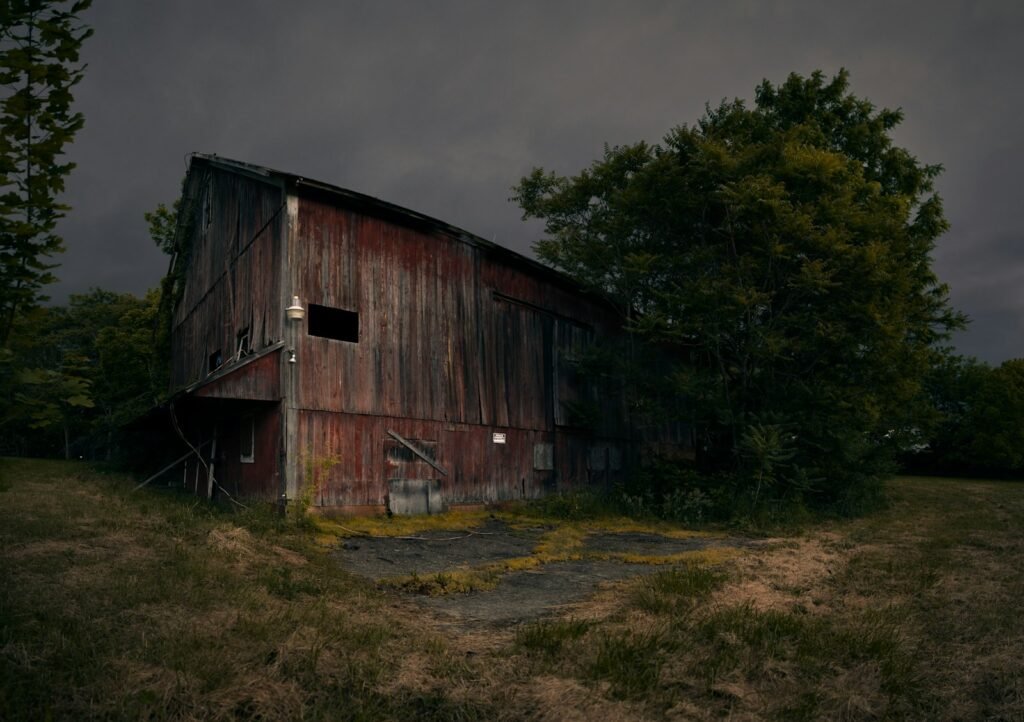

Every town has that one place people whisper about, the spot you drive past a little faster at night, pretending not to look but always looking anyway. Across the United States, there are locations so steeped in eerie history, environmental oddities, and unsettling coincidence that they feel almost alive, as if the land itself is keeping score. For scientists, these places are more than ghost stories – they’re living laboratories where psychology, ecology, geology, and history collide. For locals, though, they’re simply the places you do not go after dark, no matter how many documentaries insist there’s a rational explanation. These fifteen sites show how fear clings to landscapes, how memory shapes our sense of danger, and how the unknown – no matter how much we measure and map it – still has teeth.
The Stanley Hotel, Colorado: Whispers in Thin Air
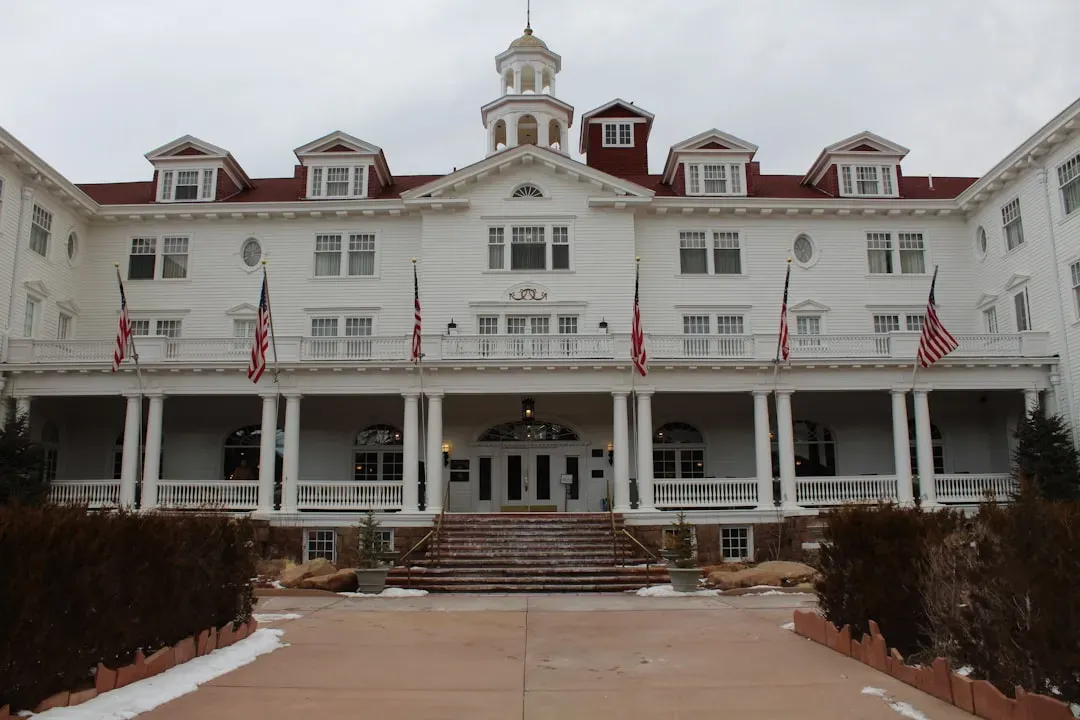
Perched in the high, dry air of Estes Park, the Stanley Hotel is famous for inspiring a certain horror novel, but locals will tell you the real story is stranger than any fiction. The building sits at elevation where low oxygen and rapid weather shifts can play tricks on the brain, nudging perception just enough to turn a shadow into a figure or a draft into a presence. Guests report hearing music from empty ballrooms and footsteps in quiet hallways, classic examples of how our pattern-hungry brains try to find meaning in random noise. Environmental monitors placed in reportedly “haunted” rooms often pick up fluctuating temperature zones and creaky structural movements that align eerily well with reported encounters. For scientists, this makes the Stanley a perfect case study in how environment, expectation, and physiology mix to produce fear. For residents, the science is interesting – but not always reassuring when the mountain wind starts howling at 2 a.m.
Villiska Ax Murder House, Iowa: A Crime Scene That Never Healed
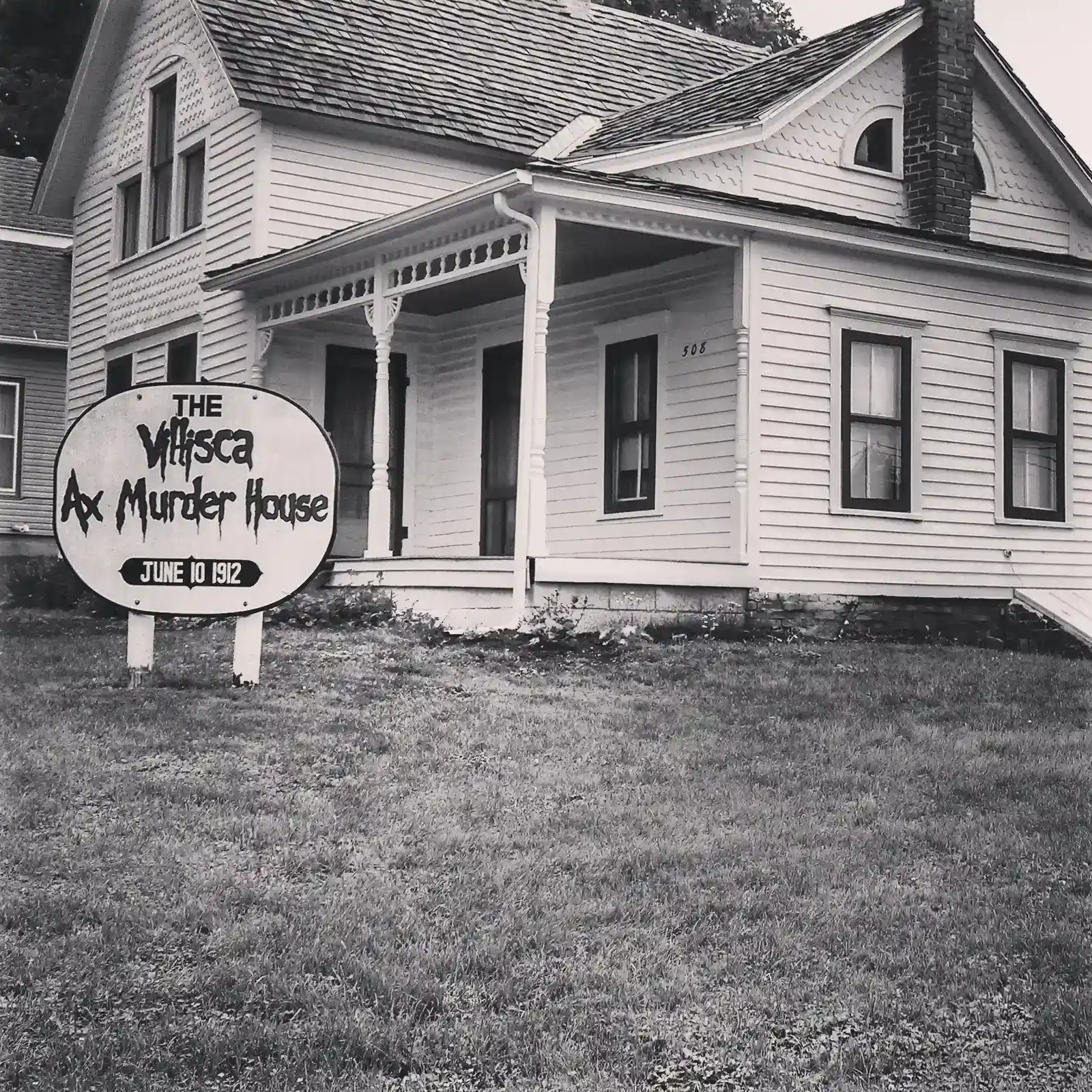
The Villisca Ax Murder House sits quietly on a residential street, its white exterior almost bland, until you know what happened there in 1912. The unsolved killing of eight people inside that modest home turned it into a psychological scar for the town, one that a century of rational explanations has never fully erased. Locals talk about the house less as a building and more as a wound, a place where violence lodged itself and never quite left. Crime scene researchers and historians who visit often remark on how perfectly the house demonstrates the “memory of place,” the way human tragedy can permanently alter how a space feels, even if every board and nail has been replaced. The brain stores that history, even if you never lived it, through stories, photos, and warnings passed down the generations. When tourists insist on staying overnight, some Iowans quietly wonder whether they’re studying fear or just chasing it.
The Myrtles Plantation, Louisiana: Ghosts, Toxins, and Tangled Roots
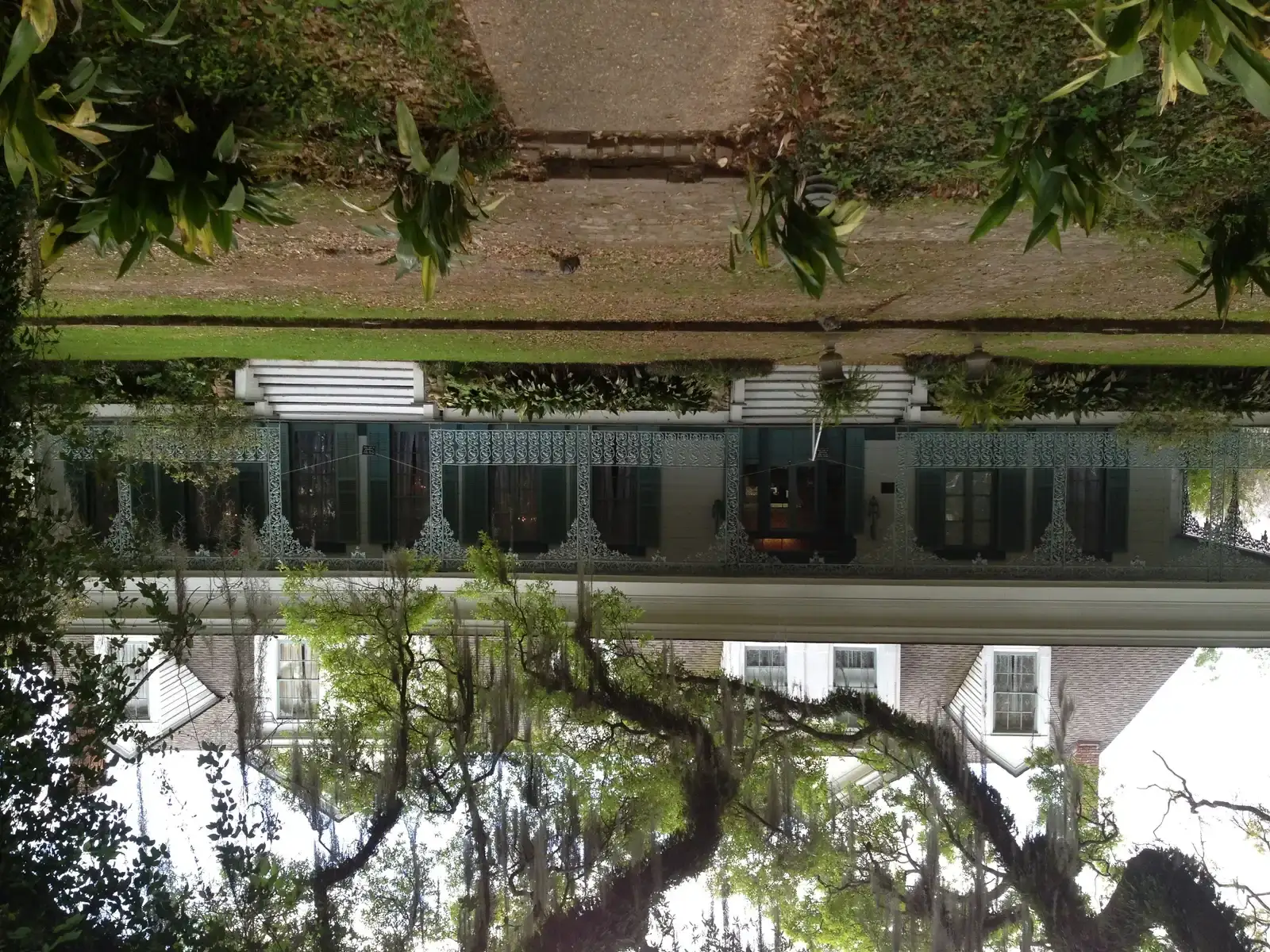
In St. Francisville, the Myrtles Plantation is marketed as one of America’s most haunted houses, but the real haunting may be the complex mix of history, ecology, and chemistry rooted in the soil. This part of Louisiana is rich in organic matter, wetlands, and plant life that produce a cocktail of natural compounds, from fragrant terpenes to mold spores that can irritate lungs and even subtly affect mood. Combine that with a brutal plantation past – enslaved people, disease, and violence – and you get a place where the emotional weight is almost physical. Researchers who study environmental psychology note that heavy, humid air and dense, shadowed vegetation are classic ingredients in the recipe for eeriness. Locals, many of whom have ancestors tied to the land, speak about the property with a wary pragmatism: it is beautiful, it is profitable, and it is not somewhere you linger alone at night. In a way, the Myrtles encapsulates the South itself – lush, haunted, and scientifically fascinating all at once.
Centralia, Pennsylvania: The Town That’s Still Burning
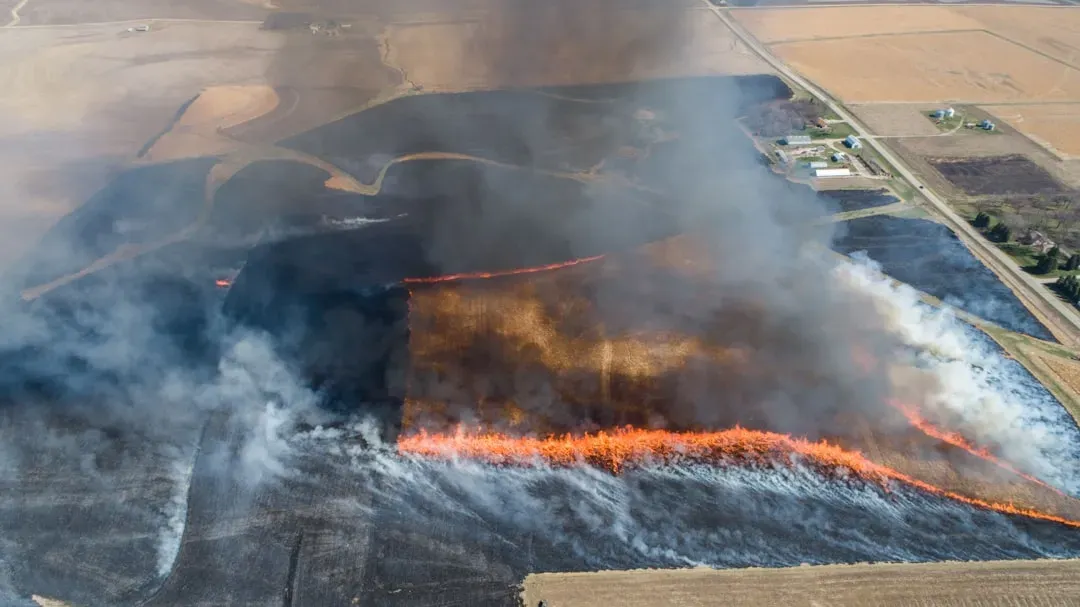
Centralia looks like the set of an apocalypse movie, but for nearby residents, the horror is real, ongoing, and oddly quiet. An underground coal mine fire has been smoldering there since the early 1960s, turning streets into cracked, foggy scars that vent steam and toxic gases. From a scientific perspective, Centralia is a rare, long-running experiment in subterranean combustion, geochemistry, and air pollution, where temperature gradients, gas flux, and ground stability can be measured – but only at a distance. Many locals were relocated decades ago, yet those who remain live above a landscape that quite literally breathes heat and fumes from beneath their homes. The fear here is not ghosts but invisible toxins – carbon monoxide, sulfur compounds, and particulates that sear lungs and soil alike. Standing on a buckled road warmed from below, it’s hard not to feel that the earth itself is angry, with science playing catch-up to a fire that refuses to die.
Waverly Hills Sanatorium, Kentucky: Architecture of Isolation
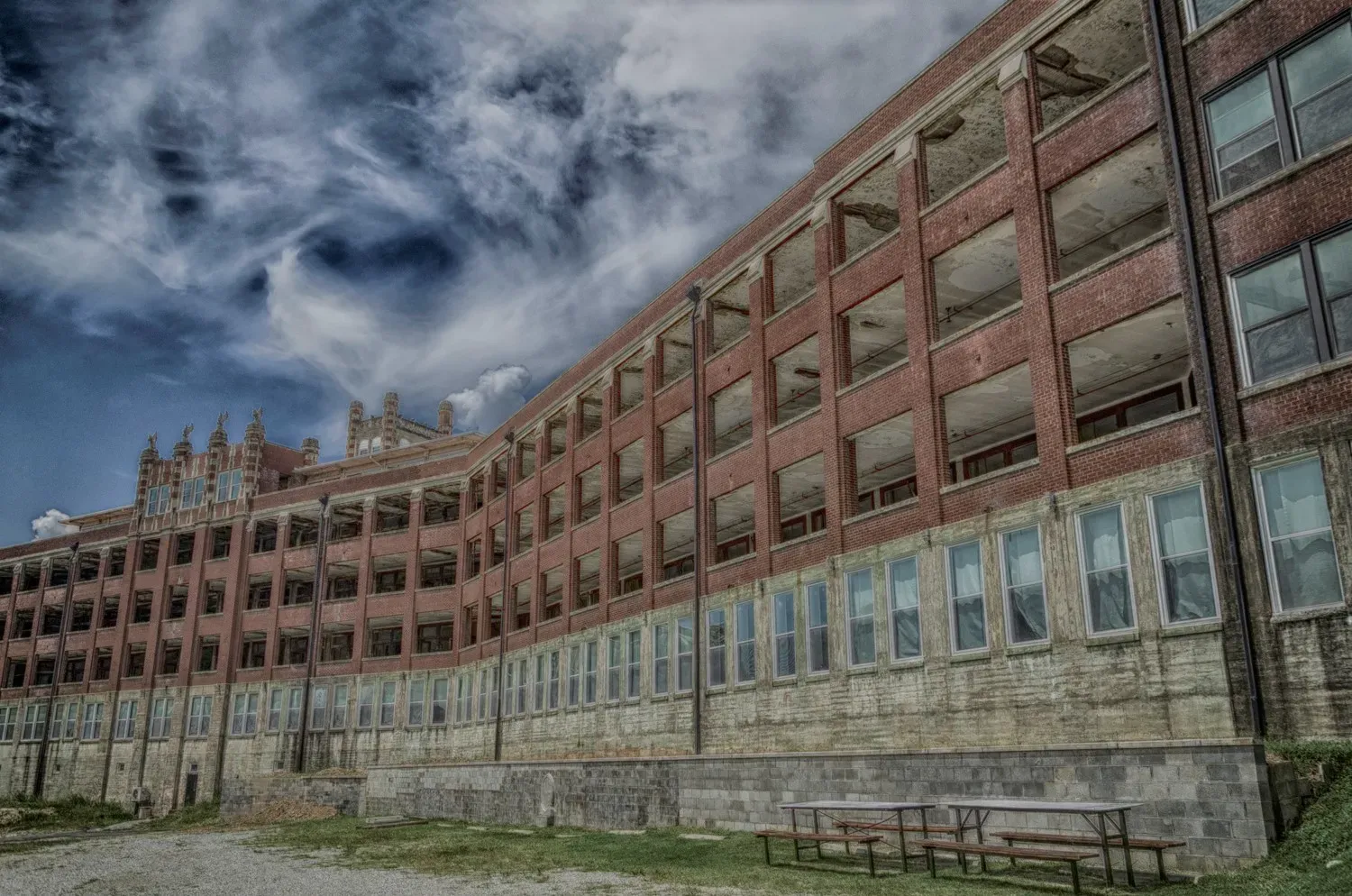
On a hill outside Louisville, the long, imposing shell of Waverly Hills Sanatorium looms like a concrete exoskeleton of fear. Once a tuberculosis hospital, it was built to isolate the sick above the city mists, and that architecture of separation still clings to it. The enormous corridors, echoing rooms, and infamous “body chute” create acoustic illusions; a single footstep can sound like many, and a shift in wind through broken windows can mimic whispers. Medical historians point out that early twentieth-century TB treatments – rest cures, experimental surgeries, and sometimes brutal interventions – left behind a legacy of trauma that seeped into local lore. For paranormal enthusiasts, every creak is proof; for engineers, it is decades of structural fatigue and sound physics. Either way, many Louisville residents prefer to enjoy Waverly from the road, headlights off, not daring to look too long at the hulking silhouette against the sky.
Skinwalker Ranch, Utah: High Strangeness on the High Plains
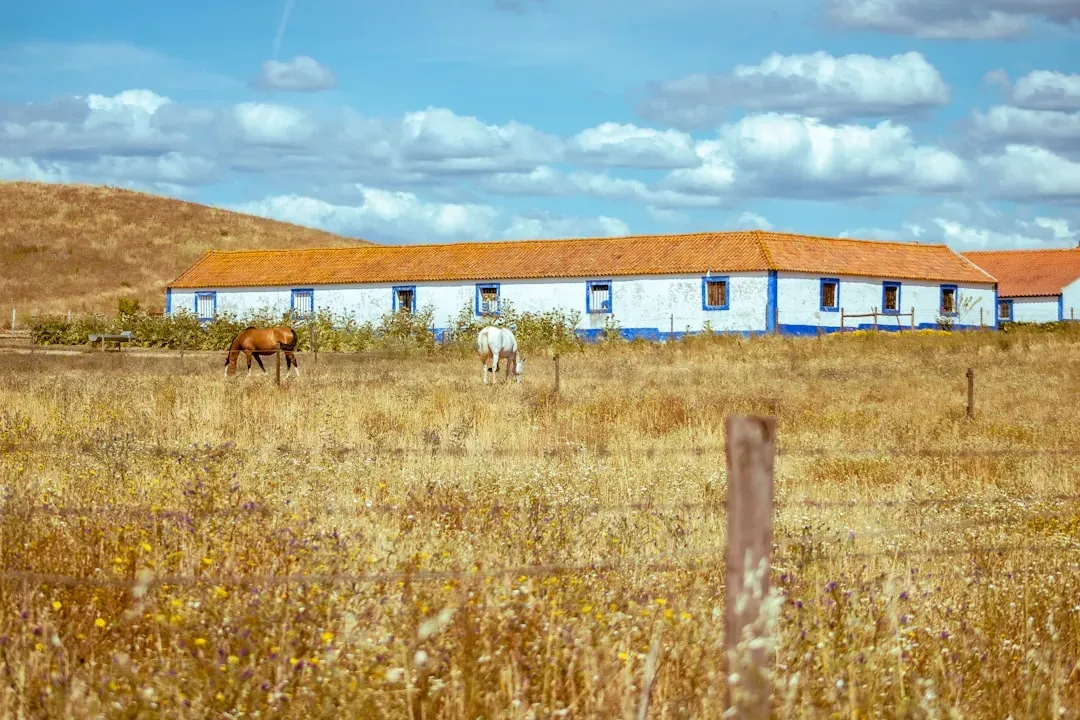
In northeastern Utah, Skinwalker Ranch has become shorthand for “everything weird at once,” and that’s exactly why it unsettles nearby communities. Reports from the area range from strange lights and unexplained animal injuries to electronic malfunctions and odd radiation readings, mixing folklore with fringe science. Geologists note that the region sits in a complex tectonic and mineral zone that can influence electromagnetic fields, which in turn might scramble compasses, radios, or even human perception under the right conditions. Anthropologists add another layer: the land overlaps with deep Indigenous stories of shapeshifters and cursed territory, narratives that deserve respect rather than exploitation. When you blend these ingredients – unusual geology, cultural taboo, and decades of sensational media – you get a place that feels fundamentally unstable. Many locals will tell you plainly: they do not go near that ranch, not because they understand it, but exactly because they do not.
Eastern State Penitentiary, Pennsylvania: Echoes in the Stone
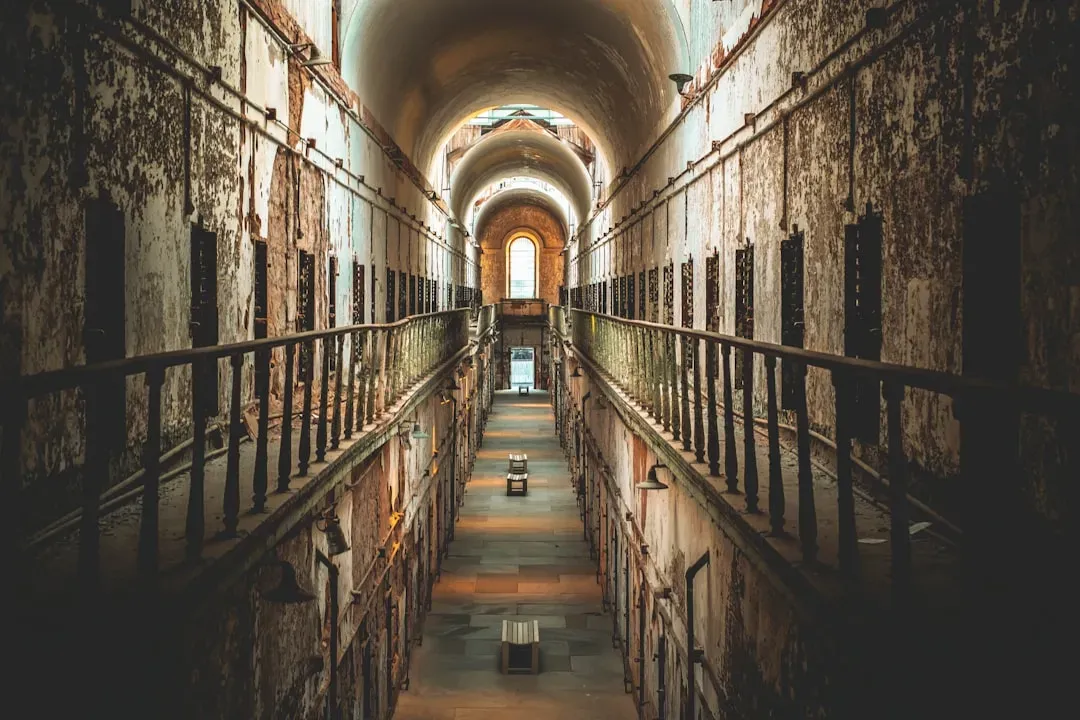
Right in the heart of Philadelphia, Eastern State Penitentiary rises like a medieval fortress, its crumbling cellblocks radiating in a spoked pattern designed for constant surveillance. The prison pioneered solitary confinement on a massive scale, an experiment in enforced silence that we now know can profoundly damage the mind. Psychologists who walk the corridors talk about “ambient trauma,” the sense that suffering has soaked into the stone through decades of isolation, punishment, and despair. Architectural features like long, narrow corridors, heavy doors, and limited light naturally prime visitors to feel uneasy, even before they learn the history. Studies of visitor reactions have found rising heart rates, shallow breathing, and heightened vigilance in certain blocks, much like the responses seen in people navigating dark forests or unfamiliar alleys. Even for Philadelphians who roll their eyes at ghost tours, there’s an unspoken understanding: this is not just a historic site, it is a monument to what happens when a society experiments on its own conscience.
The Winchester Mystery House, California: A Maze Built from Grief
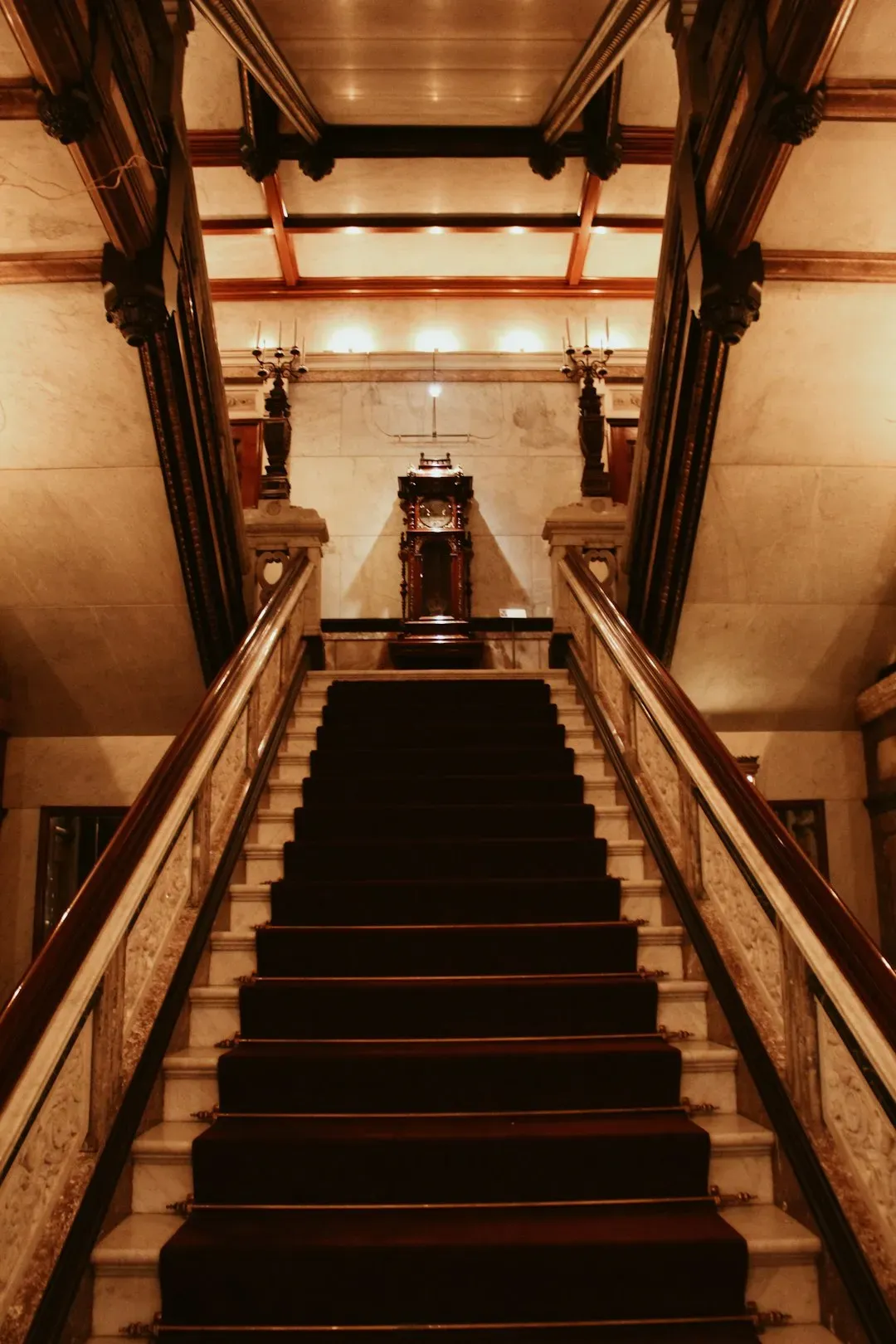
In San Jose, the Winchester Mystery House looks whimsical at first – staircases to nowhere, doors opening into empty air, windows in the floor – but its origin is steeped in grief and fear. The ever-expanding mansion, famously under construction for decades, mirrors the psychological labyrinth of mourning after massive loss. Cognitive scientists see it as a physical metaphor for rumination: when you cannot escape your thoughts, you build more and more rooms for them to echo in. The house’s bizarre angles, dead ends, and unexpected openings also create sensory disorientation; your internal map constantly fails, which unsettles the brain’s navigation and threat-detection systems. Visitors report a strange blend of fascination and anxiety, as if they’re walking inside someone else’s unresolved nightmare. Locals have grown up with the house as a landmark, yet many still describe it with a kind of quiet reverence, as though the walls are listening.
Lake Lanier, Georgia: The Drowned Town Beneath
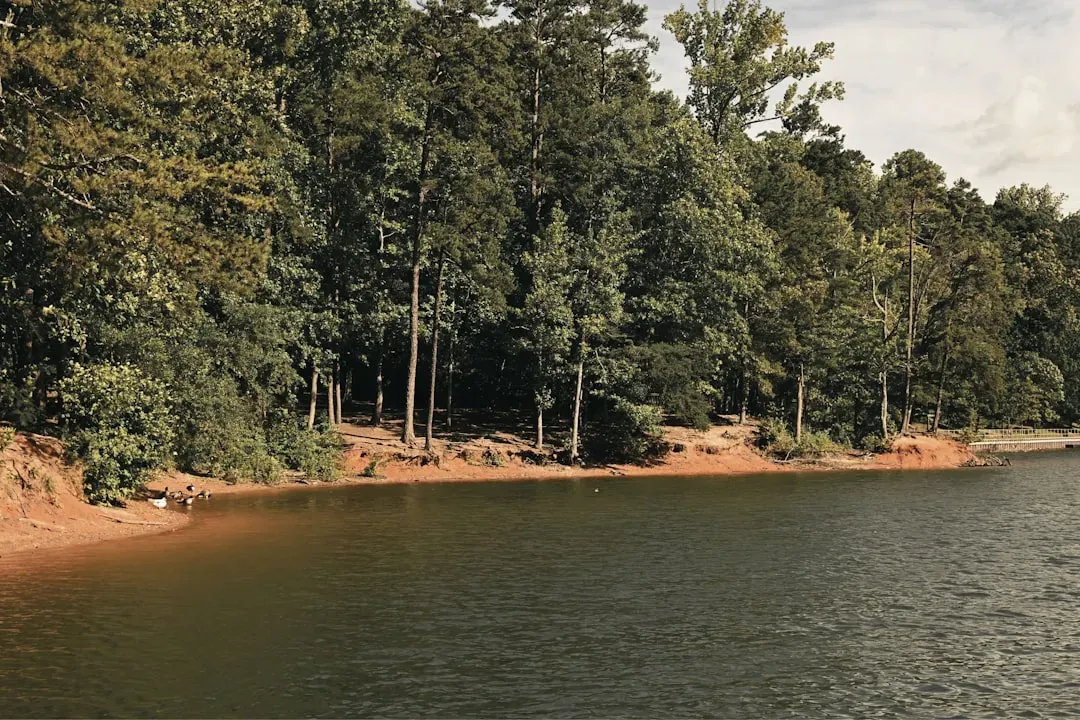
Lake Lanier, just north of Atlanta, is a popular recreation spot by day and a source of steady unease by night, in part because people know there is a buried past beneath the rippling surface. The lake was created by flooding land that once held communities, farmland, and forests, and divers have reported ghostly remnants of roads, buildings, and trees standing silently underwater. Statistically, the lake has seen a troubling number of drownings and boating accidents over the decades, a pattern that fuels stories of curses and restless spirits. Safety experts point to steep underwater drop-offs, murky visibility, and heavy boat traffic as more grounded explanations, but those facts rarely replace the visceral chill people feel staring into the dark water. For long-time residents, Lanier is both necessary reservoir and uneasy neighbor, providing drinking water and power while carrying the memory of lives and landscapes submerged without a proper goodbye.
The Crescent Hotel, Arkansas: The “Most Haunted” Hospital on the Hill
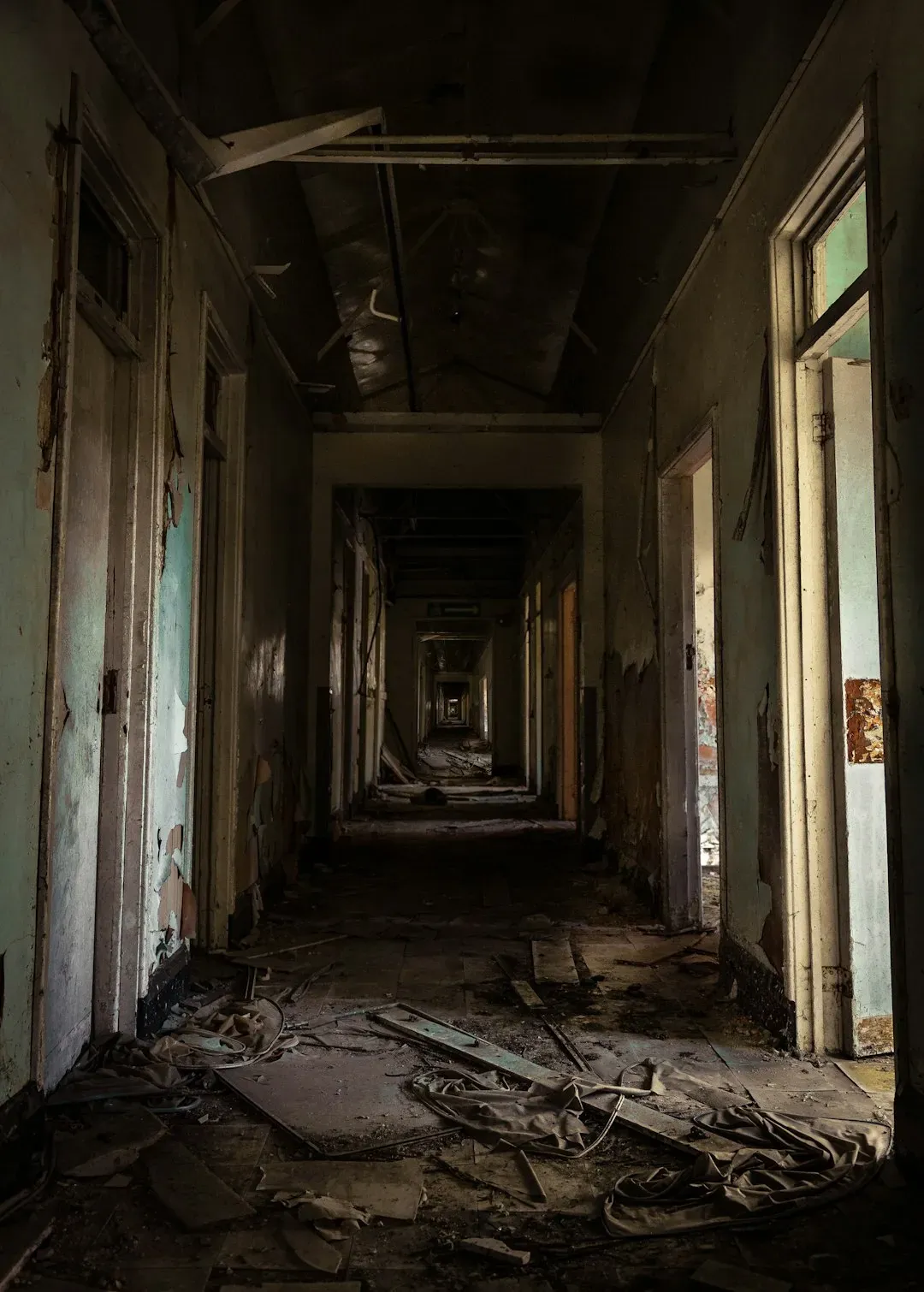
In Eureka Springs, the Crescent Hotel crowns a forested hilltop, its stone walls hiding a particularly grim chapter that still unnerves locals. In the 1930s, it was turned into a “cancer hospital” by a charlatan who promised miracle cures, subjecting desperate patients to useless, painful treatments while real tumors spread unchecked. Medical historians describe the site as a cautionary tale about pseudoscience, where false hope became a business model with a body count. Today, guests report strange sounds, cold spots, and sightings in hallways, and while no controlled study has proved anything supernatural, the combination of medical suffering and architectural isolation creates a powerful psychological script. Hospital buildings, even when converted into luxury hotels, often carry an undercurrent of dread; our brains remember that they were once places where many people had their worst days. For people in town, the Crescent is great for tourism – but the story behind its beauty still stings.
The Bennington Triangle, Vermont: Vanishing in the Green Mountains
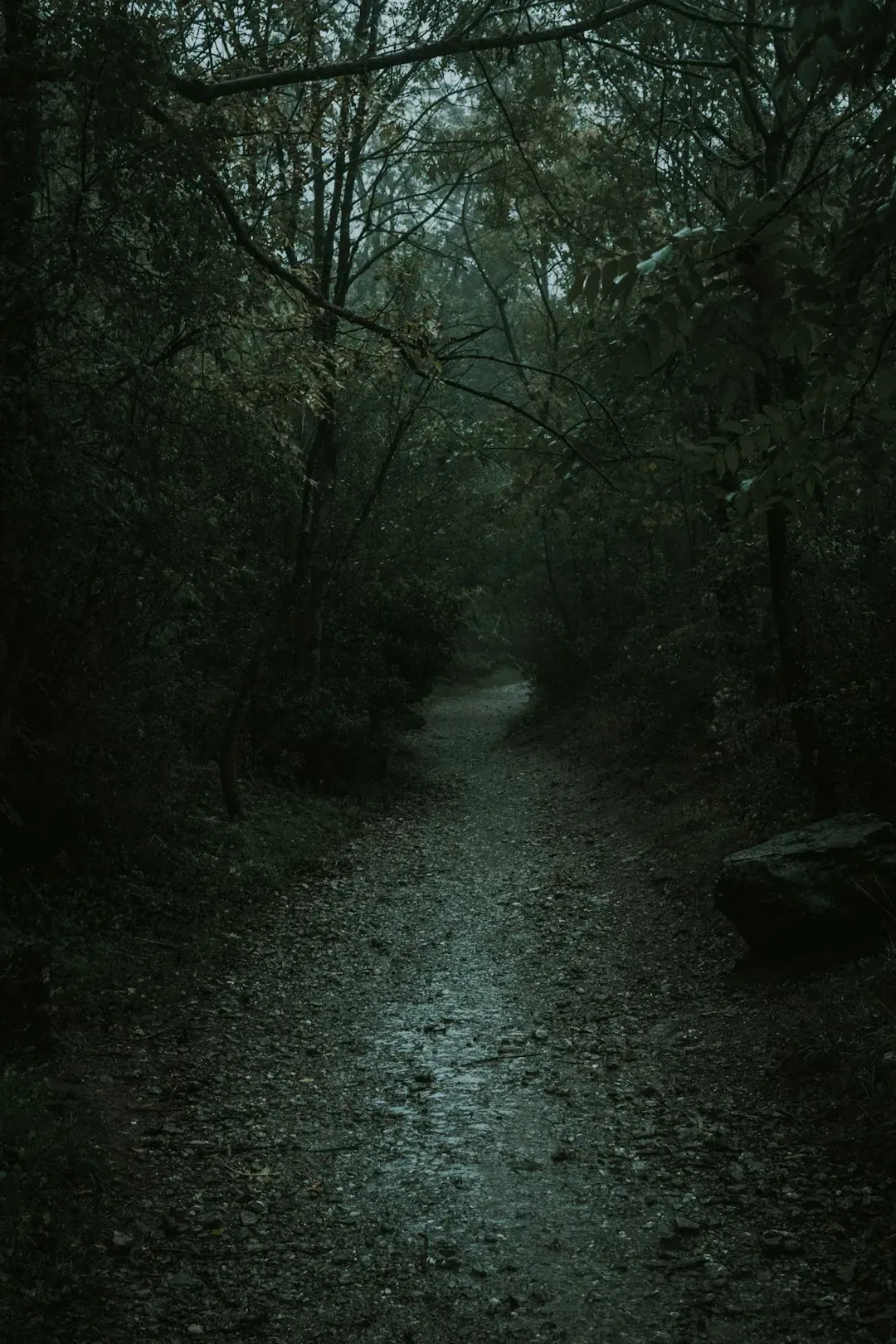
The so-called Bennington Triangle, a loosely defined area in southwestern Vermont, has a reputation for unexplained disappearances stretching back to the mid-twentieth century. Forest ecologists, rescue workers, and local hikers point out that the terrain is a maze of dense woods, sudden weather shifts, and steep, disorienting slopes where a single wrong turn can quickly become fatal. That said, the clustering of missing-person stories has fueled a mythos that goes beyond bad luck and rugged topography. Psychologists talk about “narrative gravity,” where each new event gets pulled into an existing story of strangeness, reinforcing the region’s ominous reputation. At the same time, residents who know the woods intimately carry a deep respect for them, treating the landscape almost like a powerful, unpredictable neighbor. Whether you believe in portals or just poor planning, the Bennington Triangle reminds people that wilderness can be terrifying without any ghosts at all.
Why These Places Still Terrify: The Science of Haunted Landscapes
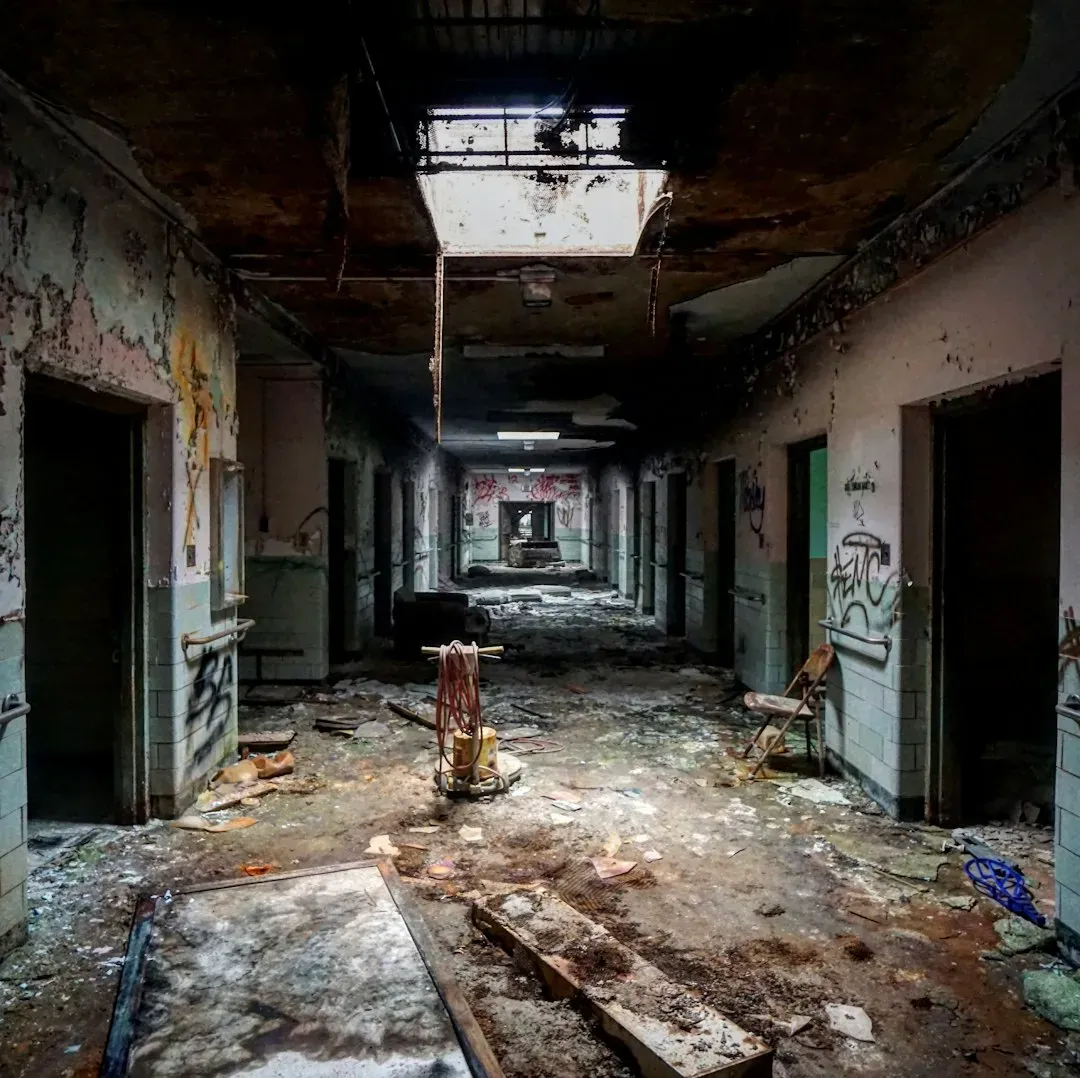
What ties these fifteen locations together is not proof of ghosts but the way they press every button in the human fear system at once. Many combine environmental factors – low light, strange acoustics, unstable ground, or toxic air – with heavy historical baggage, from mass illness to violence to displacement. Neuroscientists have shown that when the brain lacks clear information, especially in unsettling environments, it fills in the gaps with the most threat-heavy interpretation it can find, a survival strategy left over from our ancestors. Locals are often more affected than tourists because the stories are woven into their upbringing; every warning, news clipping, and whispered anecdote strengthens the neural pathway that links a place with danger. These sites also highlight how communities use stories to process trauma, turning real, painful histories into legends that can be told, reshaped, and, in a way, controlled. Fear becomes both an emotional response and a kind of folk data set – a record of what a place has done to people, even if the details are blurred.
The Future of Fear Tourism: Tech, Ethics, and the Next Generation of Haunts
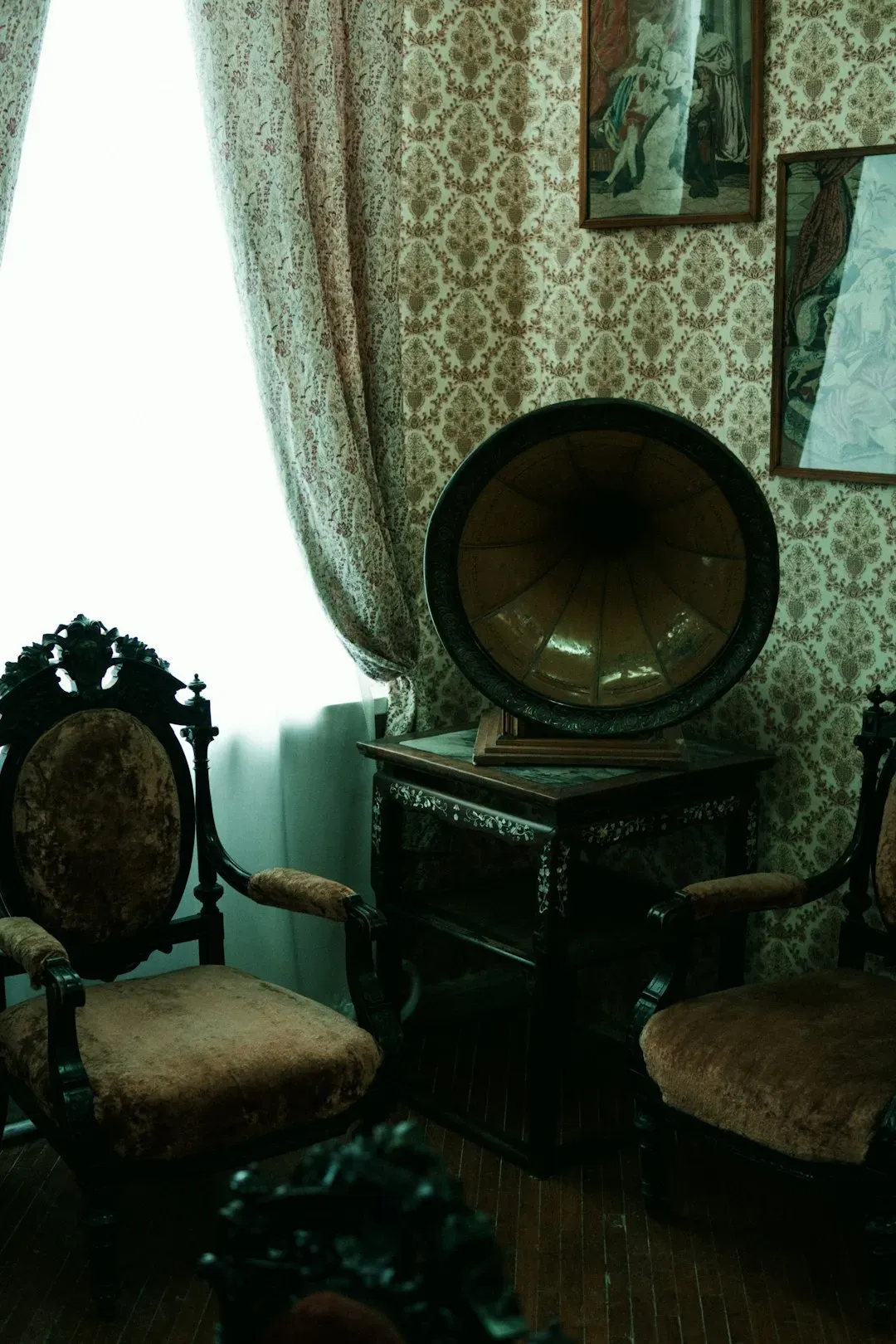
As technology seeps into nearly every corner of life, it is transforming how these spooky places are experienced, studied, and even marketed. Thermal cameras, EMF meters, drones, and environmental sensors are now standard gear on many ghost hunts, collecting data that can sometimes debunk a legend and other times deepen the mystery. Virtual and augmented reality tours are emerging, letting people “walk” through dangerous or restricted areas like Centralia or deteriorating prisons without physical risk. That convenience comes with ethical questions, though: at what point does turning sites of very real suffering into interactive entertainment cross a line into exploitation. Local communities are increasingly part of the conversation, pushing for historically accurate storytelling, respect for descendants, and tangible benefits from tourism revenue. In the coming years, the scariest change may not be more high-tech ghosts but the possibility that long-ignored histories will finally be told in full, forcing visitors to confront the human horror behind the jump scares.
How You Can Engage With Spooky Places Responsibly
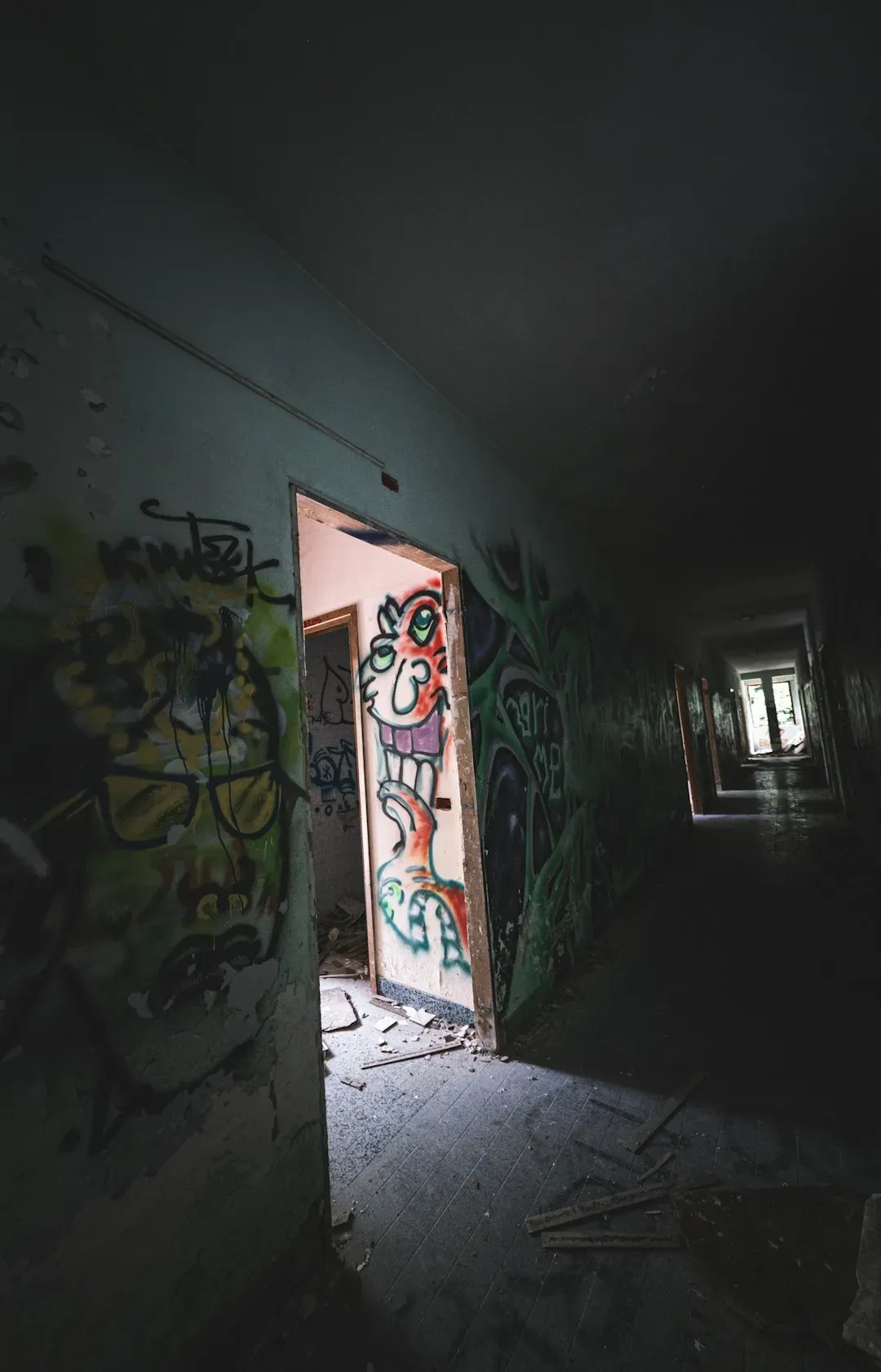
If these stories make you want to grab a flashlight and hit the road, there are ways to do it that honor both science and the communities who live with these places every day. Start by treating every site as someone’s hometown, not just your horror backdrop: follow local rules, stick to marked paths, and respect “no trespassing” signs, especially around dangerous or structurally unstable locations. When you visit, look for tours or materials that offer solid historical context and safety information instead of only chasing sensational tales. You can also support preservation groups and historical societies that maintain old hospitals, prisons, mining towns, and battlefields, helping them fund structural repairs, research, and educational programming. Most importantly, bring curiosity, not just adrenaline; ask what the landscape, the architecture, and the local people can tell you about how fear is made and remembered. The next time you feel a chill in a dark hallway, maybe you’ll wonder not just what is there – but what the place has already seen.
Suhail Ahmed is a passionate digital professional and nature enthusiast with over 8 years of experience in content strategy, SEO, web development, and digital operations. Alongside his freelance journey, Suhail actively contributes to nature and wildlife platforms like Discover Wildlife, where he channels his curiosity for the planet into engaging, educational storytelling.
With a strong background in managing digital ecosystems — from ecommerce stores and WordPress websites to social media and automation — Suhail merges technical precision with creative insight. His content reflects a rare balance: SEO-friendly yet deeply human, data-informed yet emotionally resonant.
Driven by a love for discovery and storytelling, Suhail believes in using digital platforms to amplify causes that matter — especially those protecting Earth’s biodiversity and inspiring sustainable living. Whether he’s managing online projects or crafting wildlife content, his goal remains the same: to inform, inspire, and leave a positive digital footprint.


