
In the intricate web of life, survival often hinges on the evolutionary arms race between predator and prey. While many species rely on speed, camouflage, or brute strength, some have developed truly unusual and innovative defenses to ward off predators. These remarkable adaptations not only ensure survival but also highlight the incredible creativity of evolution.
1. The Cuttlefish’s Mastery of Camouflage
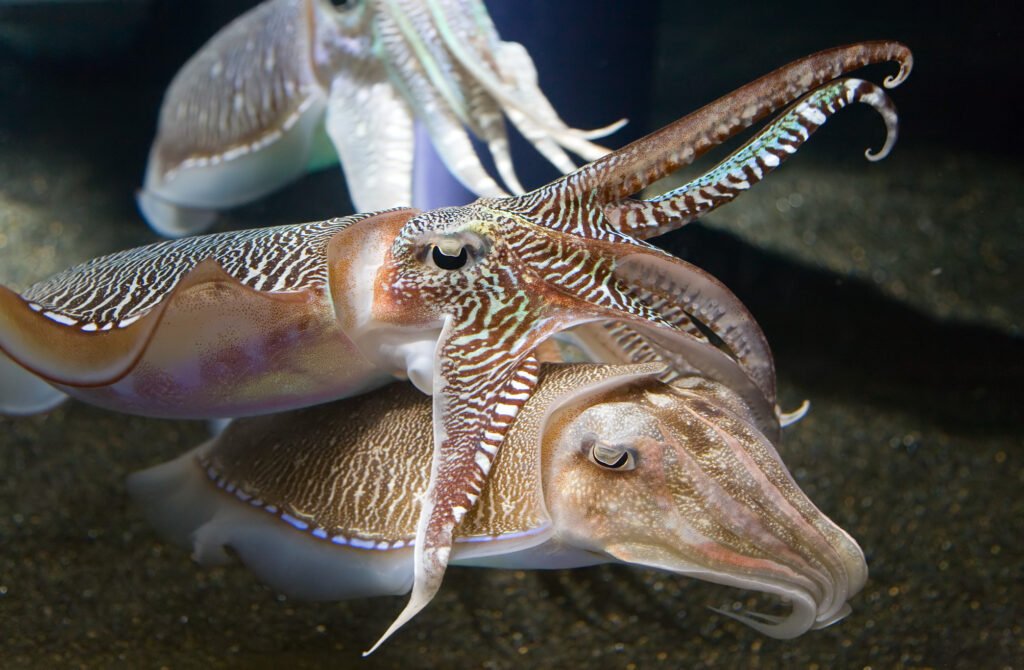
The cuttlefish, a relative of the octopus, is a master of disguise. It has the remarkable ability to change its skin color and texture in the blink of an eye. This rapid transformation is made possible by specialized cells called chromatophores. By mimicking its surroundings, the cuttlefish evades predators by becoming nearly invisible, an awe-inspiring feat in the animal kingdom.
2. Bombardier Beetle’s Explosive Defense
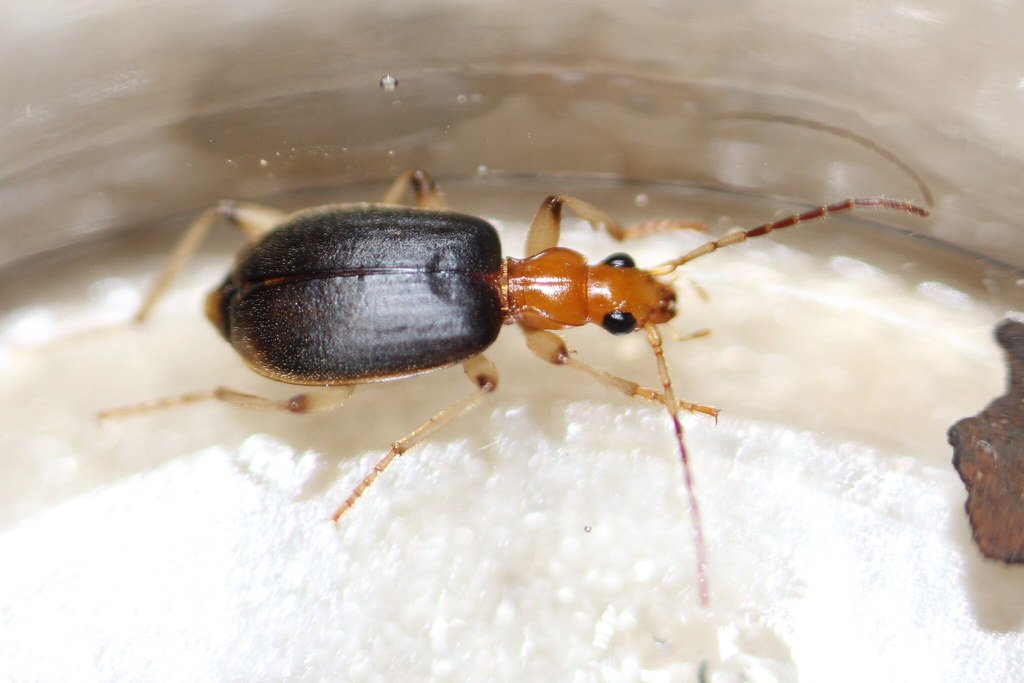
With an internal chemical cannon, the bombardier beetle deters predators by releasing a scalding spray of chemicals. This beetle mixes hydroquinone and hydrogen peroxide in a specialized chamber in its abdomen. When threatened, it explosively releases the hot, noxious spray, often surprising and repelling would-be attackers.
3. Armadillo’s Armored Shell
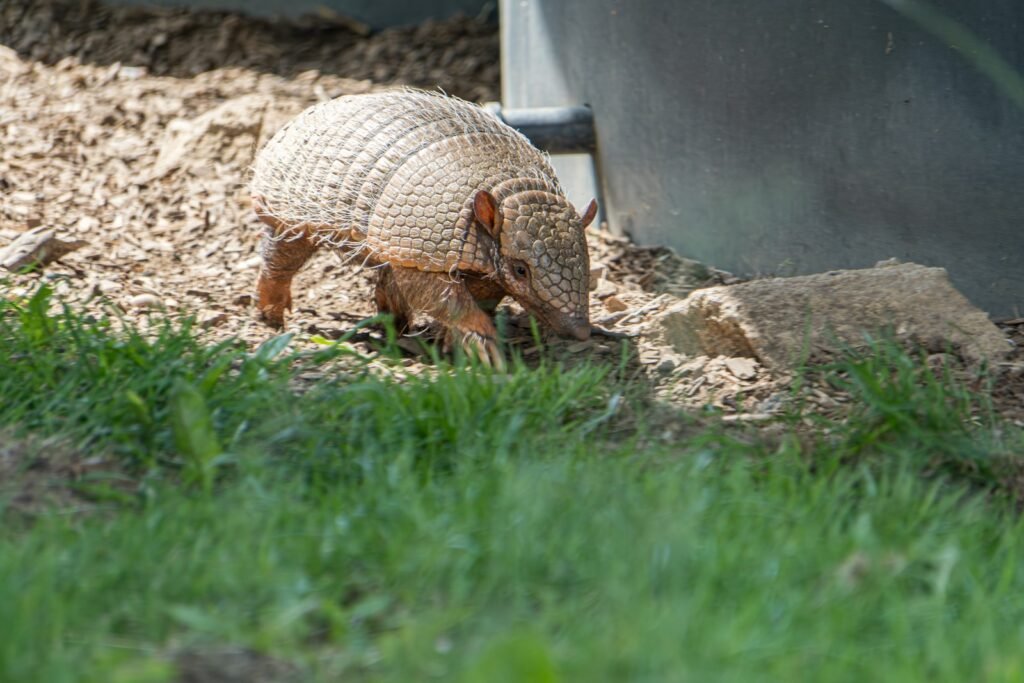
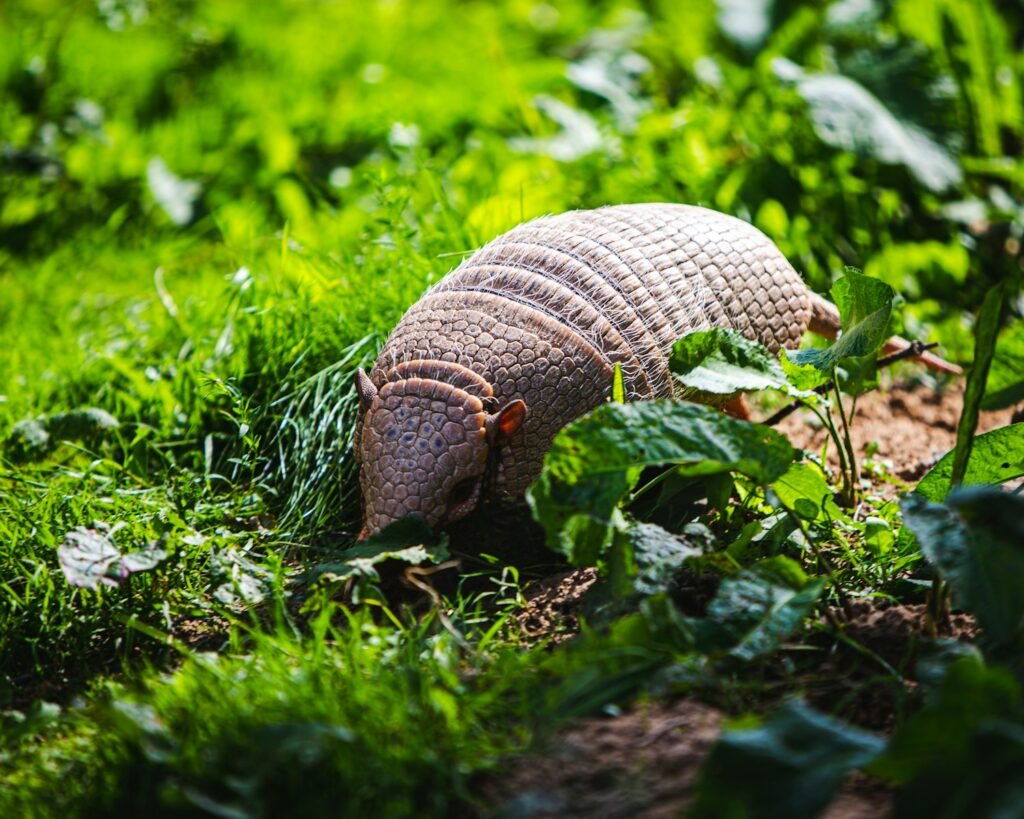
Armadillos are known for their distinctive armor-like shells, which serve as effective protection against predators. When threatened, some armadillo species can curl into a ball, shielding their vulnerable underparts with their tough, bony exterior. This defense mechanism is so effective that it has remained largely unchanged for millions of years.
4. The Hagfish’s Slime Defense
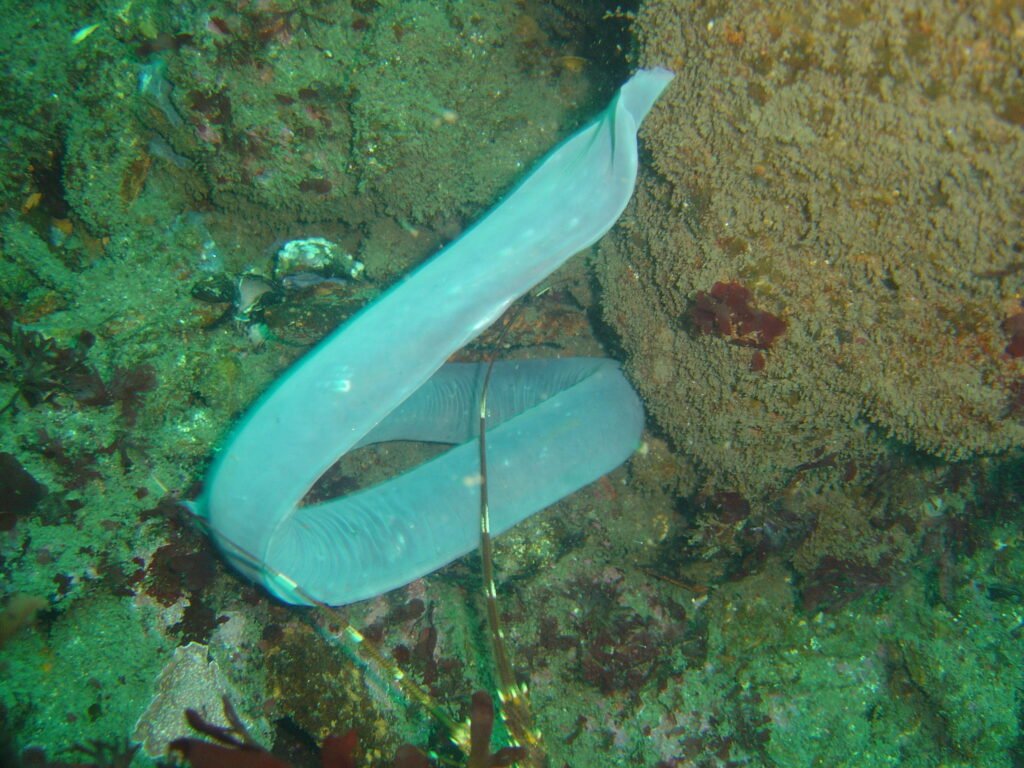
The hagfish may not win any beauty contests, but its defense mechanism is certainly fascinating. When threatened, it secretes copious amounts of slime, creating a slippery barrier between itself and its attacker. This slimy defense can clog the gills of predatory fish, making the hagfish an undesirable meal.
5. Horned Lizard’s Blood-Squirting Eyes
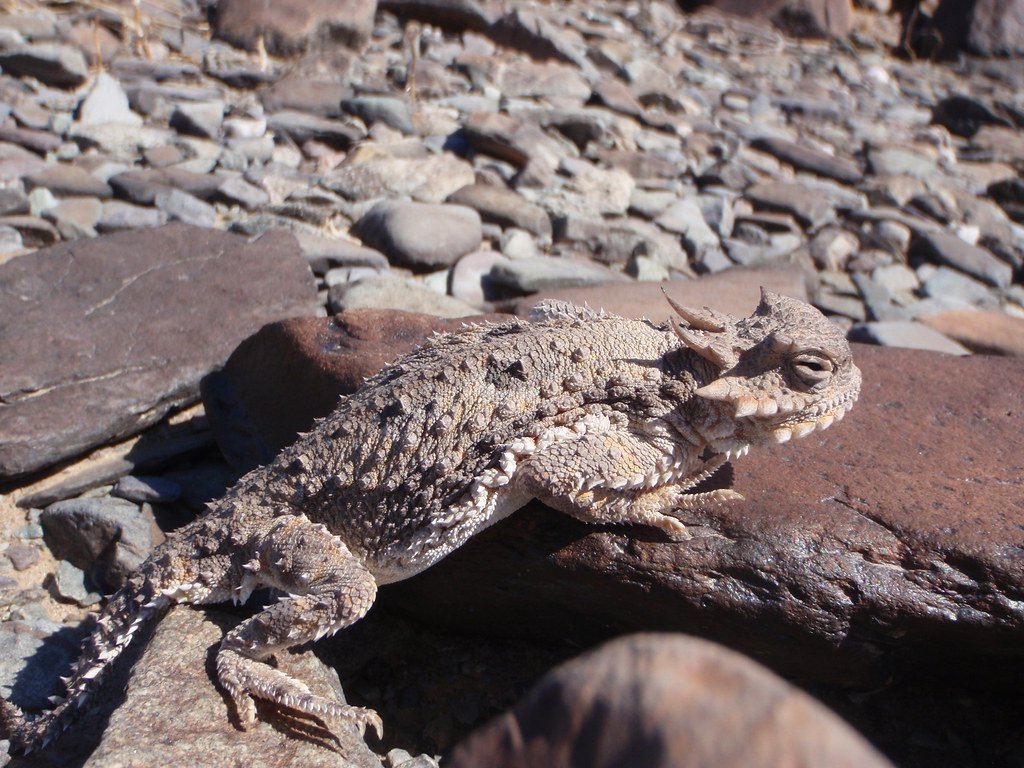
The horned lizard has one of the most bizarre defense mechanisms in nature. When threatened, it can squirt a stream of blood from its eyes, reaching distances up to five feet. This startling display confuses and deters predators, giving the lizard a chance to escape.
6. Sea Cucumbers’ Evisceration

In the ocean’s depths, sea cucumbers have developed a unique way of dealing with threats. They can expel their internal organs to entangle or distract predators, a process known as evisceration. Remarkably, sea cucumbers can regenerate these lost parts over time, ensuring their continued survival.
7. The Peacock Mantis Shrimp’s Punch
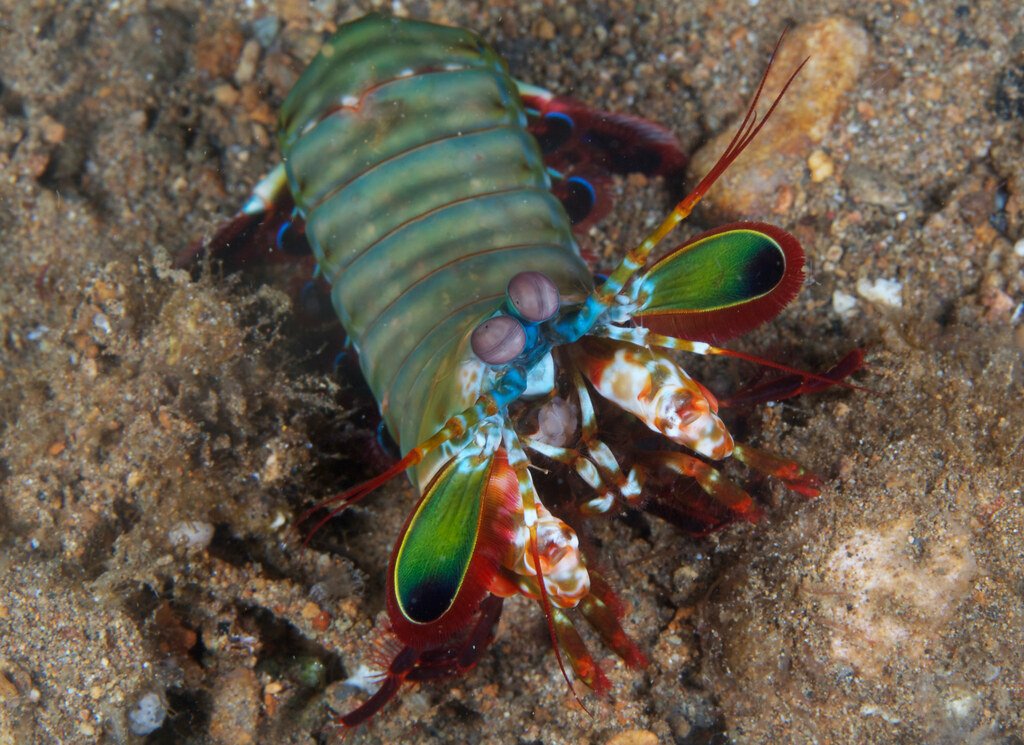
The peacock mantis shrimp is often celebrated for its vibrant colors and formidable punch. This crustacean can strike with the force of a bullet, using specialized appendages to deliver powerful blows that can crack open mollusk shells or deter larger predators. Its punch is one of the fastest recorded movements in the animal kingdom.
8. Pufferfish’s Inflatable Defense
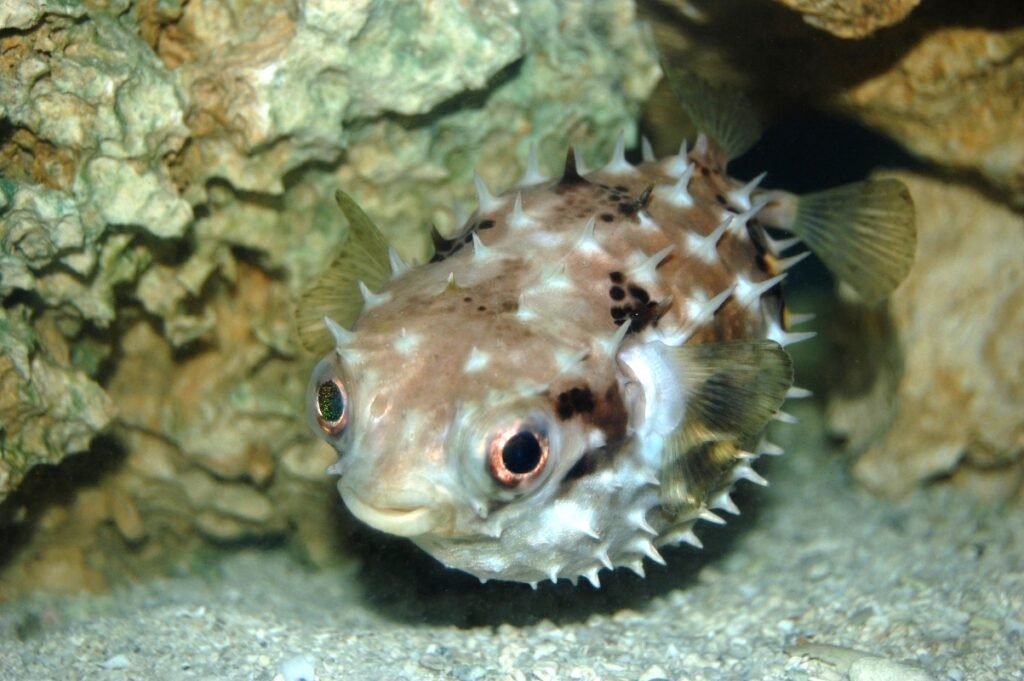
Pufferfish possess a fascinating adaptation that allows them to inflate their bodies dramatically. By gulping water or air, they transform into a spiky, balloon-like shape that discourages predators. This defense mechanism not only makes them difficult to swallow but also reveals their sharp spines, adding another layer of protection.
9. The Opossum’s Feigned Death
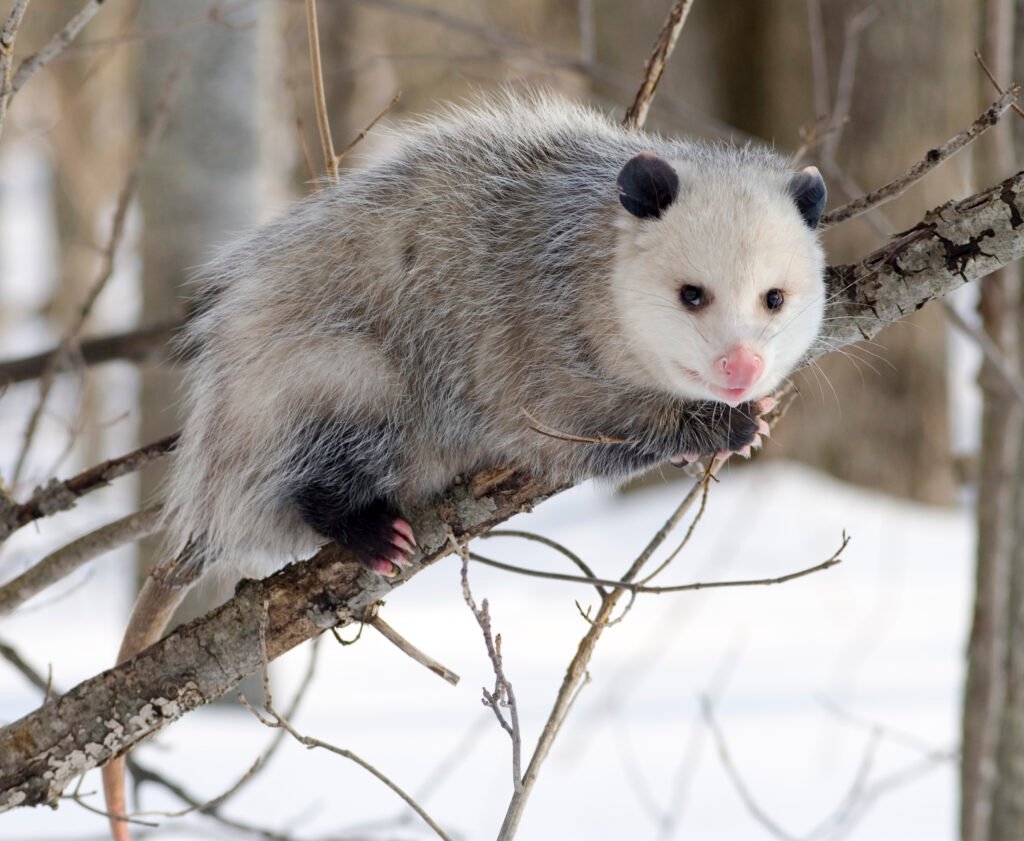
Opossums are famous for “playing dead” when faced with a threat, a behavior known as thanatosis. By mimicking the appearance and smell of a deceased animal, opossums can convince predators to lose interest, as most predators prefer live prey. This act is so convincing that it can deter even the most determined attackers.
10. Octopuses’ Ink Release

When an octopus senses danger, it can expel a cloud of dark ink, creating a smoke-screen effect that confuses predators. This clever trick not only provides an opportunity for escape but also contains chemicals that can interfere with a predator’s sense of smell and taste, further aiding the octopus in its getaway.
11. The Electric Eel’s Shock Tactics
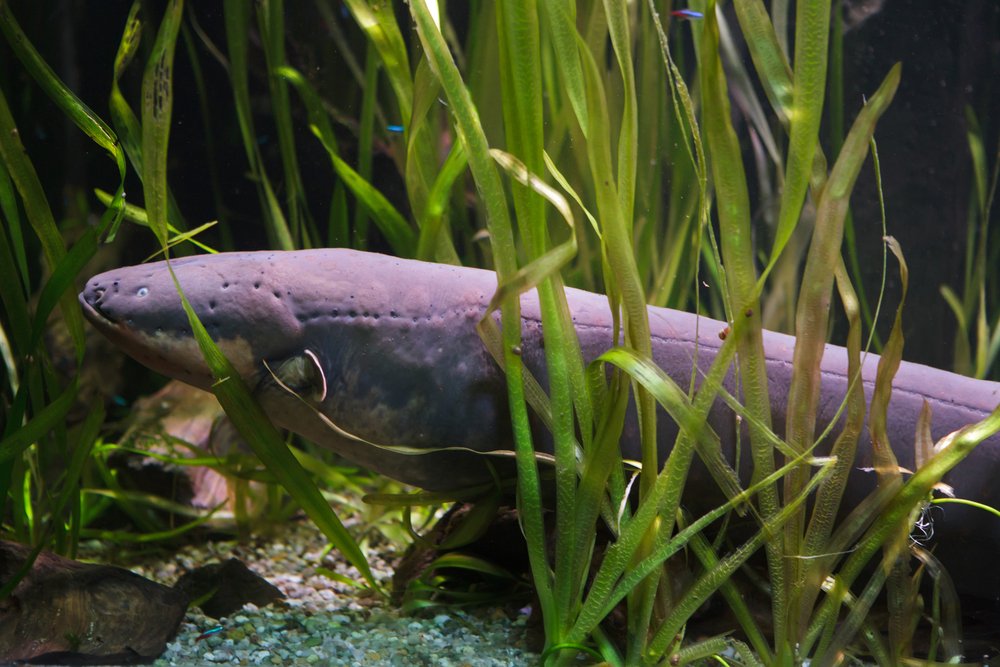
Electric eels possess the ability to generate powerful electric shocks. These shocks, which can be up to 600 volts, serve as both a hunting tool and a defense mechanism. When threatened, the electric eel can unleash a strong burst of electricity, deterring predators and ensuring its safety.
12. The Skunk’s Potent Odor
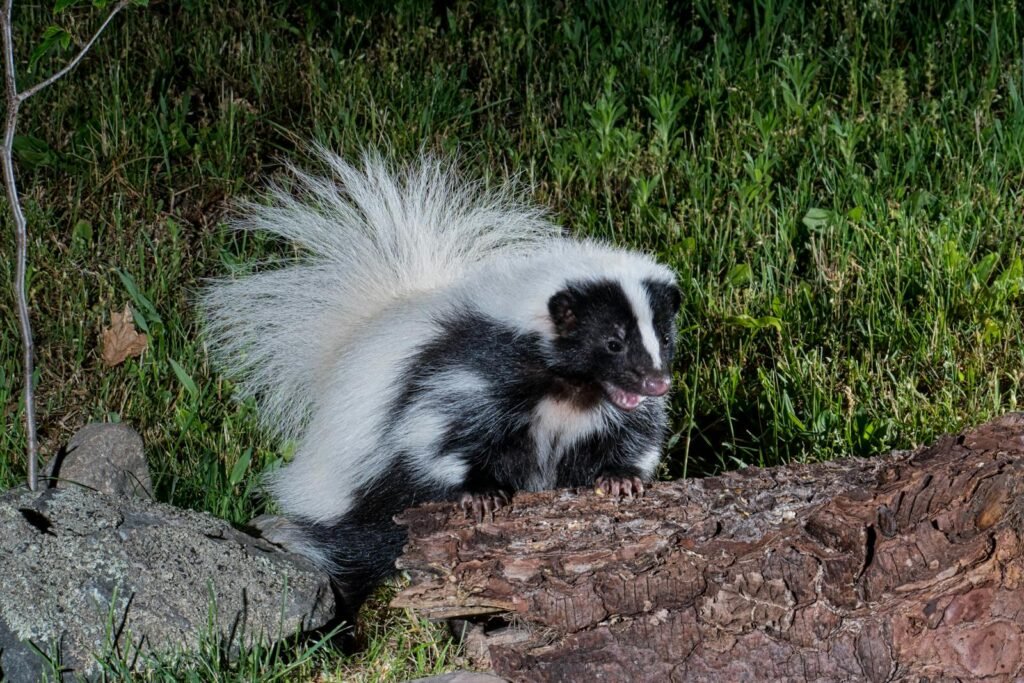
Skunks are known for their infamous chemical spray, a pungent and lasting odor that serves as a highly effective deterrent against predators. Produced in anal glands, this spray can reach targets up to several feet away, making the skunk a creature to be avoided.
13. The African Spitting Cobra’s Aim
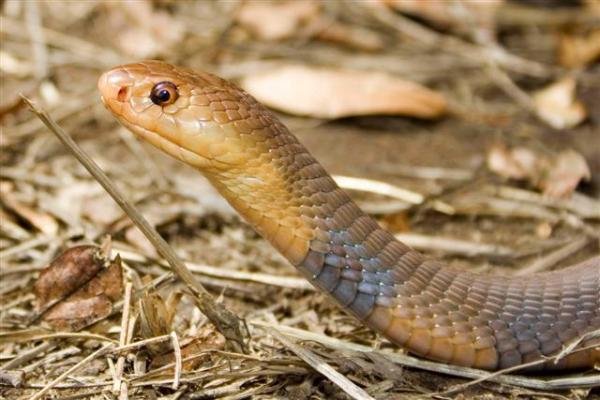
The African spitting cobra has evolved to deliver venom in a unique way. Instead of biting, it can accurately spit venom from its fangs towards the eyes of a predator, causing intense pain and potential blindness. This precision attack is an effective defense, discouraging all but the most determined threats.
14. The Mimic Octopus’s Impersonations
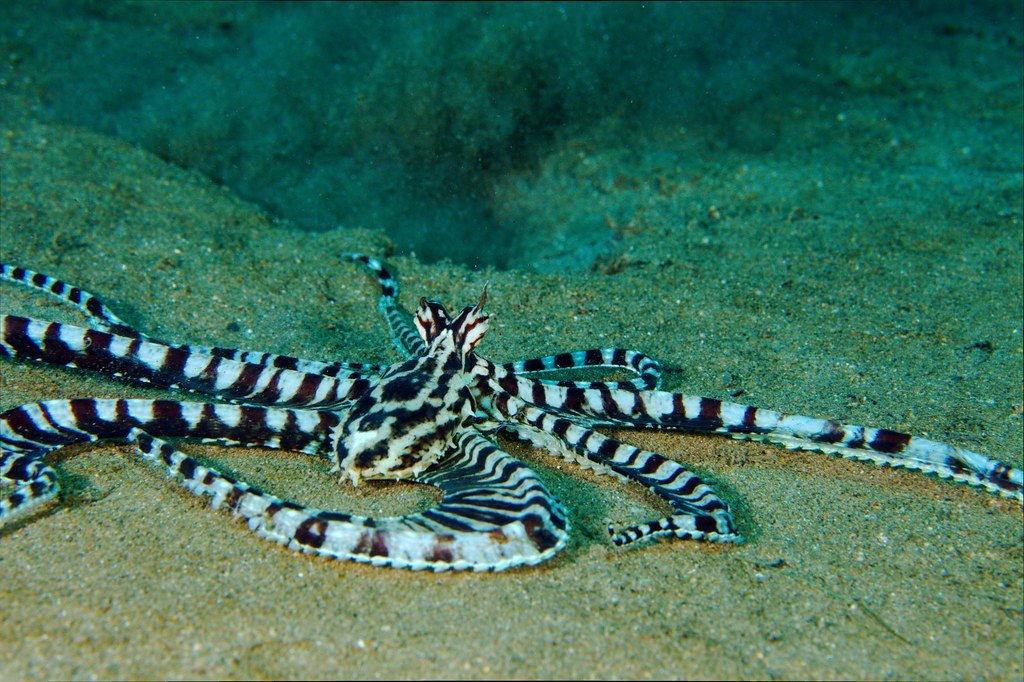
Unlike its relatives, the mimic octopus can imitate the appearance and movements of other marine animals, such as lionfish, flatfish, and sea snakes. This remarkable ability to transform helps it avoid predators by assuming the guise of more dangerous or less palatable creatures.
15. The Malaysian Exploding Ant’s Self-Destruction
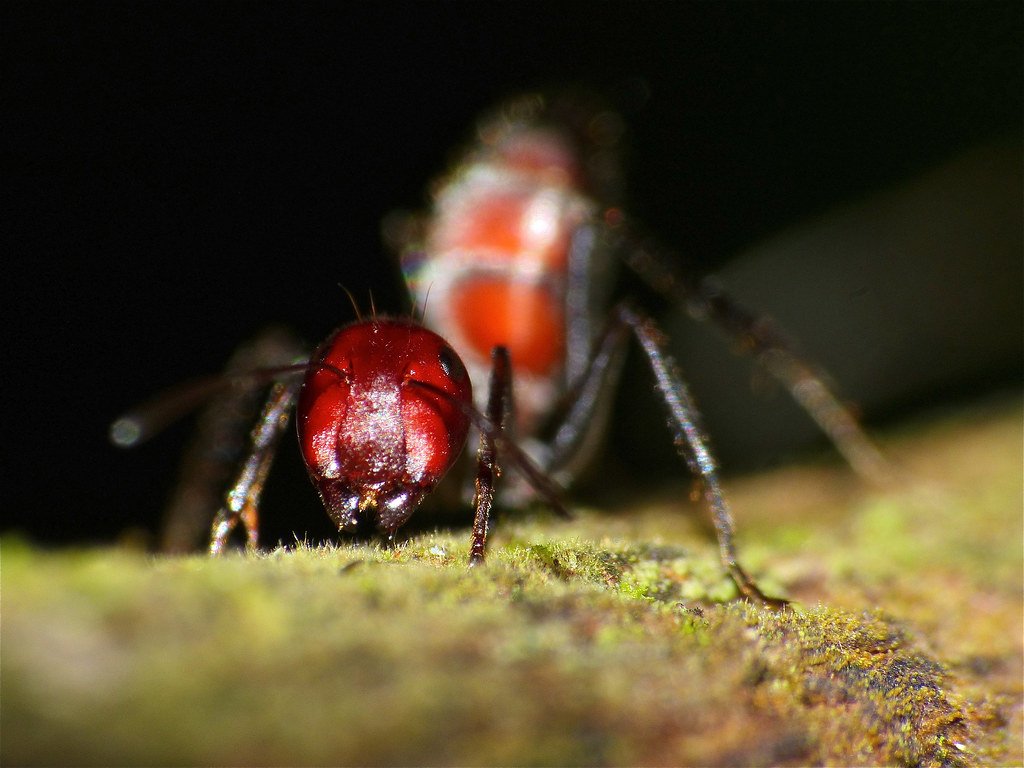
In a display of extreme self-sacrifice, Malaysian exploding ants use a unique form of defense when their colony is threatened. They have enlarged mandibular glands that produce a sticky, toxic substance. When pressed into combat, they can rupture these glands, sacrificing themselves to release the substance and defend the colony.
In the epic saga of life on Earth, these 15 species showcase the diverse and ingenious ways that animals defend themselves against predators. From chemical warfare to clever disguises, nature’s creativity knows no bounds. These adaptations not only highlight the resilience and versatility of life but also remind us of the delicate balance within ecosystems, where every creature has found its niche in the intricate dance of survival.