
If you live in North America, you share your continent with some of the most impressive and intimidating snakes on Earth. Most of them want absolutely nothing to do with you, but a handful carry potent venom, lightning-fast strikes, or sheer size that demands respect. The real twist is that the snakes people fear the most are often not the ones that cause the most serious trouble, and that gap between perception and reality is where things get really interesting.
Before I ever hiked in rattlesnake country, I thought encounters would be constant and dramatic. Instead, I went years without seeing a single one, only later learning that they had almost certainly seen me first and quietly slipped away. That quiet, hidden power is what makes these snakes both frightening and fascinating. This list walks through fifteen of the – not to terrify you, but to help you understand what they are, how they behave, and why respect and knowledge are far better tools than panic.
1. Eastern Diamondback Rattlesnake (Crotalus adamanteus)
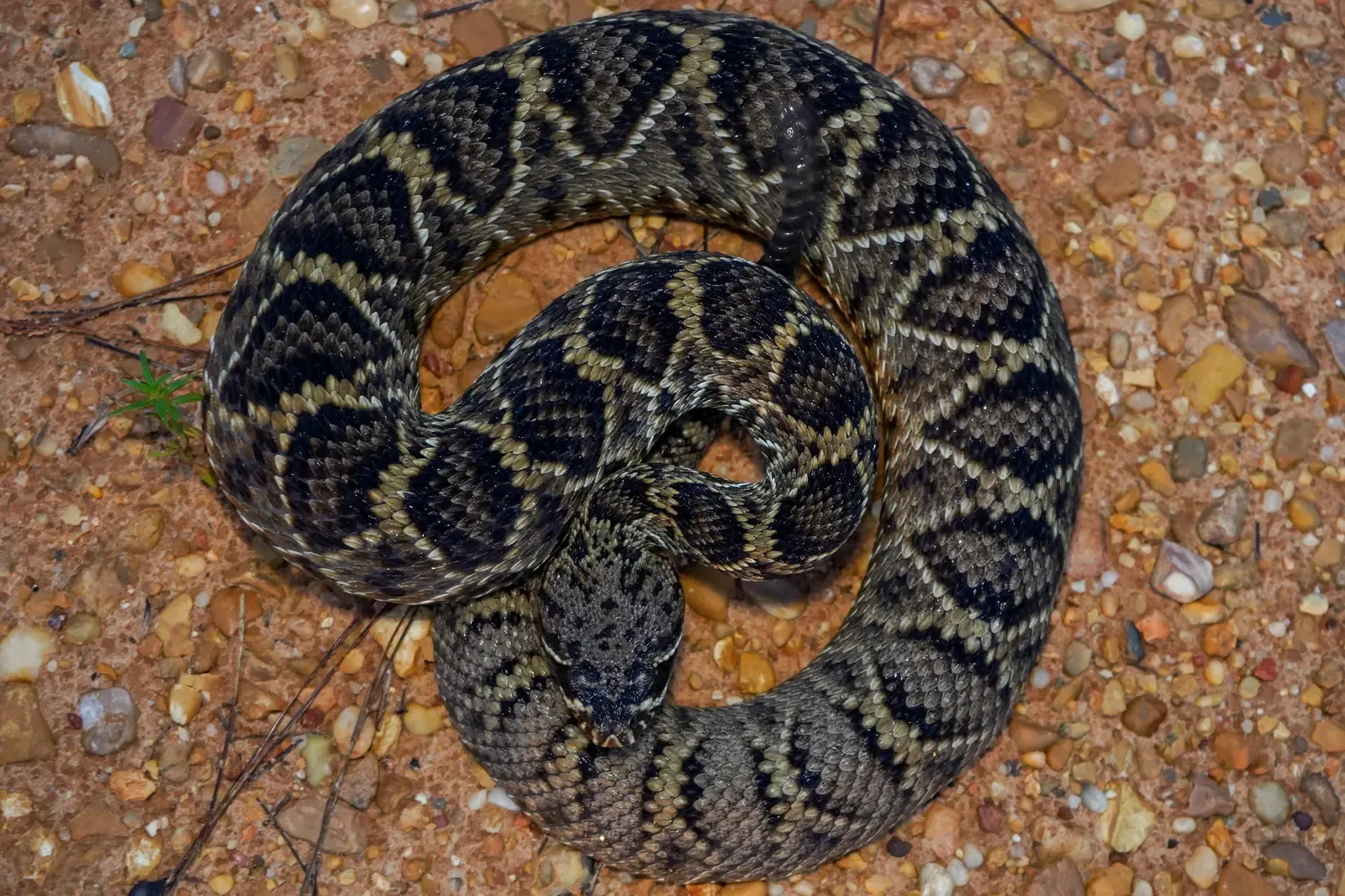
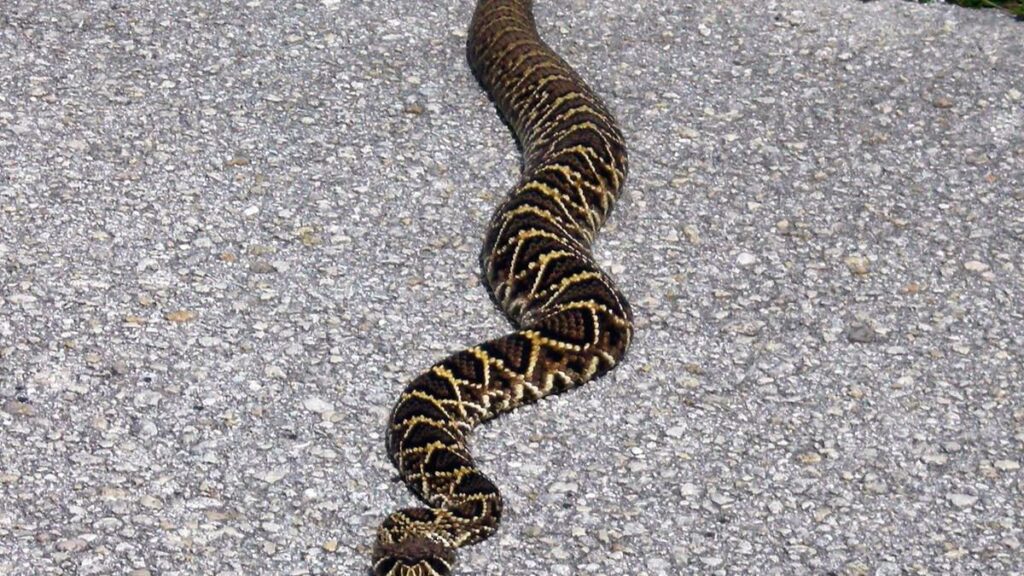
The eastern diamondback rattlesnake is often considered the heavyweight champion of North American venomous snakes. It is the largest rattlesnake species in the world and one of the heaviest venomous snakes anywhere, with some individuals stretching well over six feet and carrying a thick, muscular body. Its bold diamond pattern and imposing triangular head make it look exactly like the kind of animal you do not want to step on.
What makes the eastern diamondback truly dangerous is the combination of a large venom yield and long fangs capable of driving that venom deep into tissue. Its venom can destroy muscle and blood cells, cause massive swelling, and lead to serious systemic effects if not treated quickly. Despite its fearsome reputation, it usually prefers to stay hidden in palmetto thickets, pine forests, or coastal scrub, and it will typically rattle loudly as a warning before striking. Most bites happen when someone tries to handle or kill the snake, which is a bit like picking a fight with a coiled spring loaded with needles.
2. Western Diamondback Rattlesnake (Crotalus atrox)
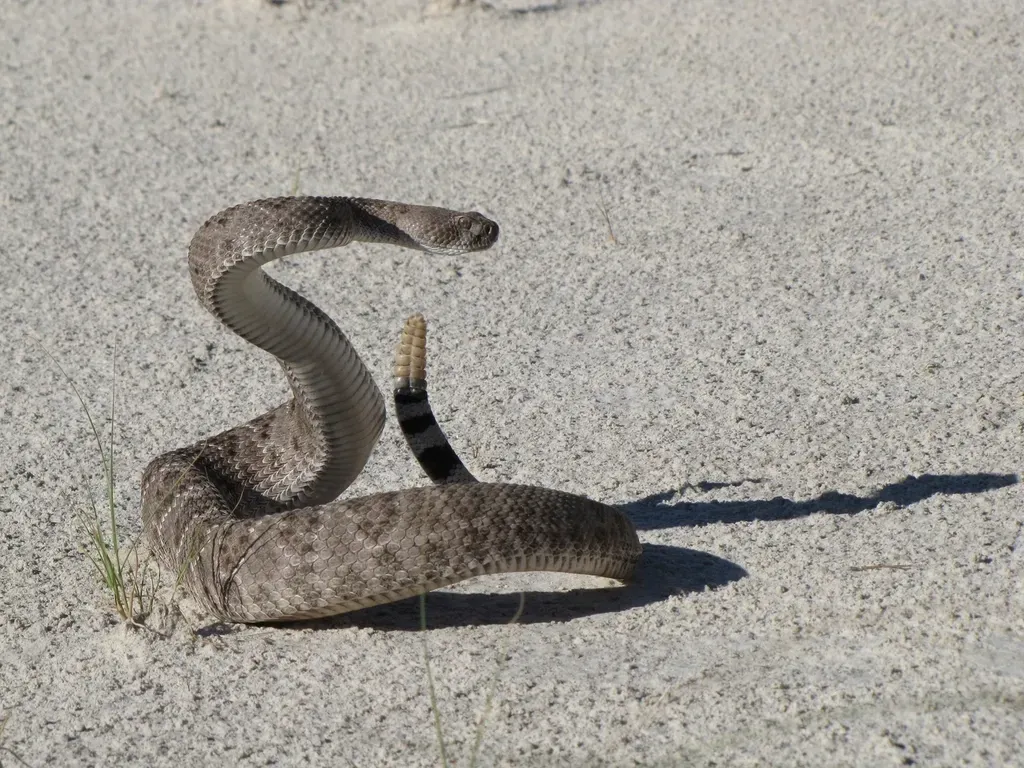
The western diamondback rattlesnake is the iconic rattler of the American Southwest, often seen in movies, artwork, and roadside warning signs. It has a robust body, a pattern of dark diamonds along the back, and distinctive black-and-white banding near the tail that sets it apart from many other species. This snake is highly adaptable, showing up in deserts, grasslands, rocky slopes, and even near human settlements where rodents are plentiful.
From a danger standpoint, the western diamondback is responsible for a substantial portion of serious rattlesnake bites in the United States. Its venom primarily affects blood and soft tissues, causing significant pain, swelling, and potential clotting problems that can quickly become life-threatening without antivenom. It tends to stand its ground when threatened, coiling, rattling, and sometimes advancing rather than immediately fleeing. That boldness, combined with its broad range and frequent overlap with people, makes it one of the snakes you really do not want to surprise on a warm evening hike.
3. Mojave Rattlesnake (Crotalus scutulatus)
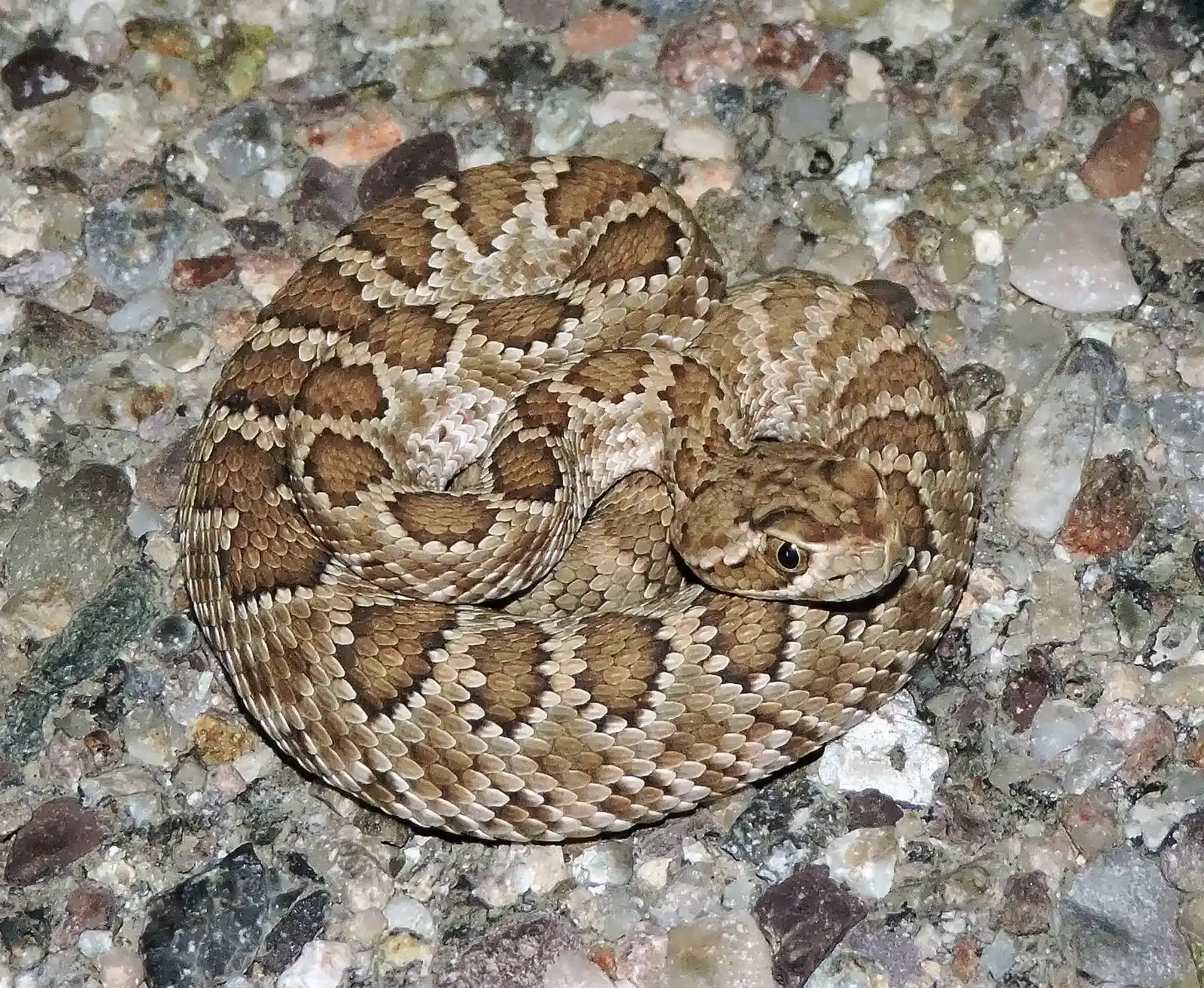
The Mojave rattlesnake has a reputation that borders on legendary among herpetologists and snake enthusiasts, and not in a comforting way. Found primarily in deserts and arid brushlands of the southwestern United States and northern Mexico, it looks a bit like a smaller, slimmer cousin of the western diamondback. However, that somewhat modest appearance hides one of the most potent venoms of any North American rattlesnake.
What makes the Mojave especially concerning is that its venom can contain powerful neurotoxic components that interfere with nerve signaling. This means that, beyond the typical pain and swelling, victims may experience difficulty breathing, blurred vision, or muscle weakness. To complicate things, not every Mojave rattlesnake has exactly the same venom type, and some populations are more neurotoxic than others, which can affect how symptoms develop. For hikers and field workers in its range, the best strategy is simple: never assume a small, unassuming rattlesnake is harmless just because it is not as big as an eastern diamondback.
4. Timber Rattlesnake (Crotalus horridus)
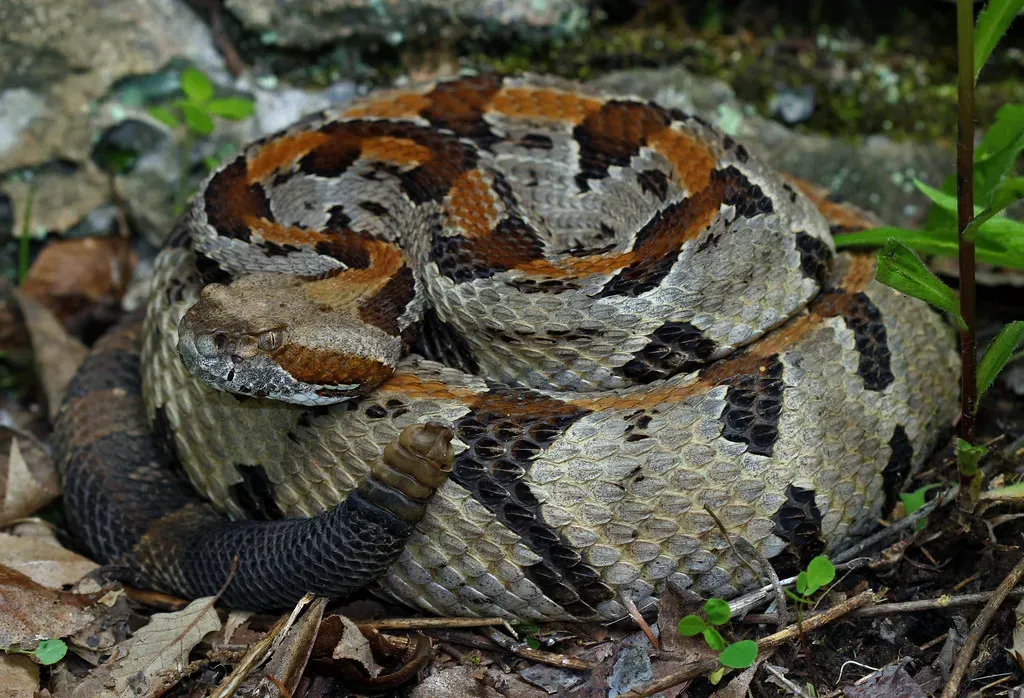
The timber rattlesnake is a striking snake that haunts rocky hillsides, forests, and rugged outcrops from parts of the Midwest to the eastern United States. It comes in a variety of color patterns, from golden with dark bands to nearly black individuals that look like living shadows sliding across the forest floor. Historically, this species was widespread, but habitat loss and persecution have reduced its numbers in many regions.
Toxicologically, the timber rattlesnake is no lightweight. Some populations have venom that combines tissue-damaging and blood-acting components, while others may have venom with more pronounced effects on the nervous system. That mixed venom profile can make bites particularly unpredictable and medically serious. Fortunately, timber rattlesnakes are often described as relatively calm and reluctant to strike unless severely provoked or stepped on. They tend to rely on camouflage, lying motionless along logs or rocky ledges, which is both an effective survival strategy and a reason unsuspecting hikers sometimes get far closer than they realize.
5. Eastern Coral Snake (Micrurus fulvius)
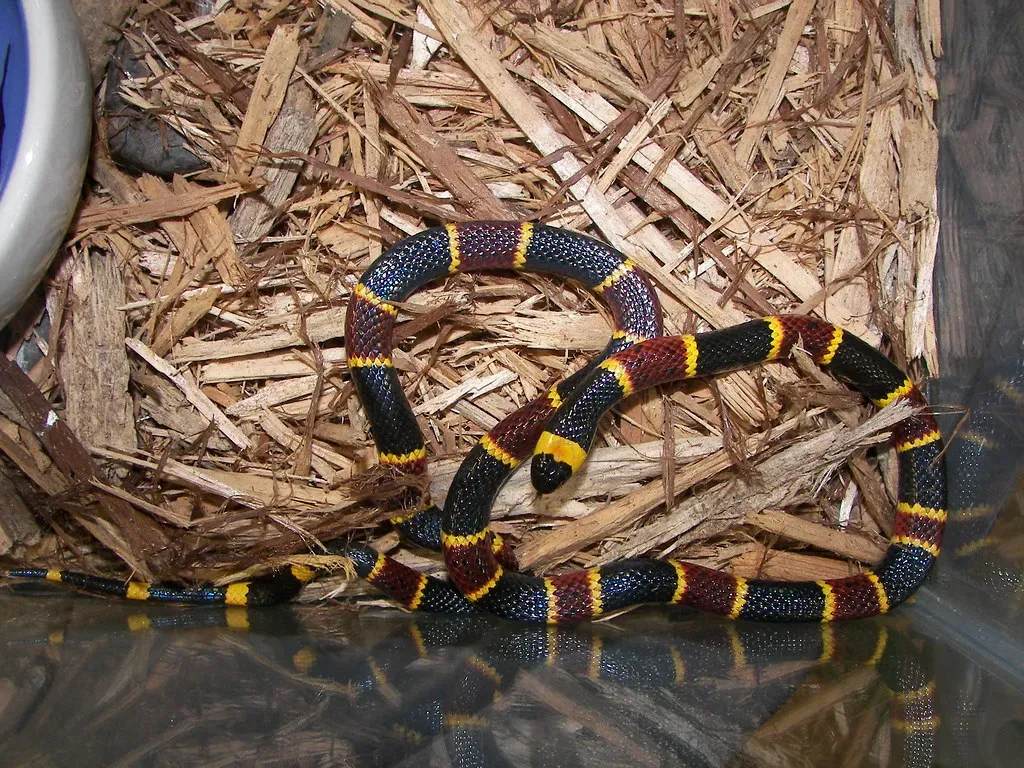
The eastern coral snake is almost too beautiful for its own good, with bright red, yellow, and black bands that look like something painted by a careful hand. Found in the southeastern United States, especially in sandy pine forests, scrub, and leaf litter, it spends much of its life hidden under debris, in burrows, or within dense groundcover. Unlike rattlesnakes, it has a small head, fixed front fangs, and no rattle to warn you off.
Its danger comes from a potent neurotoxic venom that targets the nervous system, potentially leading to respiratory failure if a serious bite is left untreated. Early symptoms can sometimes be deceptively mild, giving a false sense of security before more severe signs appear. Interestingly, verified bites on humans are relatively rare compared to rattlesnake bites, largely because coral snakes are secretive and prefer to avoid confrontation. Still, their striking colors and small size can tempt curious people to pick them up, and that is exactly when things can go badly wrong.
6. Cottonmouth / Water Moccasin (Agkistrodon piscivorus)
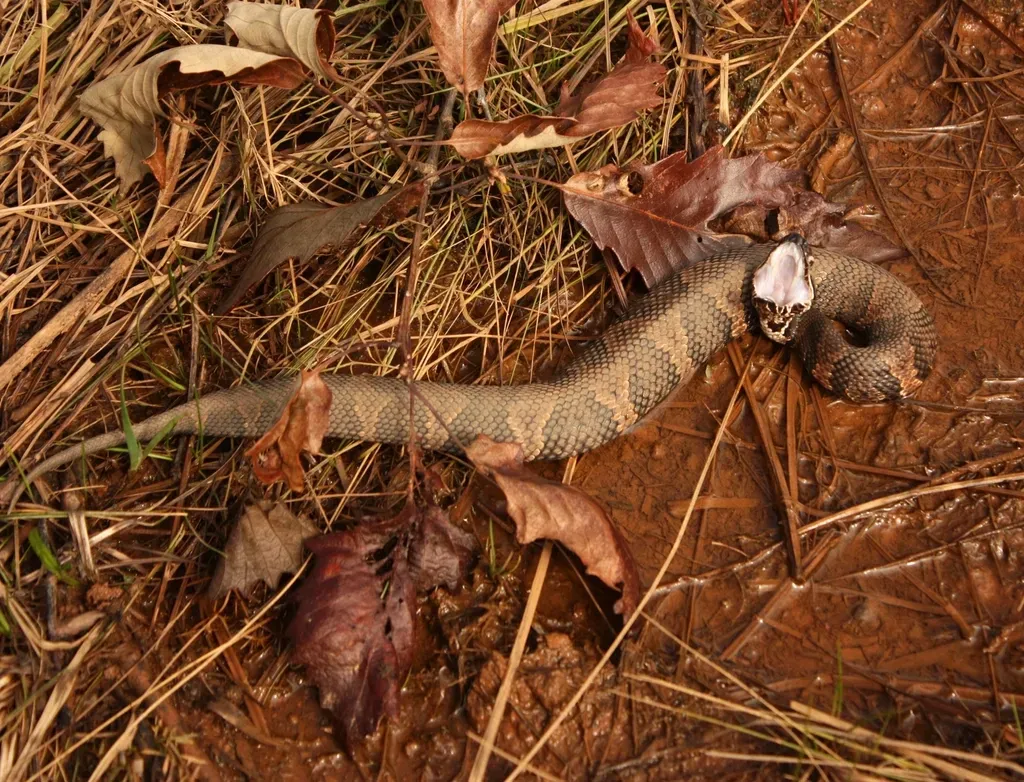
The cottonmouth, also known as the water moccasin, is the snake that fuels countless campfire stories across the southeastern United States. It is a semi-aquatic pit viper that frequents swamps, ponds, slow-moving creeks, and flooded fields, often basking on logs or coiled at the water’s edge. Its name comes from the stark white interior of its mouth, which it flashes dramatically when threatened.
Cottonmouth venom is strongly tissue-damaging, capable of causing intense pain, marked swelling, and destruction of skin and muscle around the bite site. Despite many exaggerated tales, these snakes are not actively hunting down swimmers or canoeists; in most cases, they try to escape or freeze in place. The problem is that people often encounter them at close range in murky water or dense vegetation, increasing the risk of accidental steps or grabs. In my own experience paddling southern waterways, the scariest moment is never the alligator you see ahead – it is the sudden realization that the “stick” on the bank has eyes.
7. Copperhead (Agkistrodon contortrix)
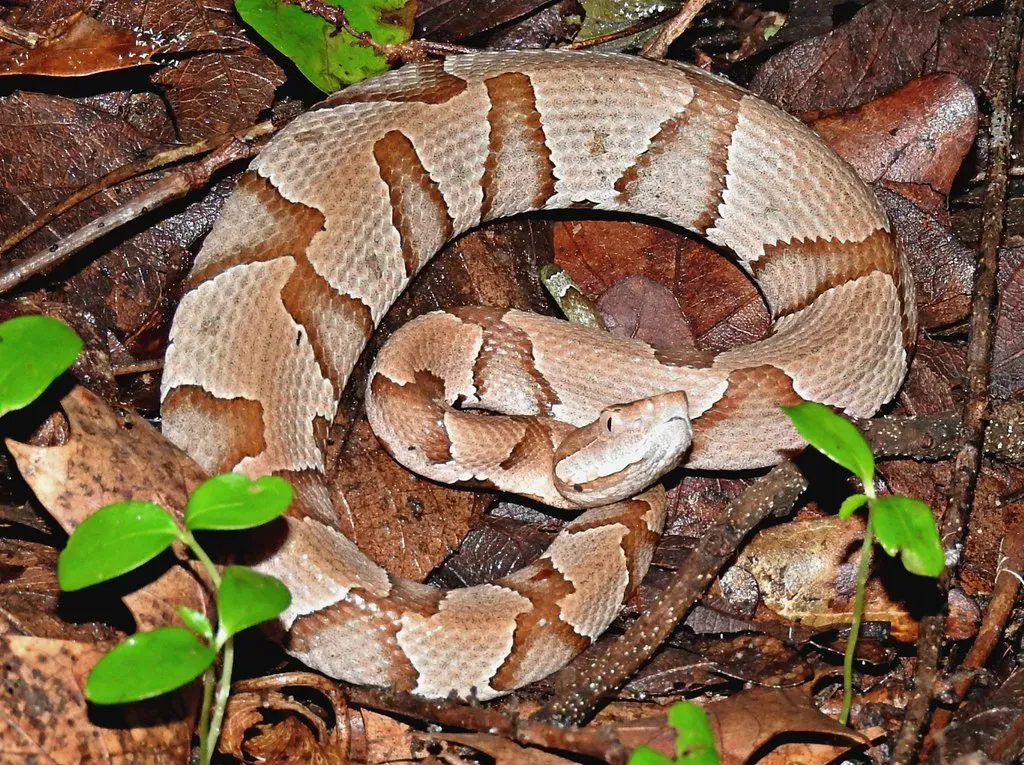
Copperheads are masters of camouflage, blending almost perfectly with dead leaves and forest debris across much of the eastern and central United States. Their warm coppery heads and hourglass-shaped bands make them beautiful, but that pattern is precisely what makes them so easy to overlook underfoot. They tend to favor edges of forests, rocky hillsides, and areas where humans and nature mingle, like woodpiles and garden borders near wild land.
Medically, copperhead venom is generally less potent than that of larger rattlesnakes, and fatalities from confirmed bites are rare with modern care. However, their bites are still painful, can cause significant swelling, and may require antivenom and hospital treatment in serious cases. One big reason copperheads are considered dangerous is sheer frequency of contact: they are common in many populated regions, and their habit of freezing in place increases the chance of people stepping directly on them. In practical terms, that quiet, well-hidden snake you almost never see can be more of a day-to-day risk than a more powerful species that lives far from human paths.
8. Prairie Rattlesnake (Crotalus viridis)
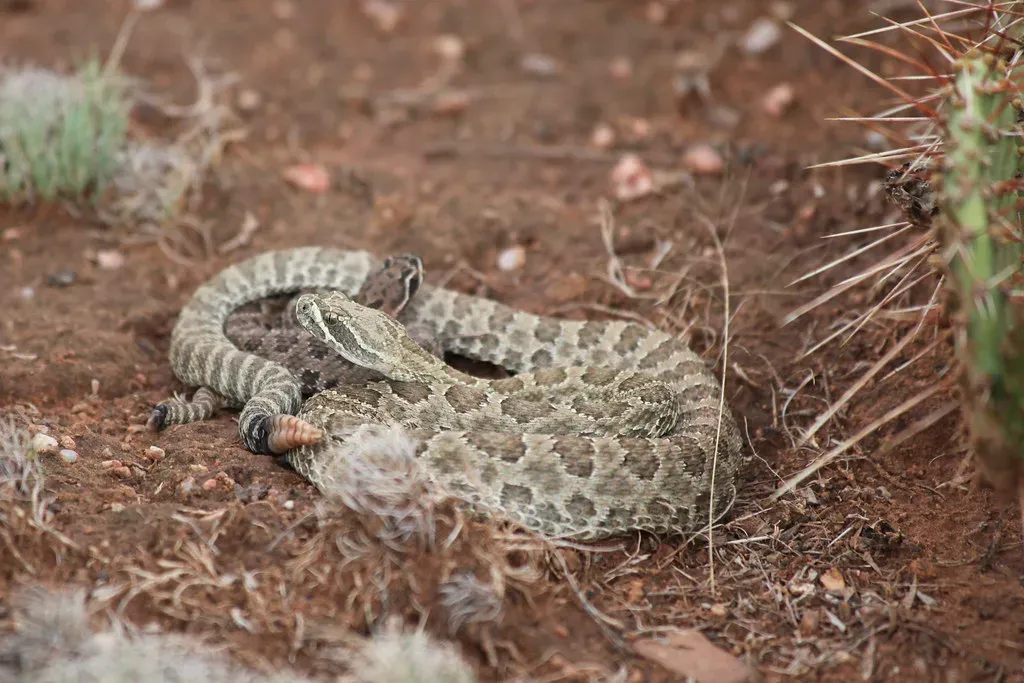
The prairie rattlesnake is the wide-ranging pit viper of the American West and parts of Canada and Mexico, occupying grasslands, prairies, badlands, and open country. It has a series of rounded blotches along its back and a subdued coloration that blends well with dry grasses and dusty soil. Because it inhabits ranchland and open rangeland, it overlaps heavily with livestock, pets, and people working or recreating outdoors.
The venom of the prairie rattlesnake is primarily hemotoxic, affecting blood and tissues, and can produce severe swelling, pain, and systemic effects if not treated. Ranch dogs and outdoor cats are frequent victims, often bitten while investigating a coiled snake they mistake for a harmless curiosity. For humans, most encounters end peacefully, especially if you give the snake space once you hear the rattle or spot its coiled form. From a conservation and safety standpoint, it sits in that uncomfortable middle ground: common enough to matter, dangerous enough to warrant caution, but also an important predator of rodents that carry disease and damage crops.
9. Massasauga Rattlesnake (Sistrurus catenatus)
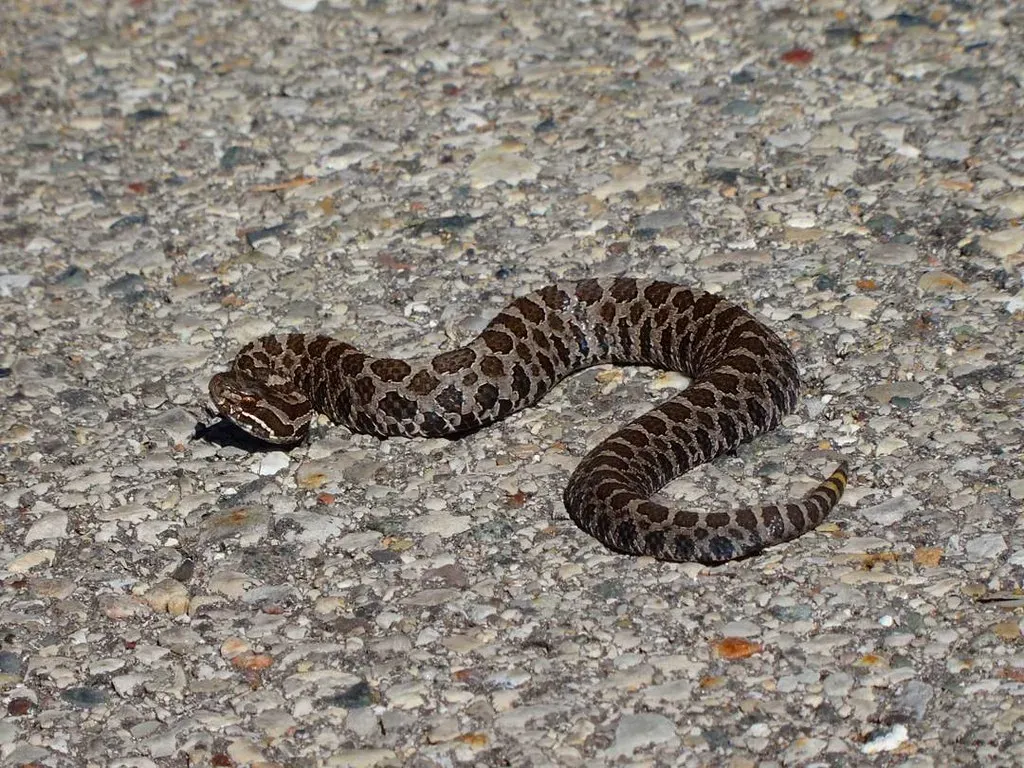
The massasauga rattlesnake is a smaller, more secretive pit viper found in scattered populations across parts of the Midwest, Great Lakes region, and into Canada and the central United States. It is often associated with wetlands, marshes, and damp prairies, although it can also be found in drier grasslands and rocky areas near water. Its rattle is relatively small, producing a softer sound that is easier to miss than the loud buzzing of larger rattlesnakes.
While its venom is potent and capable of causing serious local and systemic effects, the average venom yield is lower than that of the big diamondback species. Still, a massasauga bite is a medical emergency and can be especially dangerous for children, the elderly, or those with underlying health conditions. From a broader perspective, the massasauga is a good example of a snake that is both legally protected in many regions and potentially dangerous if mishandled. That dual reality forces us to hold two ideas at once: this is a species that deserves protection and respect for its ecological role, and at the same time, it is not an animal to pick up for a photo.
10. Pygmy Rattlesnake (Sistrurus miliarius)
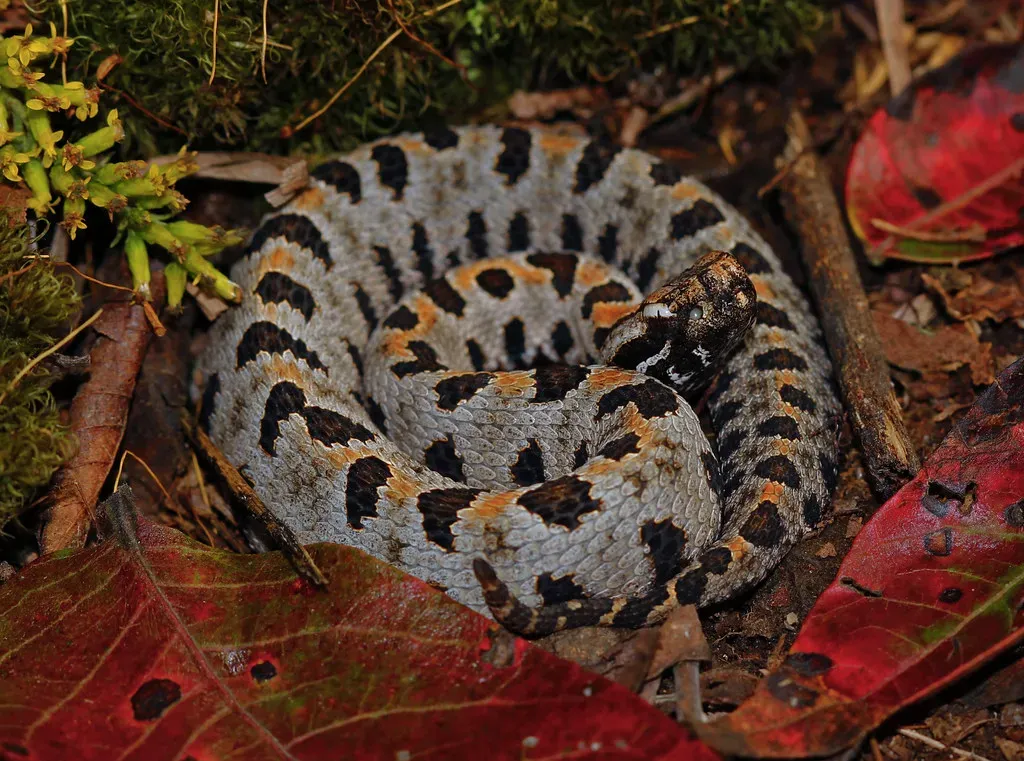
The pygmy rattlesnake might be the best illustration of how size does not always reflect danger when it comes to venomous snakes. This species is small, often little more than a couple of feet long, with a delicate rattle that is so quiet it can be mistaken for an insect buzz. Found in the southeastern United States in pine flatwoods, sandhills, and near wetlands, it often lies curled in open patches of ground or among leaves.
Because it is small, its fangs and venom yield are limited compared to large rattlesnakes, but its venom can still cause intense pain, swelling, and tissue damage, particularly in small children or pets. One of the main risks with pygmy rattlesnakes is that people underestimate them or do not notice them at all, especially when walking in sandals or barefoot in rural areas. Their cryptic coloration and tendency to remain still make them easy to step right beside – or on – before you realize you are too close. In practical terms, it teaches a simple principle: when you are in snake country, even tiny rattles deserve big respect.
11. Sidewinder (Crotalus cerastes)
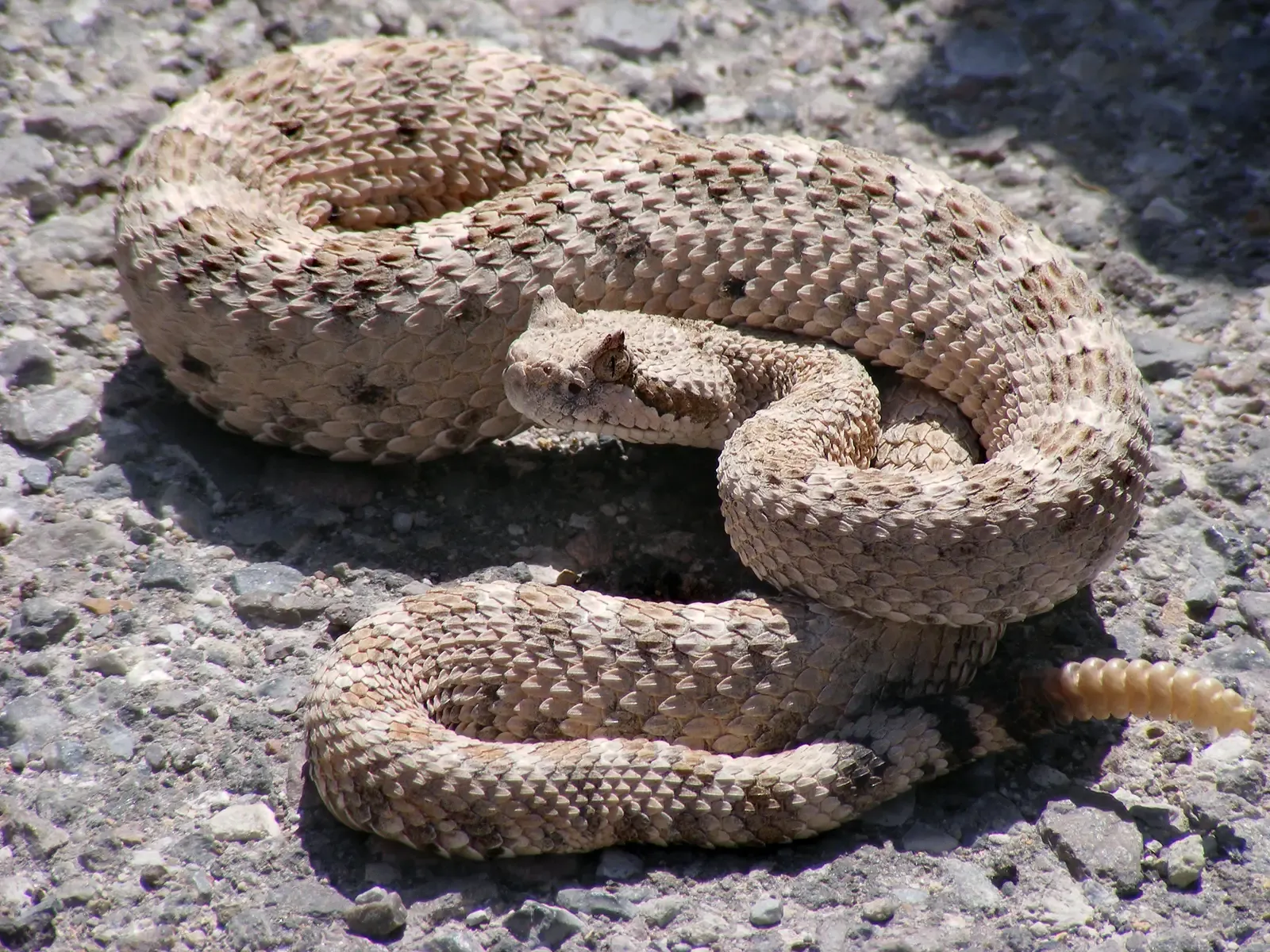
The sidewinder is one of the most distinctive rattle, instantly recognizable by the way it moves. Living in some of the hottest, driest desert regions of the southwestern United States and northern Mexico, it has evolved a unique sideways locomotion that helps it travel across loose sand with minimal contact. Its pale, sandy coloration and horn-like scales above the eyes give it an almost mythical, desert-dweller look.
Venom-wise, the sidewinder is dangerous but generally less medically severe on average than the heavy-bodied species like the diamondbacks. Its venom can still cause significant pain and local damage, and any bite warrants prompt medical care, but fatalities are uncommon with timely treatment. The greater hazard is often for off-road enthusiasts, campers, and children playing on dunes who might encounter a well-camouflaged snake at dusk or night. Watching a sidewinder move is mesmerizing, like a living piece of calligraphy on the sand, but that beauty should always be admired from a safe distance.
12. Western Rattlesnake Complex (Crotalus oreganus and Relatives)
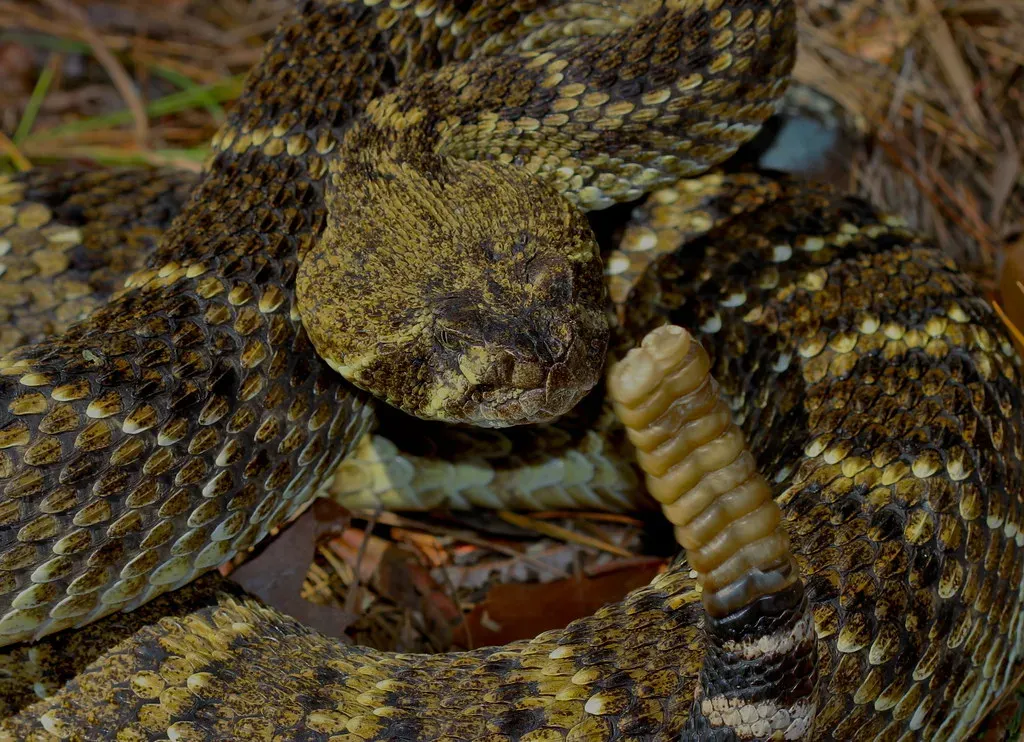
The western rattlesnake complex, which includes species and subspecies like the northern Pacific rattlesnake and others in the western United States and parts of Canada and Mexico, is a broad group that can be confusing even for experts. These snakes occupy forests, rocky slopes, grasslands, and scrub from coastal areas to mountain ranges. Their color and pattern vary widely depending on where they live, which means hikers in one state may be looking at a very different-looking snake than hikers in another.
Despite that variation, many members of this group share a medically significant venom that can cause notable tissue damage, pain, and systemic effects. In some regions, venom studies have found differences in composition that may influence how bites present and respond to treatment. From a practical standpoint, people often lump them together as “western rattlers,” which may gloss over interesting scientific nuance but reflects real-world experience. Whether you are climbing, biking, or trail running in their territory, the smart move is to give any rattlesnake a wide berth and focus more on your footing than on trying to pin down a precise name in the moment.
13. Eastern Diamondback’s Smaller Cousin: The Canebrake / Southern Form of Timber Rattlesnake
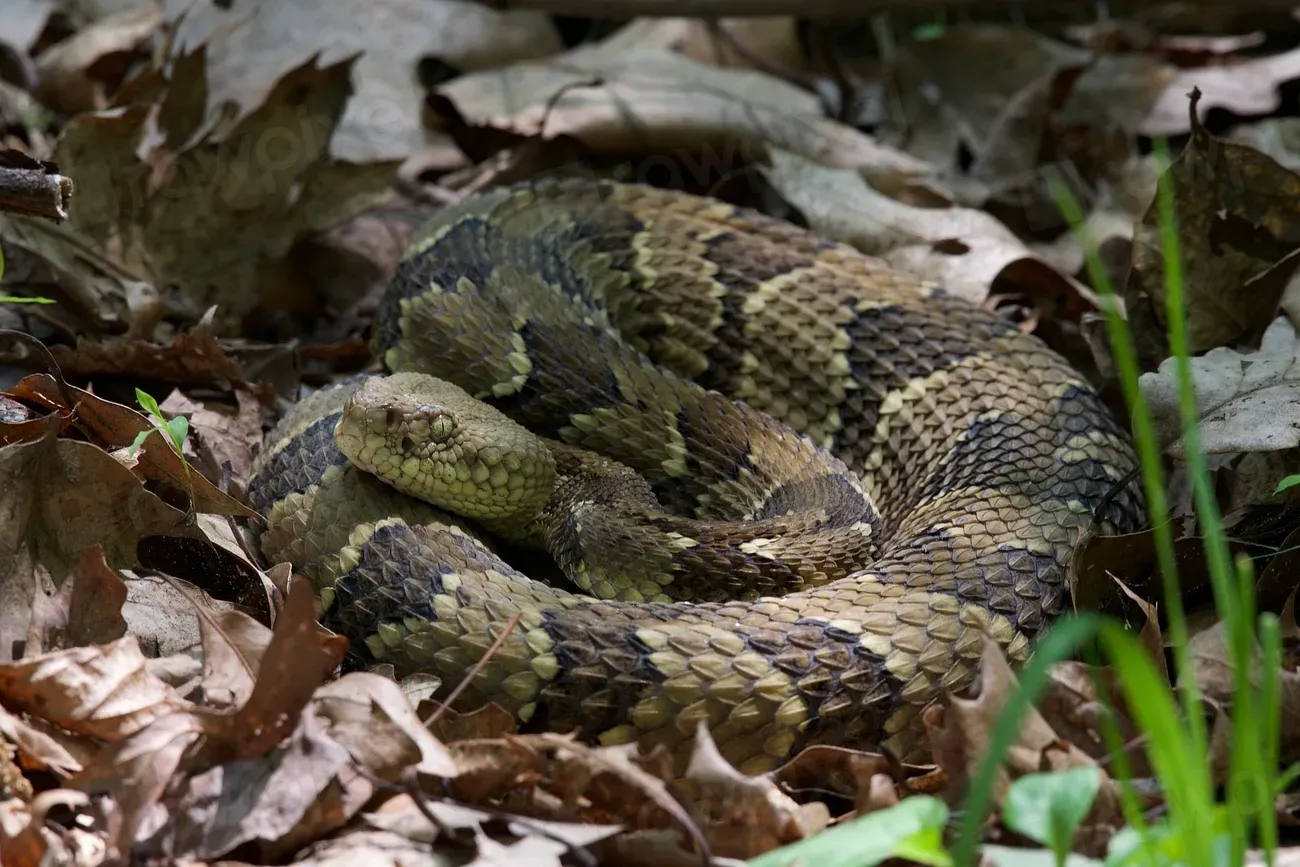
In many parts of the southeastern United States, people colloquially refer to certain timber rattlesnakes in lowland or coastal habitats as canebrakes. While still part of the timber rattlesnake species complex, these populations often inhabit cane thickets, river bottoms, and coastal plains, where they can come into contact with hunters, loggers, and rural residents. They are generally somewhat slimmer than massive eastern diamondbacks, but they share that same aura of coiled authority when encountered on a trail or near a deer stand.
Venom composition in these southern forms can be particularly concerning, sometimes emphasizing components with powerful effects on blood and tissues. Bites can be severe, leading to significant swelling, blistering, and systemic illness without timely care. Many seasoned outdoorspeople in the region will tell you they fear these snakes as much as, or even more than, larger species because they can turn up along game trails or in logging sites with little warning. Their presence is a reminder that danger in snake country is not just about species lists on paper, but about the real ways people and wildlife intersect on working landscapes.
14. Arizona Black Rattlesnake (Crotalus cerberus)
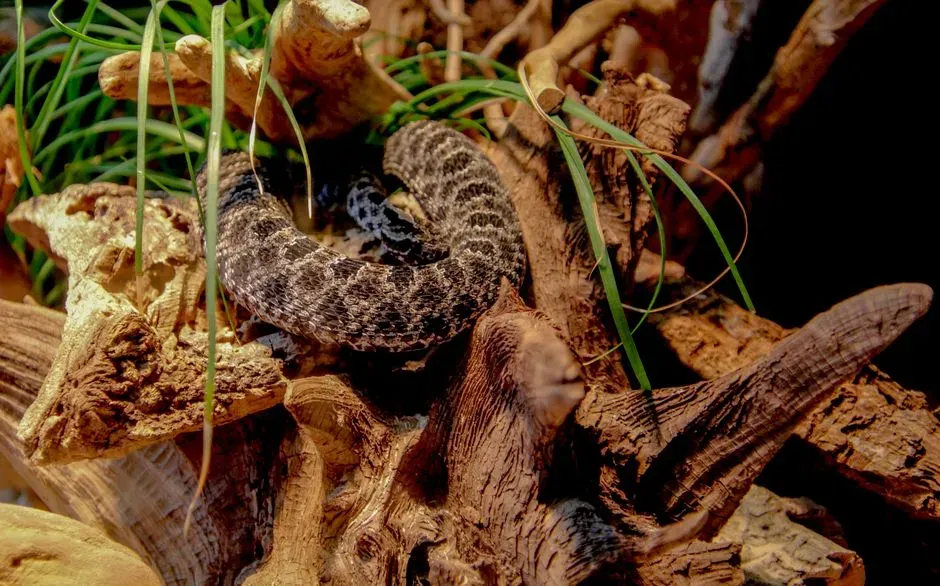
The Arizona black rattlesnake, found mainly in higher elevations and wooded habitats of the southwestern United States, has a mysterious, almost gothic appearance. Adults are often dark, sometimes nearly black, with subtle patterning that is more visible in younger snakes. They favor canyons, pine-oak woodlands, and rocky slopes, places where hikers and campers venture for cooler temperatures and mountain views.
Its venom is solidly in the dangerous category, with the capacity to cause serious local tissue damage and systemic symptoms. Because this species lives in popular outdoor recreation areas, encounters often involve surprised hikers or rock climbers reaching into crevices or stepping near shaded ledges. On a personal note, the first time I saw one, it was coiled quietly beside a downed log, so perfectly shadowed that it seemed to materialize only after my brain finally connected the pattern to the rattle. That moment drove home a simple truth: in snake country, your peripheral vision might be the most important safety tool you have.
15. Mexican West Coast Rattlesnake (Crotalus basiliscus) in Northern Range
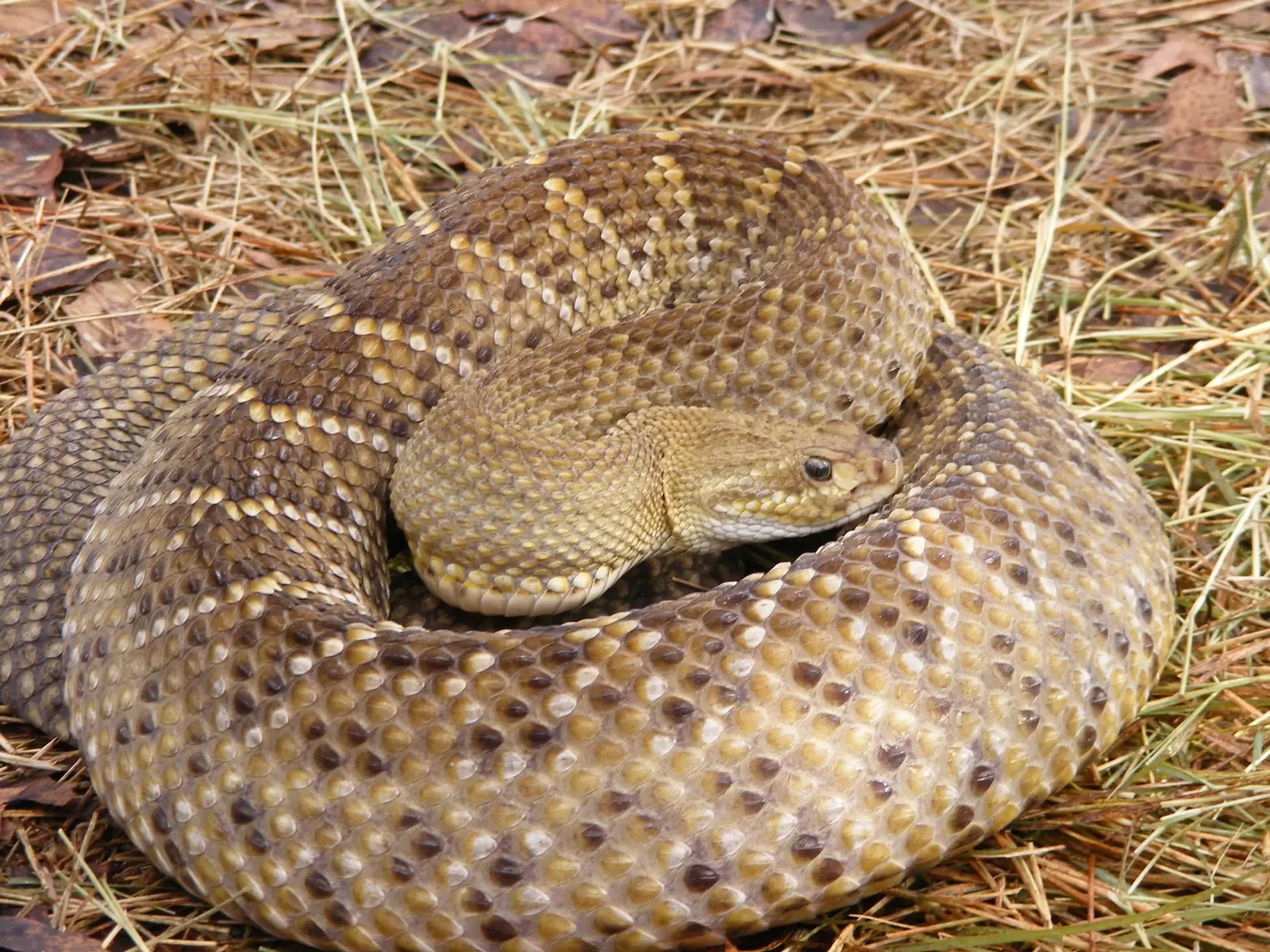
While much of its range lies in Mexico, the Mexican west coast rattlesnake deserves mention because snakes do not recognize human political borders, and its relatives and influences brush up against the southern limits of what many people consider “North America” in a practical sense. This species is large, heavy-bodied, and armed with potent venom that can cause extensive damage in severe bites. It inhabits dry forests, scrub, and open country in regions where human populations are growing and outdoor activity is common.
From a broader safety perspective, this species and its close relatives highlight how the southern boundary of North America includes a diverse and powerful rattlesnake fauna that is sometimes overlooked in U.S.-focused lists. People traveling, working, or adventuring in northern and western Mexico can encounter rattlesnakes that rival or exceed the well-known American species in size and venom strength. In real life, snakes cross roads, move across landscapes, and expand or contract their ranges with climate and habitat changes. That dynamic reality means that understanding “dangerous North American snakes” is not a static checklist, but a living, shifting picture that evolves as both snakes and humans move.
Conclusion: Fear, Respect, and Living Alongside Venomous Snakes
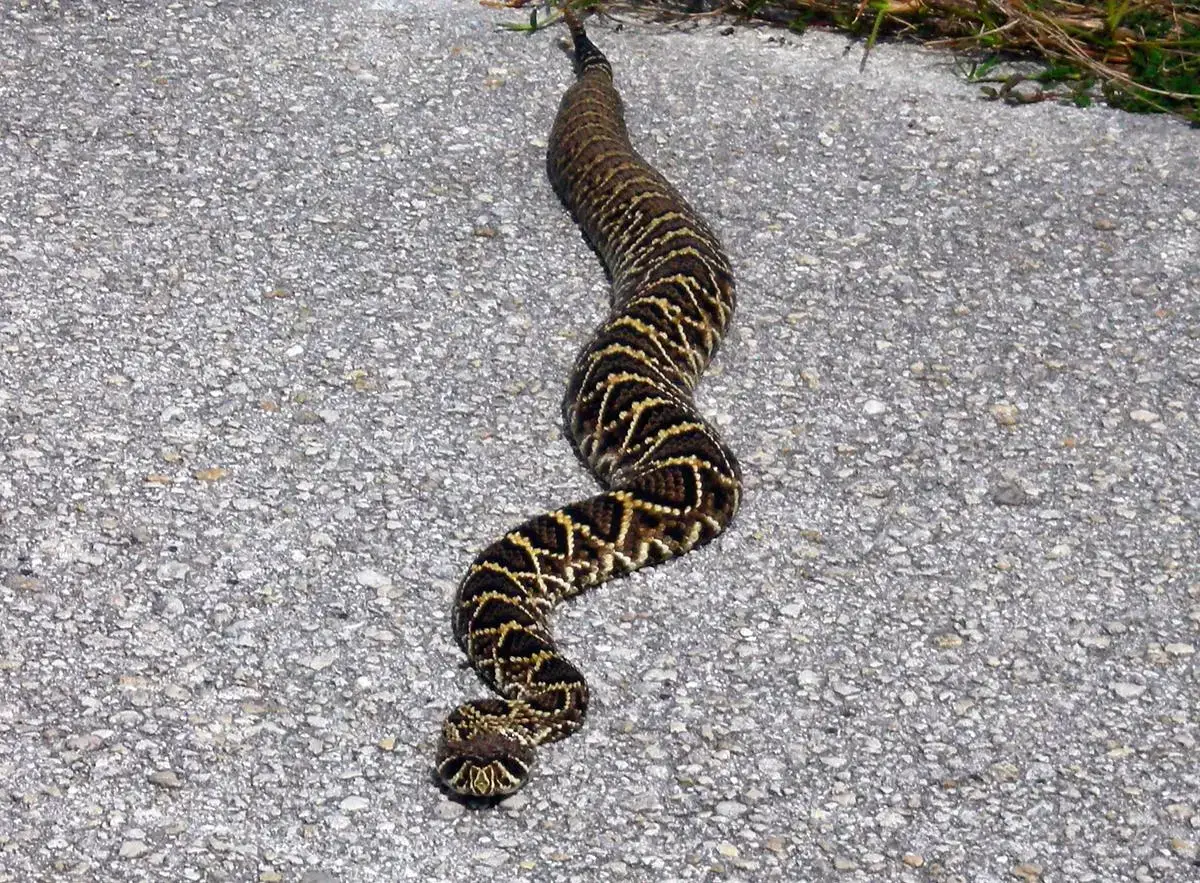
Looking across these fifteen snakes, one pattern jumps out: the ones we fear the most are often not the ones most likely to bite us, and the ones that bite most often are usually just trying to be left alone. Rattlesnakes, cottonmouths, copperheads, and coral snakes are not villains lurking in the dark; they are predators doing essential work controlling rodents and balancing ecosystems. In my view, the real danger is not that these snakes exist, but that we meet them with ignorance, panic, or bravado instead of with calm, informed respect.
The honest, slightly uncomfortable truth is that most serious bites come from people getting too close, trying to kill, handle, or show off a snake rather than simply stepping back. If we treated venomous snakes more like we treat fast-moving traffic – something you respect, give space to, and navigate around – bite numbers would likely shrink dramatically. My opinion is that learning to coexist with these animals is not just possible, it is a mark of a mature, nature-literate society that understands risk without demonizing wildlife. The next time you walk a trail in snake country, will you see these species as lurking threats, or as powerful neighbors deserving a wide berth and a bit of awe?