When you picture your golden years with a dog, you probably imagine peaceful walks, cozy naps, and a gentle companion at your side. The reality is that some breeds can feel more like a full‑time job than a comforting presence, especially if your energy, balance, or strength aren’t what they used to be. Choosing the wrong dog can leave you exhausted, frustrated, or even at risk of injury.
This doesn’t mean these breeds are “bad” dogs. Many are wonderful, loyal, and deeply loving. But they were bred for intense work, endless stamina, or serious protection, and that can clash with a quieter lifestyle. Here are 15 dog breeds that, for most seniors, can be a bit too much to safely and comfortably handle – and what you should think about before bringing one home.
1. Border Collie
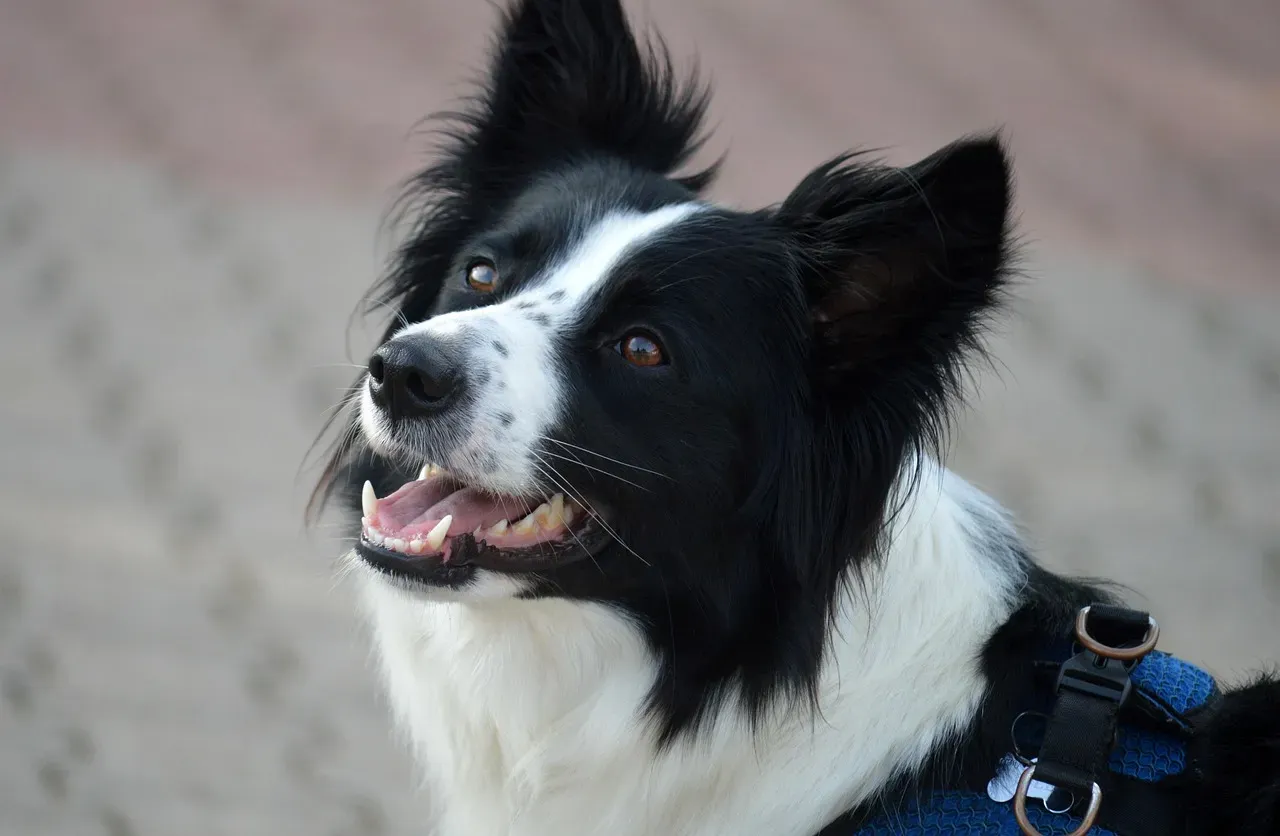
If any dog was designed to overwhelm a slower-paced lifestyle, it’s the Border Collie. This breed was built to run, think, and work all day managing sheep, and that working drive doesn’t just disappear because you live in a condo. You’ll find that a typical walk around the block barely scratches the surface of what this dog needs, both mentally and physically.
When a Border Collie doesn’t get enough to do, you’re likely to see nonstop pacing, obsessive behaviors, and destructive chewing. You might feel guilty watching your dog bounce off the walls while your knees or back simply can’t keep up. Unless you’re still extremely active and committed to constant training and brain games, this breed will probably feel more like a restless toddler than a calming companion.
2. Siberian Husky
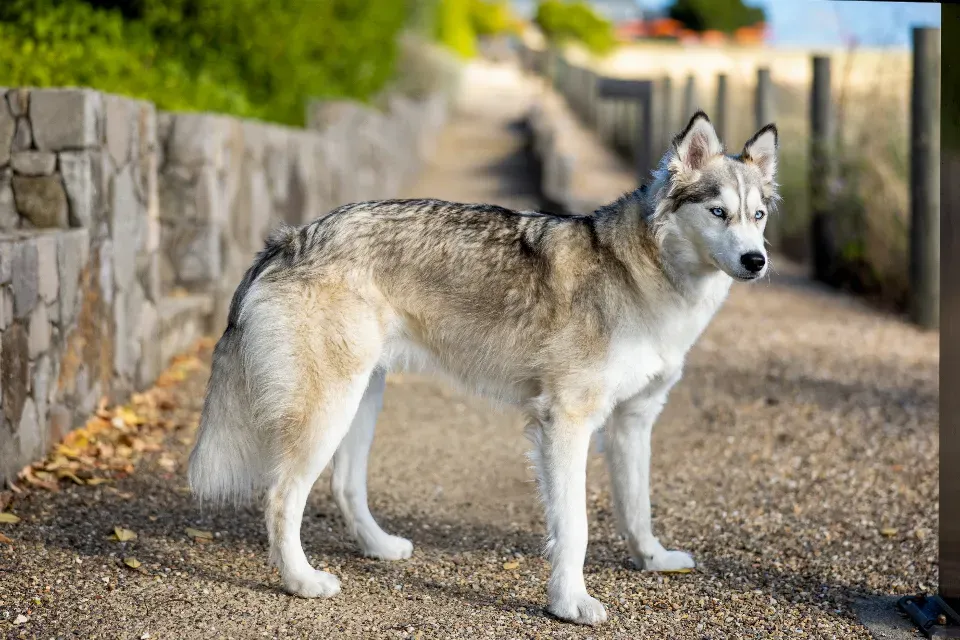
You might fall in love with those icy blue eyes and wolf-like looks, but living with a Husky is a whole different story. These dogs were bred to pull sleds for miles in harsh conditions, so they come with impressive stamina and a serious urge to run. A quick stroll around the neighborhood will not satisfy them; many will still be buzzing with energy afterward and looking for their next adventure.
Huskies are also escape artists, which is a huge issue if your reflexes are slower or your balance is shaky. One loose leash moment or an unlatched gate can turn into a full-speed chase you simply can’t win. Add in their strong prey drive and tendency to be vocal and mischievous, and you may find yourself constantly managing chaos instead of enjoying quiet companionship.
3. German Shepherd
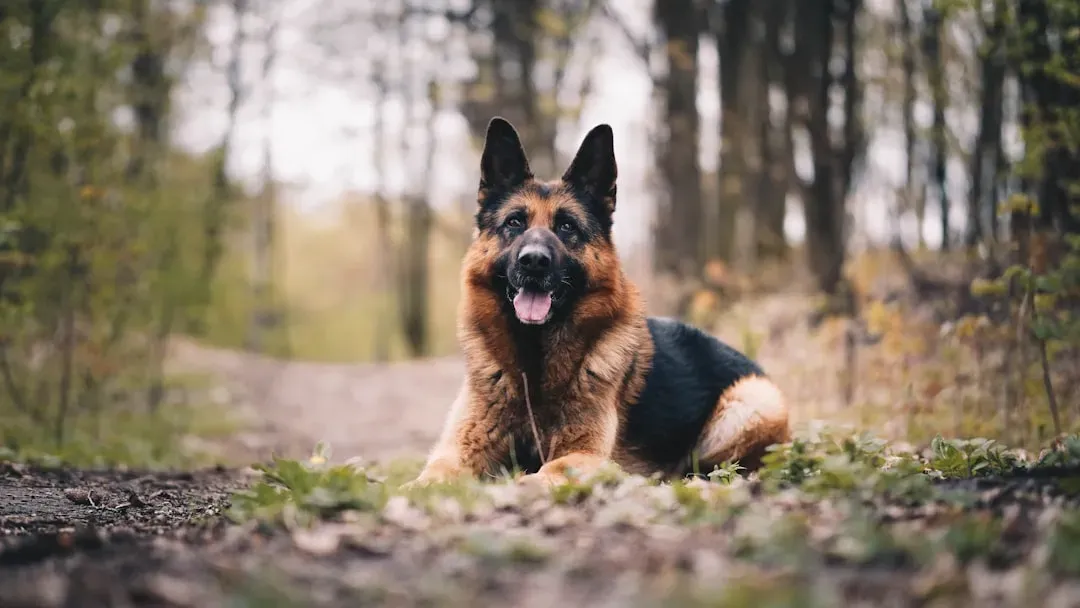
German Shepherds are intelligent, loyal, and incredibly capable – but that’s exactly why they can be too demanding for many seniors. They’re working dogs at heart, originally bred for herding and later for police and military roles. To truly thrive, they need structure, training, and regular, vigorous exercise, not just casual walks and occasional play.
If you’re not able to provide steady guidance and confident handling, a German Shepherd’s protective instincts can become a burden. You might notice them reacting strongly to strangers, lunging on leash, or barking at noises you barely register. Managing a powerful, alert dog that weighs as much or more than you can easily control is not just tiring; it can be physically risky if they suddenly pull or jump.
4. Belgian Malinois

If you think a German Shepherd is a lot, a Belgian Malinois is like the same idea turned up another notch. This breed is commonly used in high-intensity police and military work because of its agility, speed, and relentless drive. As a companion dog, that means you’re signing up for a lifestyle where training and exercise are practically a second job.
For a senior who wants a calm, easygoing pet, a Malinois can quickly feel overwhelming. They get bored incredibly fast and may develop serious behavior problems if their brain and body aren’t challenged. Without strong, experienced handling, you’re more likely to end up with a dog that is anxious, hyper-aroused, and difficult to control on walks, which is the opposite of what most older adults are looking for.
5. Labrador Retriever

Labradors have a sweet, family-friendly reputation, but many people underestimate just how intense they can be, especially when they’re young. A typical Lab is bouncy, strong, and endlessly enthusiastic, which can spell trouble if your joints, balance, or grip strength aren’t what they once were. Imagine a solid, muscular dog lunging joyfully toward every person, puddle, or squirrel – that’s a lot of force at the end of a leash.
Labs also need a surprising amount of exercise and mental stimulation because they were historically bred to retrieve game for long hours. If you can’t provide consistent activity, you may see chewing, counter-surfing, or constant pestering for attention. While an older, well-trained Lab can be a wonderful match, adopting a young or untrained one can easily become an exhausting marathon you didn’t sign up for.
6. Golden Retriever

Golden Retrievers are often portrayed as calm, angelic family dogs, but in reality, many are high-energy, strong, and slow to mature. You might picture a gentle dog lying by the fireplace, only to end up with a ninety-pound teenager who barrels through the house and drags you down the sidewalk. Their friendly enthusiasm can be charming, yet physically overwhelming if your reflexes are slower or your balance is unsteady.
On top of that, Goldens thrive on interaction and stimulation. If your lifestyle is quieter and you tire easily, you may struggle to keep up with their need for play, training, and attention. Their thick coat also sheds heavily and demands regular grooming, which can be tough on your hands and shoulders. Without enough exercise and structure, a Golden can turn from dream companion into a nonstop, shedding whirlwind.
7. Rottweiler
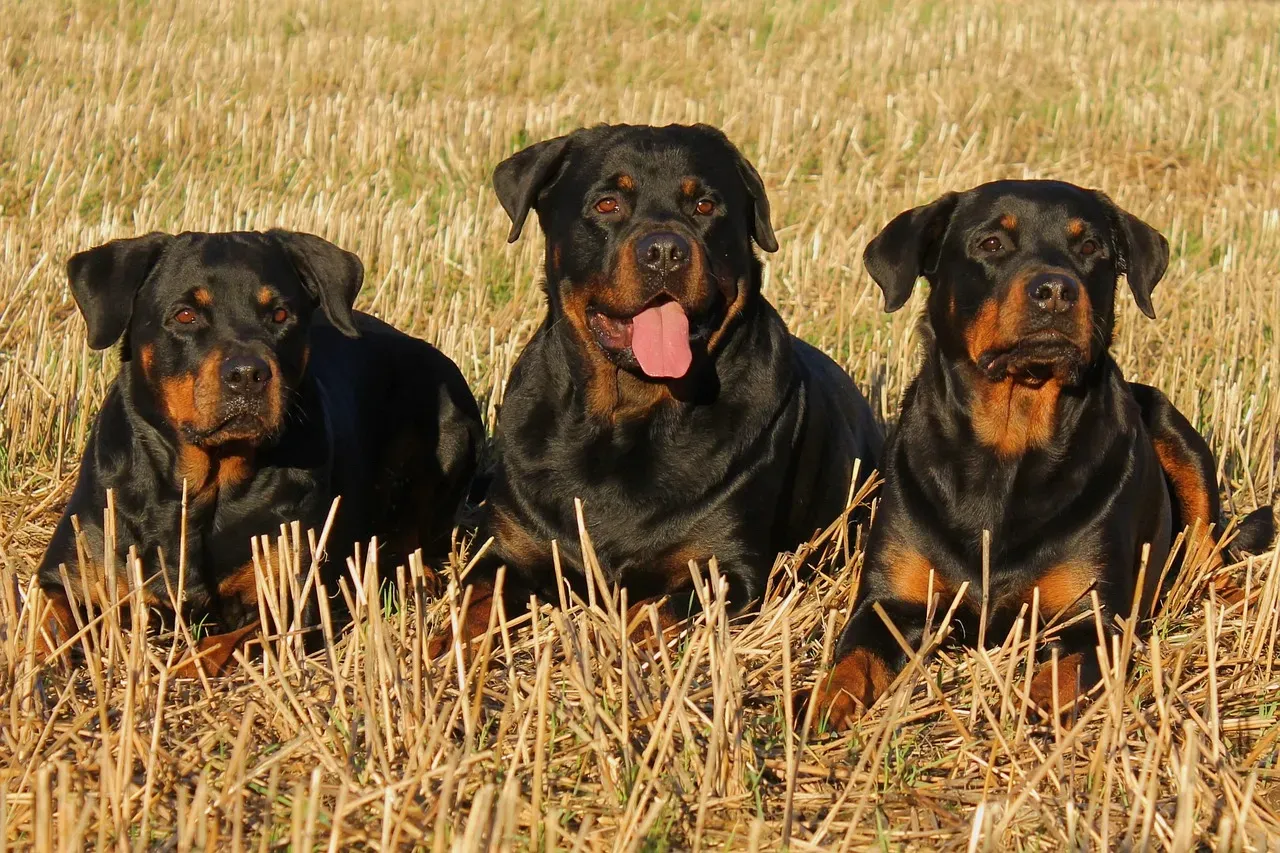
Rottweilers are powerful, confident dogs with a strong guarding instinct. Even when they’re well-bred and well-trained, they are big, muscular animals that can easily outmatch a senior in pure strength. If they suddenly decide to chase a cat, lunge at a perceived threat, or greet a friend a little too enthusiastically, you may find yourself struggling to stay on your feet.
They also require firm, consistent leadership and socialization to stay balanced and predictable. If you don’t feel up to setting and enforcing clear rules every single day, a Rottweiler may start making decisions on its own – often by becoming overly protective or pushy. For many older adults, the physical strength and mental commitment needed to manage this breed simply outweigh the potential benefits.
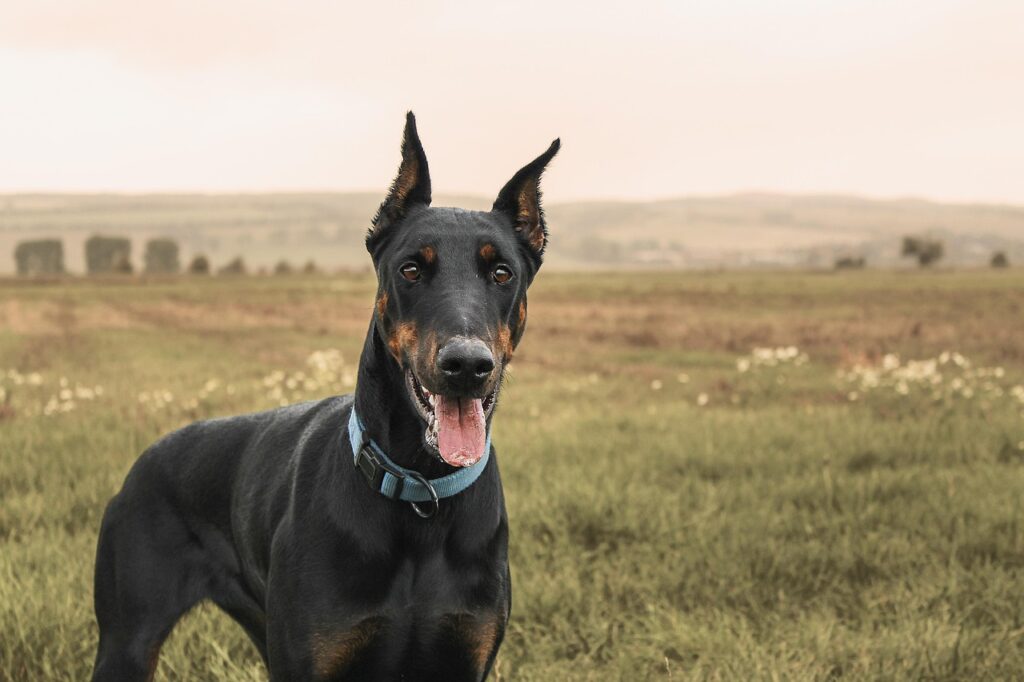
8. Doberman Pinscher
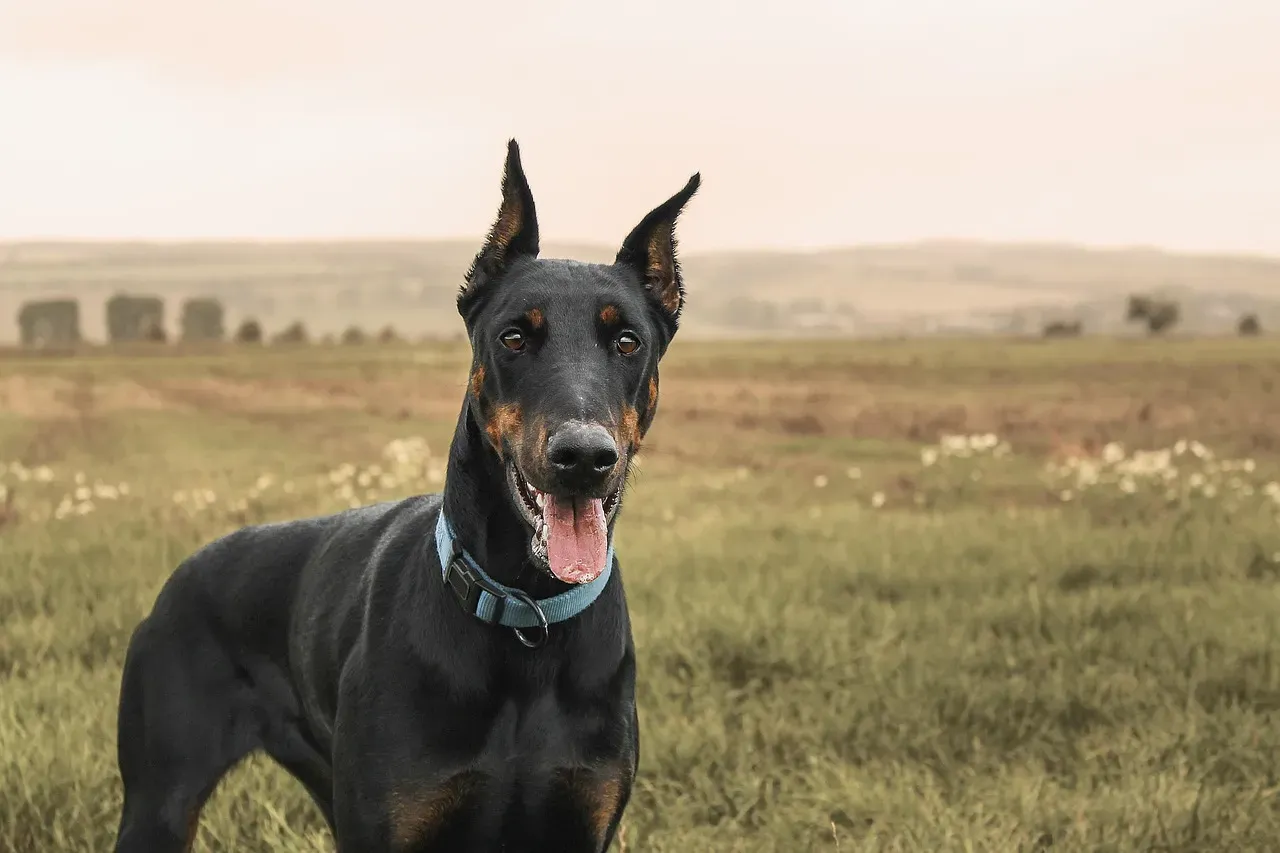
Dobermans are sleek, intelligent, and deeply loyal, but they’re also fast, strong, and intensely alert. Living with one means you’re sharing your space with a dog that notices everything and is ready to react in a split second. That kind of reactivity can be a lot to manage if your balance is delicate or your grip strength is limited.
These dogs were developed as personal protectors, so they often form strong attachments and take guarding seriously. If you’re not comfortable guiding that instinct through training and socialization, a Doberman can become wary of visitors or tense in unfamiliar situations. Daily exercise and mental work are not optional, and if your energy level is lower, this breed can quickly feel like too much to safely handle.
9. Australian Shepherd

Australian Shepherds pack an impressive amount of energy and intelligence into a medium-sized body. You can think of them as the energetic overachievers of the dog world: smart, busy, and always ready for the next task. For a senior hoping for a relaxed walking buddy, this can come as a shock, because an Aussie often wants more than just a gentle stroll and a nap.
Many Aussies will find their own “jobs” if you don’t provide enough, which can look like herding your family, chasing cars or bikes, and barking at every movement. This behavior can be stressful to live with, especially if you’re easily startled or prefer a quiet home. Without frequent training, play, and problem-solving activities, you might feel like you’re constantly apologizing for your dog’s antics instead of simply enjoying your days together.
10. Jack Russell Terrier (and Similar High-Drive Terriers)

Jack Russell Terriers may be small, but they definitely didn’t get the memo about acting like lapdogs. These compact dynamos were bred to hunt and chase, so they come wired with intense energy and determination. If you imagine an easy, low-key companion you can pick up and cuddle, you may be surprised to find a dog that wants to sprint, dig, and investigate everything instead.
That same feisty spirit can make them stubborn and noisy if they’re bored. You might find yourself dealing with constant barking at passing sounds, lunging at small animals, or digging craters in your yard. Because they are so quick and reactive, they can be tricky to manage on leash if your reflexes are slower, turning a peaceful walk into a tug-of-war you’d rather avoid.
11. Dalmatian
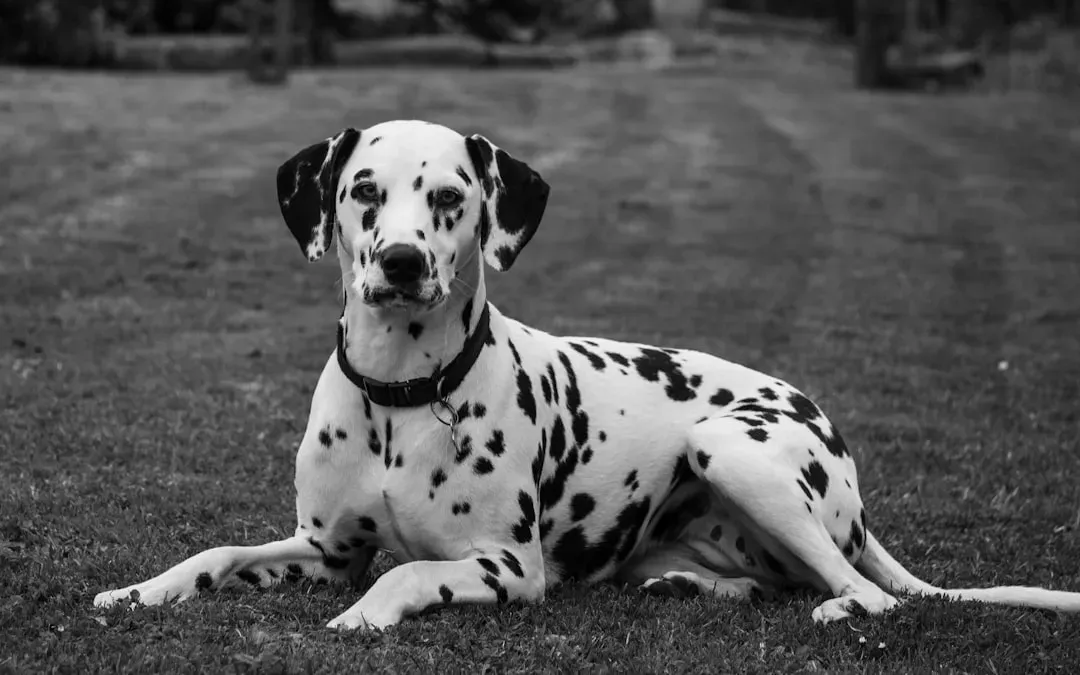
Dalmatians are striking and memorable, but their history as carriage dogs means they’re designed to run long distances alongside horses. That translates into a dog with serious stamina and a strong work ethic. For a senior who enjoys short, gentle walks and a lot of downtime, that level of energy can be hard to match and even harder to channel constructively.
Without enough outlets, Dalmatians can become anxious, hyperactive, or destructive around the home. Some can be sensitive or cautious with strangers, which adds a behavioral layer that requires consistent, patient training. If your goal is a simple, low-maintenance companion, a Dalmatian’s combination of exercise needs and emotional intensity is likely more than you bargained for.
12. Weimaraner

Weimaraners are athletic hunting dogs known for shadowing their humans everywhere, which sounds sweet until you realize how much management and exercise they actually need. These dogs are built for speed and endurance, and a short walk a couple of times a day rarely satisfies them. If your joints ache or you tire easily, keeping up with a Weimaraner’s physical needs can quickly feel impossible.
They are also emotionally intense and can struggle when left alone or under-stimulated. That can lead to barking, destructive chewing, or anxious pacing, all of which are draining to live with. You might feel guilty watching your dog spiraling into boredom while you simply don’t have the strength or stamina to provide the nonstop engagement they crave.
13. Cane Corso
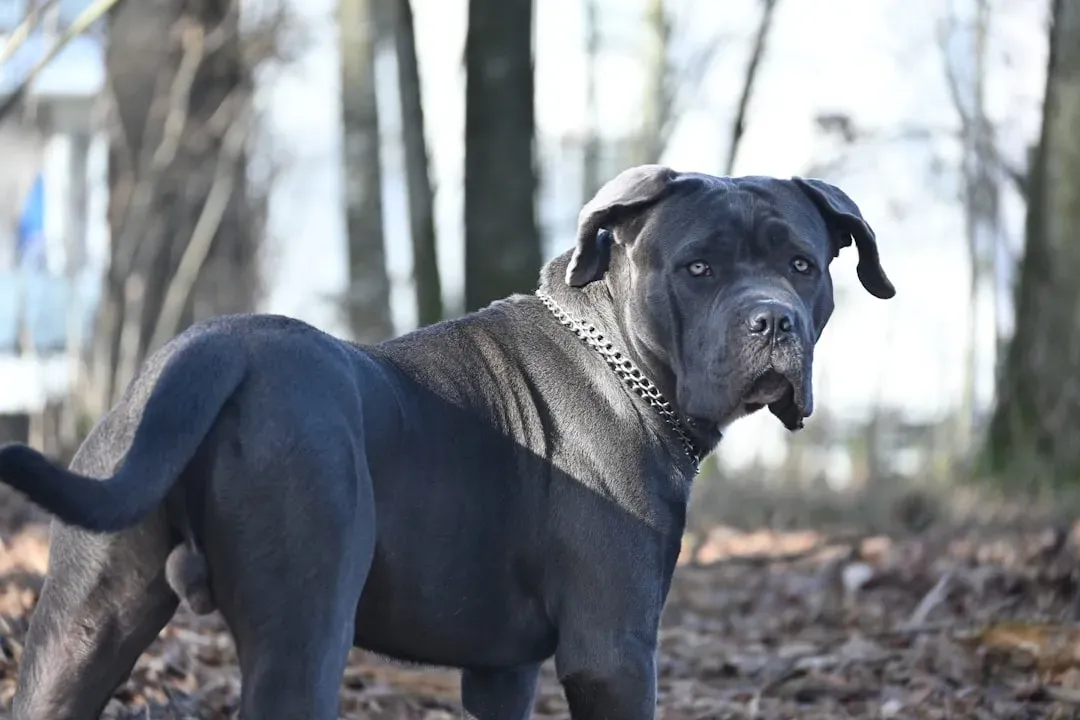
Cane Corsos are large, imposing mastiff-type dogs bred for guarding property and livestock. They are immensely strong, and even a well-behaved adult can be a lot to hold on a leash if something suddenly catches their attention. If your balance, grip, or reaction time isn’t what it used to be, a sudden lunge from a Cane Corso can send you off your feet before you have a chance to react.
This breed also needs experienced, confident handling and consistent boundaries. Without that, they may become overprotective or wary of strangers, which can turn everyday situations – like greeting delivery drivers or visitors – into stressful events. For most seniors, the combination of physical power and serious guarding instincts simply creates more risk than comfort.
14. Akita
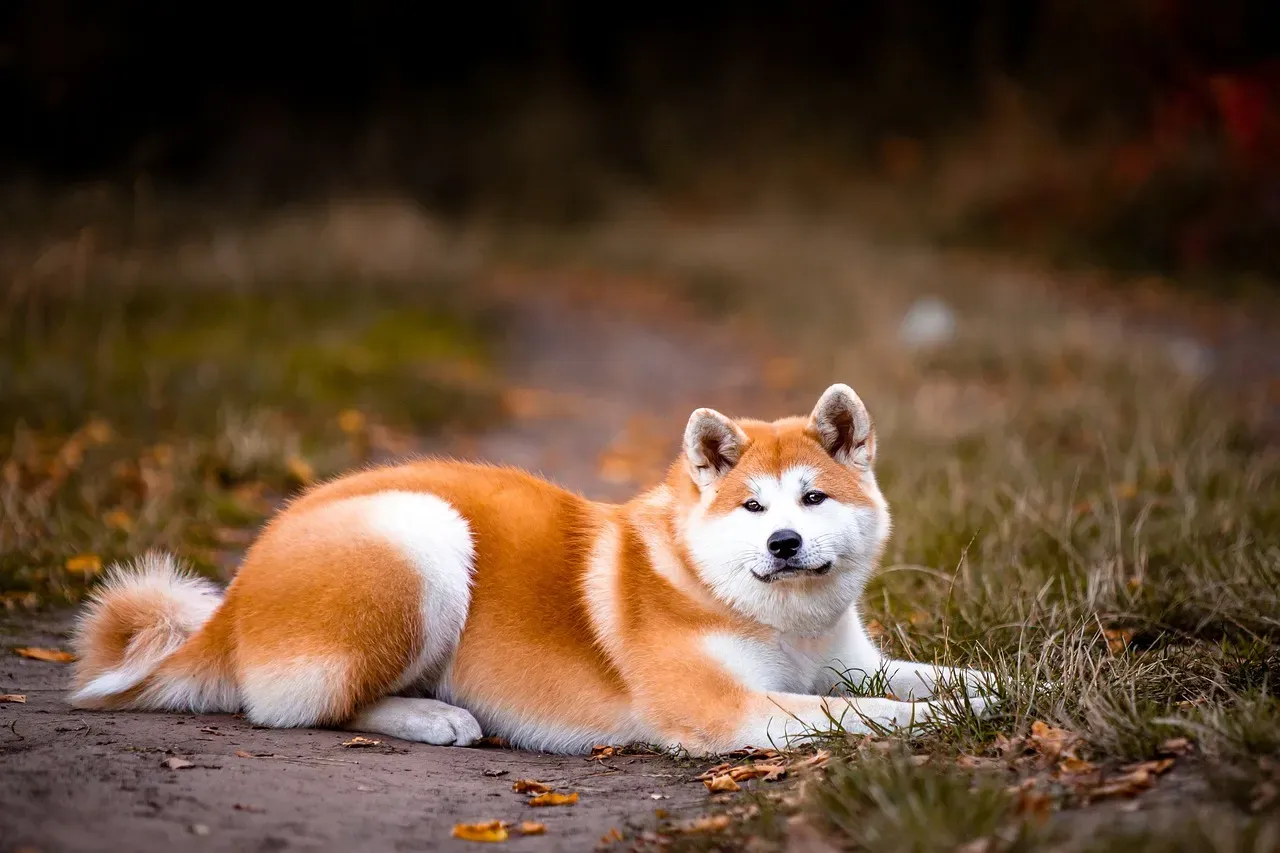
Akitas are dignified, powerful dogs with a strong independent streak. They were originally used for hunting large game and as guardians, so they tend to be strong-willed and reserved with strangers. To keep an Akita polite and safe, you need ongoing socialization, structure, and the physical ability to manage a big, muscular dog that may not be easily persuaded once it makes up its mind.
They can also be same-sex aggressive or intolerant of other dogs, which makes walks and social outings trickier. If you’re not confident navigating those situations or you prefer a more easygoing, social pet, you may find an Akita’s intensity draining. Their thick double coat also sheds heavily and needs regular grooming, which can be tough on aging hands and shoulders over time.
15. Boxer

Boxers are playful, goofy, and loving, but they stay puppy-like for a long time and carry a lot of muscle. Imagine a strong, enthusiastic dog that greets you with full-body wiggles and occasional body slams – that’s a typical Boxer. If you’re unsteady on your feet or dealing with joint pain, that level of physical enthusiasm can actually be dangerous.
They also need daily exercise and mental stimulation to keep their bright minds and energetic bodies satisfied. Without enough outlets, they can become destructive, hyper, or pushy, which means you’ll spend a lot of time redirecting behavior instead of relaxing. While a calmer, older Boxer might work in some cases, many seniors will find the breed’s typical energy level and physicality to be simply too much.
Conclusion: Choosing a Dog That Truly Fits Your Life
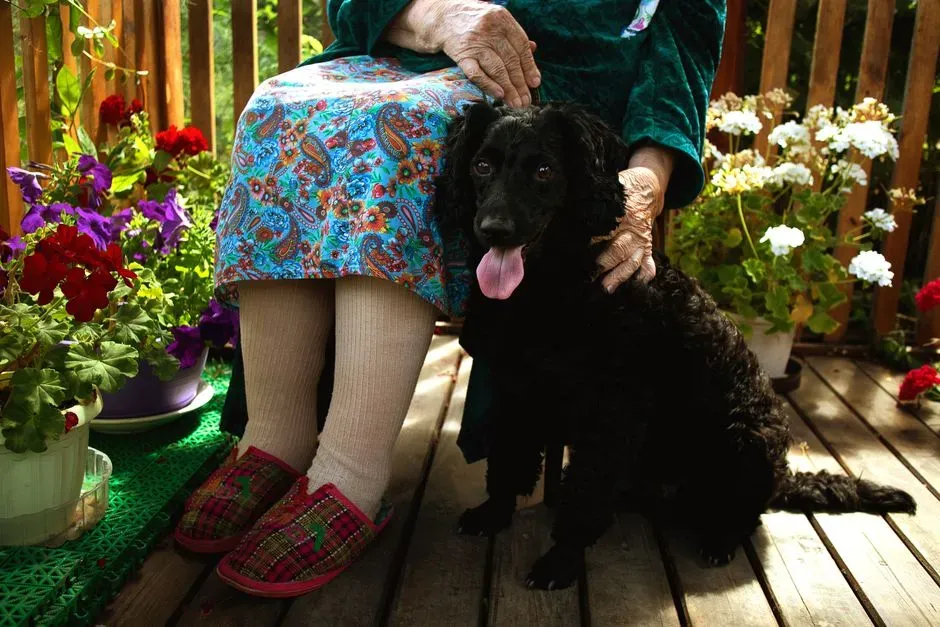
When you look at these breeds together, a clear pattern jumps out: high energy, strong bodies, sharp minds, and serious working instincts. None of these traits are “bad,” but they do demand time, training, and physical effort that many seniors either can’t safely give or simply don’t want to spend their remaining years managing. You deserve a dog that adds ease, warmth, and joy to your days, not one that leaves you sore, anxious, or worried about falling.
The good news is that plenty of gentler, lower-maintenance dogs – from smaller mixed breeds to calmer, older rescues – can fit beautifully into a slower-paced life. If you keep your current health, energy, and living situation at the center of your decision, you’re far more likely to find a companion who truly matches your season of life. In the end, the best question to ask yourself is simple: does this dog make my life feel lighter, or heavier?