You probably think you know how the world works. You learned about gravity in school, saw diagrams of atoms, memorized the water cycle. Maybe you even remember the basics of quantum physics from a documentary or two. Honestly, though? There’s so much more beneath the surface. The universe is absolutely bursting with secrets that never made it into your textbooks or casual conversations at dinner parties.
So what exactly are we missing? Well, it turns out science has been quietly uncovering some truly bizarre and fascinating truths about our reality. Things that defy logic, challenge what seems possible, and make you question everything you thought was solid fact. From the strange behavior of particles smaller than you could ever see to phenomena happening in the farthest reaches of space, the natural world is full of surprises. Let’s dive in and explore some mind-bending science that’ll make you see things differently.
Atoms Are Almost Entirely Empty Space
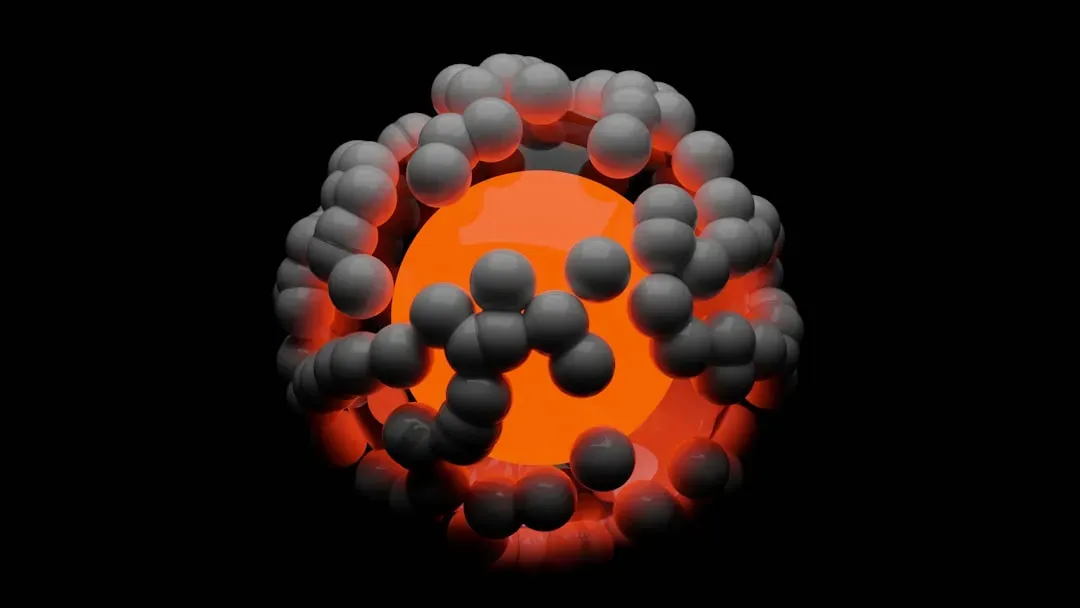
The atoms that make up everything around you seem solid but are actually over 99.99999 per cent empty space, consisting of a tiny, dense nucleus surrounded by a cloud of electrons spread over a proportionately vast area. If you could somehow remove all that emptiness from every atom in every human on Earth, we’d all fit on something as small as a sugar cube.
Electrons behave as both particles and waves, existing only where the crests and troughs of these waves add up correctly, with each electron’s location spread over a range of probabilities called an orbital, thus occupying a huge amount of space. It’s hard to wrap your head around this one. You feel solid, your chair feels solid, but zoom in far enough and it’s mostly just… nothing.
Your Stomach Acid Could Dissolve a Razor Blade
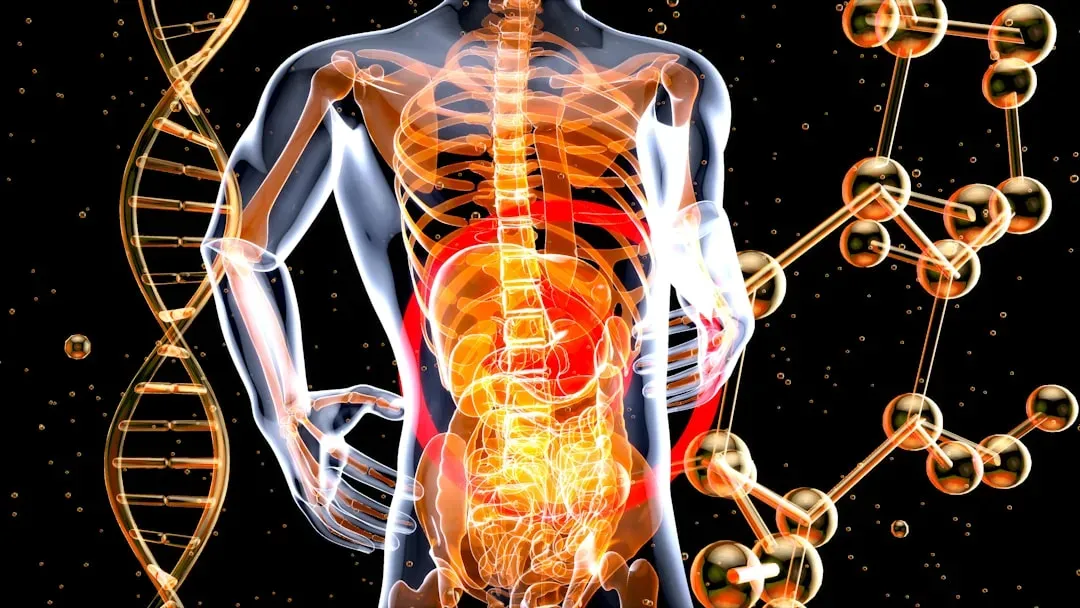
Your stomach digests food thanks to highly corrosive hydrochloric acid with a pH of 2 to 3, which also attacks your stomach lining that protects itself by secreting an alkali bicarbonate solution, with the lining needing to be replaced continually and entirely renewing itself every four days. Think about that for a second. You’re walking around with acid powerful enough to dissolve metal, yet your body has figured out how to protect itself seamlessly.
The human stomach can dissolve razor blades because acids are ranked on a scale from 0 to 14, with the human stomach typically rated 1.0 to 2.0, meaning it is impeccably strong. Mother Nature really outdid herself with this biological defense mechanism.
Quantum Tunneling Happens on a Visible Scale
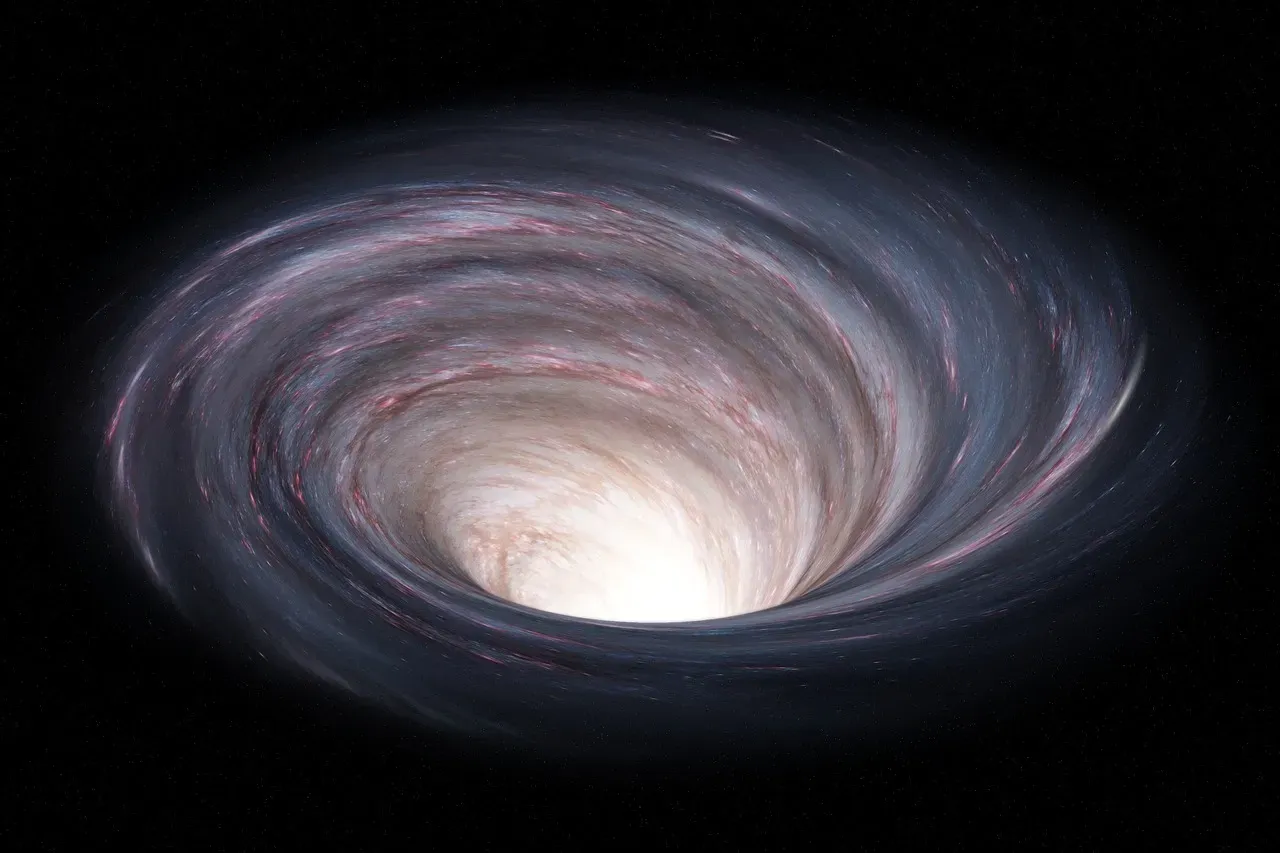
When you throw a ball at a wall, you can be sure it will bounce back, but you would be extremely surprised if the ball suddenly appeared on the other side of a solid wall, which is exactly the type of phenomenon that has given quantum physics a reputation for being bizarre and unintuitive. Yet scientists have now demonstrated this very phenomenon.
The 2025 Nobel Prize laureates in physics used experiments to demonstrate that bizarre quantum properties can be made concrete in a system big enough to be held in the hand, with their superconducting electrical system able to tunnel from one state to another as if passing straight through a wall, while also showing the system absorbed and emitted energy in specific doses as predicted by quantum mechanics. This discovery bridges the gap between the microscopic quantum world and our everyday reality.
Electrons Can Be Frozen and Liquid at the Same Time
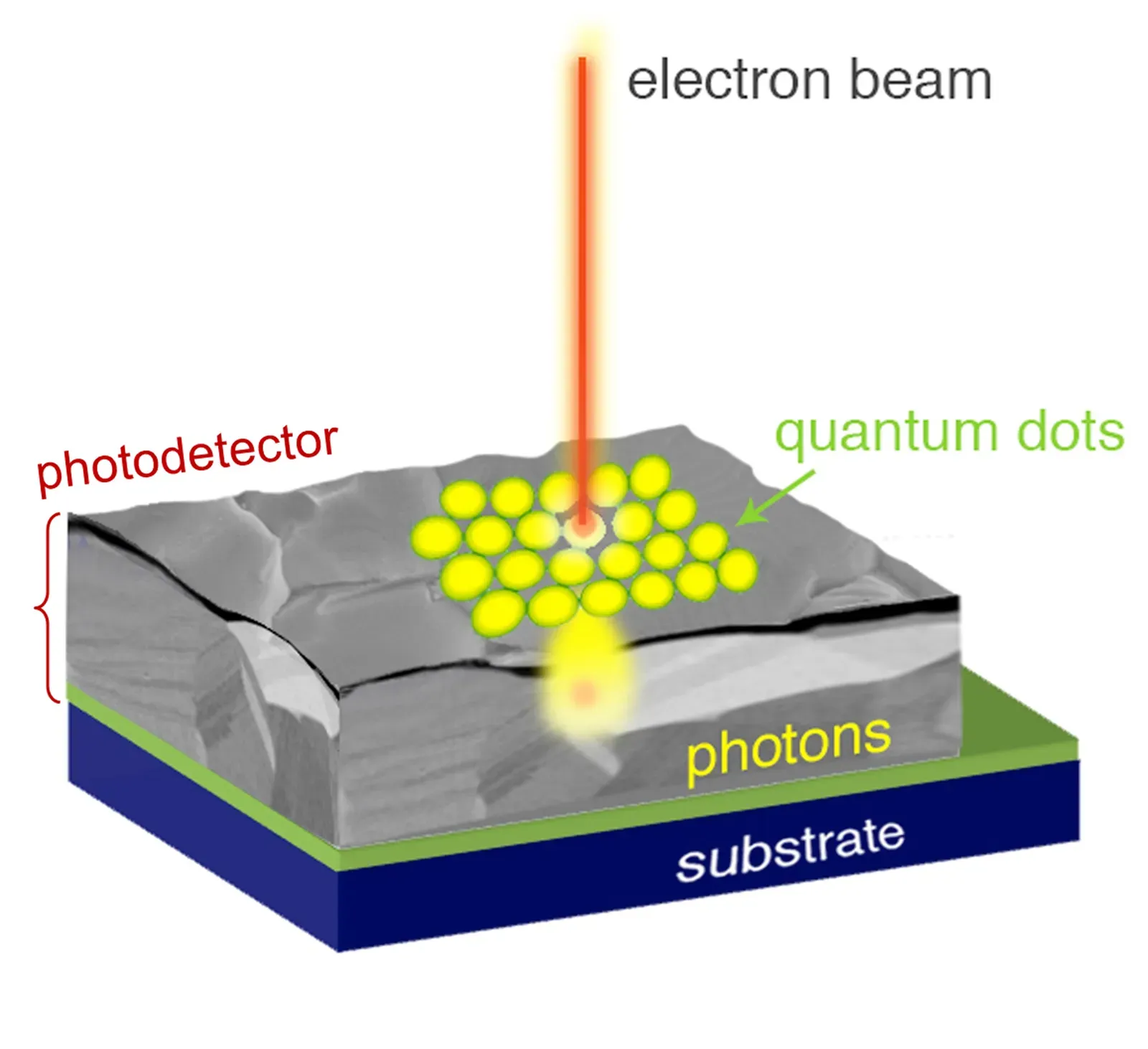
In a newly identified phase, electrons show both insulating and conducting behavior at the same time, with some electrons remaining anchored in place within the crystal lattice while others break free and move throughout the material. It sounds like something from science fiction, but it’s very real.
Physicists uncovered how electrons switch between crystal-like and liquid-like states, revealing a bizarre hybrid phase where frozen and mobile electrons coexist, with insights that could unlock new paths in quantum computing, superconductivity, and ultra-efficient electronics. I think this discovery alone could revolutionize how we build computers in the coming decades.
Dark Energy Might Be Changing the Universe
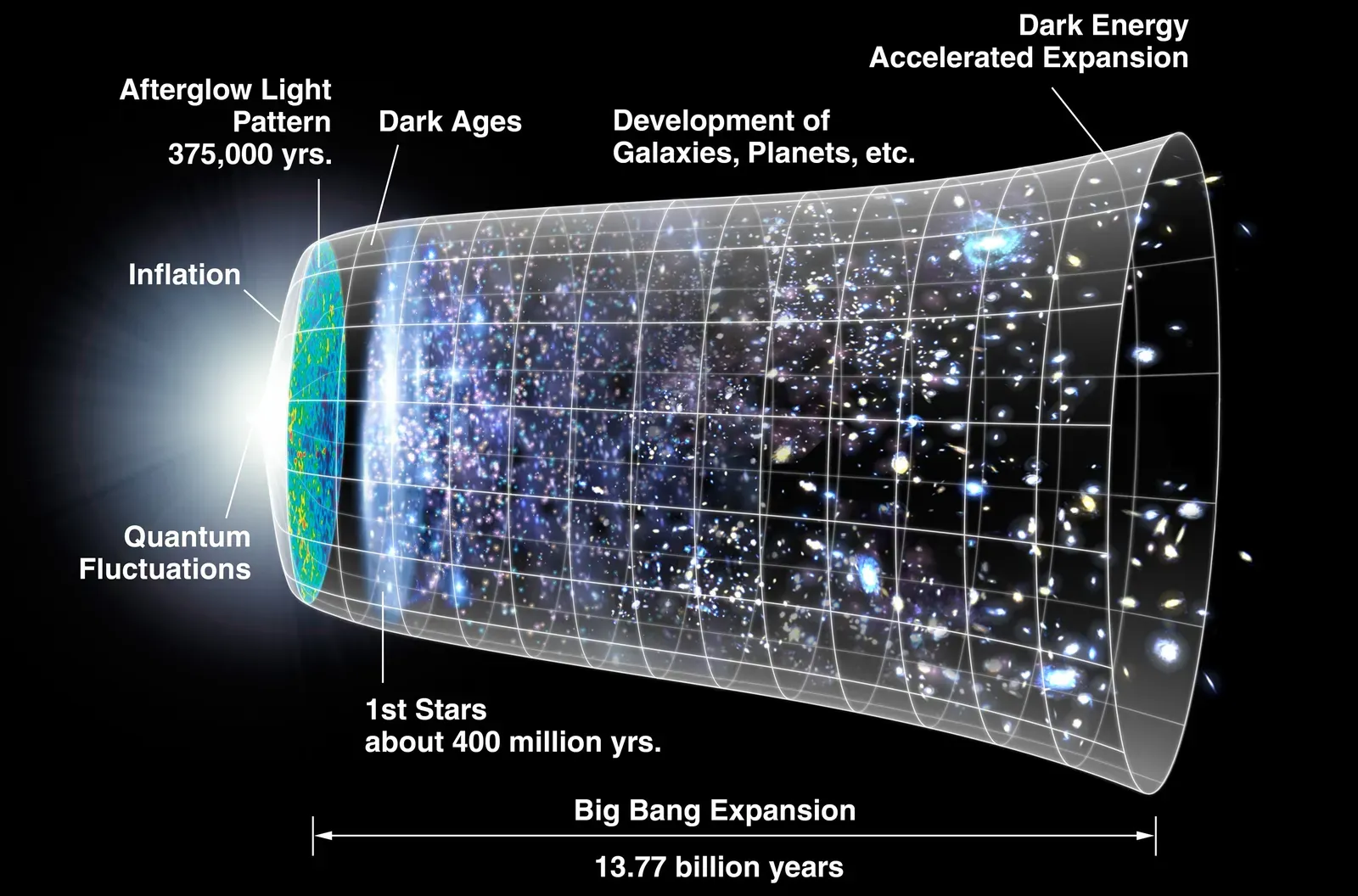
New supercomputer simulations hint that dark energy might be dynamic, not constant, subtly reshaping the Universe’s structure. For years, scientists assumed dark energy was a fixed force pushing the universe apart. Turns out, we might have been wrong about something fundamental to existence itself.
This discovery emerged from advanced modeling in late 2025, and it’s honestly unsettling. If dark energy is changing, then the fate of the universe could be very different from what we’ve predicted. The cosmos might expand differently, collapse eventually, or do something we haven’t even imagined yet.
A New Class of Quantum Particles Defies Classification
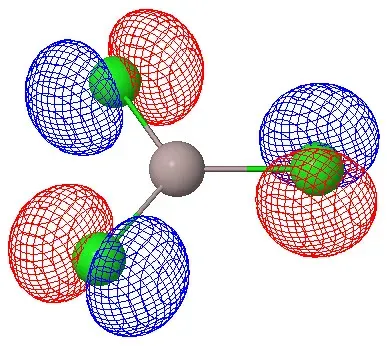
Fractional excitons observed in experiments didn’t fit cleanly into either the boson or fermion category, showing tendencies of both and acting almost like a hybrid, making them more like anyons yet with unique properties that set them apart from anyons as well. Scientists discovered these particles in January 2025, and they’re still trying to understand what this means.
The findings point toward an entirely new class of quantum particles that carry no overall charge but follow unique quantum statistics, unlocking a range of novel quantum phases of matter and presenting a new frontier for future research. Let’s be real, every time scientists think they’ve figured out the rules, nature throws them a curveball.
Your Brain Literally Eats Itself While You Sleep
Your brain is constantly eating itself through a process called phagocytosis, where cells envelop and consume smaller cells or molecules to remove them from the system, but phagocytosis isn’t harmful and actually helps preserve your grey matter. So while you’re dreaming about whatever weird scenario your mind cooks up, your brain cells are busy cleaning house by consuming their neighbors.
This isn’t some horror movie scenario. It’s actually how your brain stays healthy. Think of it like taking out the garbage, except the garbage is bits of your own neural tissue that need to be recycled. The brain is remarkably efficient that way.
Identical Twins Don’t Have the Same Fingerprints

Identical twins don’t have the same fingerprints because environmental factors during development in the womb, including umbilical cord length, position in the womb, and the rate of finger growth, affect your fingerprint. Even though they share the exact same DNA, subtle differences in their environment create unique patterns.
You can’t blame your crimes on your twin after all. Each person’s fingerprints are shaped by both genetics and the specific conditions they experienced before birth, making them one of the most reliable forms of identification we have.
The Earth’s Rotation Is Slowing Down
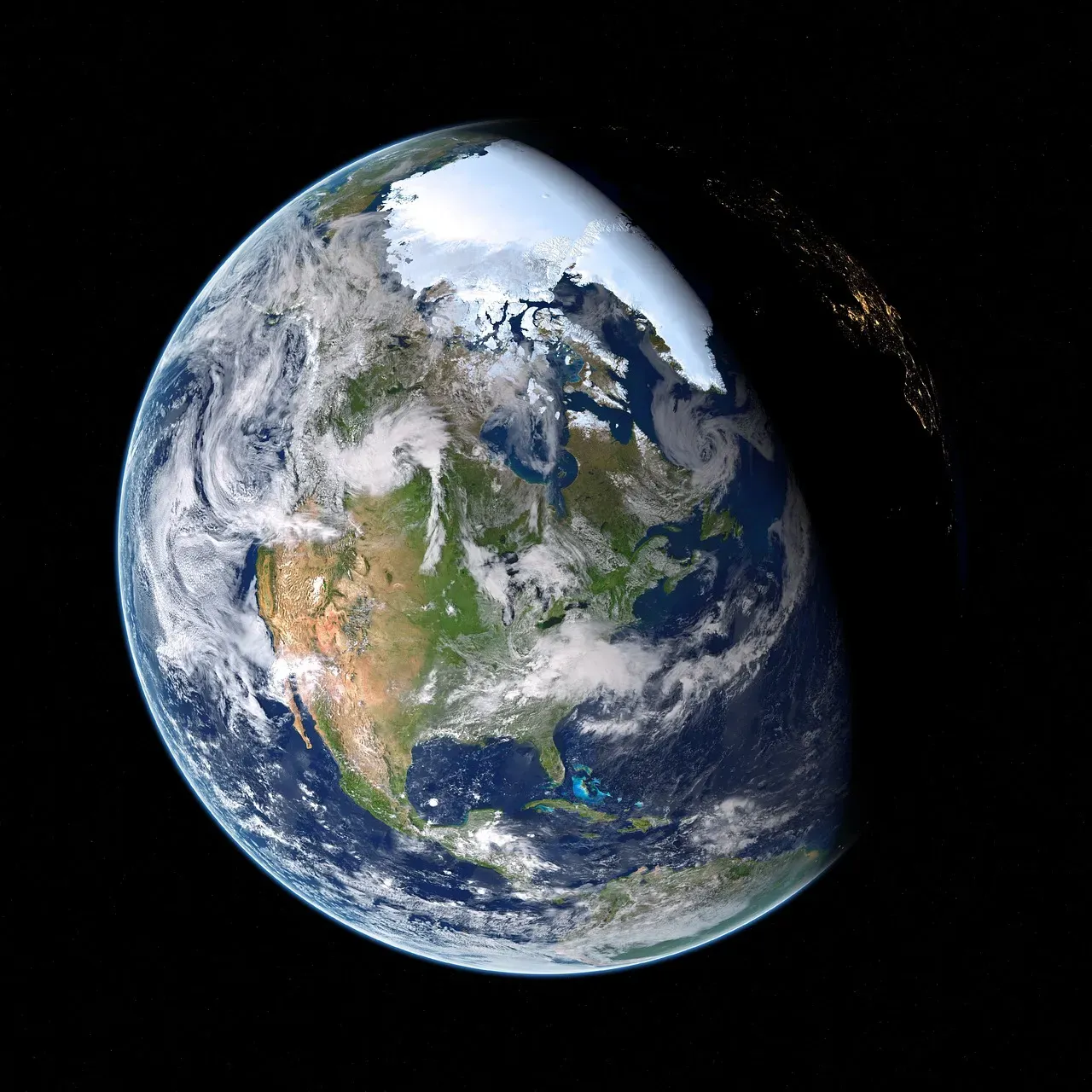
Earth’s rotation is actually slowing, meaning that on average the length of a day increases by around 1.8 seconds per century, and 600 million years ago a day lasted just 21 hours. So technically, you’re getting a tiny bit more time each day, though you’ll never notice it in your lifetime.
Eventually, millions of years from now, a day on Earth might last significantly longer. Ancient life experienced shorter days, which affected everything from tidal patterns to how organisms evolved. Time itself is literally changing beneath our feet.
Neutron Stars Are Unimaginably Dense
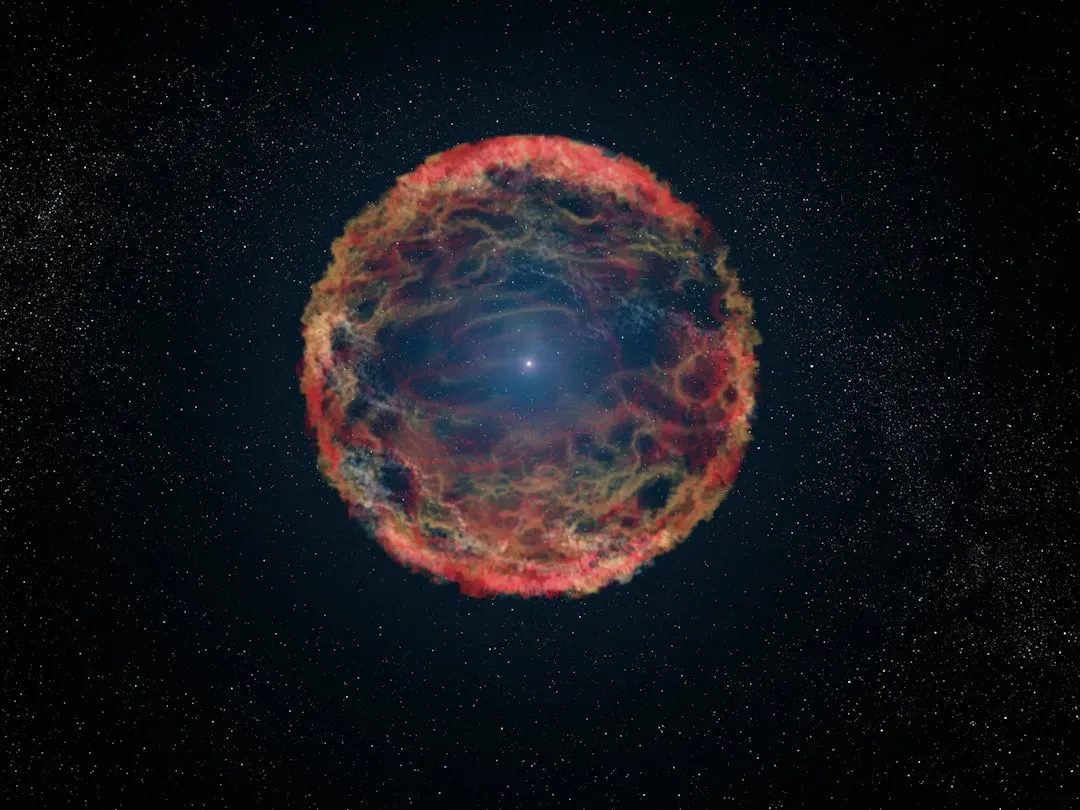
A neutron star is the remnants of a massive star that has run out of fuel and exploded in a supernova while its core collapses due to gravity, with typical neutron stars having a mass of up to three solar masses crammed into a sphere with a radius of approximately ten kilometres, resulting in some of the densest matter in the known universe.
Imagine taking something three times heavier than our entire Sun and crushing it down to the size of a city. A single teaspoon of neutron star material would weigh roughly about a billion tons. That’s the equivalent of cramming roughly three hundred million elephants into a spoonful. The physics involved is absolutely staggering.
We’re More Bacteria Than Human
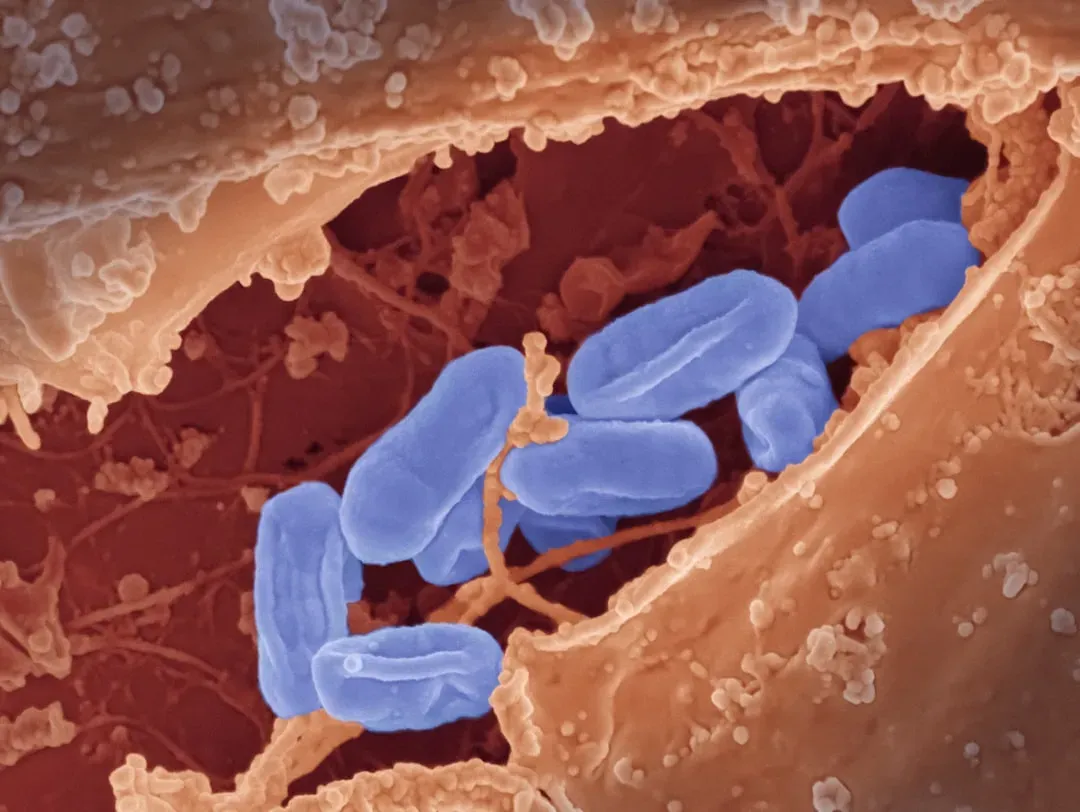
The human body consists of 39 trillion bacteria and 30 trillion human cells, creating a roughly 1:1.3 ratio, but because bacteria are so small they make up about only 1% to 3% of our body mass. You’re essentially a walking ecosystem, a collaboration between human and microbial life.
Our genome consists of as many as 145 genes that have jumped from bacteria, fungi, other single-celled organisms and viruses through a process called horizontal gene transfer, which could change how we think about evolution. We’re not just living alongside microbes. We’ve literally absorbed parts of them into our genetic code over millions of years.
The Universe Isn’t a Simulation After All
New research from November 2025 mathematically demonstrates that the universe cannot be simulated, using Gödel’s incompleteness theorem to show that reality requires non-algorithmic understanding that no computation can replicate. For years, philosophers and scientists debated whether we might be living in some advanced computer program. Well, the math says no.
This discovery is fascinating because it suggests there’s something fundamentally unique about consciousness and reality that can’t be reduced to computation. It’s hard to say for sure, but this finding might be one of the most profound philosophical breakthroughs in decades.
Quantum Light Can Now Be Engineered in Space and Time
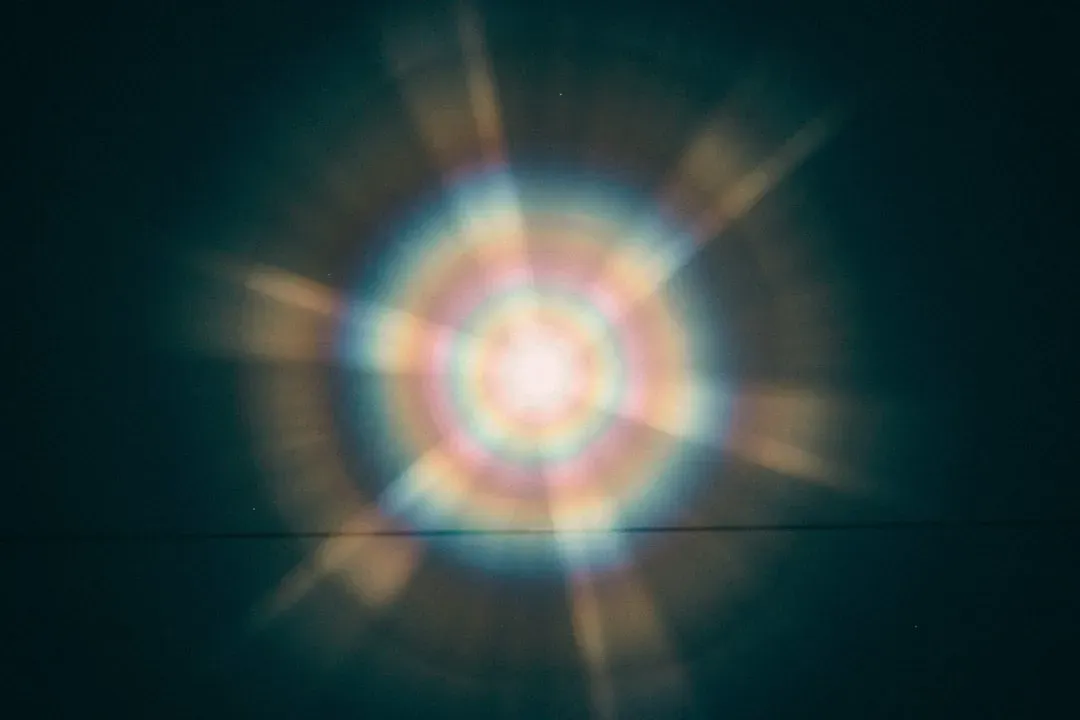
Researchers demonstrated how quantum light can be engineered in space and time to create high-dimensional and multidimensional quantum states, with structured photons offering new pathways for high-capacity quantum communication and advanced quantum technologies. This breakthrough was published in December 2025 and represents a massive leap forward.
The tailoring of quantum states where quantum light is engineered for a particular purpose has gathered pace lately, and today we have on-chip sources of quantum structured light that are compact and efficient, able to create and control quantum states. Twenty years ago, scientists had virtually no tools for this. Now we’re on the verge of quantum internet and communication systems that would have seemed like pure fantasy just a generation ago.
Helium Can Defy Gravity
Helium doesn’t get affected by gravity when cooled just a few degrees lower than its boiling point of 452 degrees Fahrenheit, becoming superfluid, which means it can move without friction, rise up and over the sides of a glass. It’s one of the strangest behaviors of any substance in nature.
Superfluid helium can also drain through molecule-thin cracks in a container. Imagine trying to store a liquid that can essentially climb out of any vessel you put it in. That’s the bizarre reality of quantum mechanics at work.
Scientists Can Now Store GIFs in Living Bacteria
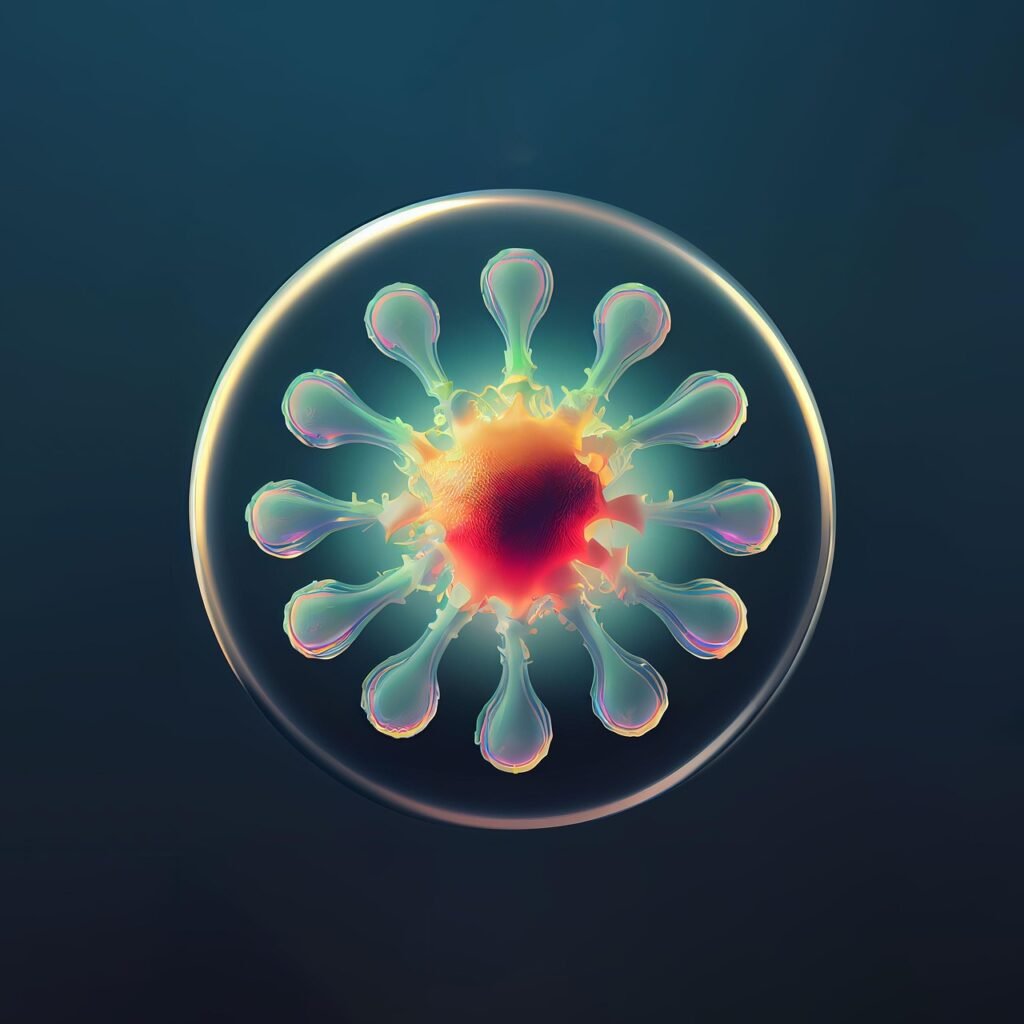
Scientists at Harvard have stored a GIF animation of a galloping horse in the DNA of bacteria using the Crispr-Cas9 tool. This isn’t just a cool party trick. It represents a fundamental breakthrough in how we might store information in the future.
DNA storage could revolutionize data preservation. Unlike hard drives that fail or degrade, DNA can remain stable for thousands of years. We might one day back up the entire internet in biological form, stored in microscopic organisms. It sounds crazy, but that’s exactly where the technology is heading.
Conclusion
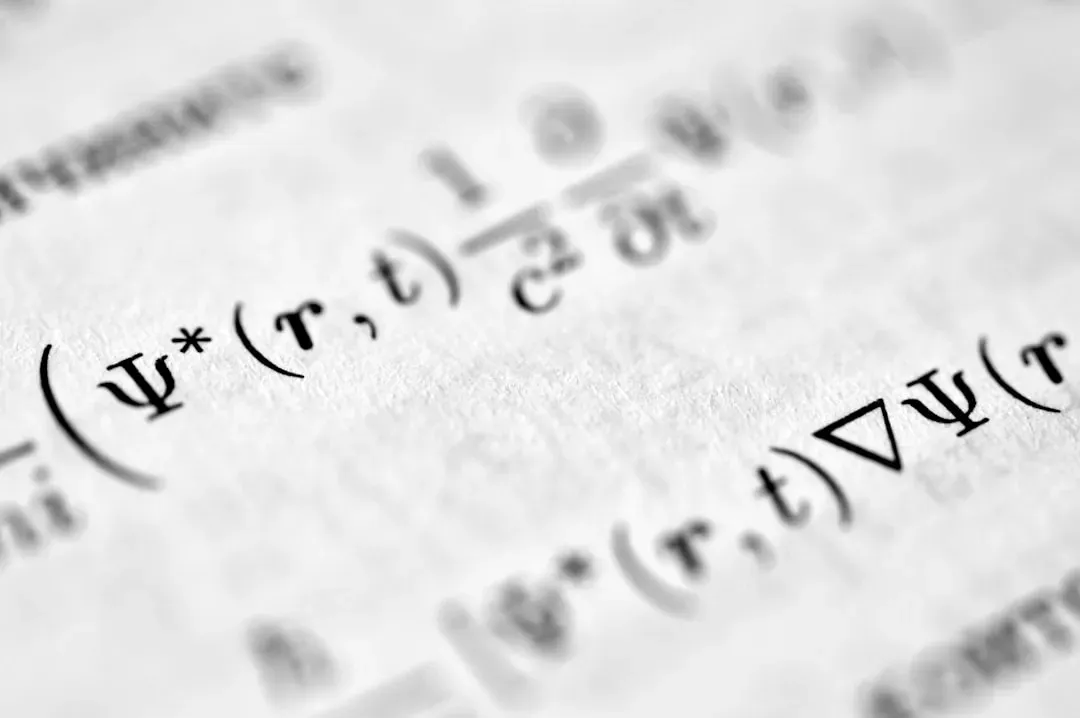
The universe is far stranger and more wonderful than most of us realize. From quantum particles that refuse to follow the rules to bacteria living inside us that shape who we are, science keeps revealing layers of reality that challenge everything we thought we knew. UNESCO declared 2025 the International Year of Quantum Science and Technology, marking the centenary of quantum mechanics, with one of the latest discoveries coming from an international research group whose findings have made a significant contribution to scientists’ understanding of quantum entanglement.
These discoveries aren’t just abstract concepts confined to laboratories. They have real implications for technology, medicine, and our fundamental understanding of existence. What fascinates me most is knowing that right now, somewhere in the world, a researcher is uncovering yet another fact that will blow our minds all over again. Did you expect that the everyday world was this strange? What other secrets do you think science will reveal next?
Hi, I’m Andrew, and I come from India. Experienced content specialist with a passion for writing. My forte includes health and wellness, Travel, Animals, and Nature. A nature nomad, I am obsessed with mountains and love high-altitude trekking. I have been on several Himalayan treks in India including the Everest Base Camp in Nepal, a profound experience.