If you think archaeology is a slow, dusty science where nothing really surprising happens, you’re in for a shock. Again and again, what experts thought they knew has been flipped upside down by something pulled out of the ground that simply does not fit the old story. One unexpected layer of ash, a single oddly shaped bone, or a buried city where it “shouldn’t” exist can force entire textbooks to be rewritten.
That’s the magic of digging into the past: the earth does not care about our neat narratives. It hides things for thousands of years, then suddenly hands us evidence that people were smarter, more connected, or more violent than anyone guessed. Let’s walk through some of the most powerful underground discoveries that forced archaeologists to admit they were wrong – and to rebuild our history from scratch.
#1 The Gobekli Tepe Temples That Pre-Date Civilization Itself
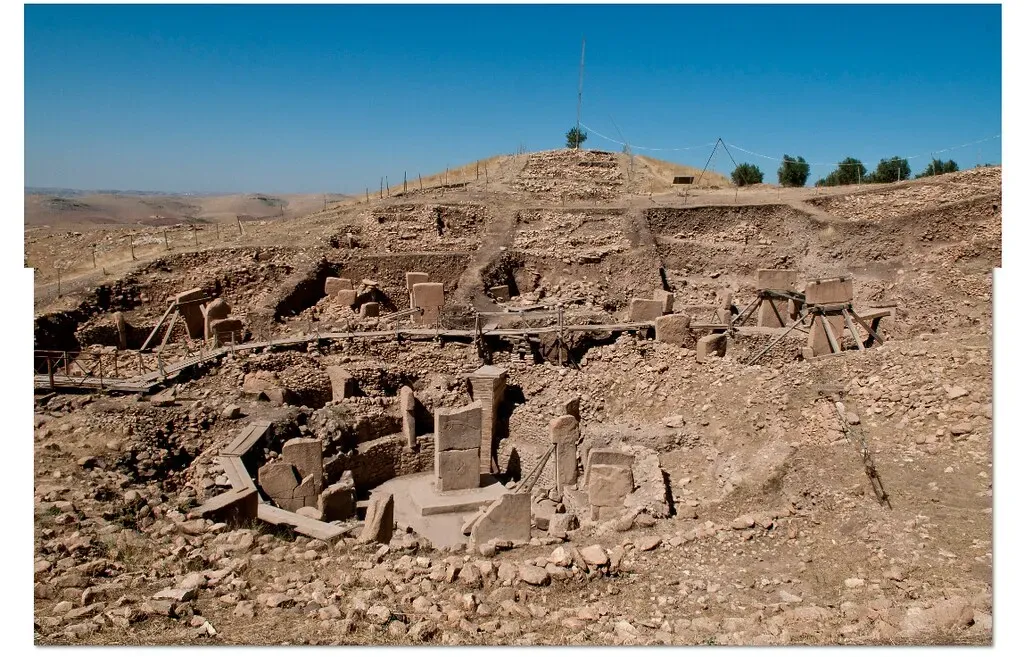
The discovery of Gobekli Tepe in southeastern Turkey stunned archaeologists because it blew up a core assumption: that complex temples came after settled farming communities. Beneath a humble hill, researchers uncovered massive stone circles, towering pillars carved with intricate animals and abstract symbols, all dating back to around eleven and a half thousand years ago – long before cities or written language. It looked like a cathedral built by hunter‑gatherers, which made no sense under the old model.
For decades, the dominant theory was that people first settled down to farm, grew food surpluses, and only then had the time and organization to build monuments. Gobekli Tepe flips that story around by suggesting that shared rituals and sacred architecture may have motivated people to gather, cooperate, and eventually farm in the first place. In other words, spirituality and social gatherings may have come before agriculture, not after it. I still remember the first time I saw photos of those carved pillars; it felt like someone had moved the starting line of civilization thousands of years back overnight.
#2 The Terracotta Army That Exposed an Emperor’s Obsession With Eternity
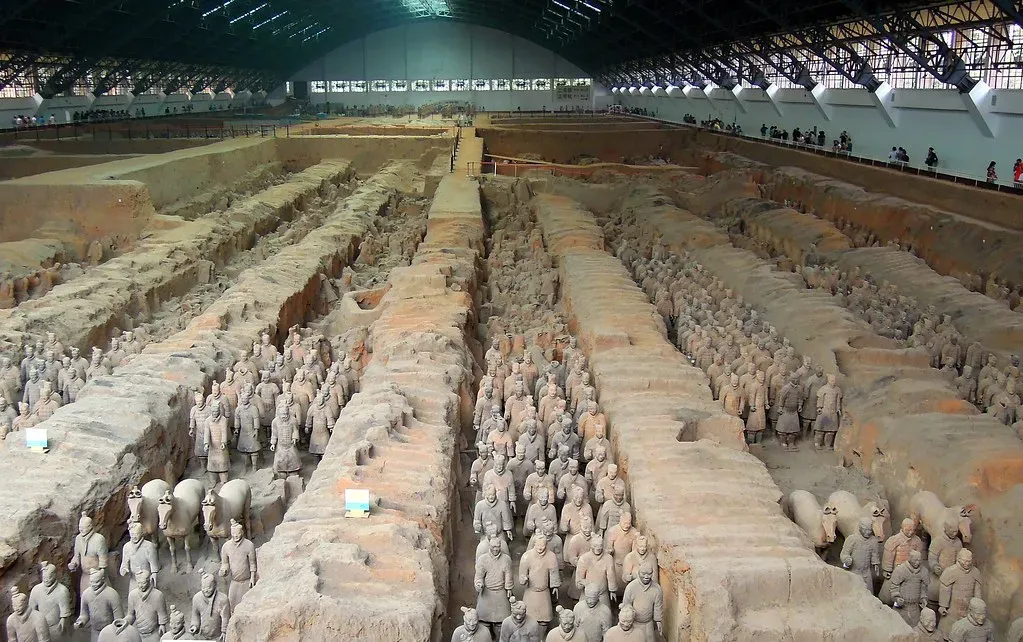
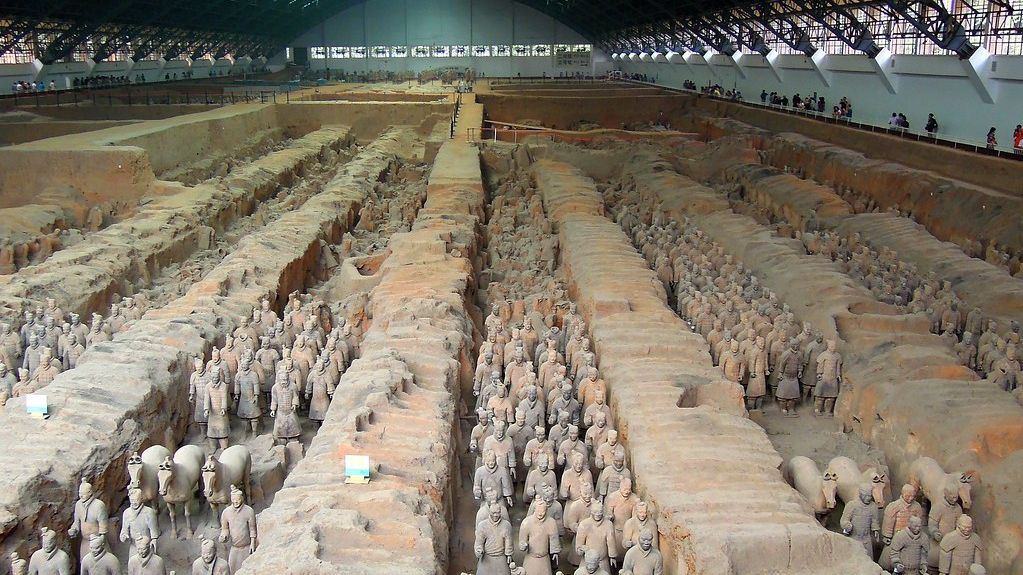
When farmers in China’s Shaanxi province hit hard clay while digging a well in the 1970s, they had no idea they were scratching the surface of one of the biggest archaeological revelations of the twentieth century. What lay underground was an entire army of life-sized terracotta soldiers – infantry, cavalry, charioteers – buried to guard the tomb of Qin Shi Huang, the first emperor of a unified China. Before this, historians knew the emperor was ambitious and ruthless, but no one imagined the scale and detail of his underground project.
The excavations revealed thousands of unique faces, hairstyles, and uniforms, as if each soldier had been modeled on a real person. This forced archaeologists to update their view of early imperial China’s technological power, labor control, and artistic sophistication. It also reshaped theories about how rulers used grand, almost theatrical displays of power to project authority into both life and death. The sheer size of the complex, with more pits still partially unexplored, suggests that what we thought we knew about early Chinese statecraft was just the tip of a very large, very carefully buried iceberg.
#3 The Dead Sea Scrolls That Challenged Sacred Text Timelines
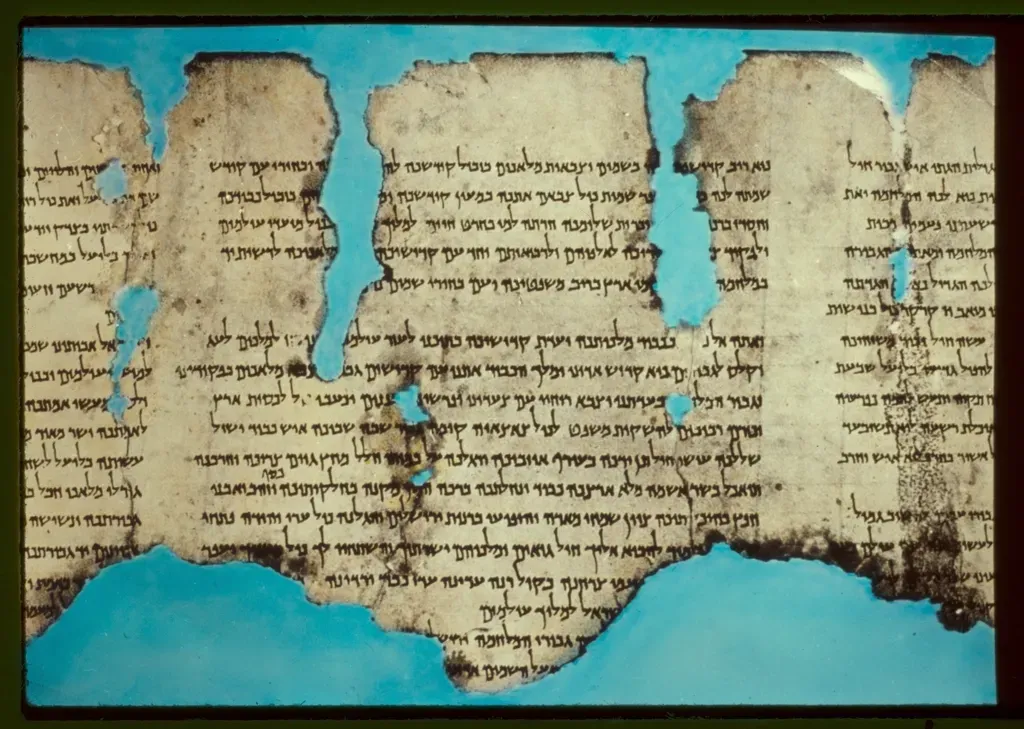
In the mid‑twentieth century, a young Bedouin herder tossed a stone into a cave near the Dead Sea and heard pottery shatter – a small accident that opened a huge debate. Inside were scrolls and fragments of ancient texts, later known as the Dead Sea Scrolls, hidden away in caves for roughly two thousand years. Archaeologists and historians suddenly had direct, fragile evidence of religious writings from the time when Judaism and early Christianity were taking shape, not centuries later as copies of copies.
Until then, much of what scholars believed about early biblical texts and religious communities came from later manuscripts and church traditions. The scrolls changed that by revealing alternative versions, extra writings, and unexpected variations in familiar stories. This forced experts to rethink how sacred texts evolved, who wrote them, and how diverse religious beliefs really were in the ancient Near East. Even people who are not religious felt the impact, because the find showed how archaeological evidence can unsettle long‑held assumptions about identity, faith, and history in a very personal way.
#4 The Ice Man in the Alps Who Rewrote Prehistoric Daily Life
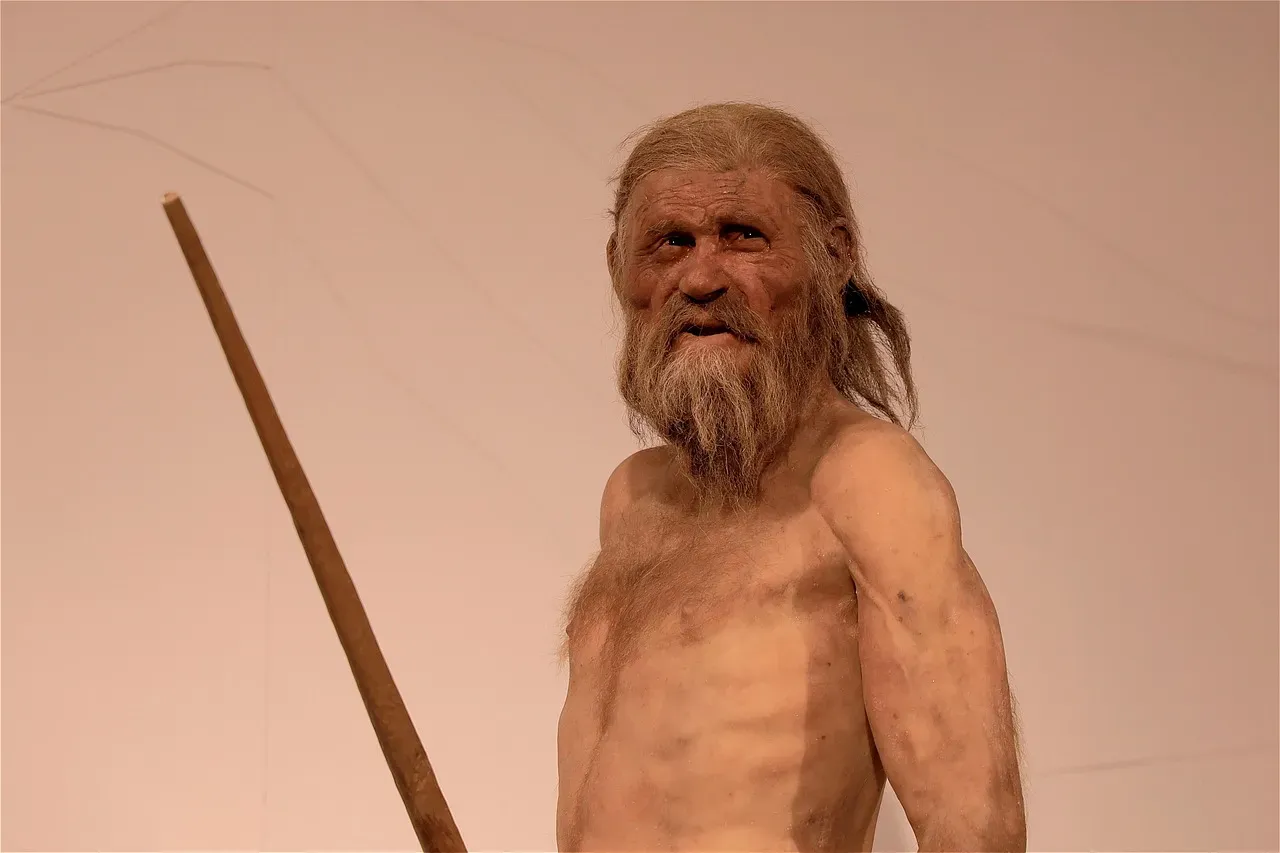
When two hikers in the Alps stumbled on a body emerging from melting ice in the early 1990s, many assumed it was a recent mountaineering tragedy. Instead, they had found a Copper Age man, now commonly known as Ötzi, preserved with astonishing detail for more than five thousand years. He was not just a skeleton; his skin, clothes, tools, and even his last meals were still present, turning one frozen corpse into a time capsule of prehistoric Europe.
Before Ötzi, a lot of what archaeologists thought about life in that era came from scattered tools and bones, which left huge gaps filled with educated guesses. His discovery forced major updates: he carried a copper axe that showed metalworking was more advanced and widely used than many scholars believed, and his clothing and gear revealed surprisingly sophisticated design for dealing with harsh mountain environments. Add in evidence of tattoos, healed injuries, and what looked like violent conflict near the end of his life, and suddenly the neat, static picture of “primitive” mountain people dissolved into a complex, risky, and very human story.
#5 The Nazca Lines That Pushed Theories About Ritual Landscapes
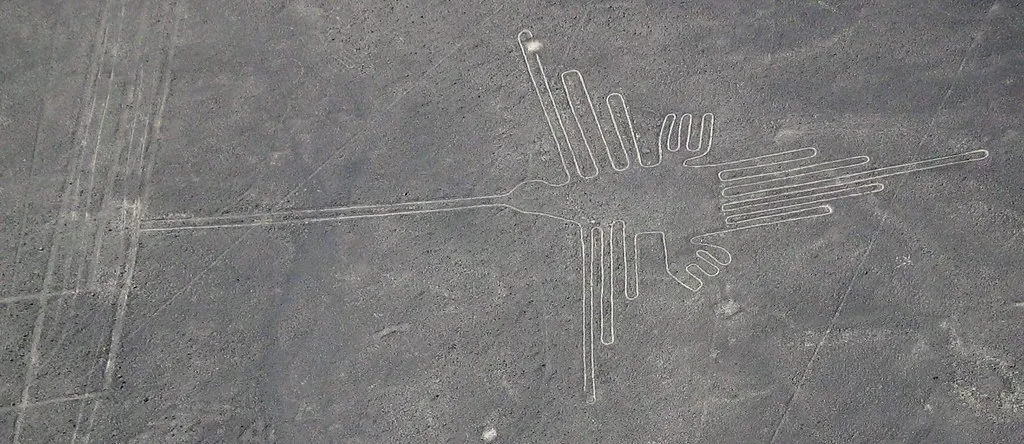
From the ground, the Nazca Desert in Peru looks like barren, hostile terrain. From the air, though, it reveals something far stranger: enormous geoglyphs of animals, plants, and geometric shapes etched into the earth, only fully visible from high above. When archaeologists began seriously studying these ground drawings in the twentieth century, they realized the lines stretched across many kilometers and were created over generations. The mystery was not just how they were made, but why.
Early theories leaned heavily toward astronomical calendars or even fringe ideas about visitors from other worlds, in part because the scale seemed so extreme. Over time, excavations and careful mapping suggested a more grounded, but still surprising, explanation: the lines were likely linked to ritual processions, water symbolism, and offerings to deities in an environment where rain was a matter of survival. That interpretation challenged the old assumption that complex ritual landscapes needed cities or massive temples. Instead, it showed that even relatively small, scattered communities could transform an entire desert into a sacred canvas that tied their myths, hopes, and daily struggles together.
#6 The Clovis Myth Shattered by Older North American Sites
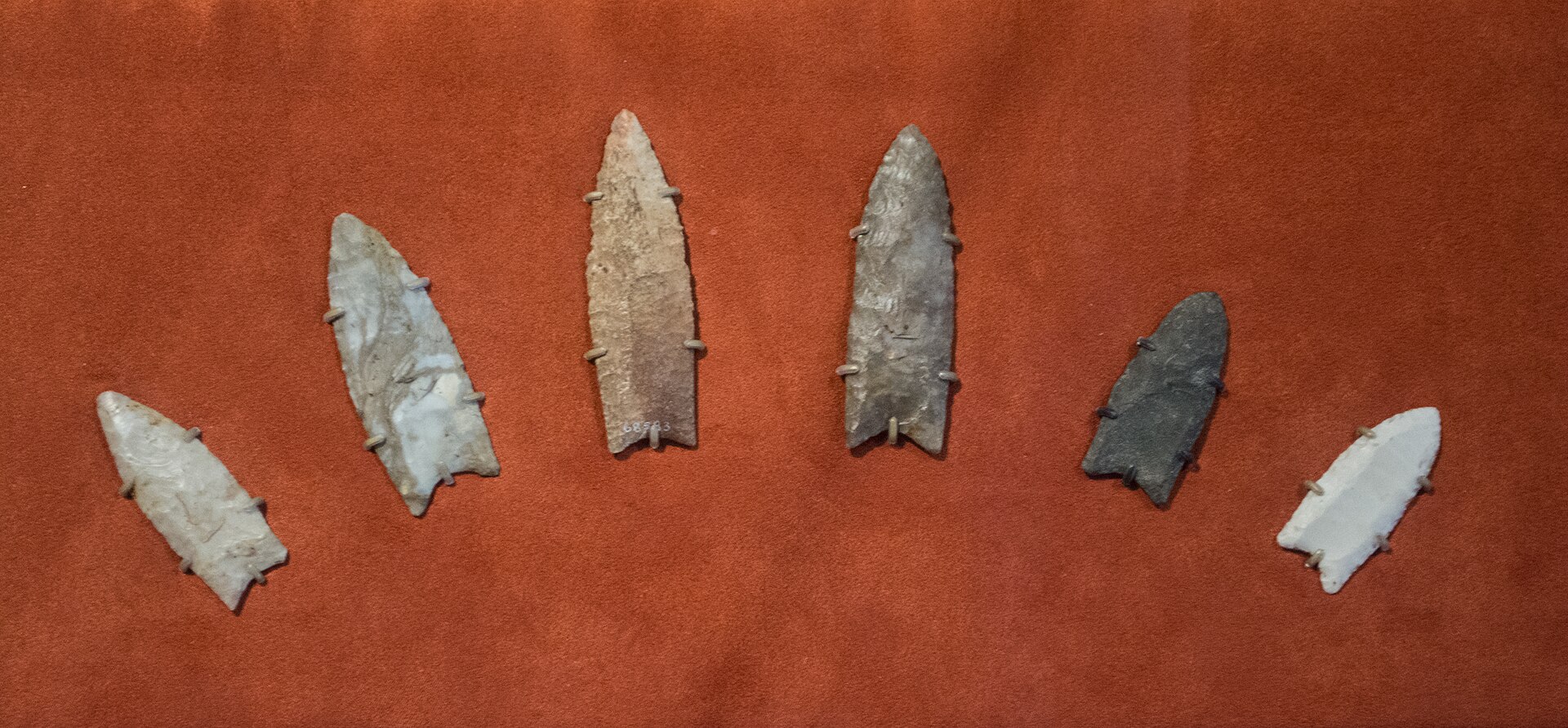
For much of the twentieth century, the dominant story about the first people in the Americas revolved around the Clovis culture, defined by distinctive stone spear points. The theory went something like this: around thirteen thousand years ago, groups crossed a land bridge from Siberia, moved through an ice‑free corridor, and spread south as the first Americans. Clovis was treated almost like a starting gun for human presence on the continent. Then archaeologists started finding sites that were clearly older – and that changed everything.
Excavations in places like Chile, the eastern United States, and even Canada uncovered tools, hearths, and other traces of human activity dating back thousands of years before the classic Clovis layer. Many researchers were skeptical at first, but as more rigorously dated sites piled up, it became impossible to defend the old model. Now, instead of one clean migration story, archaeologists talk about overlapping waves of people, coastal routes, and a much deeper timeline for human occupation. The ground, quite literally, forced scholars to accept that the peopling of the Americas is more tangled, ancient, and interesting than they wanted to admit.
#7 The African Fossils That Put Humanity’s Roots Deeper and Wider
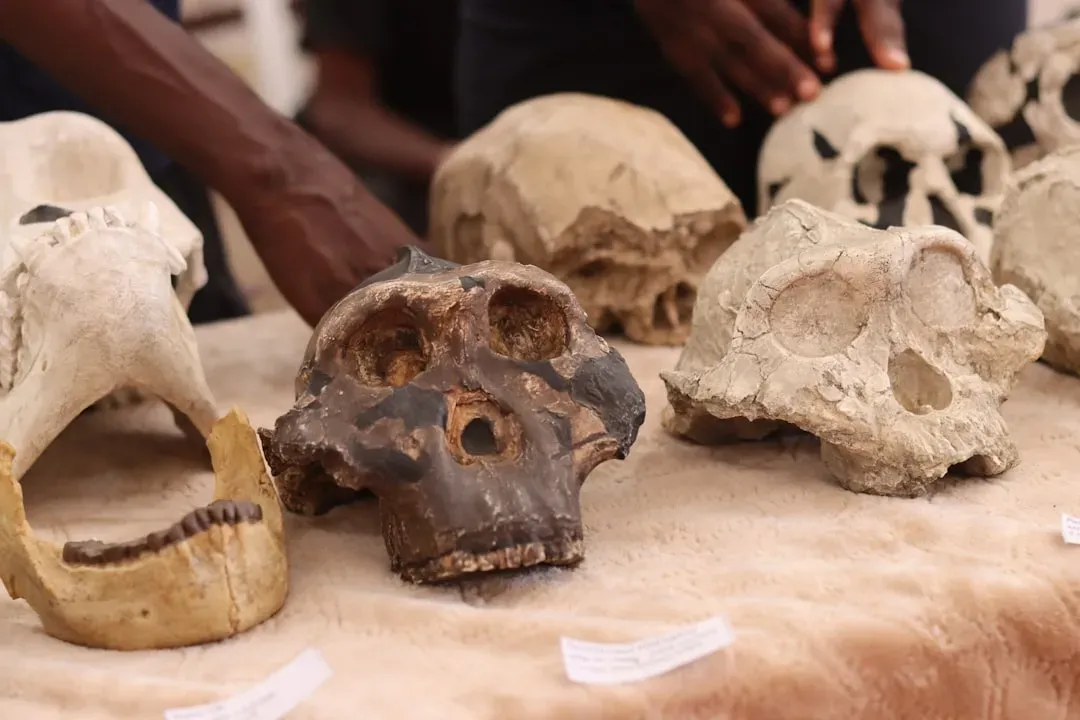
For a long time, the story of human evolution in school textbooks felt almost linear: a few famous fossil skulls in East Africa, a march of species, and then modern humans stepping onto the scene. Over the last few decades, though, spectacular underground finds across Africa have wrecked that simple tale and replaced it with something messier – and much more realistic. Caves and sediments in countries like Ethiopia, South Africa, and Morocco have yielded fossils that push the origins of Homo sapiens further back in time and spread across a wider region than previously believed.
Some skulls and bones show a mix of traits that do not neatly fit into old categories, suggesting that our species did not appear in one single “Eden” and then spread out, but emerged gradually from interconnected populations across the continent. Stone tools and ancient DNA from these contexts hint at a web of groups mixing, moving, and adapting to different environments over hundreds of thousands of years. This has forced archaeologists and paleoanthropologists to abandon the comforting, straight‑line family tree and embrace a branching, braided stream of human evolution. Personally, I find that idea more humbling and more exciting: our roots are not a point on a map, but a whole continent in motion.
#8 The Uluburun Shipwreck That Revealed a Globalized Bronze Age
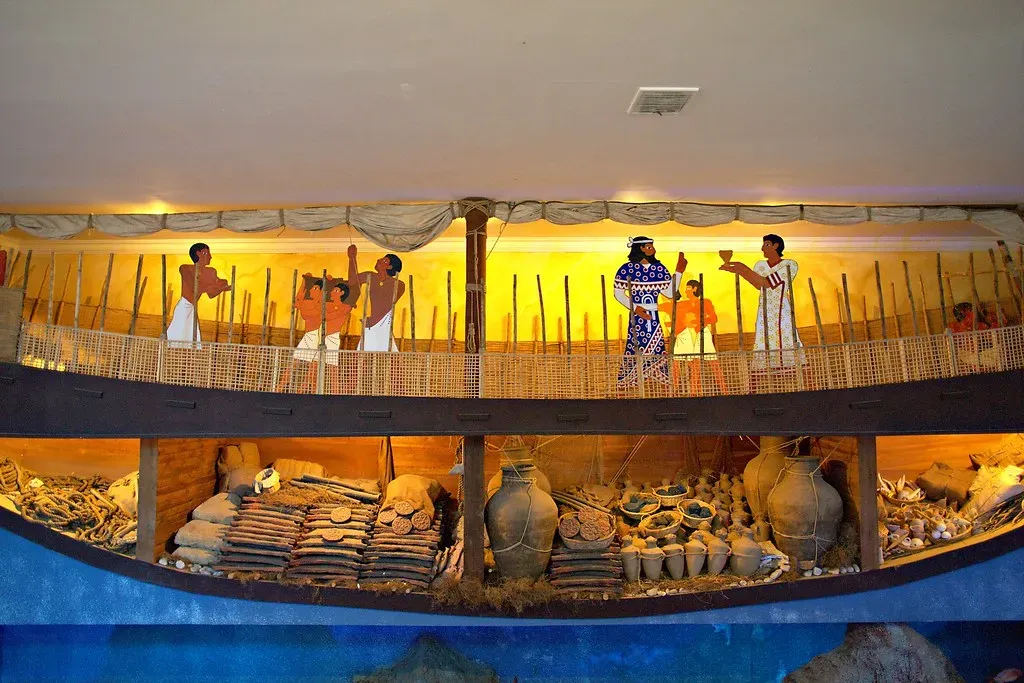
When divers discovered a Late Bronze Age shipwreck off the coast of modern‑day Turkey, it looked at first like another tragic maritime accident frozen in time. But as archaeologists painstakingly recovered its cargo, it became clear that this vessel was a floating snapshot of an entire world economy. The ship’s hold contained copper ingots, tin, glass, luxury goods, raw materials, and exotic items from regions that today would span multiple countries and cultures. Suddenly, the ancient Mediterranean looked less like isolated kingdoms and more like a buzzing trade network.
Before this find, many researchers underestimated just how interconnected those early societies were, thinking in terms of simple trade between neighbors. The Uluburun wreck forced a rethink, showing that people, ideas, and goods were crisscrossing vast distances in a way that feels surprisingly modern. It also exposed the vulnerability of that system: the same dense web of trade that brought wealth may have helped spread crisis when political or environmental shocks hit. Seeing all those artifacts side by side on a seabed, and later in labs, turned theoretical trade routes on paper into something far more concrete and, frankly, more dramatic.
#9 The Akrotiri Ruins That Reframed the Bronze Age “Lost Worlds”
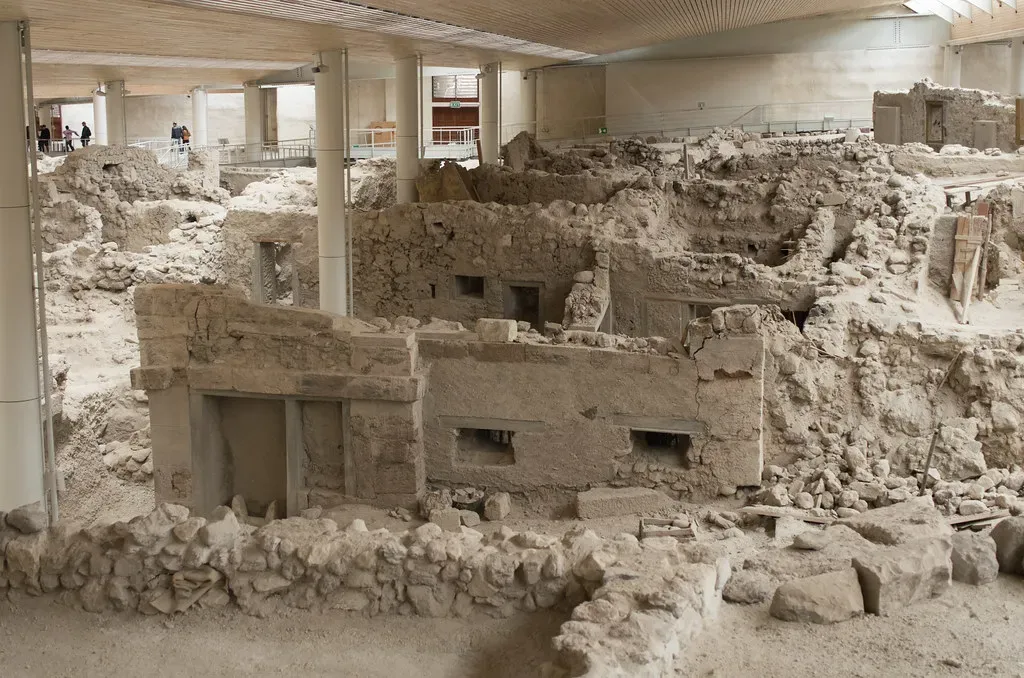
On the Greek island of Santorini, buried beneath layers of volcanic ash, archaeologists uncovered the town of Akrotiri – a remarkably preserved Bronze Age settlement. Multi‑story buildings, frescoes on the walls, sophisticated drainage systems, and finely made pottery appeared almost frozen in time, like a prehistoric snapshot of everyday life. At first, Akrotiri was slotted into familiar categories, but the more researchers dug, the less it fit the old, simplified story of Aegean civilizations.
The discovery forced scholars to rethink how cultures around the Aegean and eastern Mediterranean influenced one another, especially in relation to the more famous Minoan civilization on Crete. Akrotiri’s art and architecture suggest a complex blend of local and regional styles, hinting at a vibrant cultural crossroads instead of a one‑way flow from “center” to “periphery.” It also fed debates about whether volcanic eruptions and related disasters played a bigger role than previously assumed in reshaping Bronze Age societies. Instead of a single legendary lost city, the evidence points to a broader world of interconnected communities, some of which vanished almost overnight under ash and shifting seas.
#10 The Submerged Cities That Challenged Coastline Stability Myths
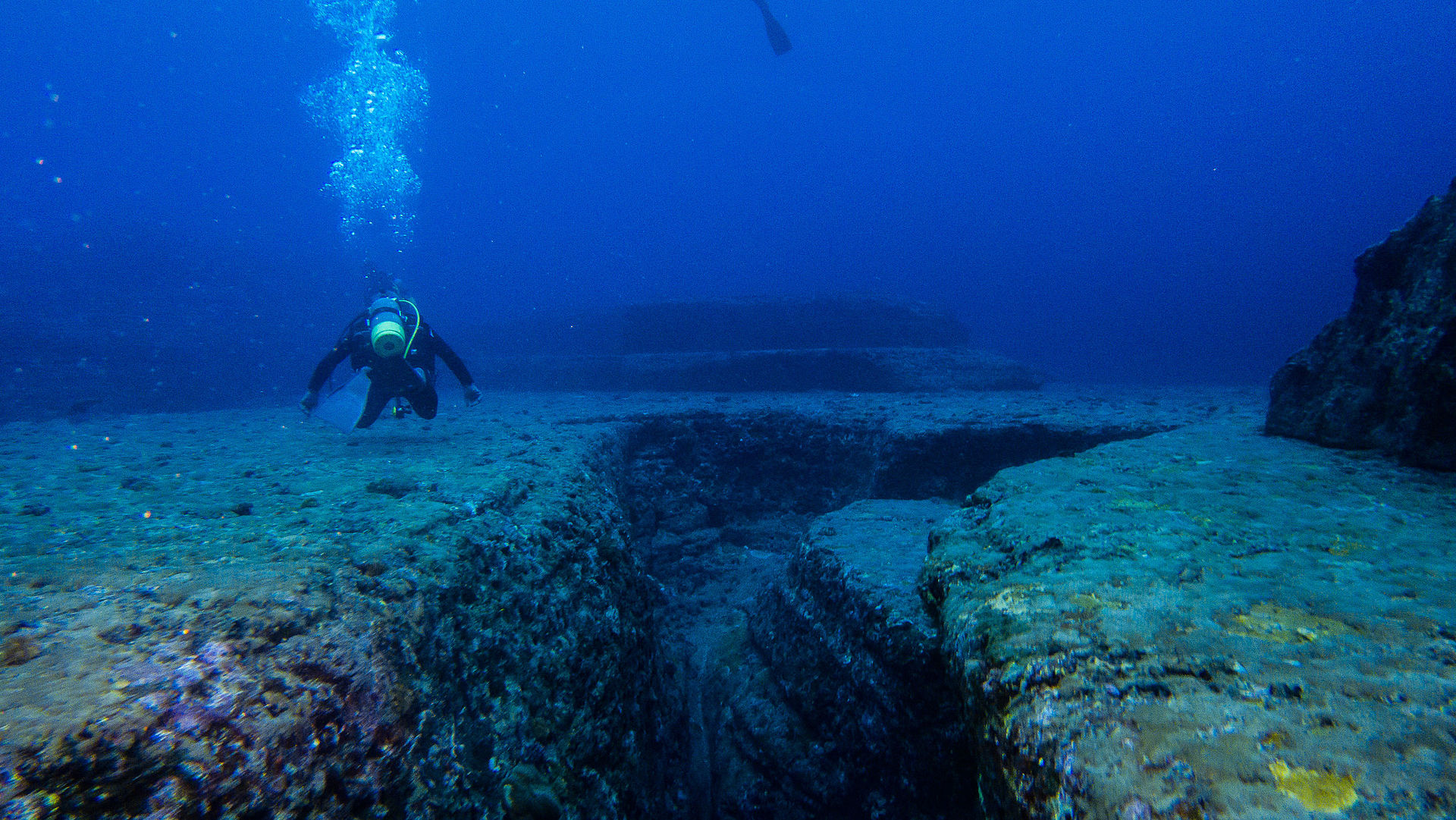
As underwater archaeology matured, divers and sonar surveys began revealing something eerie: the remains of buildings, roads, and entire districts lying beneath modern coastal waters. From parts of ancient Mediterranean ports to drowned temple complexes in South Asia, these submerged sites told a story that clashed with the old idea of slow, predictable sea level change. Instead, in some regions, land sank or shorelines shifted dramatically within the span of recorded history.
These discoveries forced archaeologists and geologists to collaborate more closely and admit that natural forces – earthquakes, subsidence, rapid coastal erosion – could radically reshape human habitats within a few generations. That, in turn, reshaped theories about why some once‑thriving cities were abandoned or mysteriously declined. Instead of blaming only invasions or economic failure, researchers had to factor in environmental shocks that literally moved the ground out from under people’s feet. It is hard not to see the parallels with modern coastal cities facing rising seas; the past is suddenly less distant when an ancient harbor street lies where fish now swim.
#11 The Royal Graves of Ur That Elevated Ancient Mesopotamian Complexity
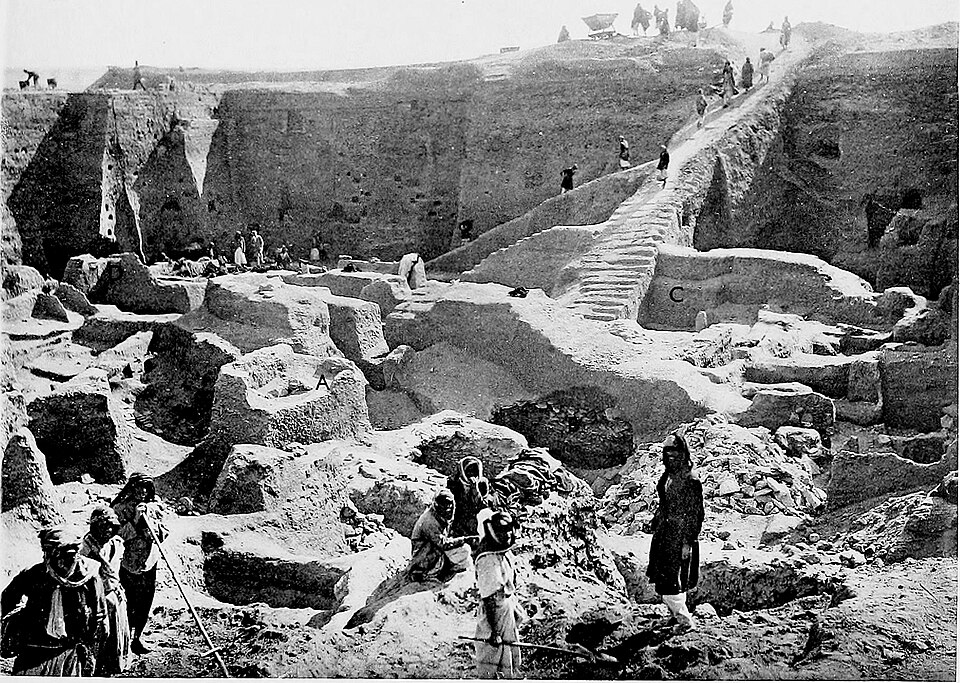
When excavators dug into the ancient city of Ur in modern Iraq in the early twentieth century, they were expecting to find the usual mix of pottery, ordinary burials, and maybe a few elite tombs. What they uncovered instead in the so‑called Royal Graves was a series of burial pits filled with rich grave goods, elaborate jewelry, musical instruments, and, most disturbingly, the remains of attendants who appeared to have died alongside their rulers. The scale and ritual nature of these graves forced scholars to upgrade their understanding of early urban Mesopotamian society.
Before this, many archaeologists pictured early cities in the region as administrative hubs with limited social complexity, dominated by temples and basic bureaucracy. The royal graves suggested something more intense: a world where political power, religious ideology, and the display of luxury were intertwined in grand ceremonies of life and death. The evidence of mass sacrifices or orchestrated deaths around elite burials challenged comfortable narratives about gradual, peaceful social evolution. It reminded everyone that early states could be both impressively organized and deeply brutal at the same time.
#12 The Indus Valley Drainage Systems That Flipped “Primitive City” Assumptions
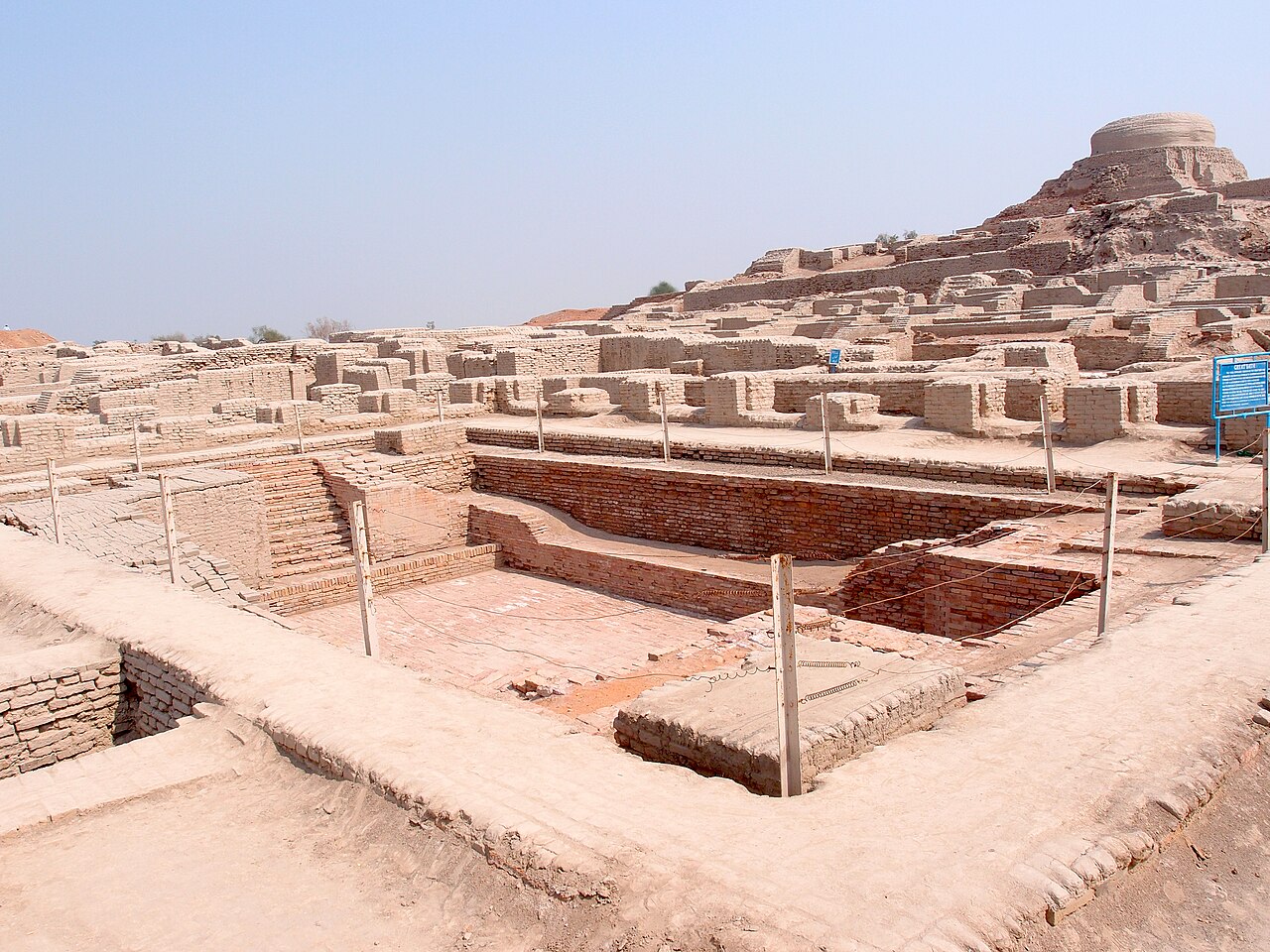
For a long time, the big stars of early urban history were Mesopotamia and Egypt, with their palaces, pyramids, and long‑known texts. Then archaeologists working in what is now Pakistan and northwest India began unearthing cities from the Indus Valley civilization that quietly overturned some cherished assumptions. Sites like Mohenjo‑Daro and Harappa revealed not just dense housing, but remarkably standardized bricks, organized street grids, and drainage systems that ran throughout the settlements. Underground channels and sewers hinted at a society that took urban planning and public hygiene very seriously.
This stood in sharp contrast to the earlier stereotype of early cities as dirty, chaotic clusters of huts. The Indus evidence pushed archaeologists to broaden their definition of complexity: here was a civilization with sophisticated infrastructure, long‑distance trade, and a shared material culture, but no obvious monuments to individual rulers or massive palaces. That forced a reevaluation of how authority and social order could work without the familiar symbols of kings towering over everyone. In a way, those carefully laid bricks and drains undercut the lazy idea that you need a giant throne or a pyramid to count as truly advanced.
#13 The Maya Collapse Layers That Complicated Simple “Doom” Stories
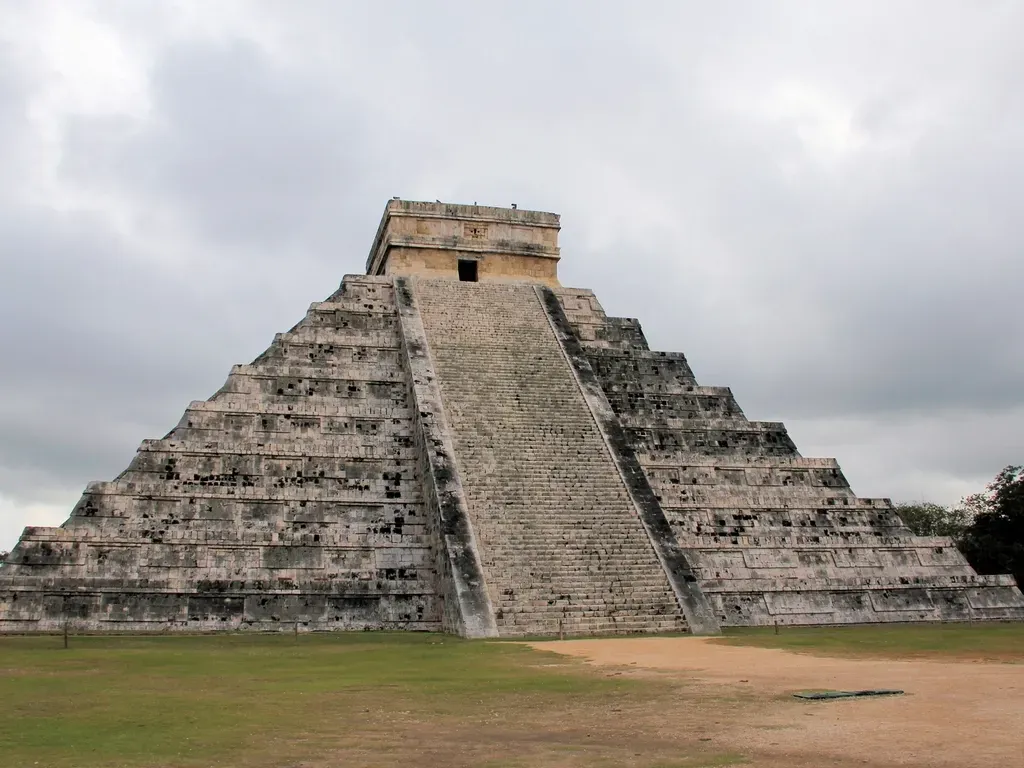
For years, popular imagination painted the ancient Maya as a mysterious civilization that suddenly vanished, leaving empty cities swallowed by the jungle. When archaeologists intensified excavations in the lowlands of Central America, though, the soil layers told a much more complicated story. Pollen samples, sediment cores, and building phases showed cycles of expansion, stress, partial collapse, and reorganization rather than a single dramatic ending. In many places, people did not disappear – they moved, adapted, or reshaped their communities.
These underground records of droughts, deforestation, warfare, and shifting trade networks forced experts to abandon the neat narrative of one catastrophic fall. Instead, the Maya became a case study in how environmental pressure, political conflict, and social choices can intertwine over centuries. To me, that updated picture feels less like a morality tale and more like a mirror: complex societies can stagger, recover, and change form instead of simply dropping off a cliff. The jungle did not just swallow a vanished people; it covered layer upon layer of resilience and struggle that archaeologists are still untangling.
#14 The Roman London Layers That Exposed a Hidden Global Frontier
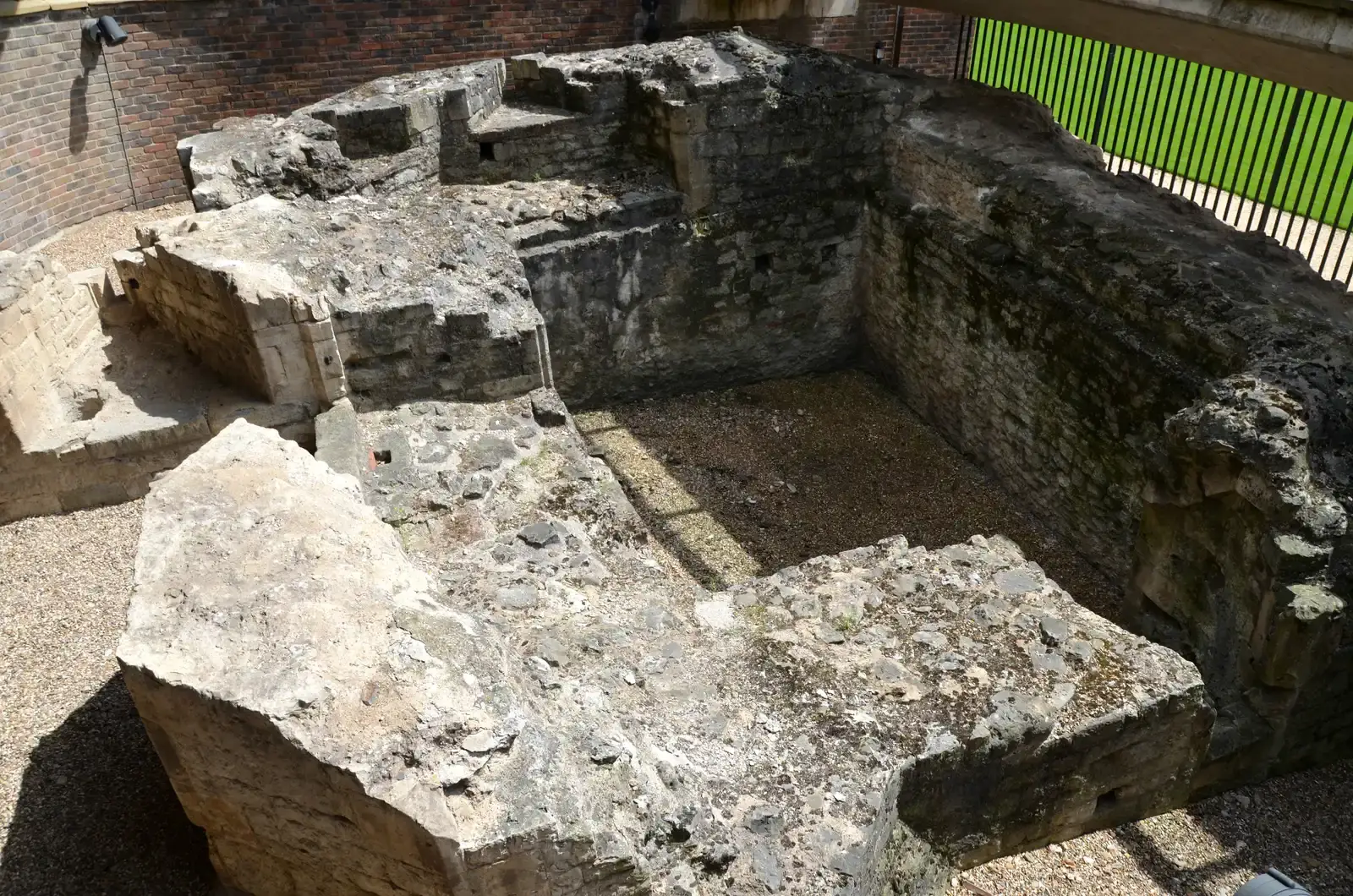
When construction projects in modern London cut into the ground, they often slice through centuries of buried history. Over the past few decades, deep excavations have revealed an astonishing amount of Roman‑era material: wooden streets preserved in waterlogged soil, writing tablets, shoes, household objects, even evidence of people from far‑flung parts of the empire living in what was once a muddy frontier town. London’s underworld, so to speak, forced archaeologists to rethink the city’s early role from minor outpost to bustling, cosmopolitan node.
Previously, some scholars saw Roman Britain as a relatively peripheral, slightly rough extension of imperial reach. The underground finds in London and other British sites showed a more complex reality: imports from across the Mediterranean, administrative records, religious diversity, and people who clearly moved between regions that today would be separate countries. That pushed back against the tidy center‑versus‑edge picture and suggested the empire’s frontiers were more tightly woven into global traffic than old models allowed. Next time you walk past a glass tower there, it is worth remembering that beneath the pavement may lie a shoe or a scratched wooden tablet that once belonged to someone navigating a surprisingly globalized ancient world.
Conclusion: When the Ground Refuses to Obey Our Stories
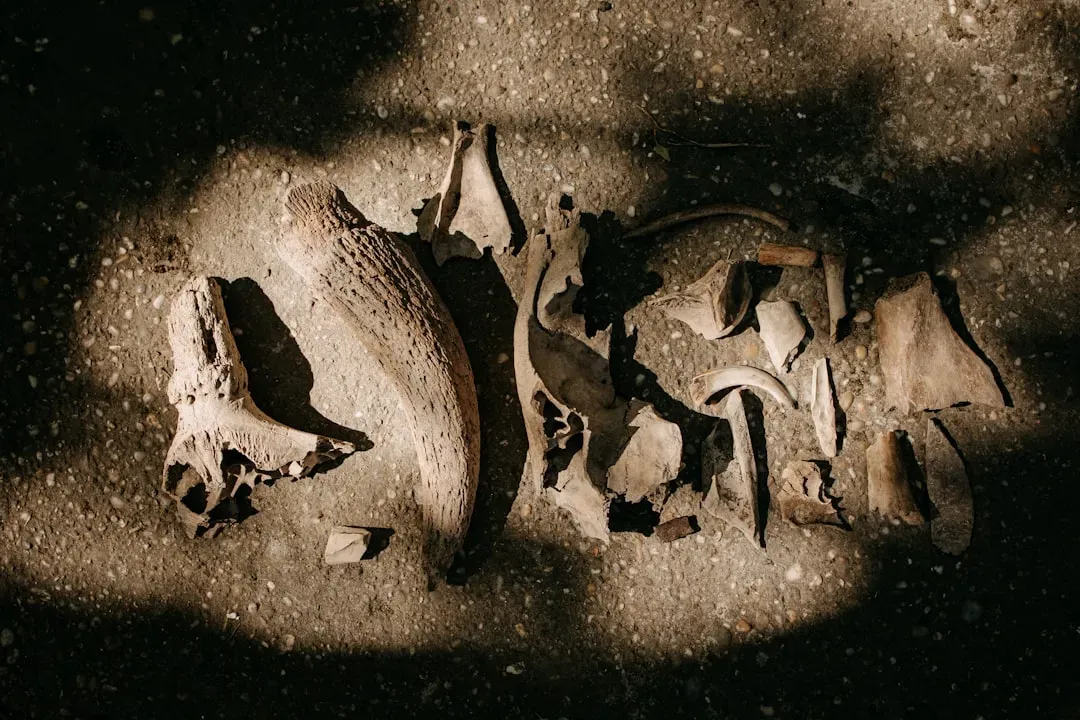
What ties all these discoveries together is not just that they are dramatic or visually striking, but that they embarrassed our certainty. Each find – whether a frozen man in the Alps, a drowned harbor street, or a circle of ancient pillars – forced archaeologists to admit that cherished theories were, at best, incomplete. I think that is the healthiest part of science: the willingness to let a stubborn layer of sediment, a new radiocarbon date, or a puzzling artifact win the argument. The ground has no loyalty to our neat timelines or favorite narratives.
In a way, these underground surprises are a reminder that our current stories about the past are always provisional, always waiting for the next trench or core sample to challenge them. That can feel unsettling if you want history to be fixed and final, but it is also what keeps the field alive and thrilling. If the earth has already overturned so many confident ideas in just a century or two of serious digging, imagine what it might still be hiding. When the next discovery forces another rewrite, will it confirm what you assumed – or make you rethink everything all over again?