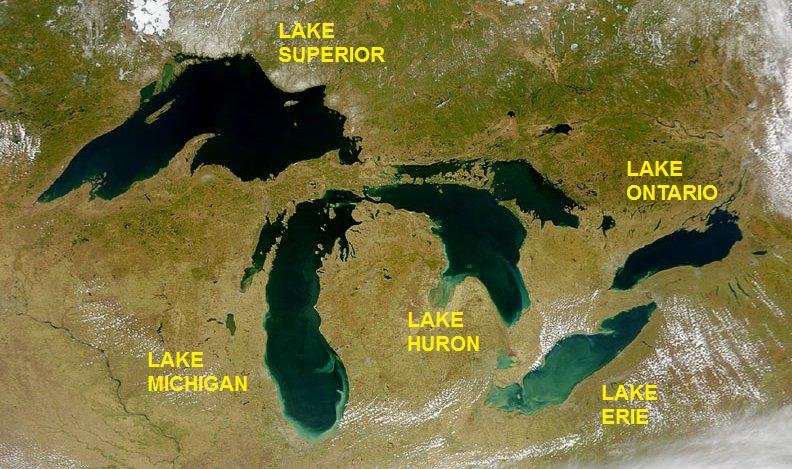

You’ve probably heard before. Maybe you’ve even visited them on a summer vacation or seen them on a map. Those massive bodies of water that sit between the United States and Canada seem peaceful enough, right? Crystal blue waters, sandy beaches, family fun. What could possibly go wrong?
Here’s the thing, though. These lakes aren’t your average swimming holes. They’re more like inland seas with hidden dangers lurking beneath those shimmering surfaces. From deadly currents that can pull Olympic swimmers under to ghostly shipwrecks that never give up their dead, hold secrets that might change the way you see them forever. Let’s dive in and explore the darker side of these natural wonders.
They Contain More Shipwrecks Per Square Mile Than Any Other Waters on Earth
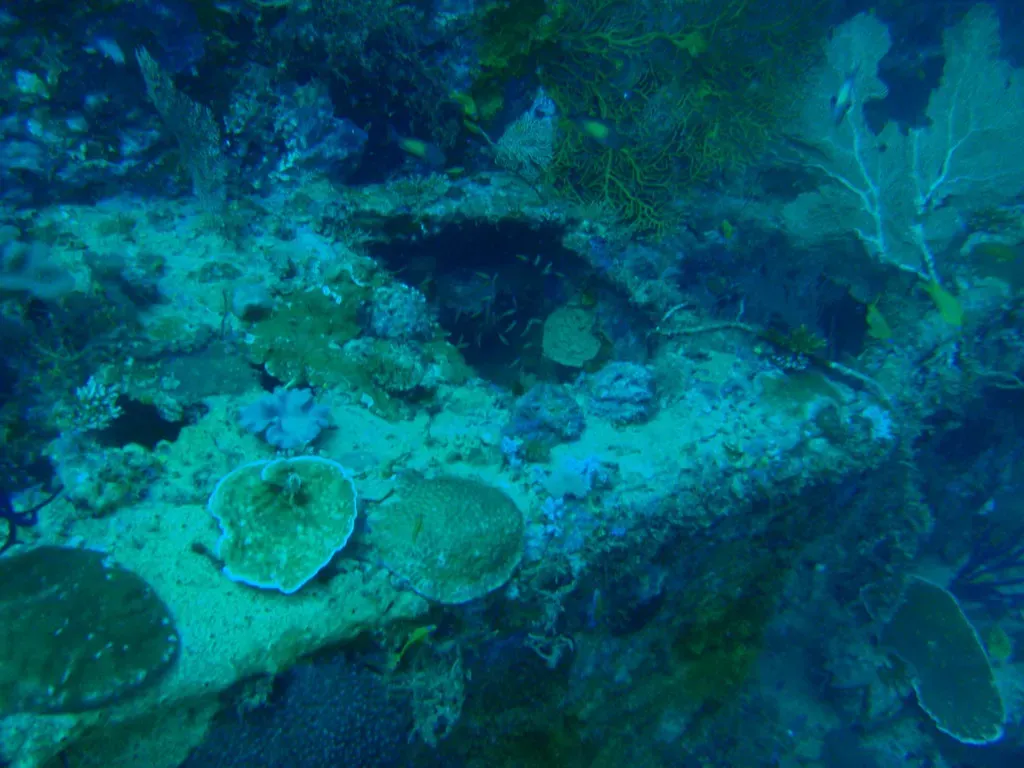
are home to more shipwrecks per surface square mile than any other body of water in the world. Think about that for a second. We’re talking about freshwater lakes, not the wild open ocean. Estimates suggest around 6,000 ships have sunk in these waters, with some historians believing the total number could be more than 25,000.
Due to sudden changes in the weather, have become the final resting stop for thousands of ships. You can be sailing under clear skies one moment, and the next, a violent storm whips up waves taller than houses. Many of these shipwrecks remain undiscovered, frozen in time at the bottom of these dark waters, their stories lost forever.
Lake Michigan Is America’s Deadliest Lake
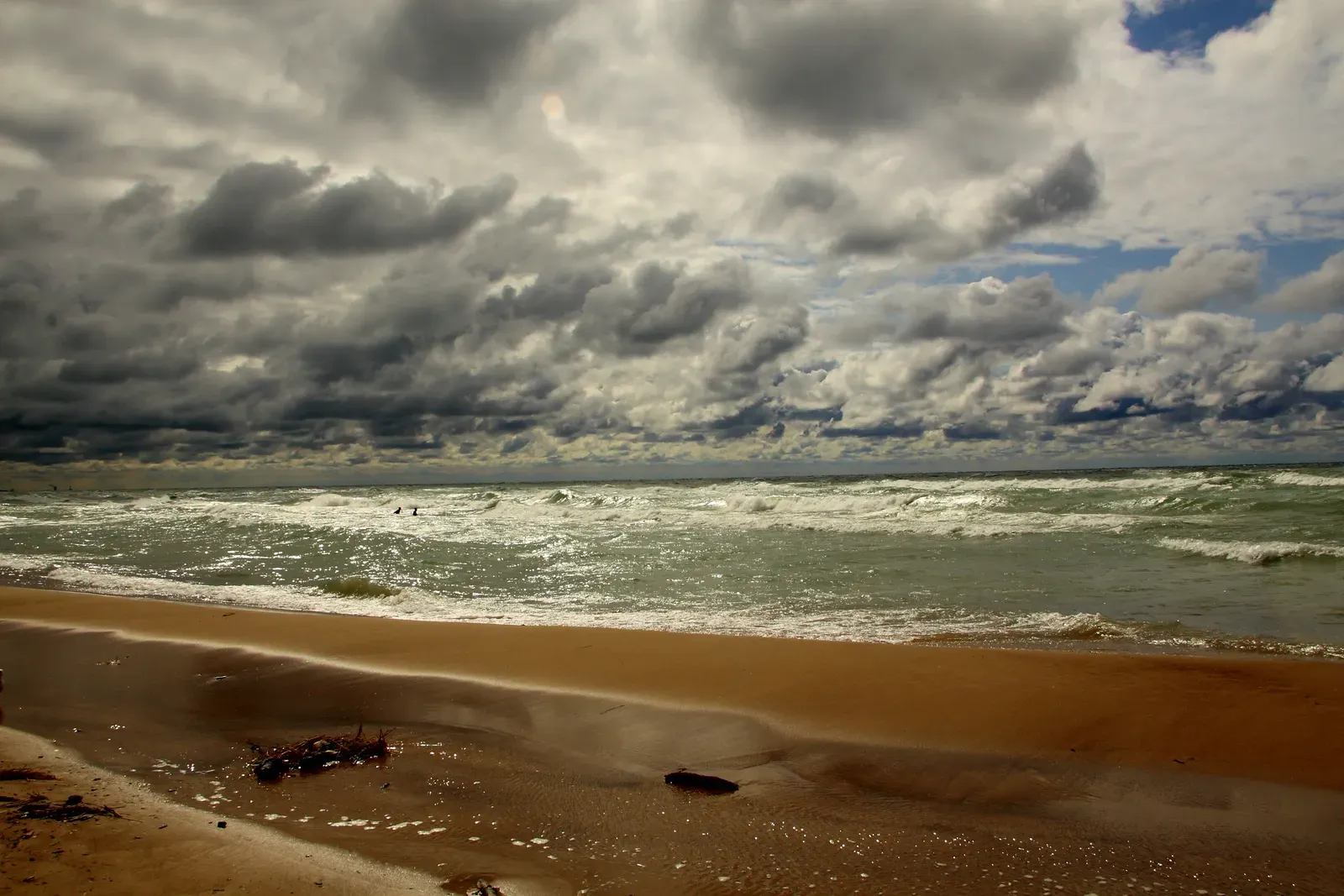
Almost half of all drownings in in 2023 happened in Lake Michigan, with 41 people losing their lives at the lake. That’s a staggering number when you really think about it. Lake Michigan is the deadliest lake of the 5 Great Lakes. You might wonder why this particular lake claims so many lives.
Due to these longshore and rip currents, Lake Michigan is regarded as the most dangerous of . The lake’s shape and orientation create unique wave patterns that contribute to rip tides unlike anything else in the region. Over 20 million people flock to its beaches every year, and around 12 million people live around the lake. More people means more risk, especially when many visitors don’t understand the dangers they’re walking into.
Rip Currents Here Can Overpower Even Olympic Swimmers
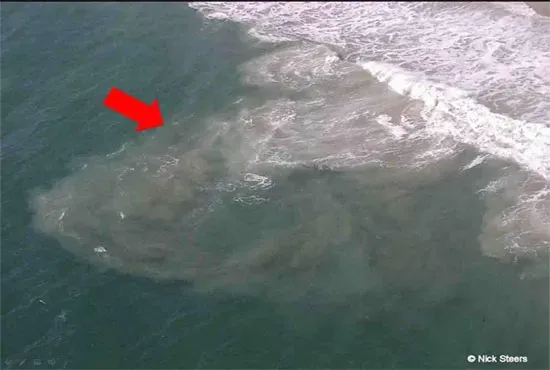
Dangerous currents can exceed 5 mph – faster than an Olympic swimmer can swim. Let that sink in for a moment. You could be the strongest swimmer you know, and these currents would still drag you away from shore. Rip current speeds are typically 1 to 2 feet per second, but speeds as high as 8 feet per second have been measured. That is faster than an Olympic swimmer!
Since 2010, rip currents have cost more than 1,000 people their lives on . The terrifying reality is that most people don’t even realize they’re caught in one until it’s too late. You’re just swimming along, enjoying the water, and suddenly you’re being pulled further and further from shore, no matter how hard you fight.
The Cold Water Preserves Dead Bodies Indefinitely
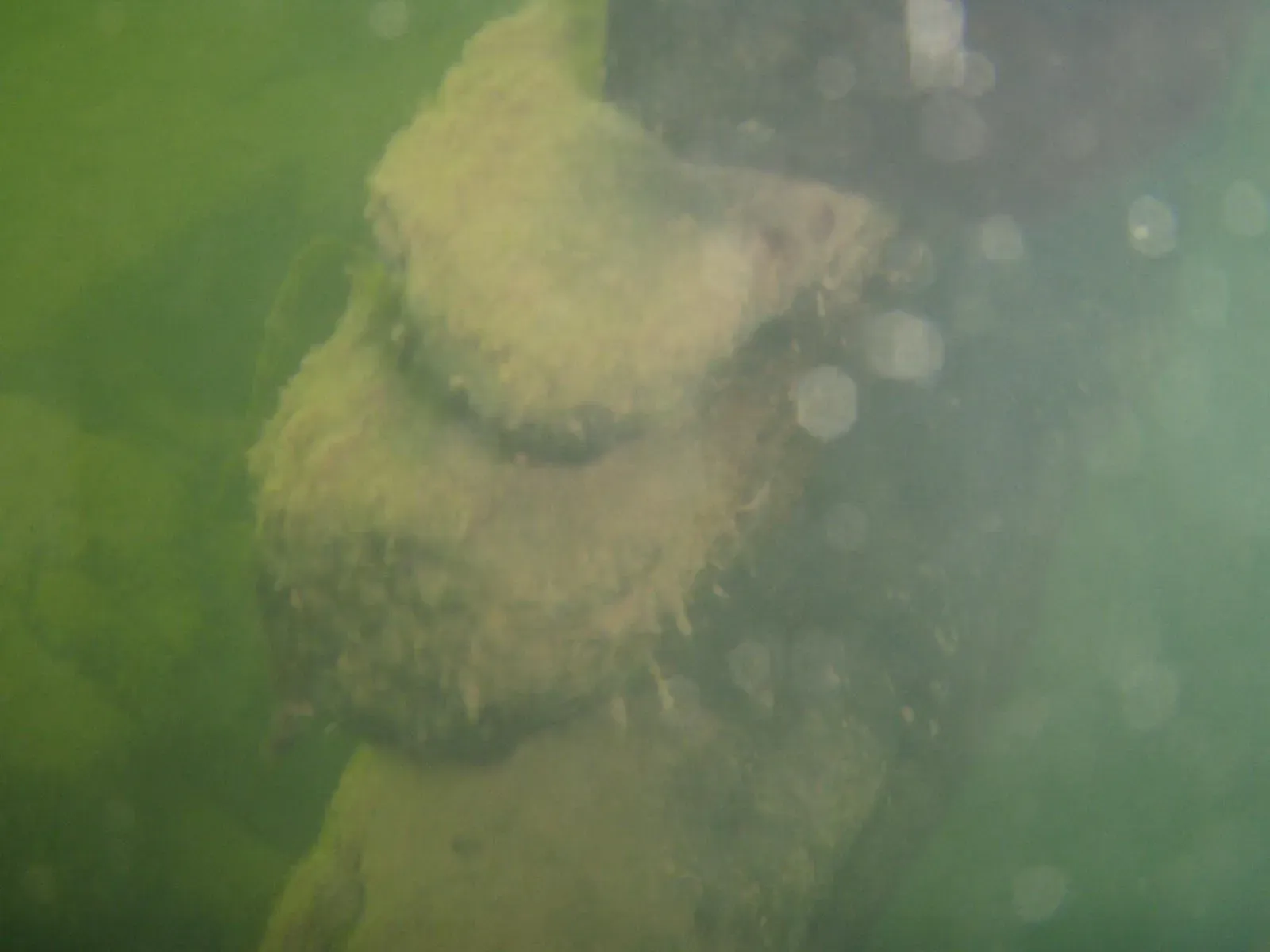
Lake Superior waters are cold enough to preserve dead bodies because the bacteria necessary for decomposition cannot live in such bone-chilling temperatures. It’s a haunting thought, isn’t it? Somewhere down there, in the pitch black depths, bodies from shipwrecks decades or even centuries old remain eerily preserved. It turns out Gordon Lightfoot was right when he sang, “Lake Superior doesn’t give up her dead.”
Lake Superior is so deep and cold that there is a lack of bacteria at the bottom of the lake. The cold fresh water can generate a chemical reaction between minerals in the water and human skin that results in a substance called adipocere. The chemical reaction is called “saponification,” which is a process that turns body into a soap-like substance. Honestly, it’s hard to imagine anything more unsettling than bodies transformed into waxy, preserved remains floating in the darkness below.
Lake Superior Can Produce Mythical Rogue Waves
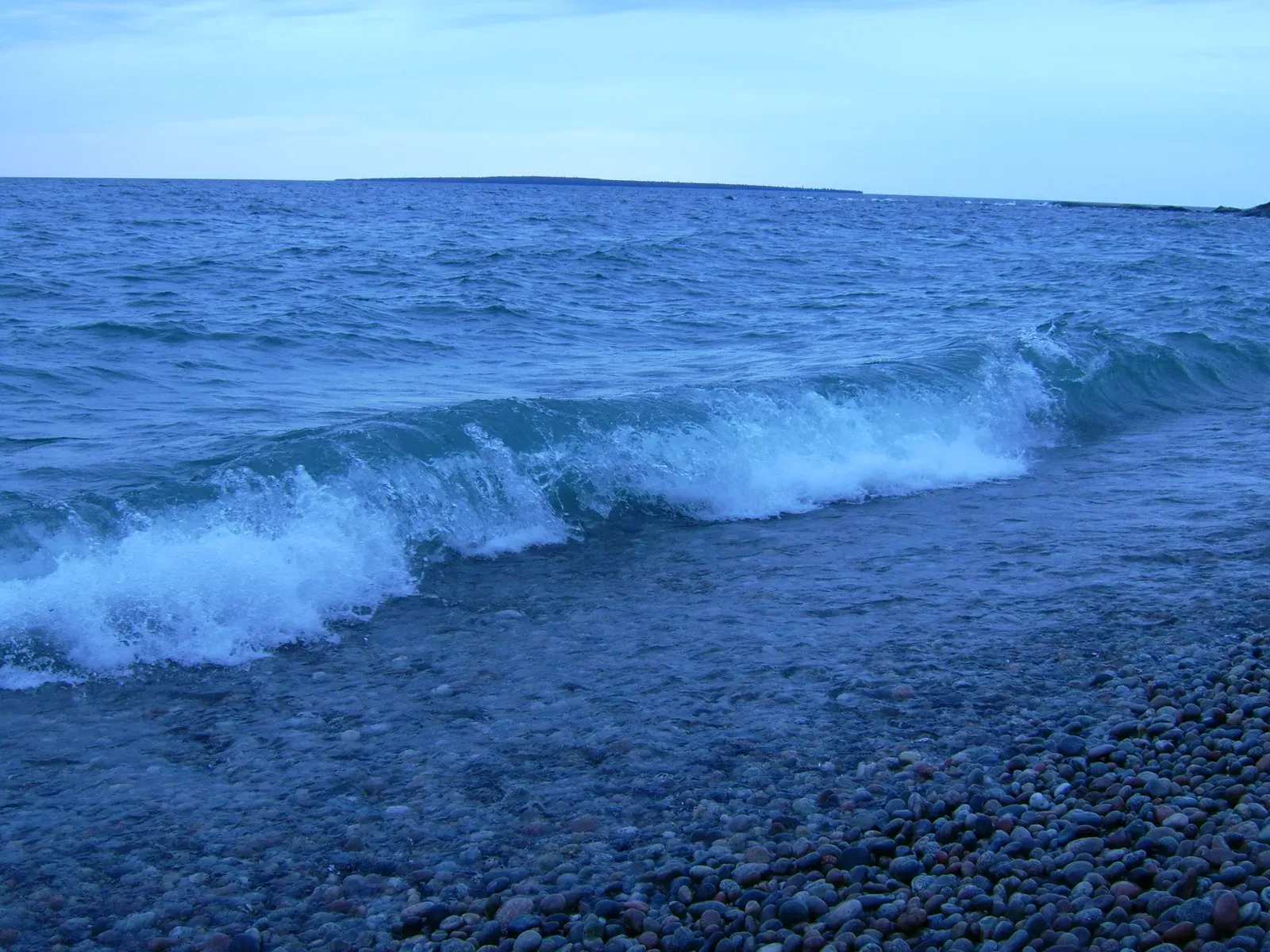
Lake Superior, largest of , has been known to produce near-mythical “rogue waves,” similar to those found at sea. These aren’t your typical waves. Scientists at the University of Wisconsin-Madison have confirmed the phenomenon of rogue waves on Lake Superior – waves double the size of others at the same time.
The sheer scale of Lake Superior means it can be incredibly dangerous, and on windy days waves can reach up to 29 feet high. That’s taller than a two-story house! Imagine being on a boat when one of those monsters suddenly appears. These waves have been named as a potential cause of famous shipwrecks, including the Edmund Fitzgerald. The unpredictability makes them especially terrifying.
Great Lakes Waves Hit You Every Three Seconds
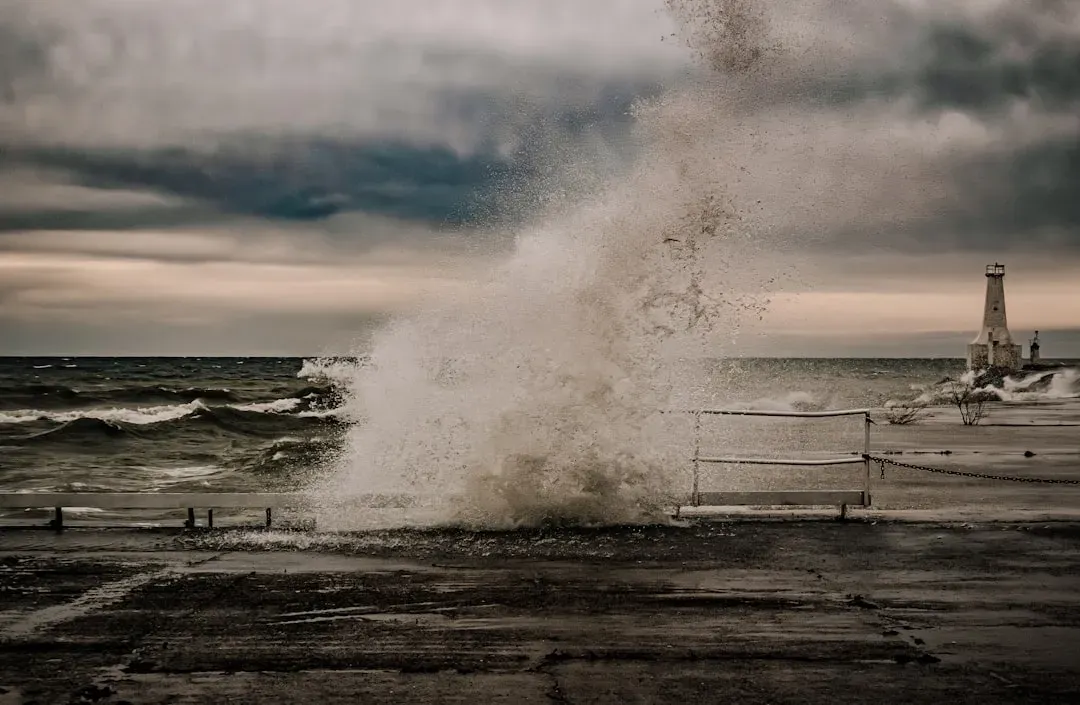
Great Lakes waves come onto shore every three to five seconds on average, much faster than ocean waves. The frequency can make it hard for anyone knocked down to recover. Think about it. You get knocked down by a wave, try to stand up, and another one crashes into you. Then another. And another. Waves on come in rapid succession, every 3 to 4 seconds on average in the summer. The repeated, relentless waves wear down swimmers. Based on an average period of 4 seconds, 225 waves will hit you over the course of swimming for 15 minutes.
That’s an absolutely exhausting experience, even for strong swimmers. You’re not getting those long breaks between waves like you would at the ocean. The constant battering saps your energy faster than you’d believe. Many drowning victims simply run out of strength before they can make it back to shore.
Falling Into the Frigid Water Triggers Instant Cold Shock Response
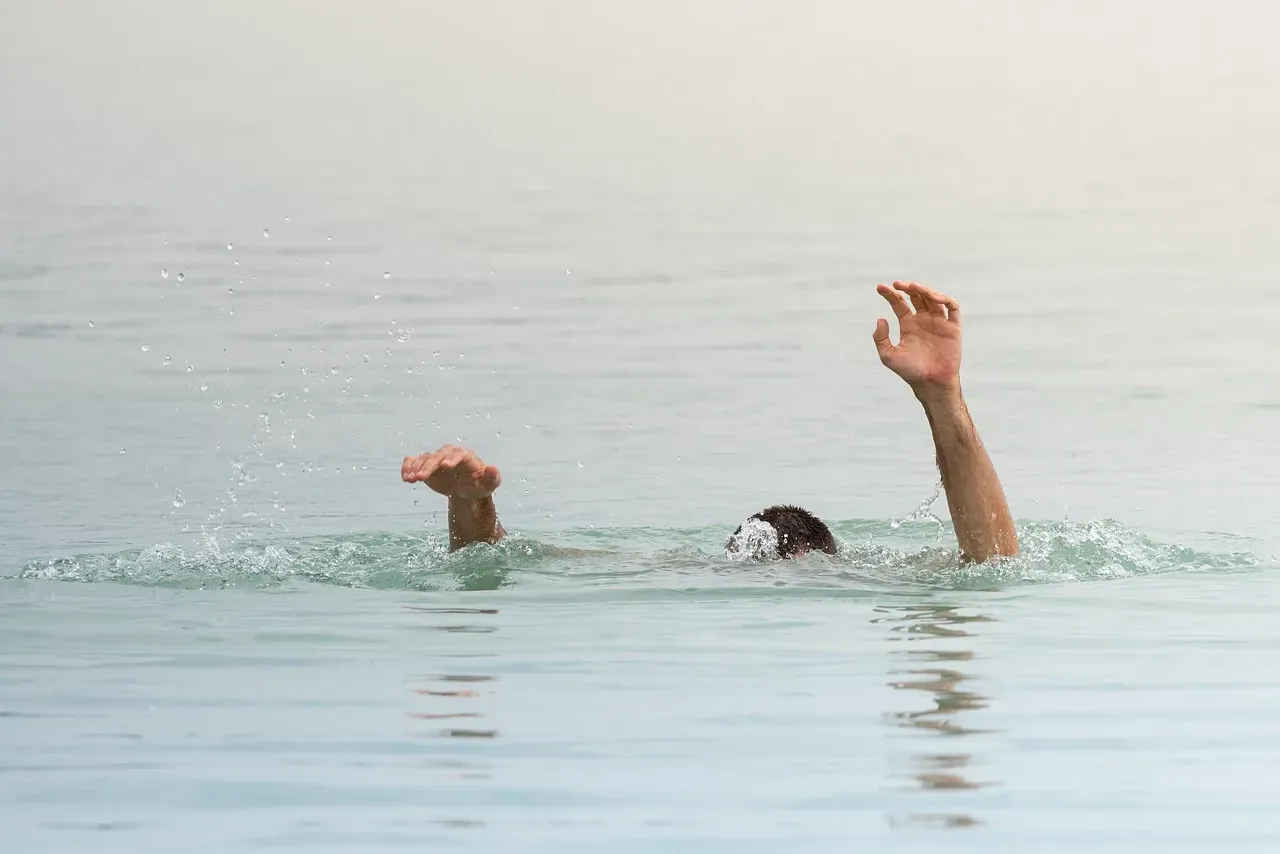
Falling into very cold water can result in what researchers call the Cold Shock Response. The first thing that happens is an involuntary gasp. If the person’s face happens to be in the water, when they take that involuntary gasp, then it can be life threatening right off the get-go. Your body’s immediate reaction could drown you before you even have a chance to react.
When you hit that cold water you gasp and get what’s called cold-water shock. You have one minute to get control of your breathing. You have 10 minutes of meaningful movement to rescue yourself. And in the coldest water you have one hour before hypothermia kicks in. But hypothermia is not what typically kills early-season boating victims. Many are dead long before their core temperature falls into the danger zone, their muscles rendered immobile by the cold within minutes. The water can kill you in ways you never expected.
Over 1,400 People Have Drowned Since 2010
1,415 drownings have occurred since 2010. That’s nearly 100 deaths per year on average. The most drownings in one year occurred in 2018, with 117 drownings recorded. These aren’t just statistics on a page. Each one represents a person who thought they were going for a pleasant swim or boat ride and never made it home.
More than 1,300 people have drowned in since the surf rescue project started collecting data in 2010. What makes it worse is that many people simply don’t realize how dangerous these lakes can be. They look at calm water on a sunny day and assume everything’s fine, not knowing about the deadly currents swirling just beneath the surface.
The Edmund Fitzgerald Mystery Has Never Been Solved
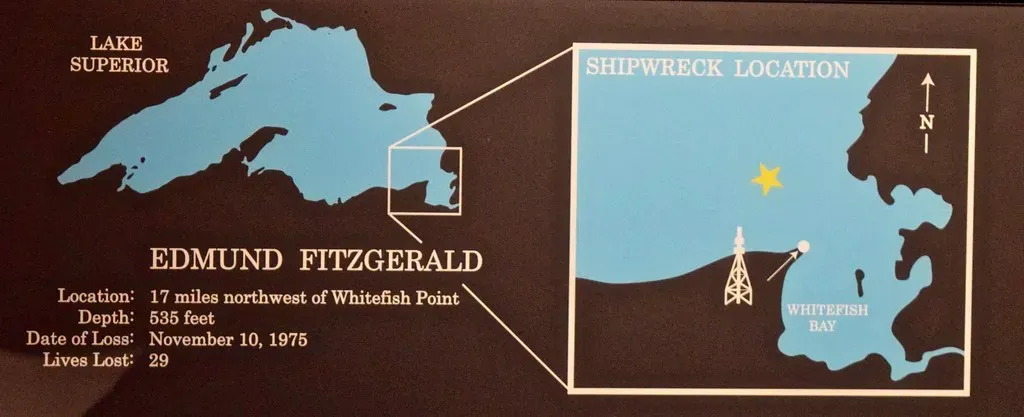
The Edmund Fitzgerald, lost in the storm of 1975, is arguably the most famous shipwreck of . The crew of 29 floats inside the hull of the ship, 17 miles offshore and 500 feet below the surface. Nobody knows exactly what caused this massive freighter to sink so suddenly. The exact cause of the sinking, with no outward signs of severe damage, is still heavily debated.
Conflicting theories about the cause of the tragedy remain active today with no conclusive evidence determining the cause of sinking. Expeditions to the wreck revealed that it is likely she submarined bow first into an enormous sea, as forward damage is indicative of a powerful, quick force to the superstructure. It cannot be determined what caused the ship to take on water and dive to the bottom so quickly, without a single cry for help. One moment it was there, the next it vanished. No distress call. Nothing. Just gone.
They Hold Twenty Percent of the World’s Fresh Water
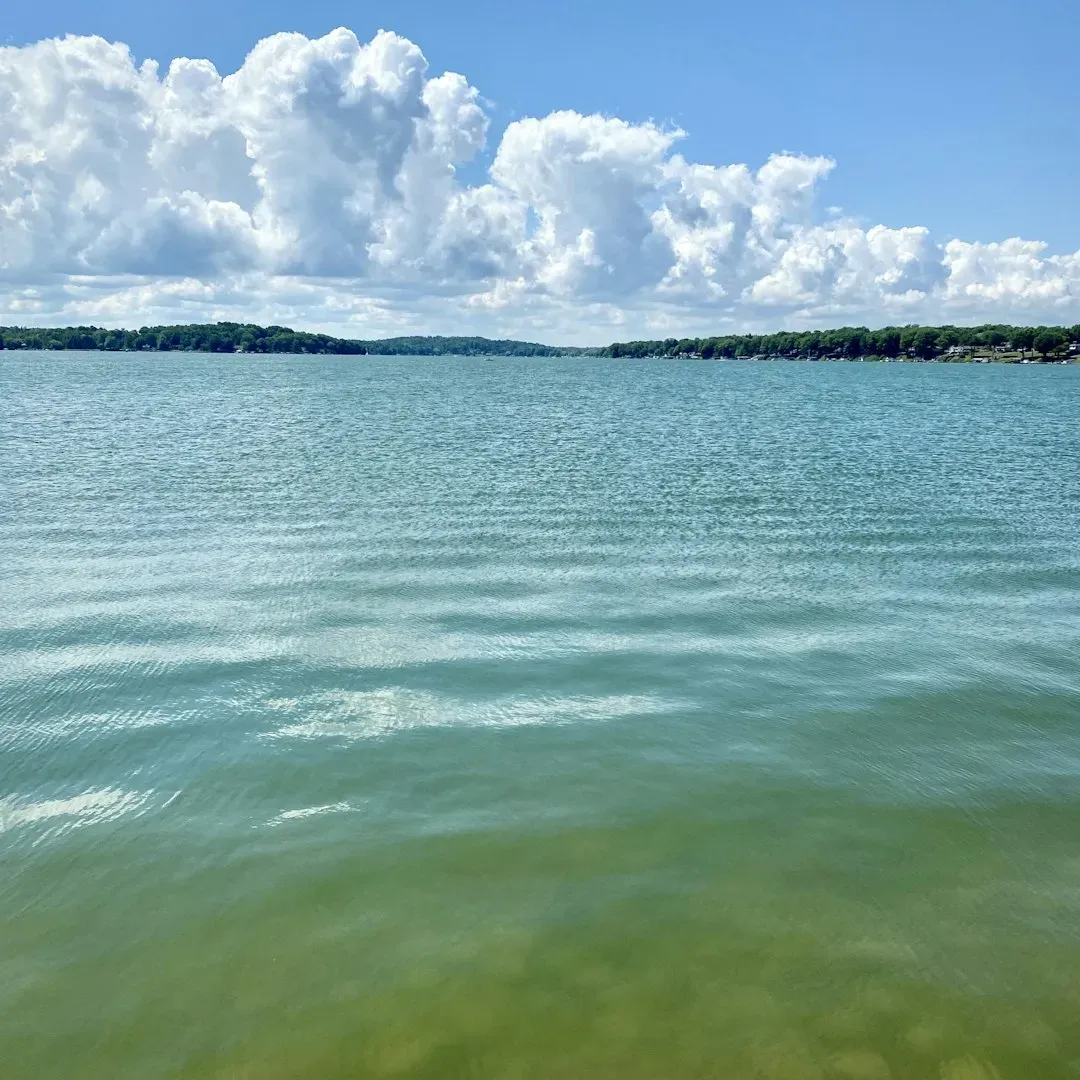
A few of are larger than many seas and contain 20% of the world’s fresh water. Stop and consider that for a moment. These five lakes, sitting right in the middle of North America, hold a fifth of all the fresh water on the entire planet. That’s an almost incomprehensible amount of water.
Their sheer size is what makes them so dangerous. They’re not behaving like lakes at all. They act like oceans, generating massive waves, unpredictable weather systems, and deadly currents. People treat them like neighborhood ponds and pay the price for that mistake.
A Toxic Bacteria Called “Very Fast Death Factor” Lives in These Waters

The Very Fast Death Factor infests our Great Lakes and ponds and is harmful to the brain and liver. Yes, you read that correctly. There’s literally a bacteria in these waters with “death” right in its name. It’s not something you can see or easily avoid.
face contamination from various sources. Water can also become contaminated by overflowing sanitary systems, improper waste disposal by boaters, and malfunctioning septic systems. Large cities on the shoreline, construction, and heavy activity on and around the lake exacerbate these problems, which can lead to dangerous levels of E. coli and other contaminants – especially after heavy rainfall. Swimming in contaminated water can make you seriously ill, and most people have no idea they’re exposing themselves to these invisible dangers.
Lake Michigan Has Spawned Violent Tornadoes
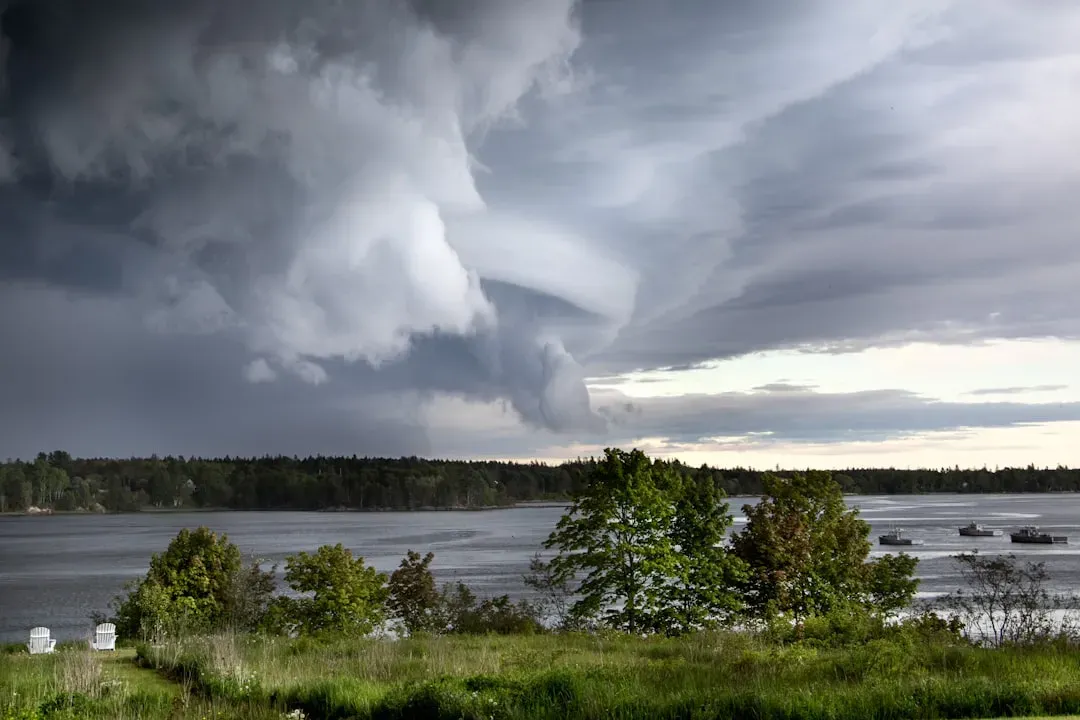
Lake Michigan has been an occasional source for violent and powerful tornadoes. That’s right. Not only do you have to worry about what’s in the water, but you also need to watch the skies. These aren’t your average dust devils or weak funnel clouds either.
The lake’s size and temperature create unique weather conditions that can spawn severe storms with little warning. You could be enjoying a beautiful beach day one moment, and the next you’re running for shelter from a tornado. The unpredictability adds yet another layer of danger to an already hazardous environment.
Structural Currents Near Piers Are Permanent Death Traps
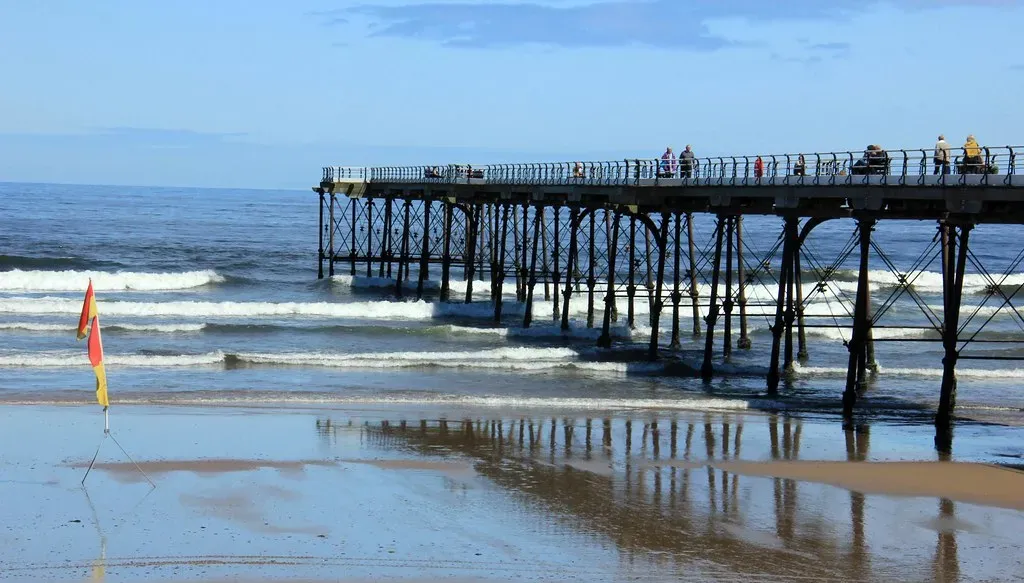
Permanent currents are always found in certain locations – and only vary in strength. For example, strong currents are always present along piers and breakwalls, and can be found where rivers and streams empty into the lake. Many people think it’s safer to swim near these structures. They’re completely wrong. Rip currents and other currents found near piers are extremely dangerous for swimmers and can lead to drownings.
Structural currents are dangerous on their own, but when paired with others like longshore or rip currents, and when colliding with incoming waves, the combination can create a washing machine effect, moving the swimmer from one dangerous current area to another with no clear path to safety. You get caught in one current that pushes you into another, and suddenly you’re being tossed around with no way to escape. It’s absolutely terrifying.
Some Ghost Ships Have Never Been Found
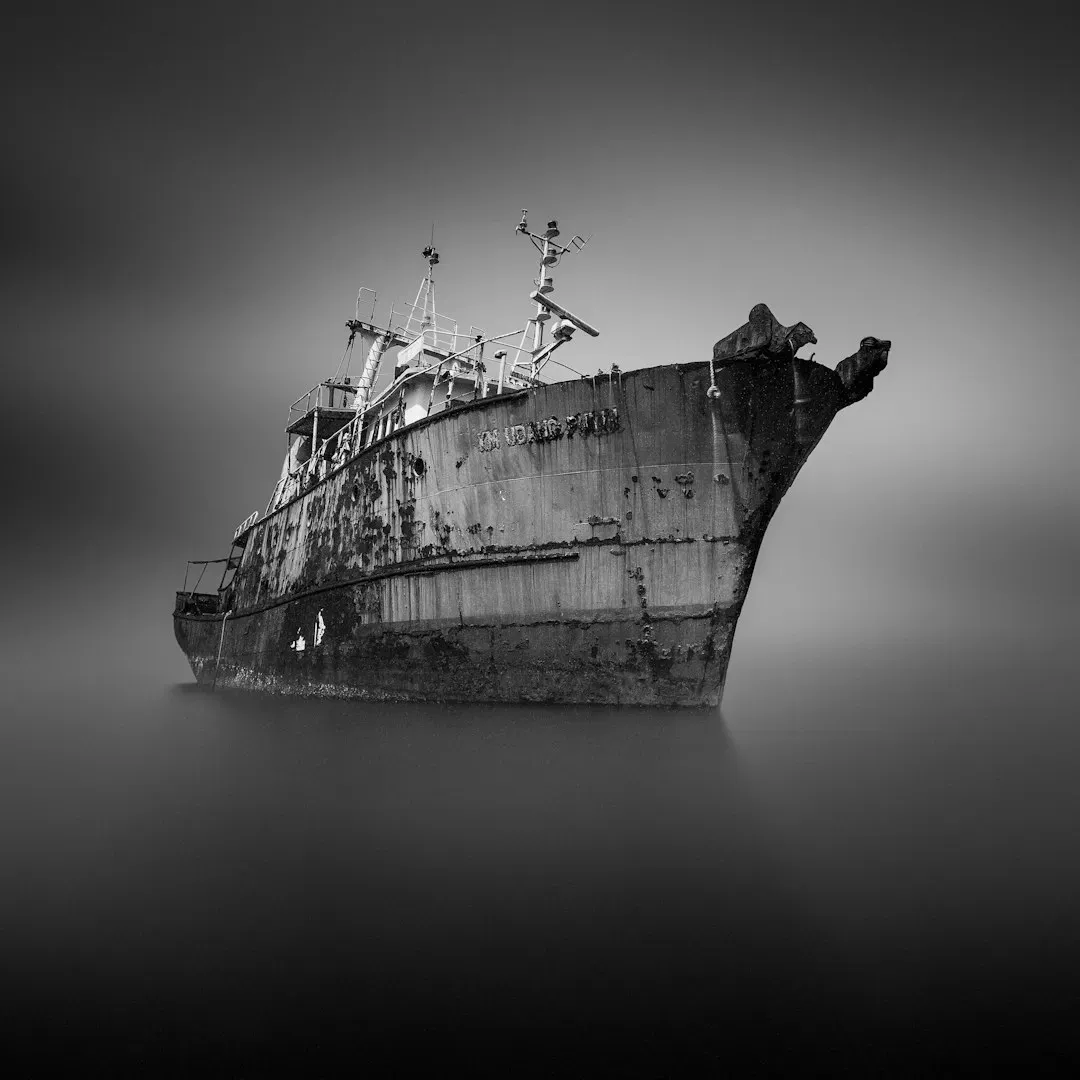
The SS Bannockburn disappeared in 1902 with no trace of its crew or wreckage ever recovered. Tales of ghostly apparitions surround the SS Bannockburn, as mariners have reported sightings of the vessel’s shadowy figure amidst the fog near Whitefish Point. It’s one thing for a ship to sink. It’s quite another for it to vanish completely, leaving no evidence behind.
Many of the shipwrecks in Lake Superior have never been found: lost pieces of history, frozen in time at the bottom of the lake. Somewhere out there in those dark depths lie ships we know went down but can never locate. Entire vessels with their crews simply disappeared into the void. People have searched for decades, but the lakes have kept their secrets.
Conclusion: Respect the Power of These Inland Seas
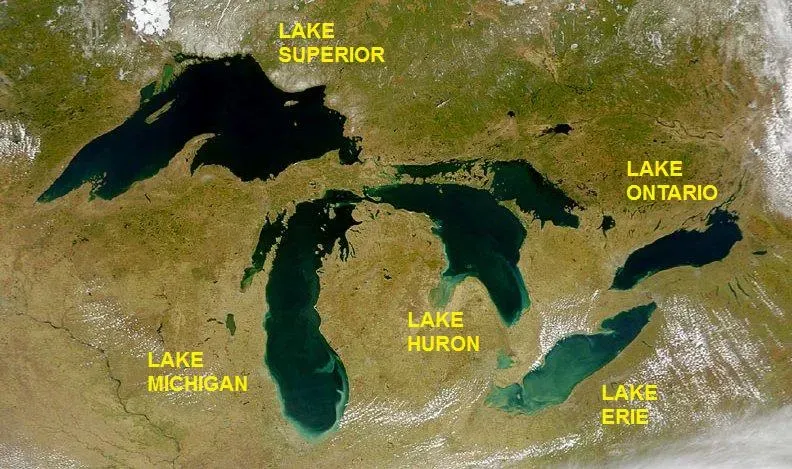
aren’t the gentle, friendly swimming holes many people imagine them to be. They’re powerful, unpredictable, and deadly forces of nature that demand respect. From the thousands of shipwrecks littering their floors to the over 1,400 people who’ve drowned in recent years, these waters have proven time and again that underestimating them is a fatal mistake.
If you want to stay safe at the beach, respect the power of the Lake! Check weather conditions before you go. Never swim alone. Stay away from piers and structures. Understand what rip currents are and how to escape them. Wear a life jacket when boating. These simple precautions can mean the difference between life and death.
are magnificent natural wonders that deserve our admiration. They’re also dangerous environments that have claimed countless lives throughout history. Know the risks before you dive in. What would you do if you found yourself caught in a deadly current? Tell us in the comments.