Every year, engineers build taller skyscrapers, longer bridges, and smarter cities – but scattered across deserts, jungles, and mountains are ancient structures that still defy our best tools and equations. These are not just pretty ruins; they are technical puzzles carved in stone, aligned to the sky, or locked together with impossible precision. When you dig into the details, the unsettling truth is that we can’t fully explain, let alone faithfully reproduce, many of these achievements even with computer modeling and industrial machinery. The mystery is not that ancient people were “primitive,” but that they were astonishingly good at using the materials, math, and knowledge they had. These 14 structures are less about lost civilizations and more about how much we still underestimate human ingenuity.
The Great Pyramid of Giza: Precision at Impossible Scale
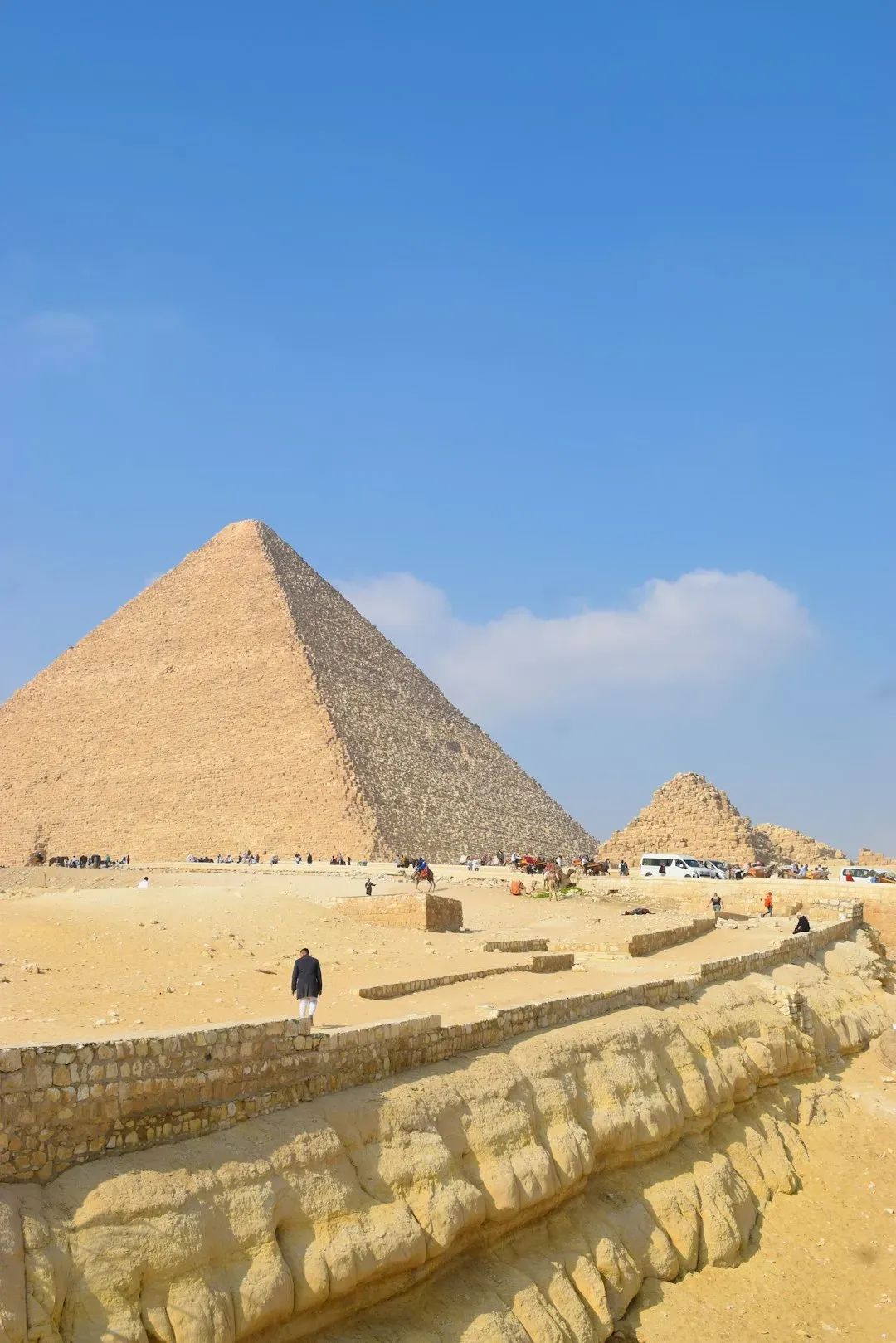
The Great Pyramid of Giza looks almost familiar from postcards and documentaries, which makes it easy to forget how outrageous it really is. Built more than four thousand years ago, it originally stood about the height of a modern 40-story building and was aligned to true north with an accuracy that rivals today’s best surveys. The base is remarkably level across its massive footprint, differing by only tiny fractions of a degree, despite being built without steel, lasers, or GPS. Modern engineers could, in theory, reproduce the shape, but matching the original logistics – quarrying, transporting, and placing millions of huge stone blocks with that kind of precision – would be eye-wateringly expensive and painfully slow. Unlike a typical modern concrete tower, the Great Pyramid is almost entirely solid stone, essentially a mountain that humans decided to rearrange.
What makes it feel almost untouchable is the combination of scale and coordination. Engineers today rely on heavy machinery, refined fuels, and global supply chains; ancient Egyptian builders had teams of workers, simple tools, and a deep, practical understanding of stone and geometry. To recreate the pyramid using only that toolkit would require rebuilding an entire economic and social system around a single monument, something no modern society is willing to seriously attempt. At some point, it stops being a construction question and becomes a civilization question, and that’s where our ability to “just copy it” breaks down.
Stonehenge: Megaliths Aligned to a Moving Sky
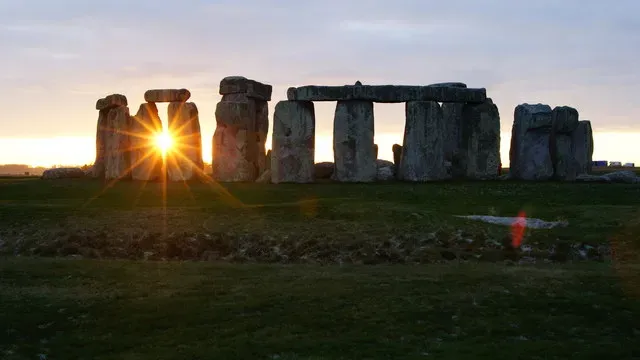
On a windy plain in southern England, Stonehenge looks deceptively minimal – just big rocks in a ring, right up until you ask how they got there and why they were arranged so precisely. Some of the stones weigh as much as a loaded truck and were dragged from quarries many dozens of miles away, across uneven, boggy terrain. Modern engineers can move heavier loads, but we usually rely on roads, rails, and cranes, not bare ground and rope. Then there’s the orientation: many of the stones are carefully aligned with solar events like the summer solstice sunrise, as well as other celestial patterns that would have taken years of patient observation to encode in stone.
If you tried to build a perfect Stonehenge replica today using pre-industrial methods, you’d instantly collide with safety regulations, land-use laws, and the practical problem that nobody wants to devote years to hauling single stones on wooden sledges. Even if you switched to modern equipment, you’d still face the challenge of recreating the exact astronomical alignments in a sky that slowly changes over thousands of years due to Earth’s wobble. So while we can sketch the architecture, the combination of ancient astronomy, ritual significance, and raw muscle creates a uniqueness that is nearly impossible to authentically reproduce.
Ba’albek’s Trilithon: The Titans’ Stonework
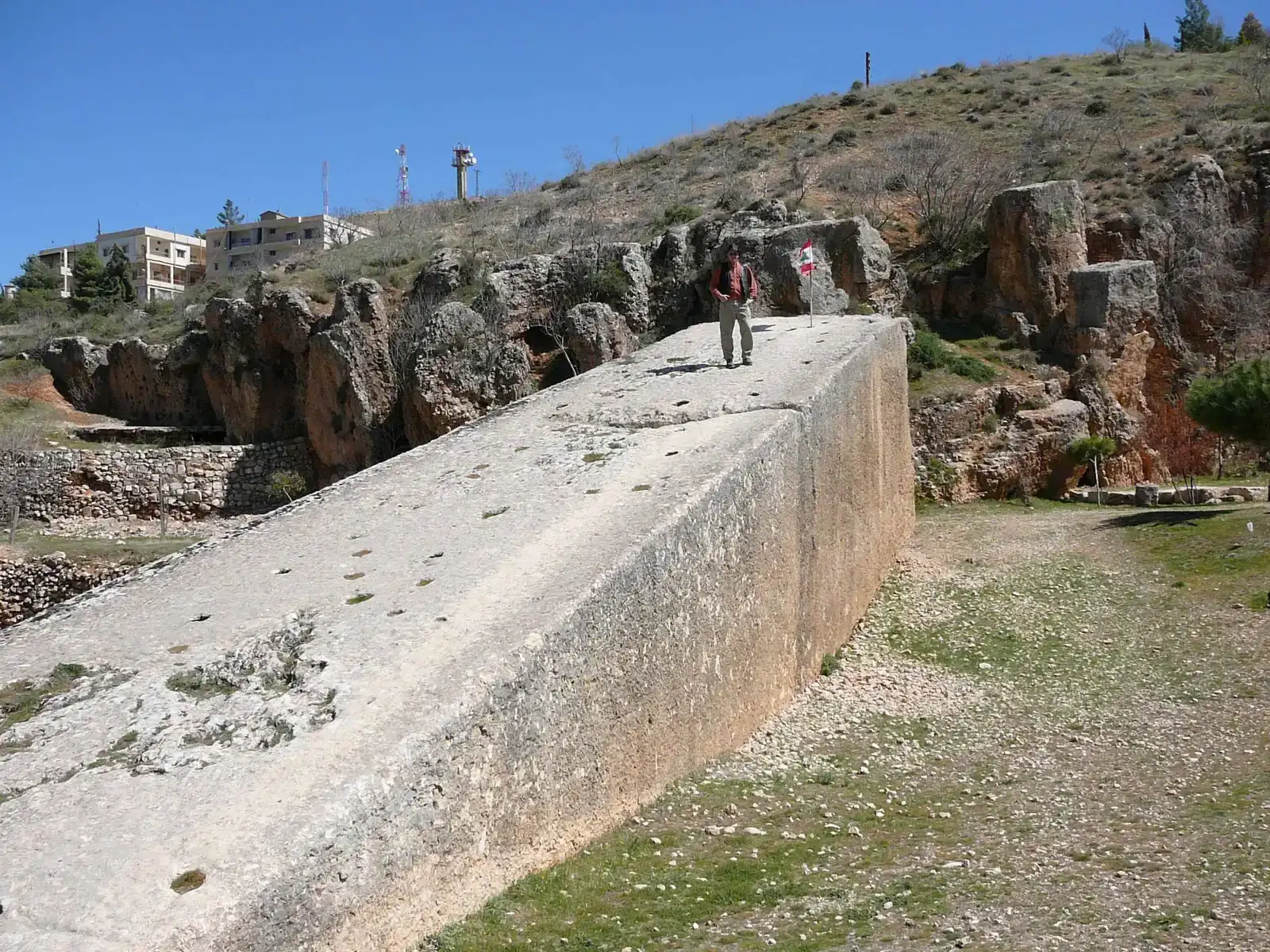
In the ruins of Ba’albek in Lebanon sit some of the most outrageous worked stones on Earth: the Trilithon. Each block in this trio is longer than a city bus and weighs several hundred tons, cut and placed with a precision that feels almost petty given their size. Nearby lies an even larger block, often called the Stone of the Pregnant Woman, weighing well beyond what most modern cranes like to handle in one piece. Engineers know how to lift heavy things, but we typically break them into smaller, more manageable segments, or rely on modular steel and concrete instead of single stones the size of houses.
Recreating the Trilithon under modern constraints would probably involve custom-built cranes, temporary rail lines, or even specialized self-propelled transporters – tools that require an entire ecosystem of manufacturing behind them. The people who built Ba’albek did not have diesel engines, but they clearly had a sophisticated understanding of leverage, friction, and coordination. That knowledge was embedded in lived practice rather than written engineering specs, and once that way of working disappeared, it became almost impossible to retrace every step. We can guess at the methods, but we cannot demonstrate them at full scale without essentially recreating an ancient construction industry from scratch.
Machu Picchu: A City That Survived the Mountain
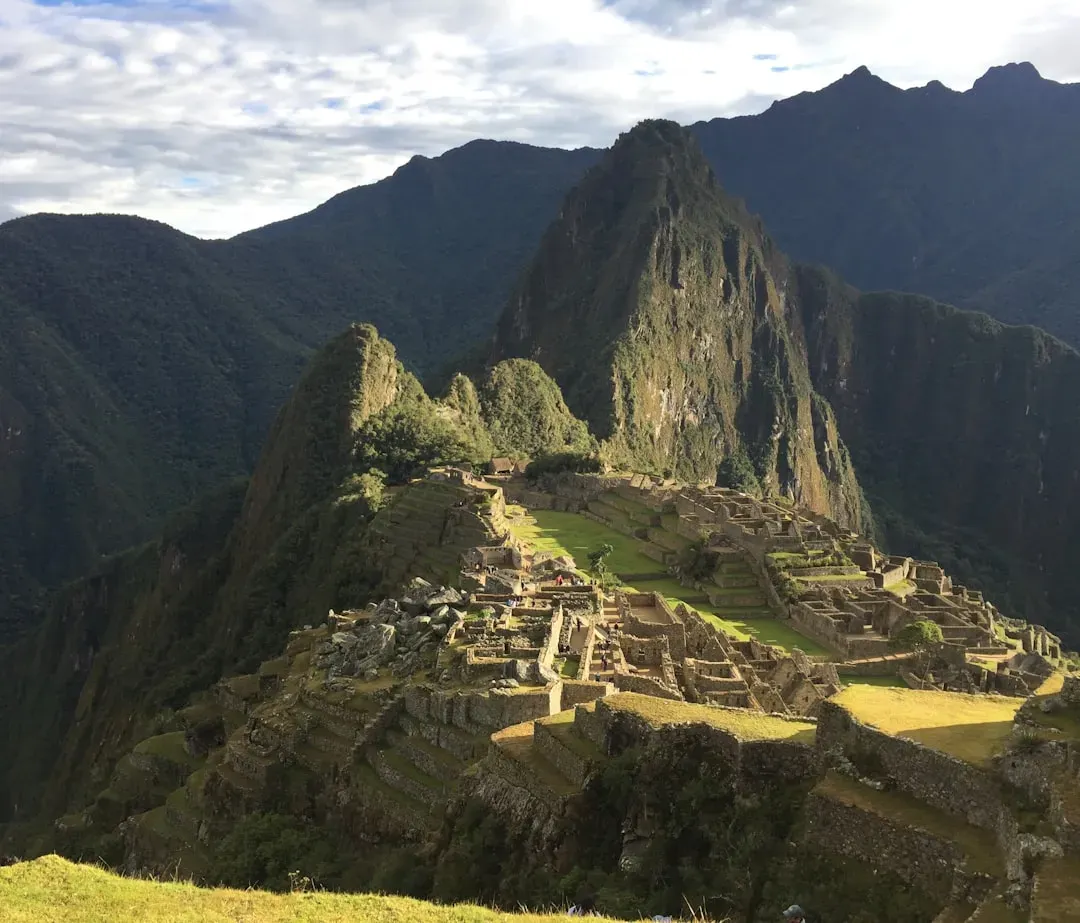
Machu Picchu in Peru is often photographed for its dramatic setting, but its real genius lies underneath the postcard view. The Inca builders carved agricultural terraces directly into the mountain, stabilizing the slopes against landslides and channeling water through an intricate drainage system. The stone buildings use finely cut blocks that fit together so tightly that, in many places, a knife blade can’t slip between them, all without mortar. This “dry stone” architecture has proven remarkably flexible in the face of frequent Andean earthquakes, often surviving shaking that modern, poorly planned structures cannot.
To truly recreate Machu Picchu today, engineers would need to accept a design philosophy that is almost the opposite of many modern developments: instead of forcing the landscape to submit, they let the mountain dictate form and flow. Modern building codes can echo some of this logic, but the intense, site-specific craftsmanship of the original city is hard to scale or standardize. Massive earthworks and concrete retaining walls might technically achieve similar stability, yet they would destroy the ecological and visual harmony Machu Picchu embodies. The hidden networks of drains, channels, and terraces are like the city’s nervous system – subtle, efficient, and tuned to a very particular place in a way that off-the-shelf engineering just doesn’t match.
Göbekli Tepe: Monumental Architecture Before Cities
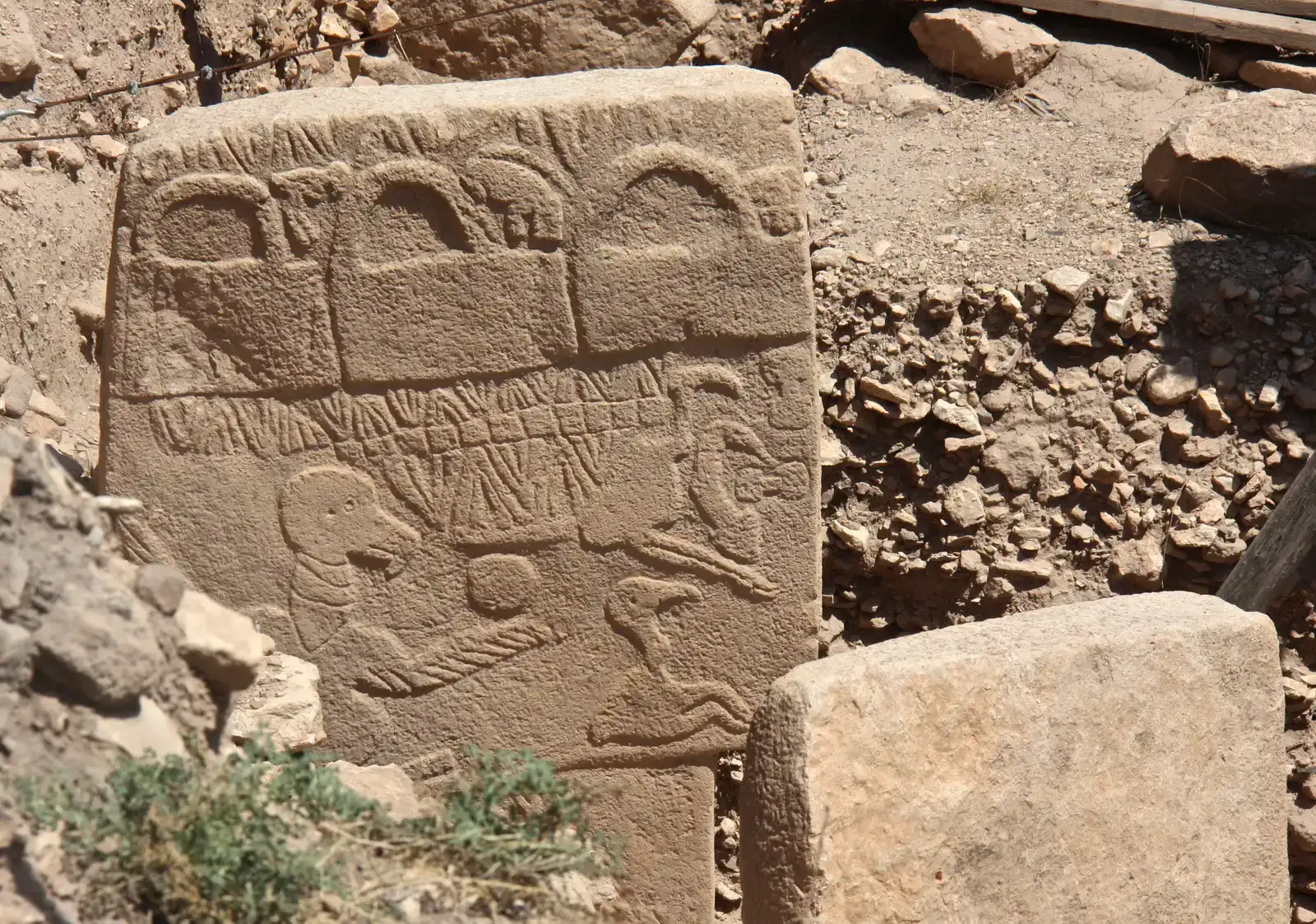
Göbekli Tepe in modern-day Türkiye is older than agriculture in many regions, and that single fact upends the usual story of civilization. Here, more than eleven thousand years ago, people erected huge T-shaped stone pillars decorated with carved animals and symbols, arranged in circular enclosures. This is monumental architecture built by communities that, as far as we can tell, did not yet live in permanent cities or use metal tools. For engineers and archaeologists alike, the site is a paradox: how did relatively small, mobile groups organize the labor and technical skill needed to quarry, shape, transport, and raise these megaliths?
Modern construction companies can put up stadiums in a fraction of the time, but they rely on institutions, contracts, and machines that simply did not exist in the Stone Age. To recreate Göbekli Tepe under similar constraints would mean not just avoiding cranes and concrete, but also stripping away bureaucratic structures we take for granted. You would need to motivate large groups of people through shared beliefs and social ties alone, then keep them working on a purely symbolic project long enough to see it through. That kind of human coordination, nested in spiritual or communal meaning, is as hard to reproduce now as any technical feat.
Nanakuli Heiau, Temple Platforms, and Other “Invisible” Engineering
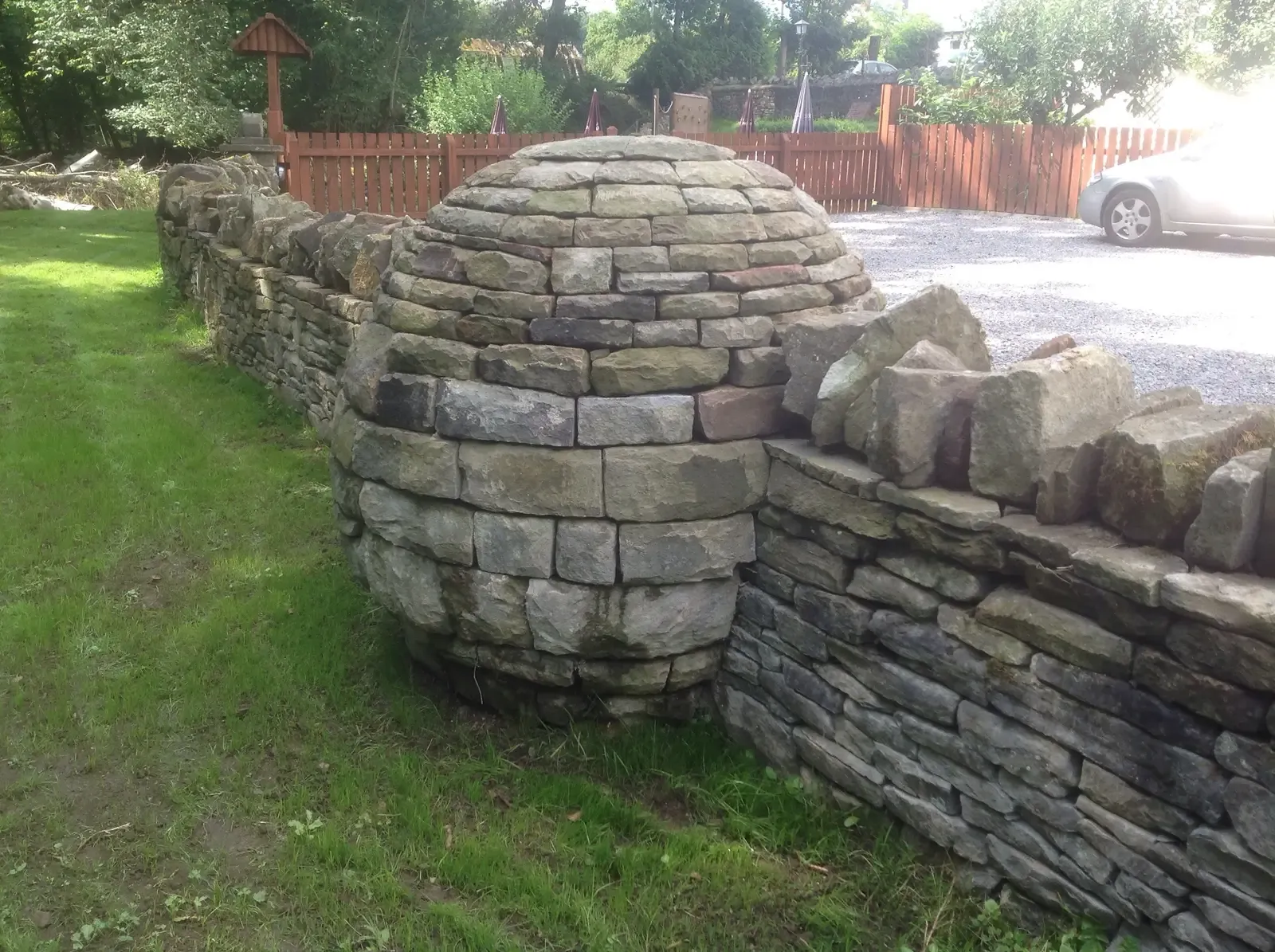
Not all impossible-to-recreate structures are towering or world-famous; some are deceptively low to the ground. Traditional Pacific temple platforms, like those found in parts of Hawai‘i and across Polynesia, often look like simple stone foundations, but their stability and longevity are anything but simple. Built without mortar, rebar, or modern surveying equipment, they survive on islands that regularly endure storms, heavy rains, and salt-laden winds. The stones are chosen and arranged in ways that manage weight, drainage, and even acoustics, creating spaces that were both structurally sound and ritually powerful.
Attempting to reconstruct these platforms using only traditional materials and techniques today would collide with two big obstacles: missing detailed knowledge and changing landscapes. Much of the exact know-how was passed down orally or through apprenticeship, and colonization, land-use changes, and erosion have disrupted those chains. Modern engineers could design something that looks similar, but the deep understanding of local stone, microclimate, and cultural function is hard to compress into a blueprint. In a sense, what we can no longer rebuild is not just the structure itself, but the relationship between people and place that made such restrained yet durable engineering possible.
Why These Ancient Feats Still Matter to Modern Science
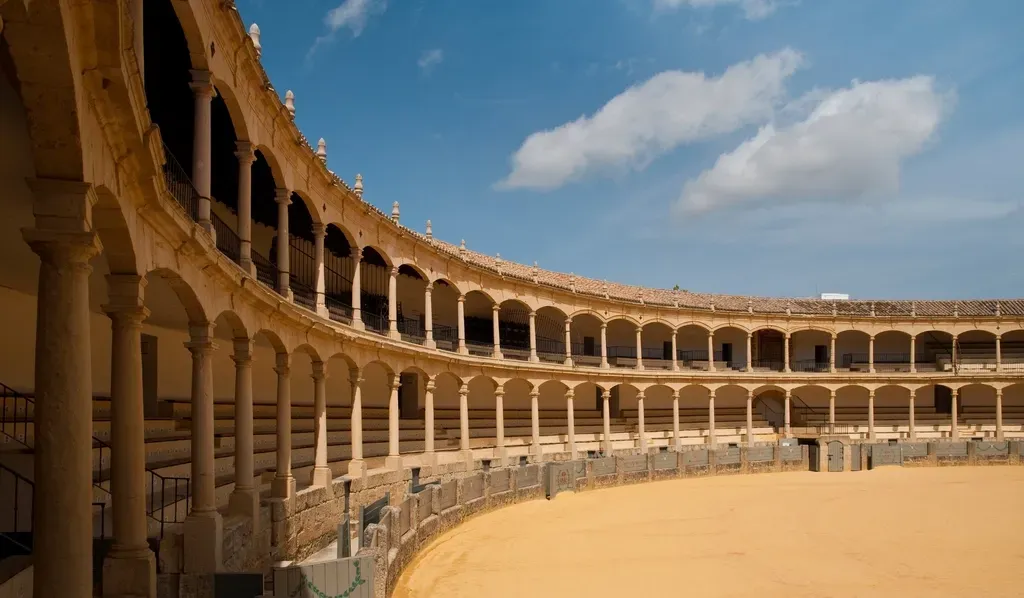
It might be tempting to treat these structures as beautiful but irrelevant relics, the architectural equivalent of museum pieces. That view misses how directly they challenge our assumptions about progress and innovation. When a city of stone like Machu Picchu outperforms newer construction in earthquake resilience, it forces engineers to ask uncomfortable questions about what we have forgotten. When single-stone foundations at Ba’albek rival or exceed the capacities of many modern cranes, it highlights how our efficiency mindset often trades away knowledge of extreme, one-off solutions.
These structures also serve as hard data points in debates about human cognition and social complexity. They show that once groups of people are motivated, they can marshal staggering amounts of labor and creativity without industrial tools or centralized states. For modern science, they are like experiments that were run millennia ago, under conditions we can no longer reproduce, but whose results are still visible in stone. Every alignment to a solstice, every stable terrace on a steep slope, is a clue about how humans observed, measured, and reasoned about their world. Treating them as engineering problems rather than myths gives us a clearer picture of just how long we have been capable of sophisticated, system-level thinking.
From Ancient Tools to Modern Science: Reverse-Engineering the Past
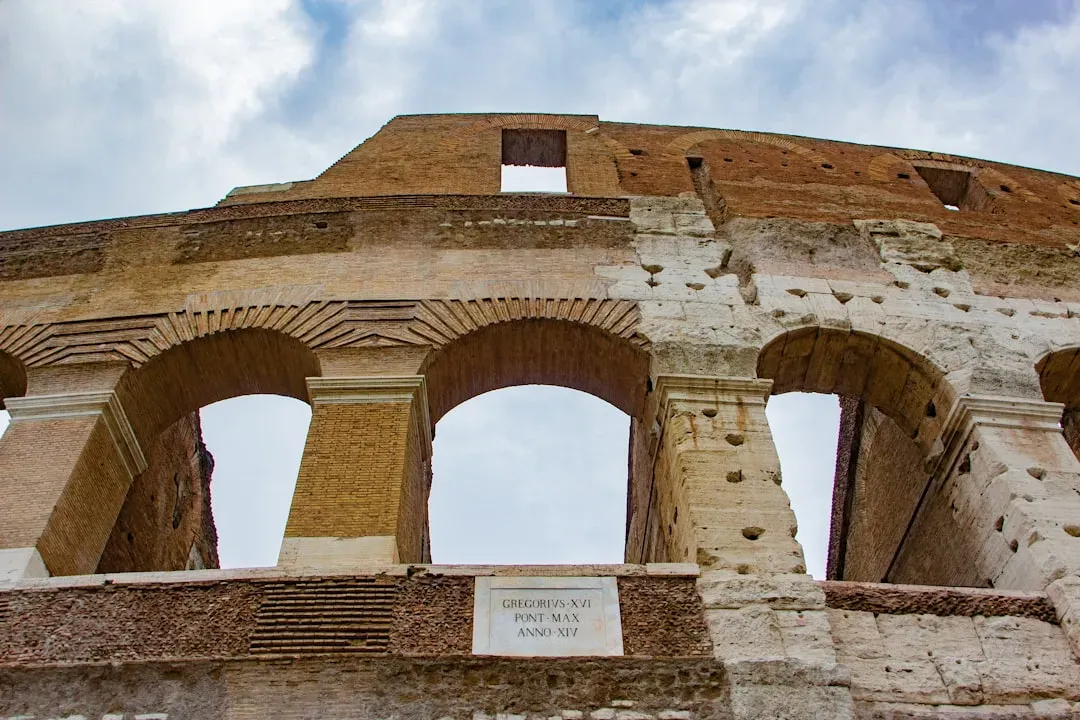
Today’s researchers throw an entire toolkit at these mysteries: laser scanning, ground-penetrating radar, 3D modeling, experimental archaeology, and even advanced simulations. A single temple platform or pyramid can be digitized down to millimeter accuracy, turning every stone into a data point. With that information, scientists test hypotheses about how blocks were moved, how forces are distributed, or how water flowed through ancient drain systems. Experimental teams have tried pulling replica stones with ropes, floating them on logs, or hauling them on sledges over wet sand, discovering that subtle material choices can drastically alter the effort required.
Despite these advances, there’s a strange tension. The more we study, the more we realize how much of ancient engineering lived in tacit knowledge – skills you learned by doing, not by reading diagrams. You can model a gravity-fed water system, but not the countless tiny adjustments made by workers along the way. You can simulate how a megalith might be raised, but not the social choreography of dozens or hundreds of people moving in perfect coordination. Modern science can approximate the “what” and “how much,” but the full “how” remains partly out of reach because it was embedded in cultures and lifeways that no longer exist.
The Hidden Clues in Stone, Soil, and Stars
One of the most surprising shifts in recent years is how interdisciplinary this field has become. To understand a site like Göbekli Tepe or a terrace system in the Andes, you might see archaeologists working side by side with structural engineers, soil scientists, climatologists, and even astronomers. Microscopic traces in soil can reveal how terraces handled erosion, while careful measurements of alignment can show whether a temple was intentionally oriented toward a particular sunrise or star. Ancient engineers, in their own way, were systems thinkers, weaving together geology, hydrology, astronomy, and social behavior without separating them into academic departments.
These clues often overturn long-held assumptions. A stone that looks decorative might turn out to be a key load-bearing element; a channel once thought symbolic may instead be part of a flood-control network. Patterns in tool marks hint at standardized teams and workflows, suggesting something like ancient project management. By treating each structure like a crime scene full of physical evidence, researchers slowly reconstruct the logic behind decisions made long before written records. The result is a much richer, more technical story than the usual narrative of mysterious “lost” civilizations.
The Future Landscape: What Ancient Structures Teach Tomorrow’s Engineers

Looking ahead, the most exciting part is not just solving old puzzles, but using them to build differently in the future. As climate change brings more extreme weather and resource limits, ancient strategies like passive cooling, clever water harvesting, and earthquake-resilient stonework suddenly feel less quaint and more urgent. Terraced agriculture, refined over centuries in places like the Andes and Southeast Asia, offers blueprints for stabilizing slopes and conserving water without massive concrete dams. Cities wrestling with heat and flooding can learn from how older societies oriented buildings, used shade, and managed runoff instead of simply scaling up air conditioning and drainage pipes.
On the tech side, high-resolution scans of ancient masonry are feeding into new algorithms for modular construction and robotic stone stacking, blending old geometries with cutting-edge tools. Some engineers are exploring ways to combine traditional crafts with digital fabrication, essentially asking how a stonemason and a robot arm might collaborate. The challenge is cultural as much as technical: it requires humility to admit that people working with wooden sledges and copper chisels solved problems we still struggle with. If we can get past the instinct to see history as a straight line of improvement, these ancient projects could become test beds for sustainable, place-sensitive engineering in the twenty-first century and beyond.
How Readers Can Engage With Ancient Engineering Today
You do not have to be an archaeologist or an engineer to be part of this unfolding story. Visiting sites, even local ruins or historic earthworks, with an eye for how they were built can be surprisingly powerful; noticing how stones fit together or how water is guided can turn a casual walk into a quiet lesson. Supporting museums, cultural heritage groups, and indigenous-led initiatives helps protect both the structures and the knowledge still held by descendant communities. Even something as simple as questioning sensational claims about “impossible” buildings and instead looking for the human skill behind them can shift public conversations.
On a more practical level, you can bring some of this mindset home. Pay attention to how your own buildings deal with heat, light, and water, and look for older, low-tech solutions that might complement modern ones. Encourage local planners or schools to incorporate lessons from traditional architecture and landscape use into their projects and curricula. The more we see these ancient structures not as magic tricks but as hard-won experiments in living with environments, the more useful they become for the future. In the end, the real mystery is not whether we can ever perfectly recreate them, but whether we are willing to learn from them while they are still standing.
Suhail Ahmed is a passionate digital professional and nature enthusiast with over 8 years of experience in content strategy, SEO, web development, and digital operations. Alongside his freelance journey, Suhail actively contributes to nature and wildlife platforms like Discover Wildlife, where he channels his curiosity for the planet into engaging, educational storytelling.
With a strong background in managing digital ecosystems — from ecommerce stores and WordPress websites to social media and automation — Suhail merges technical precision with creative insight. His content reflects a rare balance: SEO-friendly yet deeply human, data-informed yet emotionally resonant.
Driven by a love for discovery and storytelling, Suhail believes in using digital platforms to amplify causes that matter — especially those protecting Earth’s biodiversity and inspiring sustainable living. Whether he’s managing online projects or crafting wildlife content, his goal remains the same: to inform, inspire, and leave a positive digital footprint.