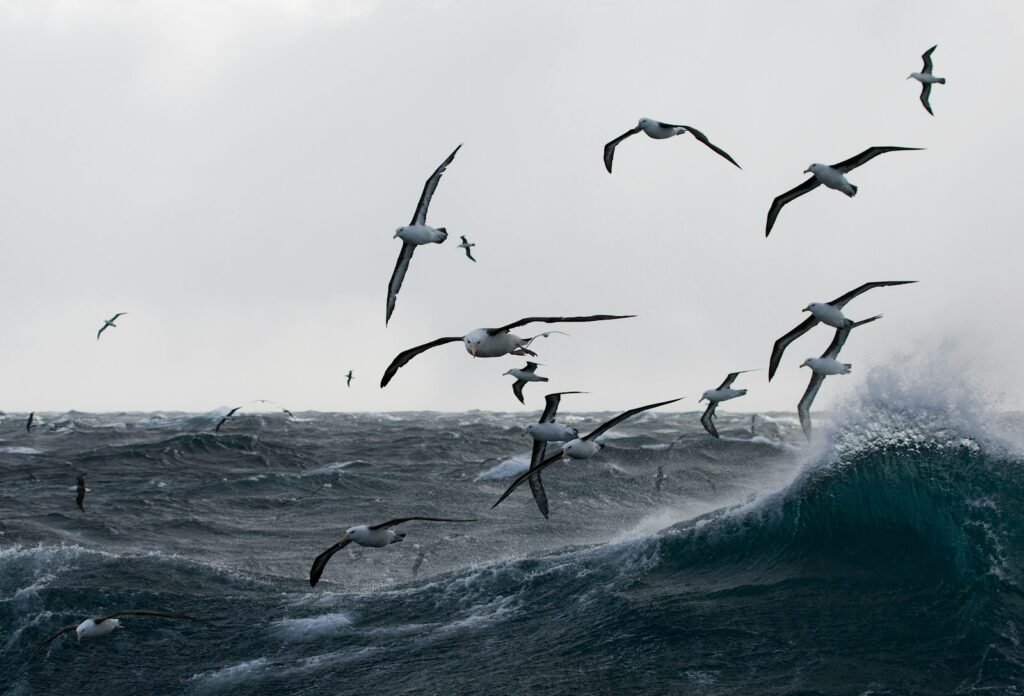

The world is home to an astonishing variety of wildlife, each species playing a critical role in Earth’s ecosystems. Unfortunately, increasing human activities and environmental changes threaten many of these species with extinction. Fortunately, remarkable conservation efforts around the globe are making a difference, helping to protect endangered species and their habitats. This article highlights 13 incredible conservation initiatives that are actively saving wildlife, providing hope and inspiration for the future of our planet’s rich biodiversity.
Global Tiger Recovery Program

The Global Tiger Recovery Program (GTRP) is a collaborative effort involving governments, conservation organizations, and local communities across 13 tiger range countries. The goal is to double the wild tiger population by 2022, which would reverse the severe decline from habitat loss and poaching. The GTRP employs strategies such as anti-poaching measures, habitat restoration, and community engagement to increase awareness and support for tiger conservation.
Save the Vaquita Initiative
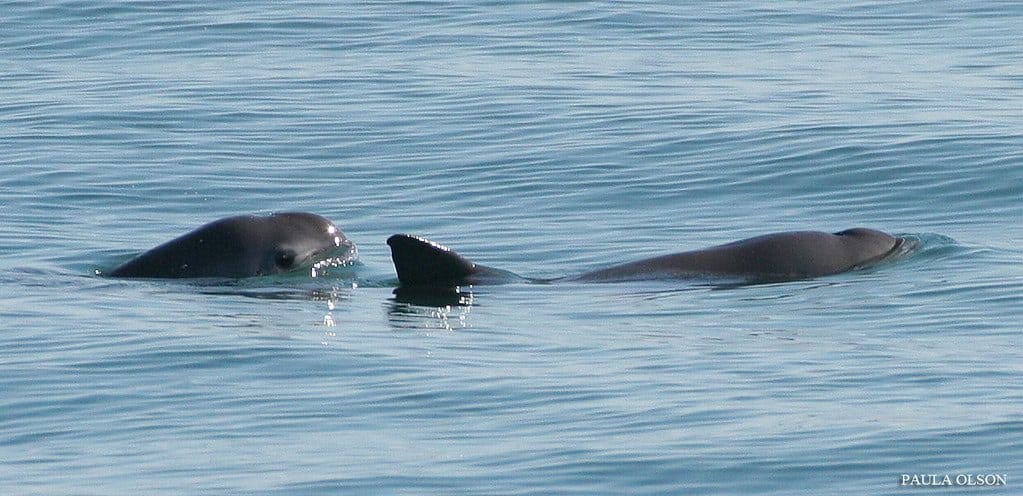
The vaquita, the world’s rarest marine mammal, is on the brink of extinction, with fewer than 10 individuals estimated to remain in the wild. The Save the Vaquita Initiative focuses on removing gillnets from the vaquita’s habitat in the Gulf of California, which are responsible for accidentally catching and killing these small porpoises. By promoting alternative fishing methods and enforcing gillnet bans, this initiative is crucial for the vaquita’s survival.
The Rhino Rescue Project

Rhinos face severe poaching threats due to the high demand for their horns. The Rhino Rescue Project uses innovative techniques like horn devaluation and anti-poaching patrols to protect these iconic animals. By infusing non-lethal dye and toxins into rhino horns, the project deters poachers, making the horns worthless on the black market. This approach, coupled with community education and armed patrols, actively safeguards rhino populations.
Panda Conservation in China

The giant panda, once a symbol of endangered species, has benefited greatly from China’s dedicated conservation efforts. Through breeding programs, habitat protection, and the establishment of panda reserves, the panda population has steadily increased, leading to its status being downgraded from “endangered” to “vulnerable.” This success story highlights the effectiveness of government commitment in species preservation.
The Hawaiian Monk Seal Recovery Plan

Endemic to the Hawaiian Islands, the Hawaiian monk seal is one of the most endangered marine mammals. The Hawaiian Monk Seal Recovery Plan, implemented by NOAA, focuses on mitigating human-marine life conflict, ensuring food availability, and reducing infectious diseases. Education and community involvement play crucial roles in protecting and stabilizing monk seal populations.
Protecting the African Elephant

African elephants face significant threats from poaching for ivory and habitat loss. Conservation organizations like the Elephant Crisis Fund work to combat these threats through anti-poaching initiatives and habitat protection. These efforts aim to foster coexistence between humans and elephants and support sustainable development in elephant-inhabited regions.
Sea Turtle Conservation Initiatives

Sea turtles face numerous threats, including poaching, habitat destruction, and climate change. Conservation groups such as the Sea Turtle Conservancy focus on protecting nesting sites, reducing bycatch in fisheries, and raising public awareness about the importance of sea turtle conservation. These concerted actions help ensure the survival of these ancient mariners.
Snow Leopard Trust Activities
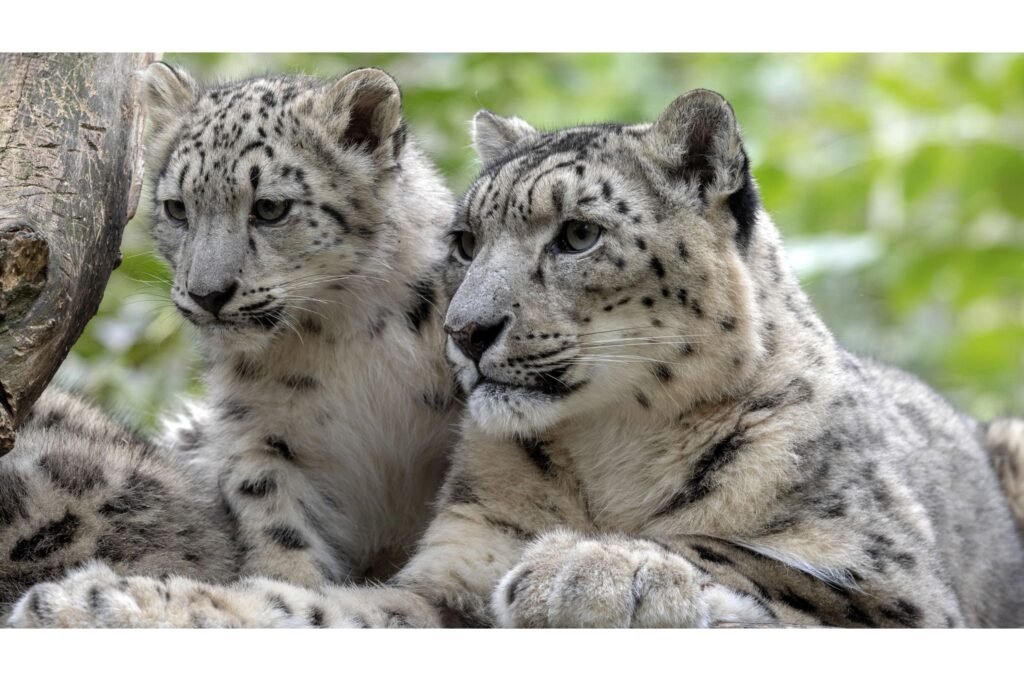
The elusive snow leopard is a flagship species of Central Asia. The Snow Leopard Trust works with local communities to conduct research, improve livelihoods, and strengthen conservation policies. By fostering community-based conservation and promoting sustainable practices, the trust helps protect snow leopards and their mountainous habitats.
Philippine Eagle Foundation

The critically endangered Philippine eagle, one of the world’s largest eagles, faces threats from deforestation and hunting. The Philippine Eagle Foundation engages in captive breeding programs, habitat restoration, and education campaigns. Their efforts are vital to safeguarding the future of this majestic bird, often dubbed the “king of the birds.”
Project Seahorse
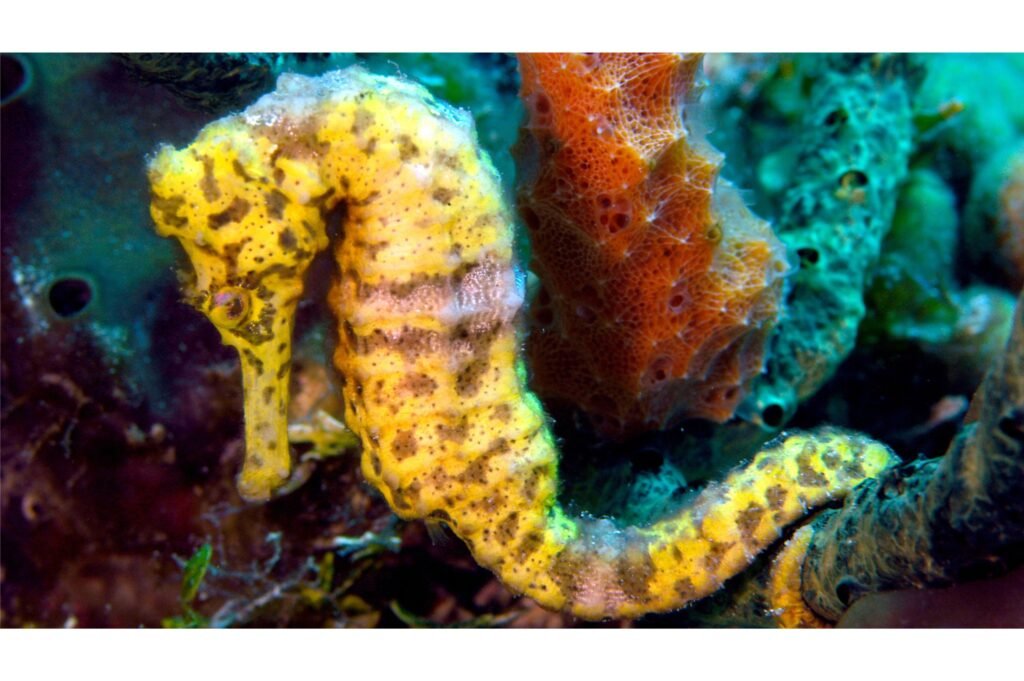
Seahorses are uniquely vulnerable due to their reproductive behavior and reliance on specific habitats. Project Seahorse is a marine conservation initiative that aims to reduce overfishing and habitat damage through research, policy advocacy, and community engagement. Their work underscores the importance of sustainable ocean management for the preservation of seahorse species.
The Andean Bear Conservation Project
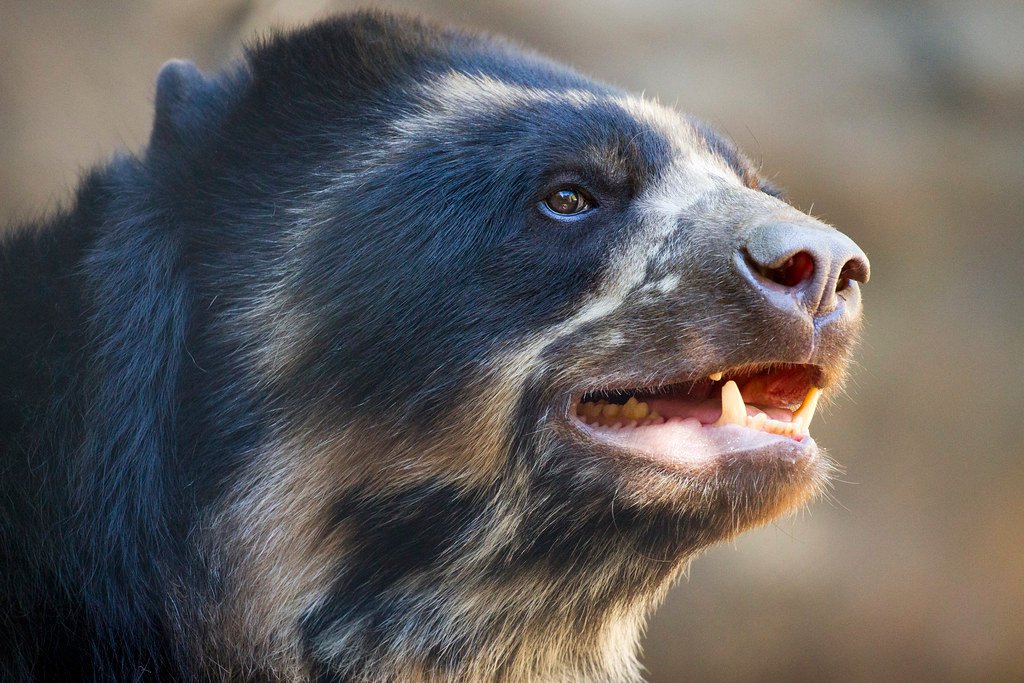
Also known as the spectacled bear, the Andean bear is the only bear species native to South America. The Andean Bear Conservation Project works to protect bear habitats and address human-bear conflicts. By promoting sustainable agricultural practices and creating conservation areas, the project aims to stabilize bear populations across their range.
Borneo Orangutan Survival Foundation
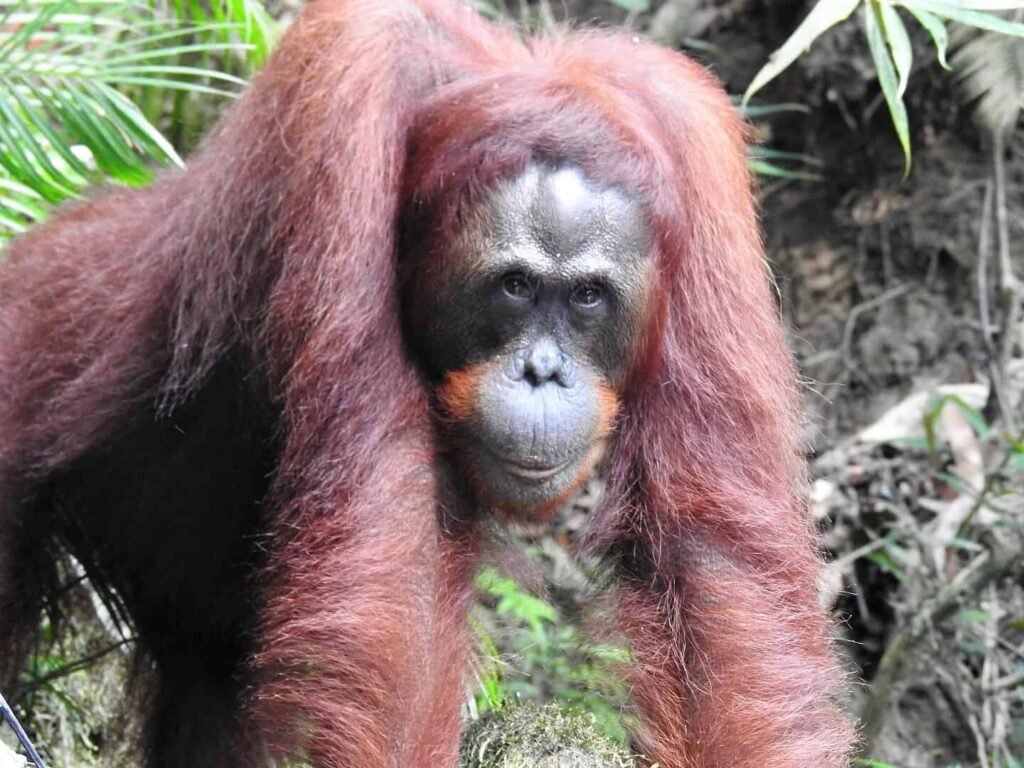
Orangutans in Borneo are critically endangered due to deforestation and illegal wildlife trade. The Borneo Orangutan Survival Foundation rescues and rehabilitates displaced orangutans, working towards their eventual release into protected rainforests. This extensive effort also focuses on habitat restoration and sustainable community development.
Polar Bear International’s Efforts
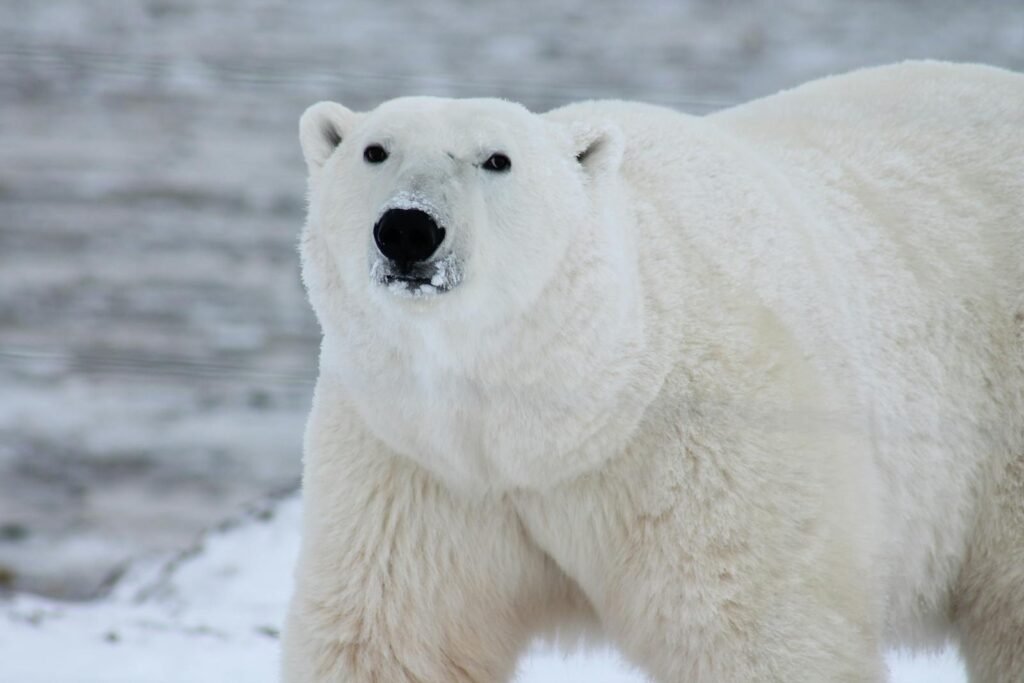
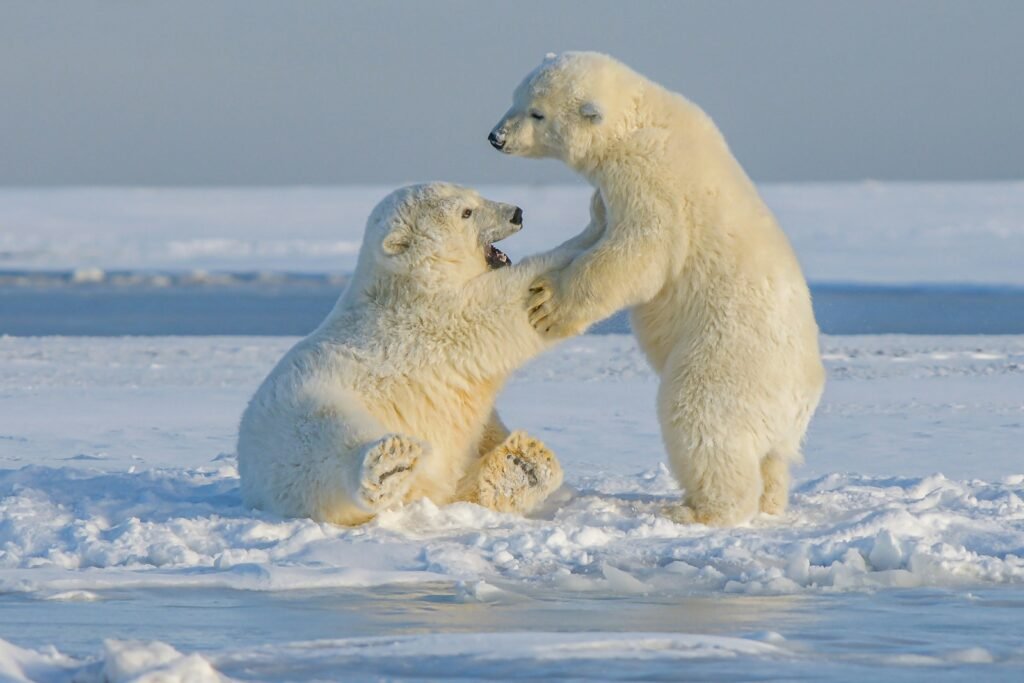
The continuing loss of Arctic sea ice due to climate change poses a significant threat to polar bears. Polar Bear International works to ensure the long-term survival of polar bears through research, education, and advocacy. By promoting policies that address climate change and focusing on community involvement, this organization aids in the preservation of polar bears and their icy homes.
Conclusion
The conservation initiatives highlighted here reflect the dedication and collaboration required to protect our planet’s valuable wildlife. Through innovative strategies and global partnerships, these efforts make a tangible impact on species preservation. As the world faces unprecedented biodiversity loss, understanding and supporting these conservation programs have never been more crucial. By coming together, we can help ensure a future where wildlife thrives alongside human development.