You probably assume that once an artefact is catalogued by a major museum, it is safe forever, tucked away in climate‑controlled storage or behind bulletproof glass. In reality, the journey can be far messier and, at times, disturbingly opaque. Items are logged, studied, photographed, and then… quietly vanish from public view, sometimes from the record entirely. You are left with old catalogue numbers, whispers in scholarly papers, and an uncomfortable sense that part of the past has slipped through your fingers. In this article, you are going to walk through thirteen cases and patterns where documented objects went into institutional or private limbo and then disappeared from everything you, as a member of the public, can actually see. In some stories, theft and corruption lurk in the background. In others, bureaucracy, secrecy, or simple neglect do the damage. Along the way, you’ll see how fragile “heritage” really is – and why you should be more skeptical and more curious every time you visit a museum or read a catalogue entry that feels just a little too neat.
1. The British Museum’s Missing Classical Gems and Gold Jewellery
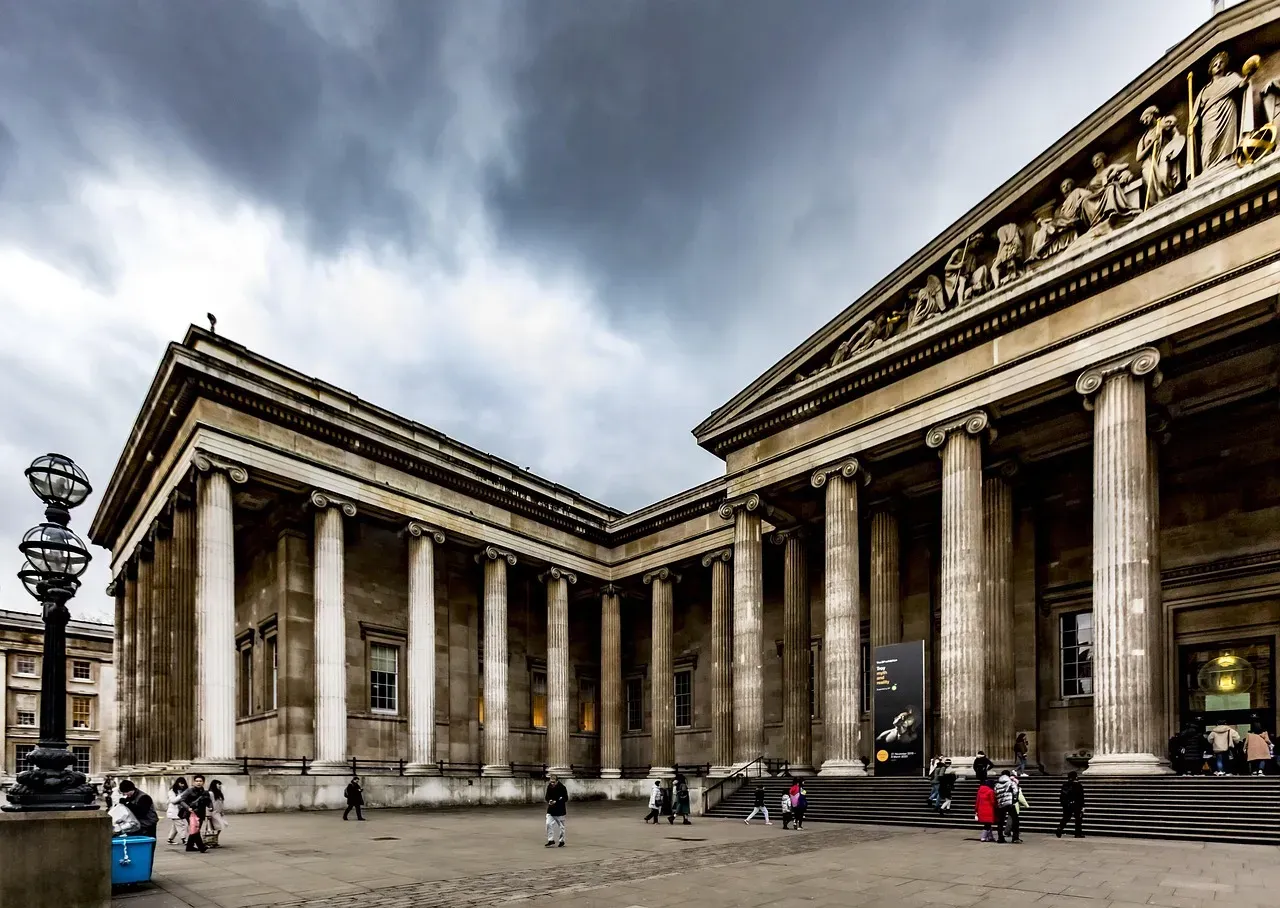
You might think one of the world’s most famous museums would be the safest place on earth for antiquities, yet even here, catalogued items have simply vanished. In the mid‑2010s, internal records at the British Museum began to show that thousands of small items, including Hellenistic and Roman gems and pieces of gold jewellery, were missing or unaccounted for after being logged and handled behind the scenes. These objects were not vague rumours; they had accession numbers, descriptions and, in some cases, photographs before slipping out of public reach. When the story finally surfaced, it became clear that weaknesses in inventory control had allowed curated, researched objects to be quietly siphoned away over years. ([theguardian.com](https://www.theguardian.com/culture/2023/aug/24/hundreds-of-items-missing-from-british-museum-since-2013?utm_source=openai))
When you look closer, you see how the disappearance actually weaponised the museum’s own strengths. The high scholarly value of these pieces – well recorded, fully catalogued, and familiar to specialists – made them easier to identify on the grey market, where some later turned up in online sales. As a visitor, you only ever see a tiny portion of what is held in reserve; that hidden majority relies on trust, process, and honest staff. In this case, you watch that trust fracture. It forces you to ask a hard question: if this can happen at the British Museum, how many other institutions have quietly bled away documented artefacts without ever telling you the full story?
2. England’s 1,700 “Absent” Artefacts: When Catalogues Outlive the Objects
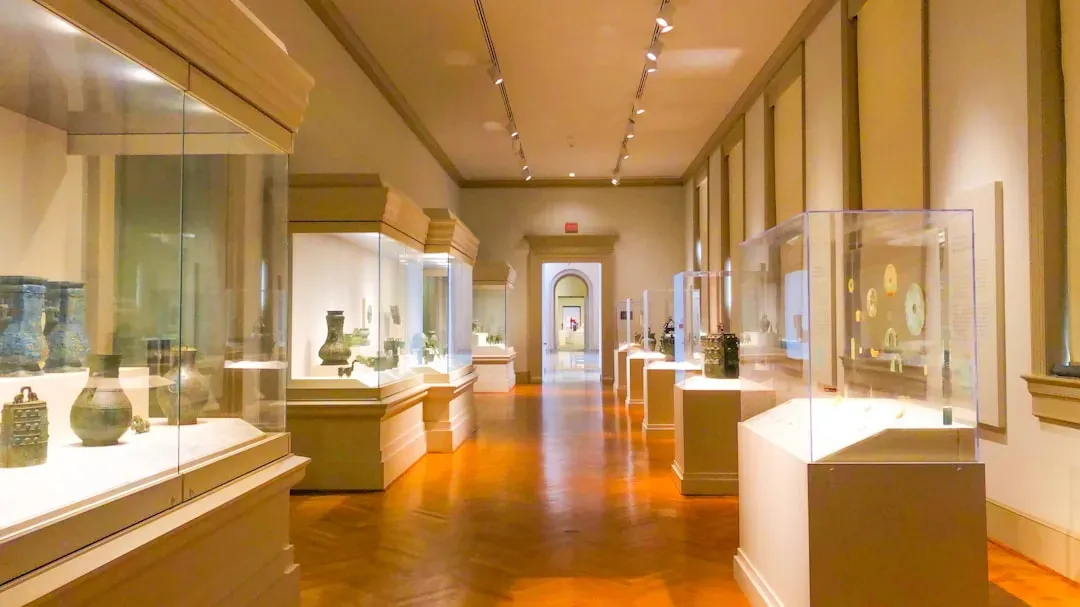
If you follow museum news, you may have seen a number that should stop you in your tracks: more than seventeen hundred objects recorded as missing, lost, or otherwise “absent” from publicly funded museums in England in the last two decades. These are not vague curiosities; they include catalogued paintings, archaeological finds, scientific specimens, and even a drawing of Queen Victoria that had once been safely in an institutional collection. The items were registered, processed, attached to shelving locations, and then – somewhere between loans, moves, and storage reshuffles – fell out of traceable existence from the public’s point of view. ([theguardian.com](https://www.theguardian.com/culture/2024/jan/10/drawing-of-queen-victoria-among-many-items-missing-from-englands-museums?utm_source=openai))
What you see on gallery walls is therefore only the tip of a much larger and much more unstable iceberg. Behind every object label is a data trail that, in theory, anchors an artefact in place; yet funding cuts, understaffing, and aging documentation systems leave that trail dangerously fragile. When curators admit that some “missing” items may simply be hiding in unprocessed boxes or un-updated databases, you realise how easy it is for catalogued things to slide into a grey zone. As an outsider, you do not get to see which of those objects still physically exist and which have crossed an invisible line from recorded reality into permanent absence.
3. Scientific Specimens That Evaporated: Fish, Fossils, and Frozen Tissues

You tend to imagine “artefacts” as statues and swords, but some of the easiest things to lose are actually scientific specimens. In recent public disclosures, institutions like London’s Natural History Museum admitted that carefully labelled jars of preserved fish, reptile jaw fragments, fossil teeth, and even frozen animal tissues had gone missing after being loaned, moved, or subjected to badly documented research. These were not nameless samples; they had catalogue numbers, descriptions, and often a clear scientific purpose before they drifted out of any public‑facing inventory. ([itv.com](https://www.itv.com/news/london/2024-01-10/queen-victoria-drawing-and-180-fish-among-over-1700-items-absent-from-museums?utm_source=openai))
When you look at these cases, you see how easily “small” can become “invisible.” A single jaw fragment in a box, a bag of feathers, or a tube of cells might be irreplaceable for understanding an extinct species or reconstructing an ecosystem, but to a hurried collections move they are just one more line on a spreadsheet. If a label falls off, a freezer fails, or a loan return is not logged properly, that object leaves the documented universe almost without a sound. For you, as someone who trusts scientific museums to guard evidence of the planet’s past, that silence is unsettling. It shows you that losing history does not always look like thieves climbing out of a window; sometimes it looks like missing paperwork and a broken barcode scanner.
4. The Iraq Museum’s Miscounted and Mislaid Treasures

When the Iraq Museum in Baghdad was looted in 2003, the headlines screamed that more than one hundred and seventy thousand artefacts had disappeared, including cuneiform tablets, cylinder seals, and iconic sculptures. Later, you learned that curators had quietly removed some of the most important pieces into secret storage years earlier, and that initial estimates were wildly off. Yet even after corrected counts, thousands of catalogued objects remained missing, their inventory lines frozen in time while the physical items scattered into private hands, foreign stockrooms, or the black market. ([en.wikipedia.org](https://en.wikipedia.org/wiki/Iraq_Museum?utm_source=openai))
From your perspective, this episode underlines the danger of assuming that a catalogue equals control. Officials had records, photographs, and registration numbers, but war and chaos tore the link between the list and the shelves. Some items later resurfaced through customs seizures or voluntary returns, but many never did. You are left with the eerie reality that for countless Mesopotamian artefacts, the best surviving description may now exist in decades‑old catalogues and excavation reports. The objects themselves might be sitting in a billionaire’s basement – or they might already be destroyed – yet on paper they still live on in a museum that can no longer show them to you.
5. The Lydian Hoard and Other Repatriated Treasures That Vanished Again
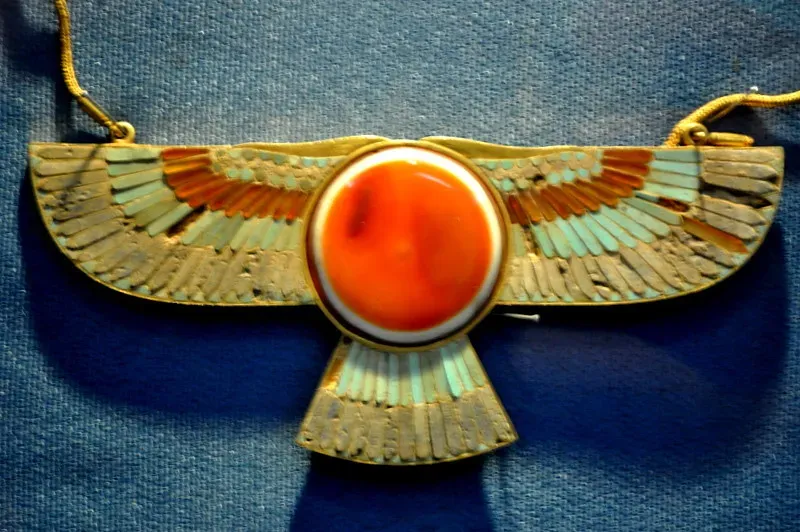
Not every disappearance looks like a simple theft; sometimes an artefact completes a triumphal legal journey home and then quietly goes missing again. The Lydian Hoard, a cache of exquisite gold objects from western Turkey, became famous when they were smuggled out, bought by an American museum, and then repatriated in the early 1990s after a long legal battle. For a while, you could assume that the saga ended there. But later reports from Turkish authorities described how at least one key piece – the so‑called “winged seahorse” brooch – was stolen from a local museum and replaced with a fake, disappearing from any honest public display despite having been rigorously catalogued and studied by multiple institutions along the way. ([obs-traffic.museum](https://www.obs-traffic.museum/sites/default/files/ressources/files/Cult_Heritage_Review_2010.pdf?utm_source=openai))
When you trace this story, you see how repatriation does not automatically equal safety or transparency. The hoard moved from a major Western museum, where it was catalogued and widely published, into a regional institution with more limited security and resources. Somewhere in that transition, the paper trail kept running while the real object switched places with an imitation. As an interested visitor or reader, you might still see photographs and catalogue entries that treat the artefact as present, even though the original has not been publicly accessible for years. That gap between what you are shown on paper and what actually exists in a display case is exactly where artefacts can disappear without you noticing.
6. Fabergé Eggs and Imperial Objects That Slipped Into Private Vaults
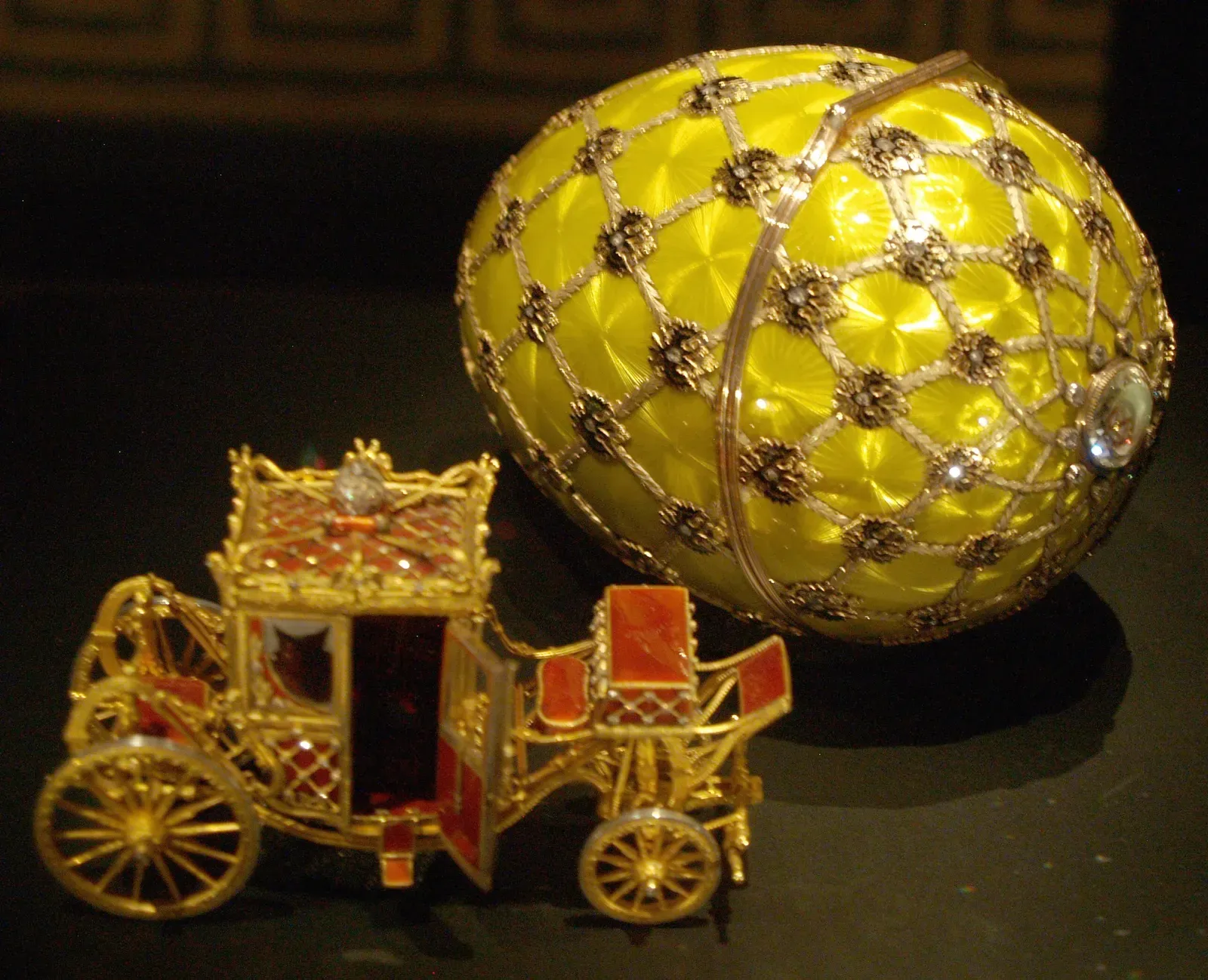
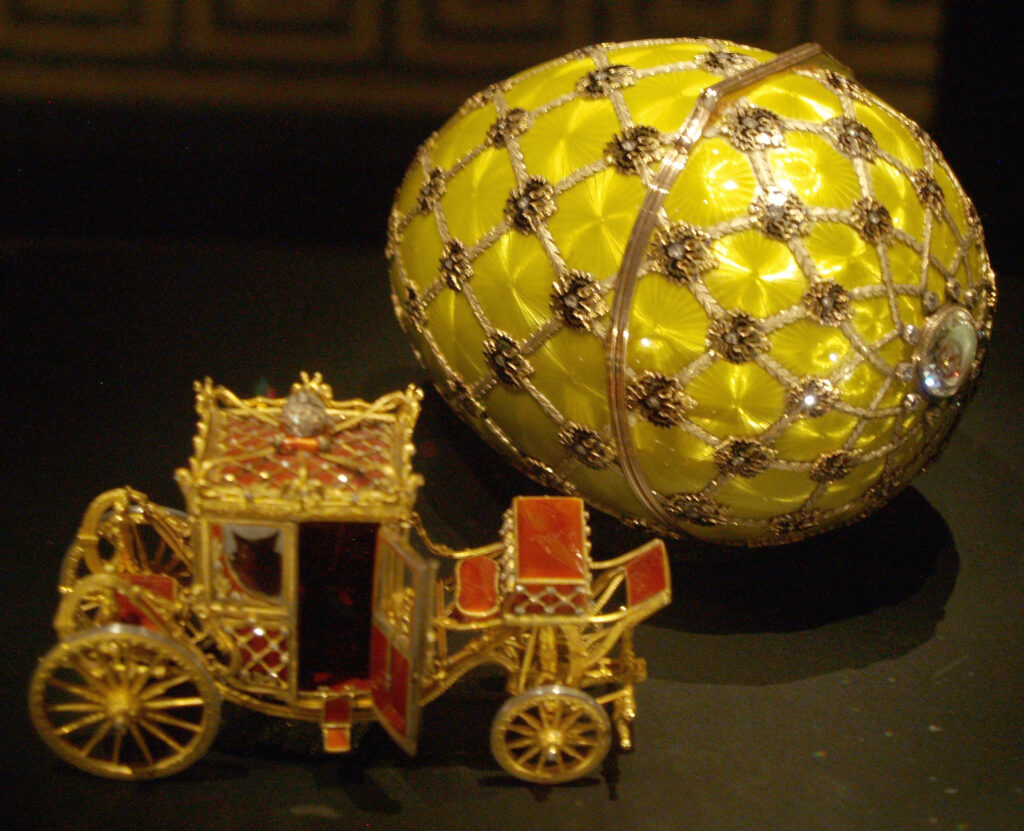
If you enjoy stories about lost luxury, you may already know that several Imperial Fabergé eggs, once held in state collections, have effectively vanished from any public‑facing list. After the Russian Revolution, surviving eggs went into Soviet museums and official inventories, but during the twentieth century some pieces were quietly sold off to private buyers, mis-recorded, or dropped from detailed catalogues. In a few infamous cases, you can track an egg through early descriptions, auction records, and even a blurred photograph, and then the trail goes cold. From your point of view, the object has passed from the world of public heritage into the shadows of individual ownership, where there is no requirement to tell you anything. ([reddit.com](https://www.reddit.com/r/AskHistorians/comments/1rtzwqd/are_there_any_significant_historical_artifacts/?utm_source=openai))
What makes this especially frustrating is that these eggs are anything but anonymous trinkets. Each one had a name, a design story, and a place in Romanov family ritual, and many were catalogued by state curators before being deaccessioned or “lost” from official lists. Yet once they entered the private market, your access ended. Unless a new owner chooses to lend an egg to an exhibition or publish it, you are reduced to reading old catalogue descriptions and wondering whether the artefact still exists in good condition – or at all. In a sense, the object is both present and absent: real enough to insure and display at a private dinner party, but effectively disappeared from every public‑facing collection you can consult.
7. Ban Chiang Ceramics and the Quiet Retreat From Public View
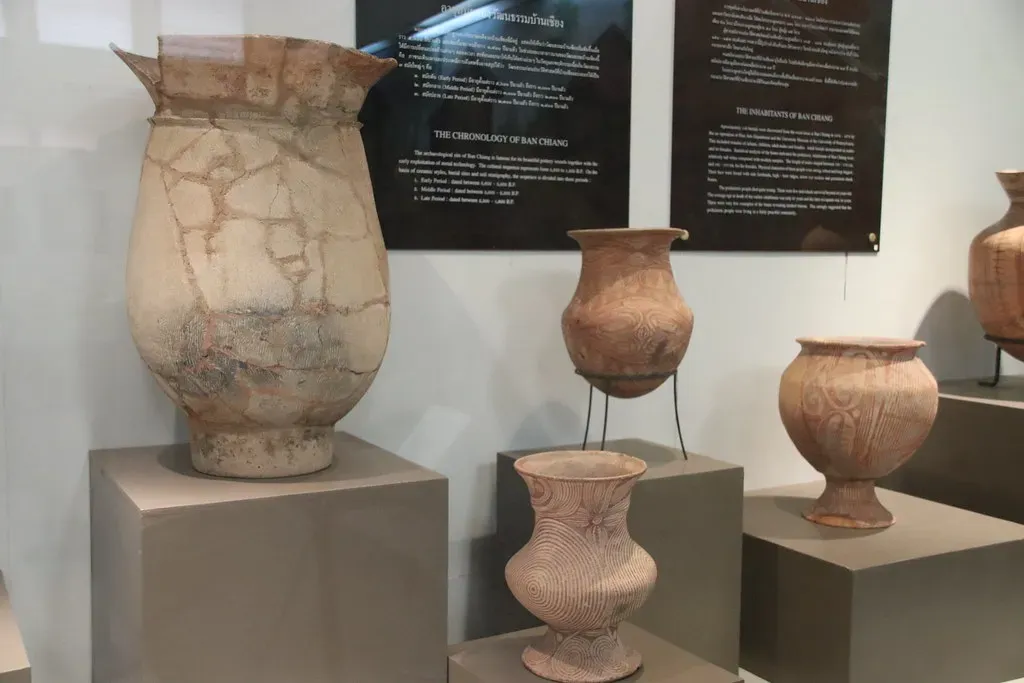
In the early 2000s, a major investigation into the trade of illicit Southeast Asian antiquities revealed hundreds of prehistoric Ban Chiang ceramics and related objects sitting in American museums. Many of these pieces had been properly accessioned and labelled, studied by staff, and even used in educational programmes, despite strong evidence they had been illegally excavated and exported from Thailand. Once federal agents became involved, museums faced pressure to remove the artefacts from displays, reconsider their status, and ultimately return or relinquish them. For you, that meant objects once shown as part of “world culture” exhibits abruptly disappeared from galleries and public catalogues. ([en.wikipedia.org](https://en.wikipedia.org/wiki/Operation_Antiquity?utm_source=openai))
After the headlines faded, the story became harder for you to follow. Some artefacts were shipped back, some remained in legal limbo, and others were quietly transferred out of permanent collections. Their metadata may live on in internal files and research archives, but they no longer appear in online databases or gallery guides. You are left with the lingering impression that a whole slice of prehistoric Southeast Asian material culture briefly surfaced in public museums, was probed by curators and archaeologists, then sank back beneath the waterline of visibility once its problematic origins became impossible to ignore. In this case, ethical cleanup and legal compliance created their own kind of disappearance.
8. The Museum of the Bible’s Vanishing “Dead Sea Scrolls” Fragments

When the Museum of the Bible opened in Washington, D.C., it showcased a set of fragmentary texts presented as pieces of the Dead Sea Scrolls. These scraps were fully catalogued, put through extensive private study, and promoted as a major draw for visitors fascinated by biblical history. Then, after further scientific analysis and academic scrutiny, experts concluded that several fragments were modern forgeries. In response, the museum removed them from display and pulled them from public presentation, turning once‑celebrated “artefacts” into problematic objects that you can no longer easily examine or even see listed as part of the collection. ([washingtonpost.com](https://www.washingtonpost.com/religion/2018/10/22/prominent-museum-bible-dc-removes-prized-items-after-experts-conclude-they-arent-authentic-dead-sea-scrolls/?utm_source=openai))
From where you stand, this is a different kind of disappearance, but the effect feels very similar. Photographs and initial catalogue entries occasionally survive in old publications, yet current public records either downplay or omit these items. You might find references to them in critical scholarship, but you cannot buy a ticket and view them anymore. They sit at the intersection of curation and embarrassment: too thoroughly studied and publicized to pretend they never existed, yet too tainted to occupy a proud place in the museum’s story. Their vanishing shows you how an institution can quickly pivot from celebration to silence once an artefact’s authenticity crumbles under scrutiny.
9. The Victoria Cross, Lost Weapons, and War Relics That Slipped the Net
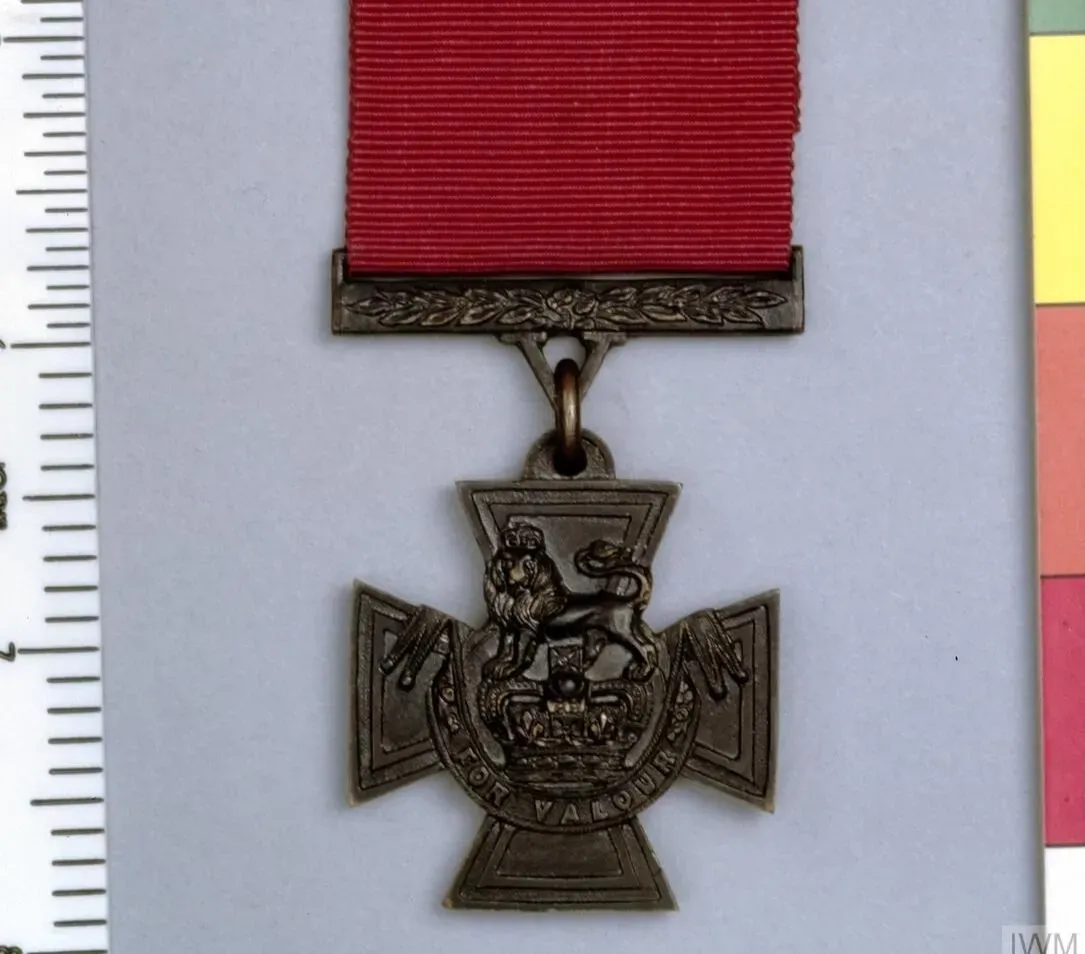
Military museums like to project an image of iron discipline and precise record‑keeping, yet even here, fully catalogued artefacts have fallen through the cracks. Freedom of information requests in the United Kingdom exposed nearly two hundred missing items from flagship institutions over recent decades, including a Victoria Cross medal from the Second World War, historic rifles and pistols, and valuable microscopes once used in research. Every one of these objects had been accessioned, labelled, and tracked in internal systems before vanishing from shelves, display cases, or loan records. For you, they simply ceased to appear on object lists or exhibitions, leaving only the dry trace of their former existence in audit reports. ([historynewsnetwork.org](https://www.historynewsnetwork.org/article/68447?utm_source=openai))
When you look at these cases, you watch how the mundane realities of movement – loans to other institutions, refits of galleries, storage relocations – create opportunities for loss. In theory, such artefacts are the tangible anchors of national narratives about courage, sacrifice, and technological change. In practice, a medal can disappear in transit, a firearm can walk out of a storeroom, and a piece of lab equipment can be mislaid during renovations. The catalogues might still list them for years, until a physical inventory finally reveals the gap. By the time you hear about it in the news, the trail is often decades old, and the artefact has effectively been erased from any collection you can visit.
10. The Egyptian Museum’s Missing Objects and Broken Paper Trails

Cairo’s Egyptian Museum houses one of the richest archaeological collections on the planet, and for a long time outsiders tended to assume that its treasures were firmly anchored in place. Yet in the early 2000s, museum officials publicly acknowledged that dozens of artefacts, including statues and smaller grave goods, had gone missing from inventory. These items had been catalogued and stored, then failed to appear during spot checks and audits. Later episodes of unrest and theft during the 2011 revolution only amplified the sense that some objects had been removed, swapped, or damaged without clear documentation ever reaching you as a member of the international public. ([en.wikipedia.org](https://en.wikipedia.org/wiki/Egyptian_Museum?utm_source=openai))
What this shows you is that even world‑class collections can struggle with decades of accumulated paperwork and shifting security conditions. An artefact excavated in the early twentieth century might have an archive of handwritten index cards, early photography, and scholarly references, but if that documentation is not fully consolidated in a modern system, the museum can lose track of where the physical object actually is. When a theft or misplacement occurs, the gap between old and new records becomes a hiding place. You, looking in from the outside, see a famous institution and assume your favourite sarcophagus or statuette is safely tucked away. In reality, the museum’s own staff may not be able to say with certainty whether every catalogued object is still on the premises.
11. Native American Collections Removed From Public View and Then Lost
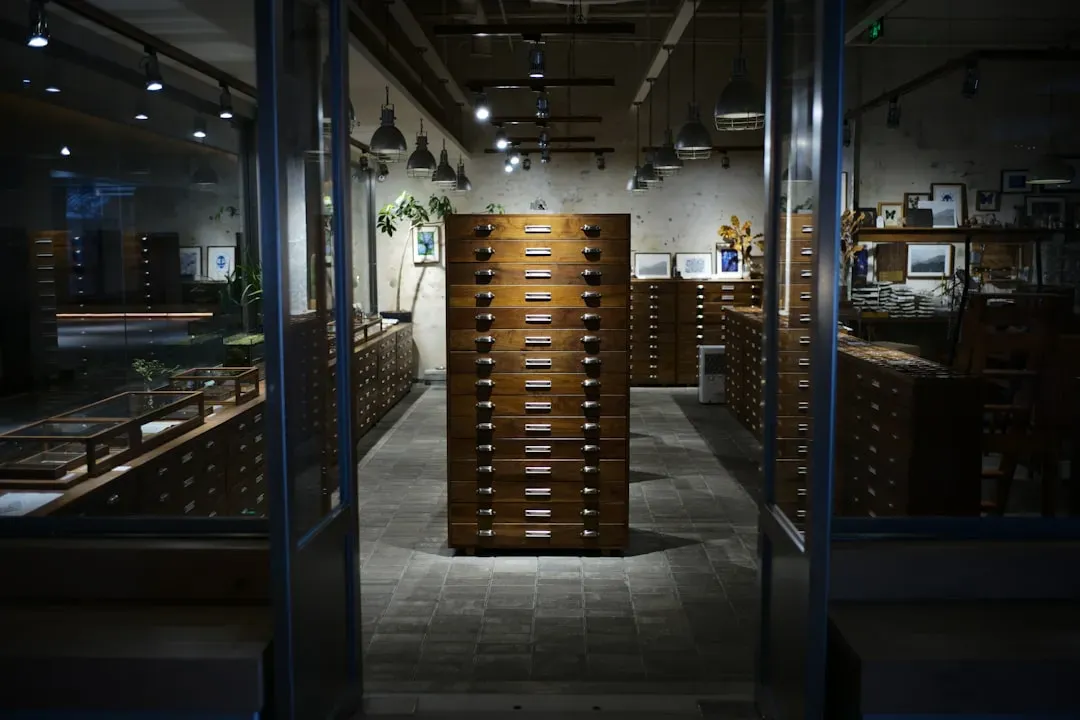
Across North America, museums spent decades collecting Indigenous artefacts – regalia, sacred objects, human remains – often without consent. By the late twentieth century, this led to laws and policies that required institutions to inventory these collections and consult with descendant communities about repatriation. You might think that such legal frameworks would improve transparency, but in practice they sometimes revealed just how many items had been catalogued, studied by anthropologists, and then pushed out of sight into inaccessible storage, where their exact whereabouts became uncertain. As curators worked through old records under modern repatriation rules, they discovered objects on paper that no one could physically locate anymore. ([en.wikipedia.org](https://en.wikipedia.org/wiki/Found_in_collection?utm_source=openai))
For you, this intersection of ethics and logistics is especially poignant. On one hand, communities are asking for the return of items that are deeply meaningful to them. On the other, museums are admitting that some of those very objects were misplaced long before repatriation even became a conversation. The result is a particularly painful form of disappearance: artefacts taken from their original owners, subjected to “scientific” study, recorded in meticulous anthropological catalogues, and then effectively lost in the labyrinth of institutional neglect. You never saw them on public display, the originating community cannot get them back, and the only trace is a line in an aging inventory that quietly testifies to what has gone missing.
12. War, Looting, and the Quiet Disappearance of Yemeni National Collections

When you zoom out from individual museums to entire nations, the scale of loss becomes overwhelming. In Yemen, ongoing conflict and political turmoil have left national museums vulnerable to theft and neglect. International reports suggest that more than a thousand catalogued objects have disappeared from institutions like the Aden, Taiz, and Zinjibar museums over the past decade, including inscriptions, sculptures, and ceremonial artefacts that once served as key anchors for the region’s ancient history. These items were not unknown; they had been listed, photographed, and in some cases extensively studied before the doors were broken, the cases smashed, and the storage rooms rifled through. ([en.wikipedia.org](https://en.wikipedia.org/wiki/Blood_antiquities?utm_source=openai))
For you, these losses feel particularly stark because they remove entire chapters from a national narrative already under pressure. Scholars now have to rely on old catalogues, black‑and‑white plates in out‑of‑print books, and second‑hand descriptions from earlier fieldwork, knowing the original artefacts may be scattered among smugglers, hidden in private collections, or lying damaged in abandoned buildings. When you read about this, it becomes impossible to treat museum catalogues as permanent guarantees. Even when objects are fully documented and integrated into an institutional identity, war can turn them into ghosts, present only in the archived records that outlive them.
13. The Things That Never Make It Back From Loan
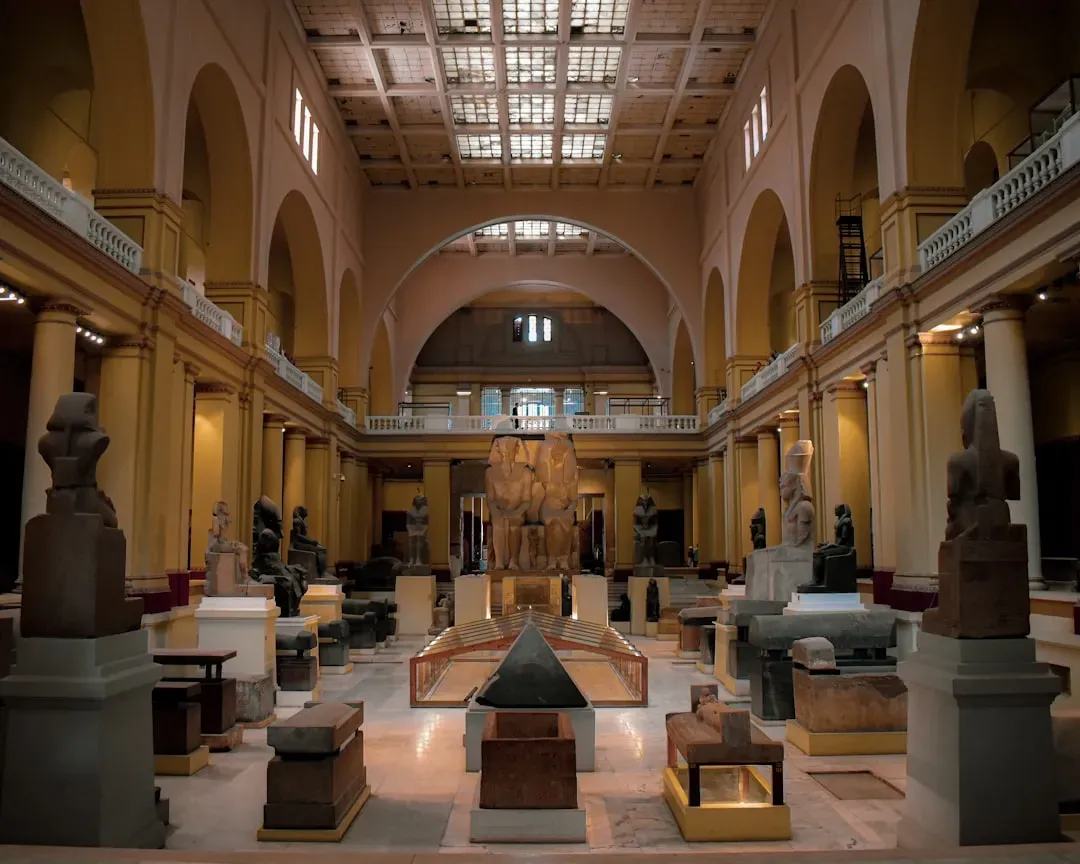
One of the more mundane but surprisingly common ways that artefacts vanish is through loans between institutions. A museum sends an object to a partner for an exhibition, conservation treatment, or research; the piece is logged out, boxed, shipped, and – most of the time – returned without drama. But audit reports and investigative journalism keep turning up cases where catalogued items never quite make it back, or return so late and with such poor documentation that they might as well be lost to you. In some inventories, you can see notes where curators admit that a given object’s last known location was “on loan” years earlier, with no clear follow‑up in the public record. ([paauditor.gov](https://www.paauditor.gov/Media/Default/Reports/speHistoricalMuseumComm102810.pdf?utm_source=openai))
From your perspective, the loan process feels like a black box. You read a label in one city and a year later you might see the same artefact in another. Behind that movement lie insurance forms, condition reports, and email chains you never get to see. If those systems break down – if a crate is mislabelled, or a borrowing institution fails to update its own catalogue – then a fully studied, carefully handled object can simply dissolve into the gaps between databases. The museum that owns it may still list the artefact as “out on loan,” while the borrowing museum quietly drops it from public information. For you, it effectively disappears, surviving only as a piece of administrative lore that almost no one outside the registrars’ offices will ever read.
Conclusion: When the Catalogue Is the Last Witness
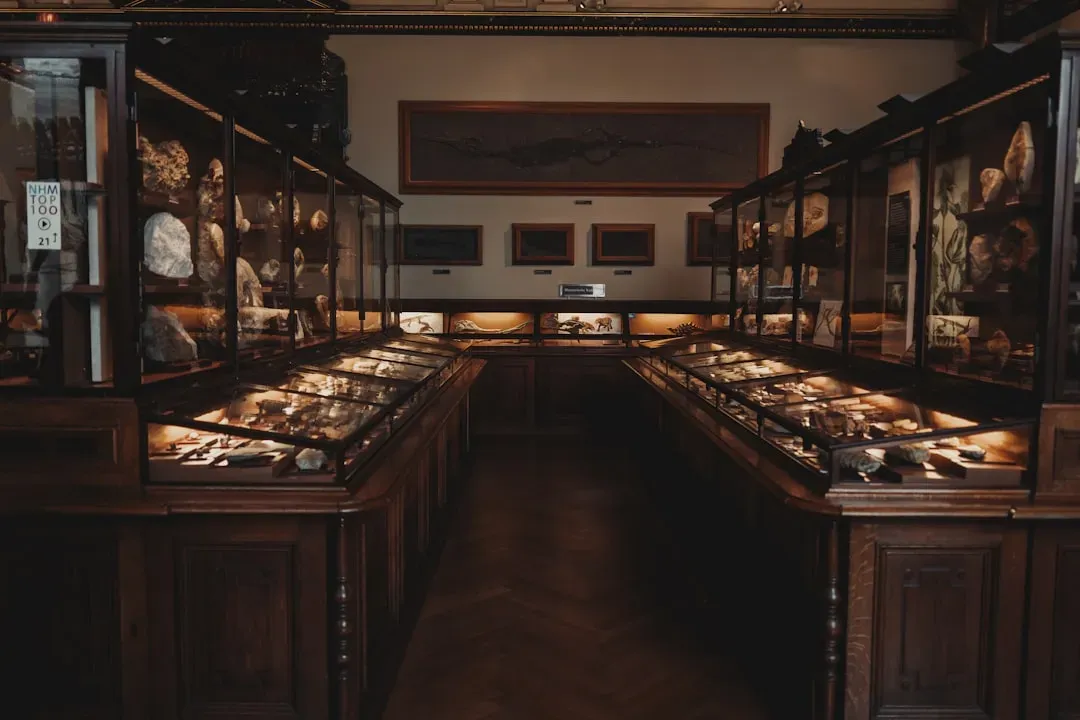
As you step back from these stories, a sobering pattern emerges: the most fragile part of an artefact’s life is not the excavation trench or the ancient battlefield, but the modern institutions you tend to trust the most. You have seen objects stolen outright, yes, but you have also seen them quietly retired after authenticity doubts, pushed into legal limbo over provenance, mislaid during building moves, or sacrificed to war and austerity. In many of these cases, the catalogue outlives the thing itself, leaving you and future researchers with descriptions, photos, and numbers instead of solid stone, gold, bone, or parchment.
That realisation forces you to rethink what it means when you read “in the collection of” or see an inventory entry online. It does not always mean you could, in practice, walk in and view that artefact today; sometimes it means only that someone, somewhere, once cared enough to write it down before circumstance erased the physical object from view. As a visitor, a reader, or a citizen, you have more power than you think: you can ask pointed questions, support better funding for collections care, and refuse to treat museums as infallible vaults. In the end, the past is only as safe as the systems and people that protect it – and that includes you. So next time you stand in front of an empty case or a vaguely worded label, what do you think might once have been there?