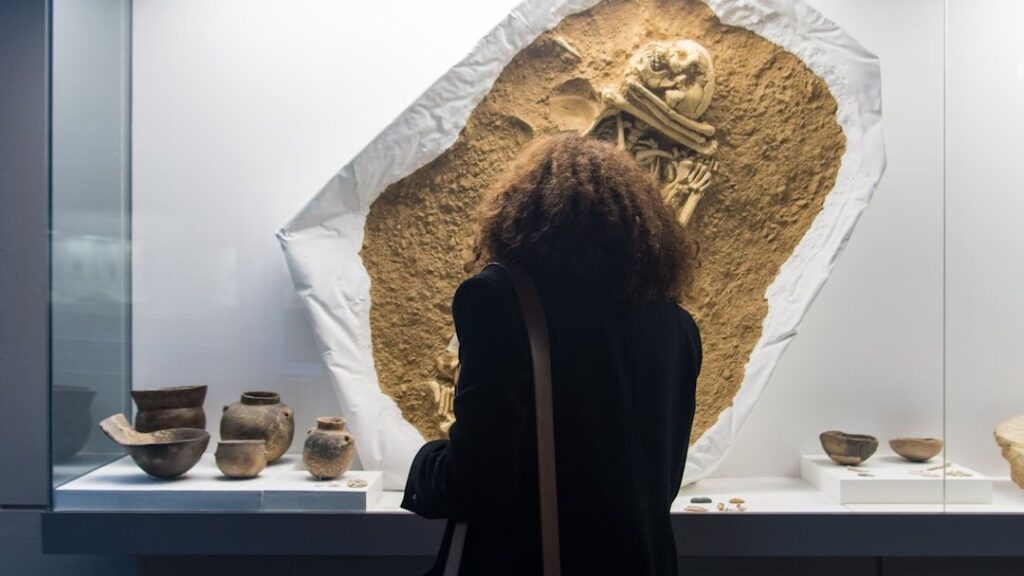
You probably imagine museum basements as quiet, dusty places full of broken pottery and extra dinosaur bones. In reality, those storage rooms hide some of the most controversial, unsettling, and politically explosive objects in the world. A surprising number of artefacts you would expect to see under bright glass are instead locked away in crates, shielded from cameras, and sometimes even from curators in other departments.
When you start digging into why, you step into a world where ethics, politics, crime, religion, and raw human emotion crash into each other. Some artefacts are considered too sacred, some too stolen, others too disturbing or too dangerous to put in front of a crowd. As you read through these 13 examples, you’ll see that what stays off display often says more about our present-day values than about the past itself.
1. Human Remains Locked Away For Ethical Reasons
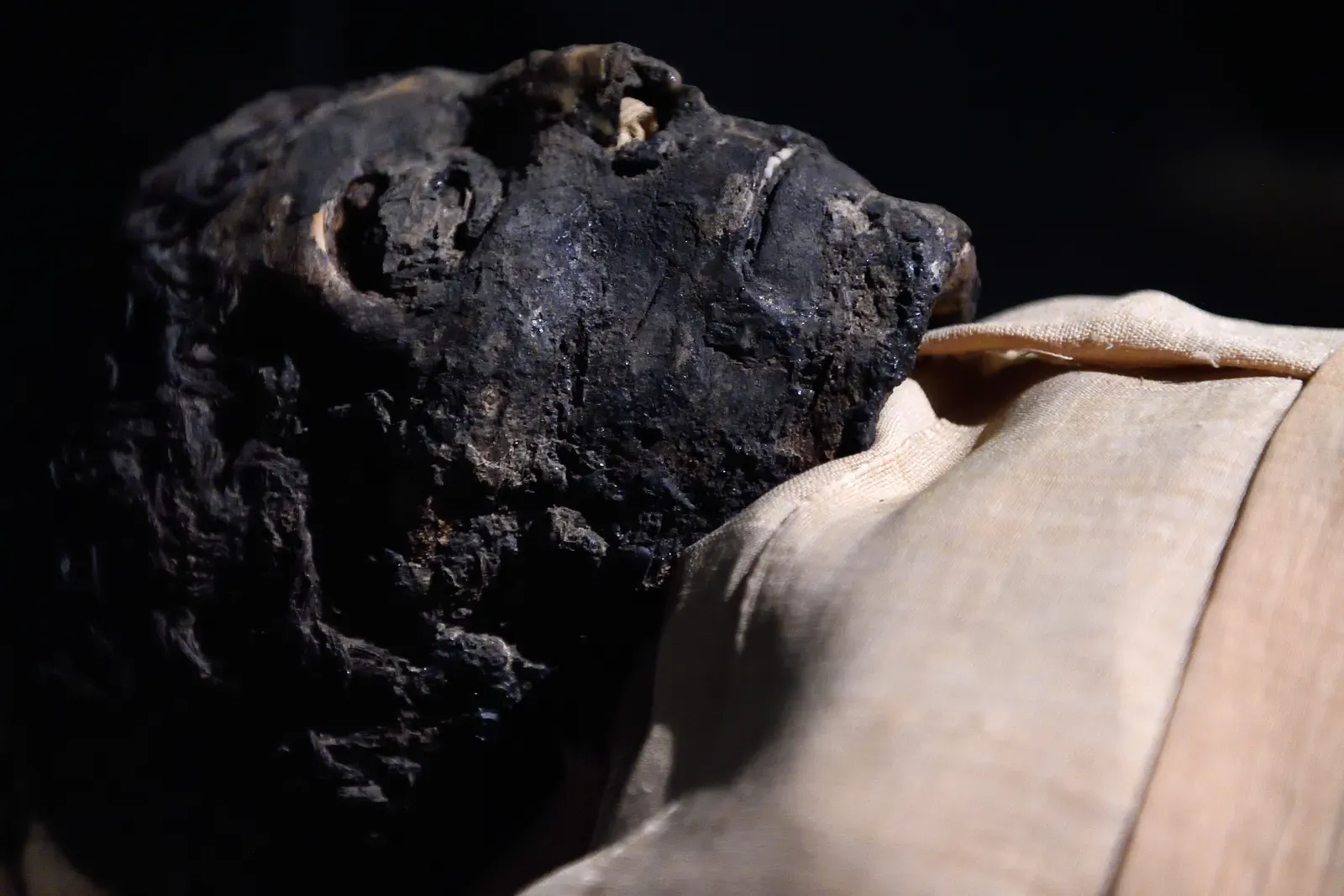
When you walk through a museum and see a mummy or a skeleton, you’re only seeing a fraction of what actually exists in storage. Behind the scenes, there are skulls, bones, hair samples, and even tattooed human skin that never reach public view because they cross a line you might not realize is there. Many of these remains were taken during colonial times, grave-robbed, or collected without consent from the person or their descendants.
Today, you’re living in a moment where museums are being pushed to treat these remains as people, not objects. That means you’ll find more and more institutions quietly removing human remains from public galleries and moving them into restricted collections, or preparing them to be sent back to descendant communities. Instead of being displayed as curiosities, these individuals are slowly being recognized as relatives, ancestors, and victims of past abuses – and that shift in attitude is exactly why so many never see the light of a gallery again.
2. Sacred Indigenous Objects Awaiting Repatriation
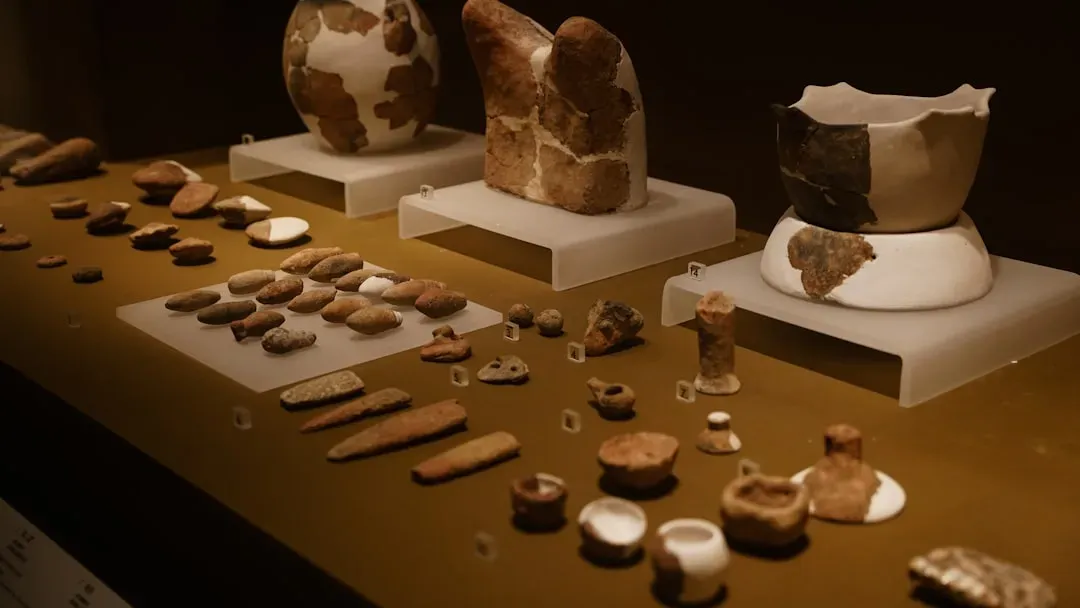
In a lot of museum basements, you’ll find shelves full of items that Indigenous communities consider living, sacred beings rather than artefacts. You might be looking at ceremonial masks, medicine bundles, sacred pipes, or burial-related objects that would never be displayed in their original cultures. Many of these pieces were taken in times of war, forced assimilation, or one-sided “trades” when communities had little power to say no.
Legal frameworks like repatriation laws in countries such as the United States, Canada, Australia, and others have changed how you’re allowed to handle these items. Curators now often lock them away from public view while they consult with communities about what should happen next – return, reburial, or restricted care. If you ever wondered why certain famous Indigenous objects seem to vanish from galleries, it’s often because they’re in that quiet limbo between a problematic past and a more respectful future.
3. Nazi-Looted Art Trapped In Legal And Moral Limbo
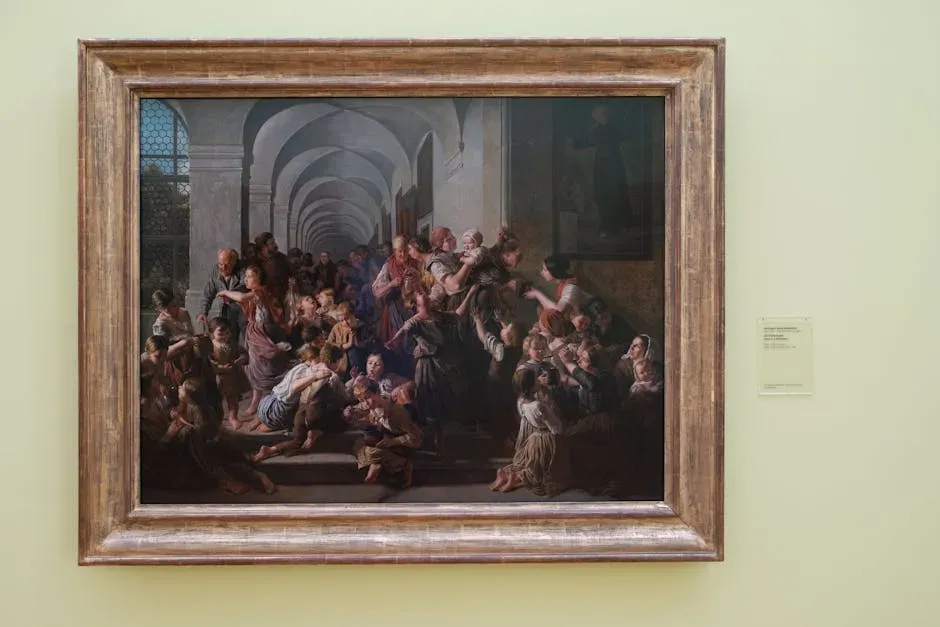
When you admire a painting in a European or American museum, there’s a real chance its history runs straight through the chaos of the Second World War. A vast number of artworks were confiscated, extorted, or forcibly “sold” by Jewish families and others targeted by the Nazi regime. Many of those works still sit in museum storerooms today, never shown, because curators suspect – or outright know – they were stolen.
If you put yourself in that situation, you can feel why museums are so careful. Once they show a work and highlight its murky wartime provenance, descendants of the original owners may appear, and lawsuits or public campaigns can follow. Some institutions decide it’s easier and more ethical simply not to show those pieces while they dig through archives and negotiate potential returns. For you as a visitor, that means some of the most beautiful paintings, drawings, and sculptures of the twentieth century will remain invisible, locked up by questions of justice that still haven’t been fully answered.
4. Fakes, Forgeries, And Misattributed Masterpieces
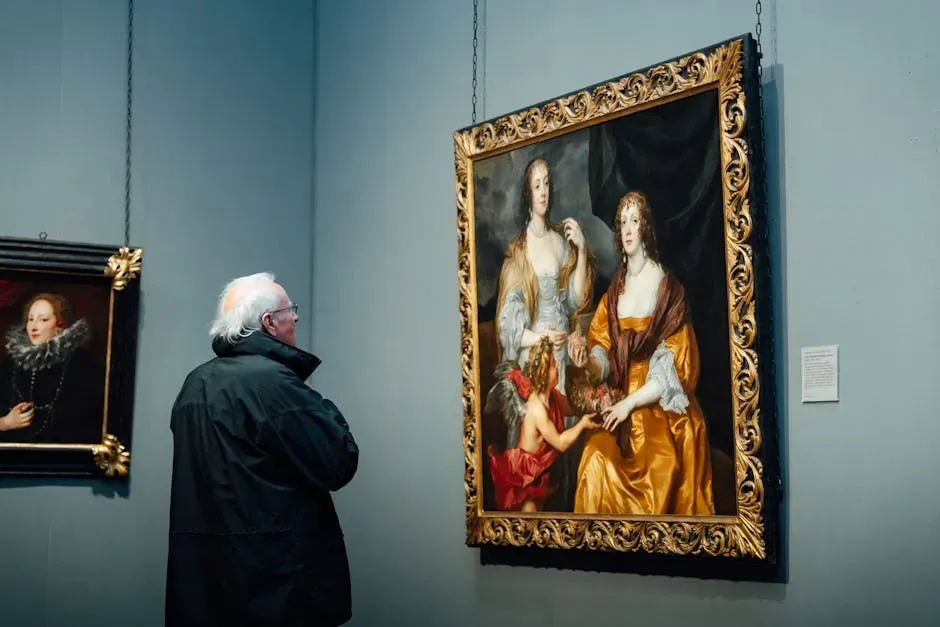
You might assume that everything tucked away in a museum vault is there because it’s too precious to display, but sometimes the opposite is true. A surprising number of “treasures” are actually objects that used to be proudly exhibited and later turned out to be fake, heavily altered, or seriously misattributed. That “Roman” sculpture might actually be a nineteenth-century copy, that “medieval relic” could be a Victorian fantasy, and that “ancient” inscription might be the work of a modern scammer.
Once a museum realizes it has been fooled – or simply made a mistake – it faces a dilemma you can probably feel in your gut. Putting those artefacts back on display risks losing public trust, but throwing them away would erase important evidence of how people in the past lied, faked, or misunderstood history. So they often end up in study drawers and research spaces, used quietly to train curators, conservators, and students in what to look out for. You almost never see them, but they shape how you’re protected from being deceived in the galleries upstairs.
5. Ultra-Fragile Textiles, Papers, And Pigments
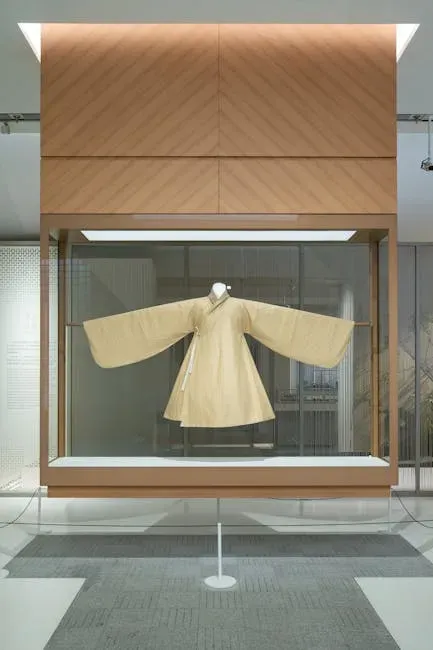
If you’ve ever walked into a darkened gallery and wondered why everything is so dim, you’re brushing up against one of the harshest truths in conservation: light destroys. Certain artefacts – like ancient textiles, early photographs, manuscripts, and brightly colored pigments – are so sensitive that even a few months under display lighting can cause visible damage. When you think about a once-vibrant tapestry fading into a dull blur, you can understand why conservators often choose the vault over the spotlight.
For you, that means many of the most delicate objects are shown rarely, in rotation, or not at all. They live in chilled, low-light storerooms, where temperature, humidity, and handling are strictly controlled. It’s a bit like having a priceless family letter you only unfold once in a decade, because every reading eats away at it. Museums increasingly lean on high-quality facsimiles, digital displays, and replicas for the public, while the fragile originals rest in the dark, preserved for future generations who might have better technology to care for them.
6. Cursed And “Haunted” Objects That Unsettle Staff And Visitors
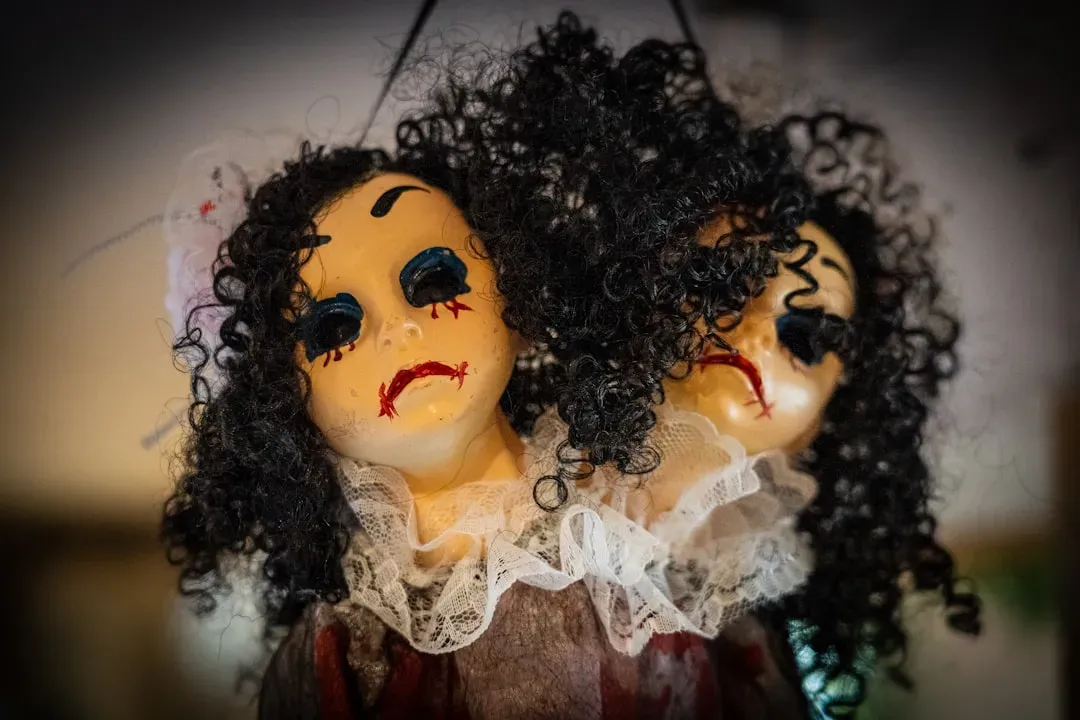
Even if you don’t personally believe in curses, you can probably imagine how an object can feel so charged with darkness that no one really wants to promote it. Museums sometimes hold artefacts connected to notorious crimes, executions, or violent events that acquire an almost mythic reputation among staff. You might hear stories about a painting that seems to trigger accidents, a doll linked to a tragedy, or jewellery rumored to bring misfortune to its owners.
While curators usually keep a rational front, they also have to think about how you, as a visitor, will react. Displaying items that people associate with evil or the supernatural can attract thrill-seekers but also complaints, fear, and accusations of exploiting suffering. Some institutions decide those risks and the internal discomfort just aren’t worth it. So the so-called cursed objects stay off display, existing more as whispered legends in the corridors than as labelled items in a case.
7. Graphic Instruments Of Torture And Execution
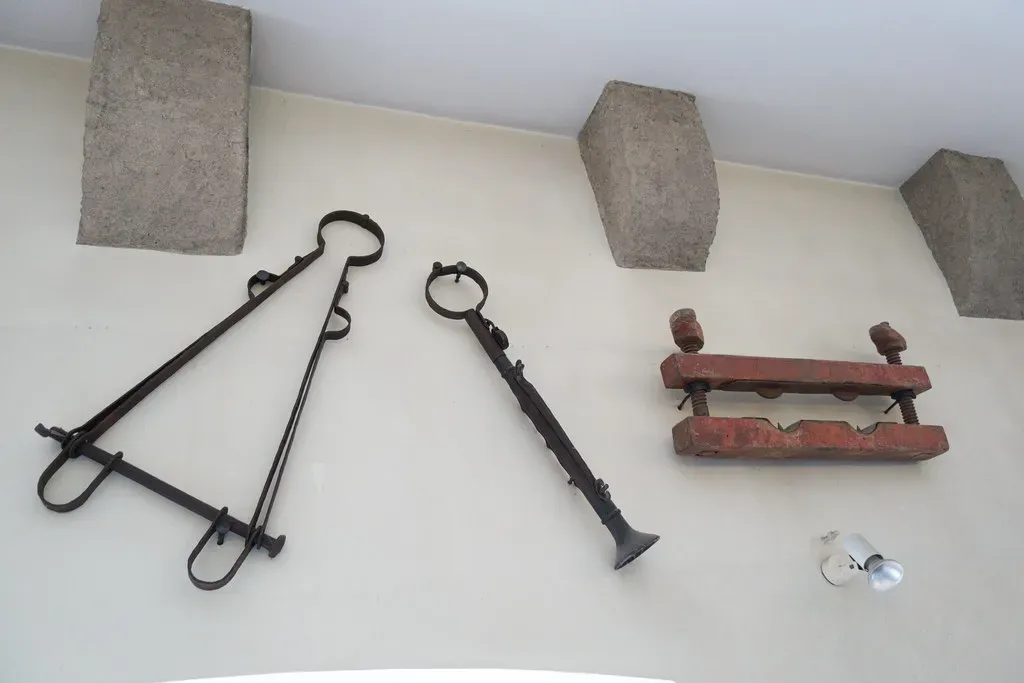
When you step into a history museum, you probably expect some level of darkness – war, famine, oppression – but there’s a line where education can slide into spectacle. Objects like executioner’s swords, guillotines, electric chairs, branding irons, and medieval torture devices hit that line hard. Many museums do own examples of these tools, but choose not to place them front and center, especially where school groups and families are regular visitors.
Curators know that if you walk into a room dominated by instruments of pain, your emotional reaction might drown out any context they try to provide. There’s a real fear of sensationalizing cruelty or desensitizing people to suffering. As a result, these objects often remain behind the scenes or appear only in carefully framed, temporary exhibitions with strong educational framing. You’re being shielded not from history itself, but from raw brutality presented without enough emotional safety net.
8. Artefacts Obtained Through Colonial Violence And Coercion
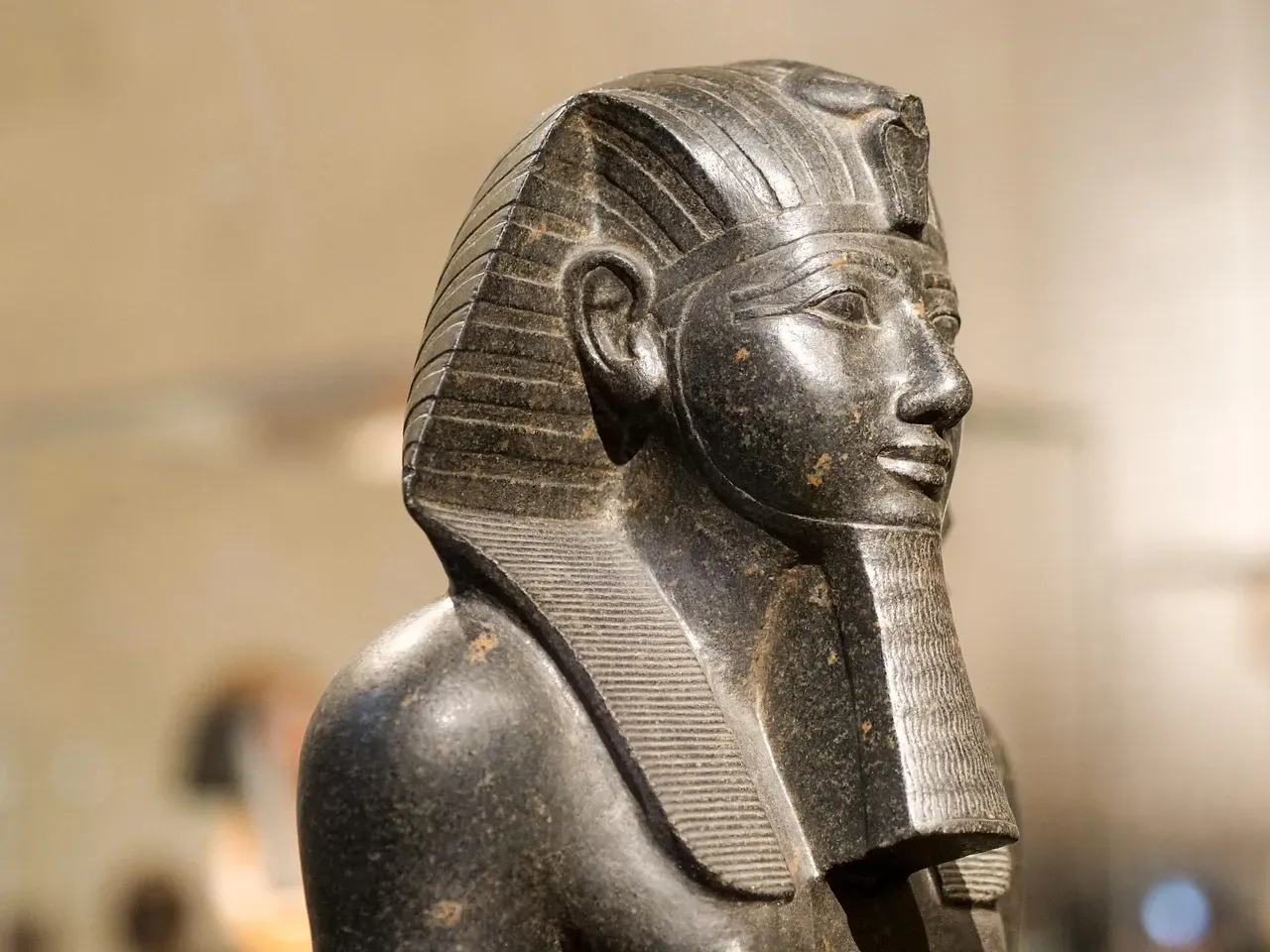
If you’ve ever admired a grand statue or ceremonial object from another part of the world and wondered how it got to Europe or North America, you’re not alone. Increasingly, museums are having to admit that large parts of their collections were acquired under conditions you would now call theft, extortion, or at least severe power imbalance. Some objects were taken during military raids, others under threat of force, and some were “gifts” made in the shadow of empire.
Today, you’re watching a global debate unfold over these kinds of artefacts, which is why some of the most contested pieces never make it to the gallery floor anymore. Institutions are wary of protests, diplomatic conflicts, and public criticism if they display items with openly violent backstories. Instead, they might keep them in storage while negotiating returns, loans, or shared custody with the countries and communities of origin. In practice, that means many of the most dramatic symbols of empire are disappearing from view just as the world starts asking harder questions about how they were acquired in the first place.
9. Politically Explosive Documents And Personal Papers
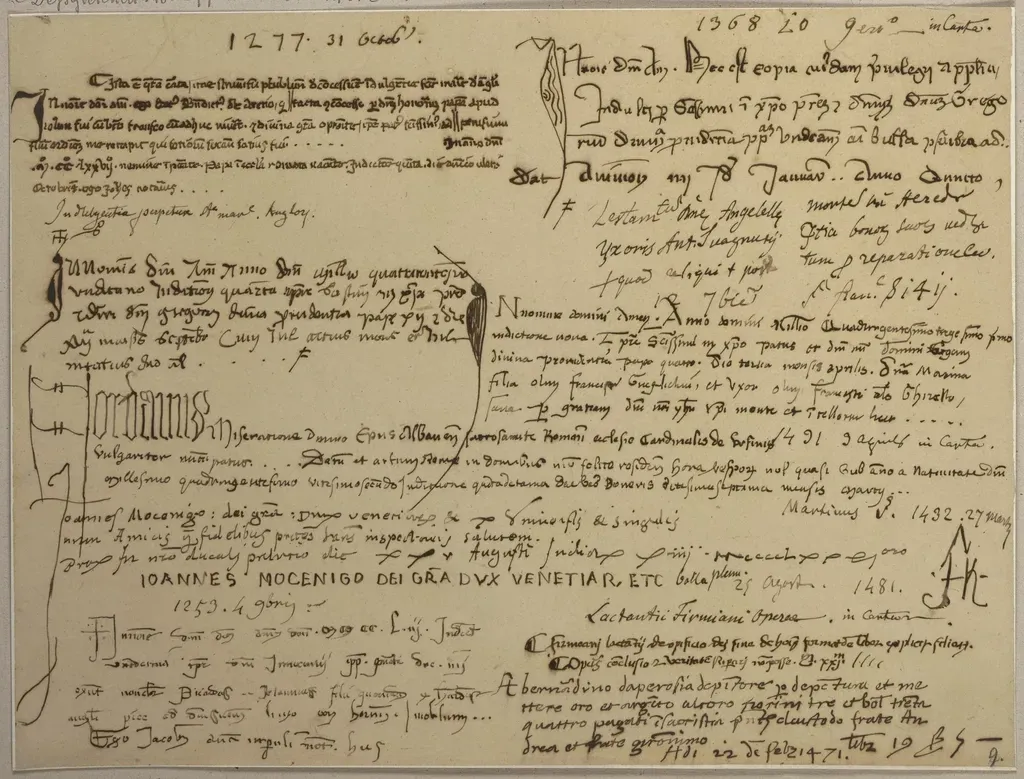
In the quiet of archival boxes, there are letters, diaries, memos, and photographs that could rewrite the way you understand certain political events or famous figures. Some of these materials touch on still-sensitive topics: covert operations, human rights abuses, secret deals, or private scandals involving individuals whose families are still alive. Museums and archives may legally own them, but that doesn’t mean they’re ready to place them on a wall for everyone to read.
From your perspective, that can feel frustrating – like history is being hidden. But from the institution’s side, there are layers of legal liability, security concerns, and ethical questions about privacy and harm. Displaying a document might inflame tensions, revive old wounds, or endanger people who were involved. So instead of an exhibition label, those papers get confidentiality agreements, restricted reading-room access, or even sealed status for a set number of years. You see a curated version of the past, while the rougher, more dangerous edges stay carefully boxed away.
10. Religious Relics That Cross The Line Into Devotion
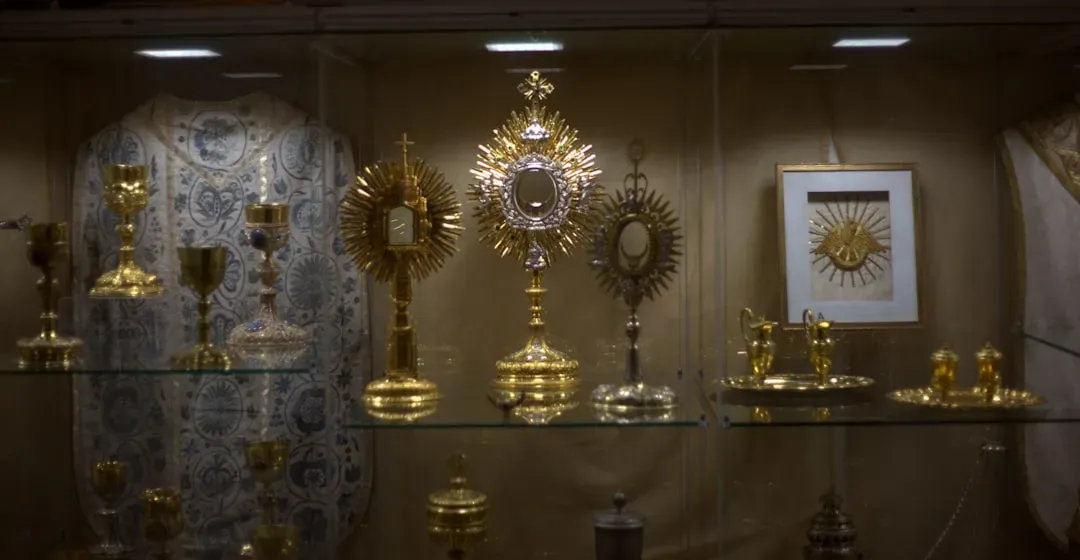
Sometimes an object is so deeply tied to faith that putting it behind glass feels like a violation. Think about relics that believers consider physically linked to holy figures, or icons and statues still used in living worship traditions. If you walked into a gallery and saw something your community treats as sacred being stared at, photographed, and casually commented on, you might feel hurt or disrespected. Museums are increasingly aware of that emotional reality.
Because of that, you’ll find that certain relics and devotional items never go beyond restricted collections, chapels, or special viewing arrangements made in consultation with religious communities. Some institutions even decide not to accession particular types of relics at all, or to transfer them to churches, temples, mosques, or community centers better equipped to care for them spiritually. For you as a visitor, it creates an invisible boundary: you’re allowed to see some parts of religious history, while the most sacred layers remain deliberately off-limits.
11. Items Contaminated With Toxins, Radiation, Or Biohazards
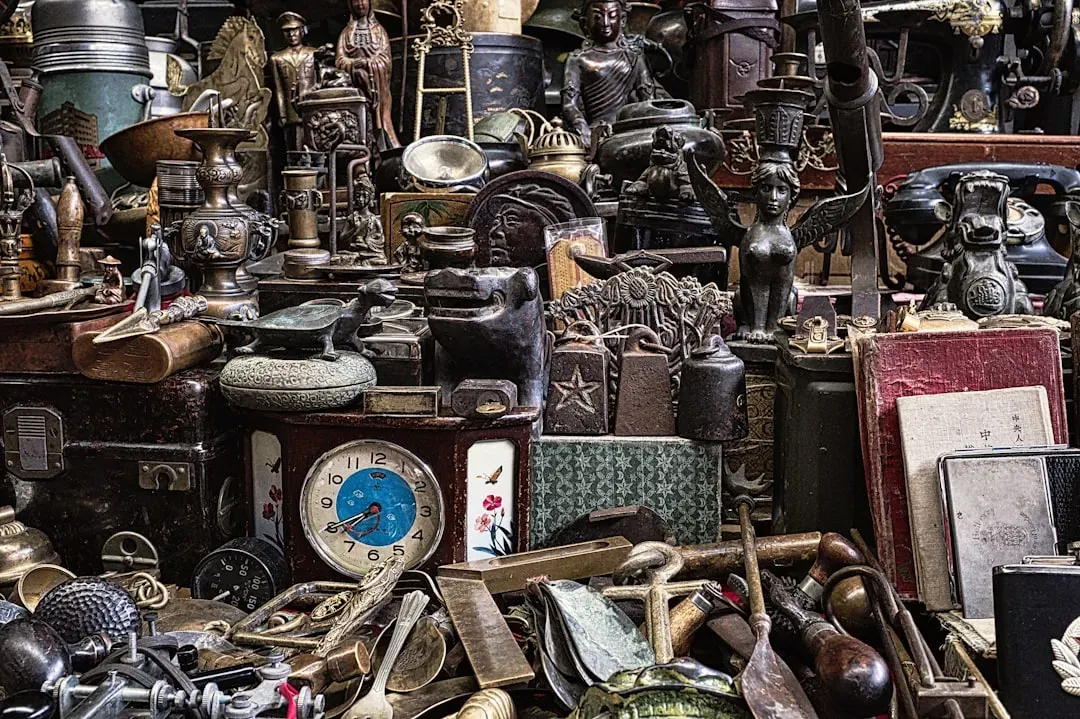
Not every hidden artefact is secret because of ethics or politics; some are hidden because they’re simply unsafe for you to be around. Older objects might be coated with arsenic-based pesticides, mercury, lead paints, or radioactive materials once used in luminous dials and experiments. Other items can carry residues of pathogens, chemicals, or pollutants from their original environments. Even if the risks are low, museums can’t ignore the possibility of long-term exposure for staff and visitors.
So you’ll find that a number of scientifically or historically important artefacts are stored in sealed containers, special cabinets, or off-site facilities rather than public galleries. Curators rely on photographs, replicas, and digital models to tell their stories without putting you at risk. Sometimes, even handling them requires protective gear and strict protocols. In those cases, the decision not to display is less about secrecy and more about a very practical rule: history is not worth risking anyone’s health.
12. Artefacts Involved In Ongoing Criminal Investigations Or Disputes
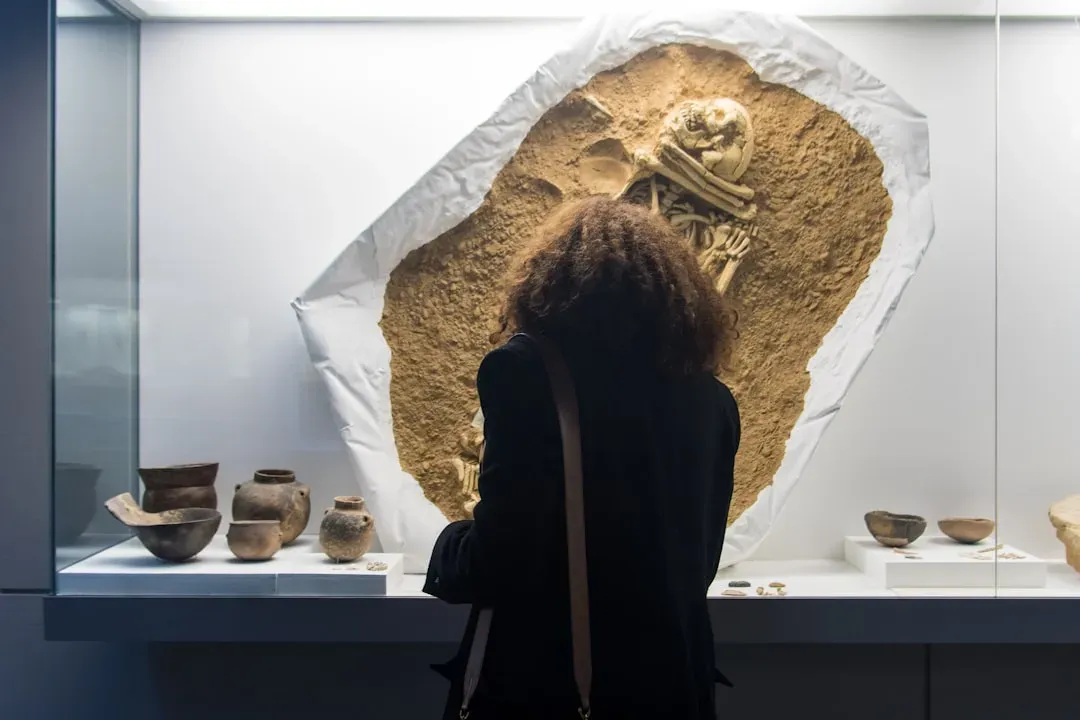
Occasionally, an artefact in a museum’s possession turns out to be evidence – or potential evidence – in a modern crime. It might be linked to illicit trafficking, illegal excavations, money laundering, or even more direct criminal acts. When law enforcement agencies get involved, the object can quickly move from an accession record to an active case file. At that point, you’re unlikely to see it under gallery lights anytime soon.
On top of that, some objects are tied up in fierce ownership battles between governments, private collectors, and institutions. When multiple parties claim the same artefact, museums sometimes keep it off display to avoid looking like they’ve chosen a side before the matter is resolved. You’re left with empty spaces where a famous piece might have been, while behind the scenes lawyers, diplomats, and archaeologists argue over who, if anyone, has the right to show it to the public.
13. Objects Hidden To Protect Vulnerable Sites And Communities
There’s a final, quieter category of artefact that gets kept out of your view for a protective reason that might not be obvious at first. Some items carry information – like exact findspots, ritual details, or community-specific knowledge – that could put archaeological sites or living people at risk if it became widely known. If looters or treasure hunters learn where a unique object came from, they might target that area, damaging or destroying what remains.
To prevent that, museums sometimes restrict images, labels, or public discussion of certain artefacts, even if they’re technically allowed to show them. In other cases, they’ll hold back objects whose appearance alone could reveal too much to someone determined to exploit the information. For you, this can feel like a gap in the story, but in reality it’s an act of stewardship: not every detail of the past belongs in public circulation, especially when sharing it could harm the very places and people that gave rise to it.
Conclusion: What You Don’t See Changes How You See Everything
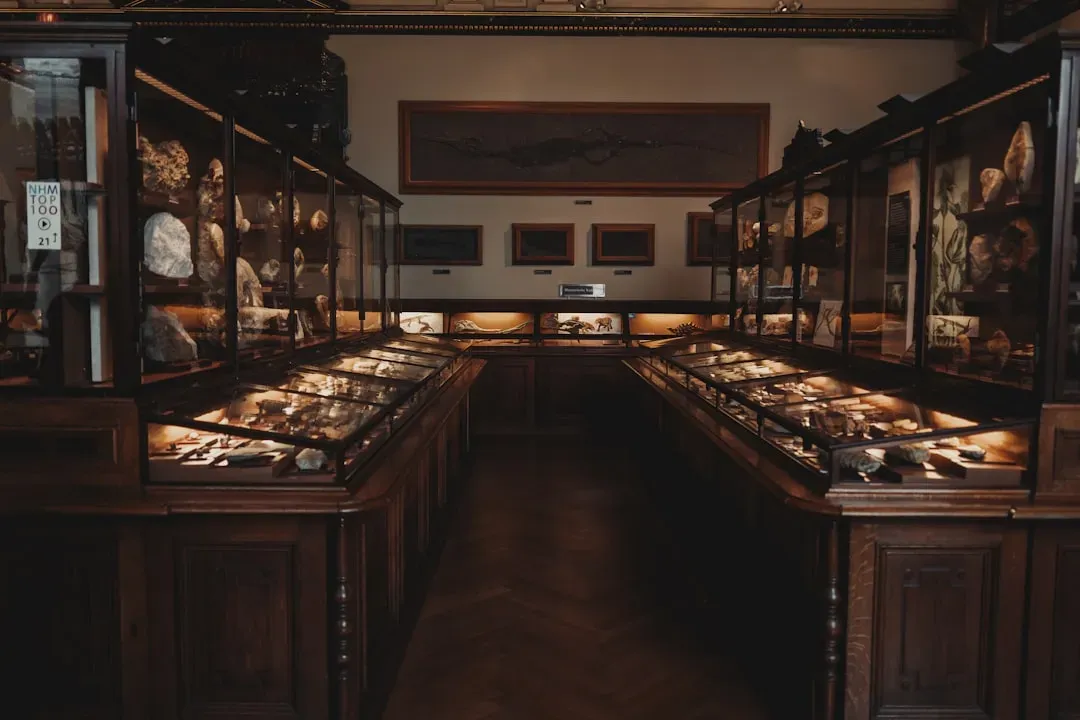
Once you realize how many artefacts are deliberately kept off display, you start to look at museums differently. The galleries you walk through are not neutral, complete versions of history; they’re carefully filtered narratives shaped by ethics boards, legal teams, descendant communities, security concerns, and practical conservation science. Every item you see is there because someone, somewhere, decided it was safe, appropriate, and responsible to let you encounter it.
At the same time, you might find a kind of strange comfort in knowing that the most sensitive, sacred, dangerous, or painful pieces of the past aren’t simply being paraded for curiosity’s sake. They’re argued over, protected, hidden, or slowly handed back to those who have a stronger claim to them. The next time you stand in front of a glass case, you can ask yourself a deeper question: not just what you’re looking at, but what had to be left in the dark so that particular story could be told in the light – what do you think is still waiting, unseen, beneath your feet?