The deeper scientists probe into the human body, the less tidy the rulebook seems to be. For every elegant pathway mapped and every gene annotated, there are people whose biology quietly refuses to play along. From individuals who easily shrug off normally lethal infections to families who feel no pain, these living anomalies are forcing medicine to admit an uncomfortable truth: our models are still incomplete. Yet in those apparent glitches lie blueprints for future therapies, from new antibiotics to next‑generation cancer drugs. Here are twelve biological oddities that, on paper, should not exist as they do – and why researchers are racing to understand them before chance and time erase their clues.
The Hidden Clues: People Who Do Not Feel Pain
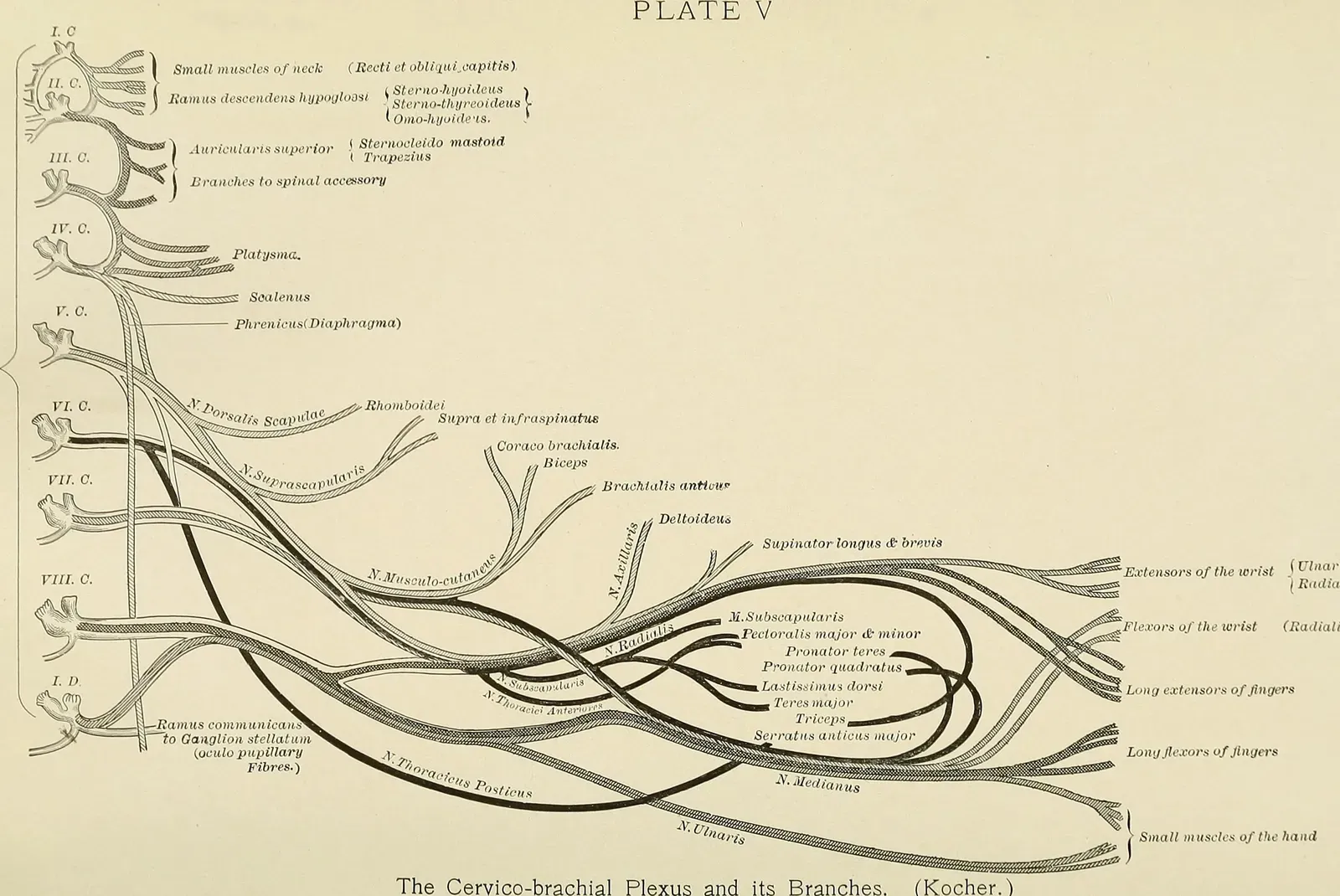
Imagine breaking a bone, walking on it for days, and never realizing something is wrong. That is not a horror story, but daily life for people with congenital insensitivity to pain, a rare condition where dangerous injuries register as nothing more than pressure, if that. Children with this anomaly may chew their tongues, burn themselves on stoves, or develop severe joint damage before anyone notices. Paradoxically, their brains, nerves, and senses often look normal on scans, as if the wiring is intact but the signal is muted at a level we barely understand.
Many of these cases trace back to mutations in genes like SCN9A, which encodes a sodium channel critical for transmitting pain signals along nerves. Switch that channel off, and sharp, burning, or chronic pain seems to vanish almost completely. Drug developers have taken notice, trying to mimic these molecular “off switches” without destroying touch, balance, or temperature sensation. The stakes are enormous: if we can learn to selectively blunt pain the way these families do naturally, millions living with debilitating chronic pain might finally get relief without heavy reliance on addictive opioids.
Unexpected Immunity: HIV-Resistant and Virus-Defying Bodies
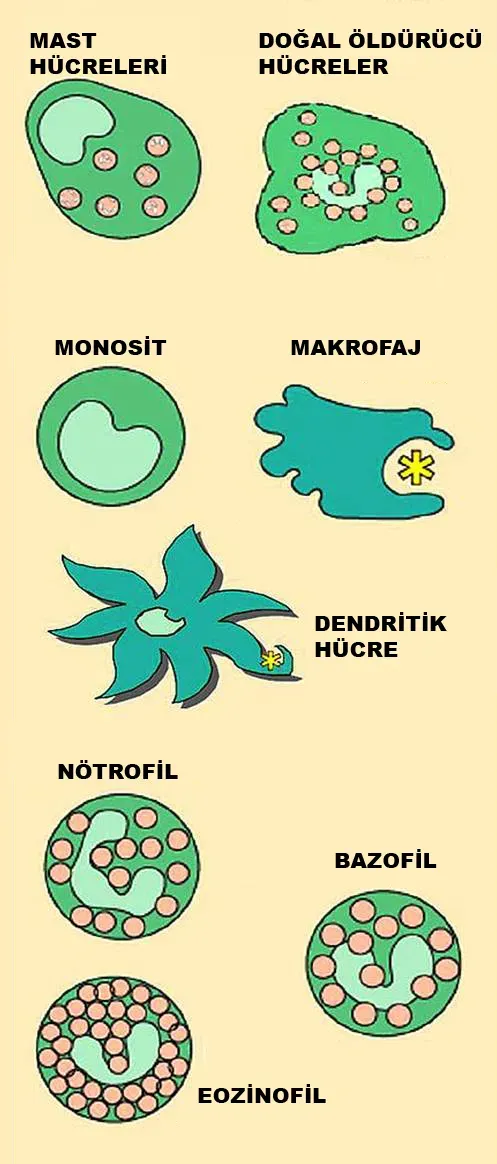
For decades, HIV has been one of the most intensively studied viruses on Earth, and yet some people simply refuse to let it in. A small subset of individuals carry a mutation in a gene called CCR5 that prevents the virus from entering their immune cells in the first place. Others, known as elite controllers, do become infected, but their immune systems suppress the virus so effectively that standard tests barely detect it, even without medication. To classic textbook virology, these outliers read like misprints.
The consequences have been profound and surprisingly practical. CCR5‑blocking drugs and even gene-editing experiments are now built around copying what these naturally resistant people do on their own. Researchers tracking elite controllers have uncovered immune cells that stalk and destroy infected cells with remarkable efficiency, offering hints for better vaccines and functional cures. At the same time, their existence raises hard questions: how many similar “impossible” immunities are out there, hidden in small, scattered groups? If we can find them in time, they could form a living catalog of antiviral strategies that nature has already road‑tested.
Ageless Outliers: People Who Barely Seem to Age

Every family seems to have that one relative who looks unfairly young, but a few people push this into genuine biological mystery. There are rare individuals in their sixties or seventies whose skin, muscles, and even organ function resemble someone decades younger. In medical exams, their arteries are unusually flexible, their brains show fewer typical age‑related changes, and age-linked diseases appear later or not at all. To gerontologists, they are as puzzling as the mythical fountain of youth, except these cases are real and sitting in research clinics.
Studies suggest that these “slow agers” often share features such as highly efficient DNA repair, unusually stable telomeres at the ends of chromosomes, or finely tuned immune responses that avoid chronic inflammation. A few carry protective versions of genes involved in cholesterol metabolism or cell stress responses, hinting at built‑in biological armor. Scientists are trying to reverse engineer these advantages into drugs or lifestyle prescriptions, but it is tricky; tinkering with the same pathways can sometimes increase cancer risk or disrupt metabolism. Still, these people prove something vital: the human aging curve is not fixed law, but a negotiable contract, and some bodies have quietly negotiated better terms.
Metabolic Miracles: Extreme Calorie Burners and the Obesity-Resistant
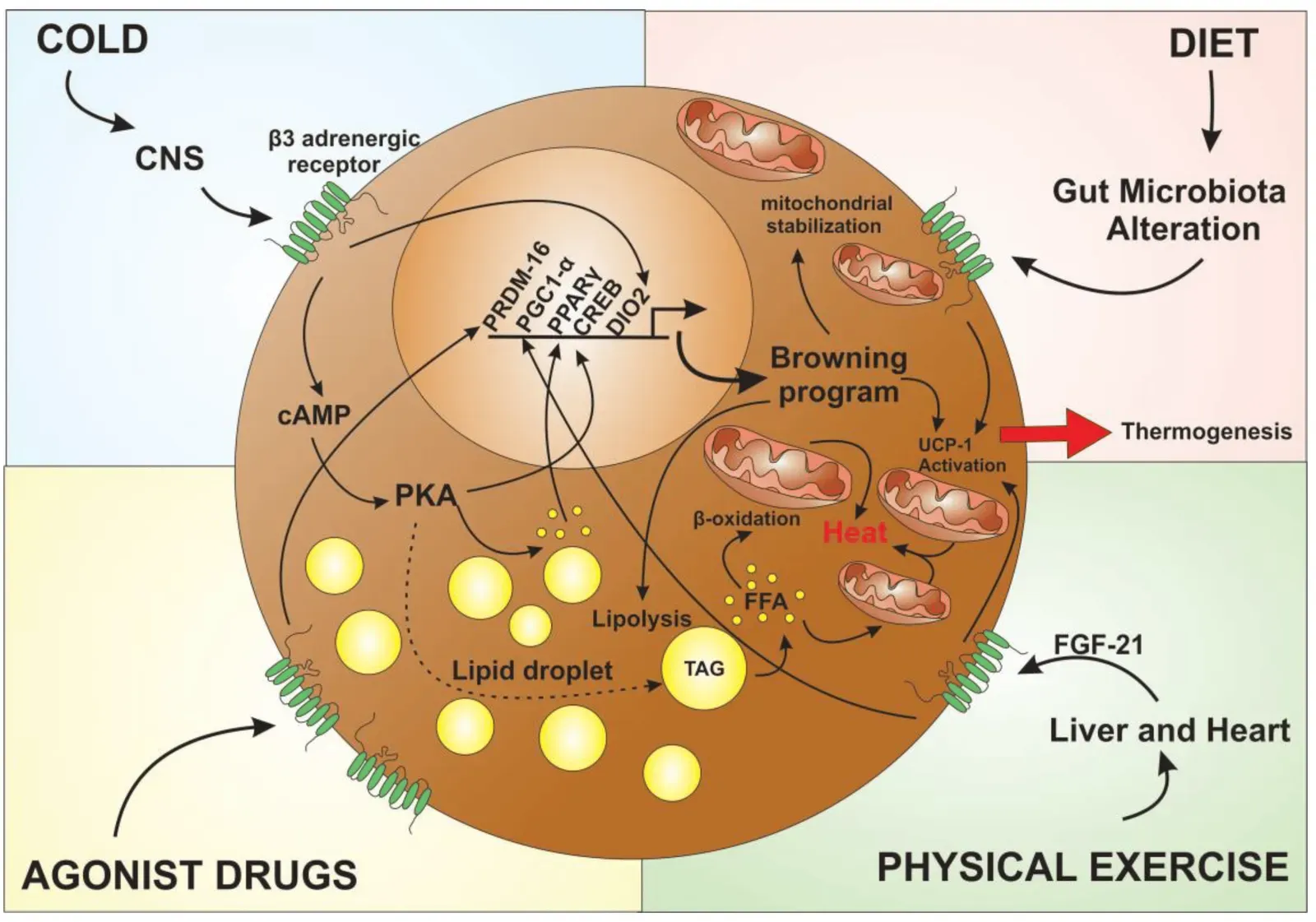
In a world where gaining weight is often frighteningly easy, a tiny number of people are almost incapable of putting on fat. They can eat large, calorie‑dense meals, skip exercise, and yet remain lean to an extent that defies typical equations of diet and activity. Some of them have mutations that supercharge brown adipose tissue, the heat‑producing fat that burns calories rather than storing them. Others show unusually high resting metabolic rates, with bodies that idle like sports cars instead of compact hybrids.
These anomalies are not just curiosities; they expose how incomplete our picture of metabolism really is. Research has linked some cases to variants in genes regulating appetite hormones, fat storage, and mitochondrial energy production. When those dials are set differently from birth, the usual “eat less, move more” advice becomes almost irrelevant, because the baseline machinery is fundamentally changed. Understanding these outliers could pave the way for obesity treatments that do more than nudge behavior – they could effectively reprogram how the body handles energy. At the same time, they remind us that shaming individuals for their weight ignores a deep and often invisible genetic lottery.
Mind Over Matter: Rare Cases of Extreme Memory and Cognitive Outliers
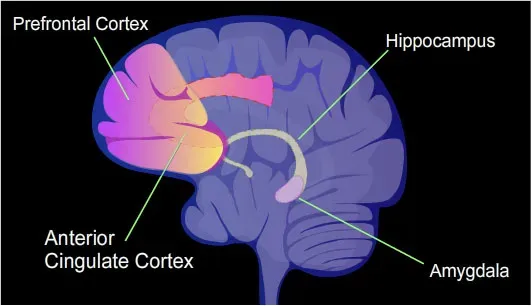
Most of us misplace our keys or forget names; a few people remember almost every day of their lives with eerie clarity. Individuals with highly superior autobiographical memory can recall in detail what they wore, ate, or felt on seemingly any date you name from their past. Brain scans show structures that look broadly typical, but subtle differences appear in regions tied to memory and emotion. Traditional models of memory say our brains are built to forget, yet these people apparently sidestep that rule without major drawbacks in daily life.
On the other side of the cognitive spectrum, there are savant‑like abilities that emerge in narrow domains – lightning‑fast mental arithmetic, instant calendar calculations, or drawing entire cityscapes from memory after a single helicopter ride. Sometimes these skills appear after brain injury or illness, as if damage unmasks hidden circuitry rather than destroying it. Neuroscientists studying such outliers are trying to understand whether everyone carries dormant capacities that strict neural “filters” usually suppress. If that is true, future brain‑computer interfaces or targeted stimulation might one day tap abilities that today show up mostly as anomalies. It is an unsettling thought: what if the ordinary mind is more about protective limits than true potential?
Blood That Breaks the Rules: Weird Types, Golden Blood, and Clotting Anomalies
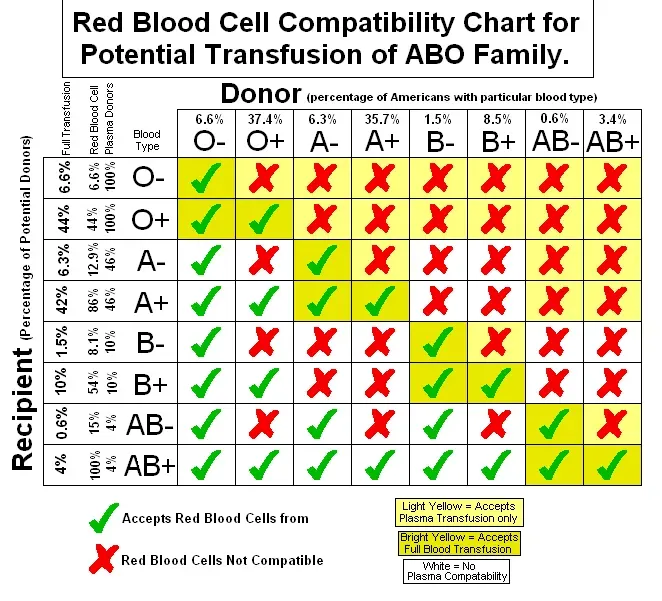
Blood typing seems straightforward until you meet someone whose blood does not fit the standard charts. The Rhesus‑null phenotype, often nicknamed golden blood, is one of the rarest in the world, with only a small number of known donors globally. These individuals completely lack common Rh antigens on their red blood cells, which can make transfusions for them extremely complicated but also makes their blood uniquely valuable. For certain complex cases, their blood can be used as a universal base to help patients with rare Rh profiles.
Beyond typing, some people’s blood behaves oddly once it leaves their veins. There are families whose blood clots too easily, turning minor injuries or long flights into life‑threatening risks of stroke or pulmonary embolism. Others essentially have built‑in anticoagulants, bleeding for long periods from cuts that would seal quickly in most people. Such anomalies have already helped scientists design blood thinners and clot‑controlling drugs that copy or counteract these natural extremes. Every such family turns out to be part of a quiet, global experiment in how far the coagulation system can be stretched without immediate catastrophe.
Why It Matters: Anomalies as Nature’s Secret Research Lab
It is tempting to treat each of these biological oddities as an isolated curiosity, but together they form something like nature’s own research and development division. When a person cannot feel pain, resists a major virus, or ages more slowly, they are living proof that different settings are possible within the human blueprint. Compared with lab experiments on mice or cell cultures, these anomalies show what actually works in full, complex human bodies over decades of real life. That kind of built‑in safety testing is priceless for medicine, because it proves a mechanism is compatible with survival and everyday functioning.
Historically, many of our major advances have come from studying the outliers rather than averaging the norm. Clotting disorders taught us how to prevent strokes and heart attacks; unusual cholesterol patterns gave us the hints that led to statin drugs; rare immune defects revealed crucial pathways that cancer therapies now target. These so‑called exceptions do not break the rules of biology – they reveal where our rules were incomplete. In that sense, ignoring anomalies is more than a missed opportunity; it is like leaving entire chapters of the human instruction manual unread. For a field that claims to be evidence‑driven, medicine is still learning to treat these people not as glitches to be corrected, but as guides to what is possible.
From Case Reports to Big Data: How Science Hunts the Impossible
Not long ago, most of these discoveries started as chance encounters – a puzzled clinician, a strange lab result, and a brief case report tucked away in a medical journal. Many such stories never left the hospital where they were first noticed, lost to time or privacy. Today, international registries, genetic databases, and large‑scale biobanks are transforming that scatter of anecdotes into patterns. When researchers sequence the genomes and follow the health of hundreds of thousands of volunteers, rare variants linked to unusual traits start to stand out from the statistical background noise.
New tools make the hunt far more precise and collaborative. Teams can now cross‑reference electronic medical records, wearable sensor data, and imaging results to spot individuals who react very differently to infections, drugs, or aging. Artificial intelligence systems help flag those outliers faster, sifting through mountains of data for patterns a human analyst might miss. Once candidates are found, labs can recreate their genetic changes in cells or model organisms to test how they reshape biological pathways. In effect, science is moving from stumbling over anomalies by accident to actively prospecting for them, like miners with far better maps.
The Future Landscape: Engineering Anomalies on Purpose
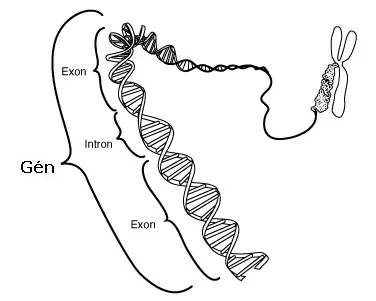
The most provocative question raised by these biological misfits is simple: if chance created them, could we create similar advantages deliberately? Gene‑editing technologies are already being explored to mimic protective mutations like CCR5 variants that confer resistance to HIV. Scientists are also eyeing pathways from pain‑free families and “slow agers” as targets for new drugs or, more controversially, future germline edits. What once seemed like science fiction – building in resistance to certain diseases before birth – is now the subject of real ethical debates in policy rooms and public forums.
But engineering anomalies is not the same as copying them. Biology rarely offers free upgrades; the same mutation that protects against one disease might increase the risk of another, or interact in unexpected ways with different environments and lifestyles. Global inequality adds another layer, since therapies derived from rare biological gifts could easily widen existing health gaps if they are priced or distributed unfairly. At the same time, ignoring the potential of these clues would mean walking away from powerful tools to prevent suffering. Over the next few decades, societies will have to decide not just what we can borrow from these anomalies, but what we should.
Living With a Body That Breaks the Mold
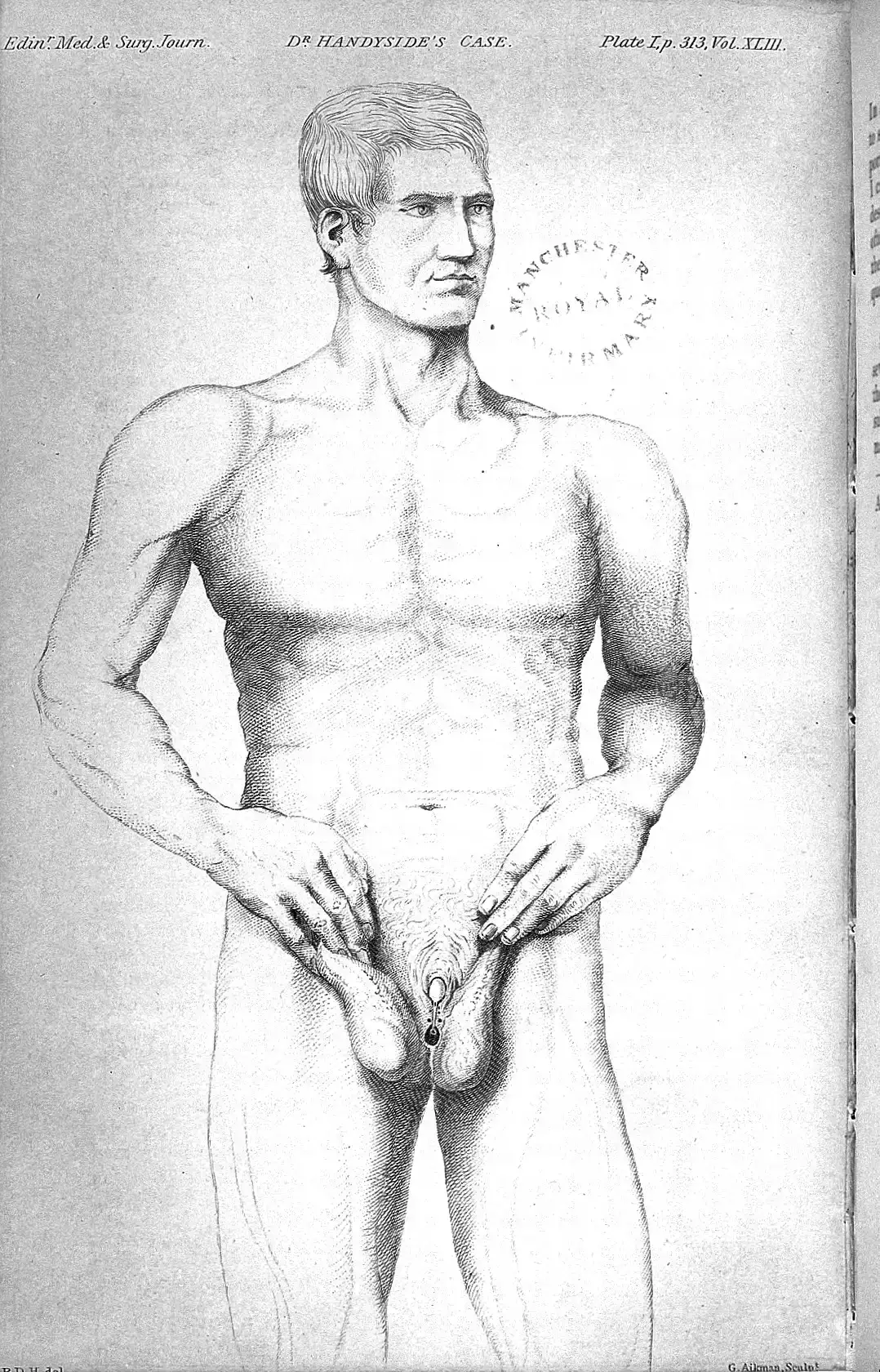
Behind every clinical term and genetic label is a person trying to live an ordinary life with an extraordinary body. A child who does not feel pain has to be watched constantly, their home padded and modified like something between a playground and a clinic. Someone with golden blood can find themselves treated as a rare resource, called on to donate for strangers because almost no one else can. People who age unusually slowly, or resist infections most others catch, may face skepticism or even unwanted attention when their medical records do not match expectations.
There is also the emotional toll of being treated as a research subject first and a person second. While many volunteer willingly, hoping their condition might help others, they still shoulder the stress of endless tests, travel to distant clinics, and invasive procedures. Not everyone wants their anomaly turned into a headline, no matter how scientifically valuable it may be. For them, privacy and normalcy can matter more than breakthroughs. Any future built on studying these exceptional bodies will have to respect that reality, balancing curiosity with consent and care.
How You Can Engage With the Science of Anomalies
You do not need a rare condition to be part of this unfolding story. Many of the large biobanks and long‑term health studies that uncover biological outliers rely on ordinary volunteers who share samples, answer questionnaires, or wear devices that track sleep, movement, and heart rate. If you are eligible and comfortable, enrolling in reputable research programs through hospitals or universities can quietly support discoveries that may one day help people with extreme traits. Even simple acts, like donating blood regularly, can make it easier to identify and support those with unusual blood types when emergencies strike.
On a more personal level, paying attention to your own body’s quirks – how you respond to medications, infections, or exercise – can make you a better partner in your healthcare. If something seems dramatically different from friends or family, bringing it up with a clinician instead of dismissing it might, in rare cases, add a new piece to the scientific puzzle. Staying curious, supporting ethical medical research, and resisting stigma toward those whose biology does not fit the norm are small but meaningful steps. After all, today’s baffling anomaly could become tomorrow’s life‑saving insight, and our willingness to engage helps determine how quickly that transformation happens.
Suhail Ahmed is a passionate digital professional and nature enthusiast with over 8 years of experience in content strategy, SEO, web development, and digital operations. Alongside his freelance journey, Suhail actively contributes to nature and wildlife platforms like Discover Wildlife, where he channels his curiosity for the planet into engaging, educational storytelling.
With a strong background in managing digital ecosystems — from ecommerce stores and WordPress websites to social media and automation — Suhail merges technical precision with creative insight. His content reflects a rare balance: SEO-friendly yet deeply human, data-informed yet emotionally resonant.
Driven by a love for discovery and storytelling, Suhail believes in using digital platforms to amplify causes that matter — especially those protecting Earth’s biodiversity and inspiring sustainable living. Whether he’s managing online projects or crafting wildlife content, his goal remains the same: to inform, inspire, and leave a positive digital footprint.