
When you think of cities, images of towering skyscrapers, bustling streets, and sprawling urban landscapes come to mind. Yet, amidst the concrete jungles, animals have found unique ways to adapt and thrive. While some may find it surprising, the adaptability of these creatures is nothing short of remarkable. Here, we delve into 12 unexpected ways animals have adapted to city life, revealing the resilience and ingenuity of urban wildlife.
Pigeons: Masters of Navigation in Urban Skies
Pigeons are perhaps the most ubiquitous city dwellers, often seen fluttering around public squares and perching on ledges. But their urban adaptation goes beyond mere presence. These birds have honed their navigational skills to perfection, using the city’s magnetic field and landmarks to find their way. Their ability to recognize human faces and remember feeding spots is astounding. Pigeons have also adapted to the varied diet offered by city life, thriving on discarded food and seeds. Their resilience is a testament to their adaptability, making them true masters of the urban skies.
Raccoons: The Nighttime Foragers
Raccoons have become synonymous with urban life, often seen rummaging through trash bins under the cover of darkness. These nocturnal creatures have adapted remarkably well to city environments, developing keen problem-solving abilities. Their dexterous paws allow them to open containers and access food sources that many other animals cannot. The abundance of food waste in cities serves as a banquet for these resourceful animals. Their adaptability extends to nesting, as raccoons have learned to make homes in attics, chimneys, and abandoned buildings, thriving in the heart of urban areas.
Foxes: Urban Survivors with a Keen Sense
Foxes are increasingly common in urban areas, displaying incredible adaptability. These cunning animals have evolved to be less wary of humans, allowing them to venture closer to populated areas in search of food. Foxes have honed their sense of smell and hearing to detect the faintest sounds, helping them locate food sources in bustling streets. Their diet has diversified, as they consume everything from small mammals to discarded fast food. Foxes have also learned to navigate busy roads and adapt to artificial lighting, making them true urban survivors.
Squirrels: Agile Navigators of Urban Landscapes
Squirrels are a familiar sight in city parks and tree-lined streets, showcasing their remarkable agility and adaptability. These nimble creatures have developed the ability to leap between trees and buildings with precision, using power lines as makeshift highways. Their diet has expanded to include urban food sources, such as nuts, seeds, and even discarded human food. Squirrels have also adapted their nesting habits, building dreys in trees and even utilizing man-made structures for shelter. Their presence adds a touch of nature to urban environments, reflecting their ability to thrive amidst concrete landscapes.
Urban Coyotes: Adaptation in the Heart of the City
Coyotes, once considered creatures of the wild, have made their way into the heart of cities, adapting with surprising ease. These intelligent animals have learned to navigate urban landscapes, using alleyways and parks to move stealthily. Their diet has diversified to include small mammals, birds, and even fruits from city gardens. Coyotes have also developed a tolerance for human presence, often seen during dawn or dusk when streets are quieter. Their adaptability to urban environments serves as a reminder of nature’s resilience and the unexpected ways wildlife can thrive in cities.
House Sparrows: Urban Songbirds with a Twist
House sparrows are charming residents of urban landscapes, their cheerful chirping adding a touch of nature to city life. These small birds have adapted to the urban environment by nesting in buildings, under eaves, and even in traffic lights. Their diet has evolved to include seeds, crumbs, and insects found in city parks and streets. House sparrows have developed a keen awareness of their surroundings, allowing them to avoid hazards like traffic and predators. Their adaptability and resilience make them a beloved presence in urban areas, showcasing the harmony between nature and city life.
Rats: The Ultimate Urban Survivors
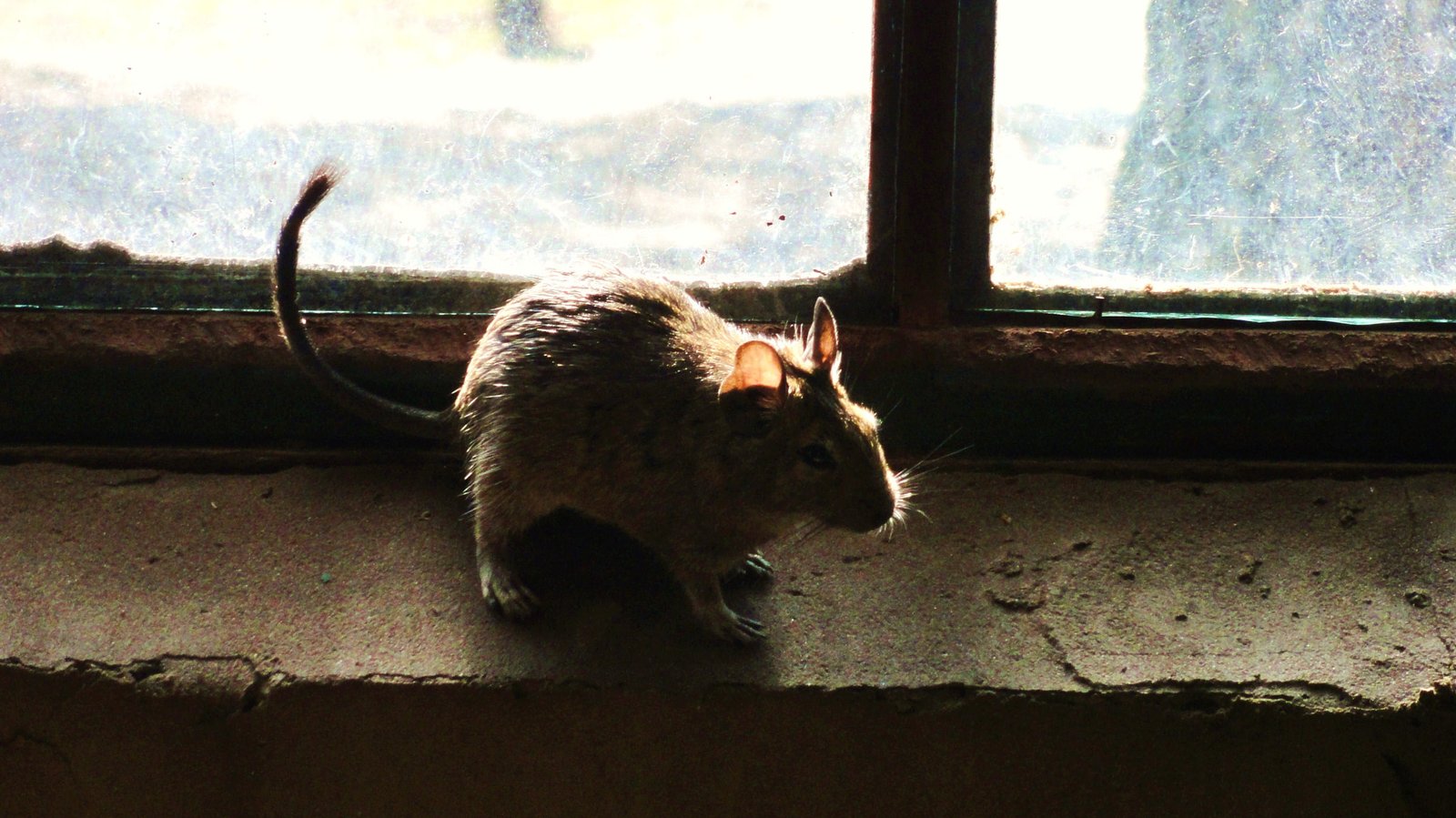
Rats are often viewed as pests, yet they are among the most adaptable creatures in urban settings. These rodents have evolved to thrive in city environments, taking advantage of the abundance of food waste and shelter in sewers, basements, and alleyways. Rats have developed remarkable problem-solving skills, allowing them to access food sources and avoid traps. Their ability to reproduce quickly ensures their survival, even in challenging conditions. While they may be unwelcome guests, rats demonstrate the tenacity and resourcefulness required to adapt to urban life.
Hawks: Skyward Hunters in Cityscapes
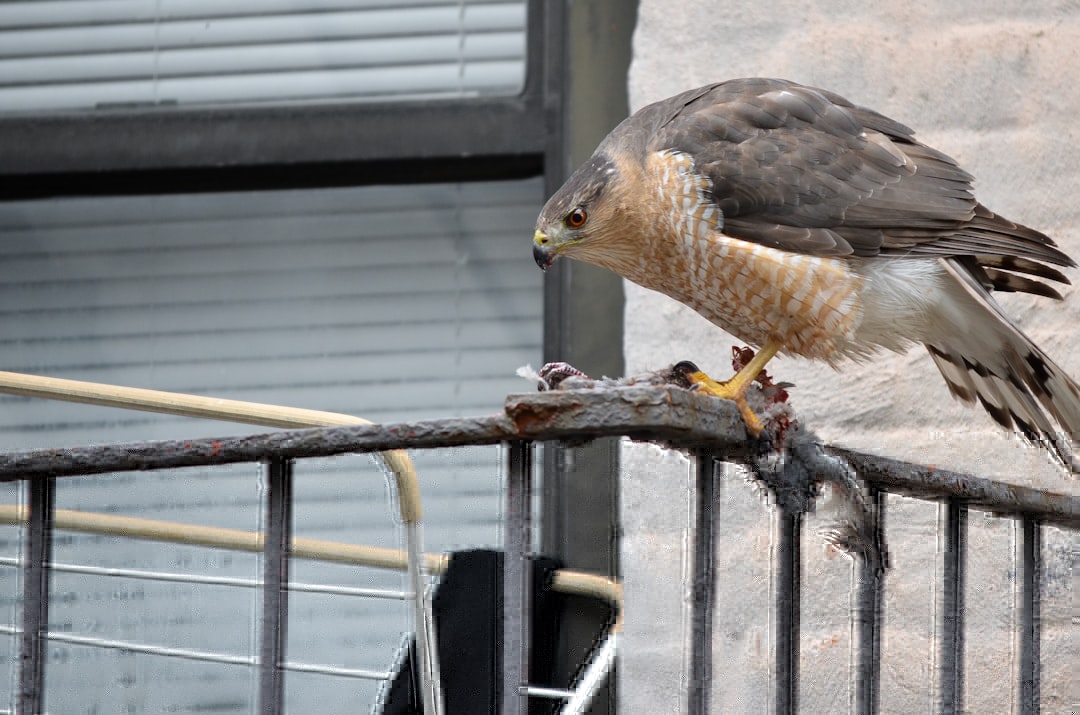
Hawks, once considered creatures of the wild, have taken to the skies of urban areas with remarkable success. These majestic birds of prey have adapted to city life by using tall buildings as perches to survey their surroundings. Their keen eyesight allows them to spot prey, such as pigeons and rodents, among the urban sprawl. Hawks have also learned to navigate bustling environments, avoiding collisions with buildings and vehicles. Their presence in cities serves as a reminder of the intricate balance between nature and urbanization, highlighting the adaptability of wildlife.
Opossums: Nighttime Wanderers of the Urban Jungle
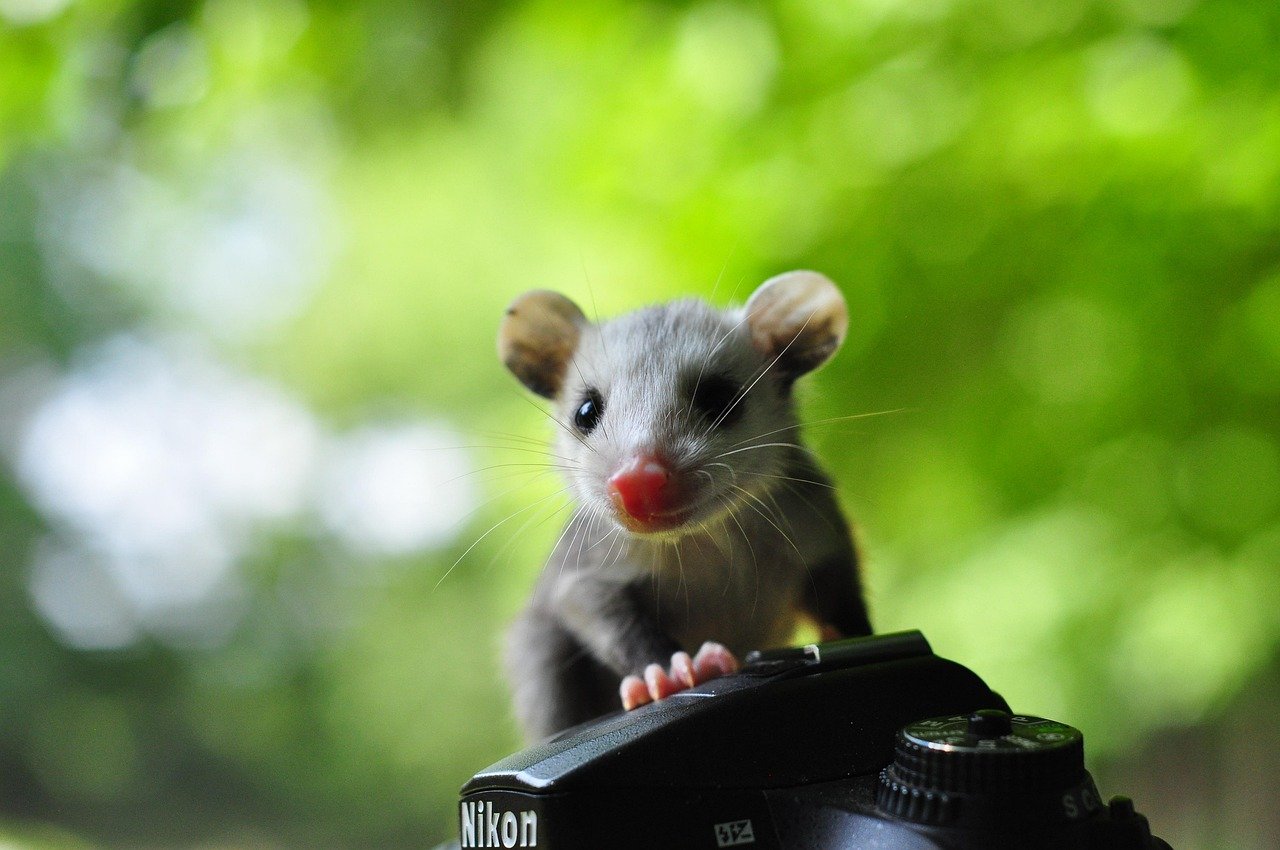
Opossums have become unexpected residents of urban areas, their nocturnal habits allowing them to thrive in city environments. These marsupials have adapted their diet to include fruits, insects, and even carrion found in urban settings. Opossums have developed a unique defense mechanism, playing dead when threatened, which helps them avoid predators in the city. Their ability to adapt to various habitats, including attics and under decks, showcases their resilience and resourcefulness. Opossums add a touch of mystery to city life, embodying the unexpected ways animals can adapt.
Ants: Tiny Architects of Urban Ecosystems
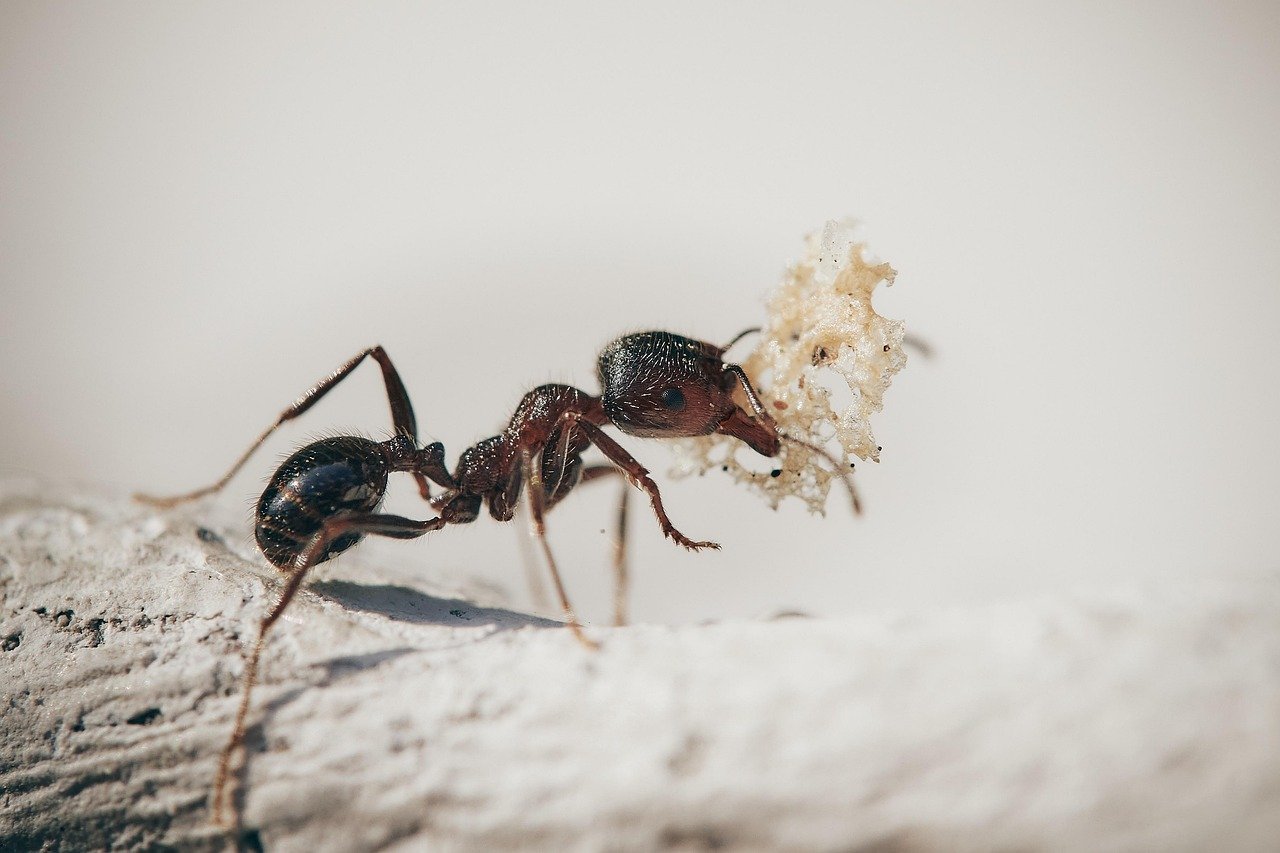
Ants may be small, but they play a significant role in urban ecosystems. These industrious insects have adapted to city life by establishing colonies in cracks, gardens, and even inside buildings. Their diet has diversified to include crumbs, sugars, and other food sources found in urban environments. Ants contribute to the city’s ecology by aerating soil, dispersing seeds, and controlling pest populations. Their adaptability and organizational skills make them fascinating inhabitants of the urban landscape, demonstrating the intricate web of life that exists within cities.
Feral Cats: Independent Residents of Urban Areas

Feral cats have made urban landscapes their home, displaying remarkable independence and adaptability. These cats have learned to navigate busy streets and find shelter in abandoned buildings, alleys, and parks. Their diet consists of small mammals, birds, and discarded food, allowing them to thrive in city environments. Feral cats have developed keen hunting skills and an awareness of their surroundings to avoid dangers. While they may be elusive, their presence in urban areas illustrates the resilience and adaptability of animals in the face of urbanization.
Bees: Pollinators in the Concrete Jungle
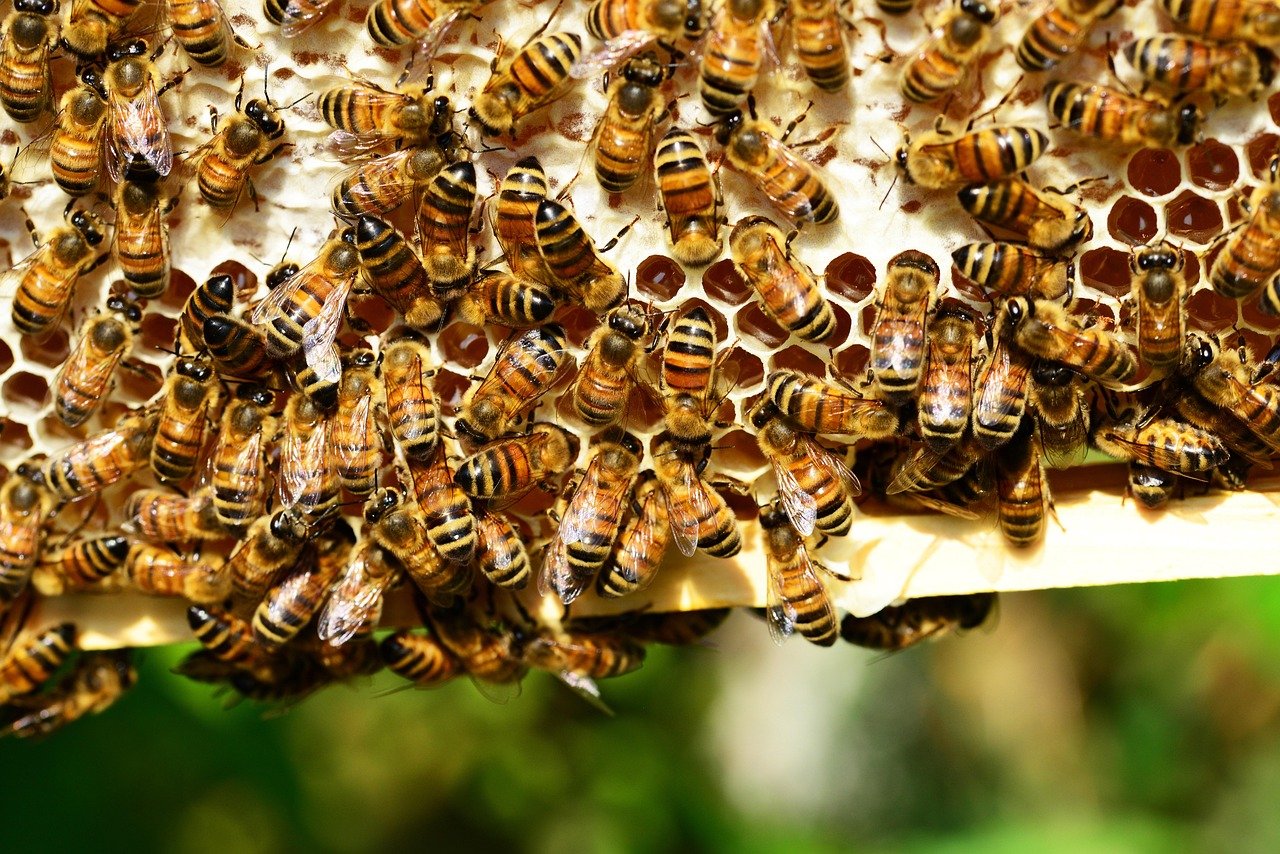
Bees are vital pollinators, and their presence in cities is a testament to their adaptability. These industrious insects have found refuge in urban gardens, parks, and green rooftops, where they continue their essential role in pollination. Bees have adapted to the diverse flora found in city environments, ensuring the survival of plants and contributing to urban biodiversity. Their ability to thrive amidst the concrete jungle highlights the importance of green spaces in cities and the delicate balance between nature and urbanization. As pollinators, bees play a crucial role in maintaining the vitality of urban ecosystems.
The adaptability of animals in urban environments is a testament to nature’s resilience and ingenuity. From pigeons mastering navigation to bees pollinating amidst skyscrapers, these creatures have found unique ways to thrive in cityscapes. Their presence serves as a reminder of the intricate relationship between humans and wildlife, highlighting the need for coexistence and conservation efforts in urban areas.