
Winter flips a switch across American landscapes, revealing dramas that summer foliage hides. From whales calving in warm Atlantic eddies to bats tucked in frigid caves, animals are making high-stakes choices you can track in real time. Scientists follow with drones, acoustic arrays, GPS collars, and clever models that turn fleeting sightings into hard data. This season brings both marvel and urgency: warming seas, snowpack swings, and shifting food webs are rewriting old rules. Here are the standout stories – and the science decoding them.
The Hidden Clues: North Atlantic Right Whales on the Move
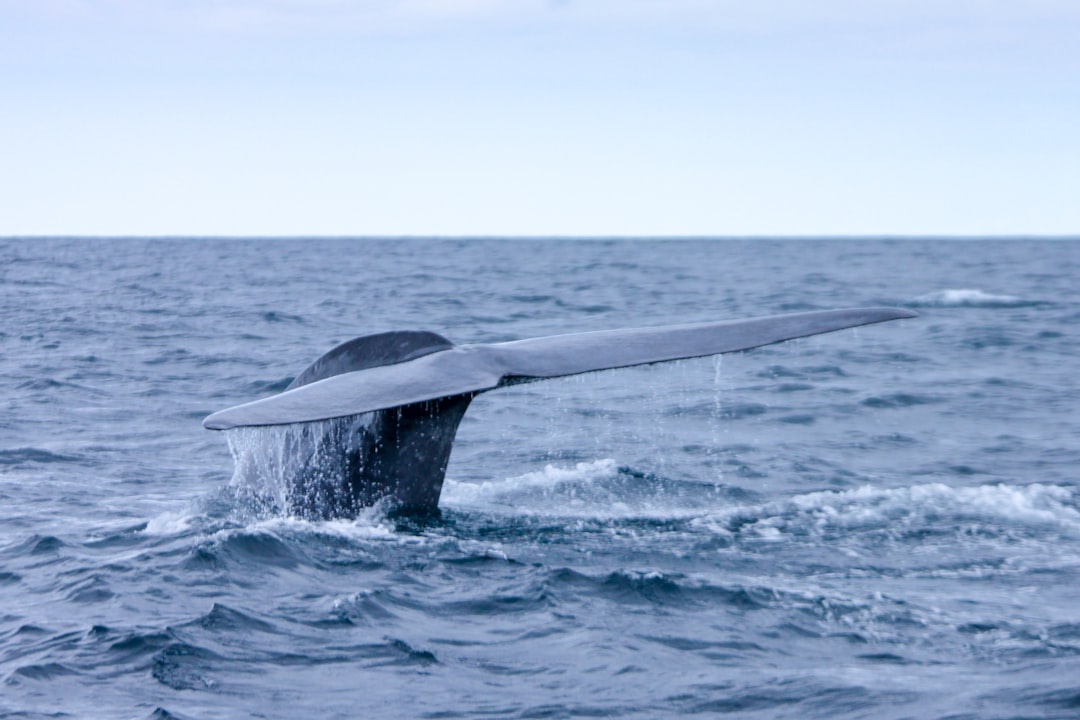
As the calendar leans into December, critically endangered North Atlantic right whales surf the Gulf Stream’s edge toward calving grounds off Georgia and Florida. Survey planes, hydrophones, and thermal drones scan for mothers with newborns, translating faint blows and dark shapes into life-or-death tallies. Scientists watch weather windows and shipping lanes because a single collision can erase years of progress.
Acoustic buoys listen for the whales’ low calls and can trigger slow-speed advisories for ships, a real-time safety net when fog or darkness hides spouts. Photo-identification catalogs let researchers recognize individual mothers returning after years away. The plot twist to watch is whether winter temperatures and prey shifts alter timing, nudging whales earlier, later, or somewhere new.
Ice-Edge Travelers: Gray Whales Slide South Along the Pacific
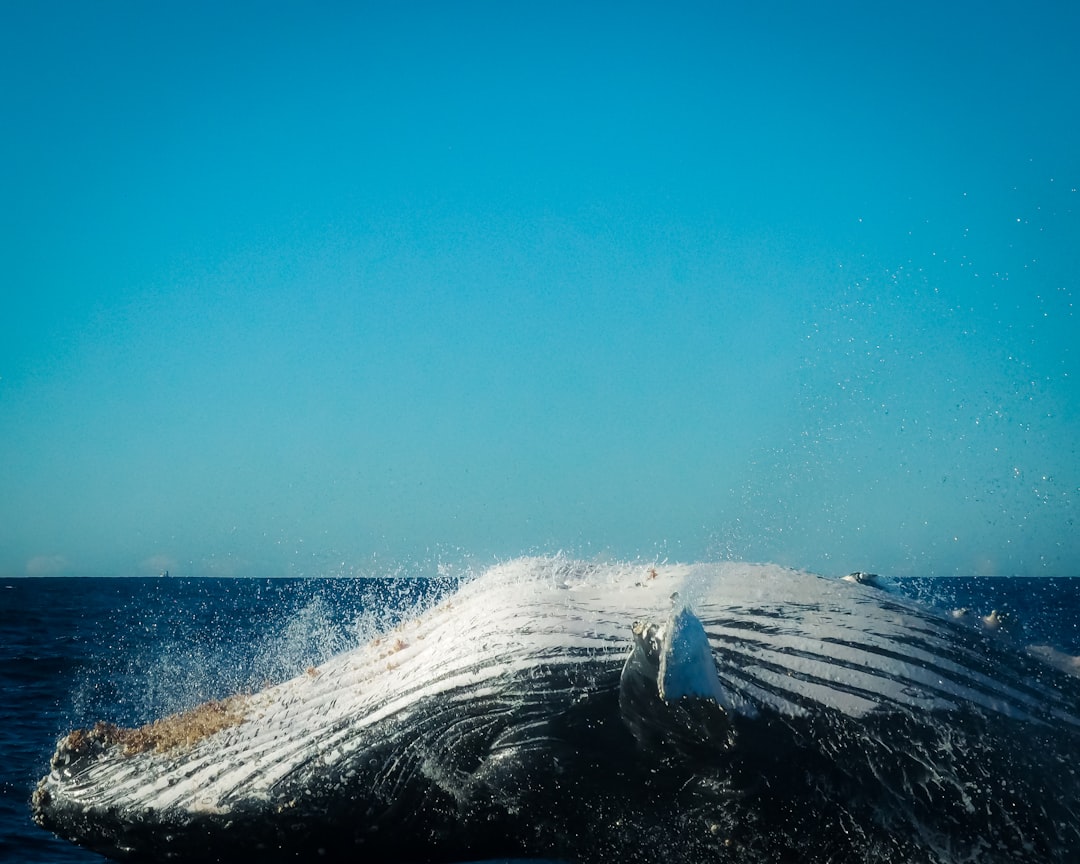
Along the West Coast, gray whales trace a 10,000-mile conveyor belt from Arctic feeding grounds to Baja’s nursery lagoons. Shore lookouts from Washington headlands to Big Sur count silhouettes against stormy horizons, while small aircraft and drones assess body condition with astonishing precision. The concern this winter is whether summer feeding paid off or left whales thin.
Photogrammetry turns a whale’s dorsal profile into a body-mass estimate, a surprisingly sensitive indicator of food access in the north. Strandings, when they happen, become forensic puzzles that guide management. Keep an eye on nearshore sightings too; hungry whales often probe kelp beds and sandy swales for crustaceans when offshore prey runs lean.
Orange Forests by the Sea: Western Monarchs Choose Their Winter Groves
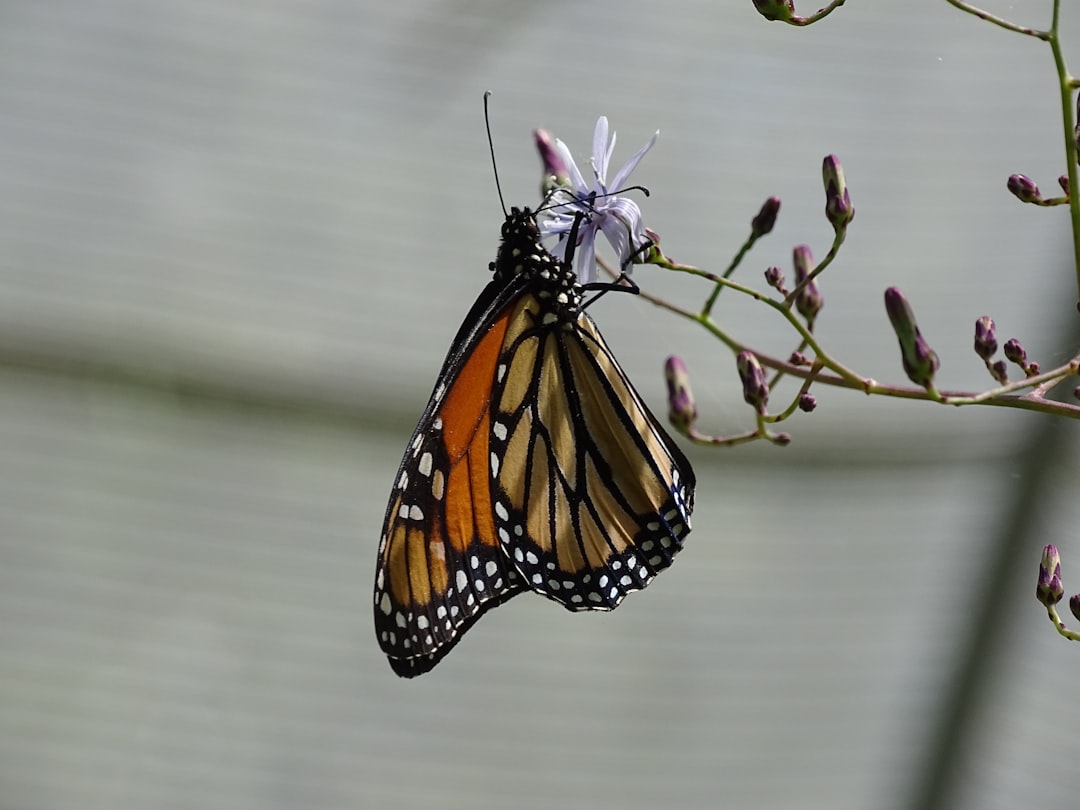
On cold coastal mornings, butterflies the color of embers shiver awake in California’s cypress and eucalyptus windbreaks. Western monarch numbers can swing wildly from one winter to the next, so volunteers and scientists fan out to count clusters at dawn. These counts ground public debates about habitat priorities and climate resilience.
Microclimate rules the show: groves that dampen wind and hold just enough warmth keep monarchs from burning precious calories. Nectar nearby matters too, as warm spells lure butterflies into risky flights. Watch for conservation crews tweaking canopy density and understory plants, essentially gardening the air to keep monarchs safe.
Ghosts on the Wind: Will Snowy Owls Irrupt Again?
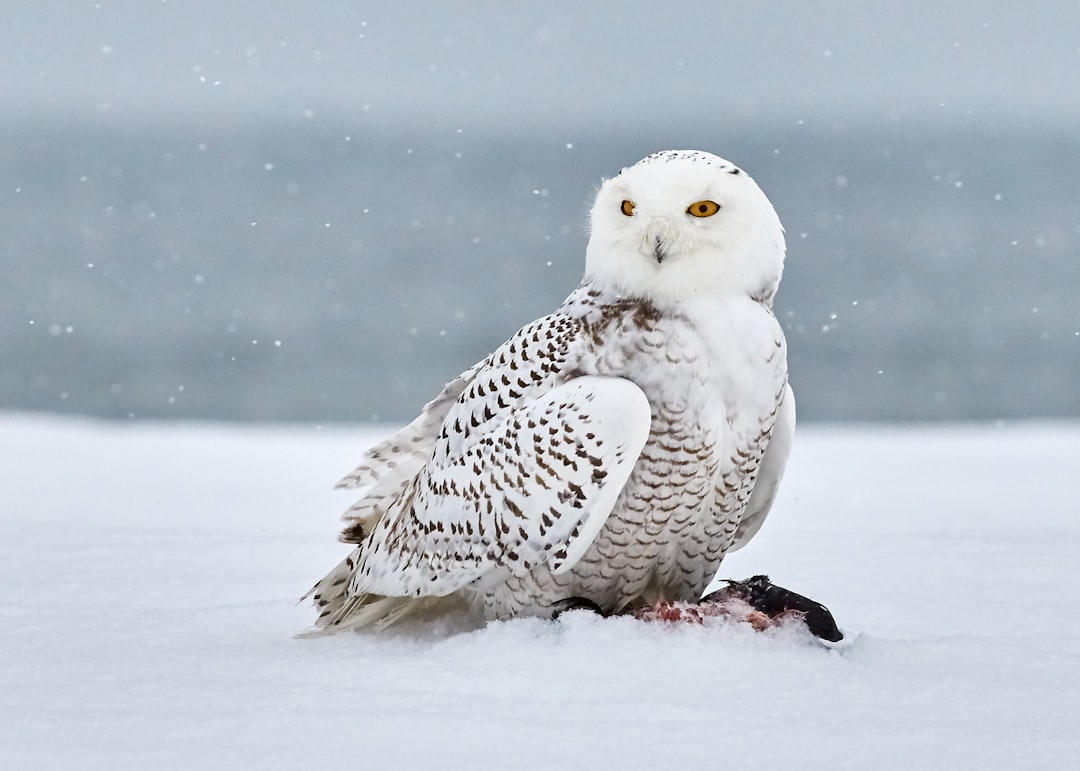
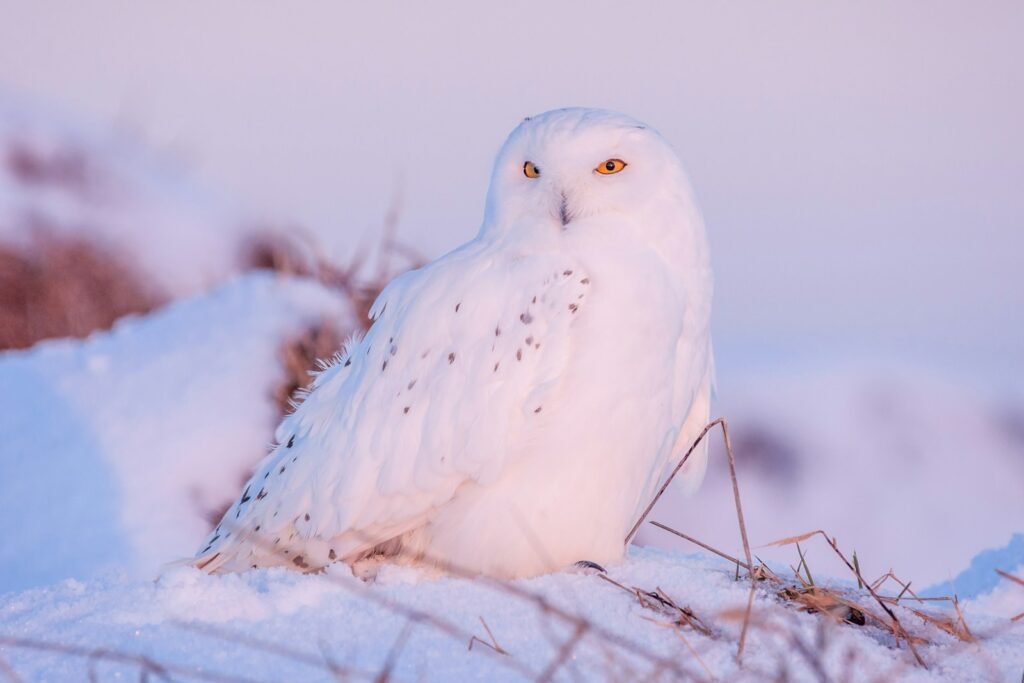
Some winters, white-winged phantoms bolt from the Arctic and perch on Midwest farm posts and New England dunes. These irruptions often track boom-and-bust lemming cycles, but air currents and snow cover can amplify or mute the surge. Birders scan airports and breakwaters, and researchers log every sighting into national databases.
Satellite tags reveal how young owls map an unfamiliar continent, learning the difference between a safe marsh and a hazardous runway. Feather chemistry offers another clue, tracing diet histories written in isotopes. If storms deliver crusted snow that seals rodents underground, expect owls to wander farther in search of easier hunting.
Warm Springs, Cold Stakes: Florida Manatees Seek Refuge
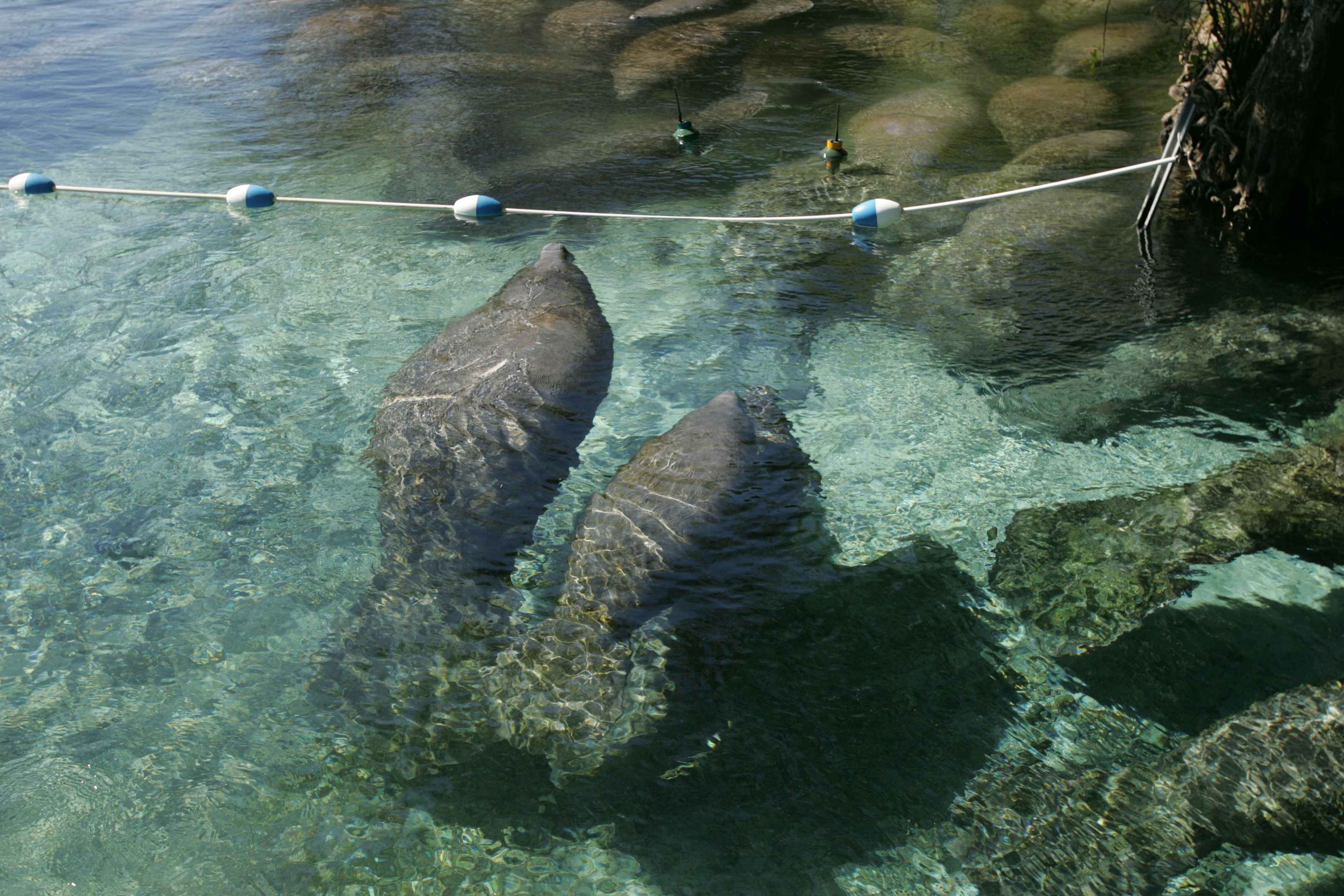
When Florida waters dip, manatees funnel into warm springs and power-plant outflows, turning clear rivers into gentle traffic jams. Rangers and biologists monitor crowding, boat speeds, and food supply, especially where seagrass loss has pinched foraging. The winter question is whether restored meadows can keep pace with hungry grazers.
Thermal cameras and aerial surveys track congregations without disturbing them, while tagged individuals hint at route loyalty and risk hotspots. Rescue teams stand ready when sudden cold snaps trigger lethargy and strandings. Watch for signs of recovery at key springs, where improved water clarity can unlock a cascade of life.
Silent Caves, Big Questions: Bats and the Battle Against White-Nose Syndrome
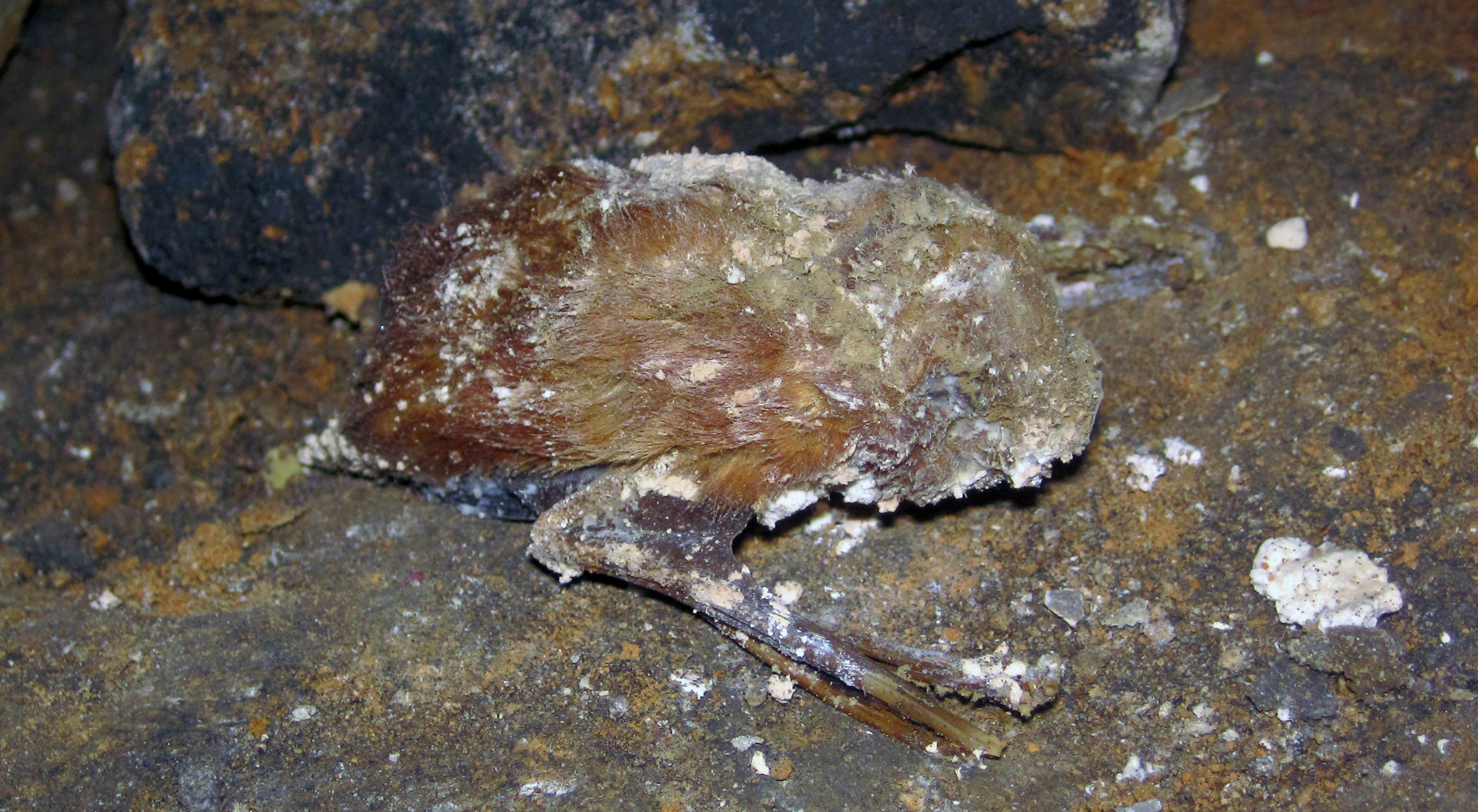
Far underground, hibernating bats fight a quiet war against a cold-loving fungus that saps fat reserves. Wildlife teams measure temperatures, humidity, and bat arousals, looking for caves where survival curves finally bend upward. Winter checks are surgical: quick counts, minimal disturbance, maximum data.
Researchers are testing probiotic rinses, environmental treatments, and vaccine-style approaches that prime bat immunity. Genetic studies search for hardy lineages that might anchor long-term recovery. If some colonies hold steady through late winter, it could signal strategies worth scaling across the range.
Steel and Silver: Winter Steelhead Push Into Pacific Northwest Rivers
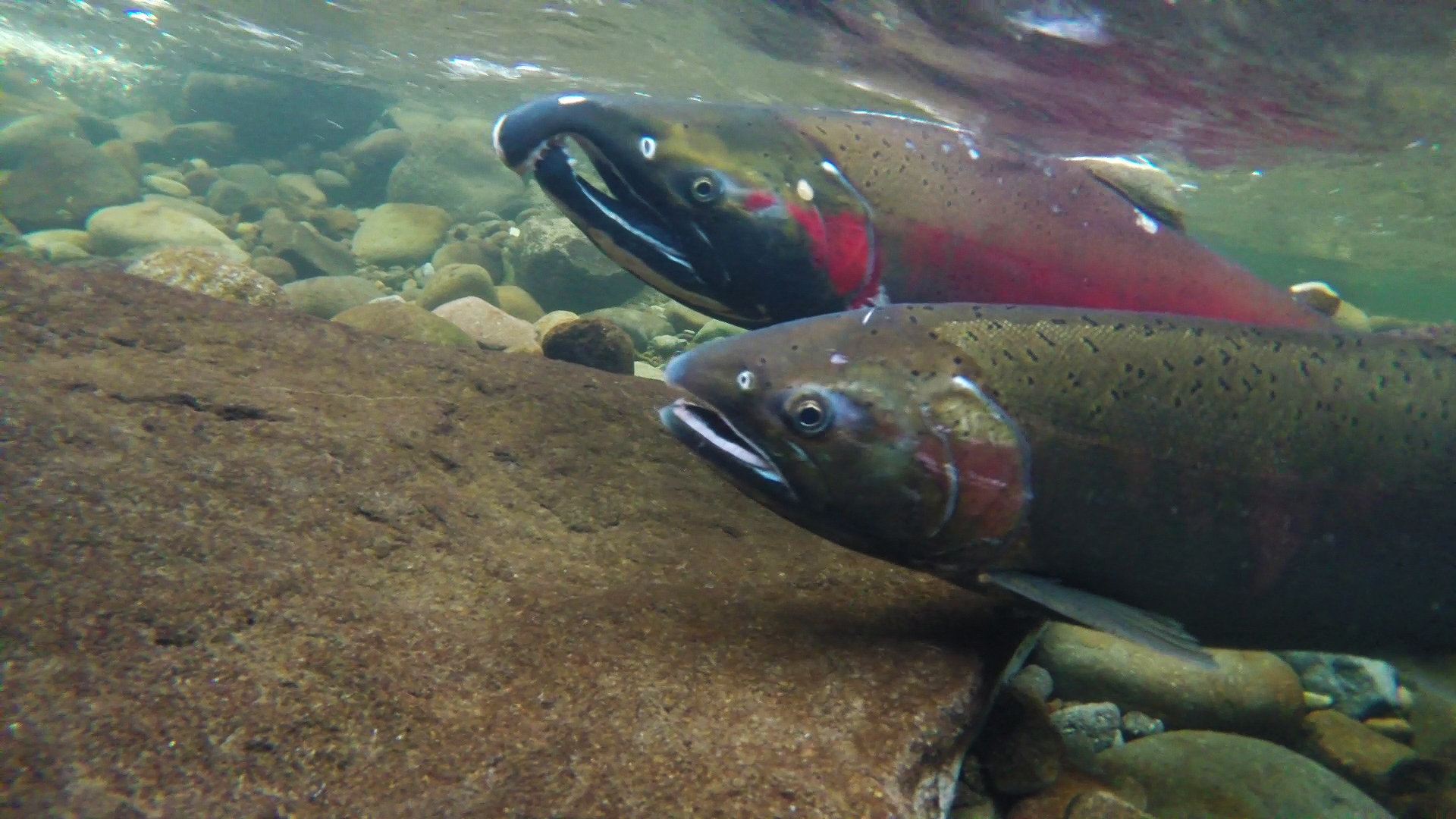
Rain-etched rivers from Northern California to Washington light up with winter steelhead, those sea-run rainbows built for cold currents. Biologists read hydrographs like sheet music, knowing a well-timed pulse of flow can unlock upstream movement. PIT tags and sonar stations turn murky water into crisp passage counts.
Hatchery and wild fish mingle on the same stage, so managers tweak release timing and harvest rules to protect native genetics. Landslides or blown-out culverts can sever access overnight, making storm response a conservation act. Keep watch on river gauges; a single atmospheric river can redraw the season’s migration map.
Sandy Nurseries in the Snow: Gray Seals Claim Cape Cod Beaches
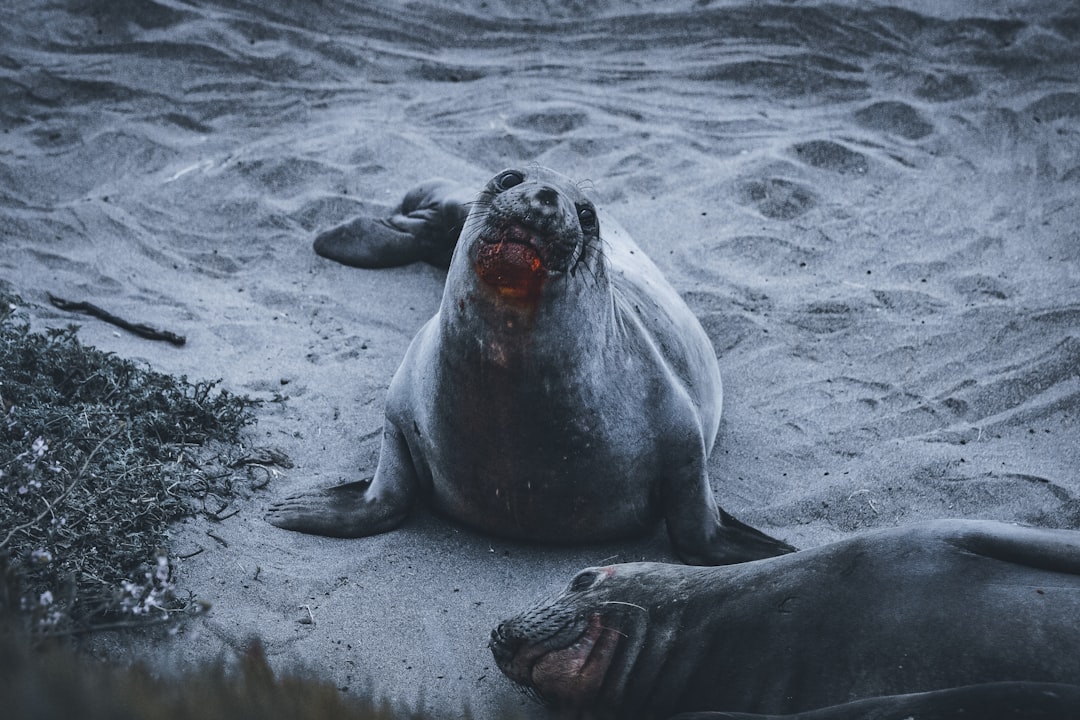
While beach towns hunker down, gray seals turn wintry Cape Cod into a maternity ward. Researchers log mothers, pups, and tide conditions, mapping which sandbars survive nor’easter bite. Shoreline etiquette matters here: distance and dogs under control keep fragile pups safe.
Long-term photo-ID reveals site fidelity and hints at how crowding shifts rookery boundaries. Carcasses, when found, are sampled to track disease and toxins that could ripple up the food web. The tale to watch is whether storm-driven reshaping of dunes relocates nurseries yet again.
Tide-Line Survivors: Cold-Stunned Sea Turtles in the Northeast and Gulf
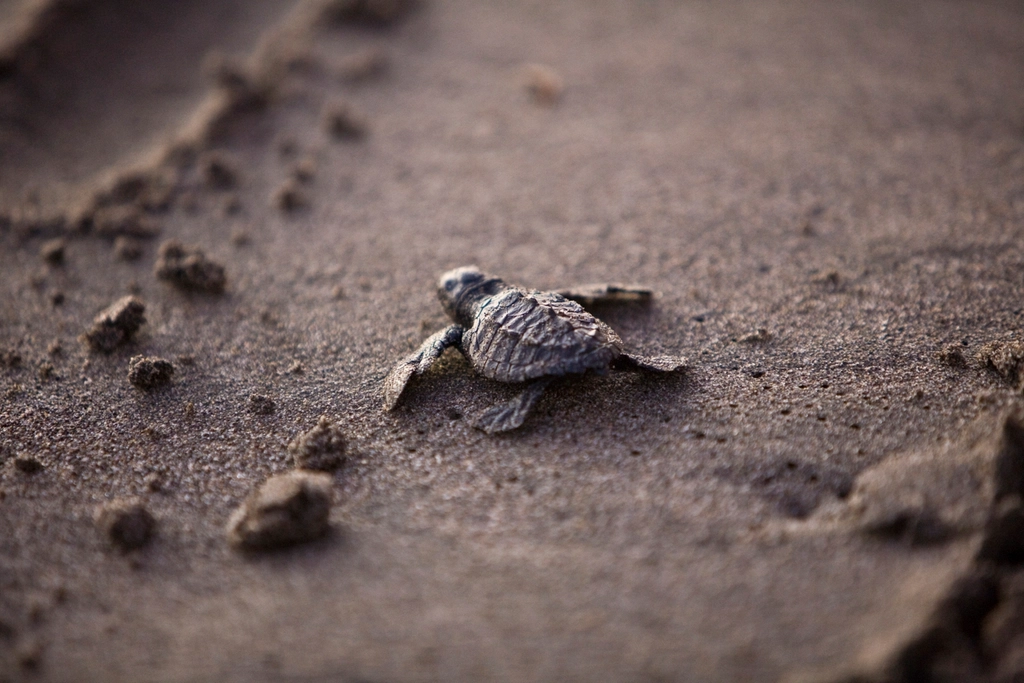
When sudden cold slams shallow bays, young Kemp’s ridleys and green turtles can go into shock and wash ashore like smooth stones. Volunteers walk beaches at first light, turning rescues into a relay of data and care. Rehabilitation centers then triage, warm, feed, and eventually release recovered turtles when waters rebound.
Drift models help predict where stunned turtles will land, pairing wind patterns with bay geometry. Tagging lets teams confirm survival and map post-release routes. A warmer fall followed by a sharp cold snap is the setup to watch this season.
Why It Matters: The Winter Window That Reveals Ecosystems
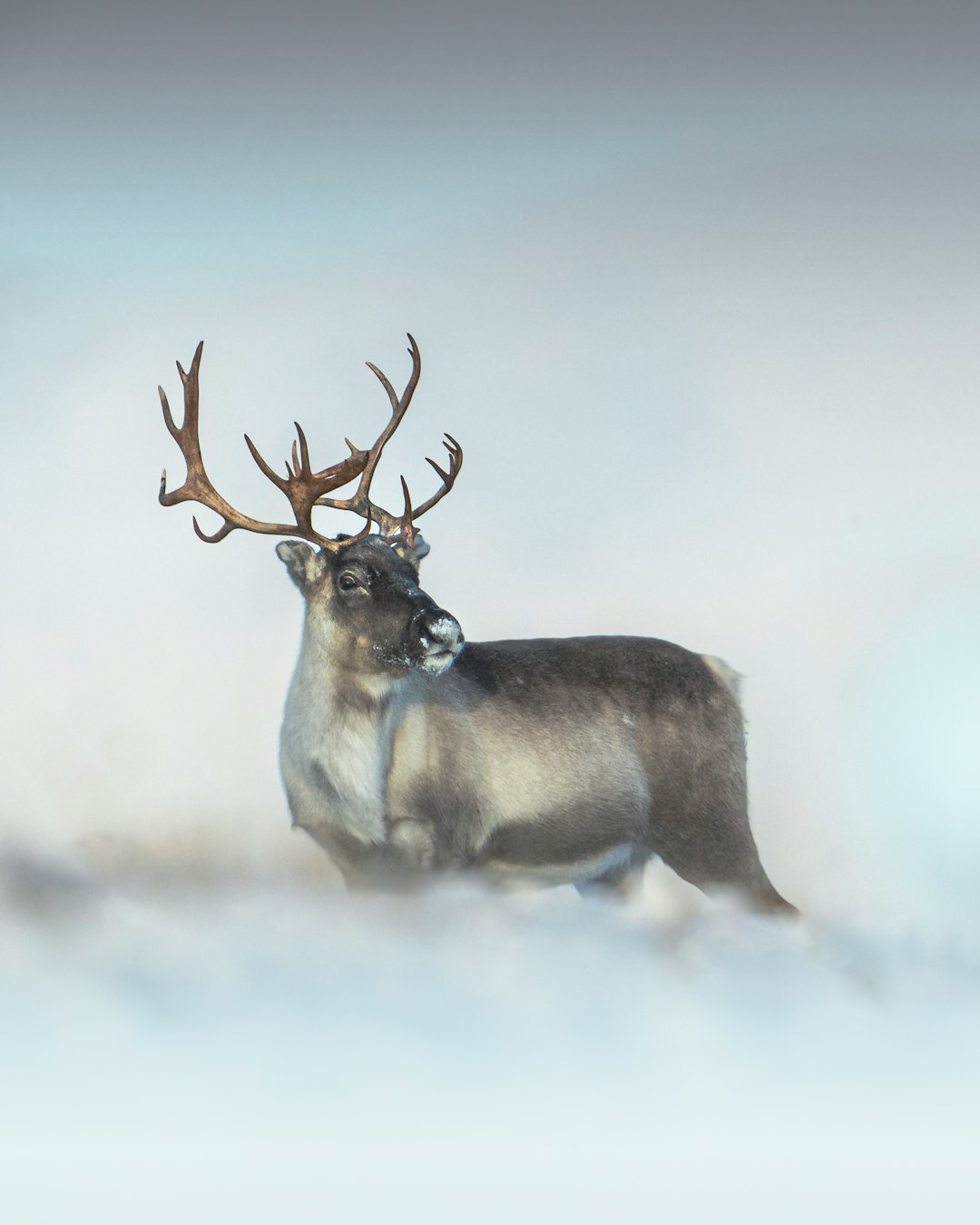
Winter is a stress test that strips nature to essentials, making patterns easier to see and science faster to act. Cold limits energy, so choices about where to rest, feed, or breed pop from the background like ink on snow. That clarity turns scattered sightings into powerful indicators.
Compared with summer surveys, winter monitoring often yields cleaner signals about habitat quality, connectivity, and risk. It shows us which protections work when conditions are toughest, not just when life is easy. In a changing climate, this window is less a postcard and more a dashboard.
Global Perspectives: What U.S. Wildlife Reveals About a Connected Planet
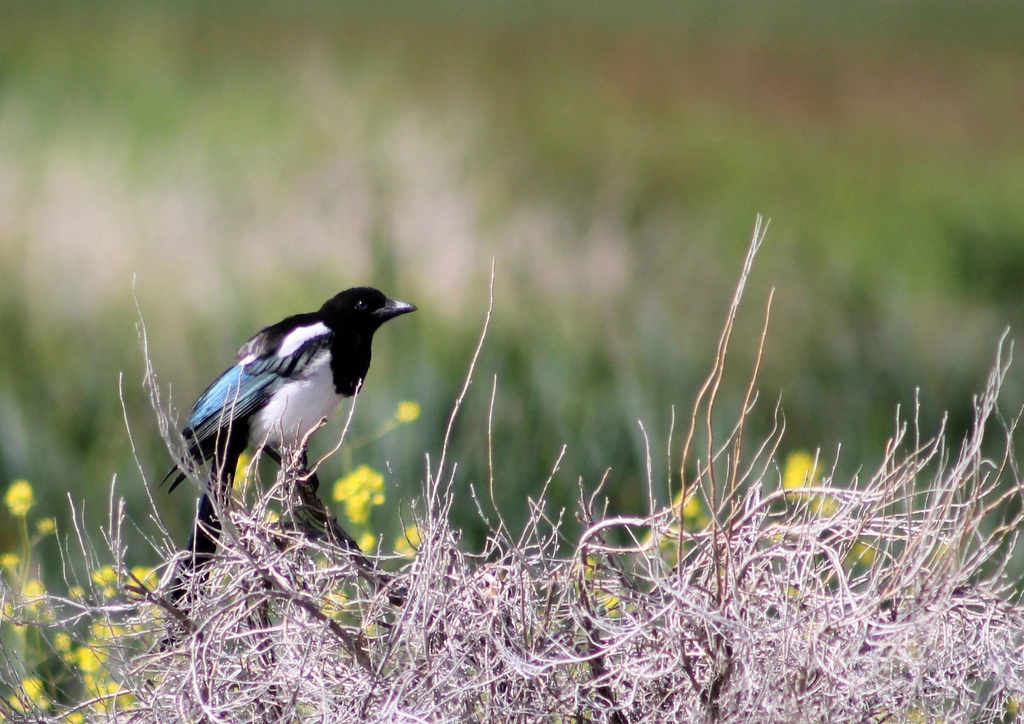
Nearly every story on this list crosses borders, and winter makes those connections obvious. Monarchs, whales, seals, and turtles rely on routes and refuges that stretch across states and oceans. Decisions in one jurisdiction can ripple along entire flyways and coastlines.
That reality nudges collaboration among agencies, tribes, fishermen, farmers, and citizen scientists. Data portals and shared protocols mean a sighting in Oregon can inform choices in Mexico days later. Watching winter in the U.S. is, in truth, watching a larger world breathe.
The Future Landscape: Tech, Climate Whiplash, and the Next Five Years

Expect more tools that see without touching: lighter drones, quieter hydrophones, and AI that sorts calls and images in minutes. Portable environmental DNA kits are moving from labs to field packs, turning a liter of water into a species checklist. These advances will make mid-storm decisions safer and smarter.
But the forecast isn’t just gadgets; it’s volatility. Climate whiplash – warm spells, sudden freezes, rain-on-snow – will scramble timing and test old models. The frontier is forecasting wildlife the way we forecast weather, so response teams are already in position when nature blinks.
How You Can Help This Winter
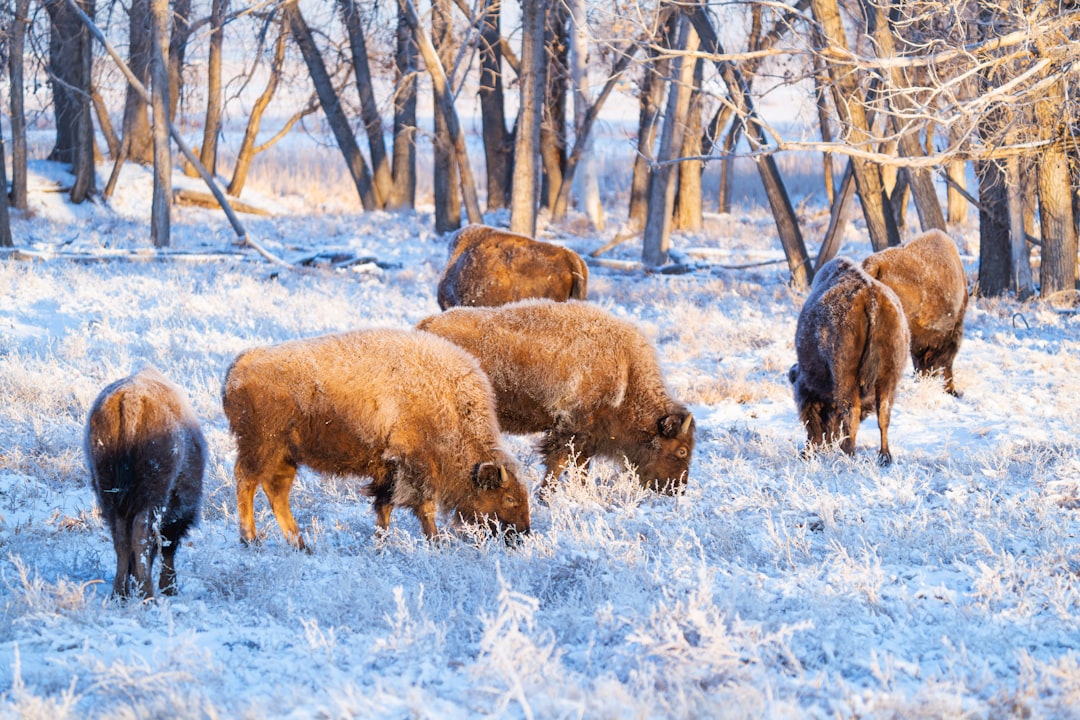
Keep distance from resting wildlife, whether it’s an owl on a dune fence or a seal on a sandbar, and report distressed animals to local responders. Slow your boat near warm-water refuges and spring outflows where manatees cluster. Flip off shoreline lights during turtle-sensitive periods and pack out fishing line that can ensnare birds and mammals.
Join a community science project that matches your backyard – whale counts, owl surveys, monarch monitoring, or bat acoustic listening. Small actions, logged consistently, turn into maps and models that save lives when the next storm arrives. Which story will you help tell this winter?
Suhail Ahmed is a passionate digital professional and nature enthusiast with over 8 years of experience in content strategy, SEO, web development, and digital operations. Alongside his freelance journey, Suhail actively contributes to nature and wildlife platforms like Discover Wildlife, where he channels his curiosity for the planet into engaging, educational storytelling.
With a strong background in managing digital ecosystems — from ecommerce stores and WordPress websites to social media and automation — Suhail merges technical precision with creative insight. His content reflects a rare balance: SEO-friendly yet deeply human, data-informed yet emotionally resonant.
Driven by a love for discovery and storytelling, Suhail believes in using digital platforms to amplify causes that matter — especially those protecting Earth’s biodiversity and inspiring sustainable living. Whether he’s managing online projects or crafting wildlife content, his goal remains the same: to inform, inspire, and leave a positive digital footprint.