
Every August and December, social feeds fill with streaks of light – and disappointed captions from washed‑out suburbs. Light pollution has quietly brightened the night across much of the planet, scattering glow into the sky and drowning out fragile meteors. The good news: the United States still shelters pockets of true darkness where your eyes can fully adapt and the heavens come alive. This field guide blends on-the-ground storytelling with the science of dark skies, spotlighting places where meteors cut cleanly across black velvet. Pack warm layers, check the Moon phase, and let your night vision do the rest.
Big Bend National Park, Texas

At the edge of the Chihuahuan Desert, Big Bend’s horizon feels endless and the sky reads as a deep, inky blue. Distance from major cities and bone-dry air create low aerosol scattering, so meteors appear longer and crisper. Rangers dim facilities after dusk, and the park’s certification aligns with shielded lighting that keeps photons pointed down. The result is a Bortle class often near the darkest categories, where the Milky Way casts a faint ground shadow. I remember watching the Perseids here, counting bursts while coyotes yipped from far arroyos.
Big Bend doubles as a light-pollution classroom: you actually see the color contrast that matters. Blue-heavy light scatters more efficiently, so communities near the park favor warmer lamps that spare the sky. Give your eyes twenty minutes; rod cells awaken, and meteor trails seem to lengthen. If winds calm, listen – you’ll hear nothing but the river and the whisper of sand. It feels like time slowed to the pace of starlight.
Great Basin National Park, Nevada
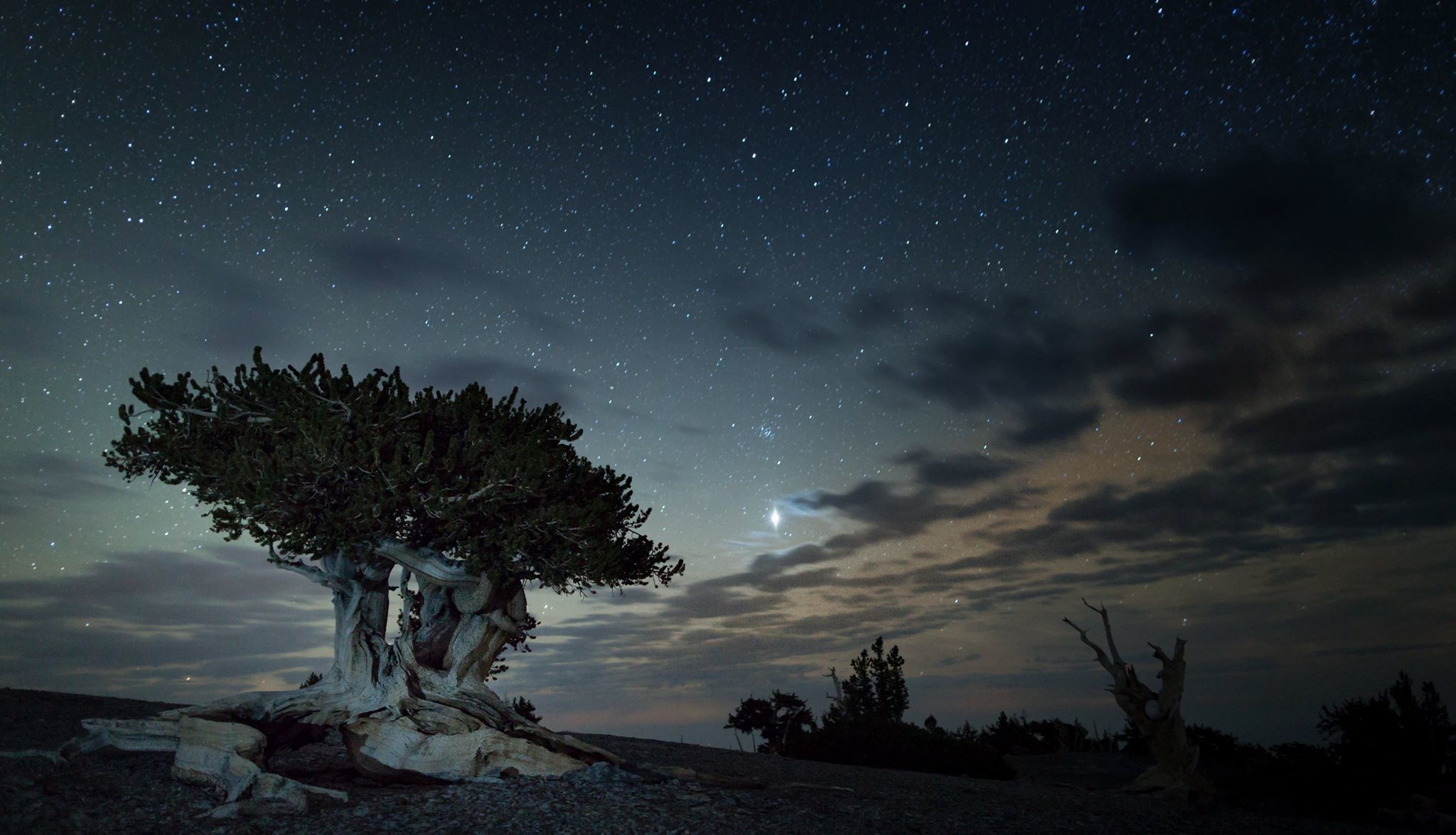
High elevation, dry air, and a near-empty light dome make Great Basin a meteor magnet. On moonless nights, the sky is so dark that even dim meteors reveal faint wakes. The ancient bristlecones up Wheeler Peak stand like quiet witnesses, turning meteor watching into a conversation across millennia. Here, Rayleigh scattering is minimized not just by distance from cities but by low humidity. Meteors arrive unfiltered, etched against constellations that look almost overexposed to the dark‑adapted eye.
Great Basin’s programs emphasize practical science: shielding, timing, and spectral choices. Warm-tone LEDs and curfews reduce skyglow that can otherwise creep over horizons. Bring a reclining chair and aim forty degrees off radiant to catch long, dramatic streaks. If thin cloud develops, you’ll still see brighter fireballs punching through. On the right night, you’ll swear you’re standing inside the galaxy, not beneath it.
Cherry Springs State Park, Pennsylvania
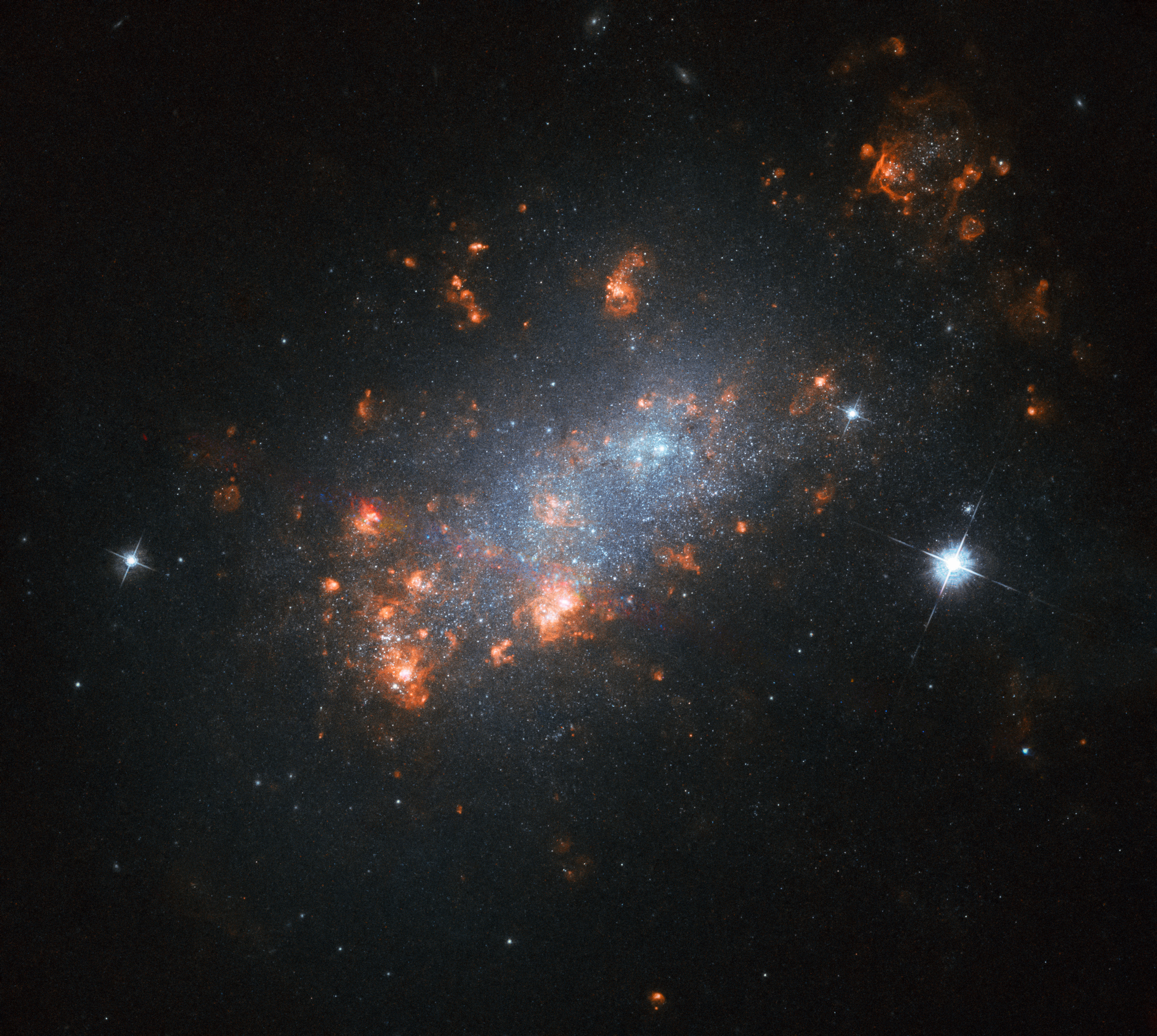
In the Northeast, true darkness is rare enough to feel like a secret handshake. Cherry Springs keeps that secret alive with strict lighting controls and an astronomy field where cars face away from the sky. The surrounding Susquehannock forest shields distant glows, and on clear nights the Milky Way splits the sky like a river. For meteor showers, watchers spread quilts, and the collective gasp when a fireball blossoms is half the show. It’s the East’s reminder that darkness is a resource you can plan for.
If a lake-effect haze appears, meteors still pop because the horizon is carefully protected. Educators explain why blue‑rich lamps wash out faint streaks while amber light preserves contrast. You’ll notice how your eyes improve after half an hour, picking up shorter, fainter meteors. That’s dark adaptation at work, not magic. The science just feels like magic here.
Natural Bridges National Monument, Utah
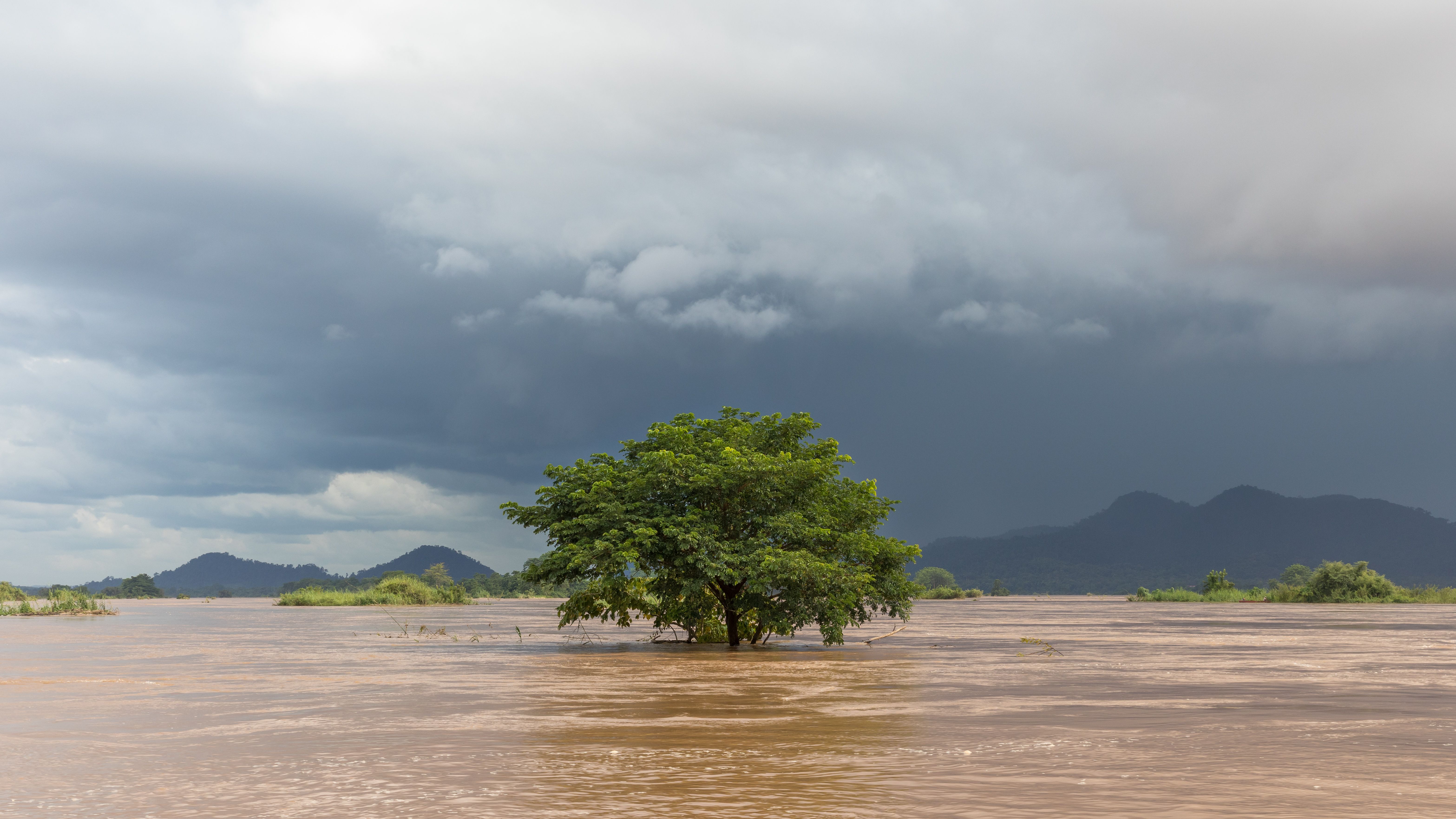
South of Moab, stone spans frame a sky so dark you can photograph meteor trains without boosting ISO until it snowstorms. Natural Bridges earned early acclaim for its lighting policies, and the canyon topography blocks distant domes. Dry air means fewer aerosols for Mie scattering, so meteors retain crisp edges. Watch from Owachomo Bridge and you’ll see faint streaks you’d miss anywhere brighter. It’s like looking through a well-polished lens.
The monument’s messaging is simple and effective: fully shielded lights, only when needed, as dim as necessary. That triad keeps skyglow from blooming over the mesa rims. Bring a red flashlight to preserve your night vision and track radiant points with a planisphere. The surrounding quiet sharpens your senses until every streak feels amplified. Meteor watching becomes meditation with physics.
Cosmic Campground, New Mexico
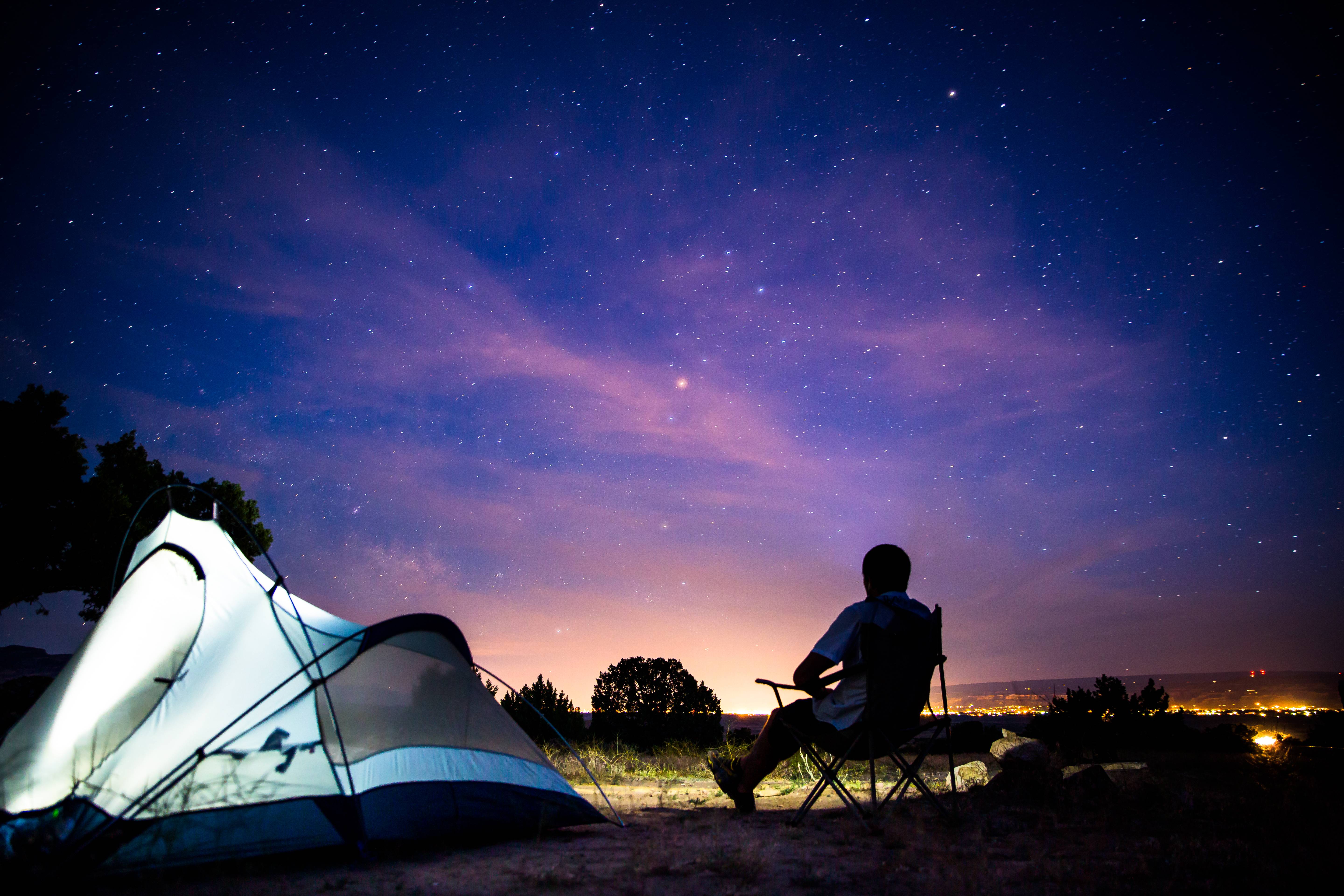
Named like a promise, this small site in the Gila region delivers horizon-to-horizon darkness. There are no permanent lights, just concrete pads and the soft shuffle of tripods under the stars. On prime meteor nights, the campground feels like a remote observatory, whisper‑quiet and science-forward. The nearest significant light domes are far enough that the Bortle rating often dips to the darkest tier. Meteors seem to fly longer paths here, a trick of perspective in a truly black sky.
Cosmic is also a lesson in community lighting choices. Counties around it adopt warmer, downward-facing fixtures that keep rural character intact. The payoff is ecological as well as aesthetic – nocturnal insects and birds avoid disorientation. Bring layers; temperatures drop fast in dry air. You’ll leave with sand on your boots and stars in your head.
Death Valley National Park, California–Nevada
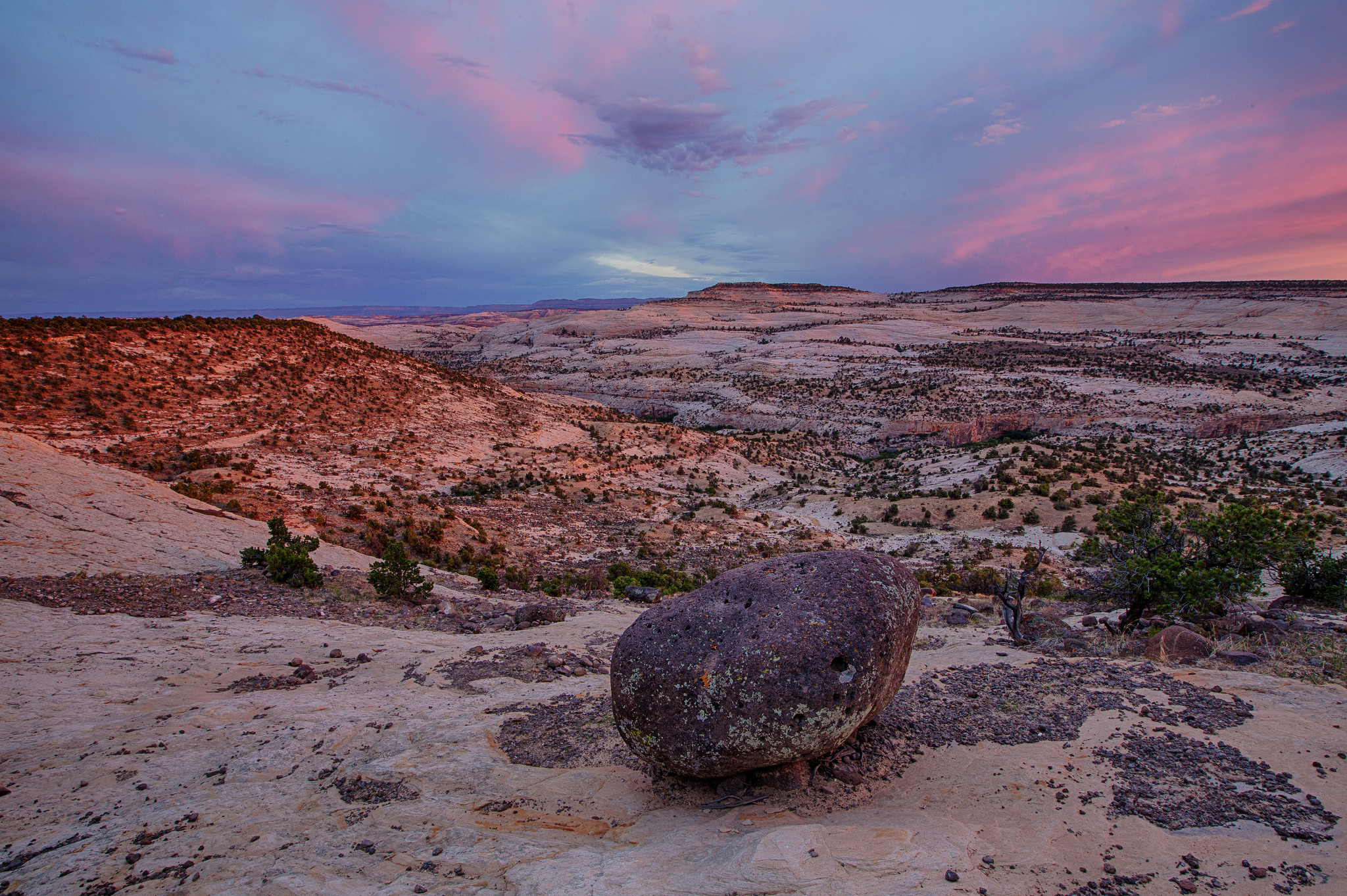
At Badwater Basin, you’re standing lower than the sea and closer to meteors that skim the upper atmosphere. Death Valley’s vastness eats light domes for breakfast – their glow just falls short of the distant mountain rims. Dry, stable air creates a flat, steady sky where even brief meteors carve bright lines. The silence is total, and the darkness feels physical, almost textured. It’s a place where your eyes learn what night really means.
Park lighting stays low, warm, and shielded, limiting upward spill. That matters because even a few unshielded bulbs can create broad skyglow through scattering. Meteor counts jump on post-frontal nights when dust settles, so check wind forecasts. Lie back on the salt flats and let the Leonids write their quick cursive overhead. It’s stark, humbling, unforgettable.
Great Sand Dunes National Park & Preserve, Colorado
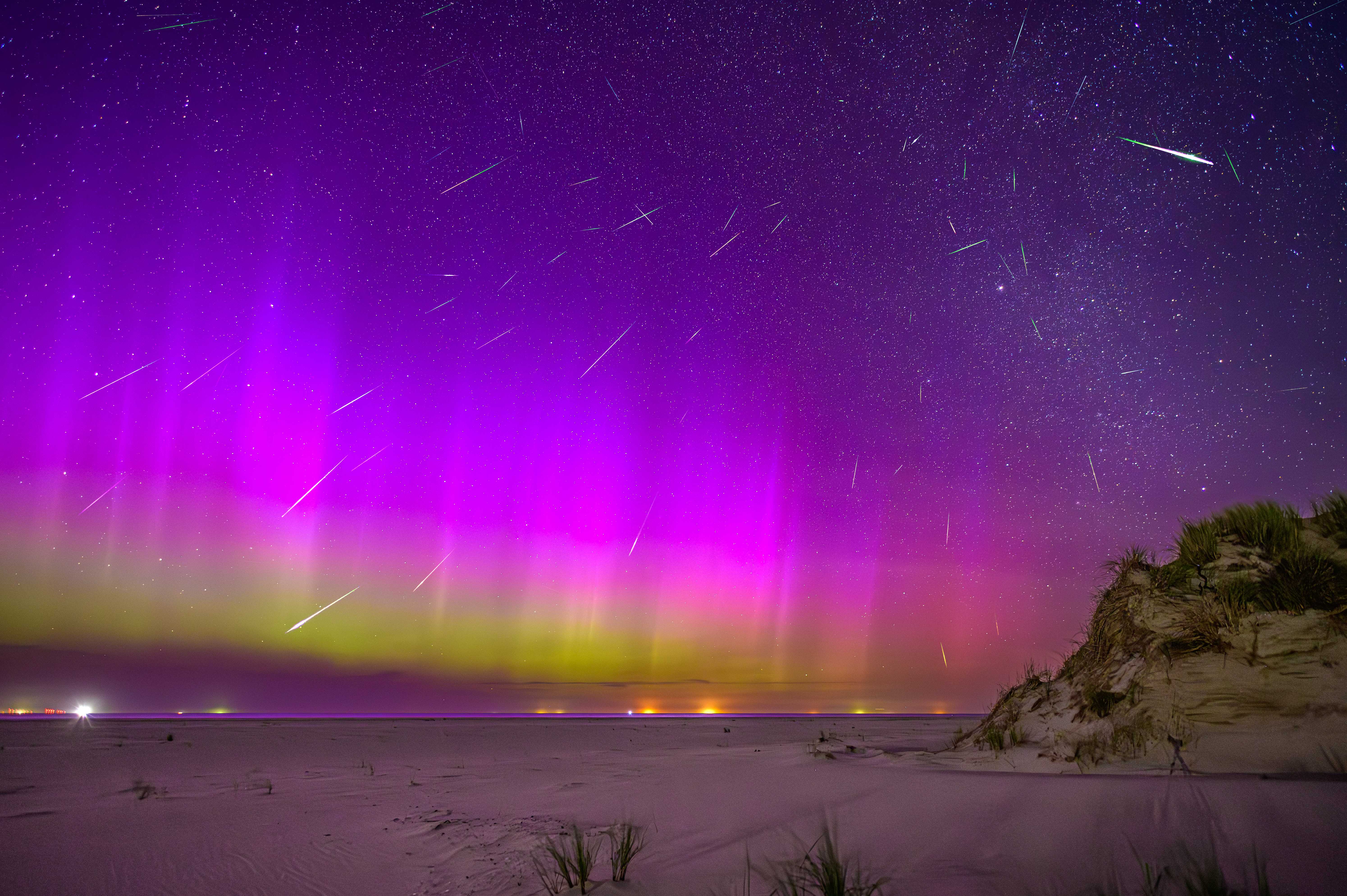
Here, meteors streak above a dune sea that glows faintly under starlight. At 8,200 feet, you get thinner air and less scatter, so faint streaks stand out a little more. The Sangre de Cristo Range blocks eastern glow, giving a deep, clean dome to the west. On cool nights, sound carries and you’ll hear the hush of sand even as the sky zings. It’s an odd, beautiful pairing – granular Earth, fast sky.
Rangers promote red lights and shielded headlamps to protect dark adaptation. That’s key because your eyes can lose sensitivity with even one careless white beam. Plan shower peaks around the Moon; a thin crescent is your friend, a gibbous your rival. Meteors love patience – set up early, settle in, and wait. The payoff often arrives when the campsite goes quiet.
Grand Canyon National Park, Arizona
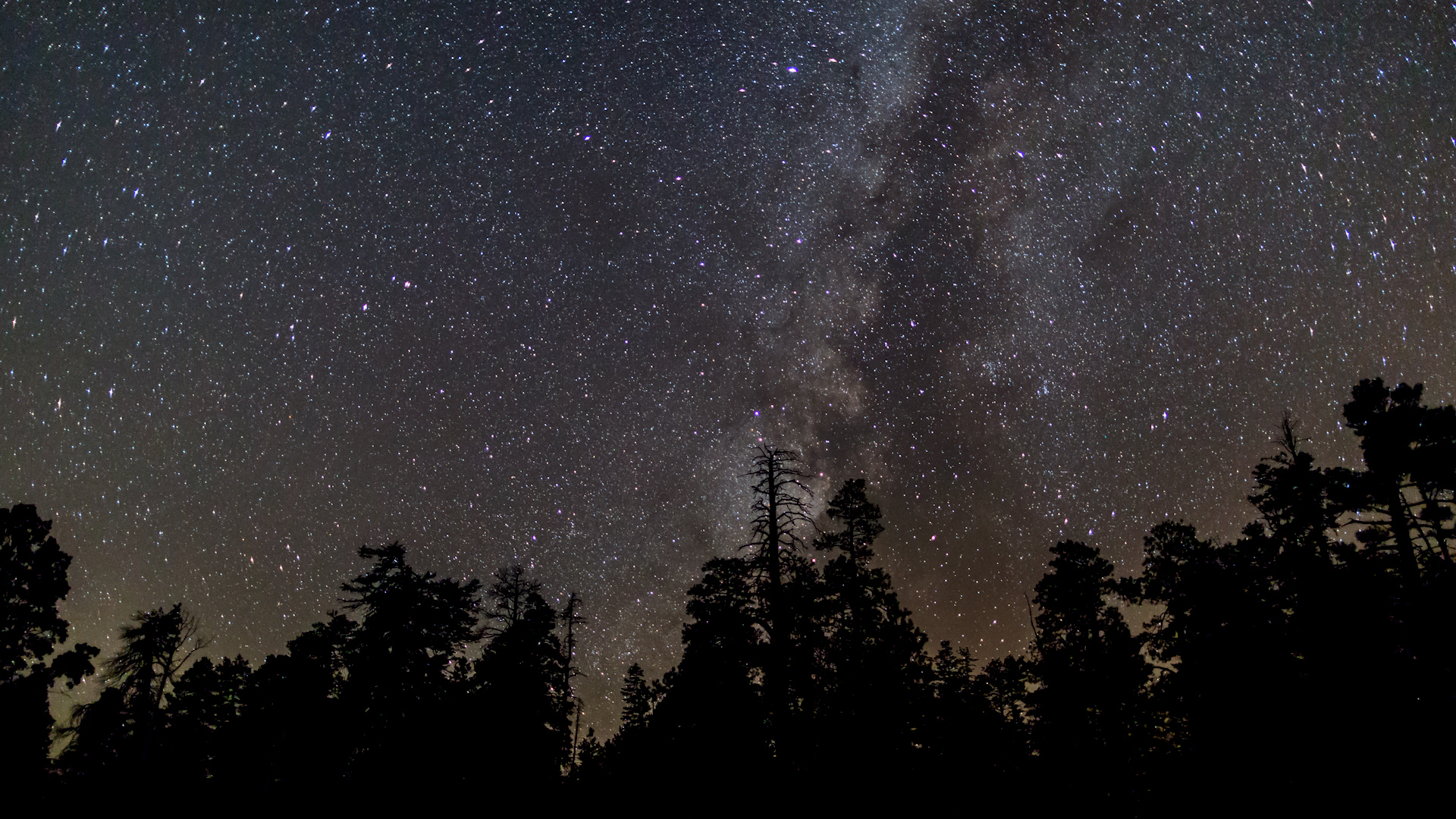
Most people remember the Canyon by day; at night, the void becomes a star bowl. Visitor centers dim exterior lights, and the South Rim offers broad, unobstructed views. When a fireball splits across the chasm, you feel the distance as much as the light. The park’s lighting retrofits showcase how small changes – shielding, warmer LEDs – can protect a sky seen by millions. The horizon remains surprisingly clean for a region this visited.
For meteor watching, pick a turnout away from building clusters and let your eyes adjust. The science is simple: the darker the baseline, the more meteors rise above it. Warm clothing is non-negotiable; canyon nights bite year-round. If clouds drift in, wait – Arizona weather often clears abruptly after midnight. You’ll know the moment the sky opens by the collective gasp along the rim.
Stephen C. Foster State Park, Georgia
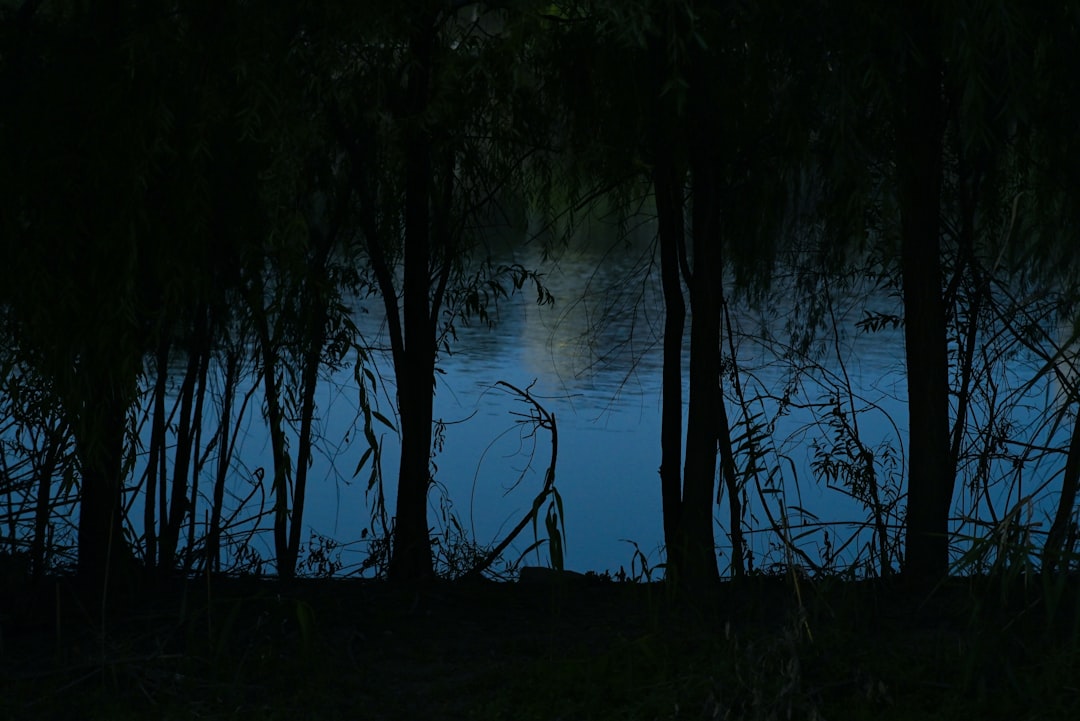
Tucked into the Okefenokee, this park offers a rare Southeastern darkness where frogs provide the soundtrack. Cypress silhouettes frame a sky that, on dry nights, feels surprisingly crisp for the region. Staff carefully manage light color and direction to keep the swamp’s wildlife in rhythm. For meteor showers, the boardwalks become quiet observatories over black water. Fireflies in summer can compete, but the sky wins on a moonless night.
Humidity can raise background glow, yet careful lighting and broad horizons keep meteor visibility high. Aim above the treeline where streaks last longest. Bring bug protection and a red headlamp to preserve night vision. After half an hour, you’ll start catching faint, fast needles you missed at first. That’s your rods taking the wheel.
Black Rock Desert, Nevada
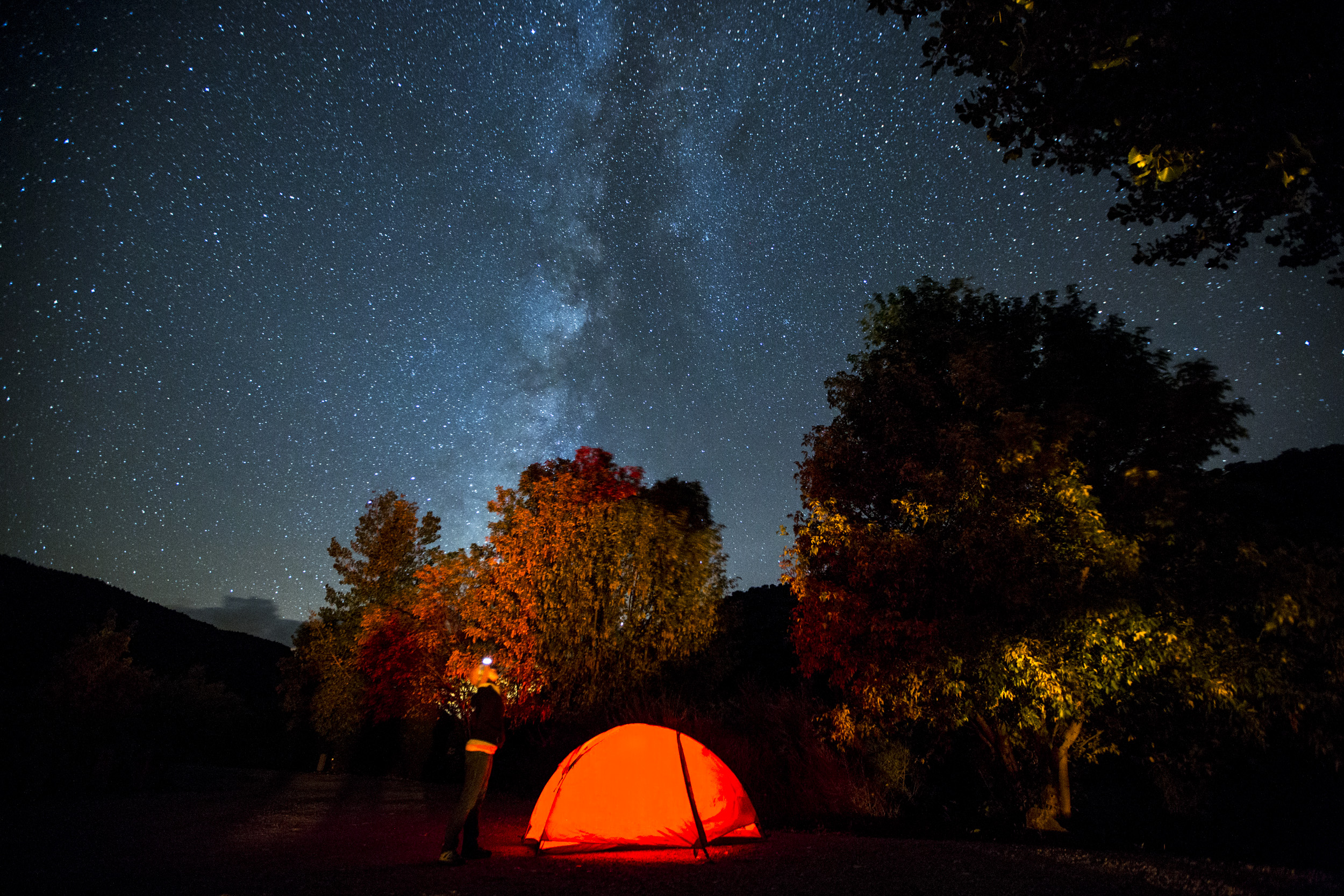
When the playa is empty, it’s one of the darkest large flats in the Lower 48. The nearest significant light domes sit far away, and the open horizon gives you a full dome to scan. Ground haze is minimal on cool nights, letting meteors burn crisp across the zenith. The scale messes with your sense of distance; streaks feel close enough to touch. It’s desert minimalism, written in light.
There’s no built infrastructure to spill photons upward, which is the ideal case study for dark-sky physics. Bring everything – water, layers, a wide-angle mindset. Watch forty to sixty degrees off the shower radiant to maximize apparent path length. If dust kicks up, wait for it to settle; clarity returns quickly. The reward is a flood of fine, faint meteors between the showstoppers.
Mauna Kea High Slopes, Hawai‘i Island
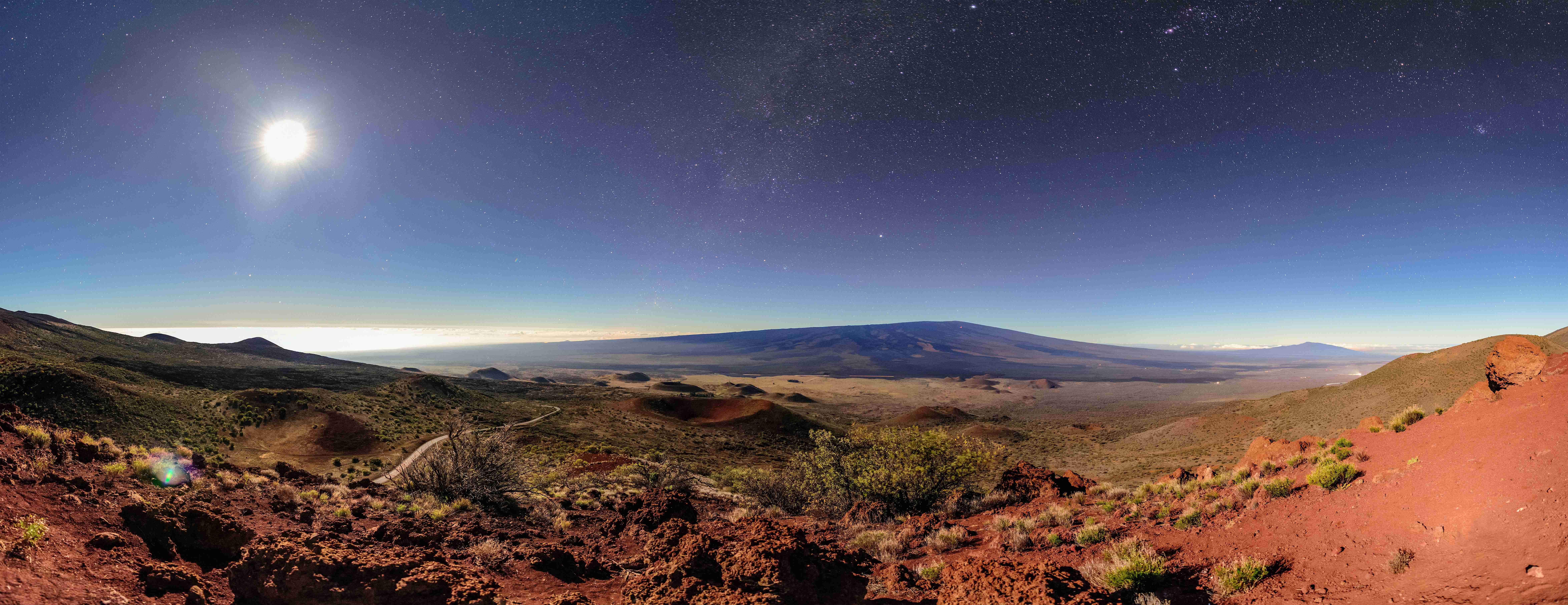
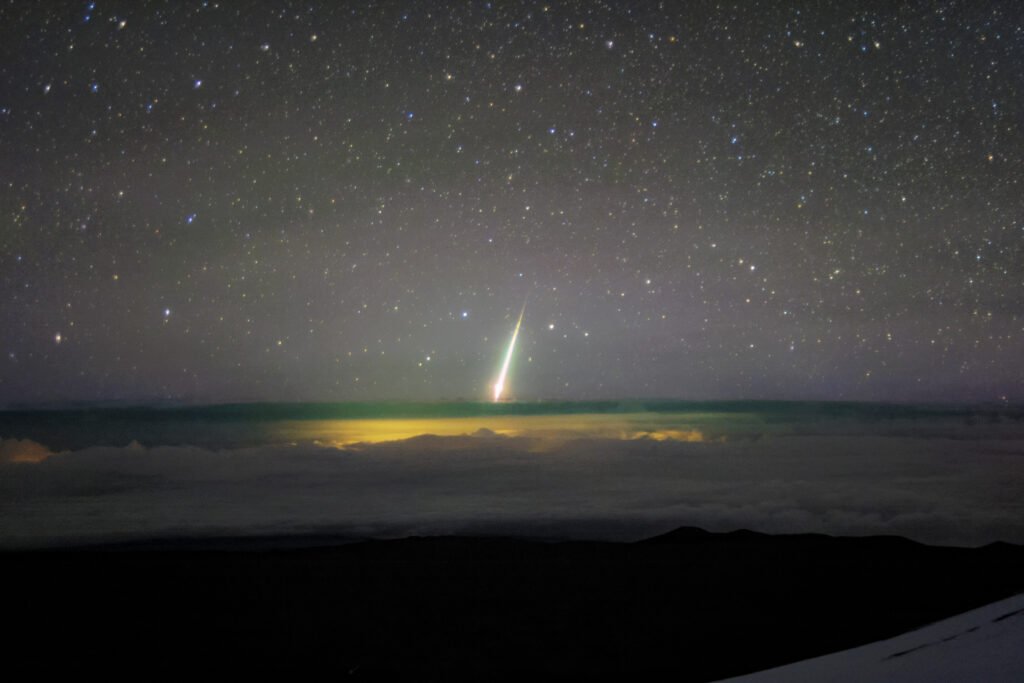
Above the cloud deck, islands of sky open with extraordinary clarity. From permitted public areas on the high slopes, the combination of altitude, stable airflow, and strict island lighting yields a dark, steady canvas. The atmosphere is thinner and drier, so meteors flare with sharp edges. Even sporadics feel frequent when the sky is this clean. It’s a rare place where astronomy, culture, and conservation intersect in careful balance.
Respect posted rules, altitude safety, and cultural guidance – this is a sacred mountain. Warmer, shielded lighting across the island helps keep the night intact for all. On clear, moonless nights, you’ll see meteors that would vanish elsewhere. Pack oxygen awareness and patience; the sky pays you back. The stars here feel close enough to rattle.
Katahdin Woods and Waters National Monument, Maine
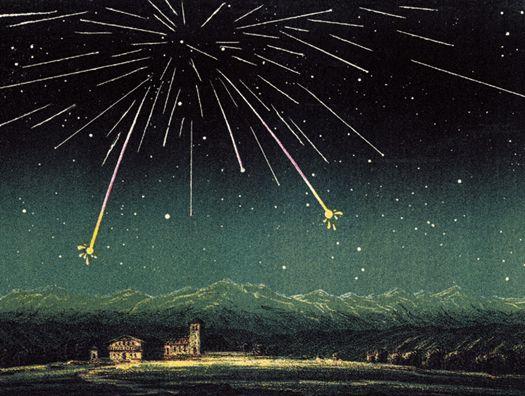
In northern Maine, forests swallow distant glow and deliver a sky that surprises first-timers. The monument’s commitment to dark-sky practices shows in how quickly your eyes adapt. Cooler, dry autumn nights are prime time for meteor watching, especially during late‑year showers. The Andromeda Galaxy is an easy catch here, which tells you how dark the baseline truly is. Meteors sketch across that backdrop like sparks off a whetstone.
Local partners favor warm, shielded fixtures to protect wildlife and stargazing. You’ll notice how even campsite etiquette – no bright lanterns – adds up to a darker whole. Scan the northeastern sky during the Geminids for long, graceful streaks. If a breeze rustles birch leaves, you’ll hear it as clearly as you see the sky. Darkness, it turns out, is a communal project.
Light pollution is solvable physics, not fate. Choose warm, fully shielded lights at home, close curtains after dark, and advocate for smarter municipal lighting that dims late at night. Plan your meteor nights around the Moon and local weather, give your eyes time, and treat darkness like the precious habitat it is. The universe is generous when we meet it halfway – did you expect that?
Suhail Ahmed is a passionate digital professional and nature enthusiast with over 8 years of experience in content strategy, SEO, web development, and digital operations. Alongside his freelance journey, Suhail actively contributes to nature and wildlife platforms like Discover Wildlife, where he channels his curiosity for the planet into engaging, educational storytelling.
With a strong background in managing digital ecosystems — from ecommerce stores and WordPress websites to social media and automation — Suhail merges technical precision with creative insight. His content reflects a rare balance: SEO-friendly yet deeply human, data-informed yet emotionally resonant.
Driven by a love for discovery and storytelling, Suhail believes in using digital platforms to amplify causes that matter — especially those protecting Earth’s biodiversity and inspiring sustainable living. Whether he’s managing online projects or crafting wildlife content, his goal remains the same: to inform, inspire, and leave a positive digital footprint.