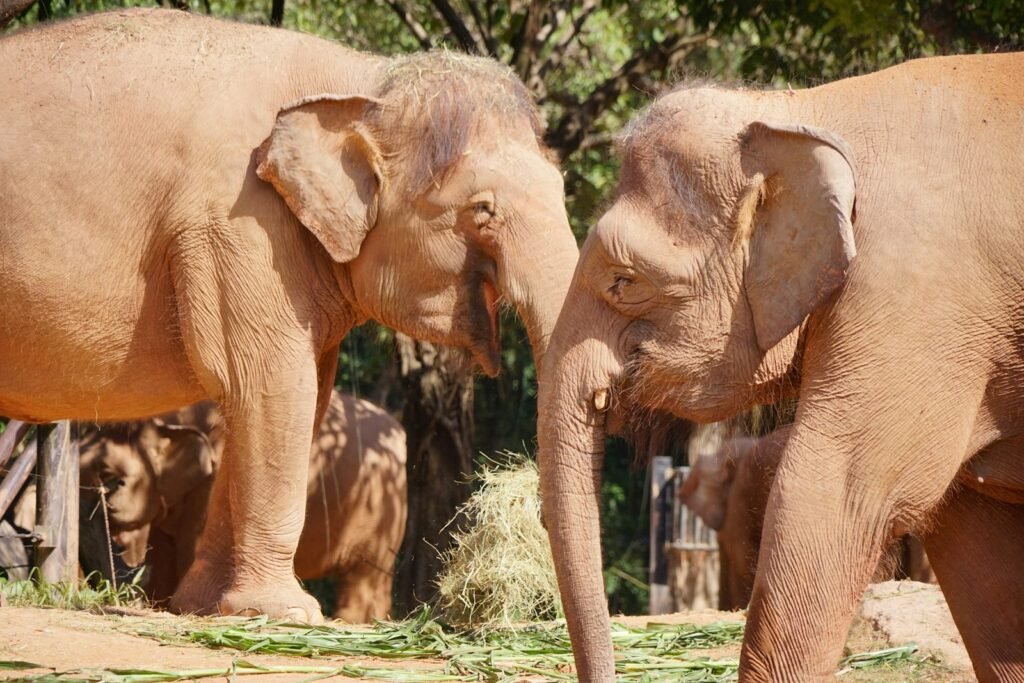

The loudest conversations in nature are often the ones we never hear. While humans tend to equate communication with words, calls, or songs, animals are constantly exchanging information in complete silence, from color flashes and electric fields to microscopic scent trails that linger for days. Scientists are now realizing that these quiet signals are not side notes to animal behavior but central to survival, cooperation, and even culture. As research tools sharpen – high-speed cameras, chemical sensors, AI pattern recognition – we’re discovering a hidden world of messages pulsing through forests, reefs, and city parks. Understanding these silent languages is changing how we think about animal intelligence, and, by extension, our own place in a crowded, conversing planet.
The Color Code: Flash Signals That Warn, Woo, and Deceive
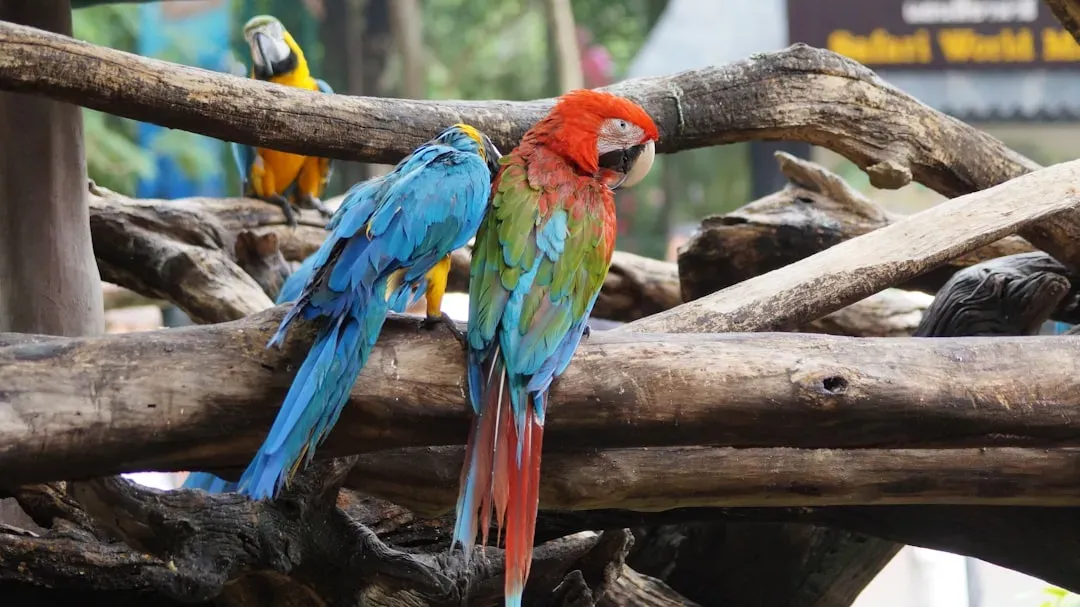
Imagine trying to have an urgent conversation in a hurricane of noise; for many animals, that hurricane is everyday life, so color becomes their quiet megaphone. Poison dart frogs blaze with neon skin that wordlessly tells predators to back off, and experiments have shown that predators quickly learn to associate those colors with a nasty experience. On coral reefs, cuttlefish shift entire body patterns in fractions of a second, sending different messages to rivals and potential mates simultaneously across different parts of their skin. These displays can be surprisingly complex, with subtle stripes or eye-like spots acting like punctuation marks in a visual sentence. To human eyes, it can look like mere decoration, but to the animals watching, it is as clear and consequential as a shouted warning.
Color signals also shape social hierarchies without a single sound. Male lizards known as anoles bob their heads and flare throat fans in vivid reds and yellows, quietly announcing territory boundaries to neighbors that already know the code. Some fish change color as they switch sex or status, signaling to the group that the social structure has been rearranged. Even small shifts – brighter fins, darker stripes – can alter how individuals are treated in a group, reducing the need for risky physical fights. In this way, color becomes a negotiation tool, allowing animals to resolve conflicts, attract partners, and mislead enemies without ever breaking the silence.
Body Language at the Water’s Edge: Posture, Ripples, and Silent Waves
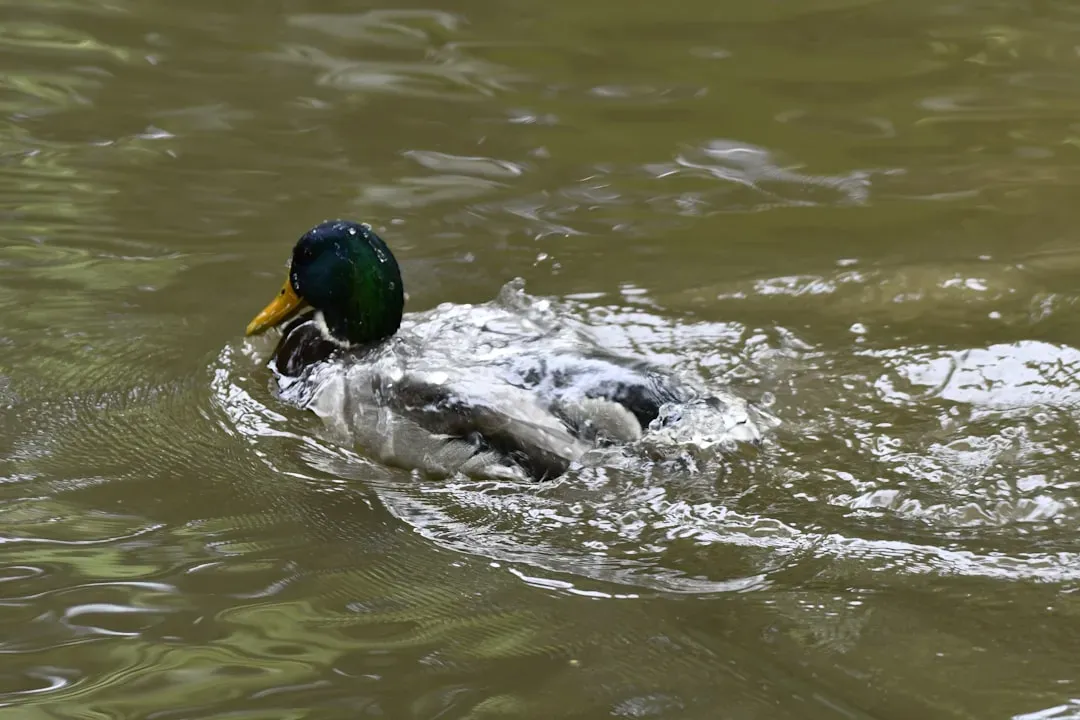
On a still pond, a single ripple can be as meaningful as a spoken word. Water striders, for instance, send coded vibrations along the surface, producing different ripple patterns that attract mates or warn off rivals. Their legs act like drumsticks on the water’s skin, tapping out messages that other striders can read from a distance. Aquatic insects, spiders, and even some small fish tune into these surface disturbances, turning what seems like random movement into a nuanced communication channel. To a casual observer, it is just a bug skimming along; to those in the know, it is a conversation spread across the water.
Body posture also plays a bigger role near water than many people realize. Shorebirds adopt specific stances – head low, wings slightly raised – that silently broadcast alarm without triggering the chaos that loud calls might cause. Crocodiles perform slow, deliberate head lifts and jaw displays at the waterline, settling territorial disputes through posture rather than violence in many cases. In amphibians, a simple leg wave can replace a call when background noise from streams would drown out sound. These quiet negotiations, etched in ripples and poses, keep entire communities functioning smoothly at the water’s edge.
Vibrations Underfoot: How Spiders, Elephants, and Insects Talk Through the Ground
If you have ever felt a truck rumble past before you heard it, you already understand the power of vibration. Many animals use this sense deliberately, sending messages through soil, plant stems, and even web strands. Spiders are masters of this mode, detecting the faint tremors of walking prey and then producing their own patterned vibrations to court mates or deter intruders. Leafhoppers and treehoppers tap and tremble on plant stems, sending signals that travel like secret phone calls through the plant’s tissues. These messages often go completely undetected by predators that lack the right sensors.
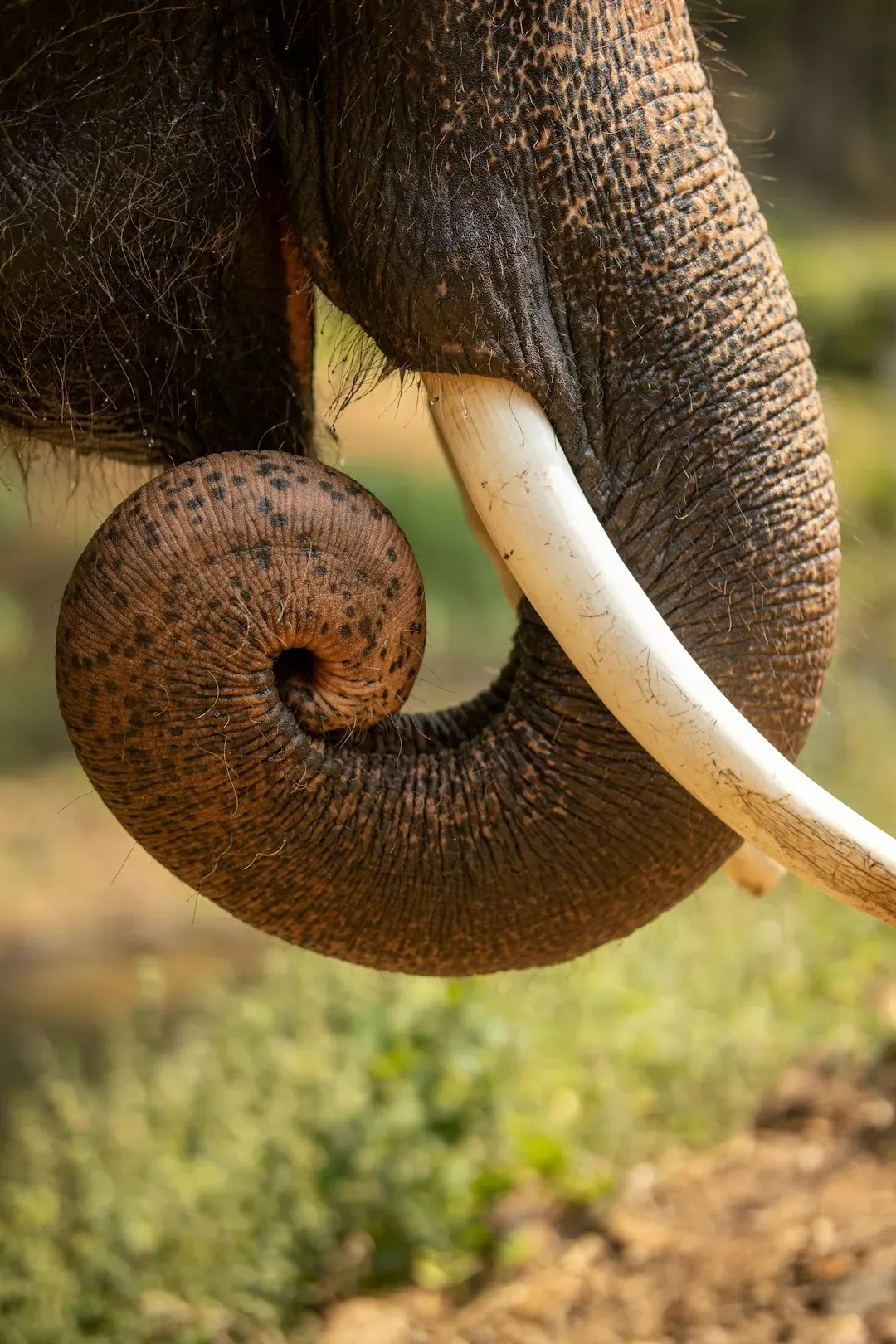
On a much larger scale, elephants appear to listen with their feet as well as their ears. Research suggests they can detect distant thunder-like rumbles and even foot-stomping signals from other elephants transmitted through the ground. This silent seismic network may help coordinate movements across large distances, especially when landscapes are fragmented by human activity. Some desert-dwelling rodents drum their feet to claim territory, their rhythms recognizable to neighbors who respond with their own distinct patterns. When the air is too noisy or dangerous, the ground itself becomes a shared communication line that quietly connects species above it.
Electric Whispers: The Invisible Language of Weakly Electric Fish
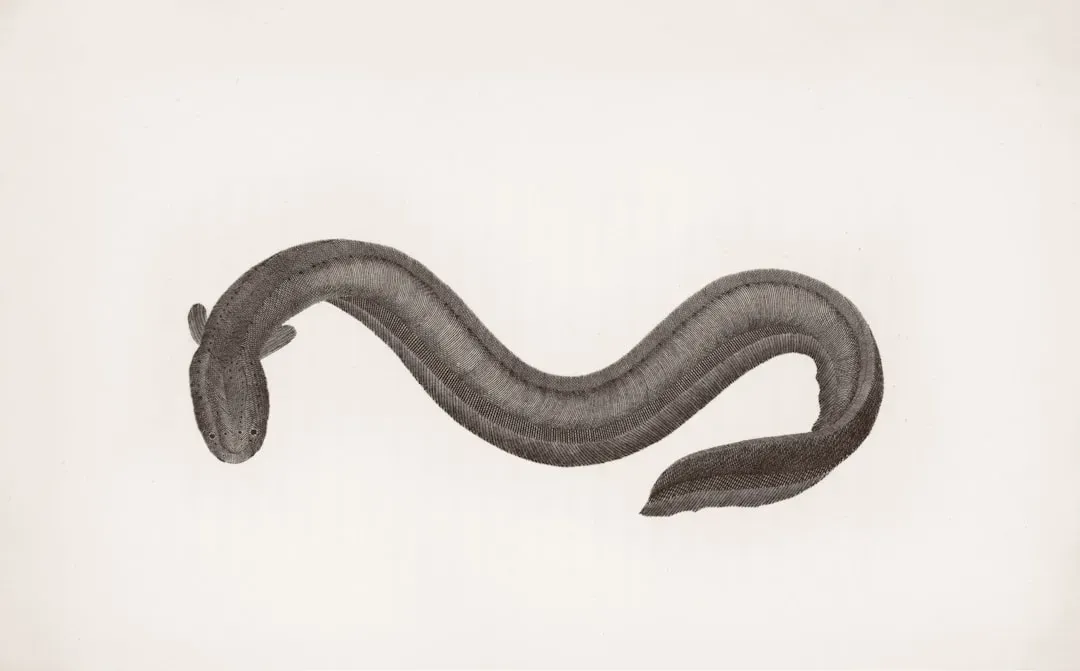
In murky rivers where light barely penetrates, several species of fish have evolved an extraordinary way to talk: they generate weak electric fields and modulate them like a radio signal. These electric fish can sense distortions in the field caused by nearby objects, but they also overlay that sensory system with coded electric pulses aimed at others of their kind. Different patterns can signal aggression, courtship, or submission, and studies have shown individuals adjusting their signals in real time during social encounters. It is essentially a private, silent broadcast channel that nearby animals of the right species can tune into.
Electric communication may also help fish avoid jamming each other’s signals, a problem surprisingly similar to interference in human wireless networks. Some species shift their electric frequency when they detect overlap, maintaining clear channels in crowded waters. Researchers are now using extremely sensitive electrodes and machine learning to decode these signal patterns, building dictionaries of electric “phrases” that hint at previously unknown emotional states or social strategies. This work is reshaping ideas about how sophisticated communication can be in small-brained animals. The more we uncover, the harder it becomes to dismiss these fish as simple or primitive.
Chemical Conversations: Invisible Scent Trails, Territories, and Alarms
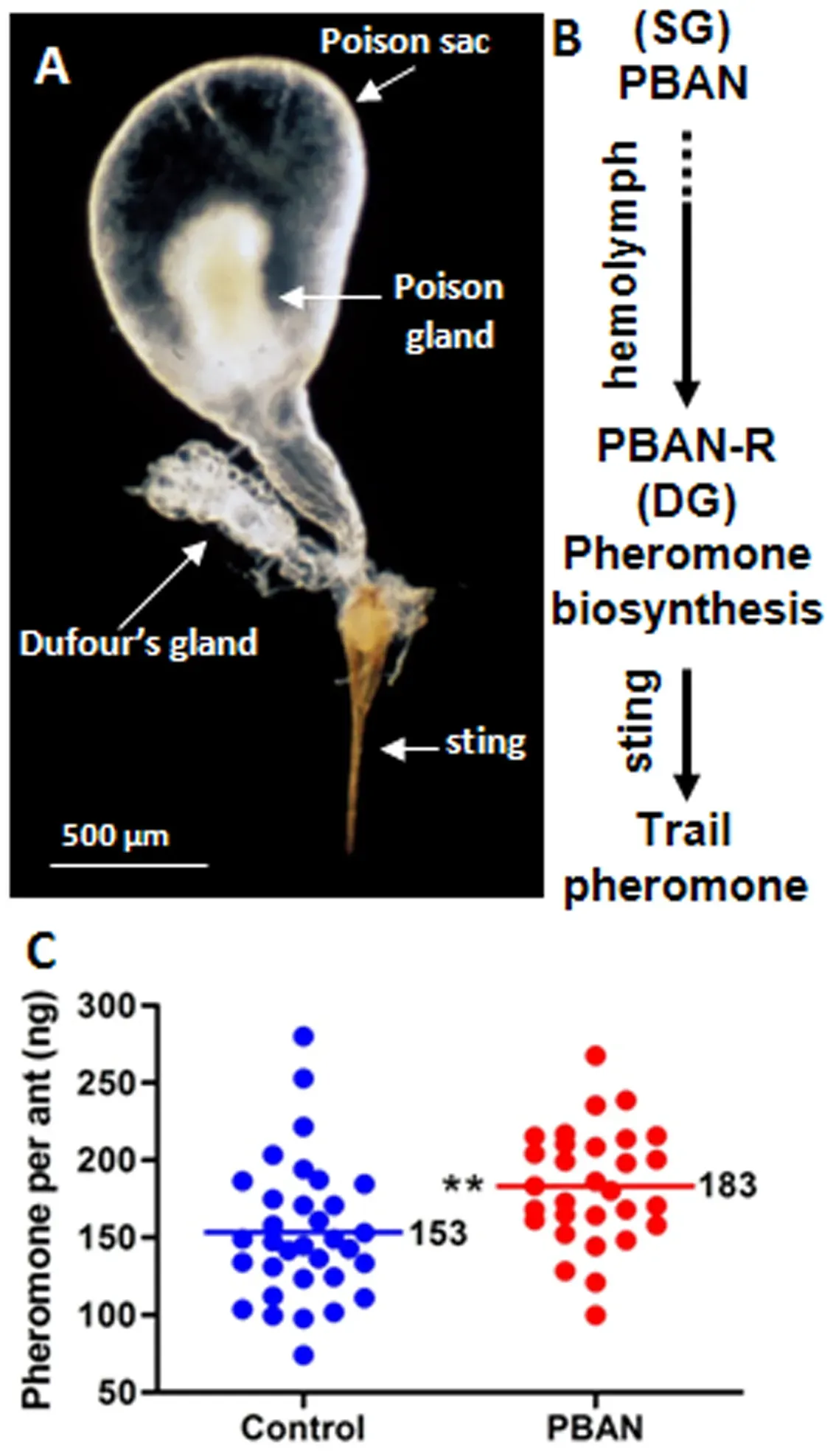
When a wolf rubs against a rock or a cat scratches a couch, they are not just being difficult; they are writing messages in scent. Many mammals rely heavily on chemical signals to mark territory, advertise reproductive status, or identify individuals. Ants famously build entire societies on chemical communication, laying trails that guide nestmates to food and releasing alarm scents when danger appears. Laboratory tests have revealed that a single ant can rapidly influence the behavior of many nestmates through a tiny amount of chemical signal, shifting the colony from calm foraging to emergency defense.
Chemical communication is powerful partly because it lingers. A scent mark can persist long after the sender has left, functioning like an ongoing social media post rather than a fleeting shout. Some prey species release alarm chemicals into water or air when attacked, causing nearby individuals to hide or flee even if they did not see the original threat. In mice and other rodents, complex blends of molecules can convey not only identity but also health status and recent diet, shaping mate choice and social bonds. As analytical chemistry tools improve, scientists are uncovering just how layered and information-rich these invisible messages can be.
Skin Signals and Color Waves: Cephalopods and Other Masters of Dynamic Displays
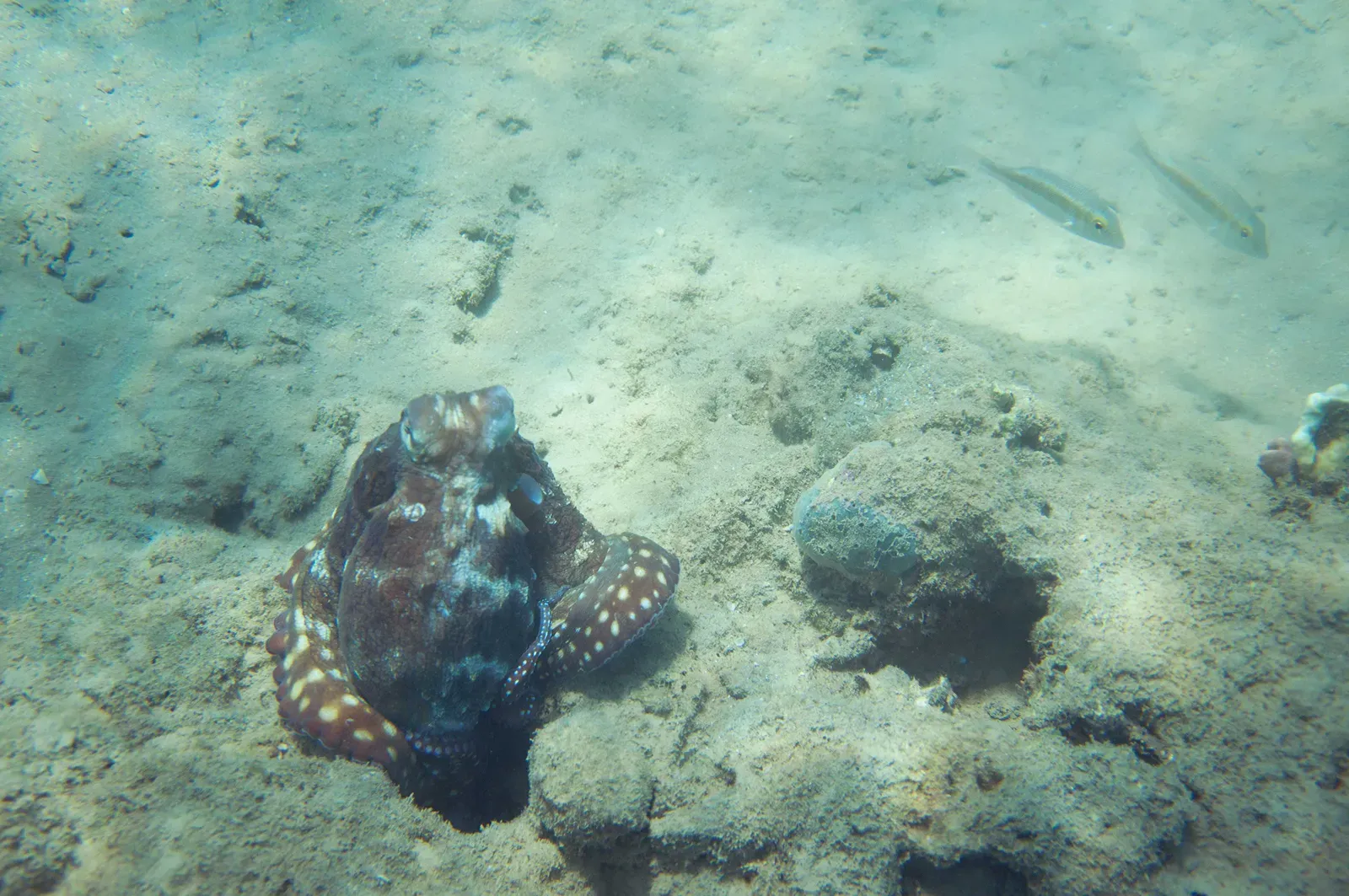
Among the most breathtaking silent communicators are cephalopods – octopuses, squids, and cuttlefish – whose skin functions almost like an animated billboard. Specialized cells expand and contract to change color and texture in waves that race across their bodies. These patterns do more than camouflage; they signal intentions, moods, and social status to watching animals. In some species, researchers have observed simultaneous double messaging, where one side of the body displays courtship colors to a potential mate while the other side broadcasts aggression or neutrality toward a rival.
Other animals also use dynamic skin signals, albeit less dramatically. Some reef fish can switch from pale to dark in seconds during confrontations, essentially flashing a silent escalation or peace offering. Reptiles shift subtle shades during the breeding season, advertising readiness without adding to the chorus of calls in their environment. These rapid visual changes allow communication at a distance and in three dimensions, especially useful in open water or sparse habitats. By studying these systems, scientists are beginning to understand how nervous systems coordinate such fast, complex body-wide messages, offering insights that may inspire new display technologies and even adaptive camouflage in human engineering.
Silent Social Codes: Grooming, Touch, and Ritual Movements
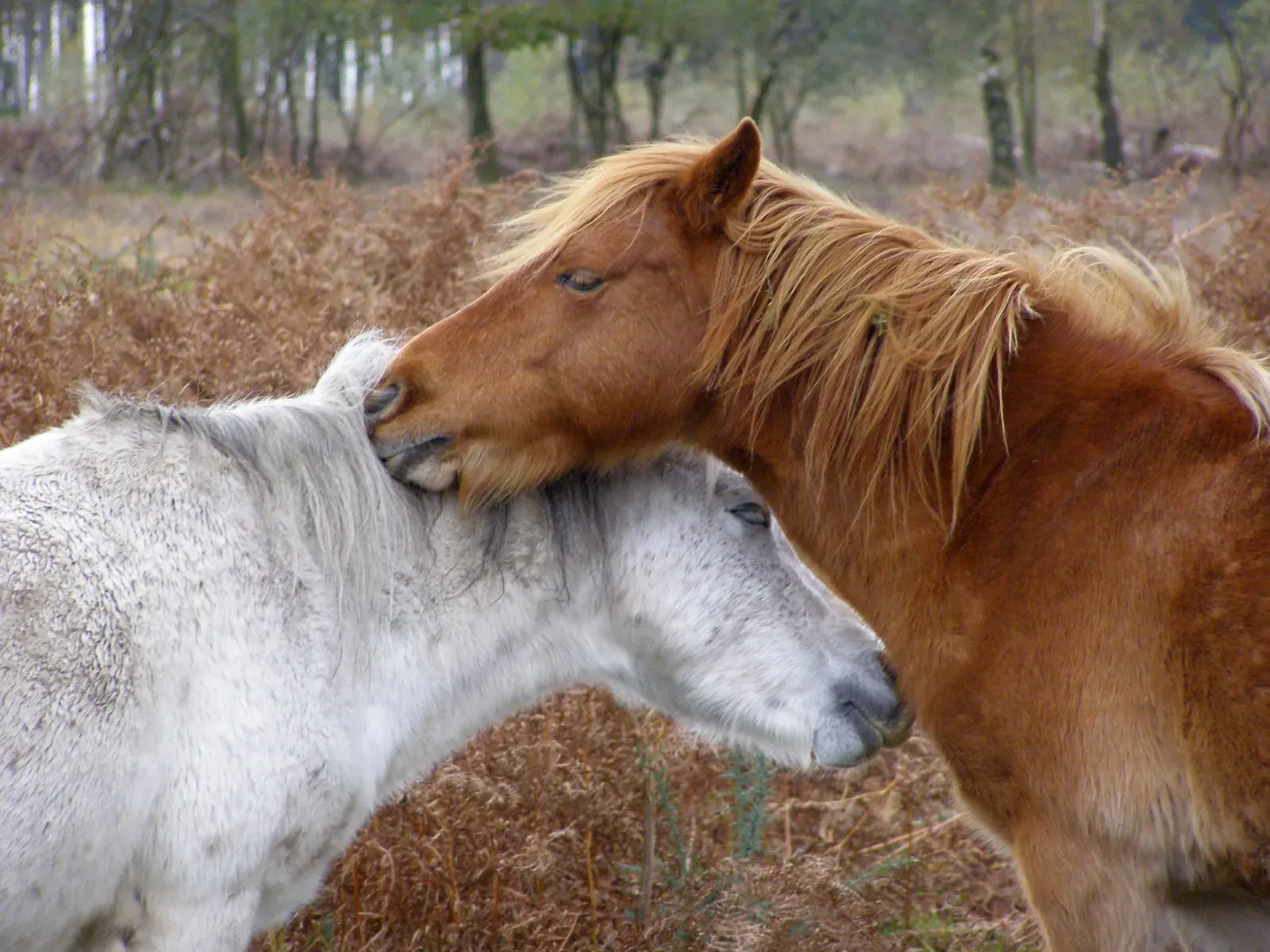
Not all quiet communication is flashy or high-tech; some of the most meaningful messages are passed through simple touch. Primates, from macaques to chimpanzees, spend large portions of their day grooming each other, removing debris but also cementing alliances and repairing social rifts. Detailed field observations show that who grooms whom, and for how long, tracks political shifts within a group as closely as any audible call. Elephants gently touch trunks or rest them on another’s head in ways that seem to comfort distressed individuals, and these interactions can spread calm through a herd without a single trumpet.
Ritual movements, too, act as social glue. Wolves engage in greeting ceremonies that include muzzle licks, playful bows, and synchronized trotting, restoring cohesion when pack members reunite after a hunt. Birds like cranes and grebes perform elaborate dances that not only secure mates but reinforce pair bonds year after year. Even domestic animals such as dogs and horses develop shared movement habits with their human companions, using posture and proximity as a private language. These quiet rituals remind us that communication is not always about transferring information; often, it is about reaffirming connection.
Why It Matters: Rethinking Intelligence Through Silent Signals
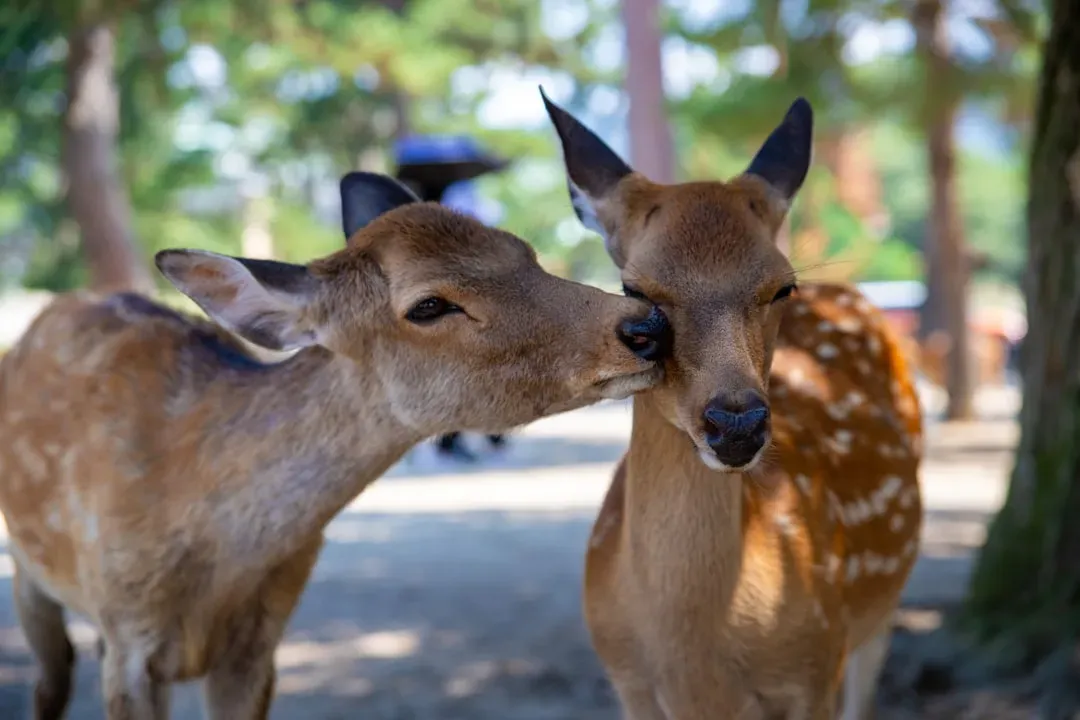
Recognizing these silent languages forces a reassessment of what intelligence looks like in the animal world. For a long time, scientists tended to privilege vocal learning – songbirds, whales, parrots – because it looked more like human speech. But as evidence accumulates for complex visual, chemical, and vibrational communication, the picture shifts from a few exceptional talkers to a planet full of specialized, context-dependent strategists. A spider that reads web vibrations, a fish that adjusts its electric frequency, or an ant that tailors chemical blends is solving real-time information problems in ways our senses simply did not register.
This broader view also exposes biases in how studies have been designed. When research focuses mainly on what humans can easily hear or see, it risks labeling animals as simple or uncommunicative when they are anything but. By incorporating tools that detect vibrations, chemicals, and electric fields, scientists are suddenly finding rich social worlds where there once seemed to be only instinctive reactions. Understanding these systems has practical implications, from improving conservation strategies to minimizing human-made noise and chemical pollution that may be scrambling vital signals. Ultimately, acknowledging silent communication is a step toward a more humble and accurate account of how minds, including our own, operate within ecosystems.
The Future Landscape: Sensors, AI, and Protecting Nature’s Quiet Conversations
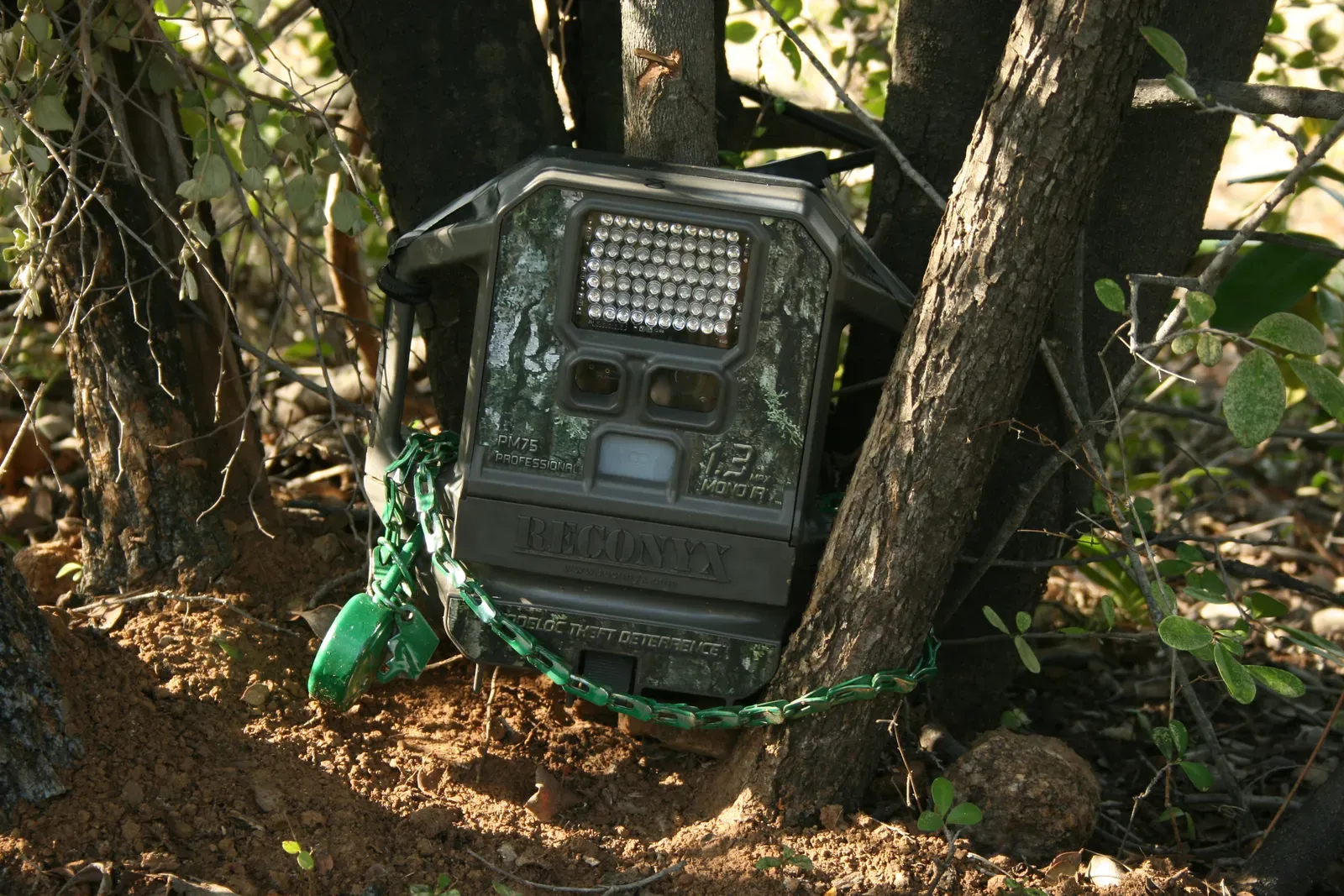
The next decade of research into silent animal communication is likely to be driven by technology that can finally keep up with nature. Ultra-sensitive microphones, laser vibrometers, and wearable chemical sensors are already capturing data that older field biologists could only guess at. Artificial intelligence systems trained on these massive datasets are beginning to spot patterns – like distinct vibration signatures or scent blends – that humans might overlook. As costs fall, smaller research teams and even citizen scientists may start deploying these tools in local parks, backyards, and rivers, greatly expanding the map of known communication systems.
These advances, however, come with challenges. Human activity is flooding environments with new chemicals, vibrations, and light pollution that can mask or distort silent signals. Wind turbines, highway traffic, and underwater construction, for example, create low-frequency vibrations that may interfere with the ability of animals to sense each other through the ground or water. Conservation efforts will need to factor in not just habitat size but signal integrity – protecting the channels animals rely on to coordinate breeding, foraging, and migration. At the same time, insights from these systems could inspire new, low-energy communication technologies for humans, modeled on the efficiency of ants, fish, or cephalopods. How we choose to use that knowledge may determine whether we are allies or accidental saboteurs of the conversations already happening around us.
How You Can Help: Paying Attention to the Quiet Around You
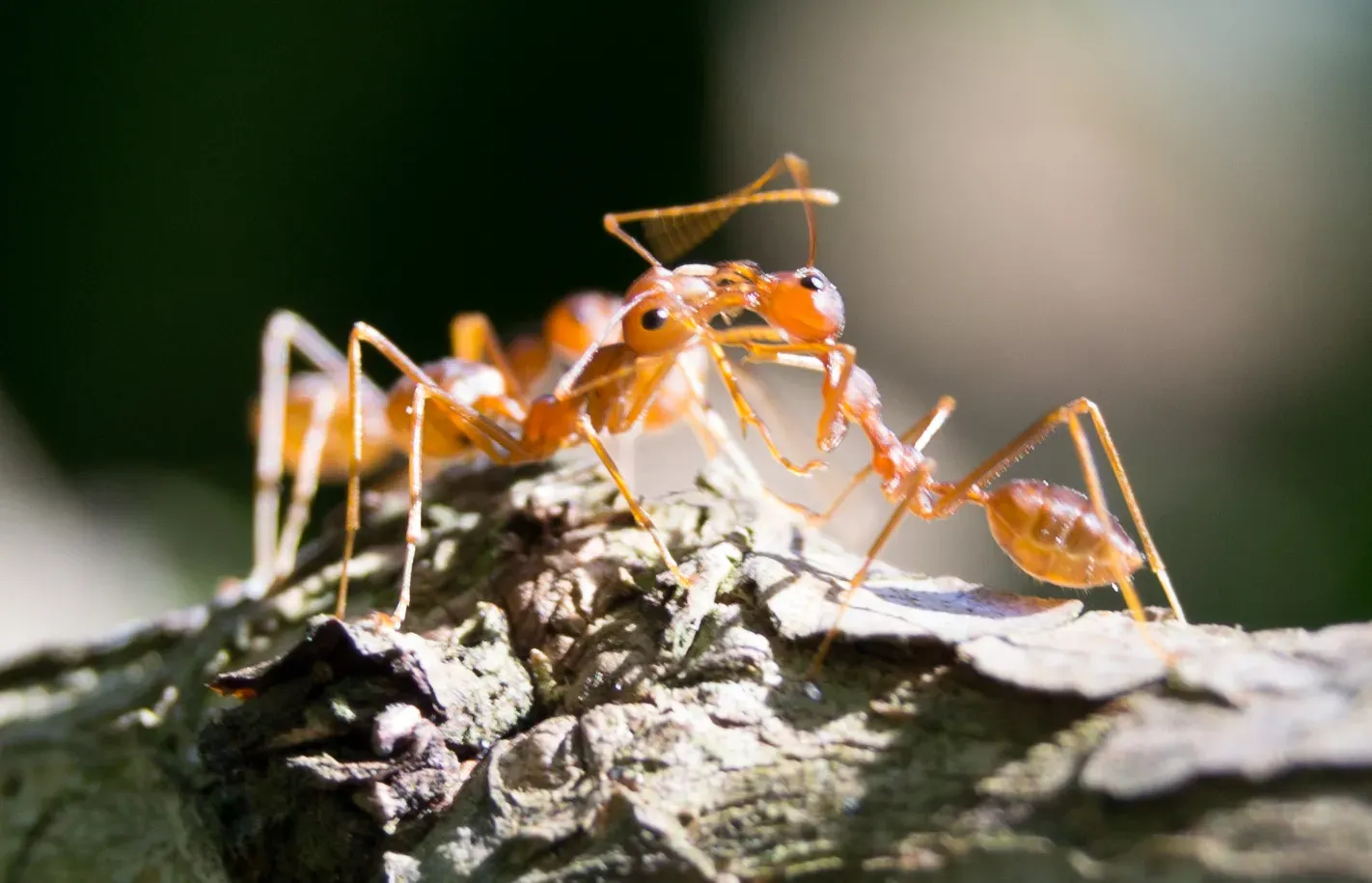
Engaging with this hidden world of silent communication does not require a lab coat; it starts with paying closer attention. Watching how birds change posture when a hawk passes, or how ants adjust their paths after you disturb a trail, can turn a routine walk into a live field study. Supporting conservation organizations that protect intact habitats helps preserve not only animals but the integrity of the chemical, visual, and vibrational signals they depend on. Simple choices – reducing nighttime lighting in your yard, avoiding unnecessary pesticides, backing efforts to limit underwater noise – can make a real difference in how clearly animals can “speak” to one another.
You can also encourage curiosity in others by sharing observations, photos, or local projects that highlight subtle animal behaviors. Many community science platforms now welcome data on animal interactions, from grooming and displays to unusual patterns of movement. By contributing, you help researchers build a richer picture of how different species communicate in changing environments. Listening better, in this context, often means making space for signals we cannot directly perceive. When you look at the world through that lens, a forest, park, or shoreline stops being quiet and becomes something closer to a crowded, ongoing conversation – one that we are only just beginning to understand.
Suhail Ahmed is a passionate digital professional and nature enthusiast with over 8 years of experience in content strategy, SEO, web development, and digital operations. Alongside his freelance journey, Suhail actively contributes to nature and wildlife platforms like Discover Wildlife, where he channels his curiosity for the planet into engaging, educational storytelling.
With a strong background in managing digital ecosystems — from ecommerce stores and WordPress websites to social media and automation — Suhail merges technical precision with creative insight. His content reflects a rare balance: SEO-friendly yet deeply human, data-informed yet emotionally resonant.
Driven by a love for discovery and storytelling, Suhail believes in using digital platforms to amplify causes that matter — especially those protecting Earth’s biodiversity and inspiring sustainable living. Whether he’s managing online projects or crafting wildlife content, his goal remains the same: to inform, inspire, and leave a positive digital footprint.