
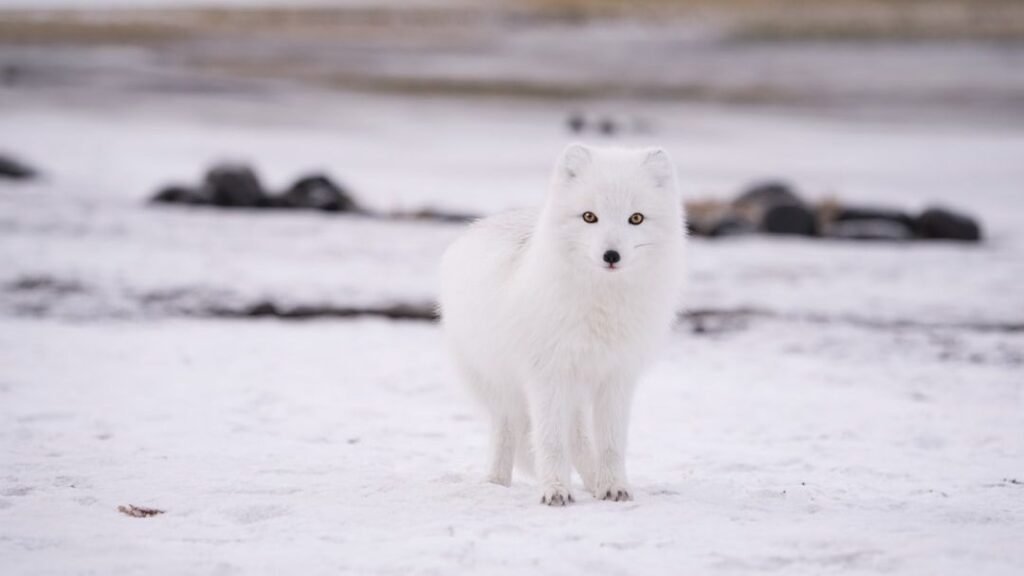

Picture a creature so perfectly adapted to frozen landscapes that it doesn’t even begin to shiver until temperatures plummet far below what would kill most mammals. You’re about to meet one of Alaska’s most remarkable survivors, thriving where few animals dare to venture. These small but mighty foxes roam across the state’s treeless coastal tundra, from the windswept Aleutian Islands to the icy North Slope, mastering a world that seems impossibly harsh to outsiders.
What makes these foxes so extraordinary isn’t just their survival. It’s how they’ve transformed the very definition of what’s possible in extreme cold. Every aspect of their existence, from the fur covering their paws to their ability to detect prey buried beneath feet of snow, tells a story of evolution pushed to its limits. So let’s get started and discover what makes Alaska’s arctic foxes true icons of wilderness endurance.
Their Fur Changes Color With Alaska’s Seasons
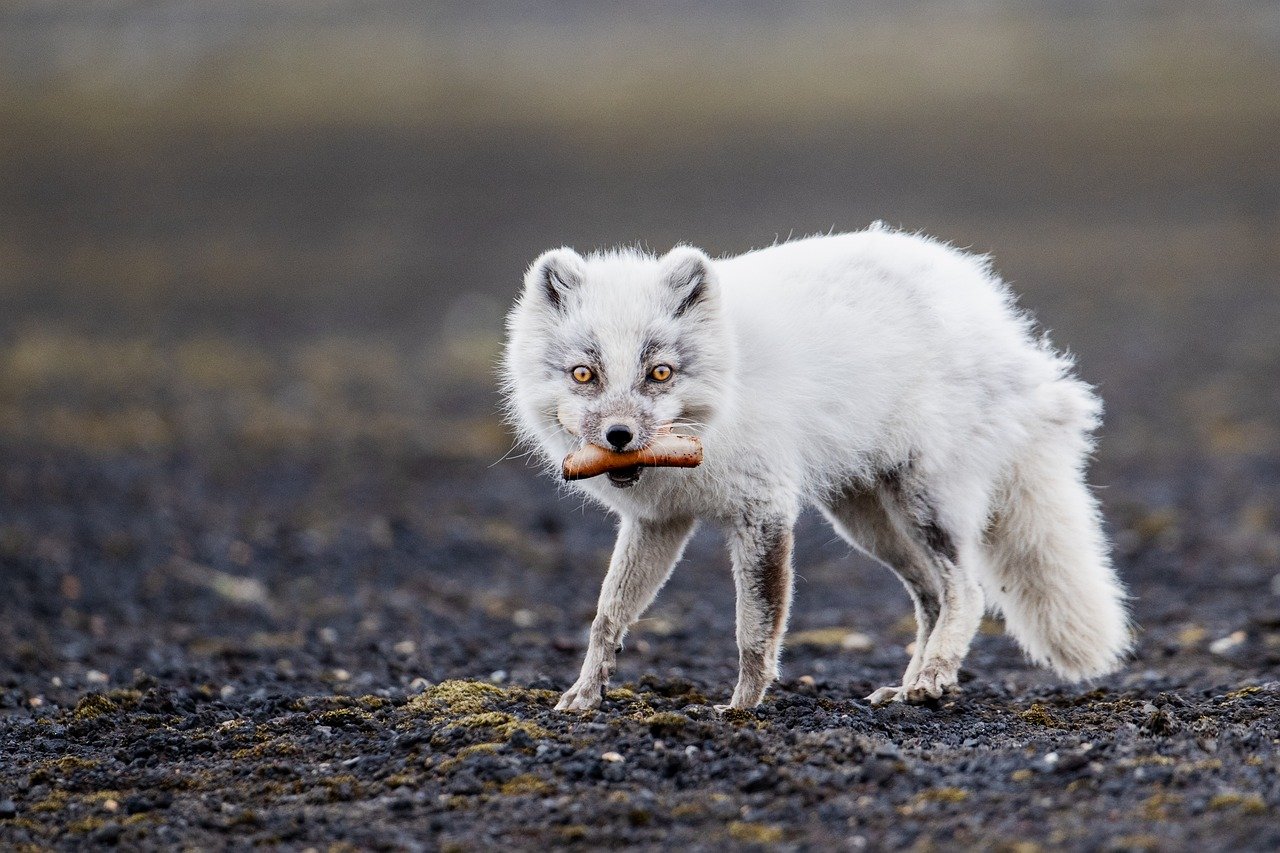
You’ll witness an incredible transformation as white arctic foxes begin shedding their long winter fur in early April, and by late June their face, legs, and upper body become covered with short, brown summer fur. This isn’t just about blending in with the landscape. The white fur provides camouflage in winter and adds warmth, while a pigment called melanin, absent in white fur, gives the fox its brown summer coat, and the hair shafts of white fur are hollow, trapping warm air from the animal’s body heat.
The timing of this molt is remarkably precise, synchronized with Alaska’s dramatic seasonal shifts. The change to winter pelage occurs in September and October, and by November the luxurious white winter coat is complete. However, there’s another variation you might encounter. Foxes of the blue phase remain dark or charcoal colored year round, but are somewhat lighter colored in winter, creating an interesting genetic puzzle across Alaska’s fox populations.
They Have Literal Rabbit Feet for Winter Survival
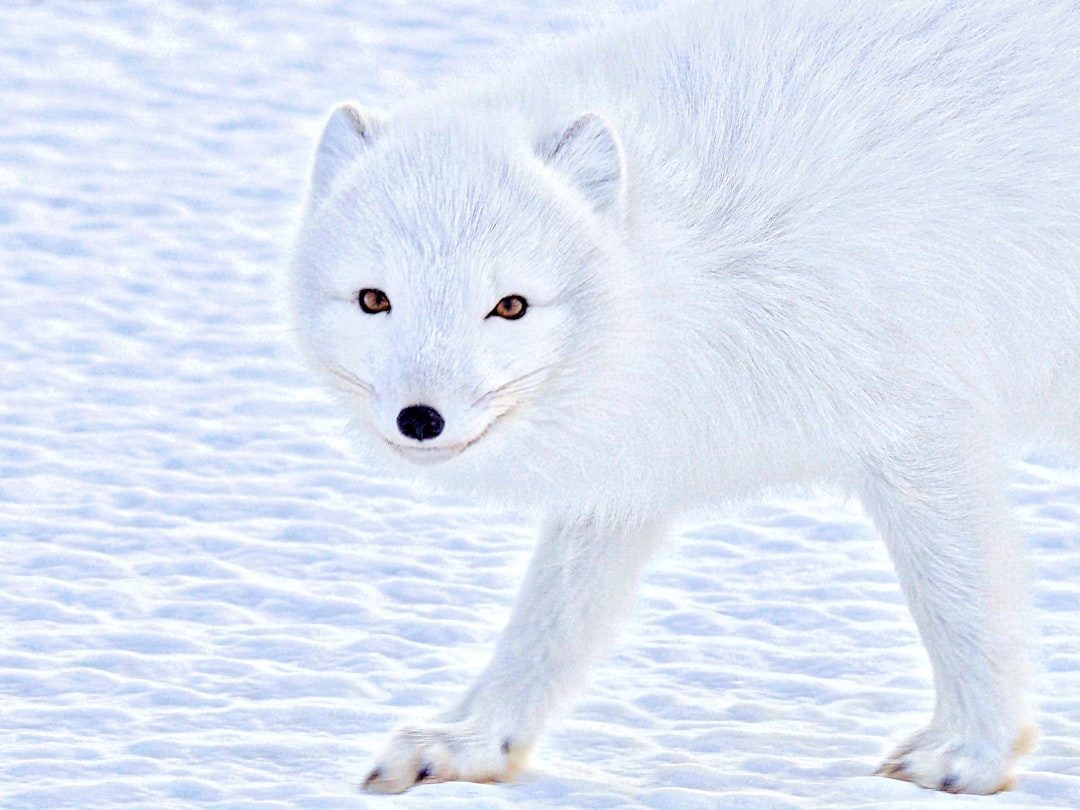
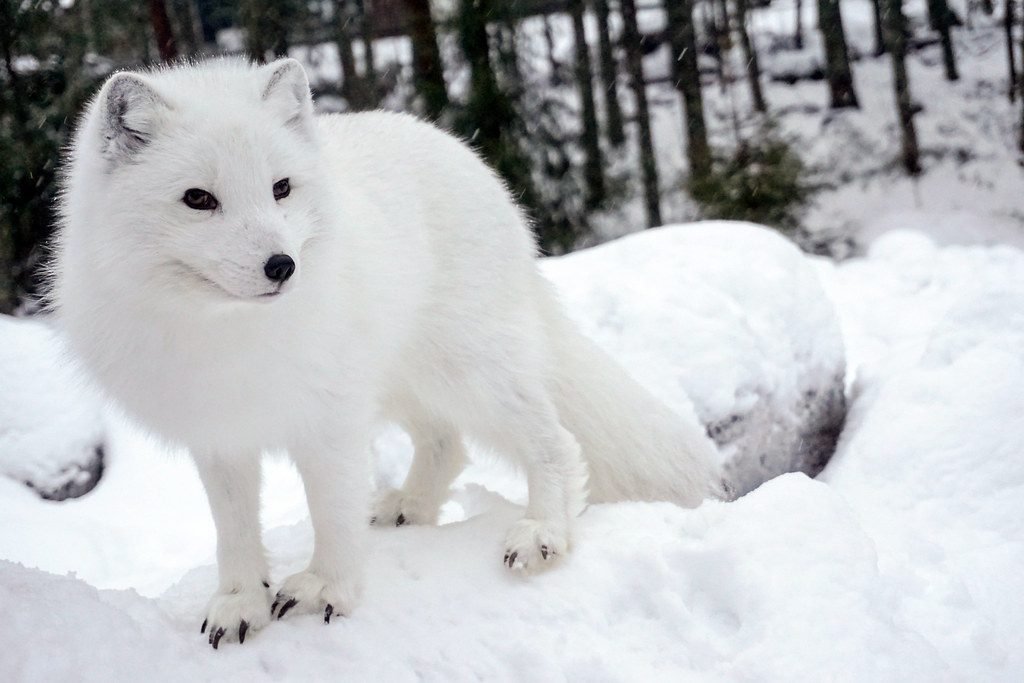
Here’s something that sets arctic foxes apart from every other member of the dog family in Alaska. The arctic fox’s paws are sheathed in dense fur during the winter, unlike other canids, giving it the name “lagopus” which means “rabbit footed”. Think about that for a moment. While wolves, coyotes, and red foxes trudge through snow on bare paw pads, arctic foxes essentially wear built-in snow boots.
The paws of the Arctic Fox grow dense fur at the beginning of the winter, which sheds in springtime. This adaptation serves multiple purposes beyond warmth. The furry paws act like natural snowshoes, distributing the fox’s weight across a larger surface area, preventing them from sinking into soft snow. They also allow these hunters to move silently across crusty snow when stalking prey, giving them a stealthy advantage that other predators simply don’t possess in Alaska’s wilderness.
Blue Foxes Outnumber White Ones on Alaska’s Islands
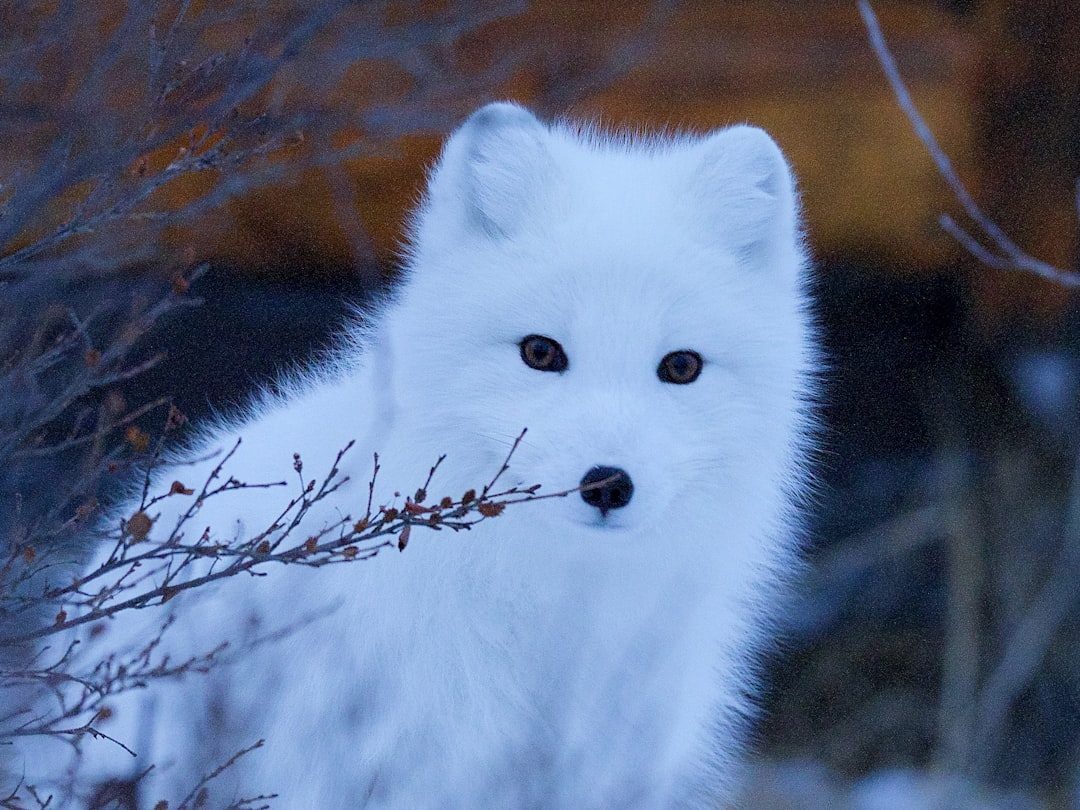
You might expect all arctic foxes in Alaska to be white, given the state’s snowy reputation. Think again. Both blue and white color phases occur, with the blue phase more common on the Aleutian and Pribilof Islands, while the white color phase is more common in northern populations. This geographical color distribution reflects different evolutionary pressures across Alaska’s varied coastal environments.
The genetics behind this are fascinating. Young of each color phase may occur in the same litter, meaning a single den might produce both white and blue pups from the same parents. Although the blue allele is dominant over the white allele, 99% of the Arctic fox population is the white morph globally, making Alaska’s blue fox populations on certain islands all the more remarkable and genetically significant.
They Can Smell Food From Nearly 25 Miles Away
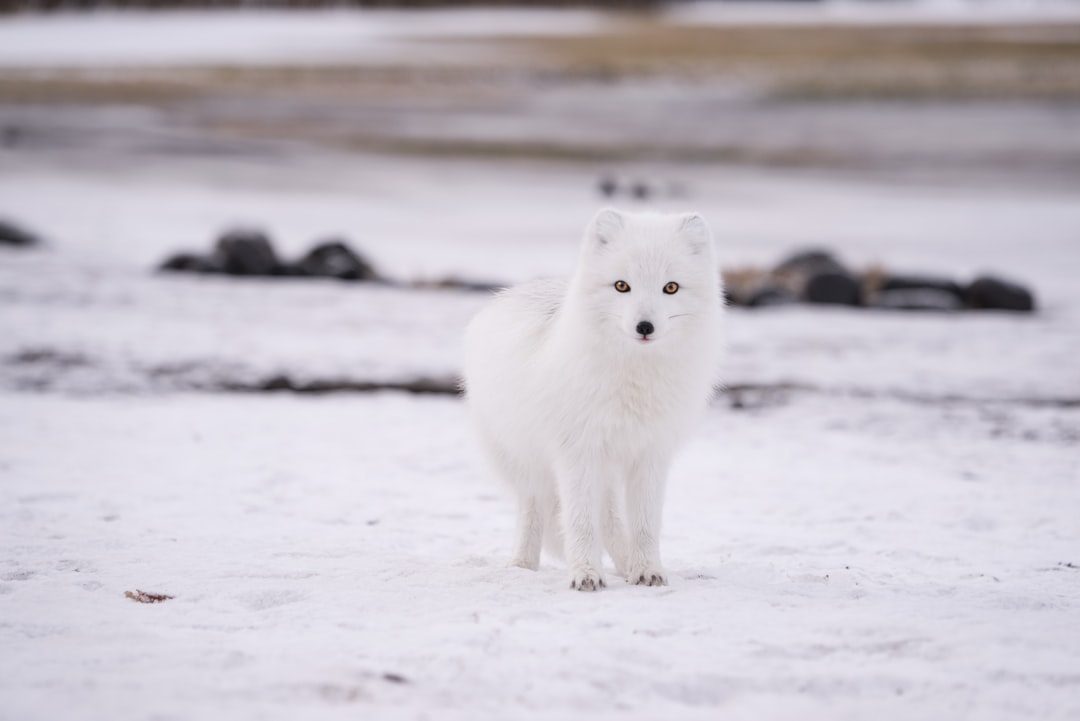
The nose of the Arctic fox can detect a resource hotspot like marine carrion as much as 40 kilometers away. Let that sink in for a moment. That’s roughly 25 miles of detection range through harsh Arctic winds and blowing snow. This extraordinary olfactory ability transforms Alaska’s seemingly barren tundra into a landscape rich with information invisible to human observers.
This superpower proves crucial during Alaska’s brutal winters when food becomes scarce. The foxes use this remarkable sense to track down everything from seal carcasses left by polar bears on sea ice to cached prey buried beneath snow. They can smell carcasses that are often left by polar bears anywhere from 10 to 40 kilometers away, and it is possible that they use their sense of smell to also track down polar bears, and can smell and find frozen lemmings under 46 to 77 centimeters of snow.
Their Dens Create Lush Arctic Gardens in Barren Landscapes
Here’s where things get really interesting. The underground homes, often a century old, are topped with gardens exploding with lush dune grass, diamondleaf willows, and yellow wildflowers, creating bright green areas while everything around them is just brown. You’d never expect a carnivore to be a landscape gardener, yet arctic foxes in Alaska inadvertently cultivate some of the tundra’s most vibrant plant communities.
The foxes’ organic waste supports almost three times as much botanical biomass in summer months as the rest of the tundra. Scientists have even dubbed these creatures “ecosystem engineers” because of this remarkable impact. The phenomenon occurs because generations of foxes using the same dens deposit nutrients from their waste and food scraps, enriching soil that would otherwise remain nutrient-poor. These colorful den sites become crucial visual markers for researchers studying fox populations across Alaska’s vast wilderness.
Alaska’s Arctic Foxes Travel Farther Than Almost Any Land Mammal
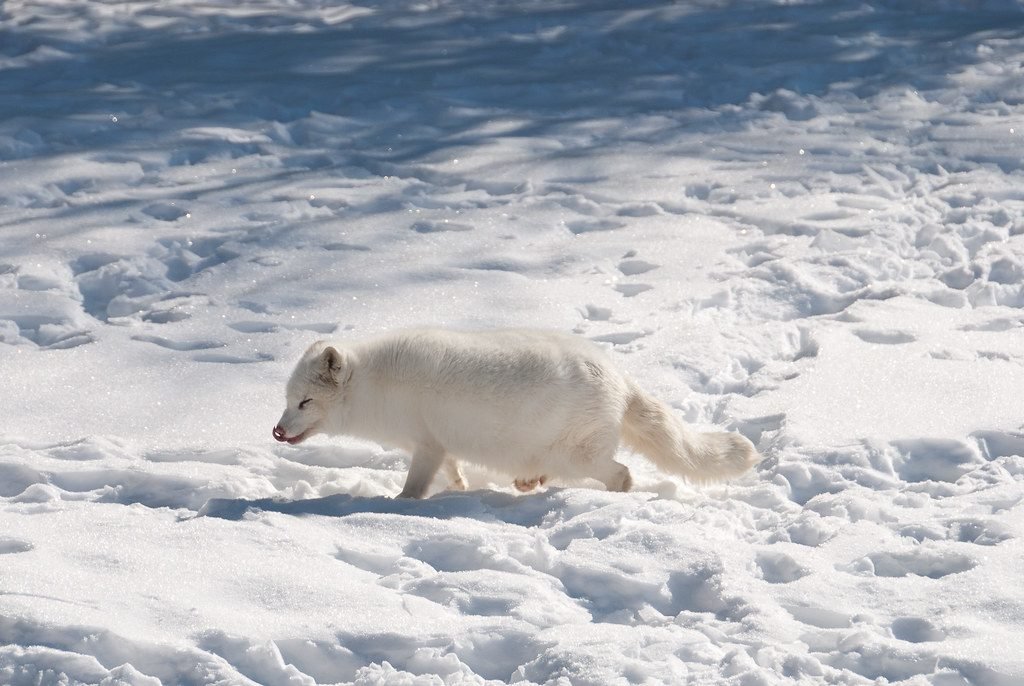
Arctic foxes may move long distances over sea ice, and a fox tagged along the coast of Russia was captured near Wainwright, Alaska a year later. That journey represents hundreds of miles across frozen ocean, demonstrating navigation abilities we’re only beginning to understand. Alaska’s arctic foxes don’t just wander randomly, either.
In Alaska, the arctic fox migrates seaward in fall and early winter, and will reverse movement in late winter and early spring, with studies documenting long-distance movements of several hundred kilometers. Research from Alaska’s North Slope reveals even more astounding journeys. Four adult foxes collared in NPR-A used the sea ice for extensive time periods, with one fox traveling 338 kilometers in three days while another traveled to Banks Island (Northwest Territories, Canada), over 1050 kilometers from its capture location.
They Don’t Shiver Until Temperatures Hit Minus 94 Degrees Fahrenheit
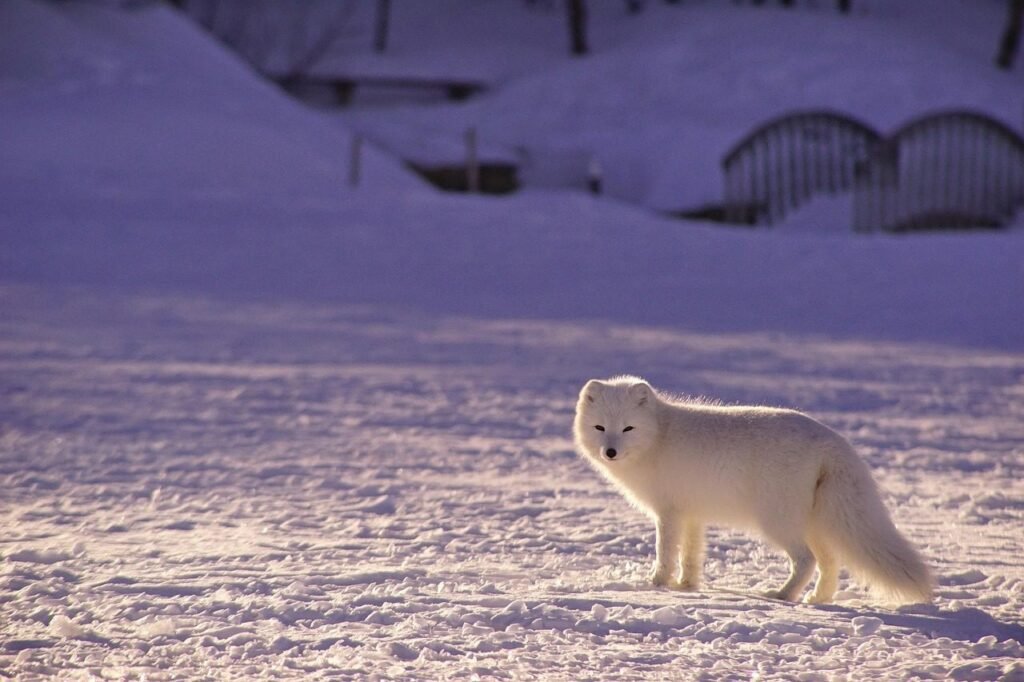
The Arctic fox lives in some of the most frigid extremes on the planet, but they do not start to shiver until the temperature drops to minus 70 degrees Celsius (minus 94 degrees Fahrenheit). To put that in perspective, Alaska’s coldest recorded temperature is around minus 80 degrees Fahrenheit. These foxes have essentially engineered themselves to treat what would be lethal cold for most mammals as merely chilly.
Scientists have been unable to get the animals to shiver in laboratory chambers even when they drop temperatures to minus 40 degrees Celsius. The fur of the Arctic fox provides the best insulation of any mammal. Their secret lies in a multilayered coat where roughly 70 percent consists of dense underfur creating air pockets that trap body heat. Alaska’s winter might be harsh, but for arctic foxes, it’s just another day at the office.
Litters Can Reach a Staggering 25 Pups
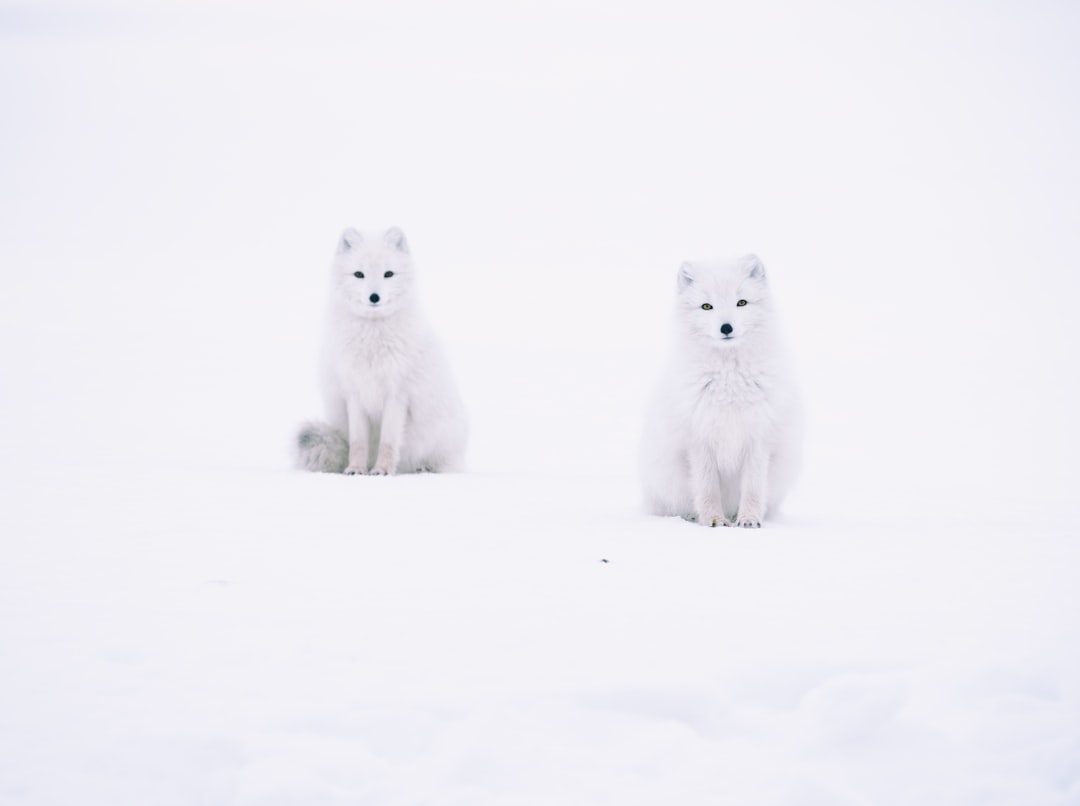
Litters may contain as many as 25, the largest litter size in the order Carnivora. That’s not a typo. When prey is abundant in Alaska, particularly during lemming population booms, arctic fox mothers can give birth to more pups than any other carnivore on Earth. Litters average seven pups but may contain as many as 15 pups, though the record-breakers push far beyond that.
The litter size directly correlates with food availability. The white fox’s reproduction rates reflect the lemming population density, which cyclically fluctuates every three to five years, and when lemmings are abundant, the white fox can give birth to 18 pups, but they often do not reproduce when food is scarce. This reproductive flexibility allows Alaska’s arctic fox populations to explode during good years and conserve energy during lean ones, creating dramatic population cycles across the state’s tundra regions.
They Cache Thousands of Eggs During Alaska’s Brief Summer
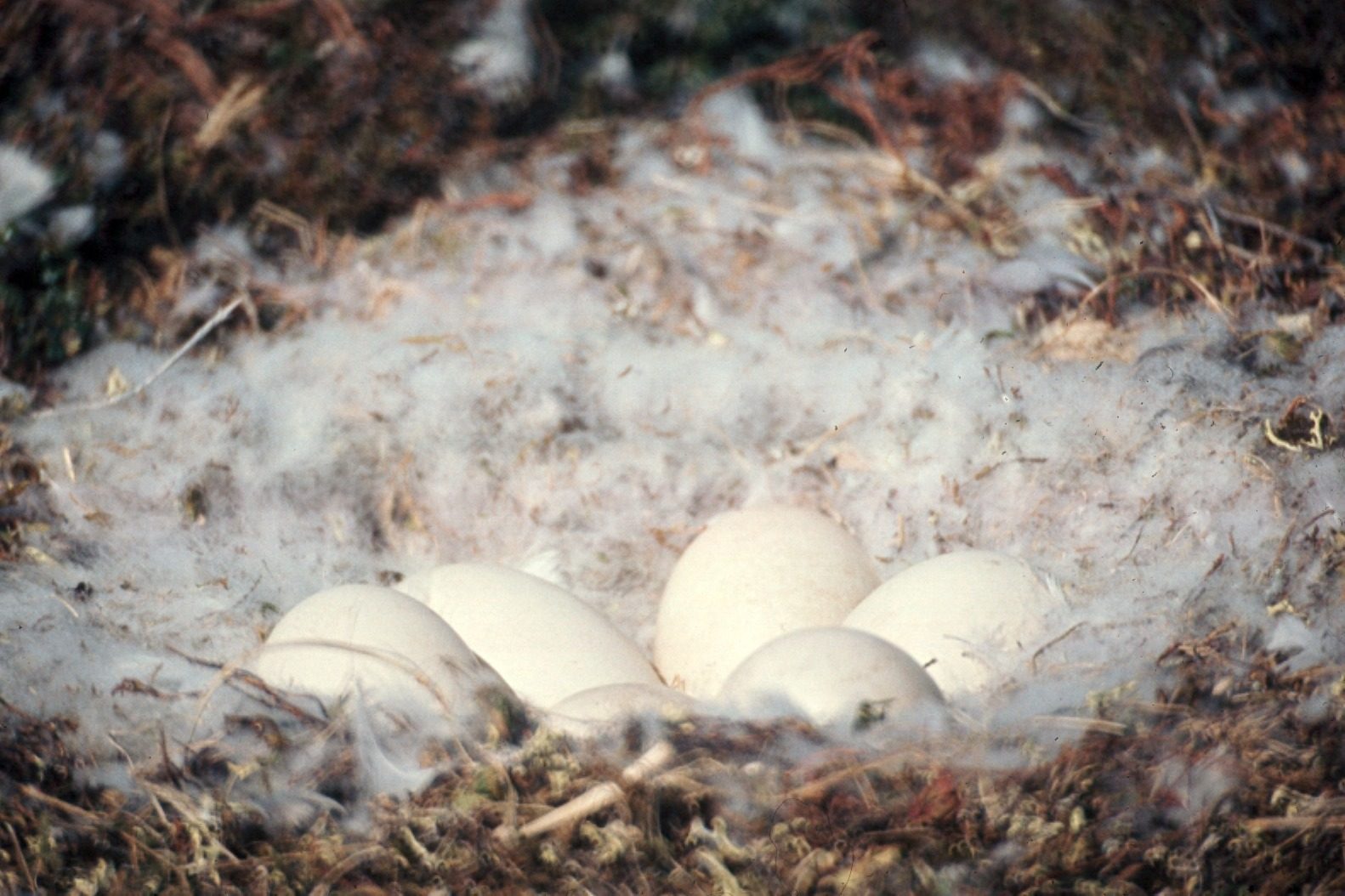
In times of plenty, each canid can cache up to a thousand goose eggs during the mating season. Imagine the planning and memory required to locate and store that many eggs across Alaska’s vast tundra. This behavior reveals sophisticated cognitive abilities often overlooked in these small predators. They’re not just surviving, they’re strategically preparing for the future.
A Danish naturalist found one store that had enough birds to keep a fox fed for a month, containing a long, neatly arranged row of two murres, four snow buntings and 36 dovekies, plus a pile of dovekie eggs. The organizational skill displayed in these caches is remarkable. Foxes don’t just pile food haphazardly but arrange it methodically, suggesting they understand preservation principles and return to inspect their stores periodically throughout Alaska’s long winter.
Both Parents Raise Pups Together in Complex Dens
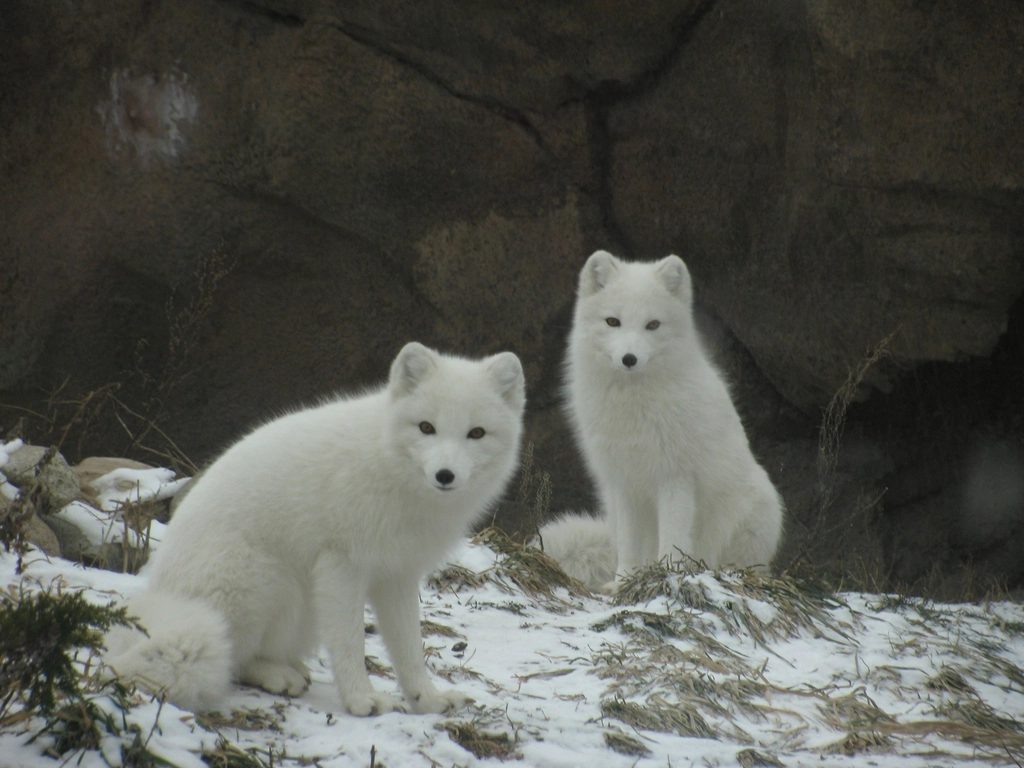
Arctic foxes are monogamous in the wild, and both parents aid in bringing food to the den and in rearing the pups. This partnership model proves essential for raising large litters in Alaska’s challenging environment. The cooperation extends beyond just the breeding pair in many cases, creating extended family networks that boost pup survival rates.
Some of these complex dens have between four and eight entrances and a tunnel system that can reach over 300 square feet, providing shelter for multiple generations of foxes, since they are used over and over for centuries. Arctic fox pups are born in dens excavated by the adults in sandy, well-drained soils of low mounds and river cutbanks, extending from six to 12 feet underground, and enlarged ground squirrel burrows with several entrances are often used as dens.
They Hunt Lemmings by Leaping Through Snow
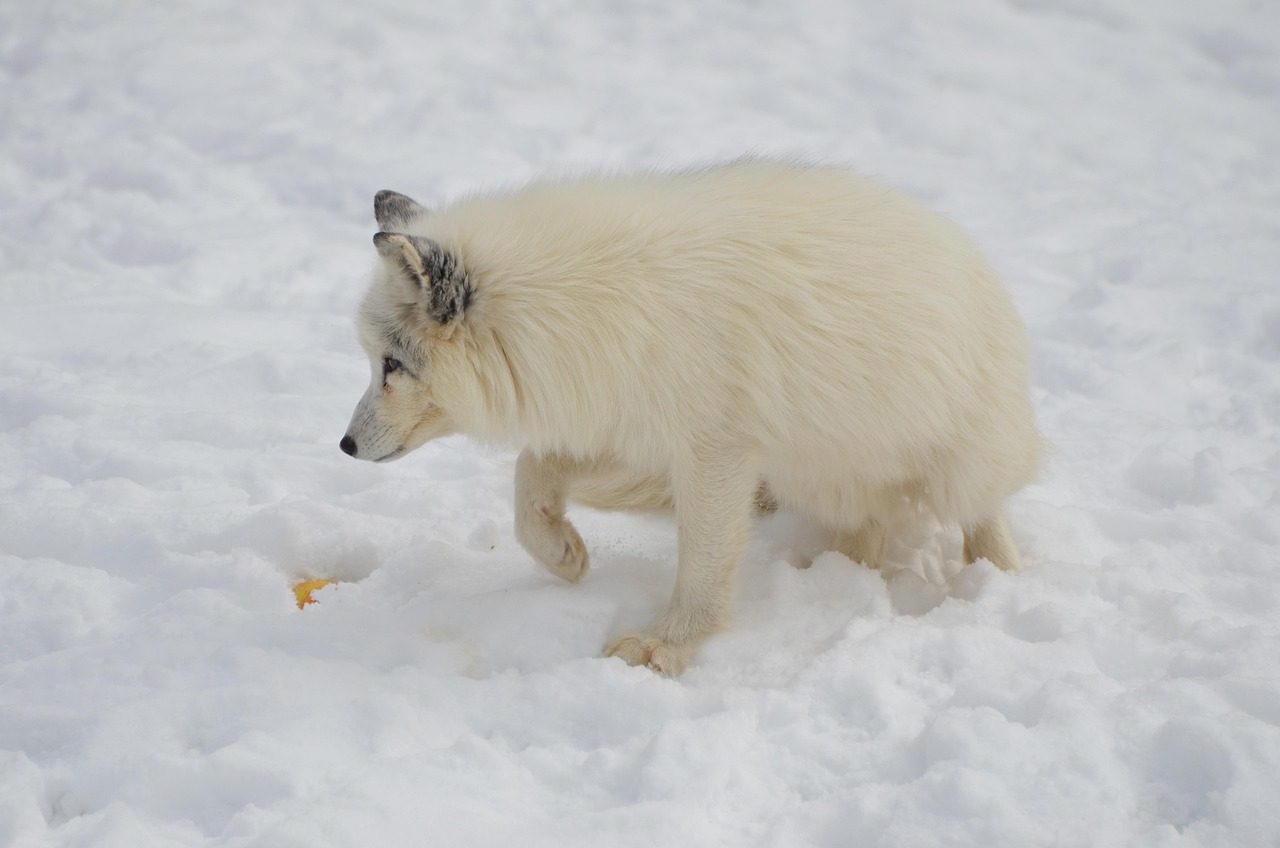
Arctic foxes walk on top of the snow and use their acute hearing to listen for small creatures below, and if they hear something move, they will jump up and down to break through the snow and reach with their front paws to grab the prey. This hunting technique, perfected across Alaska’s snow-covered landscapes, combines patience with explosive action. You’ll see them tilting their heads from side to side, triangulating sounds beneath the surface.
They feed primarily on two small rodent species, the lemming and the tundra vole, and on the coast of Alaska, during the warm months, they roam the rocky shores preying on nesting seabirds such as auklets, puffins, and murres from whom they also take their eggs. The foxes have mastered the art of switching between hunting strategies depending on Alaska’s season and location, demonstrating remarkable behavioral flexibility that keeps them fed year-round.
Alaska’s Wilderness Foxes Travel Five Times More Than City Foxes
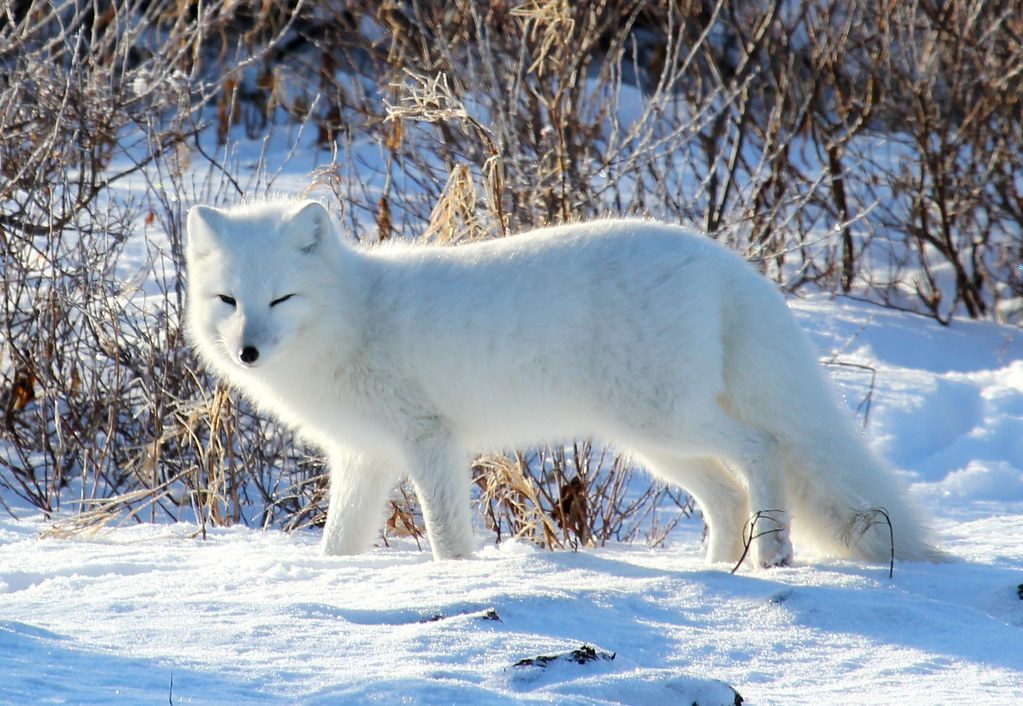
Research comparing foxes in developed versus undeveloped areas of Alaska revealed startling behavioral differences. Fox daily travel rates were about five times greater in the undeveloped area than in the developed area. The foxes in the Prudhoe Bay area remained near their capture location throughout the winter whereas foxes collared in NPR-A made long distance movements on the pack ice and on land, and diet analysis revealed that Prudhoe Bay foxes diet was comprised of human foods, while NPR-A fox diet included effectively no anthropogenic foods and their isotopic signature revealed a strong marine food base.
This difference tells us something profound about how human development impacts wild behavior in Alaska. Foxes near oil fields essentially become sedentary, relying on human food waste rather than undertaking epic journeys across frozen seas. The wilderness foxes, by contrast, maintain ancient migration patterns that showcase the species at its most impressive, covering vast distances in their relentless search for natural food sources across Alaska’s pristine Arctic landscapes.
Conclusion
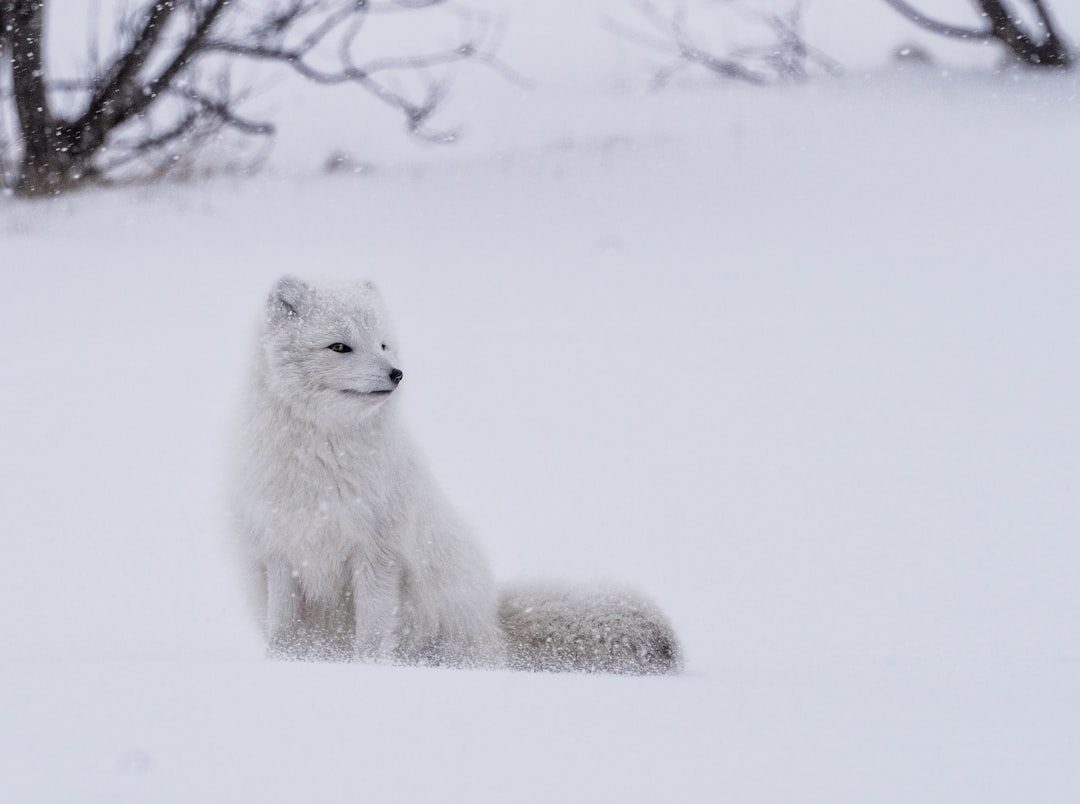
Alaska’s arctic foxes embody wilderness resilience in its purest form. From their color-changing coats to their record-breaking litters, these remarkable animals have conquered one of Earth’s harshest environments through adaptations that continue to astonish researchers. Their ability to smell prey from miles away, create thriving gardens atop century-old dens, and travel farther than almost any land mammal showcases evolution’s creative power.
Yet their story remains unfinished. As Alaska’s climate shifts and human development expands, these foxes face new challenges that will test even their impressive adaptability. The contrast between wilderness foxes and those near human settlements reminds us that true wildness requires space to roam and natural food sources to pursue. What surprises you most about these incredible survivors of Alaska’s frozen frontier?
Hi, I’m Andrew, and I come from India. Experienced content specialist with a passion for writing. My forte includes health and wellness, Travel, Animals, and Nature. A nature nomad, I am obsessed with mountains and love high-altitude trekking. I have been on several Himalayan treks in India including the Everest Base Camp in Nepal, a profound experience.


